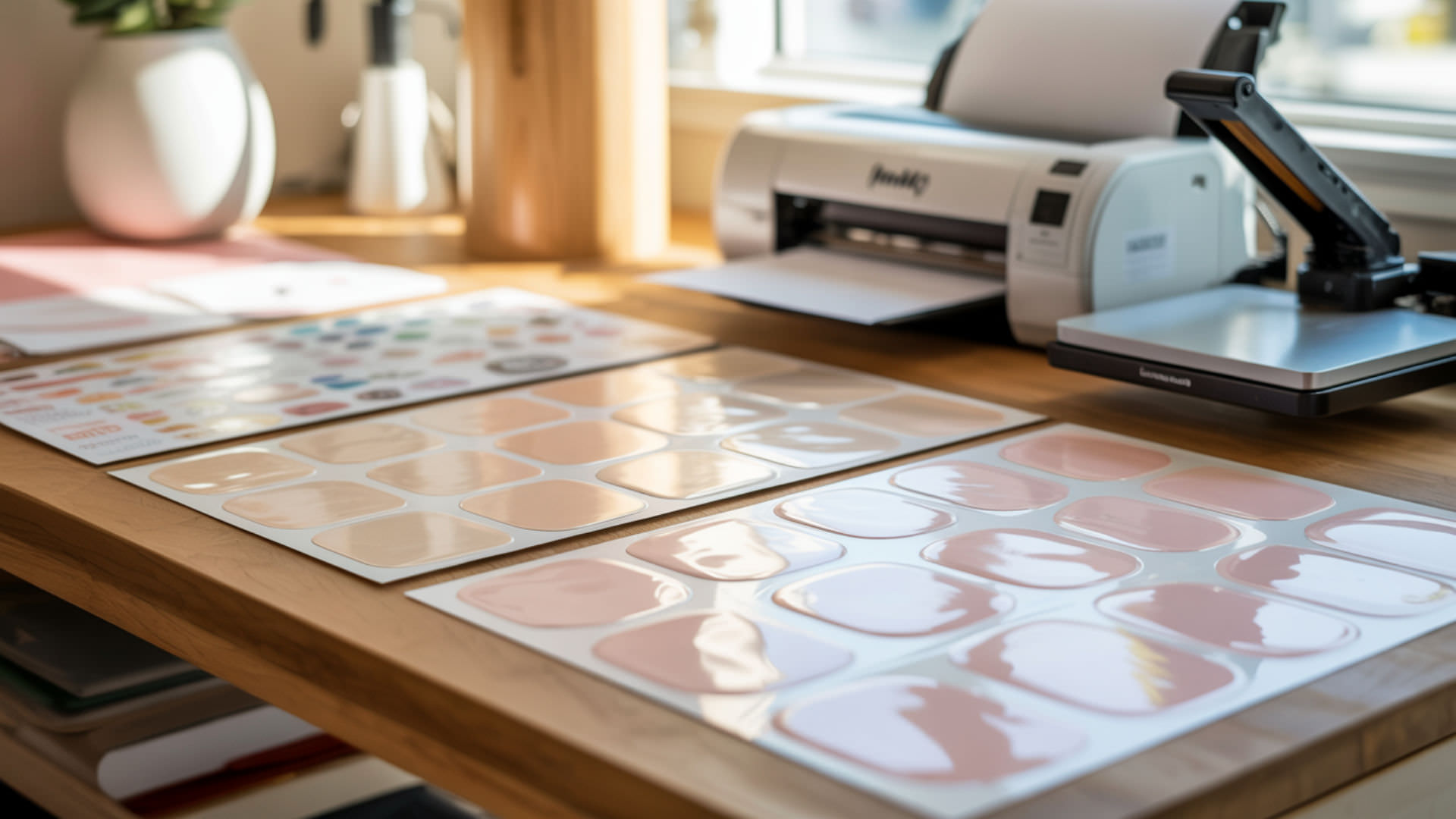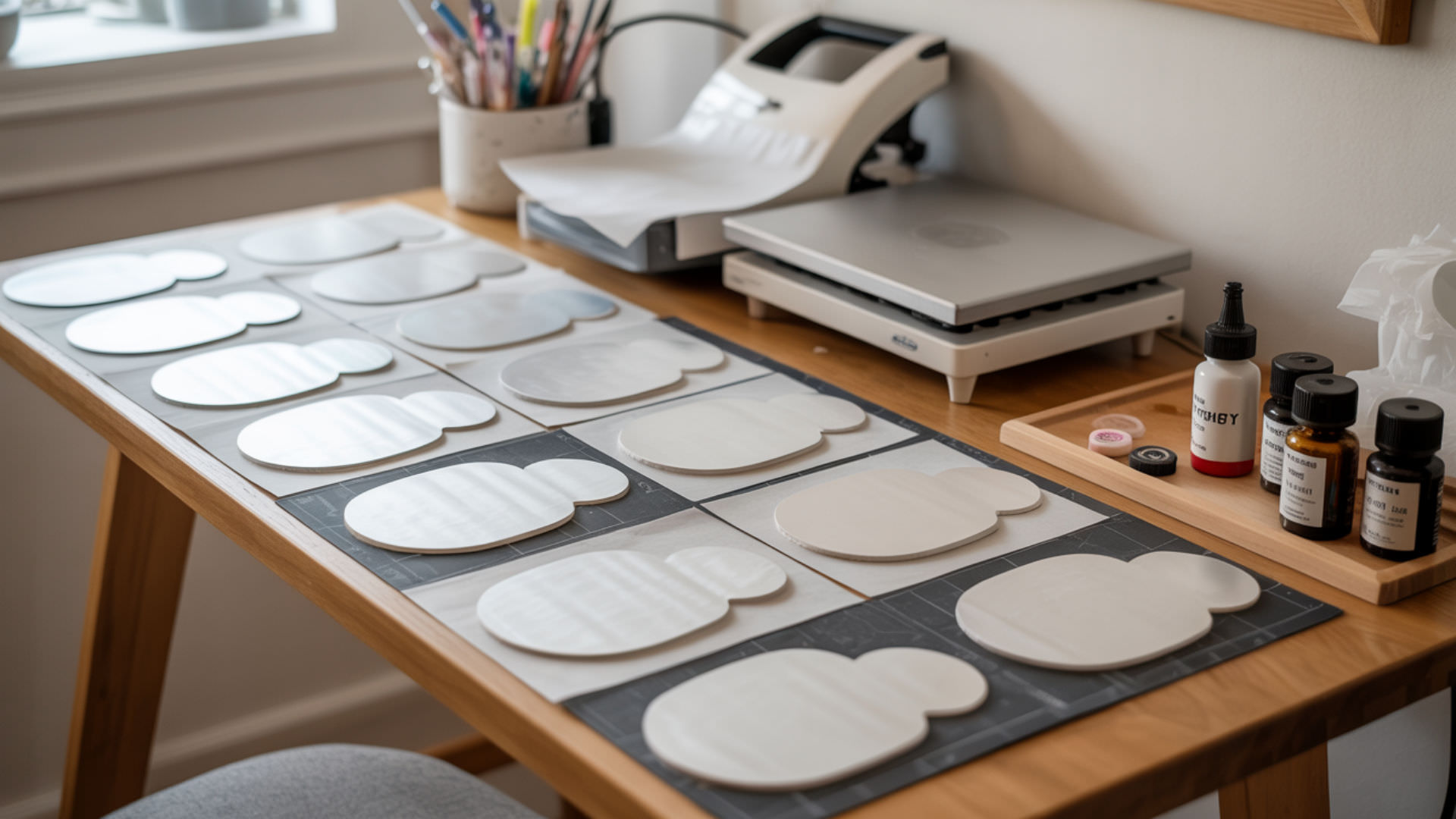
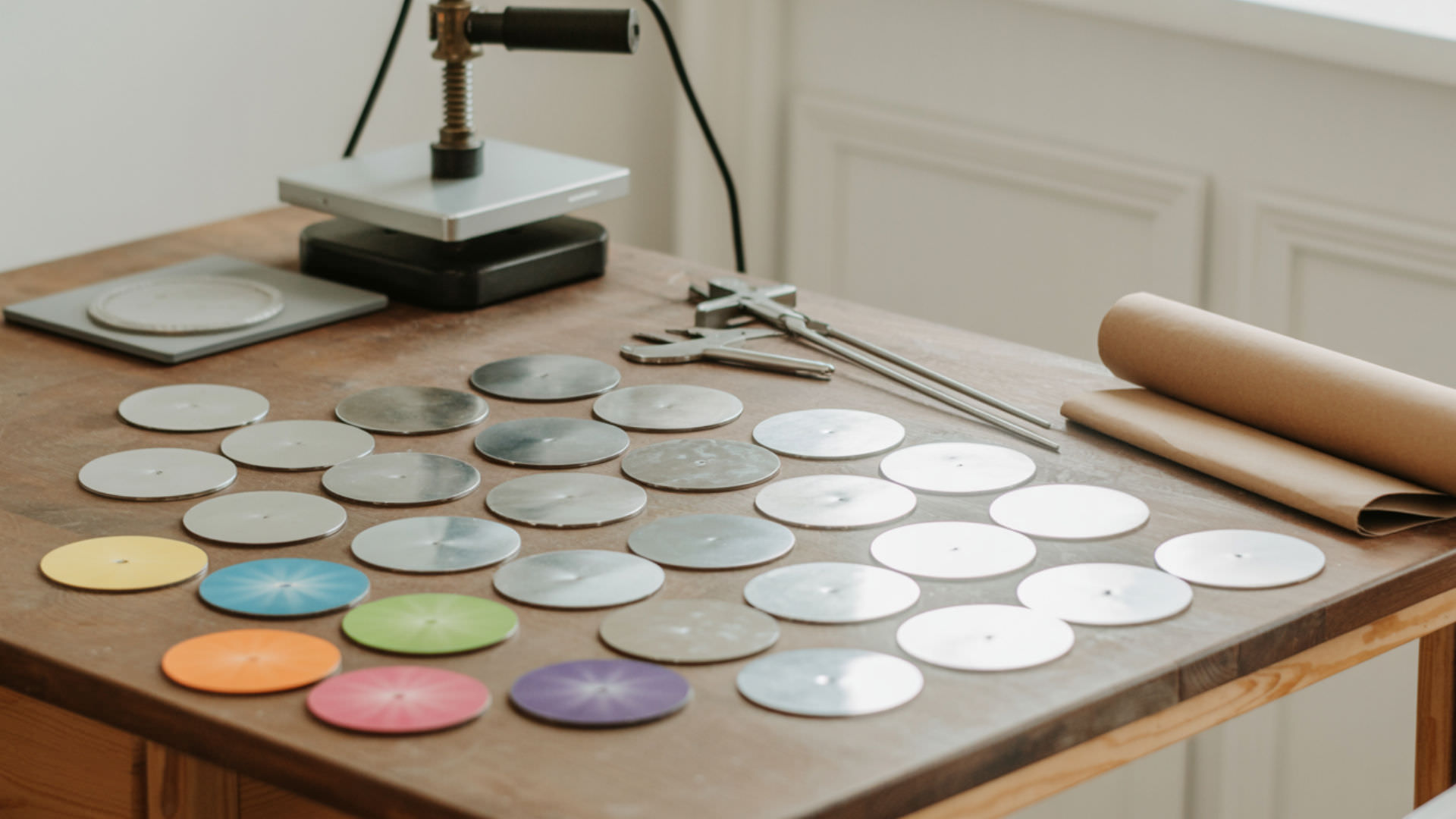
Sublimation wind spinners create mesmerizing outdoor displays where vibrant designs catch light and movement in garden settings. Medium-density fibreboard (MDF) serves as the primary material for sublimation spinners, but its porous engineered wood structure requires a polymer coating for dye bonding. The coating creates a thin film polyester layer where sublimation dye can deposit during heat pressing. Understanding polymer coating requirements helps you achieve vibrant results across all gift surfaces—our sublimation gift ideas hub explains coating fundamentals.
Key Takeaways
- MDF wind spinners require sublimation-specific coating—uncoated engineered wood will not bond with dye regardless of heat settings.
- Sublimation converts dye to gas that diffuses into the coated MDF surface, creating permanent designs that resist outdoor elements.
- Extended press times of 60–190 seconds at 385–400°F ensure complete dye transfer through thicker MDF materials.
What Temperature Do You Sublimate Wind Spinners At?
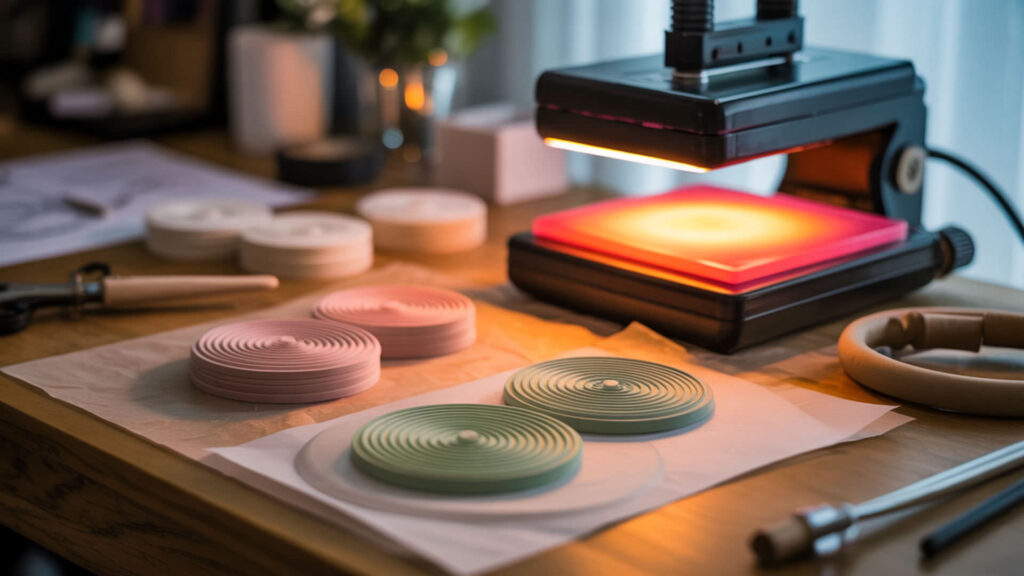
Wind spinners sublimate best at 385–400°F, but thickness of the MDF blank significantly affects required pressing time. Thicker MDF heats slower than thin materials, requiring longer dwell times to ensure heat penetrates completely through the substrate. Vapor pressure must reach sufficient levels for dye activation—the ink needs adequate heat to gasify and enter the coating layer. Both wind spinners and license plates rely on controlling vapor pressure for even dye activation on rigid coated substrates—our sublimation on license plates guide covers similar heat management. Heat transfer through solid materials depends on conduction, which determines how quickly thicker substrates reach uniform temperature.[1]
How to Get Vibrant Colors with Sublimation?
Vibrant colors require a smooth surface with even coating application that allows uniform dye penetration across the entire design area. Rough or uneven surfaces create patchy results where some areas absorb more dye than others. Proper deposition occurs when the spinner cools correctly—controlled cooling locks dye into the coating film for deeper, more saturated color. Allow spinners to cool flat under weight to prevent warping that can affect color appearance.
Can You Overheat Sublimation?
Excessive heat causes the resin binder in MDF to soften, risking scorched prints, blurred designs, or structural damage to the spinner blank. Urea-formaldehyde resin commonly used in MDF exhibits heat sensitivity—overheating can cause warping, delamination, or release unpleasant odors. Stay within manufacturer-recommended temperatures and extend time rather than increasing heat when colors appear light. If edges yellow or curl, reduce temperature by 10°F on subsequent presses.Engineered wood products often rely on resin binders that can degrade or off-gas when exposed to excessive heat.[2]
How to Make a Simple Wind Spinner?
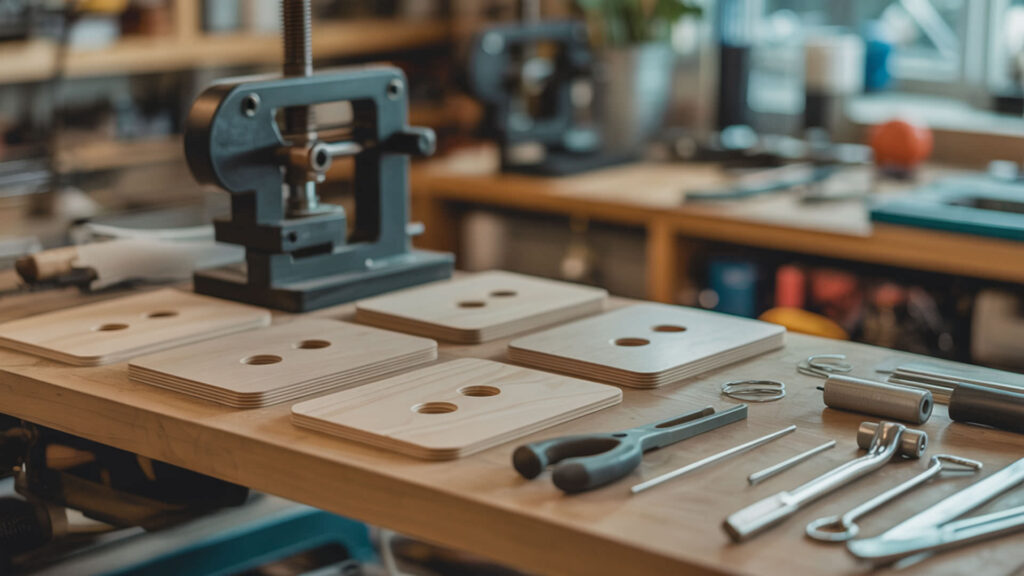
Simple wind spinners start with engineered wood blanks that provide stable, uniform bases for clean shaping and consistent coating adhesion. The smooth surface of quality MDF blanks allows uniform polymer coating application that produces crisp sublimation prints across the entire design area. Pre-cut sublimation blanks with existing fin patterns eliminate the need for precision cutting while ensuring balanced rotation in wind.
How to Make Plastic Bottle Wind Spinners?
Plastic bottle spinners require suitable coating to create a sublimation-ready thin film on the smooth, non-porous surface. Standard plastic lacks porosity for coating adhesion, making it challenging to achieve durable polymer layers that accept sublimation dye. Commercial sublimation blanks provide more reliable results than DIY plastic alternatives due to factory-applied coatings engineered for proper dye bonding.
How to Make a DIY Arrow Spinner?
Arrow-shaped spinners use MDF as a rigid base that can be cut into custom directional designs while maintaining structural integrity. Spray coating adds a sublimation-ready polymer layer across cut shapes, allowing DIY blanks to accept dye transfer. Apply multiple light coats of sublimation coating spray, allowing full cure time between applications before pressing to ensure the polymer layer bonds properly with the MDF surface.
How to Shape Wind Spinners?
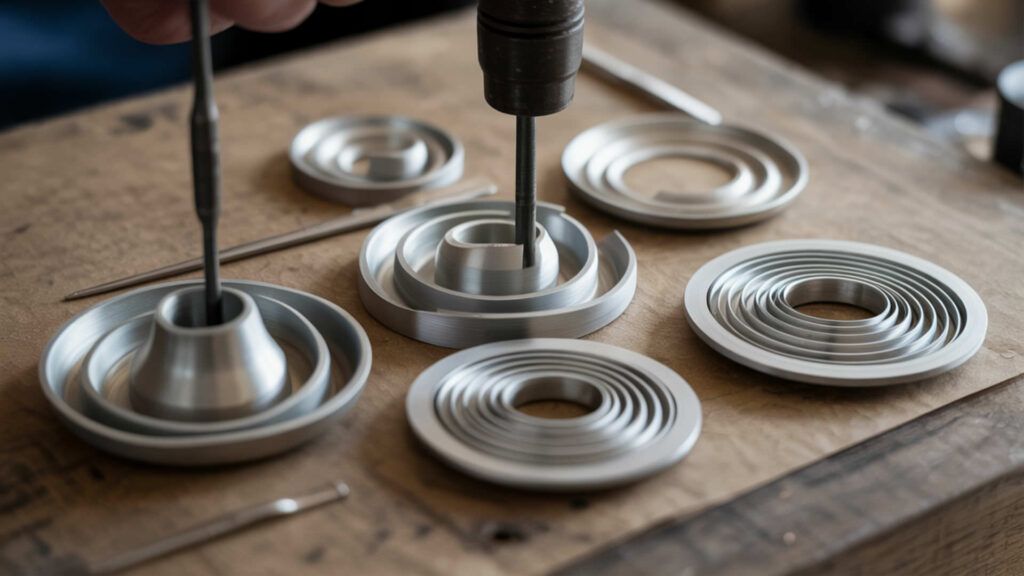
Wind spinner blanks can be gently shaped after sublimation to create three-dimensional movement effects that catch light from multiple angles. Thickness influences how easily the spinner can be bent or shaped without cracking—thinner blanks flex more readily while thicker materials resist deformation. Uniform density throughout the MDF reduces weak spots that might break during shaping, so select quality blanks without visible voids or density variations.
How to Balance a Wind Spinner?
Balanced spinners rotate smoothly without wobbling that creates stress on hanging hardware and reduces visual appeal. The MDF and resin binder combination provides structural stability when mass distributes evenly across the spinner’s fins. Center-mounted hanging holes ensure weight balances equally on all sides—off-center holes cause uneven rotation that strains the spinner hook and creates erratic movement patterns.
What Can I Use as a Spinner?
Engineered wood products like MDF and hardboard provide durable, shapeable bases that can be coated for sublimation with consistent results. Aluminum spinner blanks offer superior weather resistance for permanent outdoor installations but require different pressing parameters. Commercial sublimation blanks designed specifically for wind spinners deliver the most reliable results, with factory coatings optimized for vibrant color reproduction.
How Do You Make Sublimation Wind Spinners Step-by-Step?
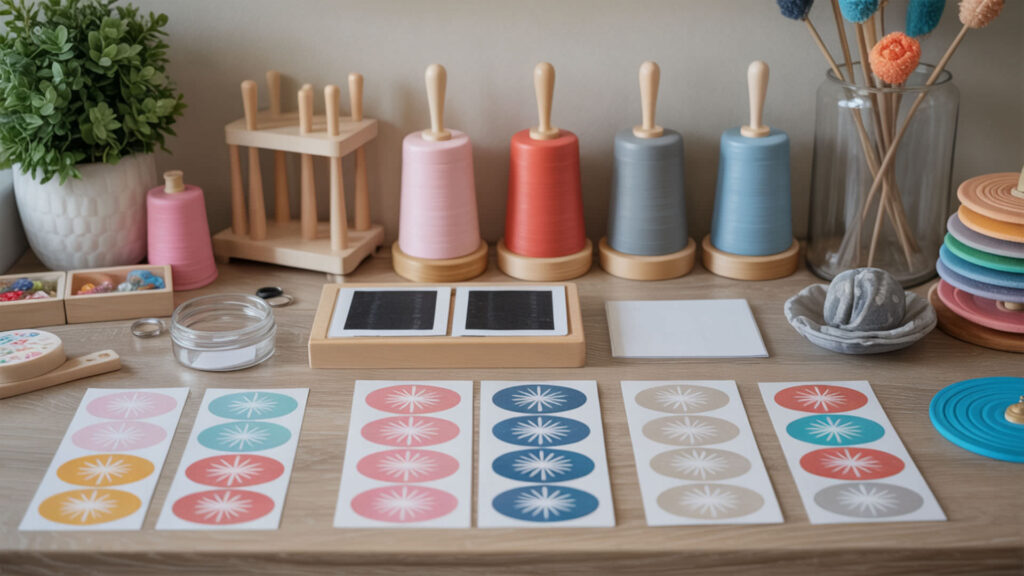
Successful wind spinner sublimation requires controlled heat that converts dye to gas phase for deposition into the polymer coating, where it solidifies as the spinner cools to create a stable, permanent graphic.
- Remove the clear protective film from both sides of the wind spinner blank before pressing. This film protects the coating during shipping but prevents dye transfer if left in place.
- Print your mirrored design onto sublimation paper sized to fully cover the spinner with slight overlap. Oversizing ensures full coverage without white edges appearing on the finished design.
- Align the design carefully with the spinner fins, paying attention to top and bottom hole orientation. The gaps in the spinner allow you to see through and position the design precisely.
- Secure the sublimation paper with heat-resistant tape at four or more points around the edges. Thorough taping prevents shifting during the extended pressing time required for MDF.
- Place protective butcher paper on both sides of the spinner to catch ink that bleeds through the gaps. Without protective paper, dye will transfer to your heat press and mat.
- Press at 385–400°F for 60–190 seconds depending on blank thickness, using medium consistent pressure. Thicker 8–10 inch spinners may need the full 190 seconds for complete dye transfer.
- Peel the transfer paper immediately while hot, then repeat the entire process for the second side. Each side must be pressed separately—do not attempt to press both sides simultaneously.
- Apply UV-resistant clear coat spray over the finished design to protect against sun fading outdoors. This protective layer significantly extends color vibrancy for outdoor display spinners.
How Long Do Wind Spinners Last?
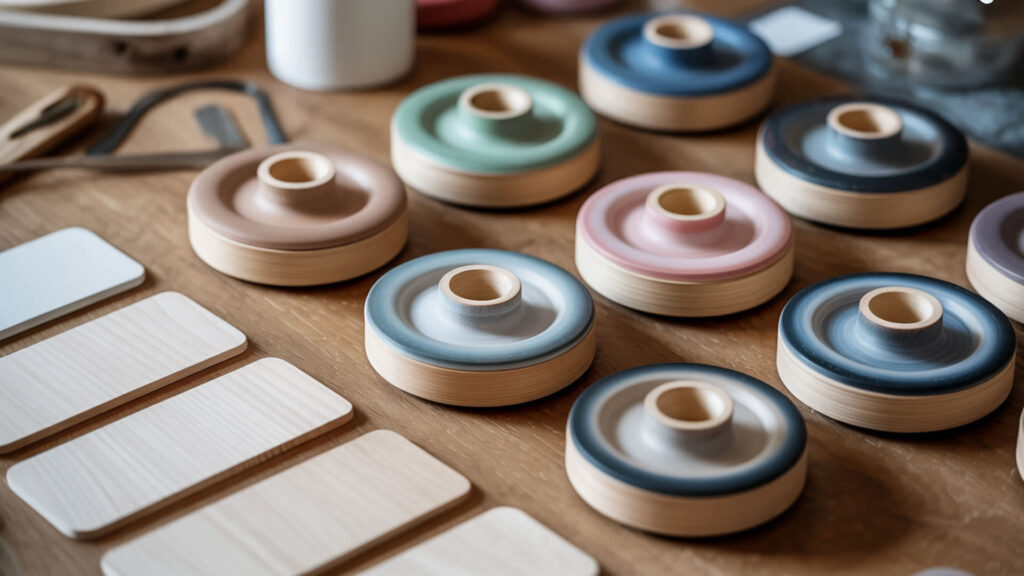
Wind spinner longevity depends heavily on material quality and environmental exposure conditions. Porosity of MDF affects moisture absorption—more open, lower-quality MDF can absorb humidity and reduce durability through swelling or warping. Better resin content and quality coating help spinners survive outdoor humidity by creating barriers against moisture penetration. Both wind spinners and candle jars must manage moisture resistance for long-term decorative use—our sublimation candle jars guide covers similar durability considerations.
What Are the Downsides of Sublimation?
Sublimation on MDF spinners requires proper coating—if the polymer layer is thin or uneven on the porous wood surface, prints can look dull or patchy. The coating adds an extra preparation step compared to printing methods that don’t need polymer layers, increasing both time and material costs. Sublimation also requires specialized equipment including sublimation printers, ink, paper, and heat presses that represent significant upfront investment.
Is It Cheaper to Do Vinyl or Sublimation?
Vinyl requires lower upfront equipment costs but limits designs to cut shapes without photographic detail or gradients. Coating on sublimation blanks increases per-unit material costs compared to basic vinyl-compatible surfaces, but allows unlimited full-color permanent designs. For complex, multi-color designs on wind spinners, sublimation typically proves more economical per piece despite higher blank costs because designs transfer in a single press cycle.
Ready to Create Your Sublimation Wind Spinners?
Quality MDF blanks with uniform coating produce the most vibrant, long-lasting wind spinner designs. Start with standard 8-inch blanks that fit most sublimation printers before progressing to larger sizes requiring wide-format equipment. Apply UV protective spray for outdoor installations and consider offering stacked spinner combinations that create impressive garden displays. Wind spinners rank among the most eye-catching sublimation gifts for garden enthusiasts—our best sublimation gifts guide covers spinner pricing and market positioning.
Frequently Asked Questions
Why do some DIY spinner materials produce dull sublimation results?
DIY materials often lack the specialized polymer coating required for vibrant sublimation results. MDF and other porous substrates absorb dye unevenly without proper coating, creating patchy or faded prints. Commercial sublimation blanks feature factory-applied coatings engineered specifically for optimal dye absorption and color reproduction that DIY coating cannot easily replicate.
Can you sublimate on uncoated wood spinners?
Uncoated wood cannot accept sublimation dye because the porous natural fibers absorb ink unevenly and lack the polyester-based surface required for permanent bonding. Sublimation requires either natural polyester content or an applied polymer coating—wood provides neither without additional surface preparation. Apply sublimation coating spray to create a receptive layer, or purchase pre-coated blanks for reliable results.
Why does my wind spinner print look faded on one side?
Faded prints typically result from insufficient pressing time, uneven heat distribution, or reusing protective paper that already contains transferred dye. Each side requires fresh protective paper and the full recommended pressing time—rushing the second side produces noticeably lighter results. Check your heat press for cold spots using an infrared thermometer and reposition blanks toward the center if fading occurs consistently.
How do I prevent warping when pressing MDF spinners?
Warping occurs when heat distributes unevenly or when spinners cool too quickly after pressing. Use a silicone pad beneath the spinner to distribute heat evenly across the entire surface. After pressing, place the hot spinner on a flat surface under light weight until completely cool—this prevents the edges from curling as the MDF contracts during cooling.
Can sublimation spinners survive rain and humidity?
Quality sublimation spinners with UV protective coating withstand occasional rain and normal humidity levels. However, prolonged moisture exposure can eventually penetrate MDF substrates, causing swelling, warping, or coating delamination. For maximum outdoor durability, bring spinners indoors during heavy storms and avoid locations with constant moisture exposure like areas beneath roof drip lines.
References
- Heat transfer. (2021, May 13). NASA Glenn Research Center. https://www.grc.nasa.gov/www/k-12/airplane/heat.html
- Formaldehyde. (2025, December 3). US EPA. https://www.epa.gov/formaldehyde