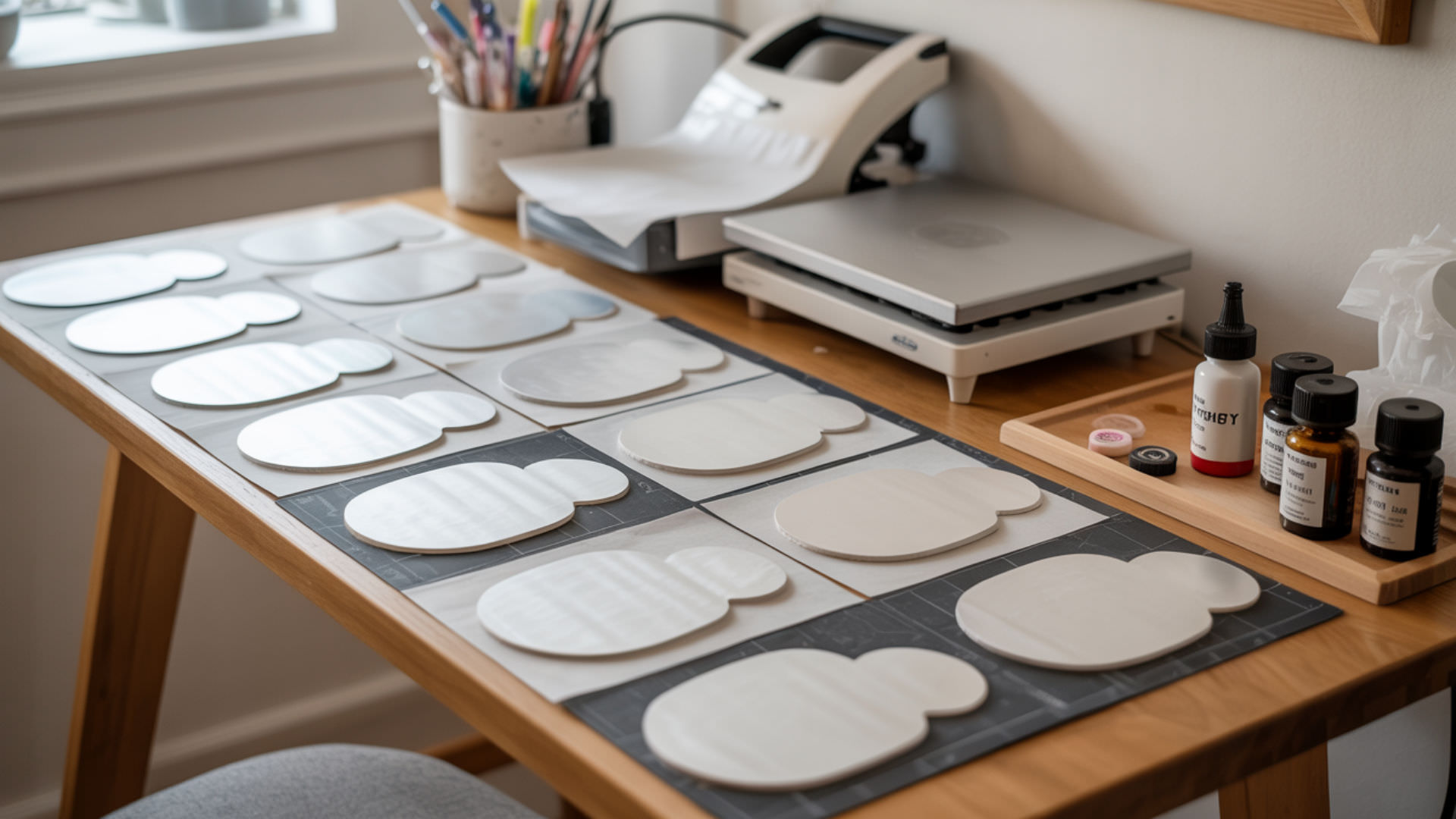
Sublimation air fresheners combine vibrant personalized designs with functional scent delivery, making them popular gifts, craft fair sellers, and promotional items. The felt structure used in air freshener blanks requires polyester fibers for sublimation compatibility—natural felt materials cannot bond with sublimation dye. Sublimation dye bonds inside polyester fibers through gas-phase diffusion during heat pressing, creating permanent graphics that withstand handling. Understanding the sublimation process helps you achieve vibrant results across all gift categories—our sublimation gift ideas hub covers core fundamentals.
Key Takeaways
- Air freshener blanks require 100% polyester felt or compressed polyester—natural fiber materials will not accept sublimation dye.
- Standard settings of 385–400°F for 45–60 seconds with medium pressure produce vibrant, fully saturated colors on most blanks.
- Always add scent after pressing—heat from sublimation disrupts fragrance oils and causes them to evaporate or alter chemically.
What Temperature Do You Sublimate Air Fresheners?
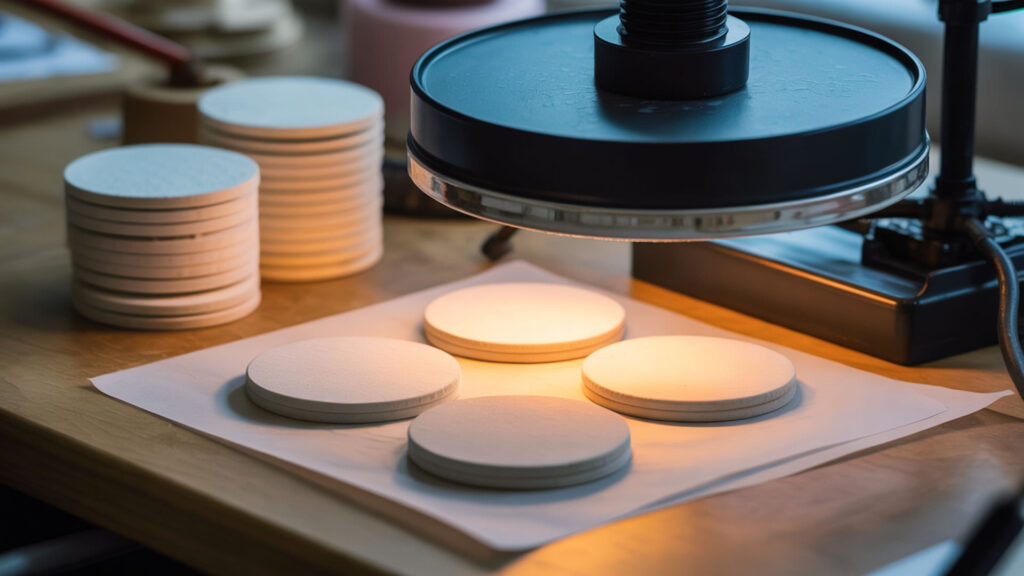
Air fresheners sublimate best at 385–400°F, where heat increases vapor pressure sufficiently to activate sublimation dye and drive it into polyester fibers. The sublimation process requires temperatures high enough to convert solid ink to gas that can penetrate and bond within the felt structure. Lower temperatures produce faded, incomplete transfers, while excessive heat risks scorching the felt material or causing the transfer paper to stick. Accurate heat control directly impacts color quality on all sublimation projects—our best sublimation gifts guide covers essential tools for consistent results.At elevated temperatures, certain solids undergo a direct phase change into gas, which enables dye molecules to diffuse into compatible materials during sublimation.[1]
How Long Do You Bake Air Fresheners?
Press air fresheners for 45–60 seconds at 385–400°F with medium pressure for fully developed color saturation. Density of the felt material affects heat penetration speed—denser, thicker felt requires consistent dwell time to allow heat to reach all fibers. Stiff compressed polyester felt typically needs the full 60 seconds, while thinner soft felt may complete transfer in 45–50 seconds. Under-pressing produces washed-out colors that fail to reach full vibrancy.
How to Press Sublimation Air Fresheners?
Position the sublimation print face-down on the felt blank, cover with protective paper, and press with medium pressure. Porosity of the felt influences dye penetration—more open fiber structures absorb dye quickly while compressed materials need slightly longer pressing times. Stiff felt requires firm but not crushing pressure to maintain blank shape, while soft felt needs lighter pressure to prevent deformation. Always sandwich blanks between protective paper to catch ink bleed-through.
How to Scent Sublimation Air Fresheners?
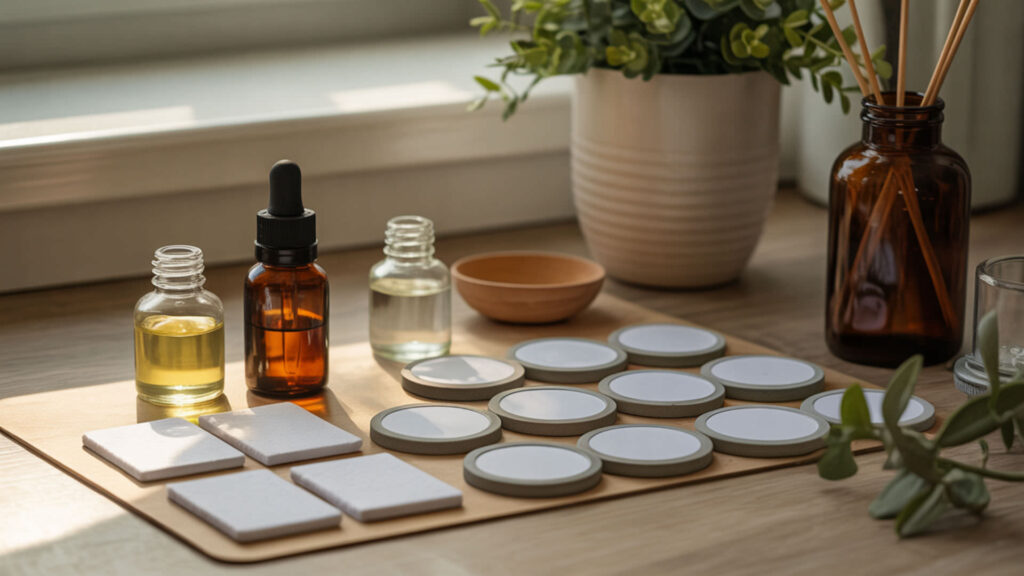
Add fragrance oils or essential oils after sublimation pressing is complete—never before pressing. The fiber structure of polyester felt absorbs fragrance through its porous composition, but oversaturation with liquid oils can cause bleeding or moisture interference with the sublimated design. Apply 2–3 drops to each corner and center of the blank, allowing absorption before packaging. Wait 24–72 hours after pressing before adding scent to ensure complete dye stabilization.
How to Make Scented Air Fresheners?
Create scented air fresheners by completing the sublimation process first, then adding fragrance oils in controlled amounts. Added scent oils increase moisture content in the felt, and excess moisture can weaken dye stability or cause color bleeding over time. Apply fragrance lightly to the edges or back of the freshener rather than directly over the printed design. Use clear fragrance oils to prevent discoloration of white or light-colored design areas.
What to Put on Sublimation Air Freshener?
Sublimation designs work best with bold colors, simple graphics, and limited fine detail—the felt texture slightly softens intricate line work. Polyester regions of the blank accept dye fully, so designs print cleanly only on polyester-rich areas of the material. Avoid designs with bright white elements, as the felt’s natural ivory tone prevents true white reproduction. Both air fresheners and gift bags rely on polyester content for successful dye bonding—our sublimation on gift bags guide covers similar material requirements.
How Do You Sublimate Air Fresheners Step-by-Step?
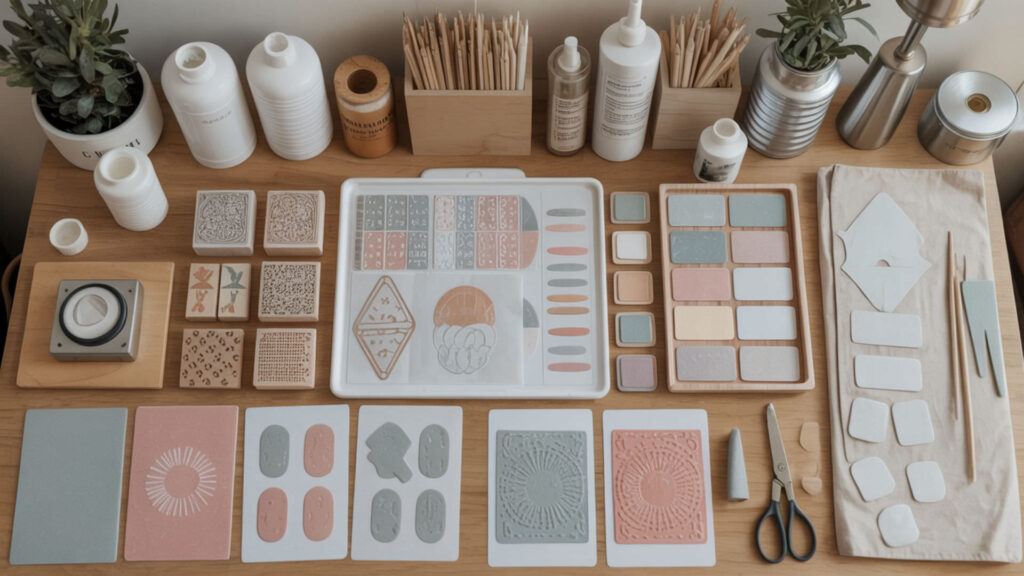
Successful air freshener sublimation requires controlled heat that converts dye to gas phase for deposition into polyester felt fibers, creating a stable graphic that resists handling and washing.
- Print your mirrored design onto sublimation paper slightly larger than the blank to ensure full edge coverage. This “full bleed” approach prevents white edges from appearing on the finished freshener.
- Lint roll the polyester felt blank to remove dust, fibers, and debris that create white spots. Any contamination trapped under the transfer will appear as defects in the finished design.
- Place protective blowout paper on the heat press bed to catch any dye that bleeds through. This protects your press from permanent ink staining that would transfer to future projects.
- Position the sublimation print face-down on the blank and secure with heat-resistant tape or spray adhesive. Tape or light adhesive prevents shifting during pressing that causes ghosting.
- Cover with additional protective paper and press at 400°F for 60 seconds with medium pressure. The top paper catches any dye migration and keeps your press platen clean.
- For double-sided designs, allow the first side to cool completely before flipping and pressing the second side. Pressing both sides simultaneously can cause dye from one side to migrate through the felt.
- Peel the transfer paper immediately while still hot, then flatten the blank under a weight until cool. Weighting prevents the felt from curling or warping as it cools from pressing temperature.
What Is an Example of Sublimation in Air Fresheners?
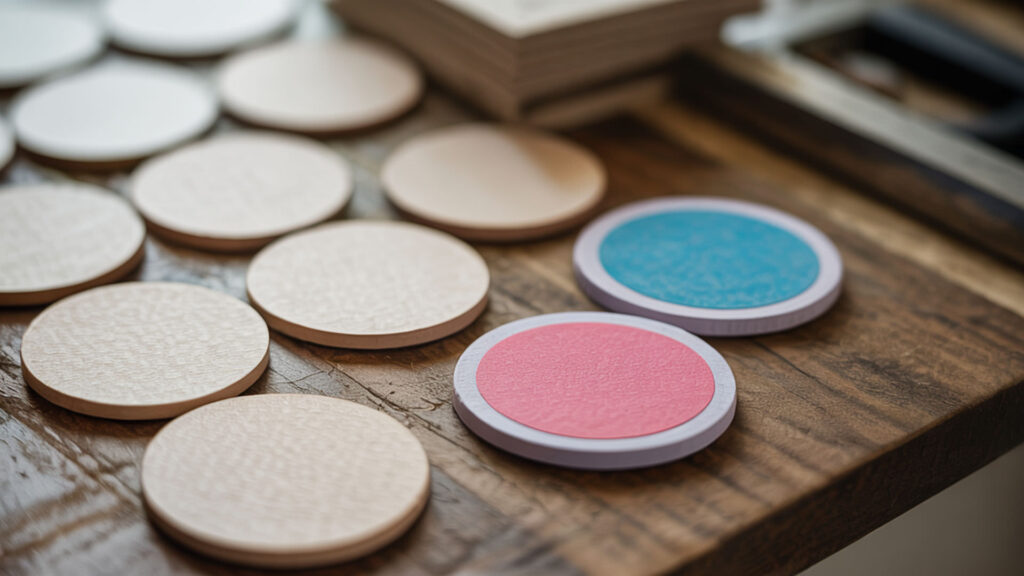
The sublimation printing process itself demonstrates sublimation physics—heat raises vapor pressure of solid sublimation ink until it converts directly to gas without becoming liquid. This gas-phase dye then bonds permanently inside polyester fibers during deposition. The printed design becomes part of the felt structure rather than sitting on the surface, which is why sublimation prints resist scratching and washing that would damage surface-applied graphics.
Why Do Solid Air Fresheners Disappear?
Solid gel or wax air fresheners gradually reduce in mass through an endothermic process where heat from the environment causes slow phase change from solid to gas. This evaporative loss releases fragrance molecules into the air over time until the solid material is completely consumed. Sublimation-printed felt fresheners work differently—the felt structure remains while only the applied fragrance oil gradually evaporates, allowing the freshener to be re-scented repeatedly. Some solid materials gradually disappear through sublimation, a process where molecules transition directly from solid to gas without becoming liquid first.[2]
Is a Solid Air Freshener Chemical or Physical?
The disappearance of solid air freshener mass represents a physical change rather than a chemical reaction—the fragrance compounds change phase from solid or liquid to gas without altering their molecular structure. Heat exposure causes physical softening and evaporation rather than chemical transformation. Similarly, sublimation printing involves a physical phase change where dye converts from solid to gas and back to solid within the polyester fibers, with no chemical bonding occurring.
What Size Are Sublimation Air Fresheners?
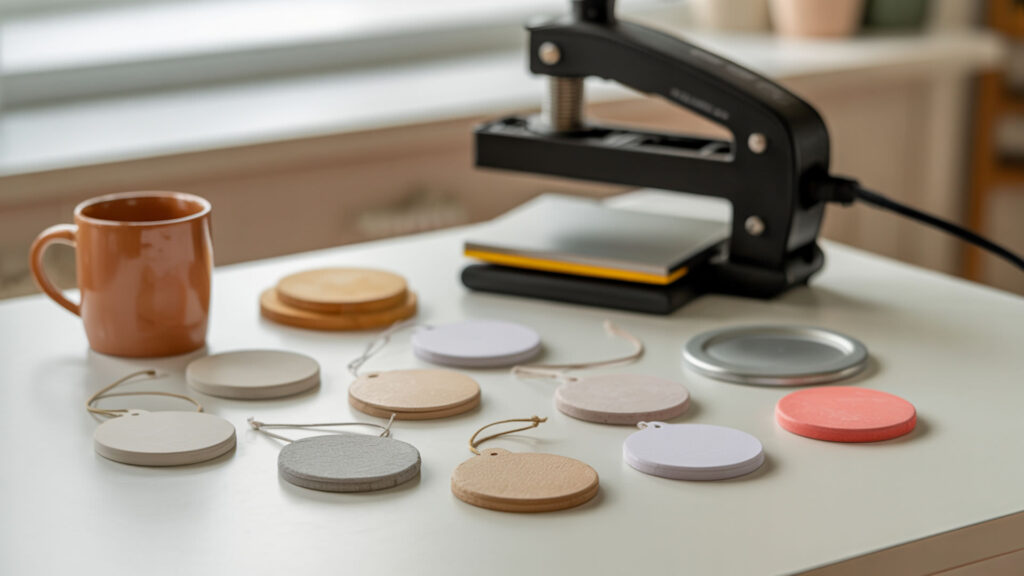
Sublimation air freshener blanks typically measure 3–4 inches in their longest dimension, sized for hanging from vehicle rearview mirrors without obstructing visibility. The nonwoven fabric structure of compressed polyester felt affects cutting accuracy—laser-cut blanks produce cleaner, more consistent edges than die-cut alternatives. Common shapes include circles, ovals, rectangles, and custom silhouettes like trees, hearts, or themed designs. Thickness ranges from 2–3mm for standard blanks.
Ready to Create Sublimation Air Fresheners?
Quality felt with uniform fiber distribution produces clearer, longer-lasting prints than economy blanks with inconsistent density. Start with basic shapes to master the pressing process before investing in custom-cut designs. Include elastic cords or ribbons, small fragrance bottles, and care instructions to create complete gift packages that command premium pricing at craft fairs and online marketplaces.
Frequently Asked Questions
Can moisture from fragrance oils cause sublimation colors to fade?
Excess fragrance oil can cause localized color bleeding or fading where liquid saturates the felt beyond its absorption capacity. The moisture from oversaturated areas may reactivate some dye molecules, causing them to migrate within the fibers. Apply fragrance sparingly in small amounts distributed across the blank rather than concentrating liquid in one area.
Does fiber density affect how sharp sublimation prints appear?
Denser, more tightly compressed felt produces sharper prints because the uniform fiber structure creates a smoother surface for dye deposition. Loose or uneven fiber density causes some areas to absorb more dye than others, creating subtle variations in color intensity. Premium blanks with consistent fiber distribution throughout deliver noticeably crisper results than economy alternatives.
Why does transfer paper sometimes stick to felt after pressing?
Paper sticking typically results from excessive temperature, pressure, or pressing time that causes the paper coating to bond with the felt surface. Stiff compressed felt is more prone to sticking than soft felt due to surface density. If paper sticks, try rolling it off a table edge or reducing temperature by 5–10°F on subsequent presses.
Can air fresheners be sublimated on both sides at once?
Pressing both sides simultaneously risks dye migration through the felt and uneven heat distribution that produces inconsistent results. The dye diffusion process works best when heat penetrates from one direction at a time. Press one side, allow complete cooling, then flip and press the second side for cleanest double-sided results.
How long does fragrance last on sublimated air fresheners?
Fragrance typically lasts 1–4 weeks depending on oil quality, application amount, and environmental conditions. Fragrance oils generally outlast essential oils on felt substrates. Packaging fresheners in sealed poly bags immediately after scenting extends fragrance life until the customer opens them. Include small refill bottles so customers can re-scent their fresheners when the fragrance fades.
References
- Free textbooks online with no catch. (n.d.). OpenStax. https://openstax.org/details/books/chemistry-2e
- Sublimation and the water cycle. (2019, June 8). USGS. https://www.usgs.gov/water-science-school/science/sublimation-and-water-cycle