Sublimation on non-100% polyester apparel produces different results because polymer fibers in polyester bond with gaseous disperse dyes under heat, while cotton and other fibers in blends reduce overall dye uptake and vibrancy. Hoodie and tee blends with lower polyester content sacrifice some color intensity for improved comfort and wearability compared to slick athletic polyester shirts. Because polyester fiber compatibility determines sublimation success across all materials, you may want to read our hub guide on Best Materials For Sublimation Printers to understand polymer-based printing requirements. This roundup compares three popular blend options—the Bella Canvas 91/9 poly-cotton, the Port & Company 65/35 performance tee, and the Bella Canvas 50/25/25 triblend—each offering different trade-offs between color vibrancy and fabric comfort.Natural and synthetic fibers behave differently under heat and processing, which helps explain why polyester-dominant blends accept sublimation dye more effectively than cotton-heavy fabrics.[1]
Key Takeaways
- Fiber blends with lower polyester percentages produce less vibrant results because reduced polymer content limits how much disperse dye can permanently bond with the fabric.Material response during sublimation depends on precise thermal conditions, since temperature directly influences how dyes activate and diffuse within polymer fibers.[2]
- Polyester content directly affects color fastness—dye bonds inside the polymer matrix and resists fading, with 91% poly blends maintaining near-100% vibrancy while 50% blends create intentional vintage effects.
- All three shirts press at 385°F for 45 seconds with medium pressure, though results vary from “vibrant and long-lasting” (91% poly) to “vintage/faded retro” finish (50% poly triblend).
Is the Bella Canvas Unisex Poly-Cotton Tee a Good Choice for Sublimation?
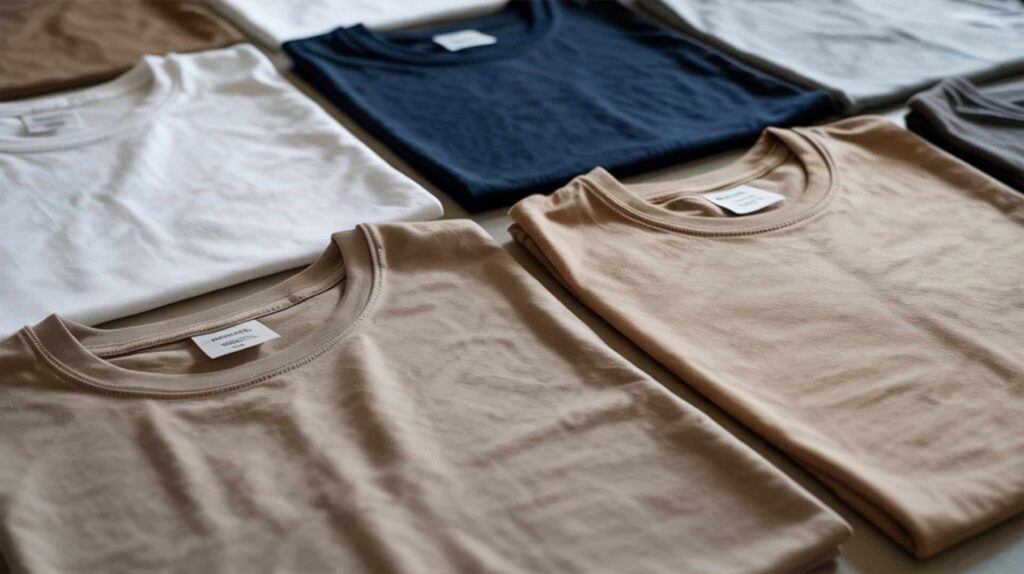
The Bella Canvas Unisex Poly-Cotton Tee in Marble White is a 91% polyester/9% Airlume combed cotton blend that delivers vibrant, long-lasting sublimation results while providing cotton-like comfort unavailable in 100% polyester athletic shirts. The fiber blend contains mostly polyester, so dye bonding remains strong, while the cotton component adds softness without significantly reducing vibrancy. According to reviewed test results at 385°F for 45 seconds with medium pressure, prints came out “vibrant” and “bright and crisp” with a “cool vintage vibe” from the marbled base. I recommend this shirt for crafters wanting near-100% polyester results with improved wearability.
What kind of sublimation results can you expect from the Bella Canvas Poly-Cotton Tee?
The Bella Canvas Poly-Cotton Tee produces strong color transfer because the polyester portion accepts disperse dyes while the 9% cotton adds comfort without major vibrancy loss. In reviewed testing, the 91% polyester content delivered “vibrant” and “long-lasting” prints with colors appearing “bright and crisp.” The marbled white base creates a “cool vintage vibe” because sublimation ink is transparent—the underlying marbled color shows through and adds visual texture to designs. The tester positioned this as a “comfortable alternative” to 100% polyester that still maintains “high vibrancy” due to the high poly count.
What are the pros and cons of using the Bella Canvas Poly-Cotton Tee for sublimation?
The Bella Canvas Poly-Cotton Tee offers premium comfort from Airlume combed cotton, but the cotton component creates moisture absorption that can dull sublimation colors if not properly pre-pressed before transfer. Based on reported test results, pros include vibrant and crisp print quality helped by 91% polyester, unique “vintage” marbled effect that makes designs more interesting, very soft and premium feel that’s “more like a regular tee” than athletic polyester, and strong balance of style, comfort, and color the tester called “one of her favorites.” Cons include marbling that shows through designs due to transparent sublimation ink—great for vintage texture but not ideal for perfectly flat solid-white base applications.
How does the Bella Canvas Poly-Cotton Tee compare to 100% polyester shirts for sublimation?
The Bella Canvas 91/9 blend provides maximum dye penetration nearly matching 100% polyester while delivering significantly better comfort and wearability than slick athletic shirts. Compared to the “100% polyester gold standard,” the tester positioned this as a “comfortable alternative” that still keeps “high vibrancy” because the poly count remains at 91%. Compared to lower-poly blends like 65/35 or 50/25/25 options, this shirt maintains “better saturation” while improving wearability versus pure polyester. The Airlume cotton component adds “luxury” feel without sacrificing the bright, crisp sublimation results that high-poly shirts deliver. You can find this product here.[3]
How Well Does the Port & Company Performance Tee Work for Sublimation Printing?
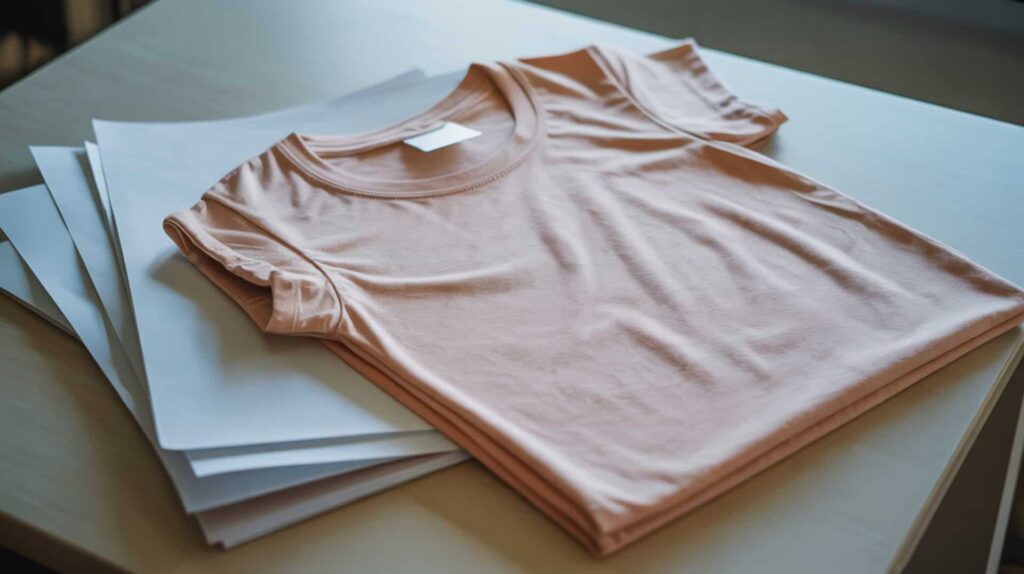
The Port & Company Performance Tee is a 65% polyester/35% cotton synthetic fiber blend that produces bright and clean sublimation results with a traditional cotton t-shirt feel, though colors show slight saturation loss compared to higher-poly options. The polyester content provides sufficient polymer for sublimation compatibility while the cotton adds breathability and soft hand feel. According to reviewed test results, the tester called this “her top choice” in the 65% polyester range, noting colors still look “fantastic” and should remain “colorful and long-lasting.” I recommend Port & Company for sellers wanting maximum cotton-tee comfort while maintaining acceptable sublimation vibrancy.
⫸ Click Here For Best Selling Sublimation Printers And Products ⫷What sublimation print quality can you achieve with the Port & Company Performance Tee?
The Port & Company Performance Tee produces clean print quality due to filament fiber construction that creates a smooth surface for improved clarity and sharpness during dye transfer. In reviewed testing at 385°F for 45 seconds, the 65% polyester content showed prints that “lose a little saturation/vibrancy” compared to higher-poly shirts, but the final look remained “quite bright and clean.” The tester specifically noted colors still look “fantastic” despite the reduced polyester percentage. The blend offers what the tester described as a “strong balance of print quality + comfort” that makes it suitable for most design applications where maximum saturation isn’t critical.
What are the pros and cons of the Port & Company Performance Tee for sublimation?
The Port & Company Performance Tee benefits from thermoplasticity in its polyester fibers—the polymer softens under heat allowing dye penetration—while the 35% cotton content adds traditional t-shirt comfort unavailable in pure polyester. Based on reported test results, pros include strong balance of print quality and comfort for a blend, still “bright and clean” overall output, soft and breathable feel due to higher cotton content, “most like a traditional cotton t-shirt” among tested options, and availability in multiple colors plus unisex/women’s/children’s styles. Cons include “slight drop in color saturation and vibrancy” because 65% polyester provides less ink bonding area versus higher-poly shirts.
How does the Port & Company Performance Tee compare to other sublimation blanks?
The Port & Company stands out among sublimation-ready blanks for consistent polyester ratios ensuring predictable results, though it trades some vibrancy for comfort compared to 91%+ poly options. Compared to 100% polyester, the tester noted it’s “not as vivid” but offers significantly “more cotton-tee comfort.” Compared to high-poly blends like 91% or 95%, Port & Company shows “less saturated” output but provides a more “traditional t-shirt feel” with solid durability and brightness for most designs. The tester called this her “top choice” in the 65% polyester range, making it ideal for crafters prioritizing wearability. You can find this product here.[4]
Is the BELLA+CANVAS Unisex Triblend Tee Worth It for Sublimation Projects?
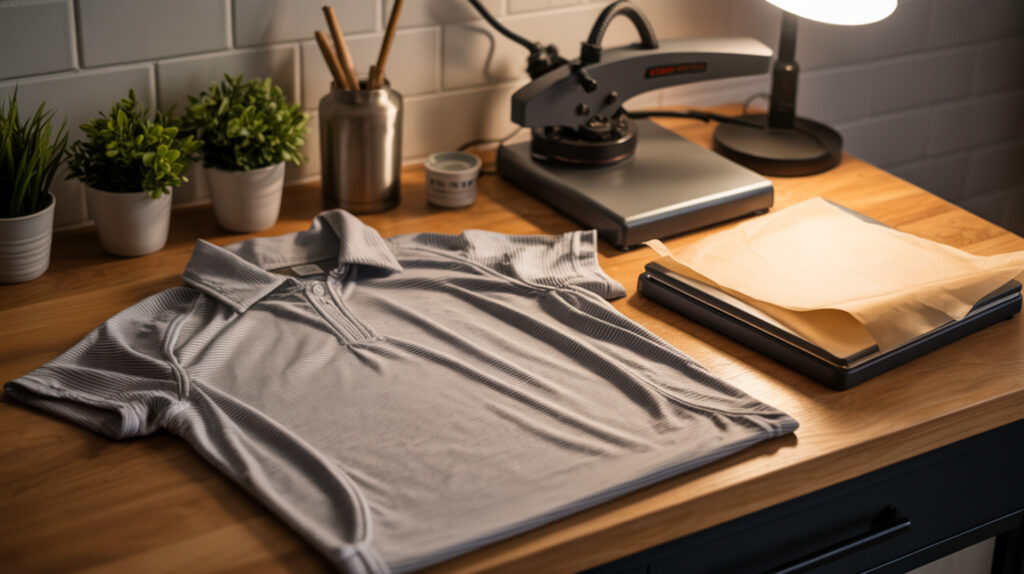
The BELLA+CANVAS Unisex Triblend Tee is a 50% polyester/25% Airlume cotton/25% rayon blend that produces intentional vintage-style sublimation results with ultra-soft comfort, though the mixed fiber composition creates uneven dye uptake across the fabric surface. Rayon is a cellulose-based fiber that absorbs moisture and resists sublimation bonding similarly to cotton, further reducing vibrancy beyond the 50% polyester limitation. According to reviewed test results, the tester positioned this as “ideal for faux retro looks and vintage flashback tees.” I recommend the triblend for crafters specifically seeking faded, vintage-style effects rather than maximum color saturation.
What sublimation results can you expect from the BELLA+CANVAS Triblend Tee?
The BELLA+CANVAS Triblend Tee produces a distinctive vintage/faded retro print finish because the mixed fiber blend creates uneven dye uptake—only the 50% polyester fibers accept disperse dyes while cotton and rayon portions remain uncolored. In reviewed testing, the tester described results as “less bold than high-poly” shirts but positioned this as a feature rather than flaw for “vintage flashback tees.” The lower polyester count means transfers won’t achieve the same saturation as 91% or 100% poly options, but the resulting faded aesthetic appeals to crafters wanting retro-inspired designs. The tester uses this shirt as a “go-to for both sublimation and heat transfer vinyl.”
What are the pros and cons of using the BELLA+CANVAS Triblend Tee for sublimation?
The BELLA+CANVAS Triblend offers exceptional comfort but high moisture regain from cotton and rayon components increases risk of muted or blurry prints if pre-pressing doesn’t adequately remove trapped moisture. Based on reported test results, pros include “very soft / dreamy feel against skin” from tri-blend comfort, vintage-style sublimation finish that “adds character,” tons of color options, versatility for both sublimation and heat transfer vinyl, and availability in unisex relaxed-fit version. Cons include lower polyester creating “less vivid” results than higher-poly shirts, and 50% poly content limiting how much ink can permanently bond—“not the best pick if your goal is maximum color saturation.”
How does the BELLA+CANVAS Triblend Tee compare to polyester and poly-cotton options?
The BELLA+CANVAS Triblend shows reduced vibrancy compared to higher polyester ratio options because only half the fibers can bond with sublimation dye, but the ultra-soft hand feel justifies this trade-off for comfort-focused applications. Compared to 100% polyester, the tester noted it’s “not as bright/vivid” but “way softer and more everyday tee comfortable.” Compared to high-poly blends like the Bella Canvas 91/9, triblend produces “less saturated” output but “intentionally gives that retro/faded look” while offering many color options. The tester called it a “fan favorite” for vintage-inspired designs where maximum saturation isn’t the goal. You can find this product here.[5]
Which Non-100% Polyester Apparel Is Best for Your Sublimation Needs?
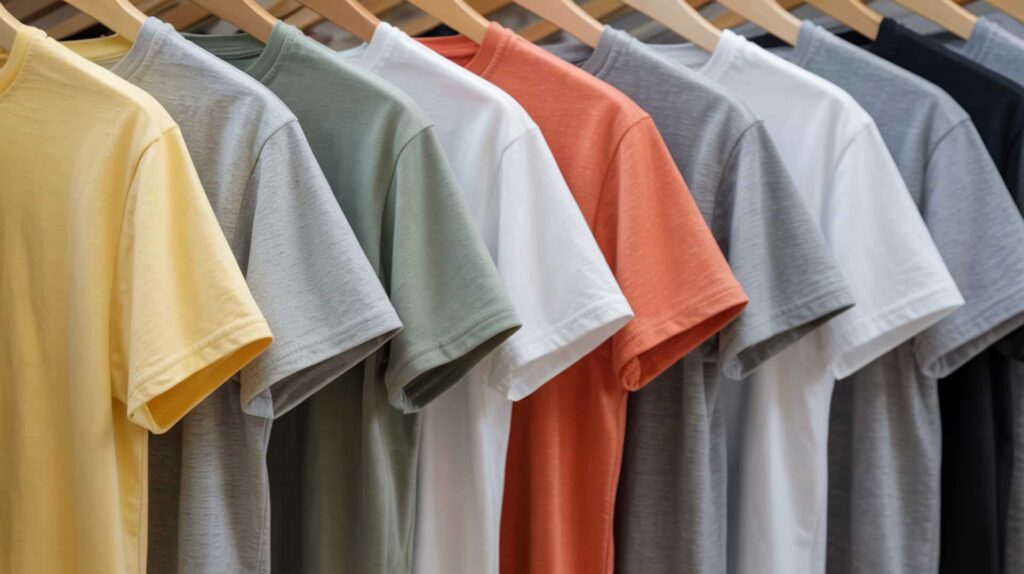
Choosing the right non-100% polyester apparel depends on fiber blend percentages and whether you prioritize maximum vibrancy or comfort and vintage aesthetics. For near-100% polyester results with premium comfort, the Bella Canvas 91/9 poly-cotton delivers “vibrant and long-lasting” prints while feeling “more like a regular tee”—the tester called it “one of her favorites.” For traditional cotton t-shirt feel with acceptable vibrancy, the Port & Company 65/35 is the tester’s “top choice” in that polyester range with colors that still look “fantastic.” For intentional vintage/faded effects with ultra-soft comfort, the BELLA+CANVAS 50/25/25 triblend produces retro-style results the tester called ideal for “vintage flashback tees.” Because cellulose structure in cotton prevents sublimation dye bonding, you may want to read our guide on Sublimation On Cotton to understand pre-treatment workarounds for lower-poly garments.
Frequently Asked Questions
What brand of shirts are best for sublimation when not using 100% polyester?
Bella Canvas and Port & Company rank among the best brands for non-100% polyester sublimation based on consistent polyester ratios and fabric quality across their product lines. According to reviewed test results, the Bella Canvas 91/9 poly-cotton Marble White delivered “vibrant” and “bright and crisp” results the tester called “one of her favorites,” while Port & Company 65/35 was her “top choice” in the 65% polyester range. BELLA+CANVAS triblend (50/25/25) works well for intentional vintage effects. Higher polyester percentages produce brighter results, so prioritize blends with 65%+ poly content for standard sublimation vibrancy.
What is the best polyester blend shirt for sublimation printing?
The best polyester blend for sublimation printing is the Bella Canvas 91% polyester/9% Airlume combed cotton, which delivers near-100% polyester vibrancy while providing significantly improved comfort over pure polyester athletic shirts. According to reviewed test results, the 91% poly content produced “vibrant and long-lasting” prints with a “cool vintage vibe” from the marbled base, combining “style + comfort + color” balance the tester called “one of her favorites.” For crafters wanting more traditional t-shirt feel, the Port & Company 65/35 offers the best balance of cotton comfort and acceptable vibrancy in lower-poly options.
What temperature do you heat press a 50 cotton 50 polyester shirt or sweatshirt?
50/50 cotton-polyester shirts and sweatshirts typically press at 385°F for 45 seconds with medium pressure, the same settings used for higher-poly blends in reviewed testing. However, results will show significantly reduced vibrancy compared to high-poly options because only half the fibers accept sublimation dye. Pre-pressing for 15 seconds removes moisture trapped in cotton fibers that can dull colors or cause blurry transfers. Excessive press temperature risks polymer degradation in the polyester fibers and thermal degradation (scorching) of cotton before sublimation temperatures fully activate. Because sublimation-ready blanks selection determines polyester content and reliability, you may want to read our guide on Best Sublimation Blanks & Supplies for Apparel for purchasing recommendations.
Is 50% cotton 50% polyester good for sublimation on hoodies and tees?
50% cotton/50% polyester produces intentional vintage-style or faded results rather than vibrant saturated colors because only half the fibers can bond with sublimation dye. According to reviewed test results on the BELLA+CANVAS 50/25/25 triblend, the tester positioned lower-poly blends as “ideal for faux retro looks and vintage flashback tees” rather than maximum vibrancy applications. The 50% polyester content means transfers won’t look as bold as high-poly shirts, but this faded aesthetic appeals to crafters wanting retro-inspired designs. If you need brighter results, choose blends with 65%+ polyester content like Port & Company 65/35 or Bella Canvas 91/9.
Is 80% cotton 20% polyester good for sublimation or will colors fade?
80% cotton/20% polyester produces extremely faded, barely visible sublimation results because only 20% of fibers can bond with disperse dye—this ratio is not recommended for standard sublimation printing. Cotton’s cellulose structure provides no bonding sites for sublimation ink, and the dominant 80% cotton content means most of your transfer will wash out or never appear. For acceptable sublimation results, minimum 50% polyester is needed for intentional vintage effects, while 65%+ polyester produces reasonably vibrant output. The tester’s recommended “gold standard” remains 100% polyester, with 91% poly blends like Bella Canvas offering the best balance of vibrancy and comfort.
References
Cotton and wool – Cotton sector at a glance. (n.d.). Economic Research Service. https://www.ers.usda.gov/topics/crops/cotton-and-wool/cotton-sector-at-a-glance
Thermometry calibration services. (2025, December 16). NIST. https://www.nist.gov/pml/sensor-science/temperature-humidity/thermometry-calibration-services
⫸ Click Here For Best Selling Sublimation Printers And Products ⫷