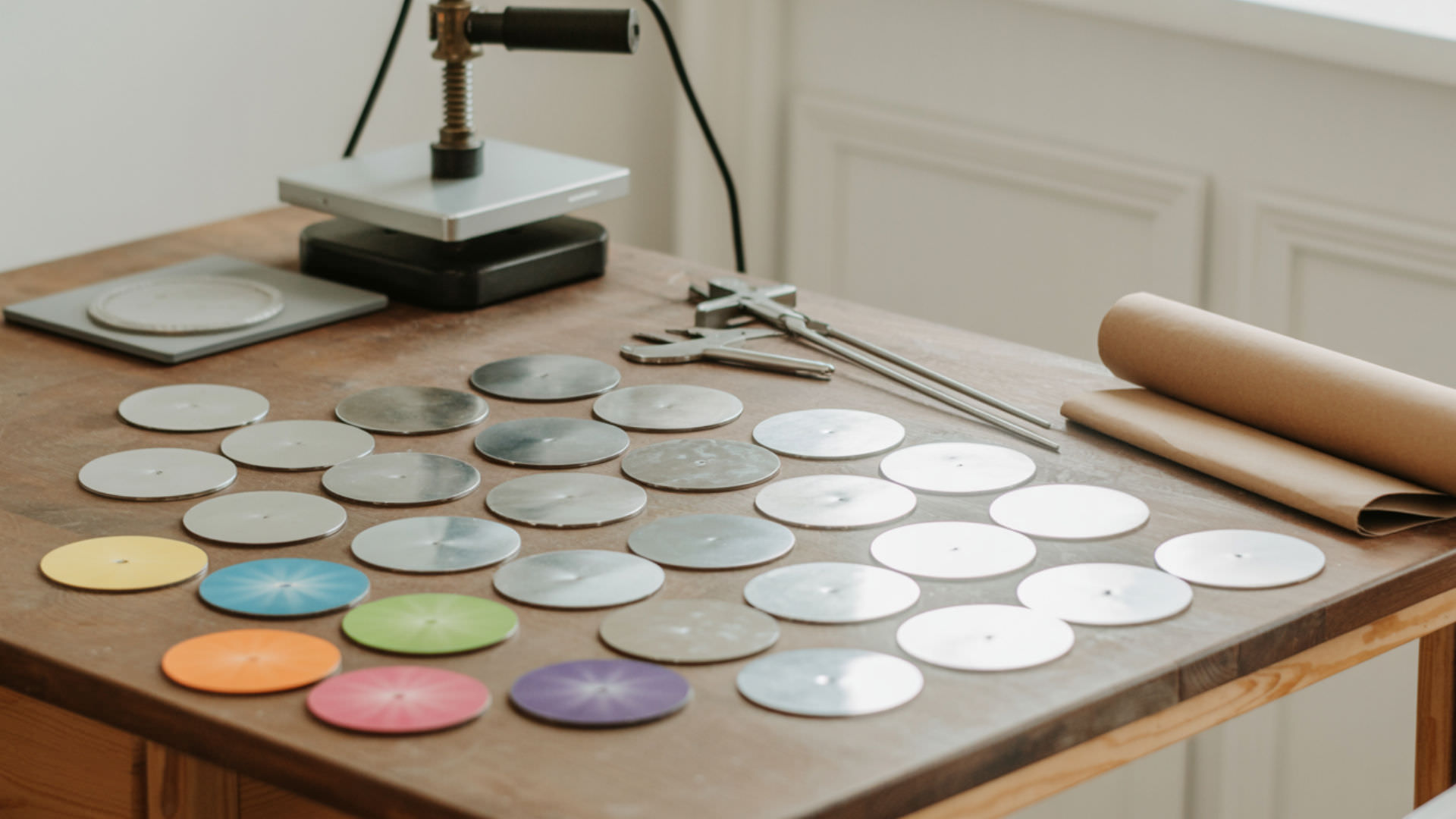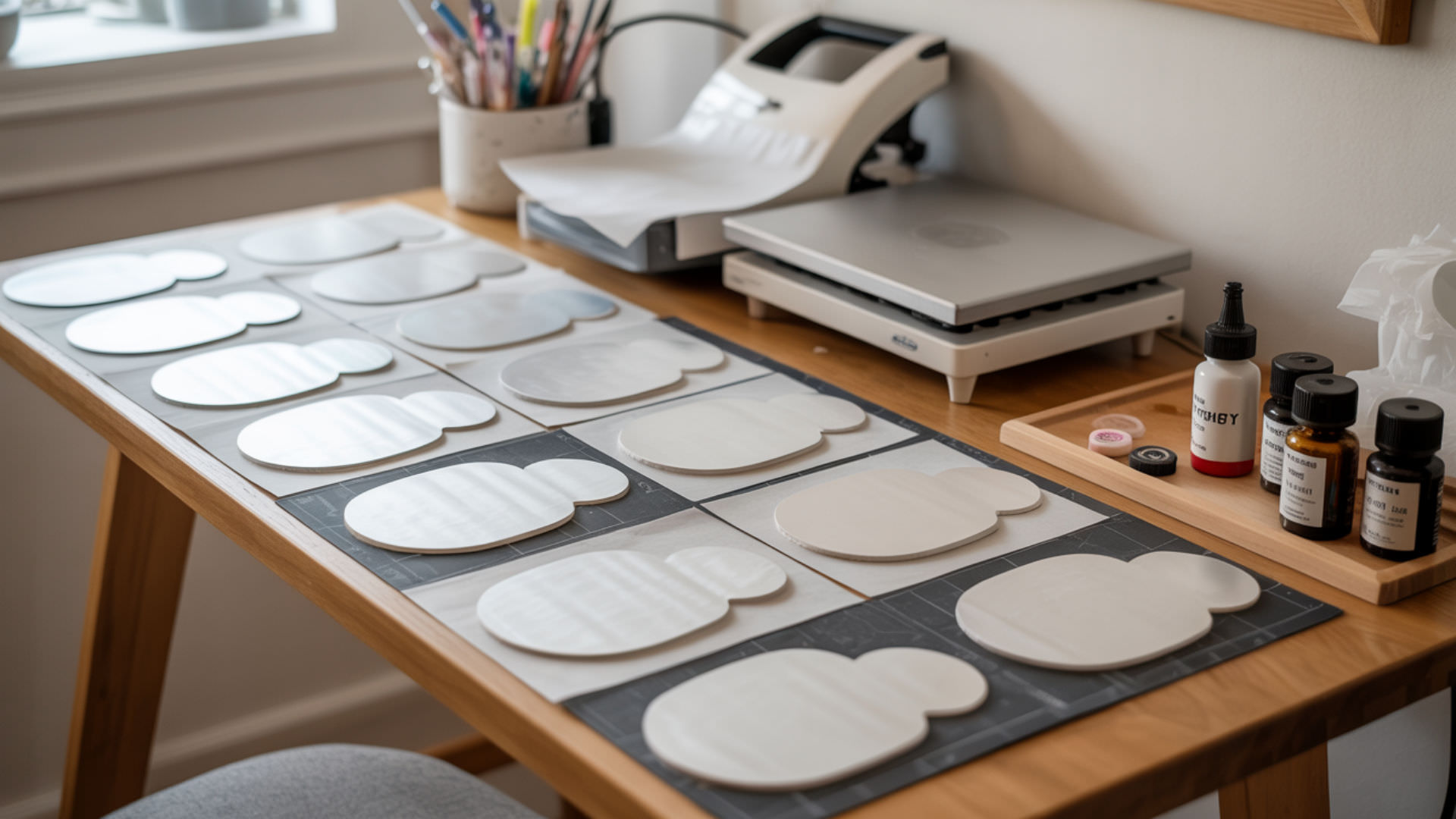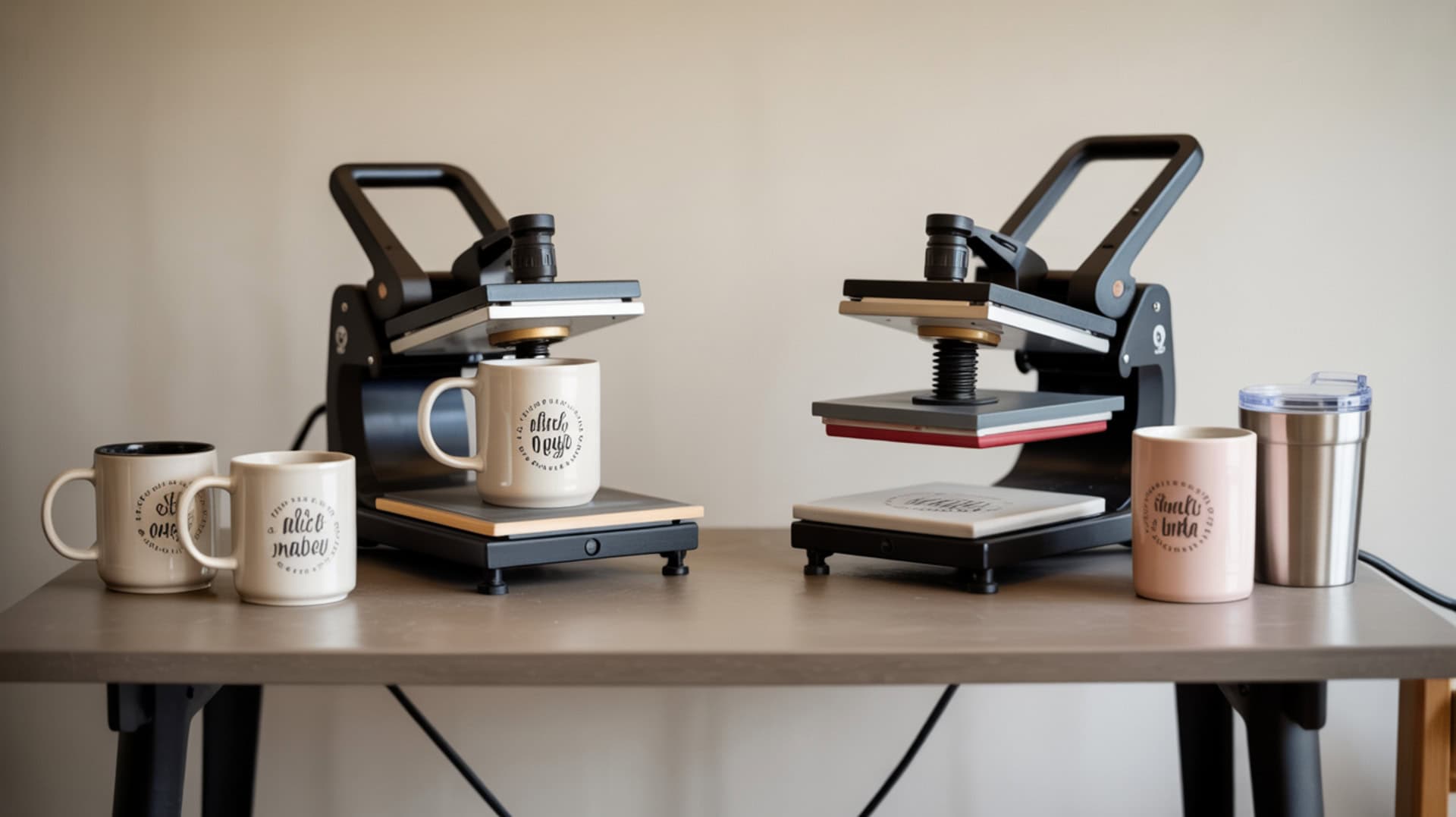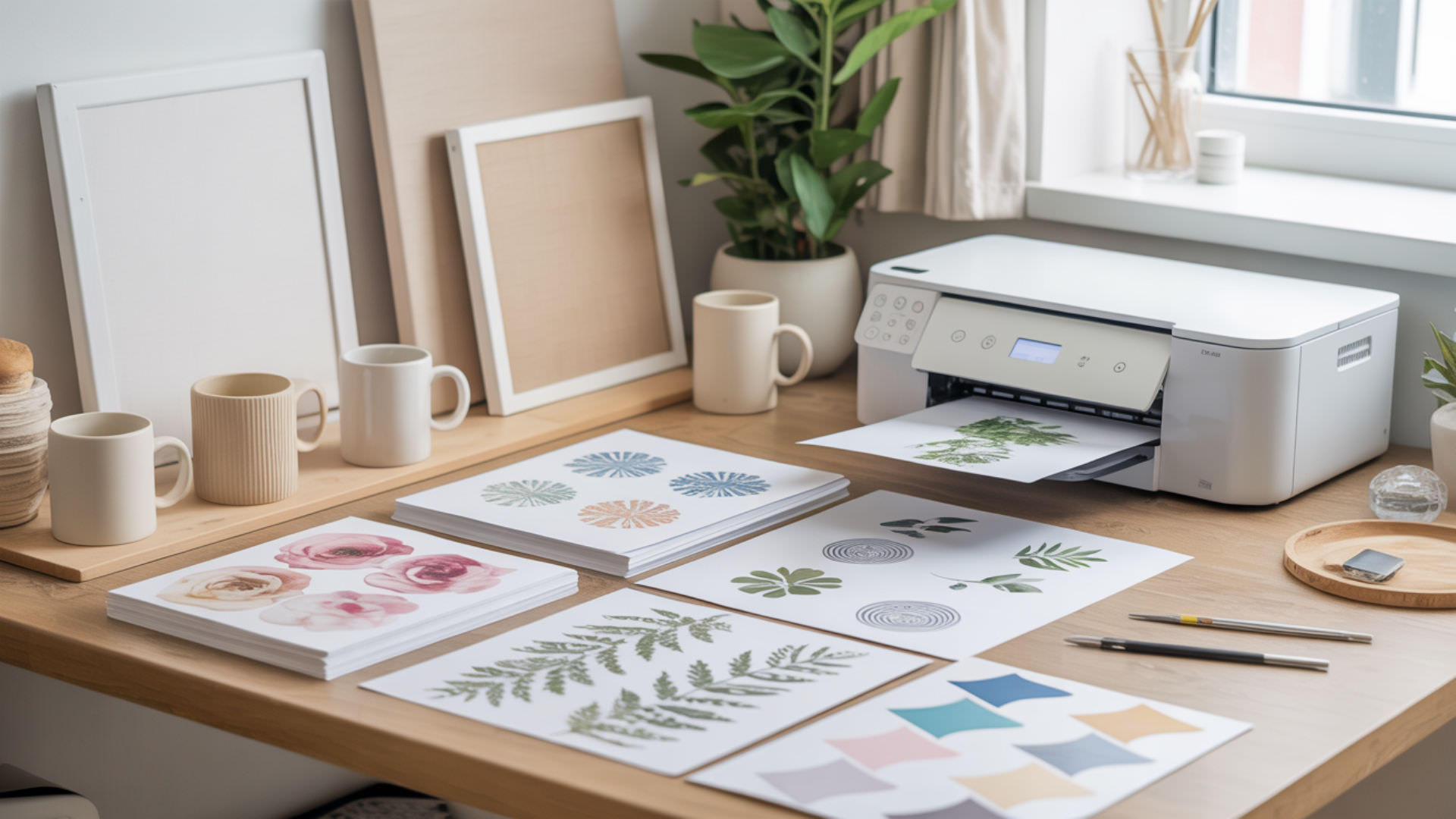
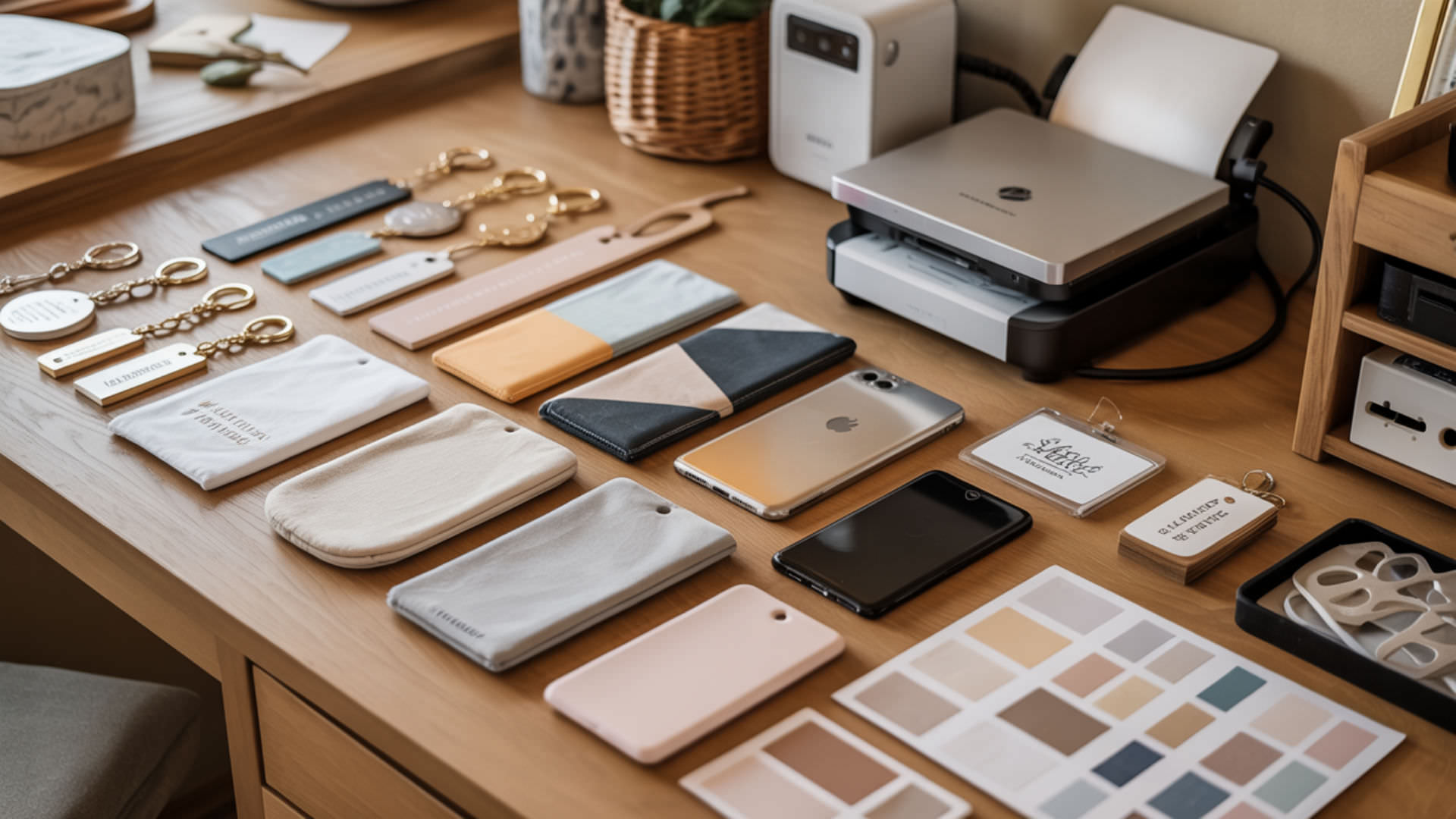
Sublimation transforms ordinary home products into personalized items through a phase transition that converts solid dye into gas, embedding permanent designs into polymer-coated substrates. Temperature controls dye activation across all product categories—keychains, magnets, phone cases, blankets, clothing tags, and stickers each require specific heat settings for optimal results. Understanding material compatibility and pressing parameters ensures professional-quality output from your home workspace. Sublimation is a phase change where a solid transitions directly into a gas under heat, a principle that underlies how sublimation dye activates during heat pressing. [1]
Key Takeaways
- Pressure combined with heat enables dye diffusion into polymer structures across all sublimation substrates, creating permanent bonds that resist washing and wear.
- Each home product category requires specific temperature, time, and pressure settings based on material thickness and coating type.
- Quality blanks with proper polyester or polymer coatings determine transfer success regardless of pressing technique. Heat increases molecular mobility in polymer materials, allowing small dye molecules to diffuse into the structure and become permanently embedded. [2]
How Do You Create Professional-Looking Sublimated Keychains?
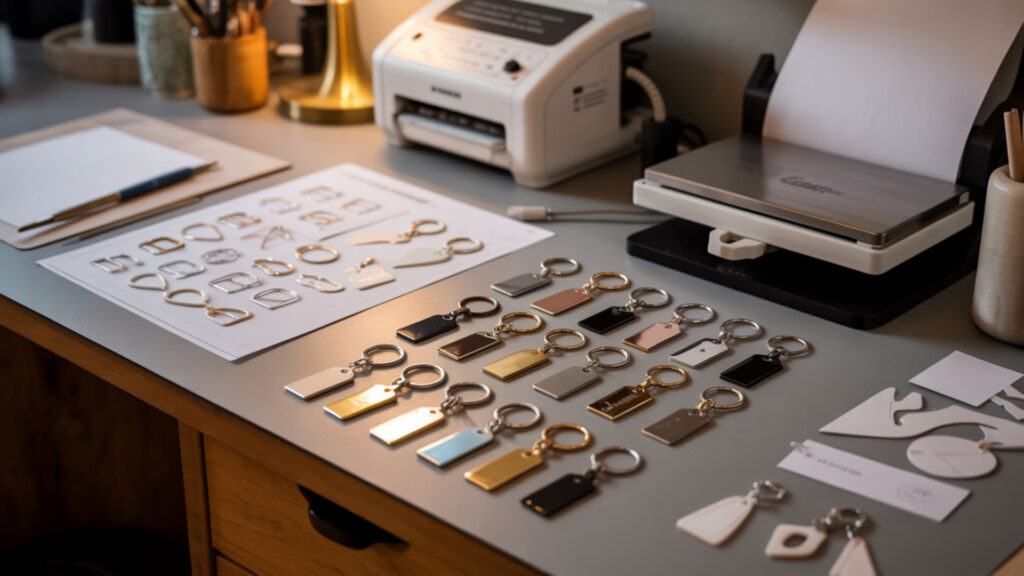
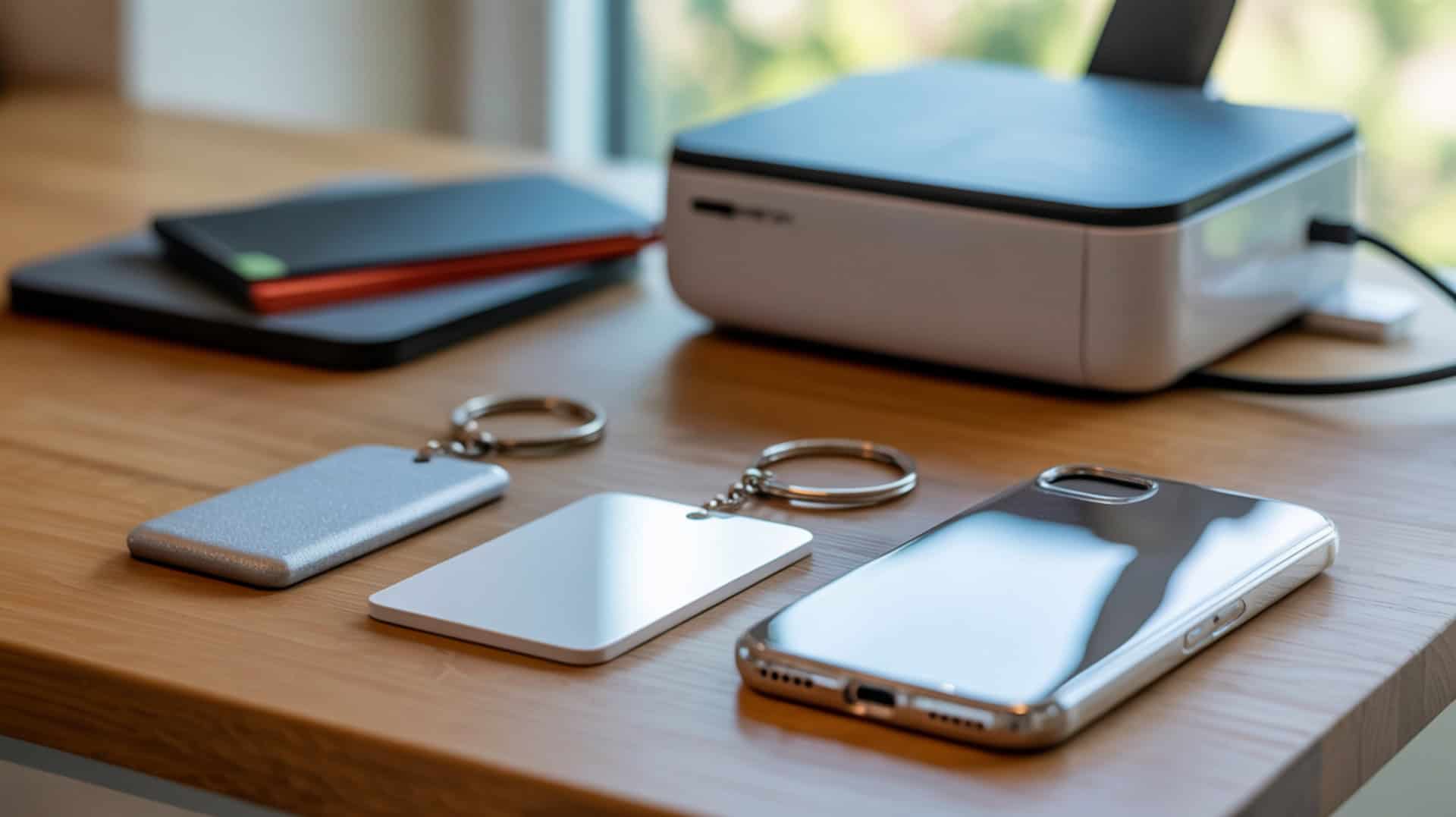
Sublimation keychains use acrylic glass (PMMA) or polycarbonate blanks providing optical clarity combined with impact resistance for everyday durability. These materials withstand repeated drops and key jostling without cracking or losing design vibrancy. Press at 385–400°F for 45–60 seconds with medium pressure, cooling under weighted objects to prevent warping. Material types, design sizing guidance, and assembly techniques appear in our complete acrylic glass (PMMA) keychain guide.
Choosing Keychain Blanks and Materials
Select blanks featuring polymer or polyester coating on aluminum inserts or clear acrylic surfaces designed specifically for sublimation heat transfer. The substrate must contain polymer chains that open under heat to accept dye molecules. MDF keychains with polymer coating offer two-sided printing at 360°F for 45–60 seconds. Clear acrylic blanks allow light transmission enhancing design depth and color vibrancy when backlit.
Design Sizing and Placement Tips
Opacity and translucency behave differently on clear versus coated blanks—transparent acrylics show designs from both sides with enhanced depth. The refractive index affects brightness perception and visual depth on clear substrates. Size designs 1–2mm larger than blanks ensuring complete coverage after cutting. Position artwork away from cut corners and hardware attachment holes for clean professional results.
Assembly and Finishing Techniques
Manufacturing methods including injection molding and casting affect blank precision and surface finish quality. After pressing, allow complete cooling before handling—acrylic warps if moved while hot. Apply pressure during cooling using books or flat weights maintaining dimensional stability. Attach hardware after sublimation to prevent heat damage to metal components and ensure proper alignment.
What’s the Process for Making Sublimated Magnets?
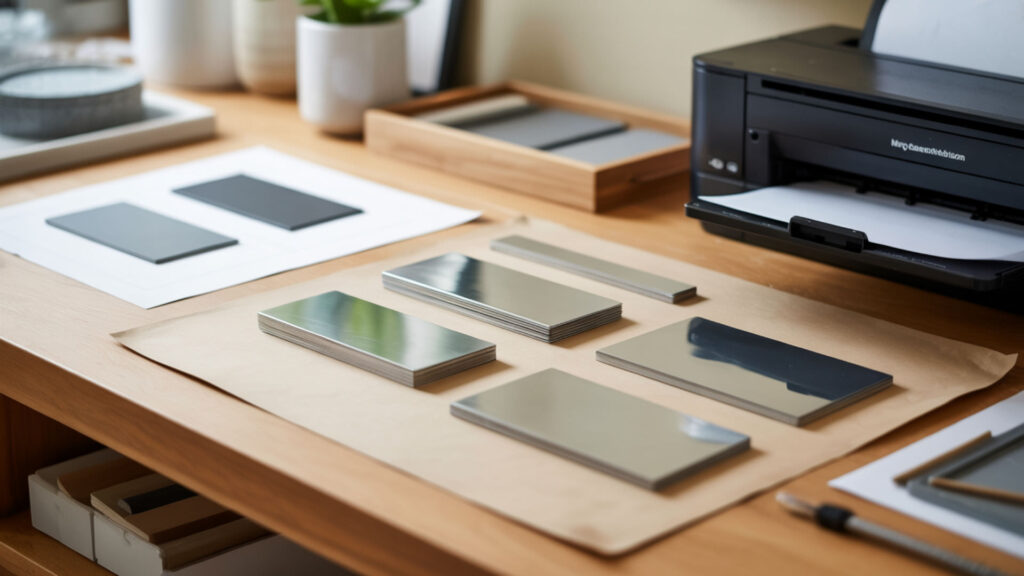
Sublimated magnets require understanding Curie temperature—the threshold where flexible magnet and ferrite magnet materials lose magnetism permanently. Flexible magnets tolerate sublimation temperatures while ferrite magnets withstand heat to 450°C before demagnetizing. Press coated magnet blanks at 350–385°F for 45–60 seconds with light-to-medium pressure. Magnet materials, coatings, and heat limitations appear in our complete flexible magnet guide.
Magnet Strength and Material Considerations
Magnetic domains determine holding strength and stability after heat exposure during pressing. Flexible rubber magnets with polyester coating accept sublimation well but may lose 10–15% magnetic field strength from heat pressing. Ferrite-backed magnets maintain full strength through sublimation temperatures. Choose magnet thickness based on intended use—refrigerator magnets need minimal strength while whiteboard magnets require stronger holding power.
Creating Multi-Purpose Magnet Designs
Polyester coating quality directly affects color vibrancy and opacity on finished magnets. White-coated substrates produce brightest colors while clear coatings over metal create metallic effects. Design for standard sizes maximizing blank purchasing efficiency. Include bleed areas extending 2mm beyond trim lines and consider rounded corners for safer handling and professional appearance.
Packaging Ideas for Gift Sets
Protect finished magnets using release liner sheets between stacked pieces preventing scratching and pressure-sensitive adhesive damage during storage. Create themed collections for higher perceived value—seasonal designs, family photos, and inspirational quotes sell consistently. Package in clear cellophane bags with branded backing cards including care instructions noting designs are permanent but magnets should avoid prolonged heat exposure.
Can You Really Sublimate Custom Phone Cases at Home?
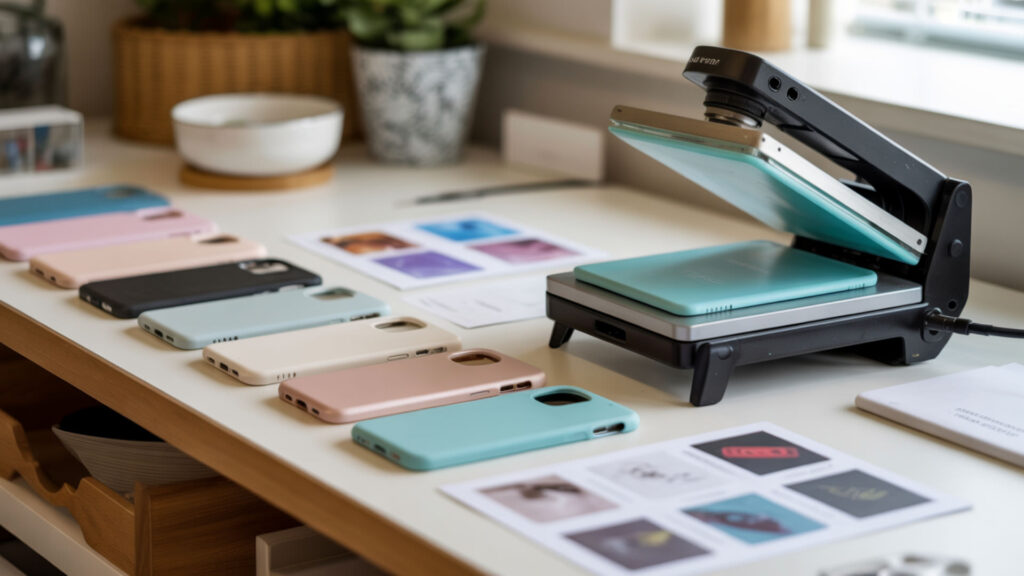
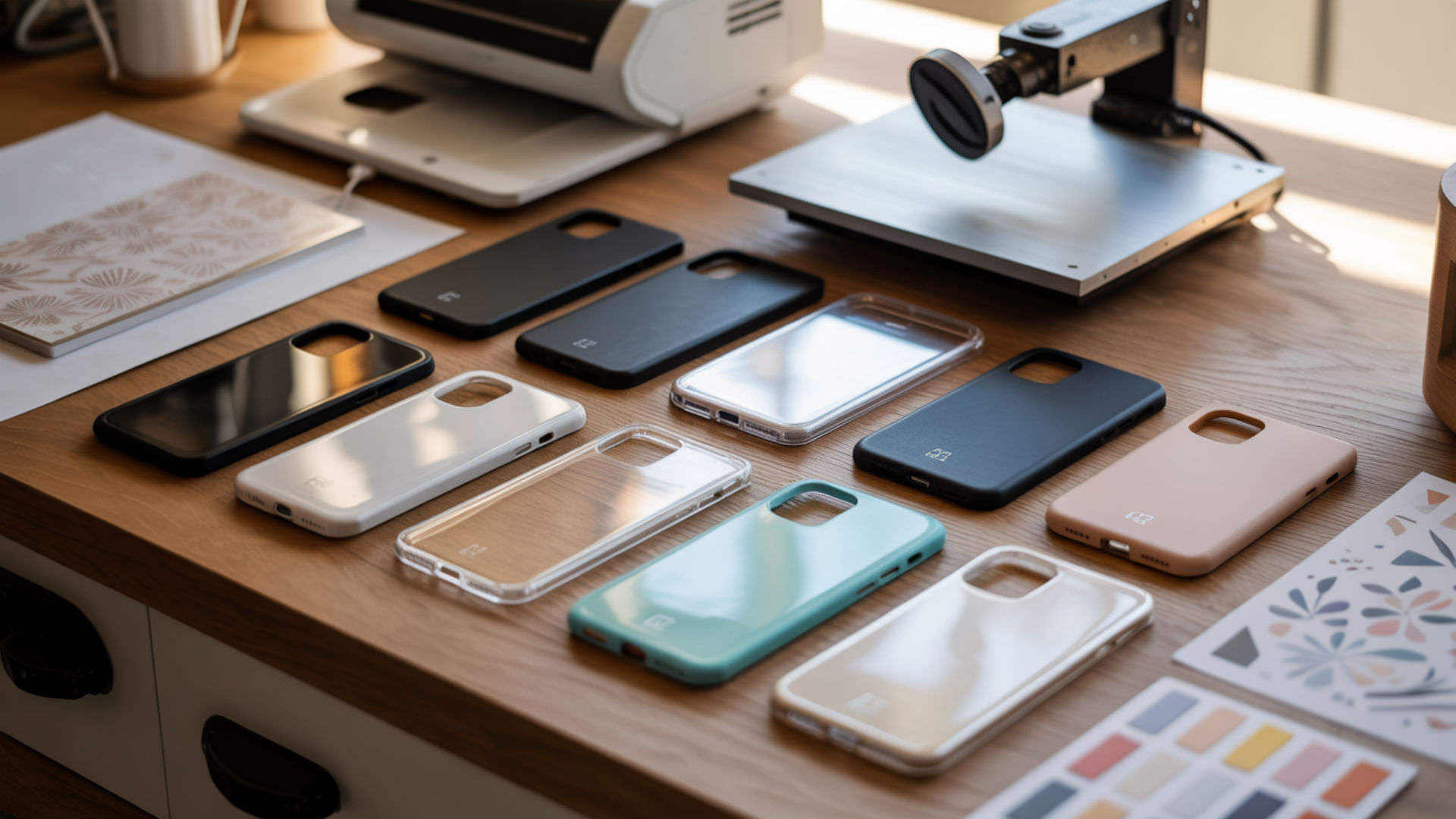
Home phone case sublimation requires understanding material compatibility—polycarbonate and acrylic glass (PMMA) blanks with polymer coating tolerate sublimation temperatures while standard TPU or silicone cases melt. Heat resistance determines which blanks survive 360–400°F temperatures needed for dye transfer. 2D cases press flat; 3D cases require vacuum machines with metal molds. Templates, alignment methods, and case-material specifics appear in our complete polycarbonate phone case guide.
Compatible Phone Case Materials and Models
Polymer chains in coated phone case inserts enable dye embedding during heat transfer at sublimation temperatures. 2D cases feature aluminum inserts with polymer coating pressing at 360°F for 45–60 seconds. Impact resistance matters for daily use—polycarbonate cases survive drops better than acrylic alternatives. Verify blank compatibility with specific phone models before bulk purchasing since case dimensions vary between manufacturers.
Template Creation and Alignment Methods
Injection molding defines blank shape consistency essential for accurate template alignment during printing and pressing. Download model-specific templates from blank suppliers or create custom templates by tracing blanks. Account for camera cutouts, button openings, and edge wrap areas. Mark registration points on both template and blank for repeatable positioning and test alignment with plain paper first.
Ensuring Edge-to-Edge Coverage
Thermal conductivity variations across case surfaces cause uneven heating affecting color consistency during transfer. Use even pressure across the entire design area—increase pressure slightly for 3D-wrapped cases. Tape transfers securely at multiple points preventing shifting during pressing. For 2D cases, extend designs 2–3mm beyond visible area ensuring edge coverage after assembly into case shell.
How Do You Sublimate on Blankets Successfully?
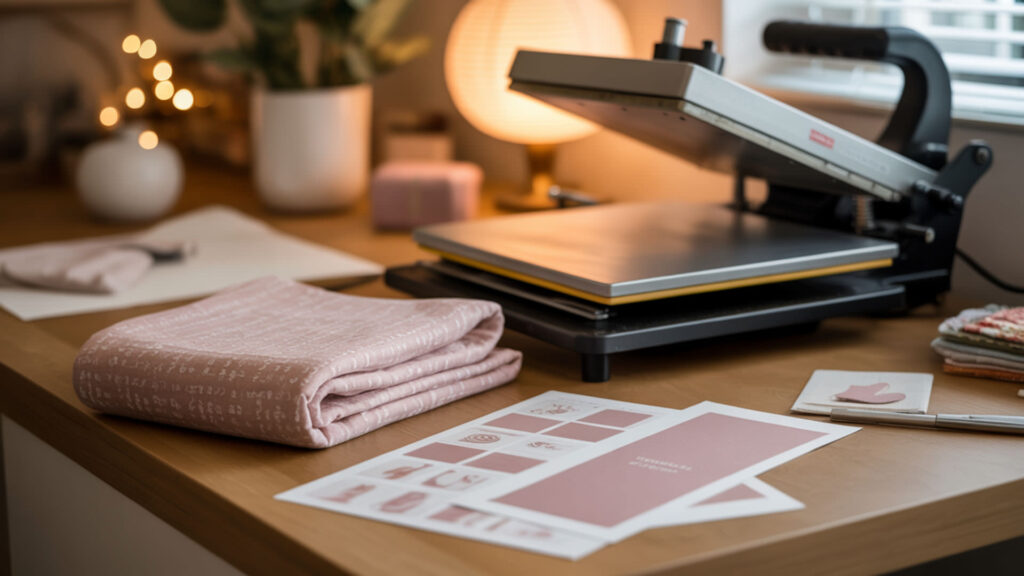
Blanket sublimation requires polyester fiber content of at least 50%—higher percentages produce more vibrant, longer-lasting results. Synthetic fibers accept and retain sublimation dyes while cotton rejects transfer. Moisture-wicking polyester fleece works excellently, producing soft breathable results with full dye penetration. Press at 385–400°F for 50–60 seconds with medium pressure after pre-pressing. Fabric selection and heat-pressing techniques appear in our complete polyester fiber blanket guide.
Fabric Selection and Size Limitations
Tensile strength and shrinkage behavior vary between fleece types—test blanket stability under heat before production runs. Knitting structure affects how designs appear; short-pile fleece produces sharper images than long-pile sherpa. Standard blanket sizes require large-format heat presses or sectional pressing with careful overlap alignment. Pre-press for 5–10 seconds removing moisture and flattening fibers.
Managing Large Format Heat Press Techniques
Heat capacity requirements increase with blanket thickness—thicker fleece needs longer press times reaching 60–90 seconds for activation temperature throughout material. Thermal conductivity affects how quickly heat penetrates layers during pressing. Use protective paper beneath and above designs preventing ink bleed-through and press contamination. Work in sections for blankets larger than your press, overlapping edges avoiding visible seams.
Care Instructions for Sublimated Blankets
UV resistance protects color vibrancy from sunlight degradation over time—inform customers to avoid prolonged direct sun exposure. Dye diffusion creates permanent bonds surviving washing; instruct cold water machine washing on gentle cycle. Tumble dry on low heat or air dry preserving fleece softness. Avoid bleach and fabric softeners that may affect surface texture and design clarity.
What Goes Into Making Clothing Tags with Sublimation?
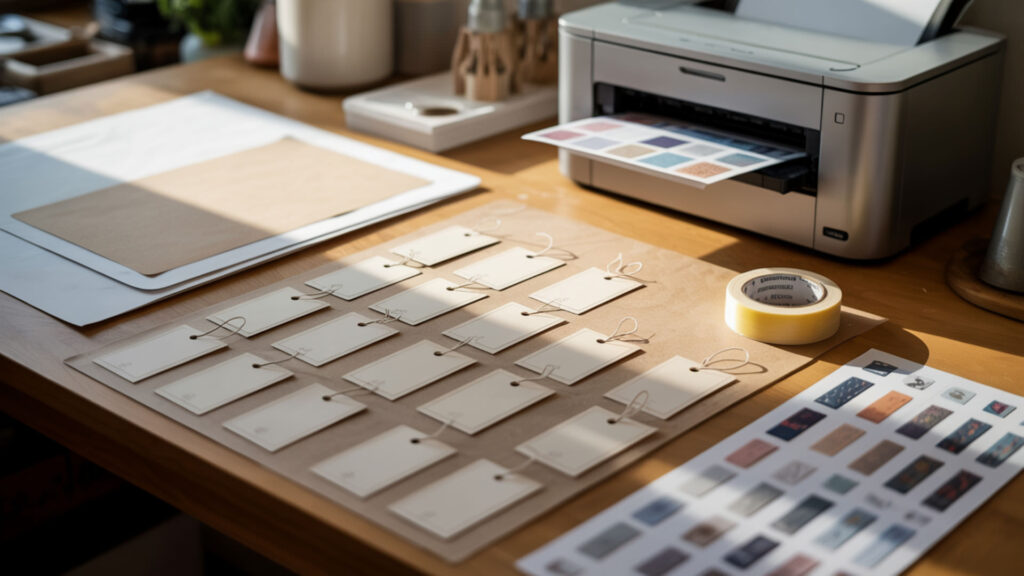
Sublimation clothing tags use nonwoven fabric or polyester fiber ribbon materials accepting dye transfer while remaining soft against skin. Elasticity in tag material determines comfort and drape when sewn into garments. Tags require 100% polyester content for full color vibrancy—cotton content reduces print clarity and wash durability. Press polyester twill tape at 385°F for 60 seconds. Materials, branding layout, and attachment methods appear in our complete nonwoven fabric clothing tag guide.
Tag Materials and Durability Requirements
Tensile strength ensures tags survive repeated washing and wearing without fraying or fading over time. Heat resistance determines safe press temperature—polyester ribbon tolerates standard sublimation settings while some synthetic blends require lower temperatures. Choose tag widths matching garment style: ½” for delicate items, 1″ for standard apparel, wider for outerwear. Pre-press ribbon removing moisture and preventing shrinkage.
Branding and Information Layout
Opacity affects readability of logos, text, and care symbols during printing and after pressing. Design at high resolution (300+ DPI) for crisp small text reproduction on narrow tag surfaces. Include essential information: brand name/logo, size, fabric content, care instructions, country of origin. Balance visual branding with required legal information and test legibility by printing samples before production.
Attachment Methods for Different Garments
Bonding versus cohesion methods determine how tags attach to finished garments—sewing provides permanent attachment while adhesive backing offers quick application. Curing adhesive-backed tags requires additional heat pressing after placement on fabric. Sew-in tags fold in half with printed side out; heat-seal tags apply flat with adhesive against fabric matching attachment method to garment durability requirements.
How Can You Create Your Own Sublimation Stickers?

Sublimation stickers use PET (polyester film) sheets with pressure-sensitive adhesive backing accepting dye transfer while providing waterproof durability. The release liner protects adhesive until application on surfaces. Press sublimation sticker sheets at 385°F for 45–60 seconds, then cut designs using die-cutting machines or scissors for custom shapes. Substrates, adhesives, waterproofing, and die-cutting techniques appear in our complete PET sticker guide.
Substrate Options for Sticker Making
Acrylic adhesive provides permanent bonds resistant to moisture and temperature changes while rubber-based adhesive offers repositionability but less durability. Choose glossy PET sheets for vibrant colors or matte finish for reduced glare on reflective surfaces. White vinyl with sublimation coating provides an opaque base for designs on any surface color. Clear sublimation sticker sheets allow see-through effects.
Waterproofing and Protective Coatings
Laminates add protective waterproof layers extending sticker lifespan outdoors against weather and UV exposure. Cohesion between laminate and printed surface determines peel resistance and long-term durability. Self-laminating sticker sheets include built-in protective layers applied after pressing. For maximum durability, apply separate clear laminate sheets over pressed designs before cutting—laminated sublimation stickers survive dishwasher cycles.
Die-Cutting and Shape Creation
Peel adhesion quality ensures stickers remove cleanly from backing without tearing or leaving residue on liner. Viscoelasticity of adhesive layers affects cutting blade performance—adjust blade depth for clean cuts through sticker layer without penetrating backing (kiss cutting). Use cutting machines with appropriate blade settings for PET material. Hand-cut simple shapes; machine-cut intricate designs for professional finish.
Which Home Products Sell Best in the Sublimation Market?
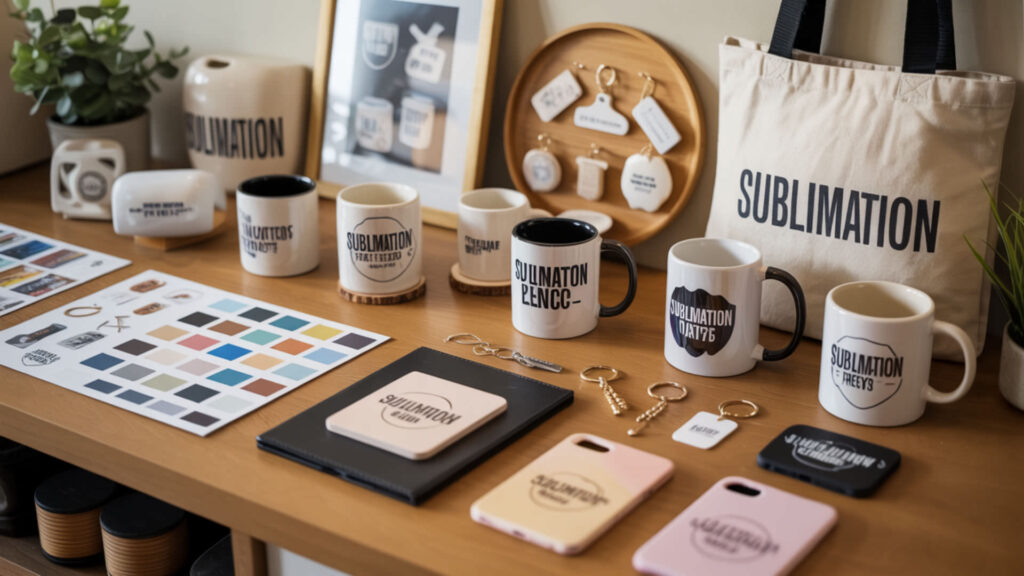
Market success depends on blank quality—proper coating determines color vibrancy, UV resistance, and customer satisfaction. Keychains, magnets, and phone cases offer lowest entry costs with highest margins for new sellers. Blankets and large-format items require more equipment investment but command premium prices. Trends and pricing strategies for profitable sublimation products appear in our complete blank products guide.
Understanding Customer Preferences and Trends
Density and perceived weight affect customer quality perception—heavier blanks feel more premium during handling. Opacity in coatings produces brighter, more professional-looking results that photograph well for online listings. Personalized photo products consistently outperform generic designs. Seasonal items create predictable sales spikes. Track market trends through craft communities and competitor analysis for inventory planning.
Pricing Strategies for Different Products
Resin and printing costs vary between product categories—calculate true costs including blanks, ink, paper, electricity, and labor time. Small items typically markup 3–5× material cost while large items markup 2–3× due to higher perceived value. Bundle complementary products for higher average order values. Offer tiered pricing for quantity orders encouraging bulk purchases from repeat customers.
Building Product Collections and Bundles
Polymer compatibility across product categories enables consistent branding—customers purchasing one sublimated item often return for matching products. Create cohesive collections around themes benefiting from substrate variety within product lines. Nursery sets, pet lover bundles, and wedding party gifts showcase capability while meeting diverse customer needs. Cross-promote complementary products in packaging and marketing materials.
Final Thoughts
Sublimation success across home product categories depends on understanding dye diffusion principles and matching materials to proper pressing parameters. Every polymer-coated substrate shares the same fundamental process: heat activates dye transition from solid to gas, pressure ensures contact, and cooling locks designs permanently. Master one product category before expanding—skills transfer readily between keychains, magnets, phone cases, blankets, tags, and stickers.
Frequently Asked Questions
What’s the minimum investment needed to start making these home products?
Entry-level sublimation requires a converted inkjet printer with sublimation ink, sublimation paper, heat press, and starter blank inventory. Total startup ranges $450–990 for basic equipment. Begin with small items like keychains and magnets requiring minimal press size. Larger products require additional investment in large-format presses and polyester coating blanks for quality results.
How do I ensure consistent quality across different product types?
Maintain consistent pressing conditions—verify heat press temperature accuracy with infrared thermometer, use identical pressure settings, and time each press precisely. Pre-press all substrates removing moisture before transfer. Use same paper and ink brands across products. Polyester coating on all blanks should come from reputable suppliers with consistent quality control for reliable results.
Which home sublimation products are most profitable for beginners?
Keychains and magnets offer highest profit margins with lowest risk per item due to inexpensive blanks and small format size. Phone cases provide good margins with steady demand year-round. Personalized pet products and memorial items command premium pricing regardless of base product. Avoid blankets initially—high blank cost increases risk per failed press.
Can I use the same heat press settings for all these different products?
Different products require different settings based on material thickness, coating type, and heat absorption characteristics. Keychains press at 385–400°F for 45–60 seconds; magnets at 350–385°F; phone cases at 360–400°F; blankets at 385–400°F for 50–90 seconds; tags at 385°F for 60 seconds; stickers at 385°F for 45–60 seconds. Always test new blank batches before production.
Where should I source quality blanks for home product sublimation?
Established sublimation suppliers offer consistent quality with technical support for troubleshooting issues. Online marketplaces provide convenience but quality varies—read reviews carefully before purchasing. Bulk suppliers offer better pricing for experienced buyers who can evaluate samples. Local craft suppliers stock limited selections at higher prices but allow hands-on inspection before purchase.
References
- Sublimation and the water cycle. (2019, June 8). USGS. https://www.usgs.gov/water-science-school/science/sublimation-and-water-cycle
- G-C3N4/CeO2 binary composite prepared and its application in automobile exhaust degradation – PMC. (n.d.). PMC Home. https://pmc.ncbi.nlm.nih.gov/articles/PMC7143564/