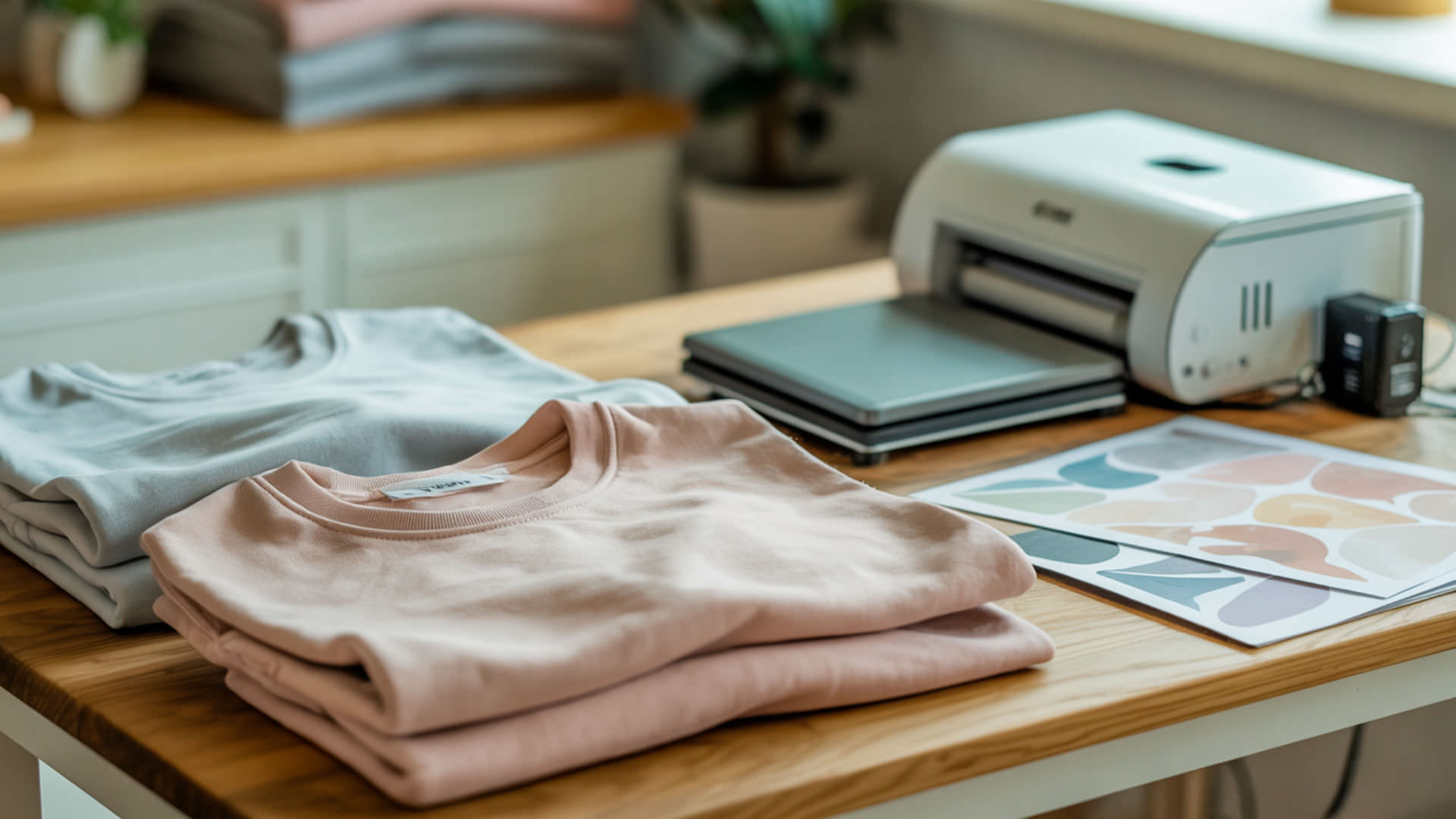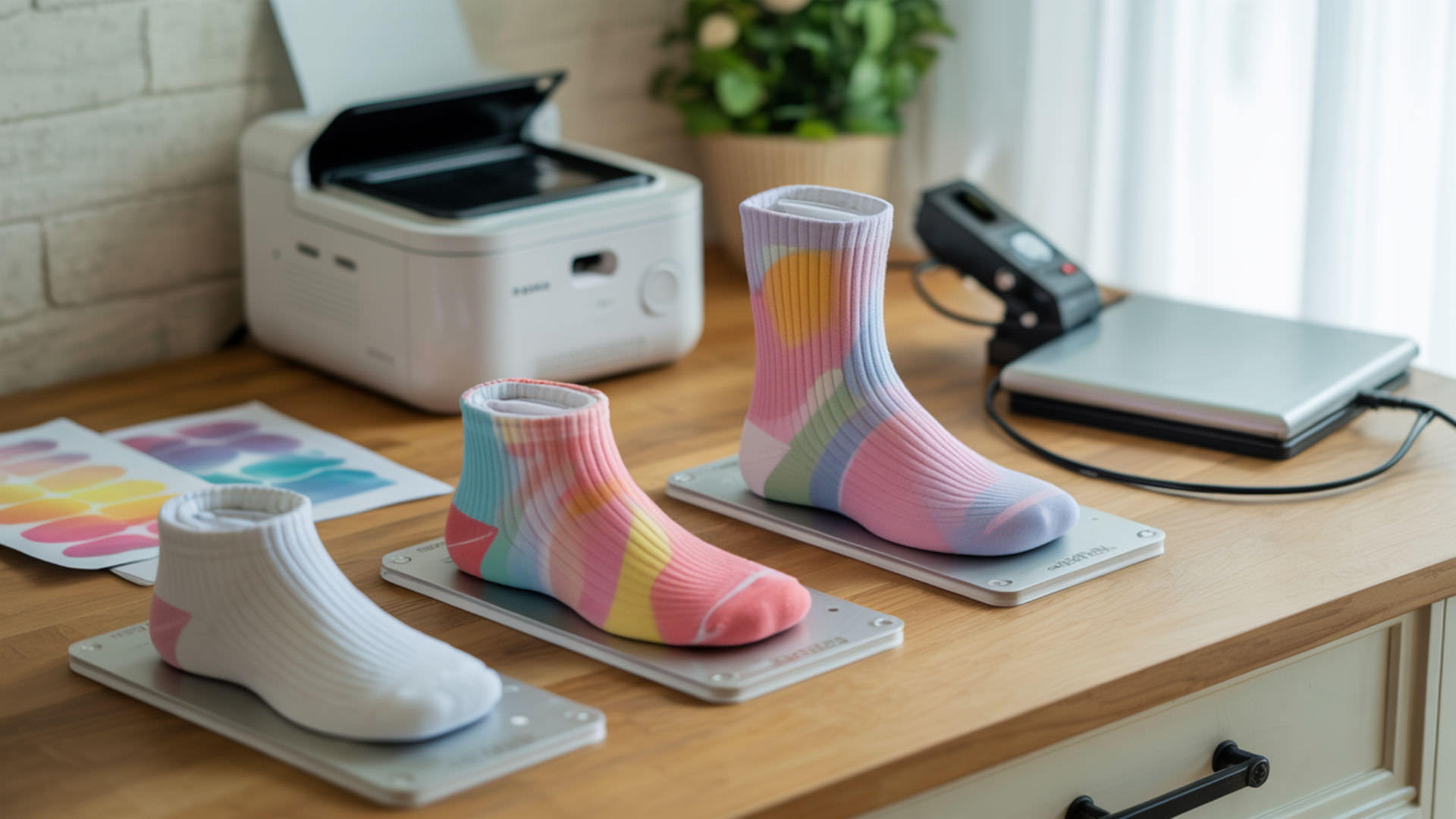
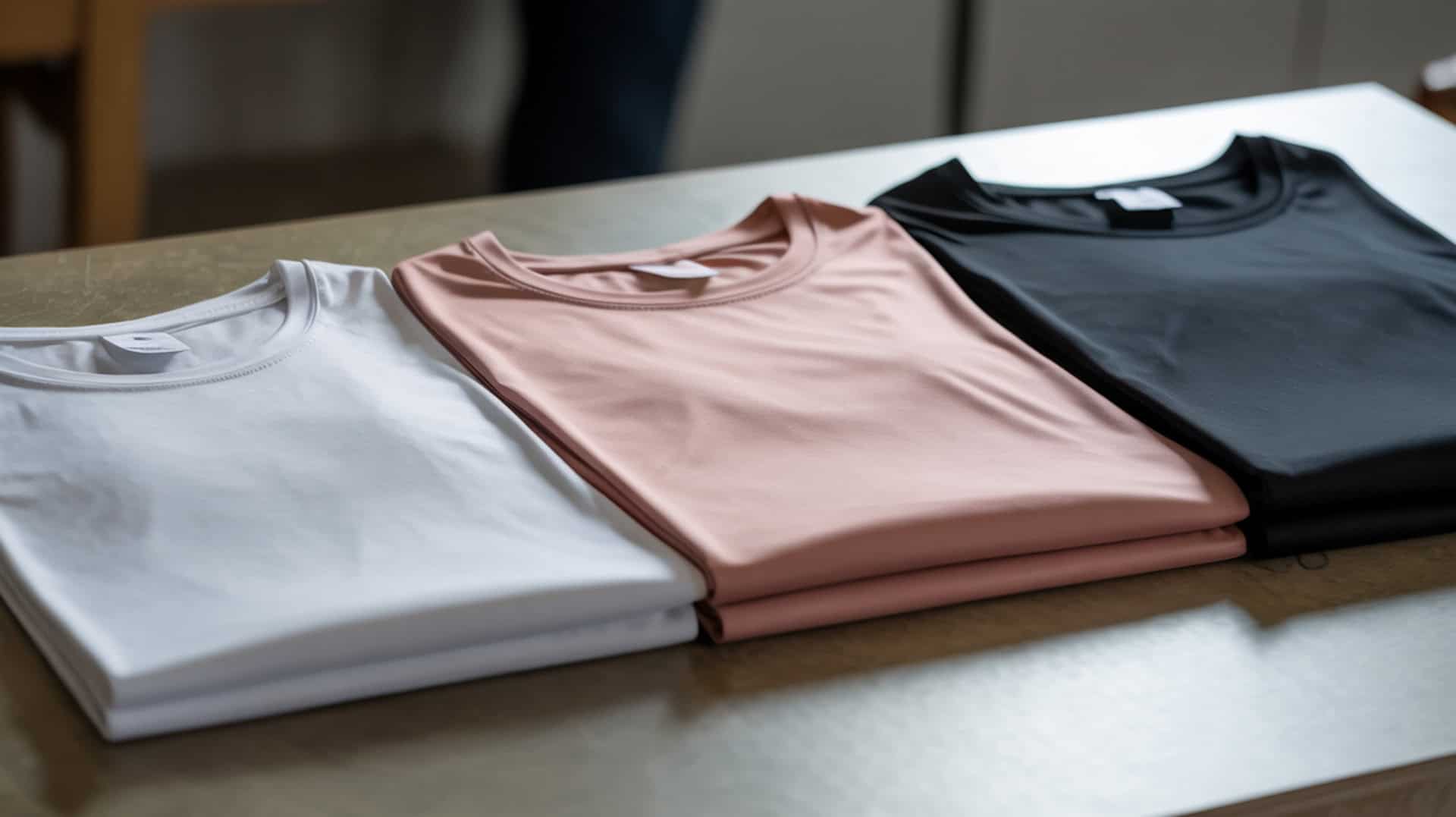
Sublimation printing requires polyester shirts because disperse dyes bond only to polymer-based fibers during the heat-activated gas-phase transfer process. High polymer content in polyester fabrics enables permanent dye bonding that resists washing and maintains color vibrancy over time. Because polymer-based compatibility determines sublimation success, you may want to read our hub guide on How To Use A Sublimation Printer For T-Shirts to understand the foundation of polyester printing. This roundup compares three shirt types—the Gildan 100% polyester with cotton-like feel, the Hanes Cool Dri with strong color retention, and the Cricut 95/5 poly-spandex blend that earned top marks—each tested at identical settings to identify differences in comfort, color fastness, and wash durability. Research into textile fiber behavior shows that different fiber structures respond very differently to mechanical and thermal processes, which helps explain why polyester works well with sublimation while natural fibers like cotton do not. [1]
Key Takeaways
- Polyester shirts with 95–100% polymer content deliver the strongest color fastness, with dye diffusing into fibers and resisting wash fade better than cotton blends or lower polyester percentages. Consistent sublimation results depend on accurate and standardized temperature control, a concept rooted in fundamental measurement science as discussed by the National Institute of Standards and Technology.[2]
- Press settings of 385°F for 40 seconds with 10-second preheat produced consistent results across all tested shirts, though some fabrics showed paper-edge indent marks requiring temperature adjustments.
- The Cricut 95% polyester/5% spandex shirt earned 4/4 hearts as the tester’s top pick, combining excellent color retention with cotton-like comfort and no shrinkage after washing.
Is the Gildan 100% Polyester Performance T-Shirt a Good Choice for Sublimation?
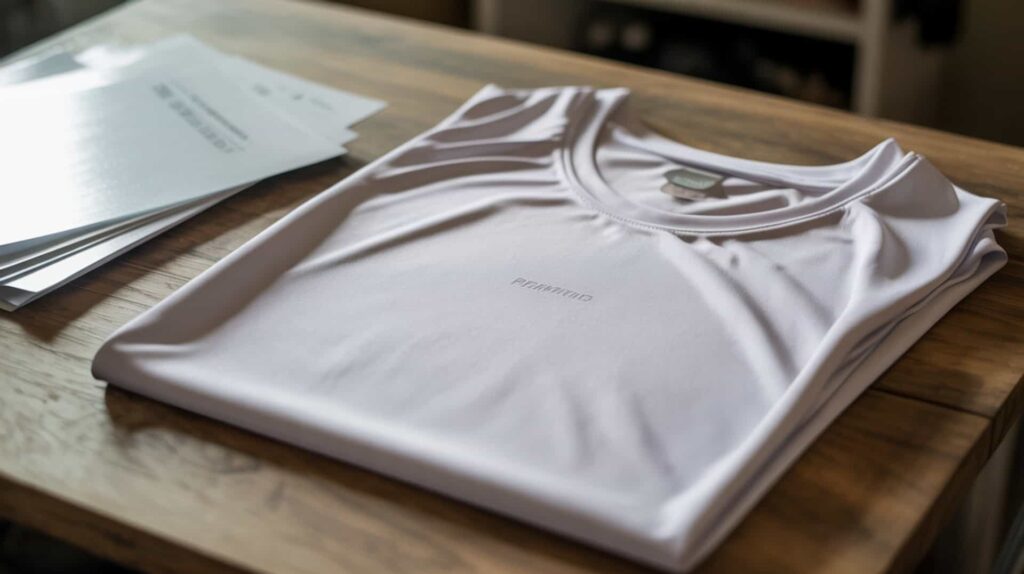
The Gildan 100% Polyester Performance T-Shirt is a moisture-wicking athletic shirt that delivers sublimation results with a cotton-like hand feel and no visible press marks, though colors appeared more washed out after laundering compared to competitors. Moisture-wicking polyester requires pre-pressing to remove trapped moisture before dye transfer can occur properly. According to reviewed test results at 385°F for 40 seconds, Gildan earned 3.5 out of 4 hearts with the tester calling the absent press mark “awesome.” I recommend Gildan for crafters who prioritize comfort over maximum color vibrancy after washing.
What kind of sublimation results can you expect from the Gildan Polyester Performance T-Shirt?
The Gildan Performance T-Shirt produces soft hand feel results because disperse dyes enter the polyester fibers rather than sitting on top like vinyl or screen printing layers. In reviewed testing using a converted Epson EcoTank with Hiipoo ink on 125g A-Sub paper, the Gildan showed the “most cottony” feel among 100% polyester options—heavier than slick athletic shirts but “not as scratchy.” The pressing mark “didn’t show up” which the tester called “awesome.” However, the laundered version appeared “a bit washed out” with less brightness after cool water wash and low heat tumble dry. The shirt held size and shape with full marks for fit.
What are the pros and cons of using Gildan polyester shirts for sublimation?
Gildan polyester shirts offer lighter fabric weight that heats more evenly during pressing, but the trade-off is reduced color retention after laundering compared to some competitors. Based on reported test results, pros include no visible pressing mark on the fabric, cotton-like hand feel compared to slick athletic options, maintained size and shape after wash/dry, and feel that stayed “about the same after laundering.” Cons include colors that “looked more washed out after laundering” compared to the unwashed version, and fabric that’s “not super soft like cotton” though still more comfortable than slicker polyester shirts. The tester rated Gildan 3.5/4 hearts overall.
How does the Gildan Performance T-Shirt compare to other sublimation blanks?
Gildan stands out among sublimation-ready blanks for print reliability due to known 100% polyester content ensuring predictable results, though it ranked below the Cricut shirt in overall testing. Compared to Hanes Cool Dri and Joe’s USA (both 100% poly athletic), Gildan felt “more cottony” and was “less scratchy” than those slick/silky options. Hanes and Joe’s showed paper indent marks while Gildan did not show a pressing mark. However, Gildan had “more color fade/washed-out look after laundering” than the tester preferred. The tester’s overall top pick was the Cricut 95/5 poly-spandex shirt at 4/4 hearts. You can find this product here. [3]
How Well Does the Hanes Cool Dri Performance T-Shirt Work for Sublimation?
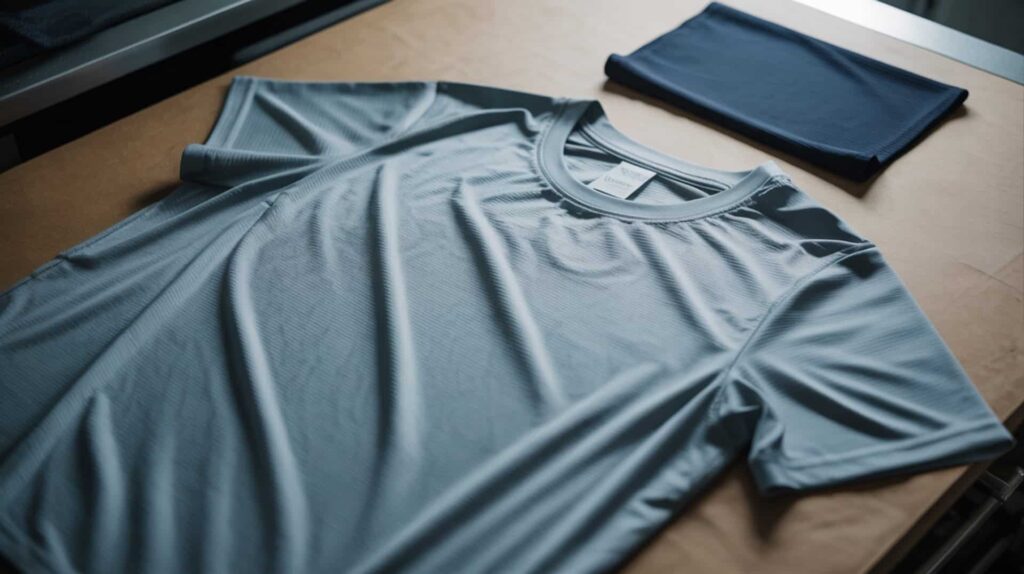
The Hanes Cool Dri Performance T-Shirt is a 100% moisture-wicking polyester athletic shirt that delivers strong color retention after washing, though excess moisture in the fabric can dull sublimation color if not properly pre-pressed before transfer. According to reviewed test results, Hanes “took the ink really well” with colors that “held up really well” after laundering—the unwashed and washed versions looked “very similar.” The tester rated Hanes 3 out of 4 hearts, noting it “might be a 4/4 if you don’t mind the feel.” I recommend Hanes for sellers prioritizing wash durability over fabric softness.
⫸ Click Here For Best Selling Sublimation Printers And Products ⫷What sublimation print quality can you achieve with the Hanes Cool Dri T-Shirt?
The Hanes Cool Dri produces sharp print quality due to its ring-spun polyester construction that creates a smoother surface for improved detail and sharpness during dye transfer. In reviewed testing at 385°F for 40 seconds, colors transferred strongly with excellent wash durability—the tester noted “little/no change between unwashed and washed appearance.” However, the fabric showed an “indent where the paper edges were” that persisted even after feathering paper edges and washing/drying. The tester discovered reducing temperature to 380°F for 40 seconds produced “less of an indent” on this particular shirt. The shirt showed no shrink or shape change after laundering.
What are the pros and cons of the Hanes Cool Dri for sublimation printing?
The Hanes Cool Dri tolerates press temperature well but requires careful settings to avoid fabric distortion—overheating can cause indent marks on lightweight performance fabrics that persist through washing. Based on reported test results, pros include strong color transfer, colors that held up after laundering with little/no change between unwashed and washed appearance, and no shrink or shape change in wash testing. Cons include paper-edge indent marks that were “visible and persisted even after washing/drying,” and slick/shiny polyester feel the tester “personally dislikes” though calling it “preference-dependent.” Temperature reduction to 380°F helped minimize indent issues.
How does the Hanes Cool Dri compare to other polyester sublimation shirts?
The Hanes Cool Dri shows lower fabric weight (GSM) than heavier shirts like Gildan, resulting in faster heat response that impacts press consistency and requires temperature adjustments to prevent indent marks. Compared to Joe’s USA 100% poly V-neck, Hanes showed similar slick/silky feel and both displayed paper indent marks, though both performed well in fit/care after laundering. Compared to Gildan 100% poly crew, Hanes held color better after washing while Gildan felt more cottony and avoided press marks. The tester ultimately chose Cricut 95/5 poly-spandex as the top overall pick at 4/4 hearts, with Hanes earning 3/4. You can find this product here. [4]
Is the Joe’s USA Moisture Wicking Athletic Shirt Worth It for Sublimation?
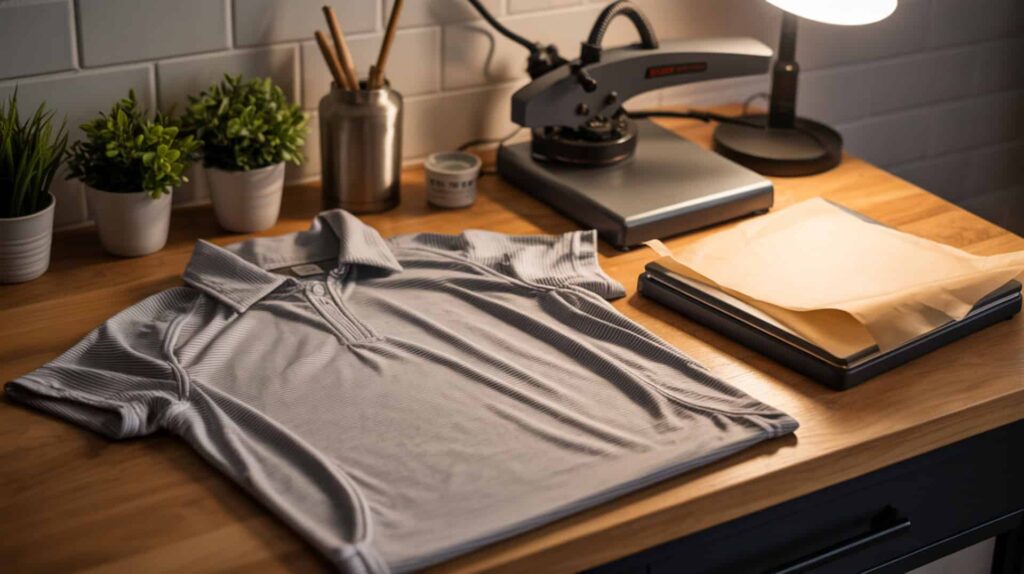
The Joe’s USA Moisture Wicking Athletic Shirt requires heat press pre-pressing to eliminate trapped moisture before transfer, delivering “beautiful” colors on the V-neck 100% polyester athletic style with excellent wash durability. According to reviewed test results at 385°F for 40 seconds, the tester awarded 3 out of 4 hearts, noting the laundered shirt kept the “same shape, size, and vibrancy” earning “top grades for fit and care.” The slick/silky feel is described as “great for the gym” but “not super comfortable” in the tester’s personal opinion. I recommend Joe’s USA for athletic-wear sublimation projects where gym-friendly texture matters more than everyday comfort.
What sublimation results can you expect from the Joe’s USA Athletic Shirt?
The Joe’s USA Athletic Shirt delivers strong color fastness because full polyester content maintains vibrancy after repeated washing, with the tester describing the design’s colors as “beautiful” on this shirt. In reviewed testing, the laundered shirt kept the same shape, size, and vibrancy, earning top grades for fit and care. However, like the Hanes Cool Dri, the tester observed slight marks where paper indented the fabric even after feathering edges, preventing full marks for color appearance. The V-neck athletic style provides a gym-friendly look that differs from the crew neck options.
What are the pros and cons of using Joe’s USA shirts for sublimation?
The Joe’s USA shirt maintains soft hand feel through the sublimation process because no vinyl layer is added to the fabric surface—dye enters the fibers directly. Based on reported test results, pros include beautiful color transfer on the print, held shape and vibrancy after washing/drying with good fit and care performance, and athletic-style feel that’s gym-friendly. Cons include slick/silky feel that the tester personally finds less comfortable, and paper-edge indent marks still visible even after feathering the paper edges. The 3/4 heart rating reflects the texture preference and indent issues.
How does the Joe’s USA Athletic Shirt compare to other sublimation blanks?
The Joe’s USA Athletic Shirt performs as a certified sublimation-ready blank with consistent polyester ratios across batches, sharing similar characteristics with Hanes Cool Dri in slick feel and paper indent challenges. Compared to Hanes Cool Dri 100% poly, both have similar slick feel, both showed paper indent marks, and both performed well in fit/care after laundering. Compared to Gildan 100% poly crew, the Gildan felt more cottony and didn’t show pressing marks, though Joe’s USA had beautiful colors with the indent caveat. The tester’s top overall pick remained the Cricut 95/5 shirt. You can find this product here. [5]
How Well Does the Cricut Polyester Spandex Blend T-Shirt Perform for Sublimation?
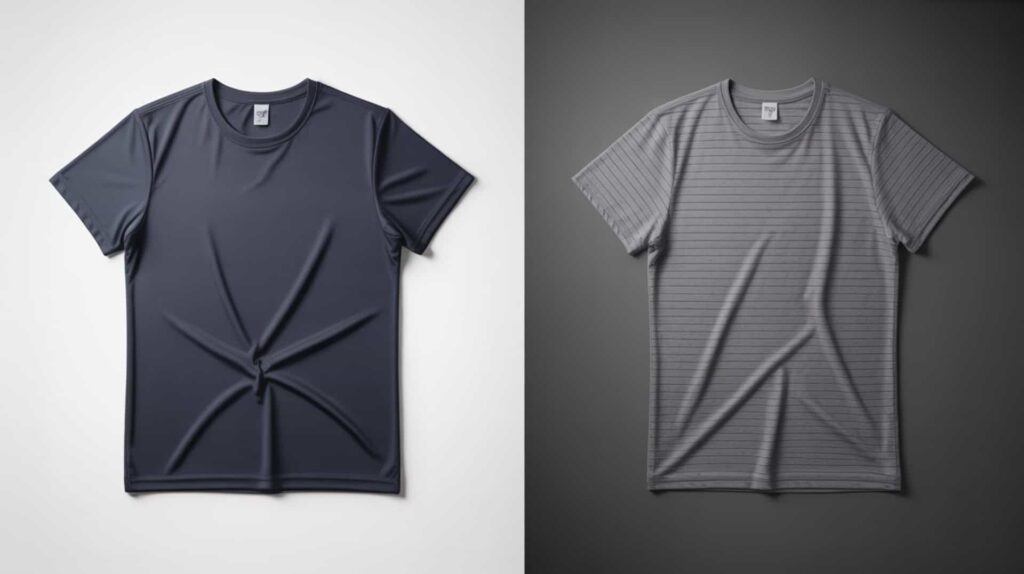
The Cricut 95% polyester/5% spandex T-Shirt earned the tester’s top rating of 4 out of 4 hearts as the best shirt for sublimation, delivering excellent color results with cotton-like comfort and no shrinkage after washing. As a polyester blend fabric, only the polyester fibers accept dye while the 5% spandex provides stretch and comfort—the polymer content remains high enough for vibrant results. According to reviewed test results, colors “came through really well” and the shirt looked “almost exactly the same” after washing with “no shrinking, no loss of color.” I recommend the Cricut shirt for crafters wanting the best combination of print quality and wearability.
What sublimation print quality can you achieve with the Cricut T-Shirt?
The Cricut T-Shirt produces strong color output despite its polyester blend composition because the 95% polyester content provides sufficient polymer bonding sites—the lower 5% spandex percentage causes only minimal muting compared to 100% polyester alternatives. In reviewed testing at 385°F for 40 seconds using a converted Epson EcoTank with Hiipoo ink, the tester reported “colors came through really well” on the colorful gradient test design. After washing and drying, the shirt looked “almost exactly the same” with “no loss of color” and actually became “even softer.” The tester explicitly picked this as the “best shirt for sublimation” in the comparison.
What are the pros and cons of the Cricut polyester spandex blend for sublimation?
The Cricut poly-spandex blend requires even press pressure due to stretch fabric characteristics, but delivers soft hand feel without vinyl layers because sublimation dye enters the fibers directly. Based on reported test results, pros include best overall performance as the tester’s #1 pick, excellent wash durability with no shrink and no color loss, cotton-like feel that became “even softer after washing,” and heavier/more substantial fabric weight described as “in a good way.” The tester stated no specific cons for the Cricut shirt—it received universally positive comments and the only 4/4 heart rating in the comparison. Feel described as “almost like a cotton blend.”
How does the Cricut T-Shirt compare to 100% polyester sublimation shirts?
The Cricut shirt delivers results comparable to 100% polyester options because the high 95% polyester content provides maximum vibrancy while the 5% spandex adds comfort without significant color reduction. Compared to the 100% polyester athletic shirts (Hanes, Joe’s USA, Gildan), the tester positioned Cricut as the “overall winner” Compared to Bella+Canvas triblend (which tends to look more washed out), the Cricut shirt “kept colors strong and held up after washing.” The 95/5 blend offers the best of both worlds: near-100% polyester vibrancy with cotton-blend comfort. You can find this product here. [6]
Which Sublimation Shirt Is the Best Fit for Your Projects?
Choosing the right sublimation shirt depends on polyester content affecting final print vibrancy and durability, plus personal preferences for fabric feel and wash performance. For crafters prioritizing cotton-like comfort with acceptable color retention, the Gildan 100% Polyester at 3.5/4 hearts offers no press marks and substantial feel despite some post-wash fading. For sellers needing maximum color durability after repeated laundering, the Hanes Cool Dri at 3/4 hearts delivers strong wash performance despite its slick feel and potential indent marks. For the best overall combination of color, comfort, and durability, the Cricut 95/5 poly-spandex earned 4/4 hearts as the tester’s explicit top pick. Because disperse dyes output depends on printer capability, you may want to read our guide on Best Sublimation Printers For T-Shirt Printing to ensure your equipment matches your shirt choice.
Frequently Asked Questions
What is the best type of shirt to sublimate on for vibrant results?
The best shirts for vibrant sublimation results contain 95–100% polyester content, with the tester’s top pick being the Cricut 95% polyester/5% spandex blend that earned 4/4 hearts for combining excellent color retention with cotton-like comfort. According to reviewed test results, 100% polyester athletic shirts like Gildan, Hanes Cool Dri, and Joe’s USA all produced vibrant colors, though they varied in feel and wash durability. The Cricut shirt looked “almost exactly the same” after washing with “no loss of color,” outperforming the Gildan which appeared “a bit washed out” after laundering. White or light-colored polyester shows the brightest results since sublimation ink is transparent.
Can you use cotton t-shirts for sublimation printing?
Cotton shirts cannot be used for standard sublimation printing because cellulose fibers in cotton have no polymer bonding sites for disperse dye adhesion—the dye simply washes away or never transfers properly. Sublimation requires polymer-based fibers (polyester) to bond with the gas-phase dye during heat pressing. Because polyester blend fabric and dark shirts alter dye visibility and final color output, you may want to read our guide on Sublimation On Dark Shirts for technique adjustments. Special sublimation coating sprays exist for cotton but produce inferior results compared to true polyester substrates with their polymer structure intact.
What will happen if you sublimate on a cotton shirt?
Sublimating on a cotton shirt produces faded, washed-out results or no visible transfer at all because cellulose fibers cannot bond with disperse dyes—the ink either fails to transfer during pressing or washes out completely in the first laundering. Cotton lacks the polymer chains that polyester contains, so there are no bonding sites for the gas-phase dye to attach permanently. Polyester-cotton blends (65/35 or 50/50) produce partial results where only the polyester portion accepts dye, creating a vintage or heathered appearance. For professional-quality sublimation, stick with 95–100% polyester content to ensure permanent, vibrant color transfer that resists washing.
Which fabric is best for sublimation printing projects?
Polyester fabric with 95–100% polymer content is best for sublimation printing projects because disperse dyes bond permanently with polyester fibers during heat-activated gas-phase transfer. According to reviewed test results, 100% polyester athletic shirts (Gildan, Hanes, Joe’s USA) all produced vibrant transfers, while the 95% polyester/5% spandex Cricut shirt earned top marks for combining color quality with comfort. Polyester blend fabrics with lower percentages (65/35 poly-cotton) produce reduced vibrancy due to mixed fiber composition—only the polyester portion accepts dye. Moisture-wicking polyester requires proper pre-pressing (10 seconds at temperature) to remove trapped moisture before transfer.
Are 100% polyester t-shirts good for sublimation and comfortable to wear?
100% polyester t-shirts produce excellent sublimation results but comfort varies significantly by brand and construction—the tester found athletic-style shirts “slick and silky” while the Gildan crew neck felt “most cottony” among 100% polyester options. According to reviewed test data, Hanes Cool Dri and Joe’s USA both earned 3/4 hearts with the tester noting the slick feel was “not super comfortable” personally but “great for the gym.” The Gildan 100% polyester earned 3.5/4 hearts for being “not as scratchy” as other polyester shirts. For maximum comfort with sublimation quality, the Cricut 95/5 poly-spandex earned 4/4 hearts with feel described as “almost like a cotton blend” that became “even softer” after washing.
References:
- Mechanical engineering research tackles fast fashion waste. (n.d.). Research & Innovation Office | Research & Innovation Office. https://research.umn.edu/news/mechanical-engineering-research-tackles-fast-fashion-waste
- Weights & measures. (2025, May 2). NIST. https://www.nist.gov/weights-measures