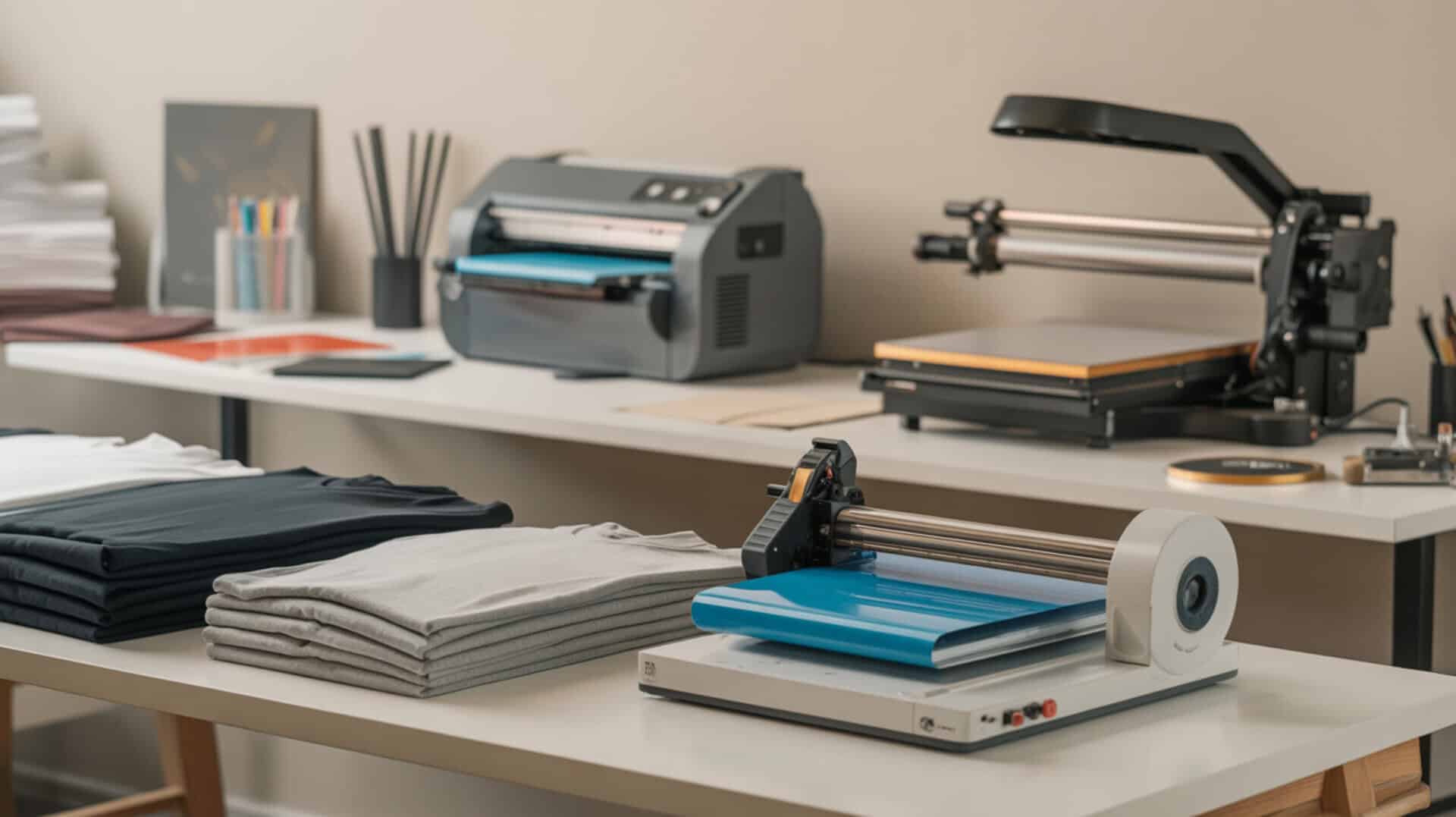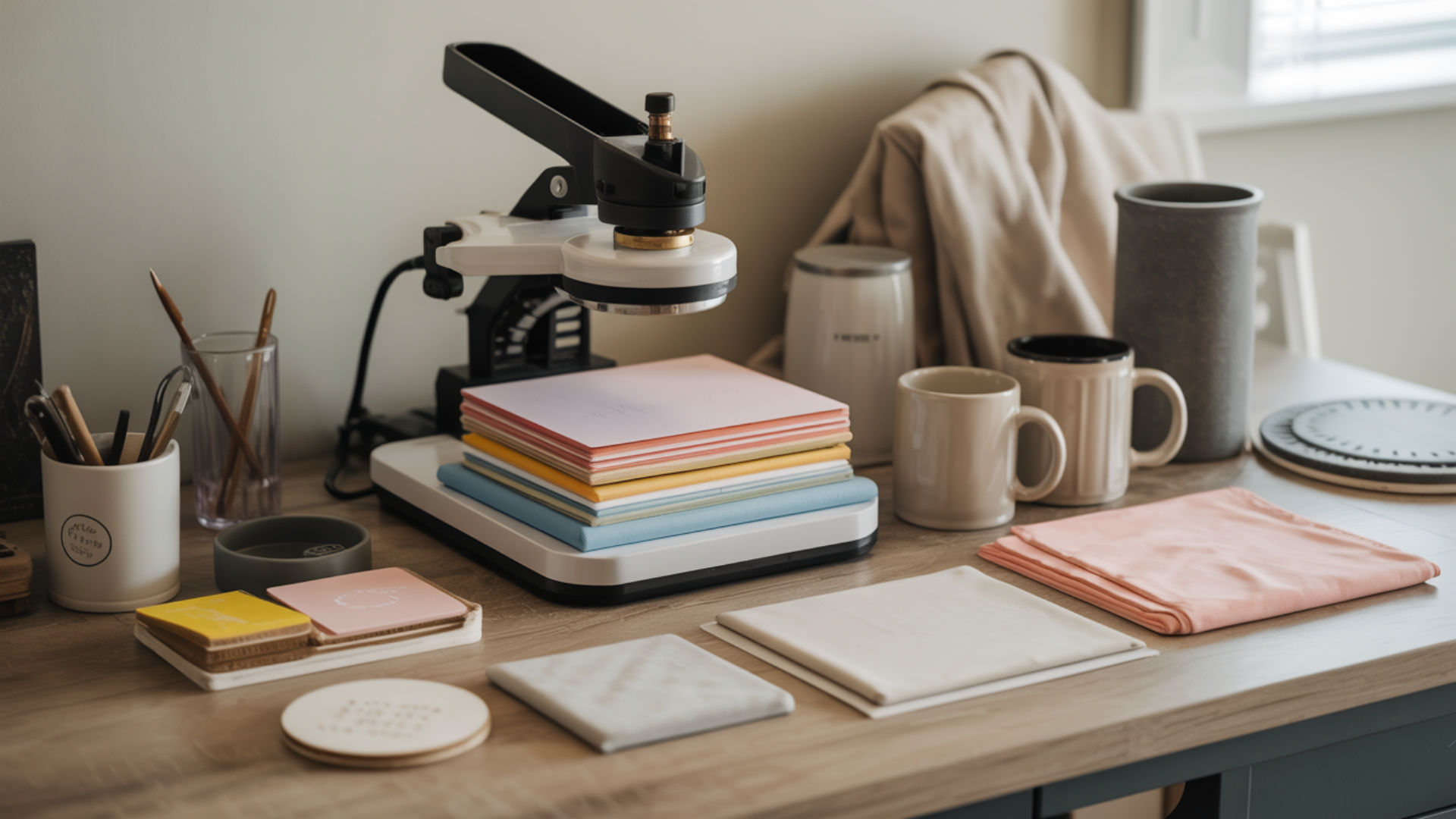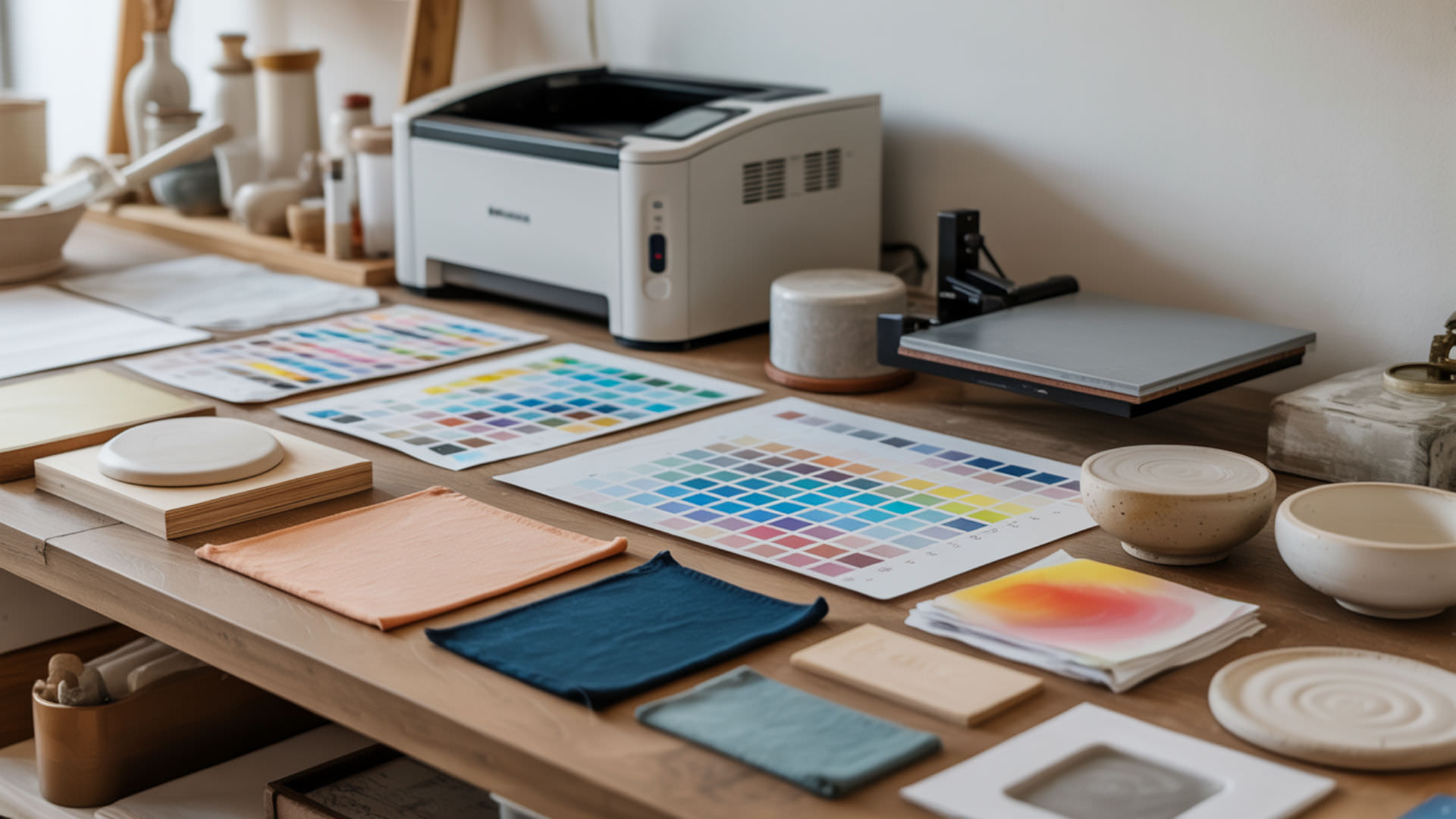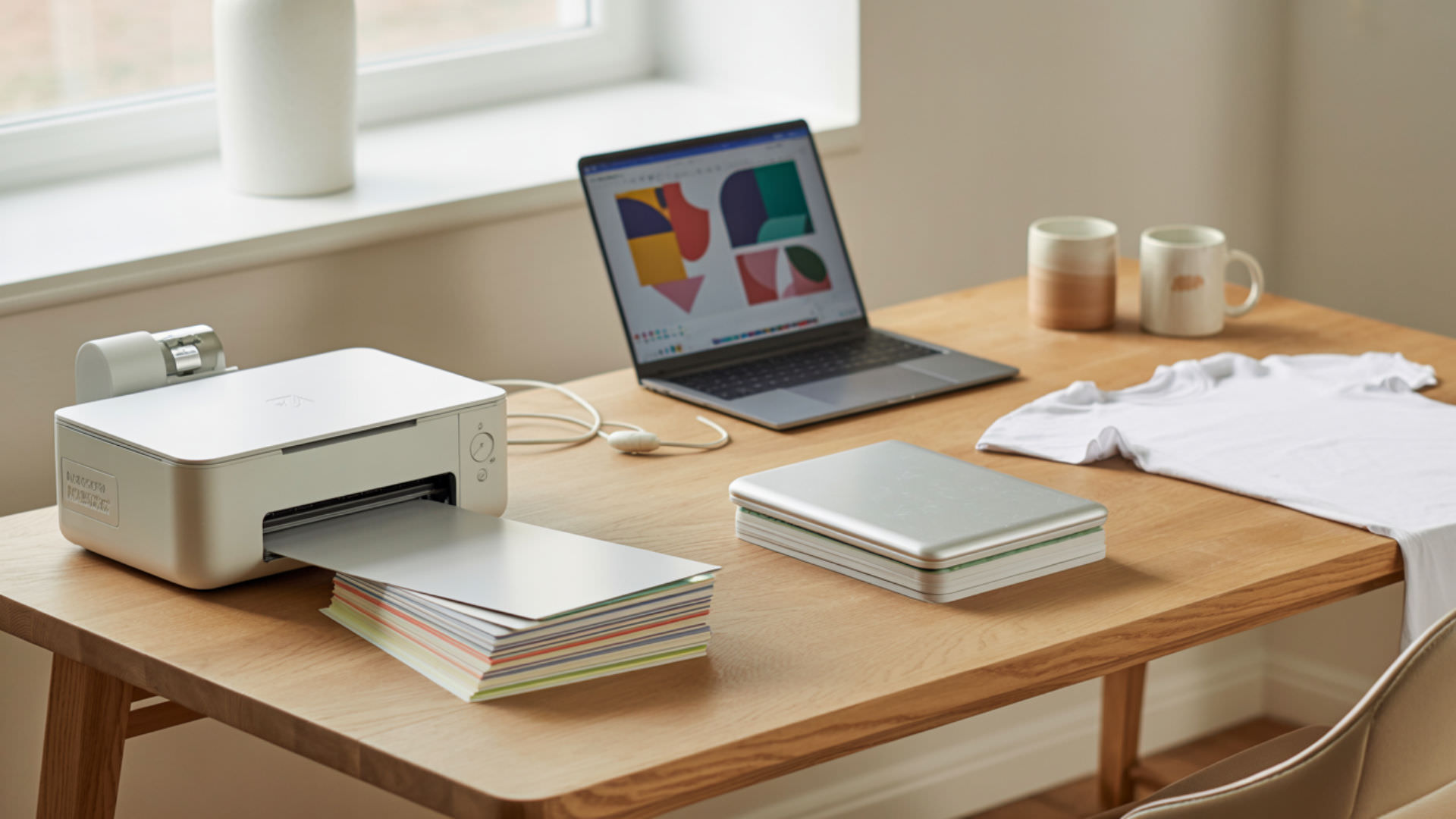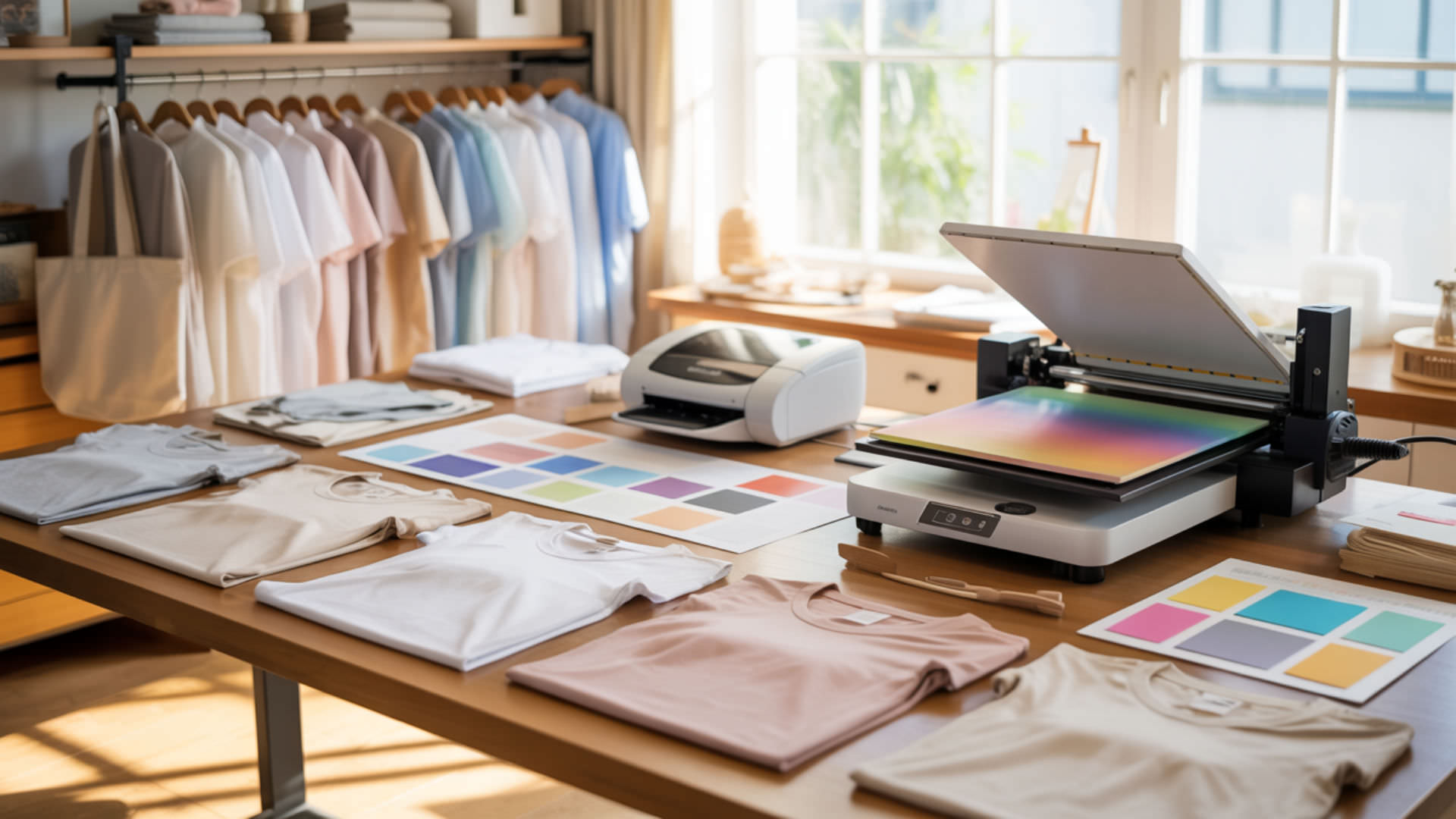
Keeping sublimation from fading requires understanding how sublimation dye bonds with polymer chains during heat transfer. When dye diffusion reaches sufficient depth, colors lock permanently into the substrate—but weak penetration leaves prints vulnerable to washing and UV exposure. Since polymer bonding determines whether colors stay vibrant or fade prematurely, our guide on fixing sublimation mistakes covers the core science behind durable transfers.
Key Takeaways
- Correct sublimation temperature (385–400°F) ensures complete dye-to-gas conversion and deep polymer penetration.
- Higher polyester content produces stronger dye retention—50/50 blends yield lighter, vintage-style results.
- Cold water washing, air drying, and UV-protective sprays extend print life significantly after production.
How Do You Keep Sublimation Prints Vibrant and Not Fading?
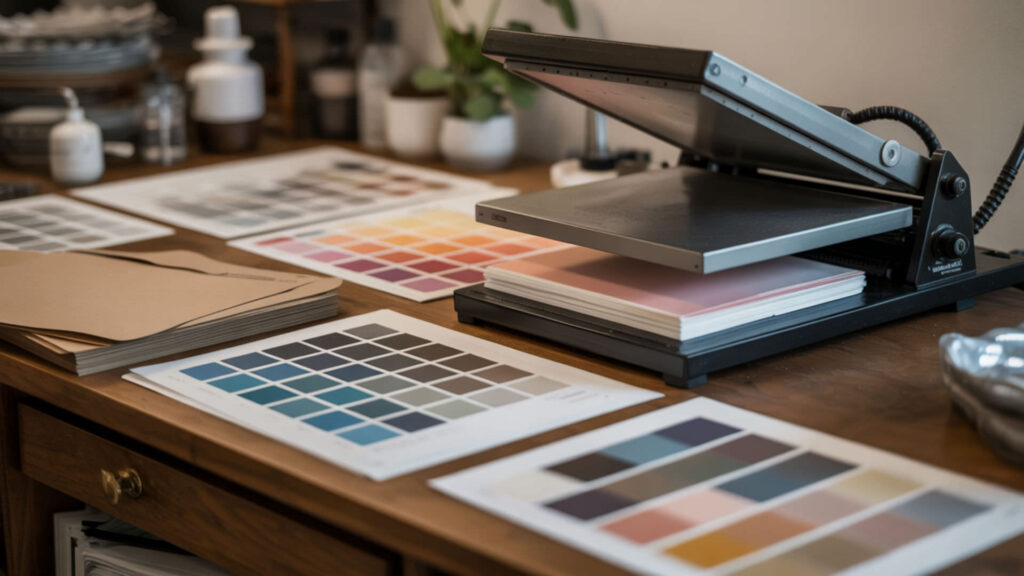
Vibrant sublimation prints require sublimation dye to fully convert to gas phase and penetrate the substrate’s polyester content. Underheating prevents complete gas-phase conversion, leaving dye molecules on the surface where they wash out quickly. Substrates with higher polyester content (65%+) hold dye more securely because more polymer chains are available for bonding.
How Do You Keep Sublimation Prints from Fading?
Dye diffusion must reach deep into polymer chains for lasting vibrancy—surface-level bonding fades within a few washes. Press at 385–400°F for 35–60 seconds to ensure complete penetration. Pre-press fabrics for 5–10 seconds to remove moisture, which blocks heat transfer and weakens dye absorption.
What Causes Sublimation Prints to Fade?
Underheating causes weak polymer bonding—dye never fully enters the gas phase, resulting in pale colors that wash out rapidly. Overheating triggers thermal degradation, breaking down dye molecules and producing muted, yellowed tones. Both extremes compromise the chemical bond that makes sublimation permanent. Polymer properties such as thermal transitions and chain mobility influence how dye molecules embed and retain color under heat, and Michigan State University’s materials chemistry resource explains how heating and cooling change polymer structure and physical behavior.[1]
Why Do Sublimation Colors Sometimes Look Dull?
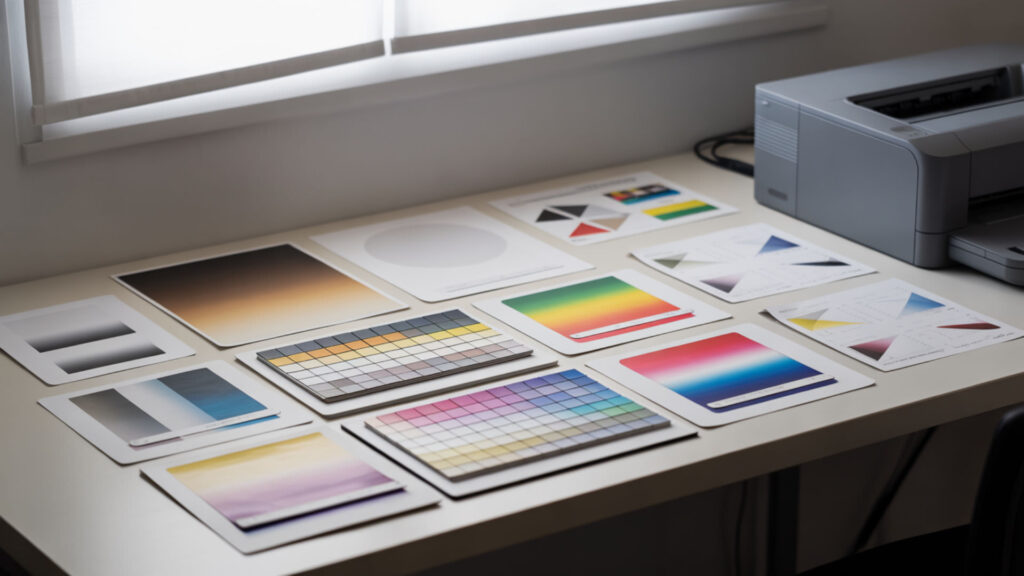
Dull sublimation colors result from incomplete gas phase activation caused by low vapor pressure during pressing. Weak paper coating releases dye unevenly, creating patchy or faded areas. When dye molecules don’t fully vaporize and penetrate the substrate, colors appear washed out even before the first wash.
Why Is My Sublimation Color Not Bright?
Water vapor trapped in paper or substrate blocks heat transfer, producing faint or dull prints. Poor porosity in paper coating prevents proper dye release during pressing. Pre-pressing for 5–10 seconds evaporates moisture; using high-quality sublimation paper with consistent coating ensures even dye delivery.
⫸ Click Here For Best Selling Sublimation Printers And Products ⫷Why Is My Sublimation Faded?
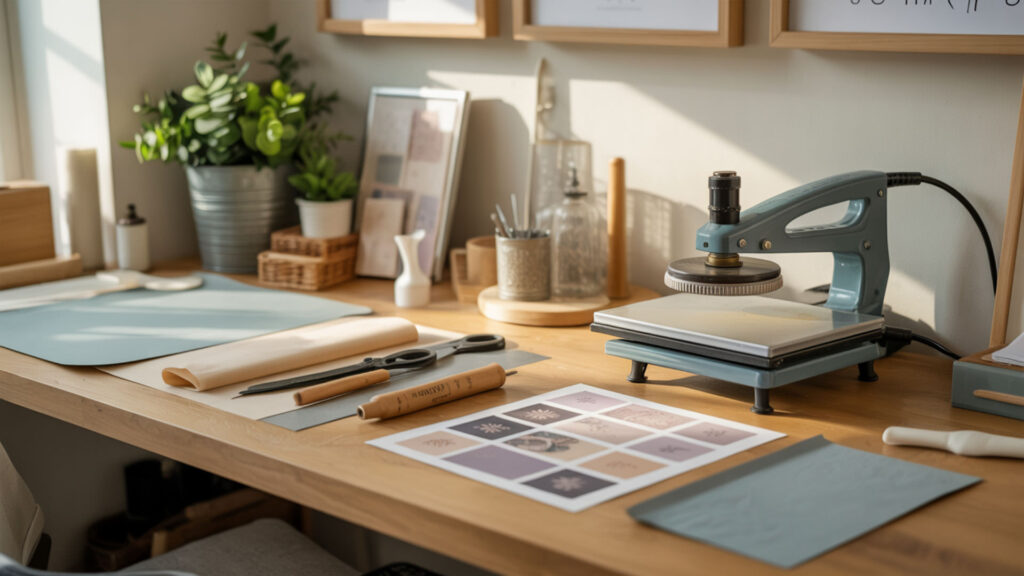
Faded sublimation occurs when underheating prevents dye from fully entering the gas phase—molecules stay solid or partially vaporize, never reaching deep polymer layers. Weak polymer bonding leaves dye sitting near the surface, creating a washed-out appearance immediately after pressing or within a few wash cycles.
Why Are My Sublimation Colors Not Bright?
Low paper weight loses heat during transfer, reducing dye activation energy and producing dull results. Uneven heat distribution across the press platen creates patchy areas where some zones receive adequate heat while others underperform. Using quality paper (100+ gsm) and verifying platen temperature with an infrared thermometer corrects both issues.
Can You Seal Sublimation to Prevent Fading?
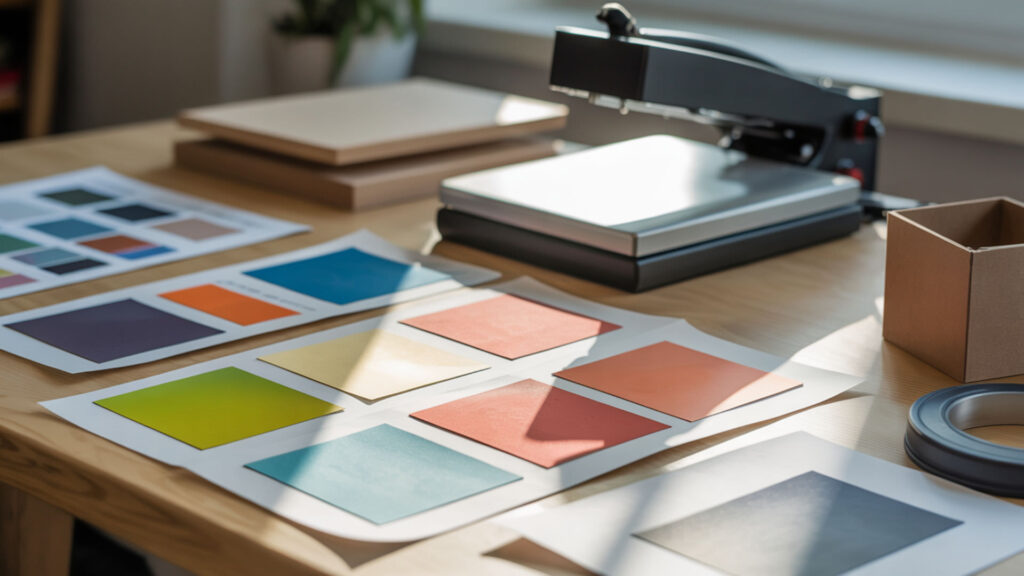
Sealing sublimation with UV-protective coatings improves lightfastness and extends print life, particularly for outdoor items. UV degradation breaks down dye molecules over time—clear protective sprays or laminates block harmful wavelengths and slow this process. Sealed prints can last years longer than unprotected ones in direct sunlight.
What Is Sublimation Coating Spray?
Sublimation coating spray creates a polymer layer on non-polyester surfaces, enabling paper coating–style dye bonding on materials like cotton. The spray deposits polymer-coated substrates artificially, allowing dye molecules to embed as they would on polyester. Results vary—cotton prints feel stiffer and may wash out faster than true polyester transfers.
How Do You Use Sublimation Coating Spray Correctly?
Apply coating spray evenly from 12–18 inches away, allowing complete evaporation before pressing. Proper wetting coverage without oversaturation ensures the polymer layer forms uniformly. Press at 385–400°F for 45–60 seconds, then wait 24–48 hours before washing to allow full dye stabilization.
Does Sublimation Fade in the Sun or Over Time?
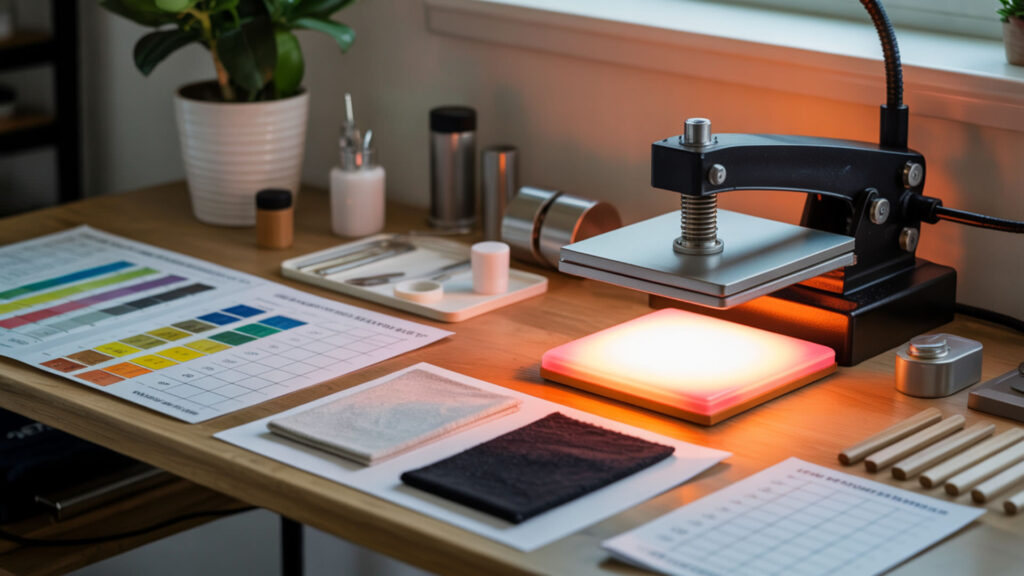
UV degradation causes sublimation prints to fade when exposed to direct sunlight over extended periods. Colorfastness determines how well dye resists this breakdown—high-quality inks and proper pressing improve resistance. Indoor items maintain vibrancy for years; outdoor products benefit from UV-protective coatings to match that longevity. Long-term sun exposure accelerates fading because ultraviolet radiation breaks down dye molecules, and the U.S. The Environmental Protection Agency explains how UV intensity increases material degradation over time, especially in outdoor or sun-facing environments. [2]
Do Sublimation Prints Fade Over Time?
All sublimation prints experience gradual fading from environmental exposure, but the rate depends on lightfastness and care practices. Low lightfastness inks fade faster under UV exposure. Properly pressed prints on high-polyester substrates, stored away from direct sunlight, can remain vibrant for 5–10+ years.
How Long Do Sublimation Colors Last?
Sublimation colors last indefinitely under ideal conditions—no direct sunlight, cold washing, and air drying. Thermal degradation from hot dryers and UV degradation from sun exposure gradually reduce dye stability. With proper care, shirts withstand 50+ washes; outdoor items protected by UV coating maintain color for several years.
Do Temperature Settings Impact Sublimation Fade Resistance?
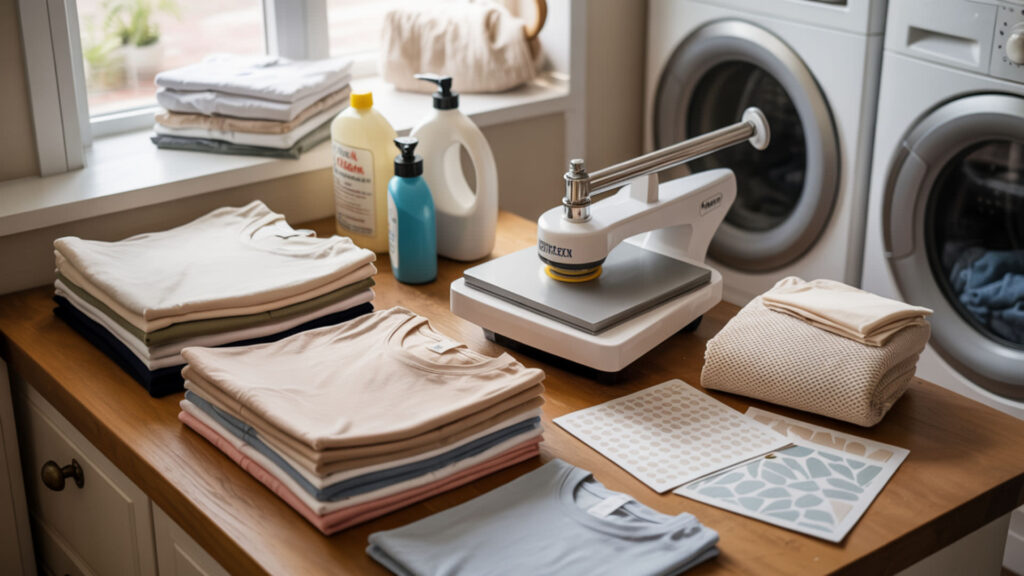
Sublimation temperature directly determines dye penetration depth and long-term color stability. Pressing at 385–400°F for 35–60 seconds ensures complete gas-phase conversion and deep polymer embedding. Time (dwell time) works with temperature—lower heat requires longer pressing to achieve equivalent penetration. Accurate sublimation temperature control prevents fading—our sublimation kit guide recommends tools that improve temperature precision.
What Temperature Do You Sublimate 50 Cotton 50 Polyester?
Press 50/50 cotton-polyester blends at 385–400°F for 60 seconds with medium pressure. Lower polyester content means fewer polymer chains available for dye bonding, producing a lighter, vintage-style appearance. Expect approximately 50% color intensity compared to 100% polyester—this is a material limitation, not a technique flaw.
How Do You Protect Sublimation Shirts from Fading When Washed?
Strong polymer bonding from proper pressing creates wash-resistant prints that maintain colorfastness through dozens of cycles. Wash in cold water, use mild detergent, turn garments inside out, and air dry—avoiding hot water and machine drying preserves dye stability. Since water vapor during production affects both fading and blurriness, our blurry sublimation guide covers moisture-related troubleshooting.
How Long Should You Wait Before Washing a Sublimated Shirt?
Wait 24–48 hours before washing sublimated shirts to allow polymer chains to fully stabilize around embedded dye molecules. Thermal degradation risk decreases as the transfer cools and settles completely. For maximum durability, waiting 72 hours provides additional curing time that strengthens long-term wash resistance.
Why Did My Sublimation Wash Out or Fade After Washing?
Underheating during pressing creates weak bonding that washes out within the first few cycles—dye never penetrated deeply enough to resist water and detergent. High humidity in the workspace reduces heat transfer efficiency, causing the same shallow penetration. Re-pressing rarely fixes washout; starting fresh with correct settings prevents it.
How Do You Keep Sublimation from Fading Step-by-Step?
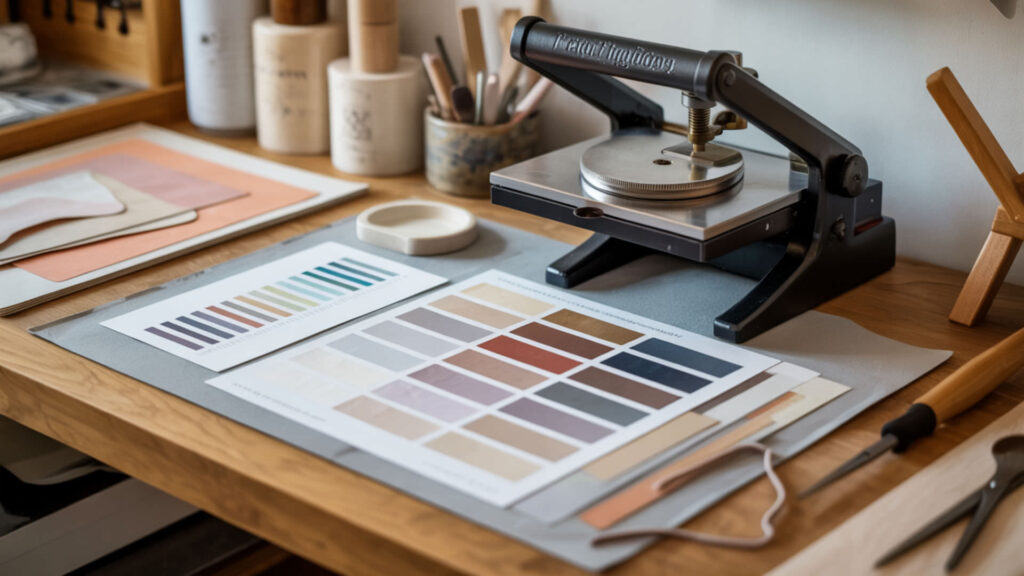
Preventing fading requires stable sublimation temperature, even heat distribution, and correct pressure throughout the transfer process. Because uneven heat distribution causes both fading and paper sticking issues, our tumbler sticking guide addresses shared heat-related problems.
- Pre-press the substrate for 5–10 seconds. This removes trapped moisture that blocks heat transfer and weakens dye penetration.
- Set temperature to 385–400°F and verify with an infrared thermometer. Many heat presses read 10–25°F off from actual platen temperature.
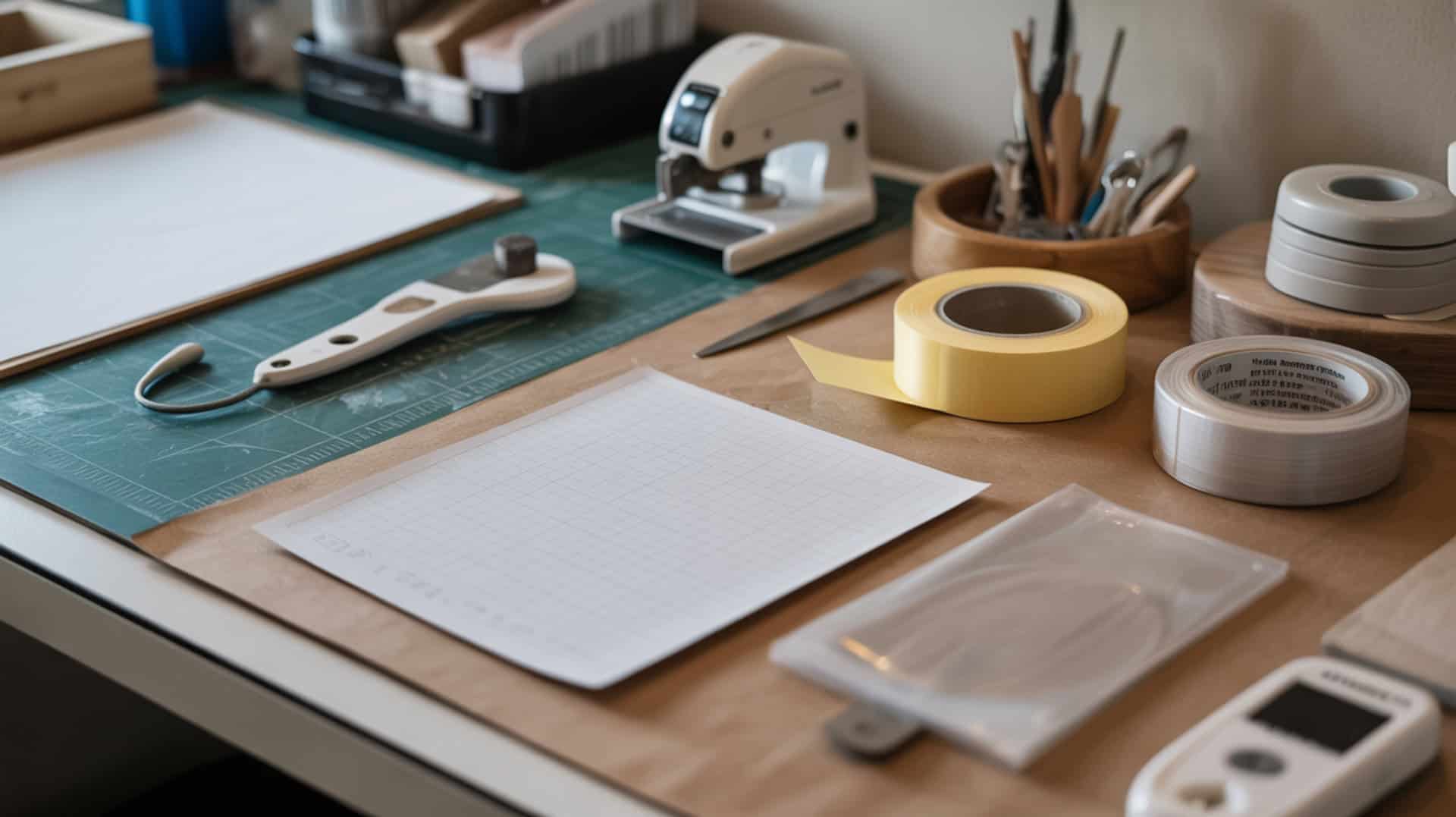
- Position transfer paper face-down and secure with heat-resistant tape. Tape edges only—taping over the design creates uneven pressure zones.
- Press for 35–60 seconds at medium pressure (approximately 40 PSI). Longer times compensate for lower temperatures; shorter times require higher heat.
- Remove paper while warm and allow the substrate to cool completely. Handling while hot can smear partially-set dye.
- Wait 24–48 hours before washing; use cold water and air dry. Hot water and machine drying accelerate dye breakdown over time.
Ready to Keep Your Sublimation Vibrant?
Optimal polymer bonding combined with deep dye diffusion maintains vibrancy through years of use and washing. Control your temperature, choose high-polyester substrates, and follow proper care instructions—these three factors determine whether prints stay brilliant or fade prematurely.
Frequently Asked Questions
Can you fix a faded sublimation print?
Re-pressing over a faded sublimation print with fresh ink can restore some brightness, but results depend on substrate condition and original fade severity. UV degradation breaks down dye molecules permanently—once degraded, those molecules cannot be restored. Prevention through proper pressing and care produces better long-term results than correction attempts.
Does sublimation fade faster on cotton blends than polyester?
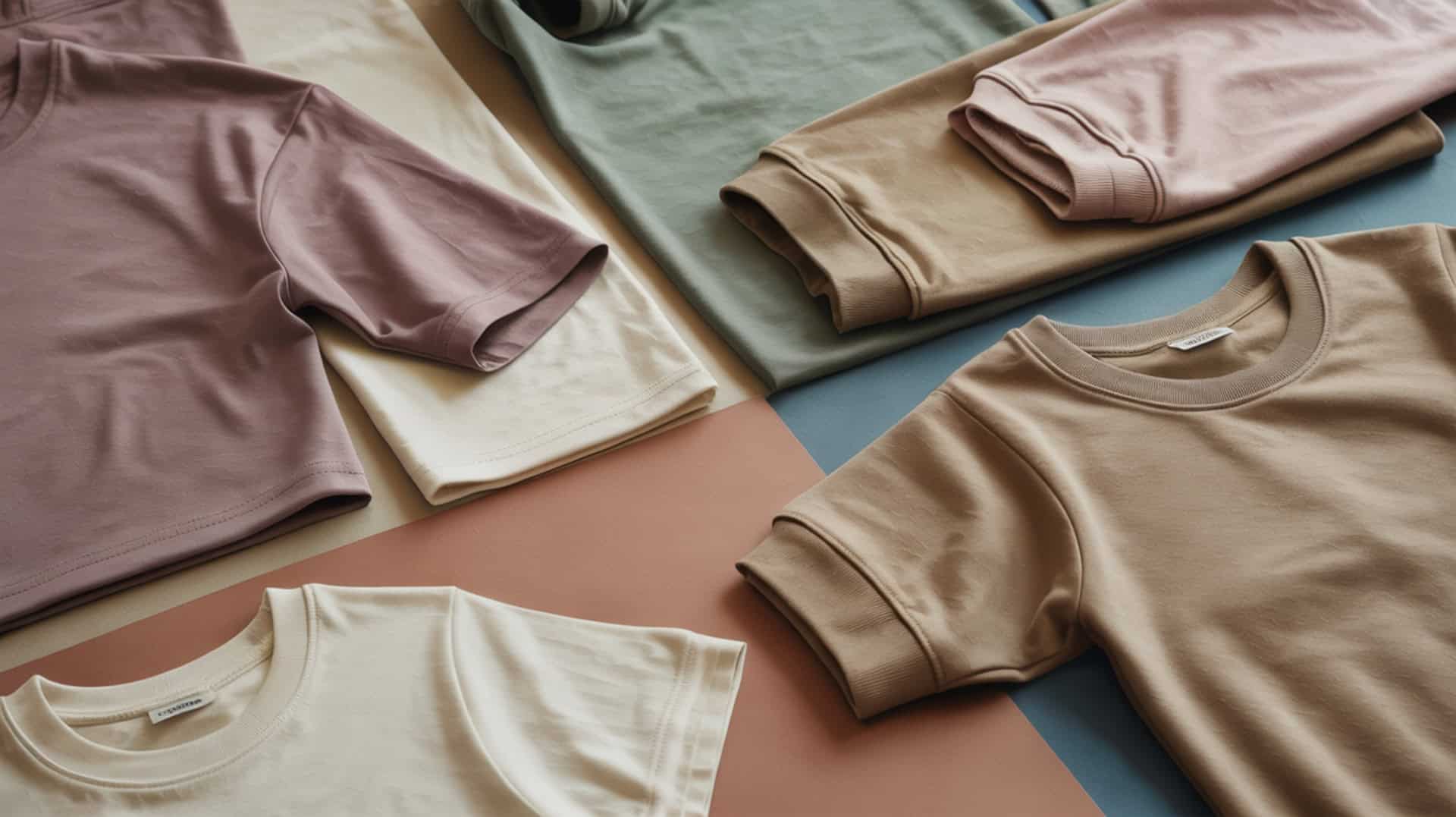
Cotton blends fade faster because sublimation dye only bonds with polyester fibers—cotton provides no polymer chains for attachment. A 50/50 blend offers half the bonding sites of 100% polyester, producing lighter initial colors that wash out more readily. Higher polyester content (65%+) significantly improves fade resistance and color intensity.
Do sublimation prints yellow as they age?
Sublimation prints can yellow from thermal degradation caused by overheating during pressing or repeated exposure to high temperatures in dryers. UV exposure also contributes to yellowing over time, particularly in white or light-colored areas. Using correct press temperatures (385–400°F) and avoiding hot dryers prevents premature yellowing.
Can over-pressing cause fading or color shift in sublimation?
Over-pressing at excessive temperatures or extended times causes thermal degradation that shifts colors toward yellow or brown tones. Dye molecules break down under sustained high heat, creating muted, burnt-looking results. Following manufacturer guidelines for temperature (385–400°F) and time (35–60 seconds) prevents heat-related color shifts.
Is it normal for sublimation to fade unevenly instead of all at once?
Uneven fading indicates inconsistent heat distribution during pressing—areas receiving less heat develop weaker polymer bonds that fade faster. Hot spots and cold zones on the platen create corresponding bright and dull areas over time. Using a pressing pillow and verifying temperature across the entire platen surface eliminates uneven fading patterns.
References
- Reusch, W. (n.d.). Polymers. 401 – Unauthorized: Access is denied due to invalid credentials. https://www2.chemistry.msu.edu/faculty/reusch/virttxtjml/polymers.htm?utm_
- UV index scale. (2025, February 4). US EPA. https://www.epa.gov/sunsafety/uv-index-scale-0