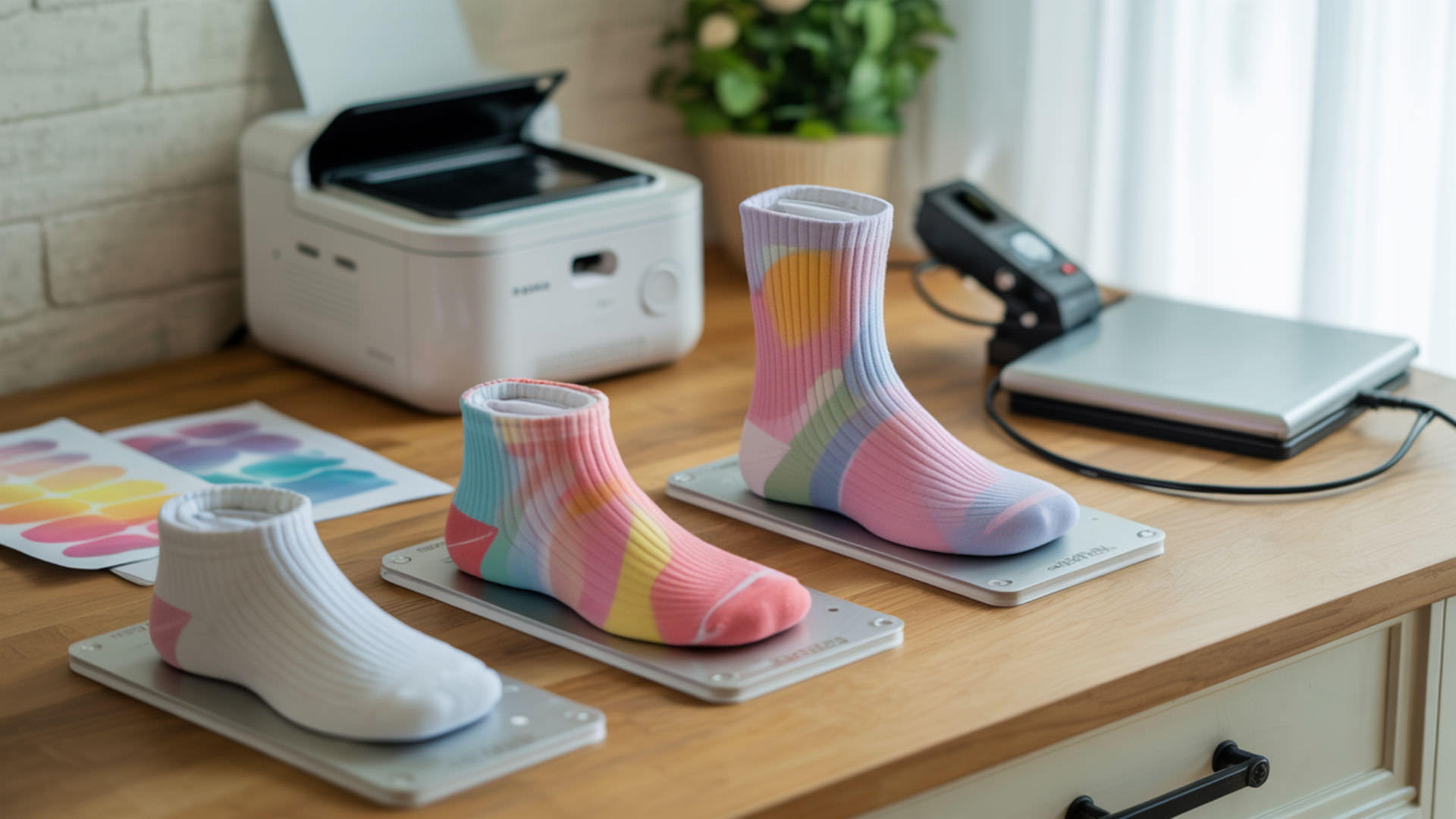
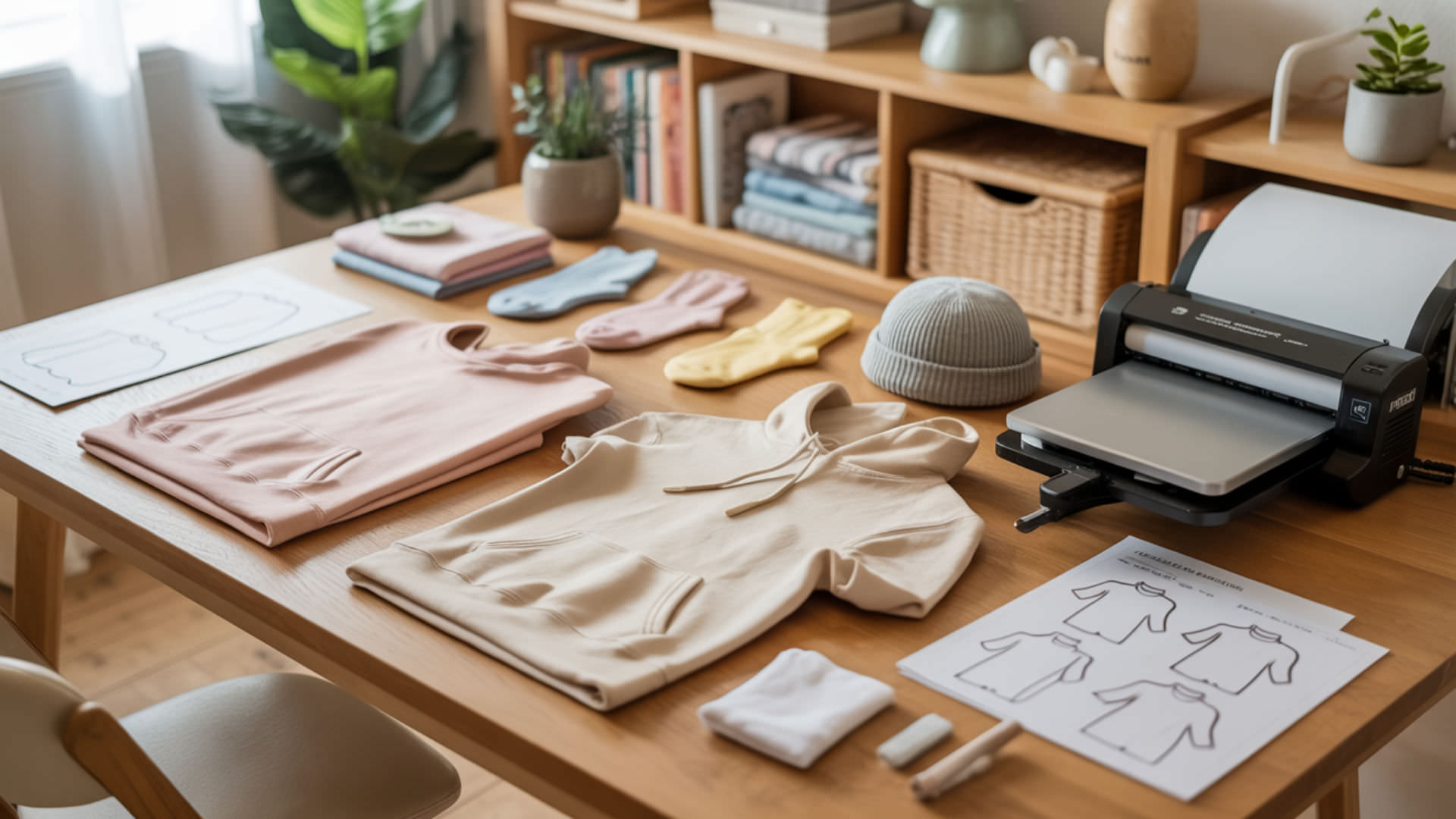
Polyester and other synthetic fibers serve as the foundation for successful sublimation printing because disperse dyes bond exclusively to polymer chains during the heat transfer process. Natural fibers like cotton and linen cannot accept disperse dyes—their cellulose structure lacks the polymer molecules that open under heat to trap sublimation ink permanently. Understanding which materials work for sublimation—and which require workarounds—helps crafters and businesses select the right blanks for vibrant, durable results across apparel, accessories, and hard goods.
Key Takeaways
- Polyester with 65%+ content delivers vibrant sublimation results; fiber morphology affects print sharpness—smooth filament fibers produce crisper detail than textured staple fibers.
- Natural fibers (cotton, rayon, linen) require pre-treatment, HTV layers, or bleaching to accept sublimation ink since cellulose cannot bond with disperse dyes.
- Material selection depends on end-use: performance wear demands 100% polyester while comfort-focused garments may use 65/35 blends accepting slight vibrancy loss.
What Makes Hoodies Ideal for Sublimation Projects?
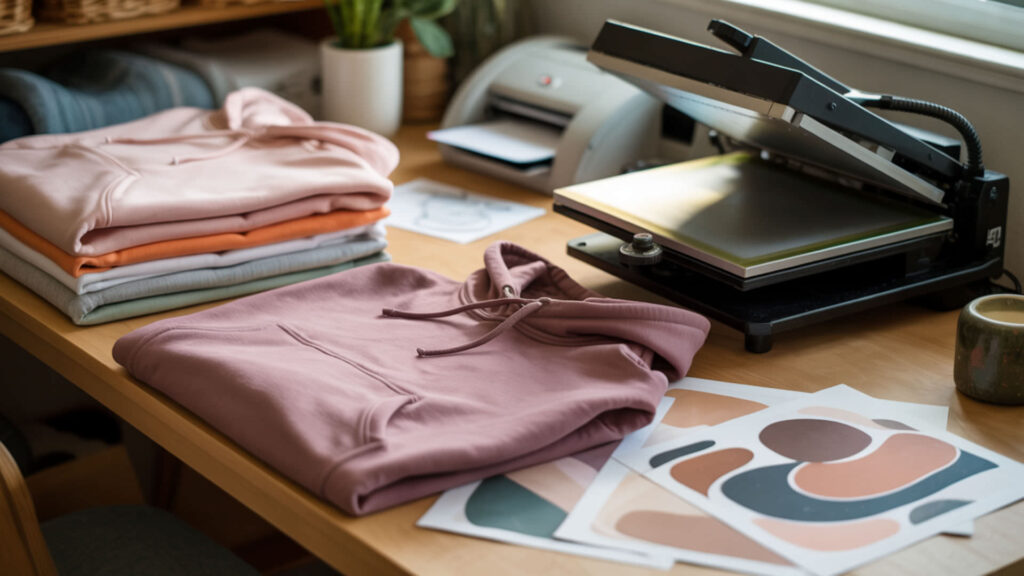
Hoodies offer large print areas across front panels, backs, sleeves, and hoods—making them popular sublimation projects for custom apparel. Polyester content in fiber blends determines vibrancy, with 100% polyester delivering optimal results while 65/35 blends produce acceptable prints with slightly muted colors. Thermoplasticity allows polyester to soften under heat press temperatures, opening polymer chains for dye penetration. For detailed guidance on selecting the best hoodie blanks and managing thick seams, our polyester hoodie guide covers fabric specifications and pressing techniques. Thermoplastic polymers soften when heated and regain rigidity when cooled, a reversible behavior that allows sublimation dyes to diffuse into synthetic fibers and become permanently locked in. [1]
Polyester Hoodie Options and Blends
Higher polyester percentages in fiber blends create better dye bonding and superior wash durability—100% polyester hoodies maintain vibrancy through 50+ wash cycles while 65/35 blends show gradual fading. Crystallinity in polyester fibers affects how much dye penetrates during pressing; higher crystallinity creates more organized polymer structures that lock dye molecules securely. Performance hoodies use moisture-wicking polyester with lower crystallinity for comfort, while standard sublimation blanks prioritize dye uptake over athletic properties.
Managing Thick Fabric and Seams
Fabric construction differences between knit and woven hoodies affect heat distribution and dye penetration during sublimation. Thick seams create uneven pressure zones that can cause incomplete transfers or pressure marks on surrounding areas. Heat resistance varies across hoodie components—zippers, drawstring grommets, and ribbed cuffs may scorch or melt at standard sublimation temperatures. Use protective paper inside hoods and over seams, adjust pressure settings, and consider pressing sections individually for best results.
Design Placement for Maximum Impact
Fiber morphology determines print clarity—smooth polyester surfaces with uniform filament fibers produce sharper detail than textured or brushed finishes. Surface smoothness directly correlates with design resolution; fleece-lined hoodies require design placement on the smooth outer shell rather than interior surfaces. Position detailed graphics on flat panel areas away from seams, pockets, and construction features that interrupt heat contact. Hood interiors can accept simple designs but lack the surface quality for photographic prints.
Can You Really Sublimate on Cotton Materials?
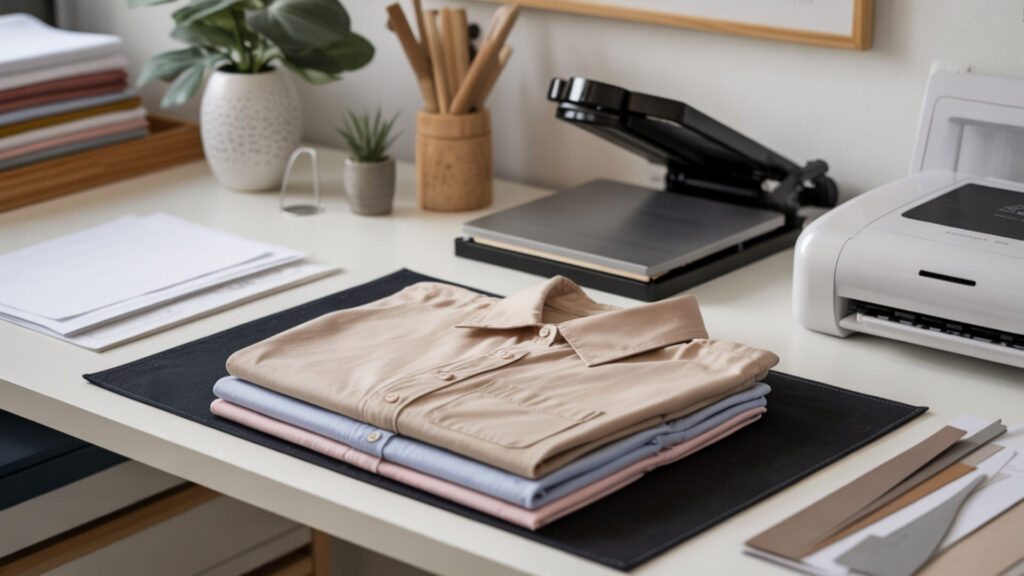
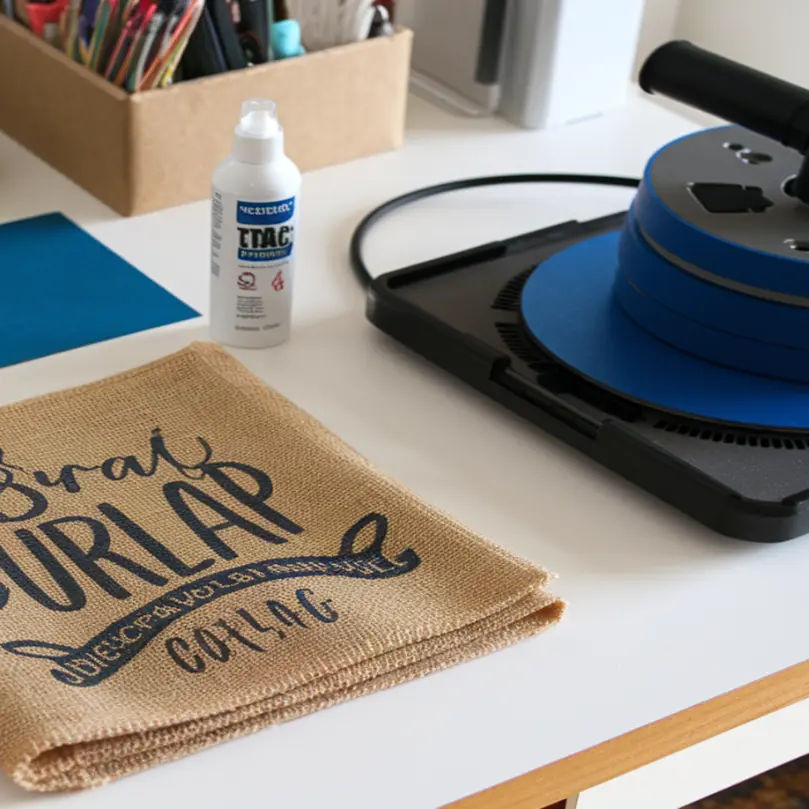
Cotton bonds with reactive dyes rather than the disperse dyes used in sublimation—its cellulose structure blocks the gas-phase dye diffusion that makes sublimation permanent on polyester. Without polymer chains to open under heat and trap dye molecules, sublimation ink sits on cotton’s surface and washes out within 1–2 cycles. Because cotton’s cellulose structure creates fundamental compatibility issues, our cotton sublimation guide explains workarounds and alternative methods. Cotton fibers are built from cellulose rather than synthetic polymers, which prevents sublimation dyes from forming permanent bonds within the fiber structure. [2]
⫸ Click Here For Best Selling Sublimation Printers And Products ⫷Understanding Cotton’s Limitations
Crystalline cellulose regions in cotton fibers resist dye penetration because their tightly organized molecular structure doesn’t open under sublimation temperatures. Amorphous cellulose areas hold moisture that causes blurring and incomplete transfers during pressing. Cotton absorbs sublimation ink on the surface rather than incorporating it into fiber structure—colors appear initially but fade dramatically after washing. The fundamental chemistry makes direct cotton sublimation impossible without intermediate layers or surface treatments.
Pre-Treatment Options and Workarounds
Pre-treatment sprays add a temporary polymer-like bonding surface that accepts sublimation ink on cotton fabrics. These polyester coating sprays create a synthetic layer that mimics polymer behavior under heat, allowing dye transfer. Results vary based on application consistency and typically fade faster than true polyester sublimation—expect 15–20 wash cycles versus 50+ on polyester. Sublimation HTV provides more durable results by creating a permanent white polyester surface on cotton blanks.
Hybrid Techniques for Cotton Products
When polymer bonding fails on cotton, pigment methods offer alternative decoration options with better cellulose compatibility. DTF (direct-to-film) transfers use adhesive powder layers that bond to any fabric regardless of fiber content. Fiber blends containing 50%+ polyester accept sublimation proportionally—the cotton portion remains undyed while polyester fibers display color, creating vintage or heathered aesthetics. Screen printing and DTG remain superior choices for projects requiring true cotton hand-feel with durable graphics.
How Do You Create Sublimated Jewelry Like Earrings?

Polymer-based earring blanks accept sublimation dye through the same gas-phase diffusion process as polyester fabric—the synthetic substrate must contain polymer chains and withstand heat press temperatures without warping. Materials must balance heat resistance with dye receptivity since inadequate polymer content produces faded results while heat-sensitive substrates deform during pressing. For substrate selection and small-scale pressing techniques, our polymer jewelry guide covers compatible blank materials.
Substrate Materials for Jewelry Making
Synthetic fiber-based and polymer chain substrates allow gas-phase dye diffusion during sublimation heat cycles. Common earring blank materials include polymer-coated MDF, aluminum with polyester coating, acrylic sheets, and hardboard with sublimation-ready surfaces. Polymer chains must be dense enough to capture sufficient dye for vibrant color while remaining stable at 375–400°F pressing temperatures. Uncoated wood, metal, or glass cannot accept sublimation without polymer coating application.
Small-Scale Heat Press Techniques
Small substrates require controlled heat resistance management since their thermal mass differs significantly from fabric blanks. Thermal properties of thin earring blanks cause rapid temperature spikes that can scorch coatings or cause substrate warping. Reduce pressing time by 10–15 seconds compared to fabric; use lower pressure to prevent blank deformation. Protective silicone mats between press platens and small blanks distribute heat evenly and prevent direct contact damage.
Assembly and Finishing Hardware
Fiber morphology and surface smoothness of earring blanks determine print detail quality for small-scale designs. Smooth coated surfaces improve detail sharpness—matte finishes hide minor imperfections while gloss coatings enhance color vibrancy but reveal dust and fingerprints. Attach jump rings, ear wires, and posts after sublimation to prevent hardware damage from pressing heat. Seal edges with clear coating to prevent moisture absorption and extend print longevity on porous substrates.
What’s Involved in Sublimating on Different Hat Styles?

Hat sublimation success depends heavily on polyester content, fabric construction, and ability to achieve consistent press contact across curved surfaces. Polyester mesh trucker panels work excellently while thick cotton twill crown panels reject sublimation entirely. Heat resistance concerns arise with structured hat components—cardboard bills, plastic snaps, and foam padding can melt or warp at standard sublimation temperatures. For equipment recommendations and curved surface techniques, our fabric construction hat guide covers panel selection and pressing methods.
Structured vs Unstructured Hat Challenges
Fiber morphology in structured hats creates challenges—buckram stiffeners and foam fronts prevent achieving consistent pressure contact during sublimation pressing. Heat resistance limitations mean plastic components in structured caps may warp, melt, or release gases at 385–400°F temperatures. Unstructured caps conform better to hat press platens but may shift during pressing without proper stabilization. Choose sublimation-ready blanks specifically designed for heat press application rather than adapting retail caps.
Hat Press Equipment and Alternatives
Heat resistance and thermal properties of hat components require specialized equipment—standard flat presses cannot achieve consistent contact on curved crown panels. Hat press attachments feature curved platens matching cap profiles for even pressure distribution across front panels. Alternative methods include flat pressing crown sections on unstructured caps by flattening temporarily, or sublimating fabric panels before hat assembly. Temperature control becomes critical since hat materials vary in heat tolerance more than standard apparel blanks.
Working with Curved Bills and Panels
Fabric structure on curved surfaces causes uneven dye transfer unless proper pressure distribution techniques address contact inconsistencies. Bill sublimation requires specialty attachments or careful hand positioning to maintain contact without damaging bill structure. Pressure variations across curved panels create lighter centers and darker edges—adjust positioning and consider multiple light presses rather than single heavy applications. Pre-curved sublimation blanks designed specifically for hat decoration provide superior results to attempting curved surface sublimation on flat-designed caps.
How Well Does Rayon Accept Sublimation?
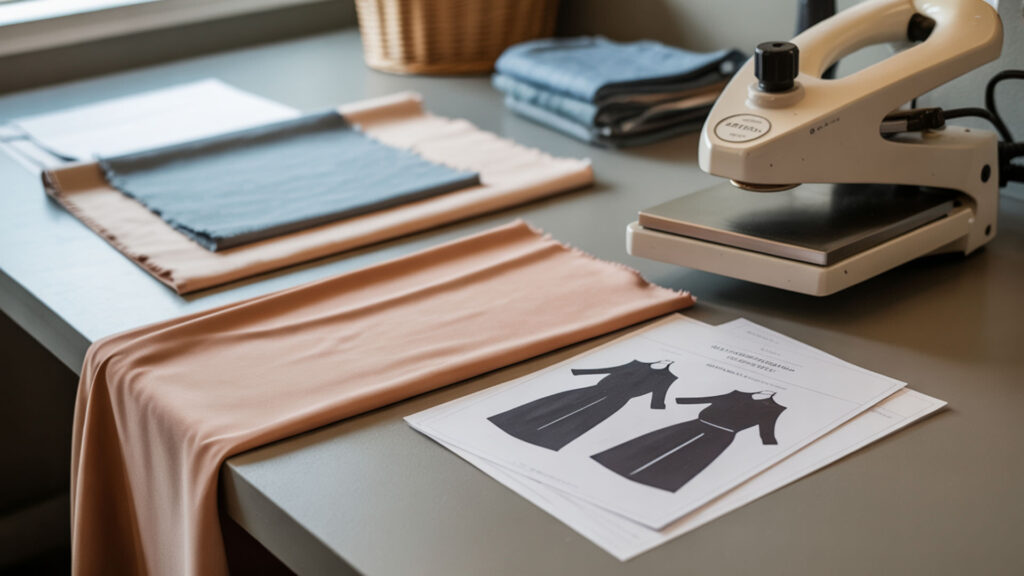
Rayon is regenerated cellulose rather than synthetic polymer—despite being manufactured, it shares cotton’s fundamental incompatibility with sublimation dyes. Moisture absorption in rayon fibers causes swelling during pressing that blurs transfers and creates inconsistent results. Because rayon’s cellulose structure limits sublimation compatibility, our rayon guide explains heat sensitivity issues and alternative decoration methods.
Rayon’s Heat Sensitivity Issues
Thermal degradation occurs when rayon is exposed to standard sublimation temperatures—the fiber weakens above 300°F and begins burning around 480°F. Fiber swelling from heat and moisture causes rayon to distort, shrink, and lose structural integrity during pressing. Unlike polyester which softens predictably, rayon fibers become increasingly fragile under heat and cannot recover their original properties. Even successful dye transfer produces prints that wash out rapidly since cellulose cannot permanently trap disperse dyes.
Blended Fabrics with Rayon Content
Fiber blends containing rayon and polyester can produce acceptable sublimation results when polyester content reaches 65%+ of total composition. High moisture regain in rayon causes blurred sublimation prints since water vapor interferes with clean dye transfer. Rayon-polyester blends require thorough pre-pressing to eliminate moisture before applying transfers—extend pre-press time to 10–15 seconds. Test extensively before production since rayon blend behavior varies significantly based on fabric construction and fiber distribution.
Alternative Decoration Methods for Rayon
Direct dyes and pigment-based inks work with cellulose fibers like rayon far better than sublimation chemistry allows. DTF transfers apply to rayon at lower temperatures (275–285°F) without the fiber degradation caused by sublimation pressing. Screen printing with water-based inks provides excellent rayon compatibility when plastisol heat requirements might damage delicate fibers. DTG (direct-to-garment) printing after proper pre-treatment offers photographic quality results on rayon without sublimation’s temperature and chemistry limitations.
What Makes Socks a Unique Sublimation Challenge?
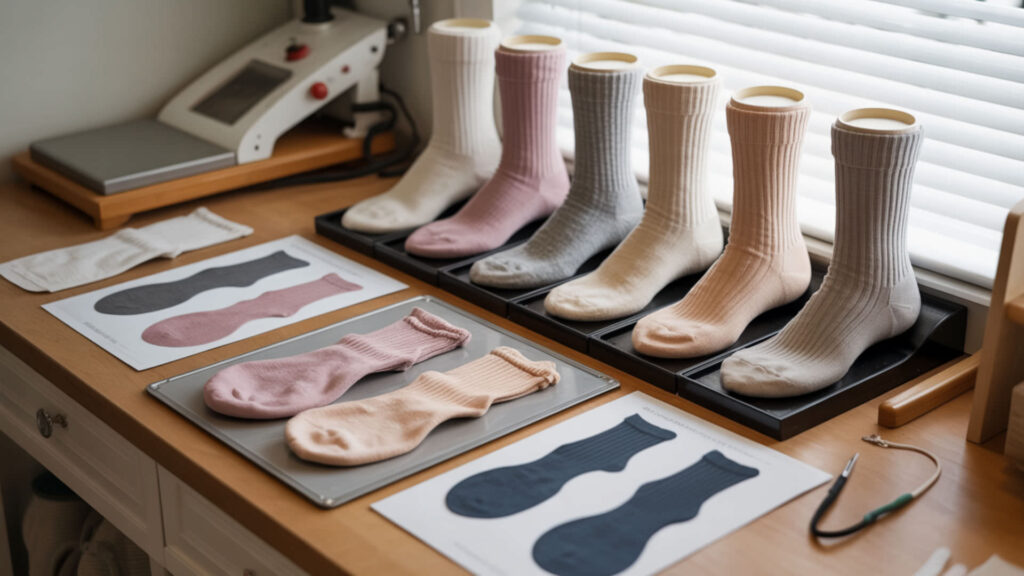
Sock sublimation presents unique challenges because spandex content affects both heat sensitivity and design distortion from elasticity. Most sublimation sock blanks contain 95% polyester with 5% spandex for stretch—the spandex tolerates pressing but designs must account for expansion when worn. Since sublimation effectiveness varies significantly with sock fiber blends and construction, our sock guide covers blank selection and pressing techniques.
Dealing with Stretch and Elasticity
Elasticity in sock blanks causes design distortion during both pressing and wearing—graphics compress during flat pressing then stretch when worn. Fiber morphology in knit sock construction creates ribbed textures that can show white “grin lines” when stretched after sublimation. Design artwork to account for 15–25% stretch by using patterns, gradients, or designs that tolerate distortion without losing visual integrity. Pre-stretching socks on sublimation jigs before pressing helps minimize white lines in ribbed areas.
Sock Blanks and Sizing Considerations
Fiber blends in sock blanks affect both print quality and stretch behavior—95/5 polyester/spandex provides optimal sublimation acceptance with functional elasticity. Denier (fiber thickness) impacts print sharpness; finer fibers create smoother surfaces that produce sharper, more detailed prints with less visible texture. Athletic socks with cushioned cotton footbeds require leg-only sublimation since cotton heels and toes reject sublimation dye. Size sock jigs to stretch blanks to wearing dimensions before pressing for accurate design placement.
Creating All-Over Sock Designs
Fabric construction in knit socks creates potential white crease marks where ribbing or seams prevent complete dye contact during pressing. Surface smoothness varies across sock sections—calf and ankle areas press cleanly while heel cups and toe seams create challenges. Position designs to work with construction features rather than fighting them; avoid placing detailed graphics across high-stretch zones. All-over prints require multiple presses with repositioning to cover all visible surfaces without overlap marks or missed sections.
How Do You Successfully Sublimate on Sweatshirts?
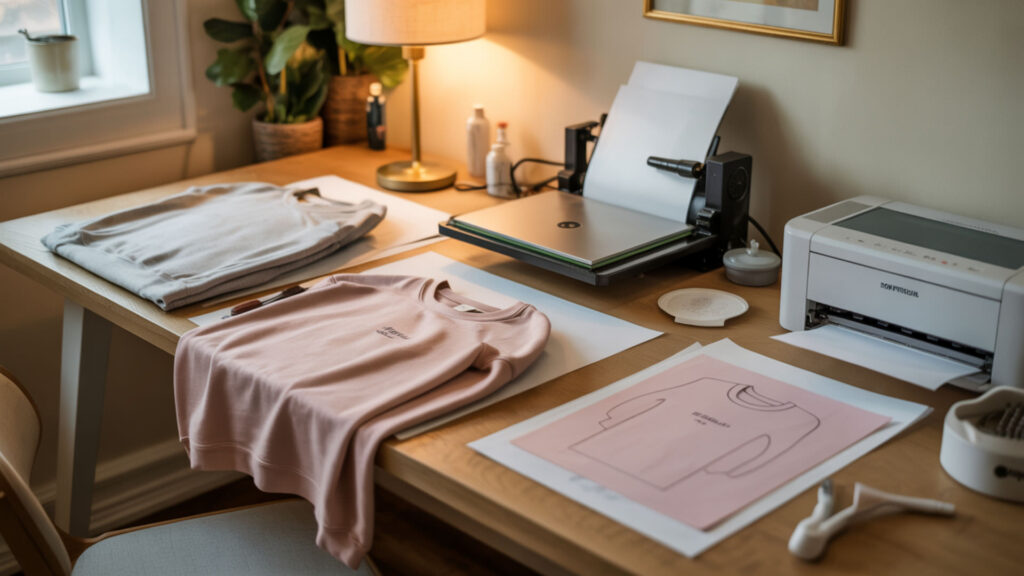
Sweatshirt sublimation success depends on polyester percentage in fiber blends and fabric construction—fleece versus French terry surfaces behave differently under heat press conditions. 100% polyester performance sweatshirts produce maximum vibrancy while popular 65/35 cotton-poly blends create softer handfeel with acceptable but reduced color intensity. Because polyester percentage determines sweatshirt sublimation quality, our sweatshirt guide covers material selection and texture management.
Fleece vs French Terry Materials
Fabric structure differences between fleece and French terry significantly impact sublimation print clarity and color saturation. Pile height on fleece creates textured surfaces where dye concentrates in raised fibers—lighter colors appear washed out while dark designs show fiber texture. French terry’s looped interior and smooth exterior provide more consistent sublimation surfaces on the outer face. Fiber morphology in each construction affects heat penetration depth and dye distribution across the print area.
Managing Texture and Pile Height
Staple fibers in fleece create more texture and less print clarity compared to filament fibers in smoother polyester fabrics. Short staple fiber ends create fuzzy surfaces that diffuse sublimation color and reduce design sharpness. Filament fibers provide continuous smooth strands that accept dye evenly for photographic-quality results. For textured sweatshirts, choose bold graphics with high contrast rather than detailed photographic images that require smooth fiber morphology for clarity.
Preventing Pressure Marks on Soft Fabrics
Thermal properties of soft sweatshirt fabrics require careful pressure management—fleece compresses significantly under heat press force. Soft fibers with high loft compress under pressure, leaving permanent marks where design edges or seams created uneven contact. Fiber morphology affects recovery; some fleece rebounds after pressing while heavily compressed areas remain flattened permanently. Use lower pressure settings, shorter press times, and protective hover techniques to minimize compression damage on soft fabrications.
Which Blanks and Supplies Work Best for Apparel Projects?

Best apparel blanks depend on polymer percentage, fiber structure, and fabric construction matching project requirements. High-polyester blanks deliver maximum vibrancy while cotton blends offer comfort advantages with color tradeoffs. For detailed product comparisons and sourcing recommendations, our polymer blank guide reviews commercial options across price points and quality levels.
Evaluating Supplier Quality and Consistency
Fiber morphology consistency varies significantly between blank suppliers—premium manufacturers maintain tight specifications while budget options show batch-to-batch variation. Color fastness after washing indicates polyester quality and dye penetration—blanks that fade quickly suggest lower polymer content or poor fiber preparation. Request test samples from new suppliers and sublimate before committing to bulk orders. Check fabric weight, shrinkage specifications, and customer reviews focusing on sublimation results rather than general garment quality.
Building an Apparel Inventory Strategy
Choosing correct fiber ratios in blanks ensures predictable sublimation results across your product line. Stock 100% polyester options for customers requiring maximum vibrancy and durability, 65/35 blends for comfort-focused orders accepting color softness, and specialty blanks (performance, fashion cuts) for niche applications. Fiber blends should align with customer expectations—set proper expectations about color differences between polyester percentages. Track which blanks sell well and produce consistent results to optimize inventory investment.
Cost-Effective Sourcing for Small Businesses
Fabric construction quality influences the cost-versus-consistency tradeoff in blank sourcing decisions. Budget blanks often use lower polyester percentages or inconsistent fiber blends that produce variable results. Balance per-unit cost against waste from failed prints, customer complaints, and reprinting expenses. Wholesale accounts with established sublimation blank suppliers typically offer better quality control than retail-market blanks designed for general consumers rather than sublimation-specific applications.
Final Thoughts
Polyester remains the most reliable sublimation substrate across all apparel categories due to its polymer structure that bonds permanently with disperse dyes. Fiber blends offer comfort and cost advantages when customers accept proportional color reduction. Natural fibers require workarounds that add cost, complexity, and durability compromises compared to true polyester sublimation. Match material selection to project requirements—prioritizing vibrancy and wash durability for some applications while accepting tradeoffs for comfort-focused products.
Frequently Asked Questions
What’s the minimum polyester percentage needed for vibrant sublimation on apparel?
Minimum 65% polyester content produces acceptable vibrancy for most applications, though colors appear approximately 20–30% less saturated than 100% polyester. Fiber affinity between disperse dyes and polymer chains determines color intensity—more polyester means more dye-receptive fibers in the blend. Below 50% polyester, results appear washed out and fade significantly after washing. For maximum vibrancy and durability exceeding 50 wash cycles, 100% polyester remains the professional standard.
Can I mix different fabric types in the same sublimation project?
Mixing fabric types requires managing different heat tolerances, press times, and vibrancy expectations within a single project. Polyester sections will accept full-color sublimation while cotton or rayon portions may scorch, remain undyed, or produce inconsistent results. Position designs to account for fabric differences—place detailed graphics on high-polyester areas and simple elements on blended sections. Test composite projects thoroughly before production to understand how each fabric component responds to your specific press settings.
Why do some polyester garments sublimate better than others?
Polymer chain structure varies between polyester types—different manufacturing processes create fibers with varying dye receptivity, crystallinity, and surface smoothness. Fiber affinity describes how readily polymers accept and trap sublimation dyes during heat exposure. Performance polyester designed for moisture-wicking may prioritize breathability over dye uptake. Coating treatments, fabric finishes, and fiber morphology all influence final sublimation results even on garments with identical polyester percentages.
How do I test if a fabric will work for sublimation without ruining it?
Test small, inconspicuous areas using scrap transfer paper with simple color blocks before committing to full designs. Press test sections at standard sublimation temperatures (385–400°F) for 45–60 seconds and evaluate color transfer, fabric damage, and texture changes. Wash test swatches to assess color fastness and durability before production. For unknown blanks, the burn test can identify fiber content—polyester melts and beads while cotton burns and chars—but direct sublimation testing provides more useful quality information.
What’s the most versatile apparel blank for sublimation beginners?
100% polyester performance t-shirts offer beginners the most forgiving sublimation experience with maximum color vibrancy and durable results. These blanks accept full color without the vibrancy compromises of blended fabrics, tolerate minor temperature variations without scorching, and produce professional results even with imperfect technique. Start with established sublimation blank suppliers rather than retail-market shirts to ensure consistent polymer content and dye-ready fiber preparation across your learning projects.
References
- Polymers and macromolecular materials | Department of materials science & metallurgy. (n.d.). Department of Materials Science & Metallurgy |. https://www.msm.cam.ac.uk/research/research-disciplines/polymers-and-macromolecular-materials
- Fiber quality concerns of Georgia cotton. (n.d.). College of Agricultural & Environmental Sciences | University of Georgia. https://www.caes.uga.edu/research/impact/impact-brief/174/fiber-quality-concerns-of-georgia-cotton.html