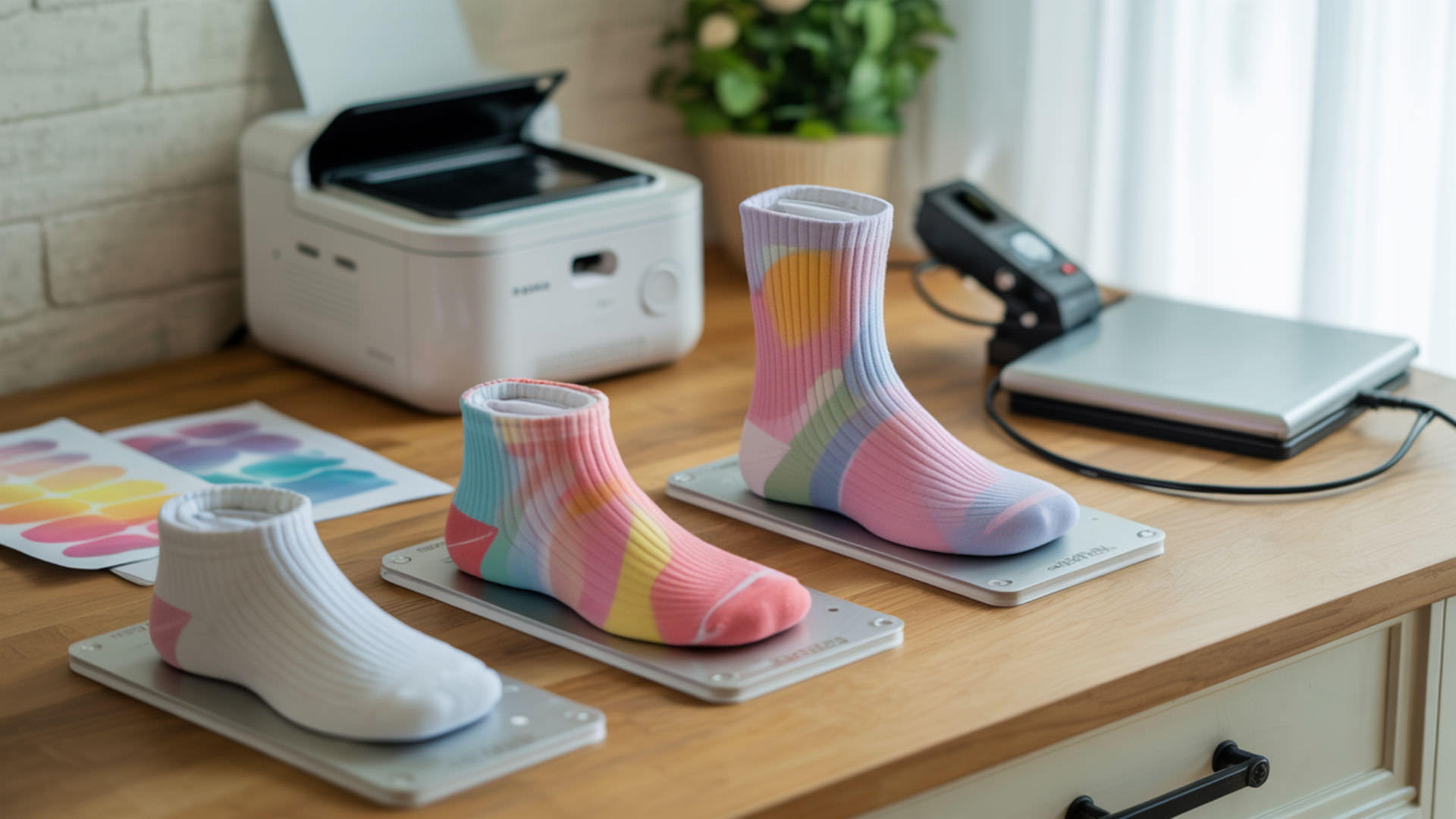

Sublimation prints maintain excellent color fastness through proper laundering because the dye bonds inside polyester fibers rather than coating the surface. Because polyester shirts enable internal dye bonding that makes sublimation washable and long-lasting, our complete sublimation guide explains the chemistry behind this durability. With correct washing techniques, sublimated garments maintain vibrant colors through 50+ cycles without cracking, peeling, or significant fading.
Key Takeaways
- Washing fastness determines color resistance during laundering—sublimation achieves excellent ratings because dye penetrates fiber structure.
- Water temperature affects fading and fiber stress; cold or warm cycles (under 105°F) preserve colors while hot water accelerates wear.
- Inside-out washing, mild detergent, and air drying extend sublimation print life by minimizing abrasion and heat exposure.
How do you wash sublimation shirts without damaging the print?
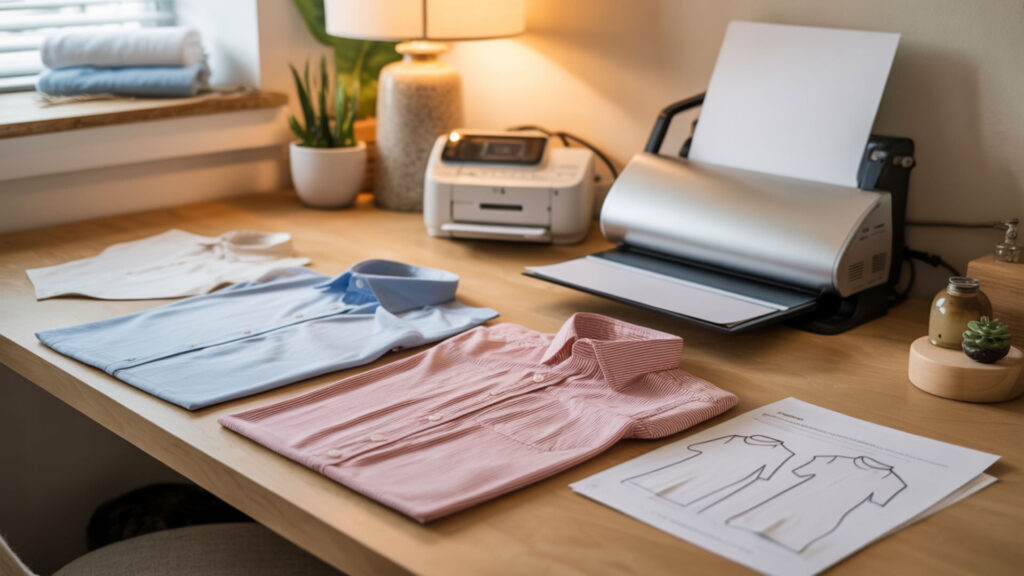
Wash sublimation shirts in cold or warm water using a gentle cycle to preserve washing fastness and prevent unnecessary fiber stress. Mild detergent without bleach or optical brighteners helps maintain color accuracy and fabric integrity. Inside-out washing reduces fiber abrasion on printed surfaces during the tumble cycle. Since proper washing fastness depends on fabric quality, our best shirts guide helps you choose garments with superior wash durability.
What detergent works best for sublimation shirt longevity?
Use mild, color-safe detergent free from bleach, brighteners, or softeners for sublimation garments. Optical brighteners may alter the color perception of prints by adding blue fluorescent tints that affect design accuracy. Extreme pH levels in harsh detergents can degrade polyester fibers over repeated washes, weakening the fabric structure that holds sublimation dye. Eco-friendly detergents or those designed for delicate fabrics work best—look for neutral pH formulations. Some laundry detergents contain fluorescent whitening agents that make fabrics appear brighter by altering how light reflects, rather than by removing stains. [1]
What should you avoid when washing sublimation prints?
Avoid bleach, fabric softeners, and dry cleaning chemicals when washing sublimated garments. Bleach damages polyester bonds and dulls sublimation colors by chemically attacking the fiber structure where dye molecules reside. Fabric softener leaves waxy residue that interferes with fiber integrity and can create uneven surface texture. While bleach is used to prepare shirts before sublimation, our bleaching guide explains why it destroys finished prints.
Should printed shirts be washed inside out or normally?
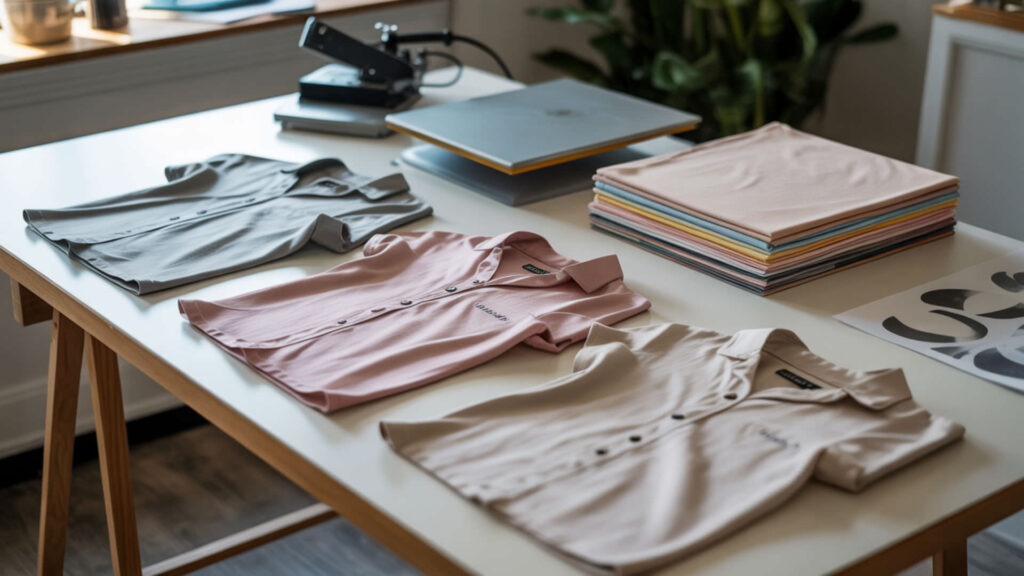
Inside-out washing minimizes friction damage to sublimated shirt fibers during the tumble cycle by protecting the printed surface from direct contact with other garments and the drum. Abrasion represents one of the few forces that can reduce sublimation clarity over time, wearing down fiber surfaces that contain embedded dye. Turn shirts inside out before every wash to extend print longevity by 30–50% compared to normal washing orientation.
Is it better to wash printed shirts inside out?
Inside-out washing combined with a gentle washing cycle significantly reduces fiber stress and maintains print smoothness on sublimated garments. Abrasion from zippers, buttons, and rough fabrics is lowered substantially when the printed surface faces inward. The delicate or synthetic cycle minimizes agitation speed and duration, further protecting dye-embedded fibers. This simple practice keeps colors vibrant and prevents the micro-surface damage that eventually dulls sublimation prints.
⫸ Click Here For Best Selling Sublimation Printers And Products ⫷Do sublimation shirts shrink after washing?
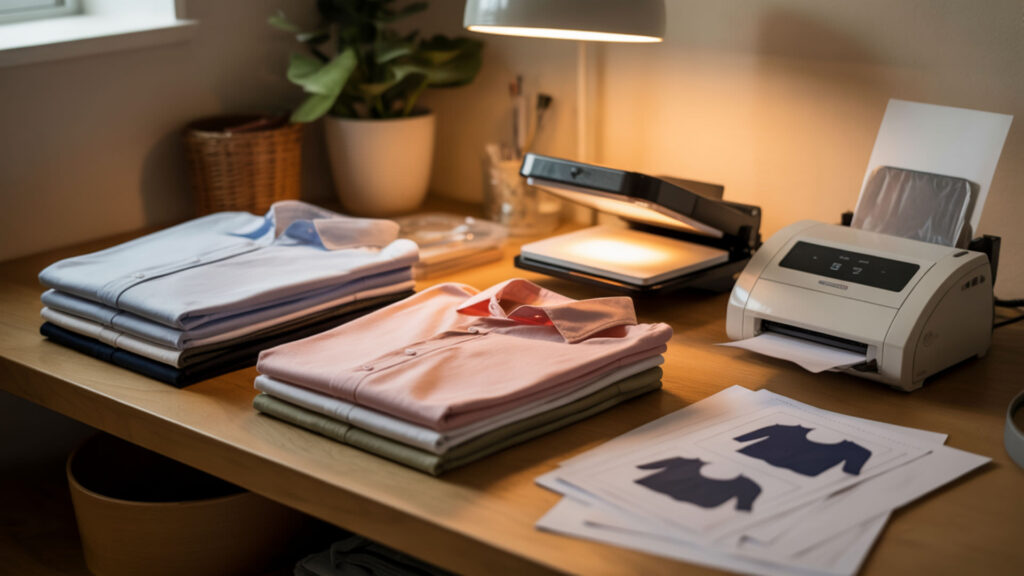
Polyester shirts are highly resistant to shrinkage due to synthetic fiber stability, maintaining size and shape through repeated wash cycles. Pure polyester garments typically show zero measurable shrinkage even in warm water. Polyester blend shirts containing cotton may shrink slightly (1–3%) in hot water or high dryer heat, potentially affecting print alignment on seams or edges. Use cold water and low heat drying to eliminate shrinkage risk entirely on blended fabrics.
How can you make sublimation shirts last longer after repeated washing?
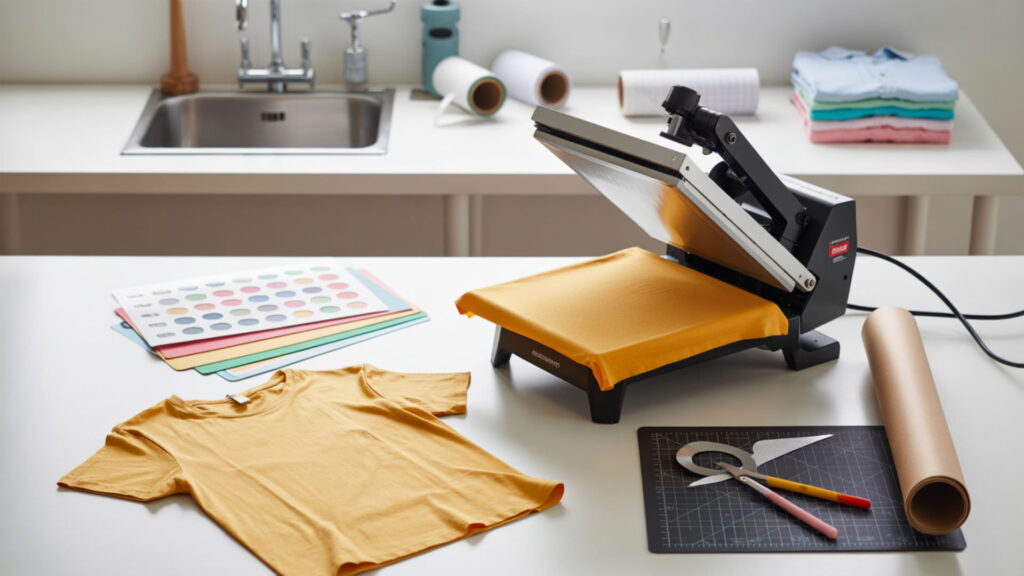
Maximize sublimation shirt longevity by maintaining strong washing fastness through cold water cycles, gentle agitation, and proper drying methods. Low dryer heat prevents heat degradation of polyester fibers that can gradually dull colors over many cycles. Air drying preserves color vibrancy long-term by eliminating thermal stress entirely—hang or lay flat away from direct sunlight. Avoid over-drying in machines, which creates static and unnecessary fiber friction.
How do you wash a T-shirt without fading sublimation colors?
Cold or warm water temperature cycles (under 105°F) reduce fading by keeping polyester polymer chains closed around embedded dye molecules. Gentle washing cycles minimize mechanical stress on fibers that can gradually expose and release surface dye particles. Skip fabric softener which coats fibers and may trap moisture against the surface. Wash with similar colors and avoid heavy items like jeans that create excess friction against sublimated surfaces.
How do you sublimate a shirt and wash it step-by-step?
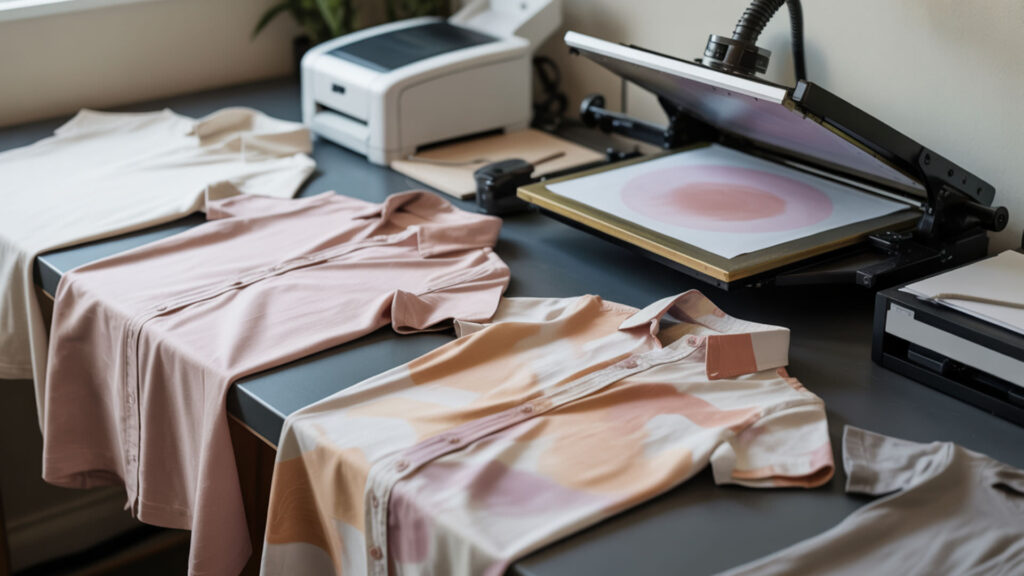
Proper laundering from the first wash establishes patterns that prevent premature fading throughout the garment’s lifespan. Air drying helps maintain print clarity after pressing by avoiding heat degradation during the critical post-sublimation period. Because sublimation dye bonding determines color fastness and wash durability, our sublimation printer guide covers the pressing techniques that maximize longevity.
- Allow freshly sublimated shirts to cool completely (5–10 minutes) before handling or folding.
- Wait 24 hours before first wash to ensure complete dye bonding within polyester fibers.
- Turn the shirt inside out to protect the printed surface from friction during washing.
- Select cold or warm water settings (under 105°F) with a gentle or delicate cycle.
- Add mild, color-safe detergent; avoid bleach, brighteners, and fabric softeners.
- Wash with similar colors and lightweight items; avoid heavy fabrics that cause abrasion.
- Remove promptly when the cycle ends to prevent wrinkles and extended moisture exposure.
- Air dry by hanging or laying flat, or tumble dry on lowest heat setting if needed.
Can sublimation ink be removed or altered after it bonds to a shirt?
Sublimation ink becomes nearly permanent once polymer penetration occurs because dye molecules embed inside polyester fiber structure rather than coating the surface. Rubbing fastness testing confirms sublimation resists mechanical removal through friction, scrubbing, or abrasion. Color fastness remains stable through normal wear and washing because the dye is physically trapped within closed polymer chains. No household cleaning method can selectively remove sublimated designs without destroying the fabric itself.
Can bleach lighten a sublimation shirt without ruining the print?
Bleach cannot selectively lighten sublimation prints—it attacks polyester fiber bonds, causing the entire design to appear patchy, uneven, or washed out. Chlorine bleach (sodium hypochlorite) degrades polymer structure that holds sublimation dye, releasing color molecules and creating permanent damage. Heat degradation combined with bleach exposure accelerates color distortion beyond repair. Never use bleach on finished sublimation prints; the damage is irreversible and ruins both design and fabric integrity.
Does alcohol-based cleaning remove sublimation from shirt fibers?
Rubbing alcohol can break down sublimation ink on hard surfaces but struggles to remove dye from polyester fabric due to deep polymer penetration. Alcohol cannot reach internal dye molecules trapped within closed fiber structure—it only affects surface residue. Color fastness remains largely intact after alcohol exposure because the majority of dye exists inside, not on, the polyester fibers. Spot cleaning with alcohol may slightly fade surface color but cannot remove the embedded design.
Will 50/50 shirt blends hold sublimation ink without dulling?
Polyester blend shirts at 50/50 ratio produce a faded, vintage look because sublimation dye only bonds to polyester fibers—cotton remains undyed. Lower polyester content causes reduced vibrancy from initial pressing that continues to fade with washing as unbound surface color releases. Color bleeding may occur in blended or cotton regions where dye sits on rather than in the fiber structure. For wash-durable results, choose 65%+ polyester content; accept that 50/50 blends will appear increasingly faded over time.
Ready to Keep Your Sublimation Shirts Looking Great?
Proper laundering extends the lifespan of sublimation prints on polyester shirts from years to potentially decades of vibrant wear. Cold water, gentle cycles, inside-out washing, and air drying form the foundation of sublimation care. Avoid bleach, fabric softeners, and high heat—these shortcuts cause cumulative damage that no amount of careful washing can reverse. Treat your sublimated garments well, and they’ll maintain professional-quality appearance through countless wash cycles.
Frequently Asked Questions
Does sublimation look less bright after the first wash?
Properly applied sublimation maintains color fastness through the first wash with no visible brightness loss on 100% polyester shirts. Any perceived fading typically indicates the print was already impacted by incorrect temperature, time, or moisture during pressing. Surface residue from the transfer paper may wash away, but this represents excess ink rather than bonded dye. True sublimation brightness remains stable because the color exists inside fiber structure, protected from surface washing action.
Can sublimated shirts be pressed again later to refresh color?
Re-pressing cannot refresh or intensify existing sublimation colors because the dye has already fully bonded within polyester polymer chains. Additional heat causes existing dye molecules to potentially migrate and blur rather than brighten. Faded sublimation indicates permanent color loss from washing damage, UV exposure, or initial pressing errors—conditions that re-pressing cannot reverse. The only solution for significantly faded shirts is creating a new garment with fresh sublimation transfer.
Does water temperature impact sublimation longevity when washing shirts?
Water temperature directly affects sublimation longevity—cold water (under 80°F) preserves colors best while hot water (above 140°F) can gradually open polymer chains and release trapped dye. Warm water cycles up to 105°F are generally safe for established prints but offer no benefit over cold washing. Each hot water exposure slightly increases fading risk through cumulative fiber stress. Cold water washing eliminates temperature-related degradation entirely for maximum print lifespan.
Can incorrect wash settings noticeably damage sublimation clarity?
Incorrect wash settings cause cumulative damage that becomes noticeable after 10–20 cycles rather than immediately destroying sublimation clarity. Hot water, harsh detergents, bleach, and heavy agitation each contribute to gradual fiber wear that dulls embedded colors. High-heat drying accelerates degradation more than washing itself by repeatedly stressing polymer structure. Switching to proper cold/gentle settings can prevent further damage but cannot restore already-faded prints to original vibrancy.
Does humidity during storage affect sublimation brightness after washing?
High humidity during storage can dull sublimation colors over time by promoting mildew growth and moisture absorption that stresses polyester fibers. Store washed sublimation shirts in cool, dry environments (40–50% relative humidity) away from direct sunlight and heat sources. Damp storage conditions may cause musty odors and gradual color degradation even on properly washed garments. Fold loosely or hang on padded hangers in climate-controlled closets for long-term brightness preservation. High relative humidity increases moisture retention in textiles, which can promote fiber stress and long-term color degradation during storage. [2]
References
- Learn about the safer choice label. (2024, October 2). US EPA. https://www.epa.gov/saferchoice/learn-about-safer-choice-label
- Discussion on humidity. (n.d.). National Weather Service. https://www.weather.gov/lmk/humidity