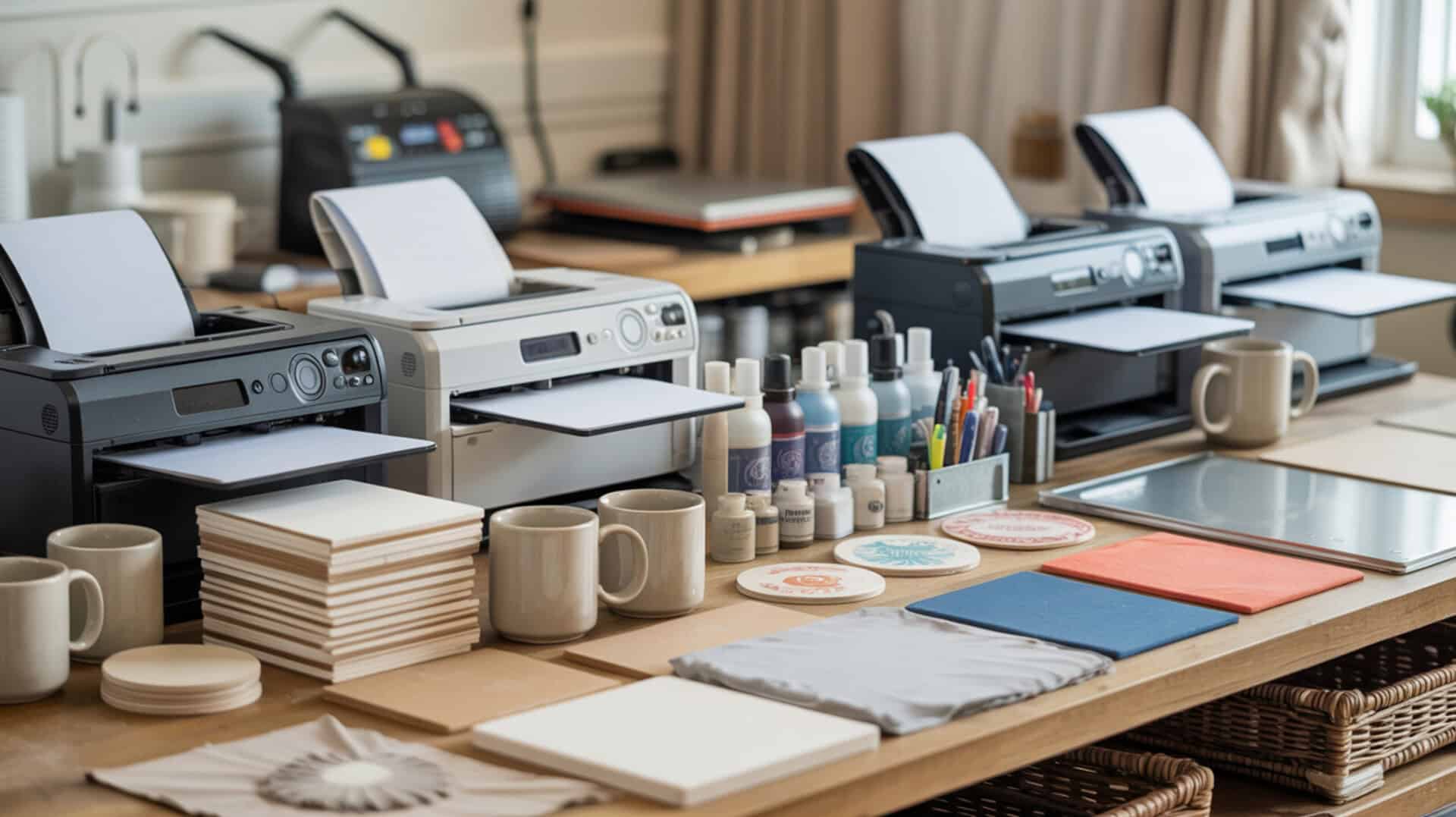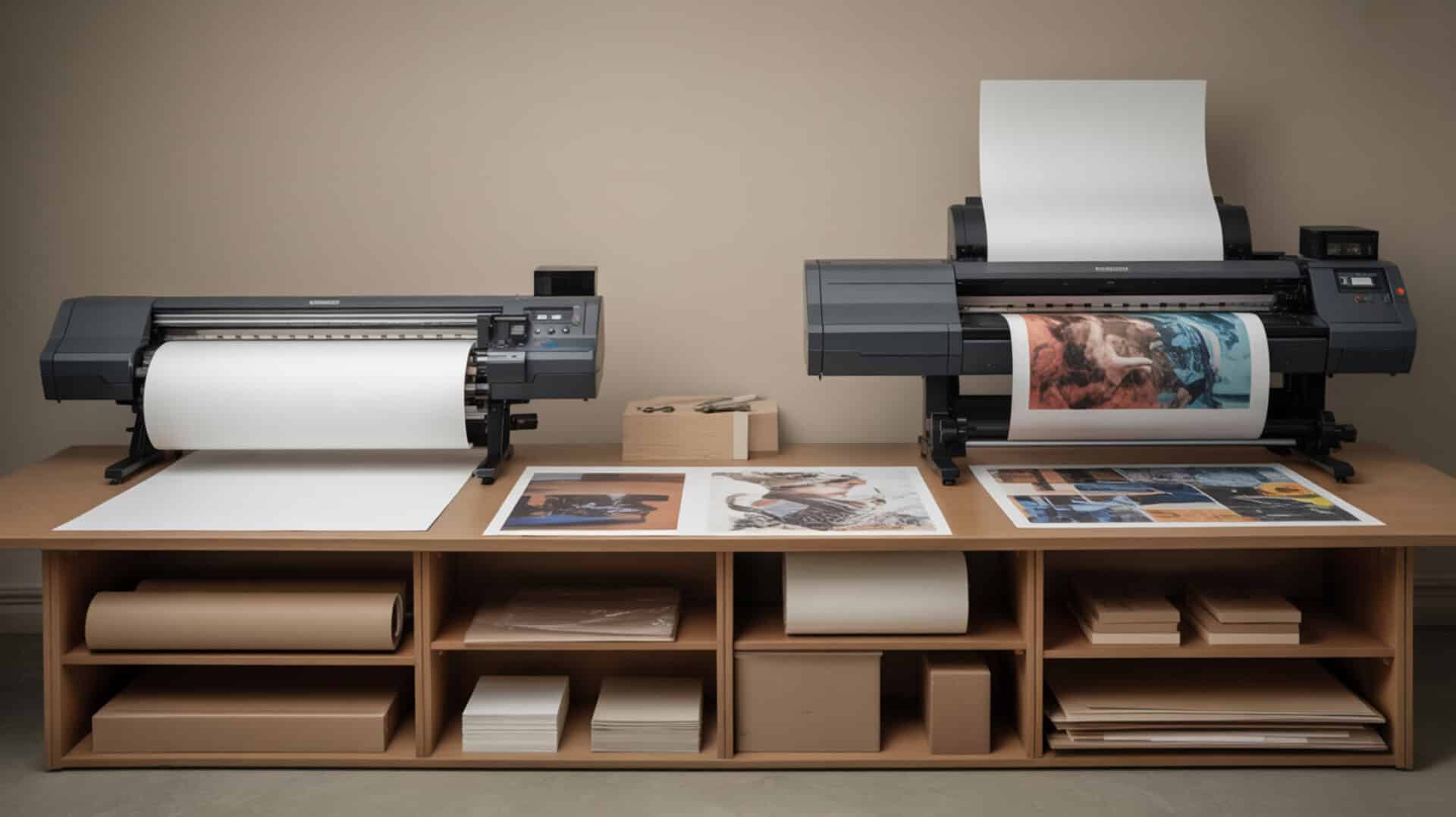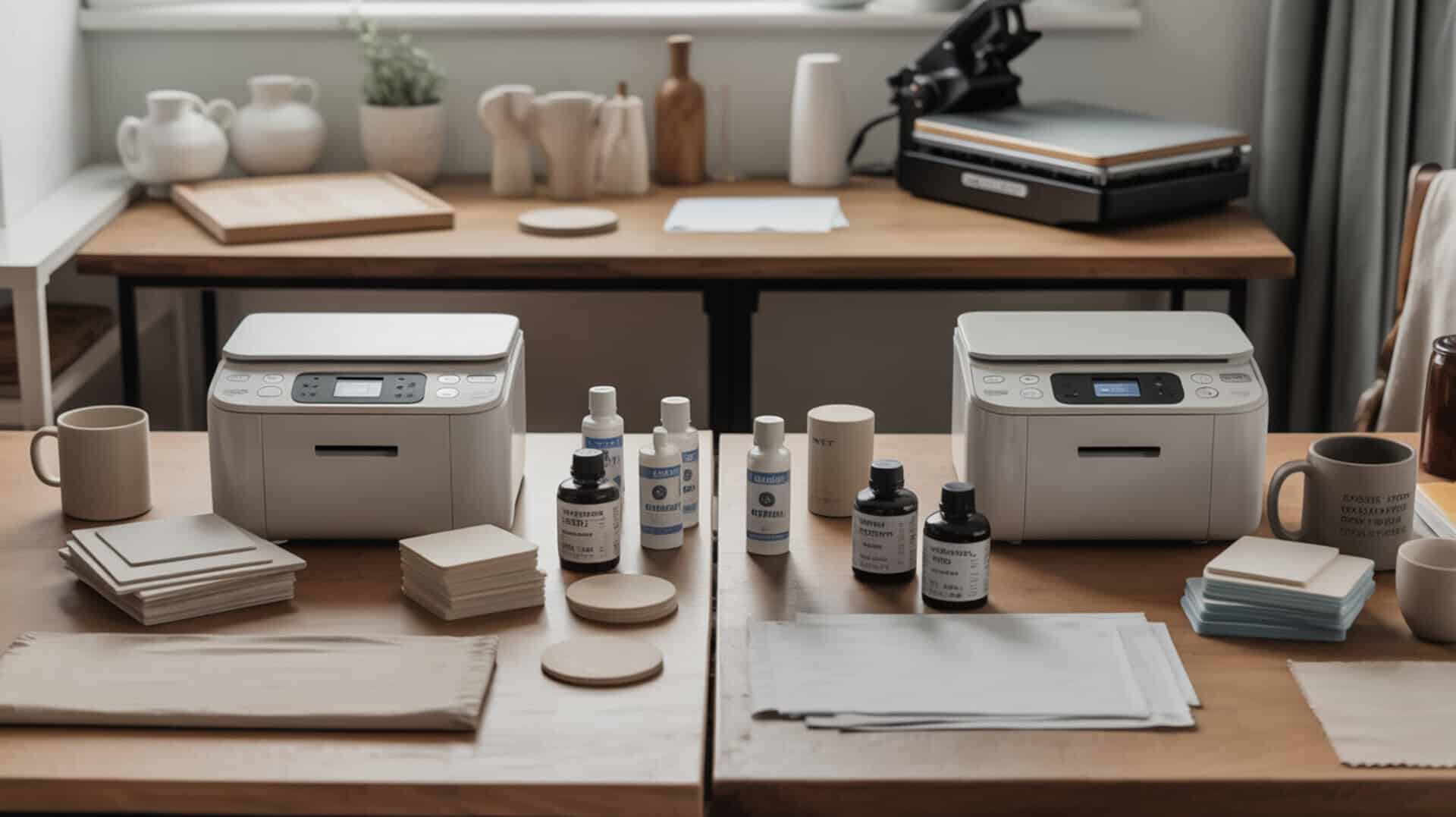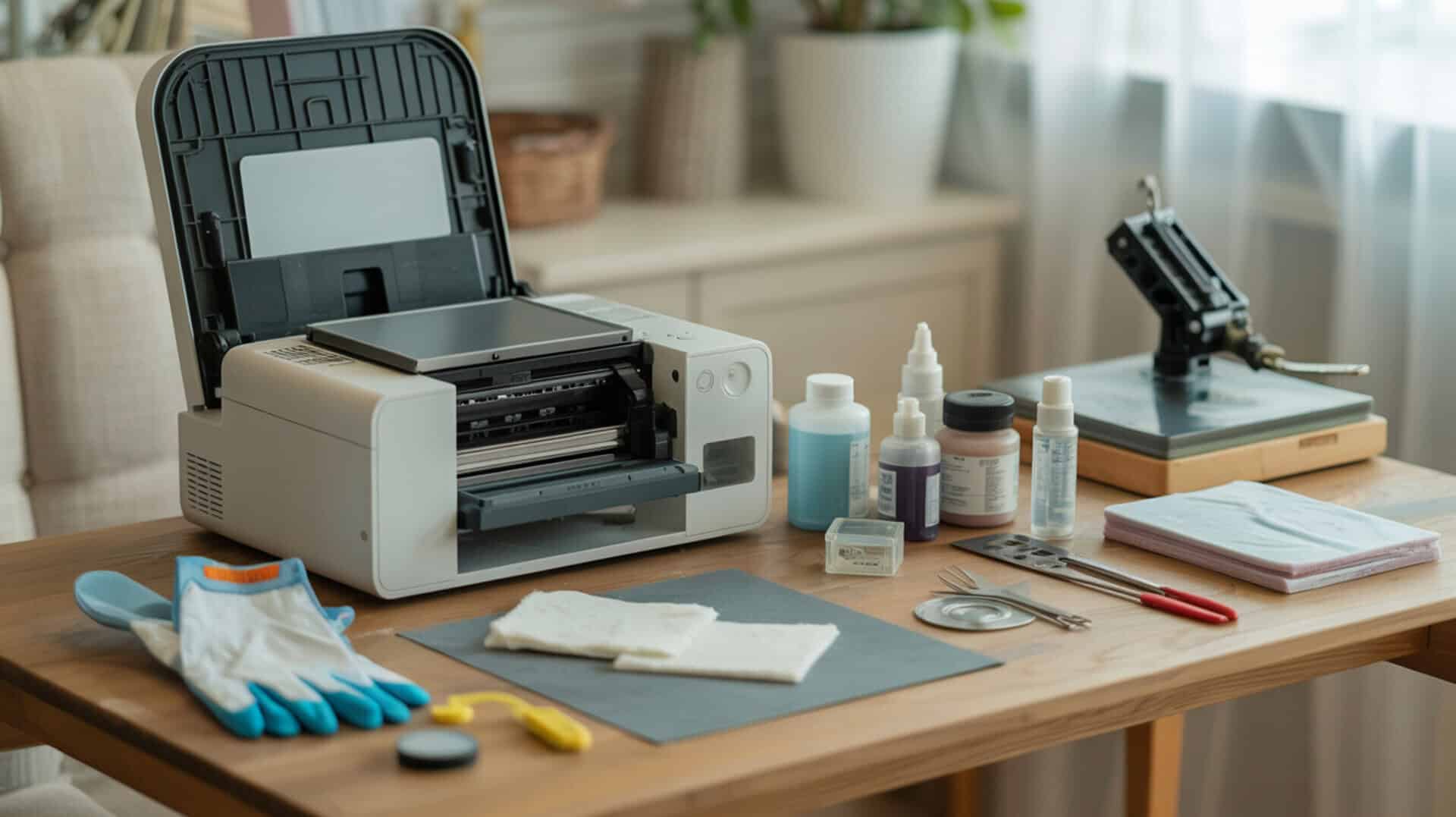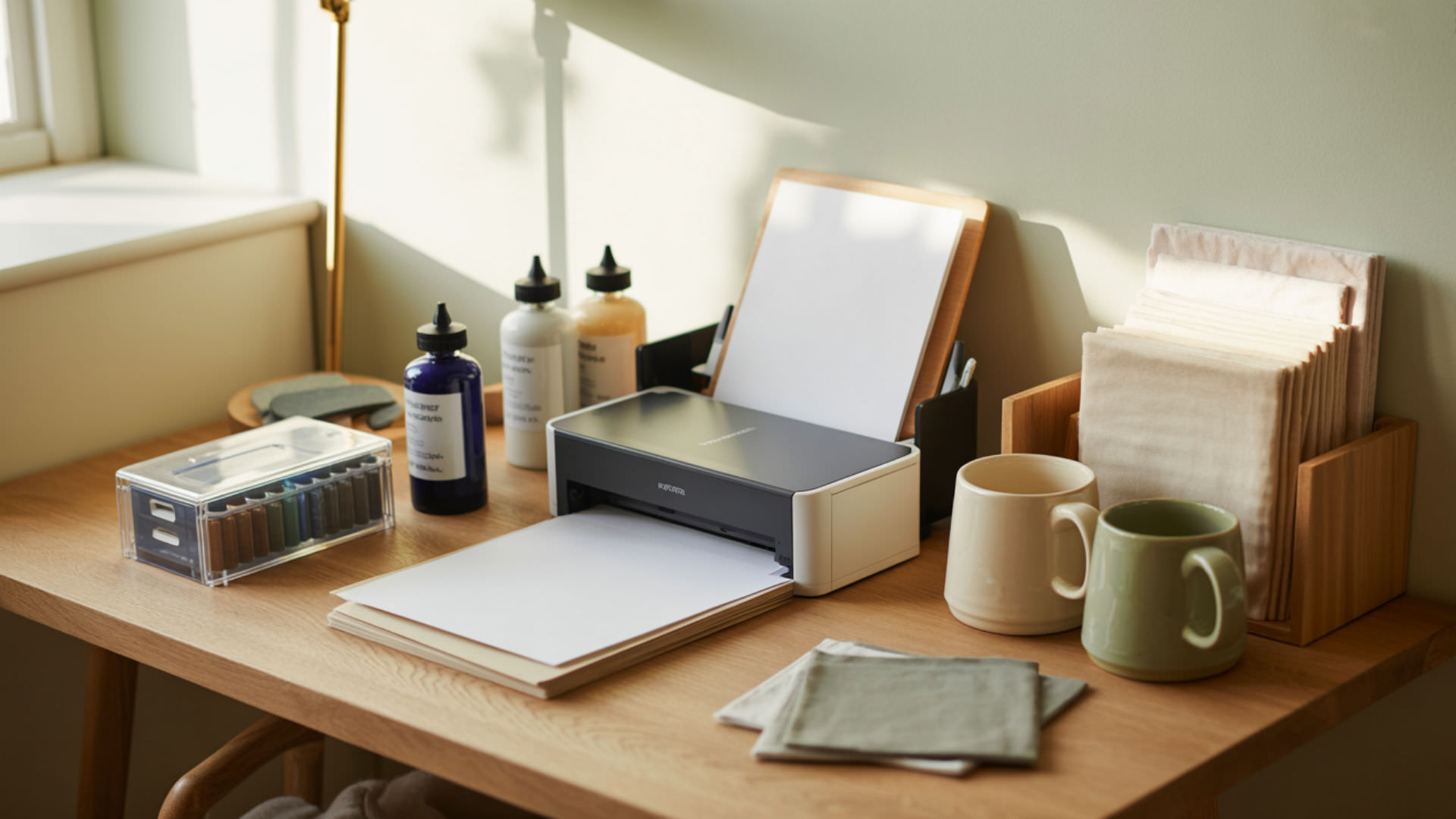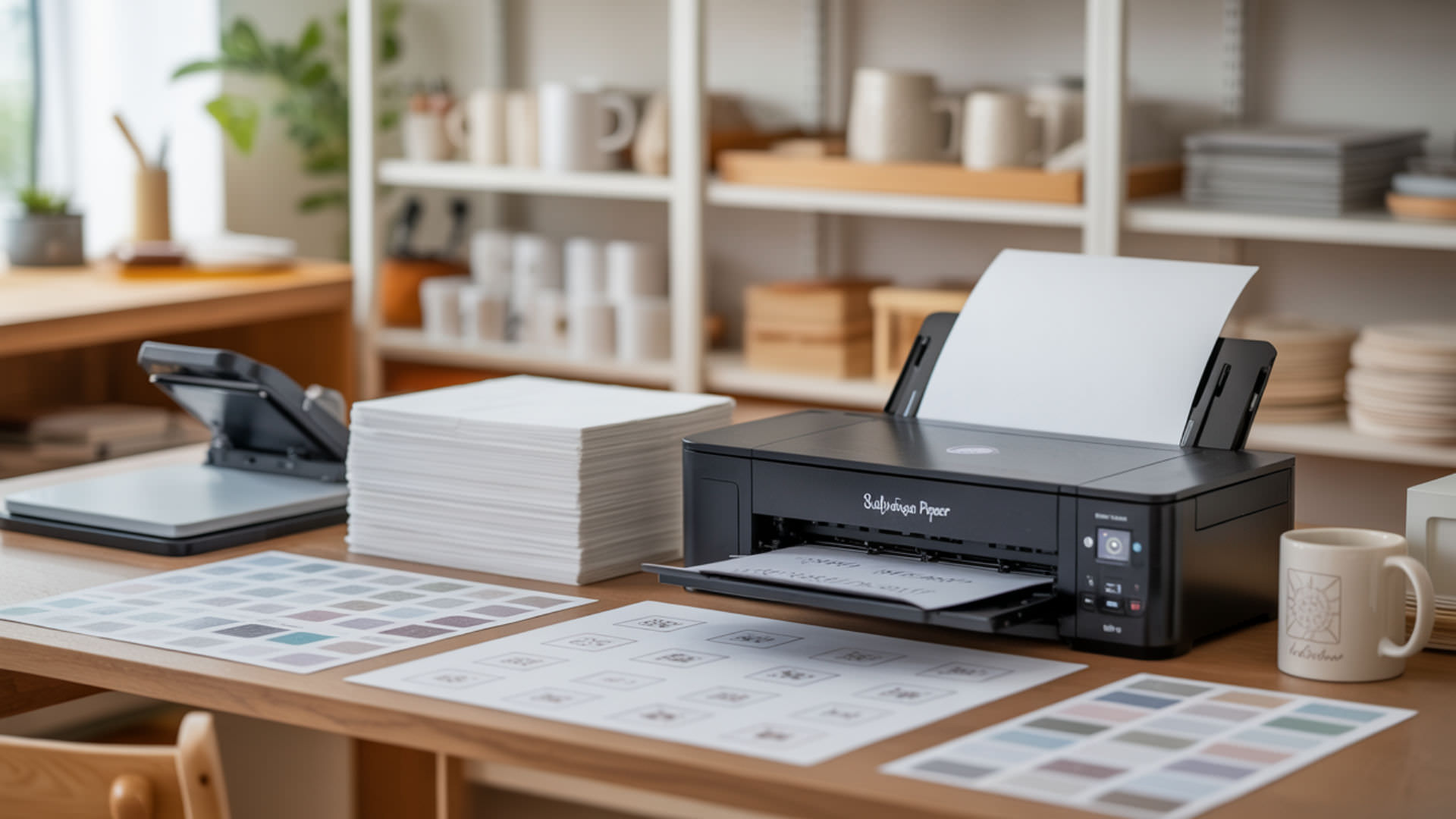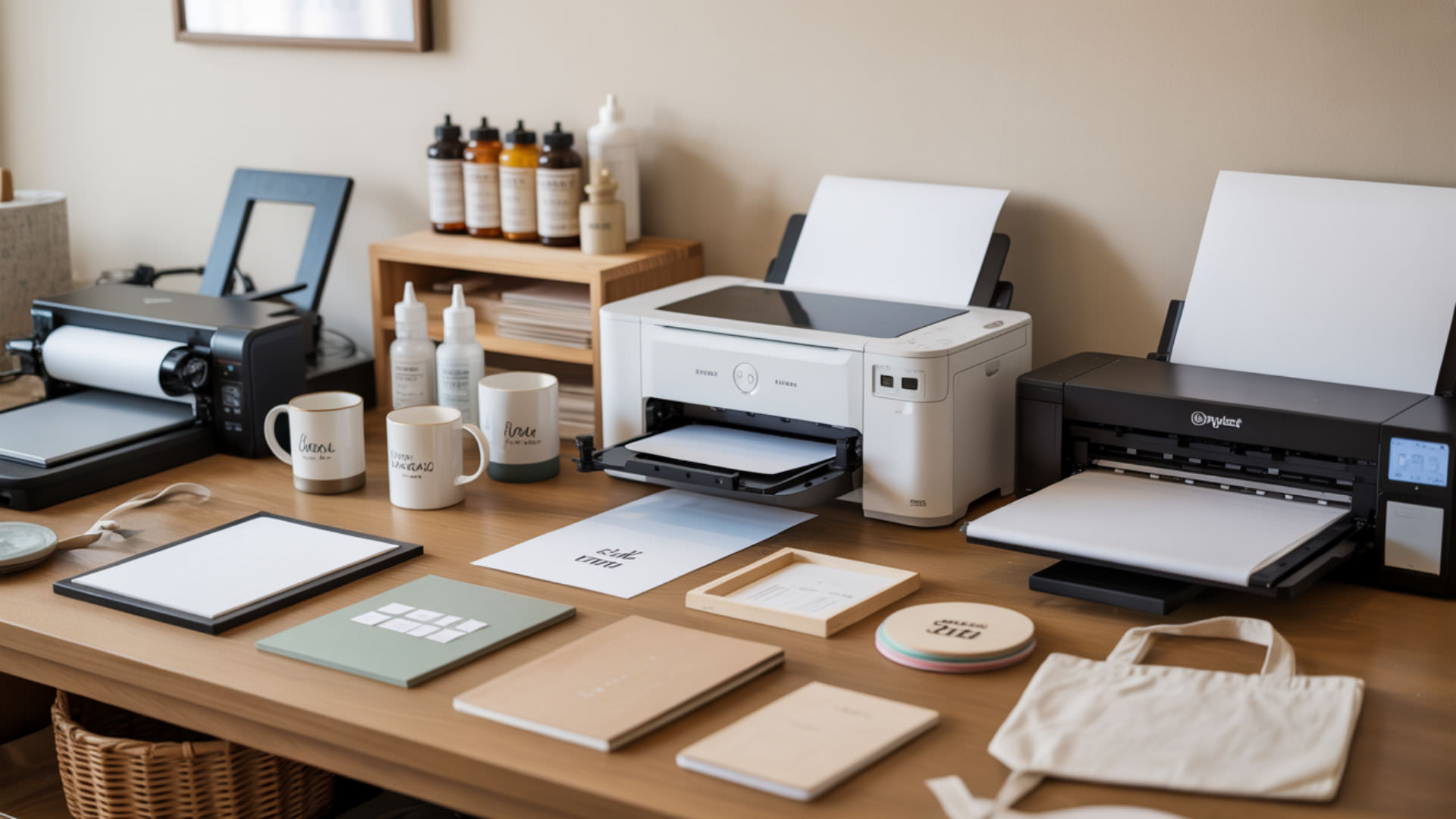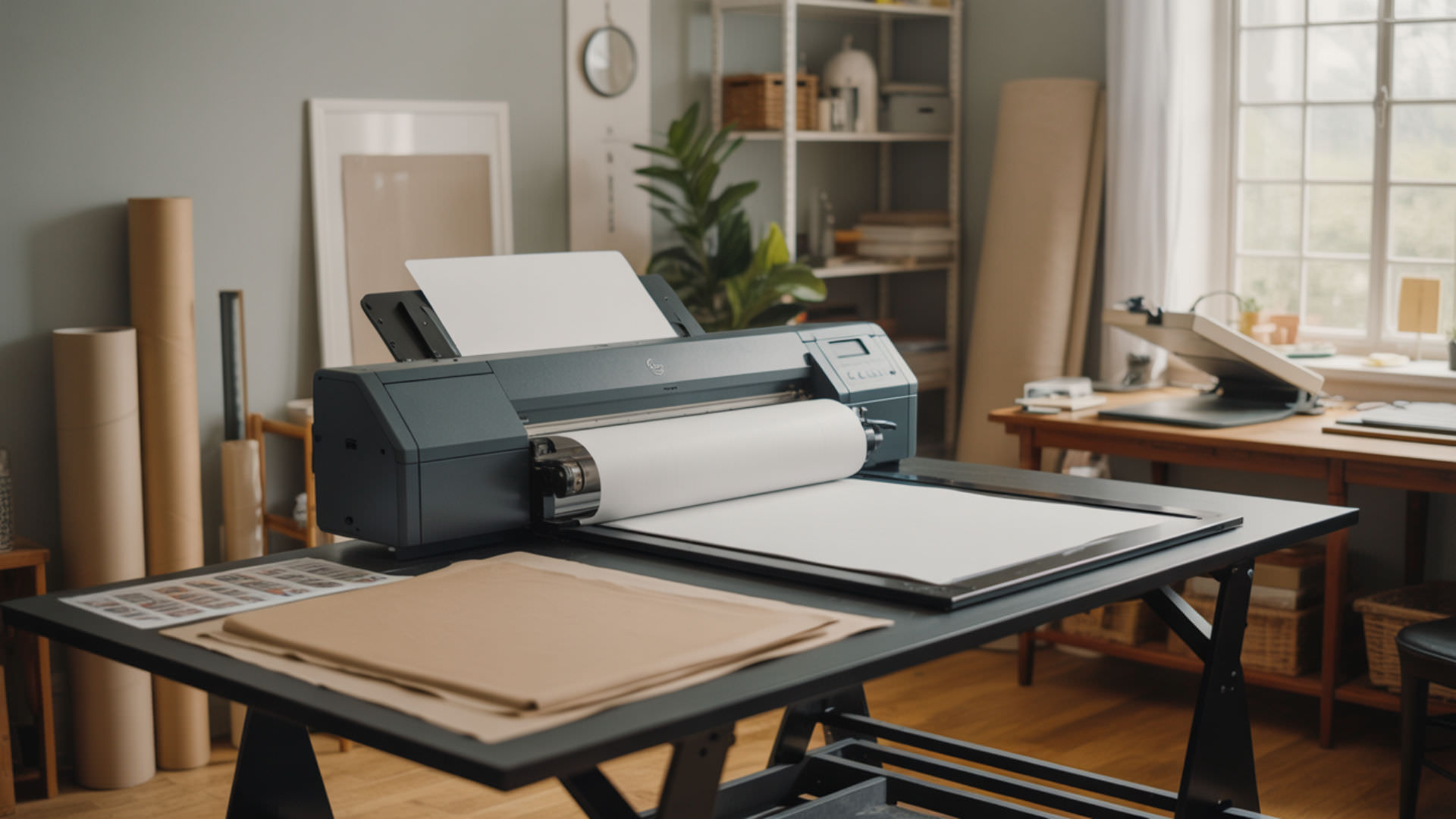
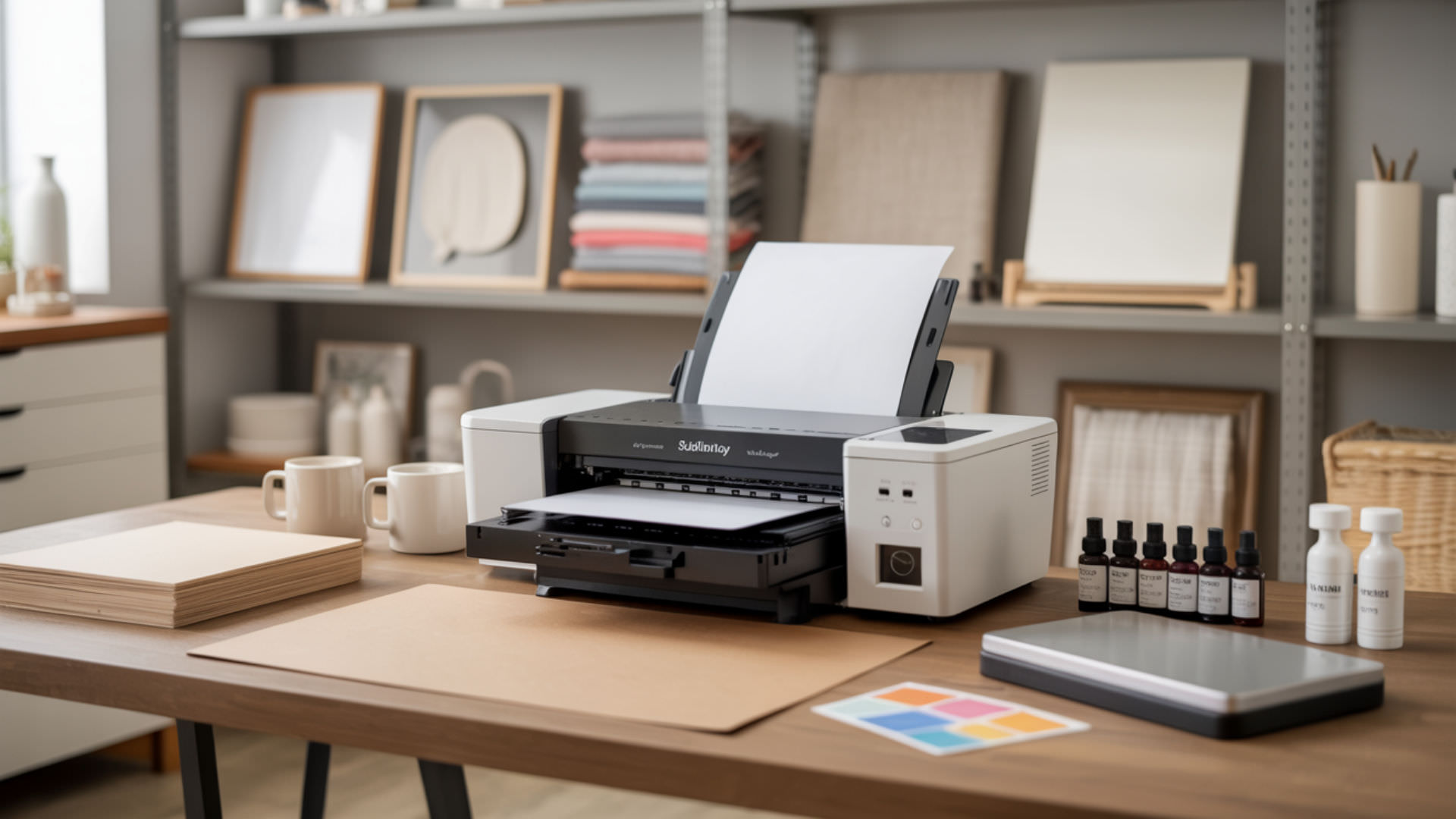
Sawgrass printers deliver professional sublimation results through purpose-built hardware and integrated software. Dye-sublimation printing converts disperse dye into gas under heat, bonding permanently with polyester fibers and polymer-coated substrates. This core dye-sublimation printing process enables vibrant, wash-resistant transfers that standard inkjet technology cannot achieve. Sawgrass systems simplify color management and ink optimization specifically for sublimation workflows.
Key Takeaways
- Sawgrass Print Manager (SPM) provides integrated RIP functionality with ICC profiles for accurate color reproduction across all substrates. Sublimation color accuracy depends on how color is perceived and interpreted by the human eye, which is why software-based color management is required instead of relying on screen appearance alone. [1]
- Sublimation paper must load with the coated side facing the print head to ensure proper ink absorption and transfer quality.
- Regular maintenance cycles prevent nozzle clogs and banding that degrade print quality over time.
- Sawgrass inks (SubliJet) are formulated specifically for Sawgrass printers and ensure optimal color accuracy and reliability.
- Heat press settings of 385–400°F for 45–60 seconds deliver optimal sublimation results on most blanks.
How Do You Use a Dedicated Sublimation Printer?
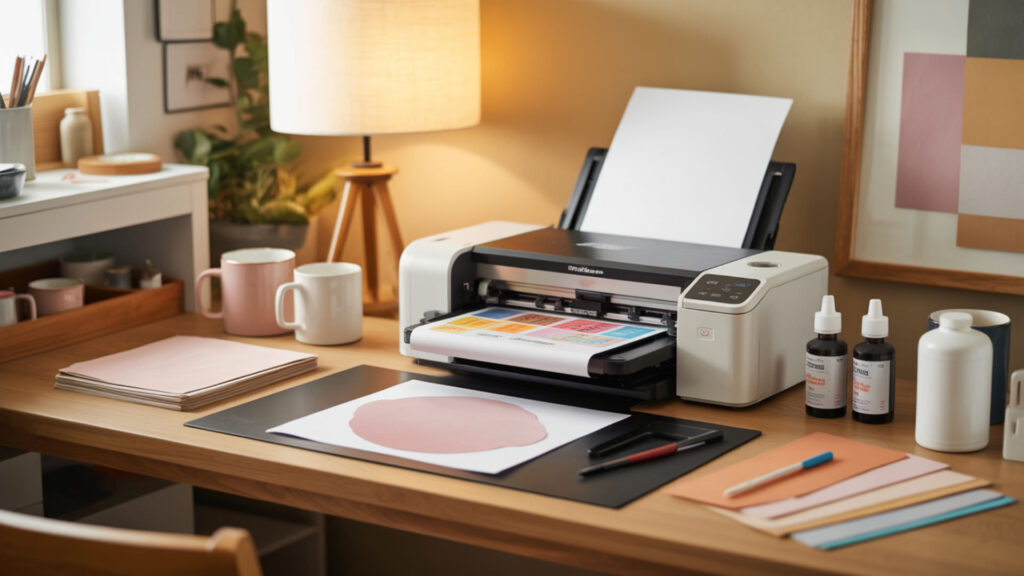
Sawgrass printers operate on CMYK sublimation inks that pass through a raster image processor (RIP) to convert artwork into optimized dot patterns. The RIP software interprets color data from your design files and generates precise ink placement instructions for each nozzle. This raster image processor (RIP) technology ensures smooth gradients and accurate color reproduction throughout the sublimation workflow.
What Software Works with Sublimation Printers?
Sawgrass Print Manager (SPM) handles all color management functions for Sawgrass hardware. SPM converts RGB designs into CMYK sublimation output while applying substrate-specific ICC profiles. The software manages print queues, adjusts color space mappings, and controls ink density settings. CreativeStudio offers cloud-based design capabilities that integrate directly with SPM for streamlined production workflows.
Can Cutting-Machine Software Be Paired with Sublimation Printers?
Cricut Design Space and Silhouette Studio create designs compatible with Sawgrass sublimation printers. These programs export RGB files that SPM converts during the rasterisation process. Vector artwork maintains sharp edges through proper rasterisation at print resolution. Export designs as PNG files at 300 DPI with sRGB color space for optimal compatibility with Sawgrass color management systems.
How Do You Load Paper into a Sublimation Printer Correctly?
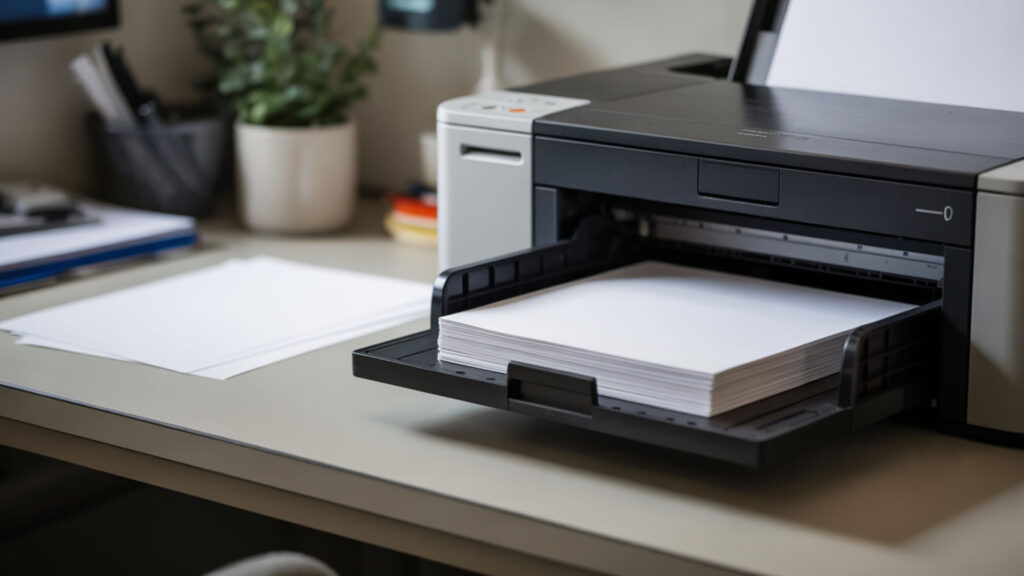
Sublimation paper orientation directly affects transfer quality and ink absorption. The paper feed mechanism requires clean, properly aligned sheets to prevent skewing and print defects. Proper paper feed mechanism operation depends on static-free paper handling and correct tray insertion. Fan paper stacks before loading to separate sheets and reduce static electricity buildup that causes double-feeding or jamming.
Which Side of Sublimation Paper Faces the Print Head?
The bright white coated side of sublimation paper must face the print head during printing. Disperse dye only transfers properly from this specially treated surface. The coating absorbs sublimation ink and releases it cleanly during heat pressing. Loading paper with the wrong side up produces faded, incomplete transfers that waste both ink and substrates.
How Do You Insert Sublimation Paper Properly?
Place sublimation paper into the front paper tray with the coated side facing down for Sawgrass SG500 and SG1000 models. Adjust the paper guides snugly against the stack edges without compressing the sheets. Static electricity causes feeding problems, so fan the paper thoroughly and maintain 40–60% ambient humidity in your workspace for reliable operation. Static electricity causes lightweight paper sheets to cling together, especially in dry environments, which increases the risk of feeding errors during sublimation printing. [2]
Why Won’t My Sublimation Printer Print Correctly?
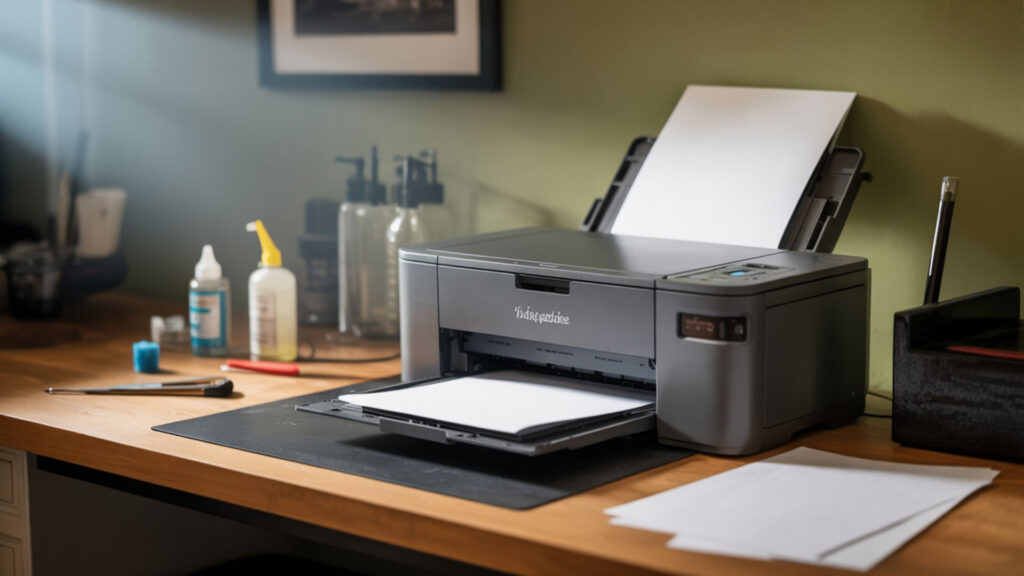
Print failures typically stem from nozzle blockages, ink starvation, or software configuration errors. Clogged nozzles cause missing colors and banding across printed images. Ink starvation produces faint, washed-out results when cartridges run low or air enters the ink delivery system. Run nozzle check patterns before production to identify problems early and prevent wasted materials.
Why Is My Sublimation Printer Producing Lines or Banding?
Banding appears as horizontal lines across prints when nozzles become partially blocked with dried ink. Nozzle cleaning cycles flush obstructions through the print head using fresh ink. Run automatic cleaning from the printer menu or Sawgrass Print Manager utility. Persistent banding may require manual cleaning of the capping station and print head using lint-free swabs with approved cleaning solution.
What Causes Vertical or Horizontal Line Issues?
Vertical lines indicate paper feed mechanism problems or debris on the encoder strip. Horizontal lines result from clogged nozzles or misaligned print head positioning. Regular maintenance cycles prevent both issues through scheduled cleaning and calibration. Clean the paper feed belt and rollers monthly to remove ink residue and paper dust that accumulate during normal operation.
How Do You Set Up a Sublimation Printer Step-by-Step?
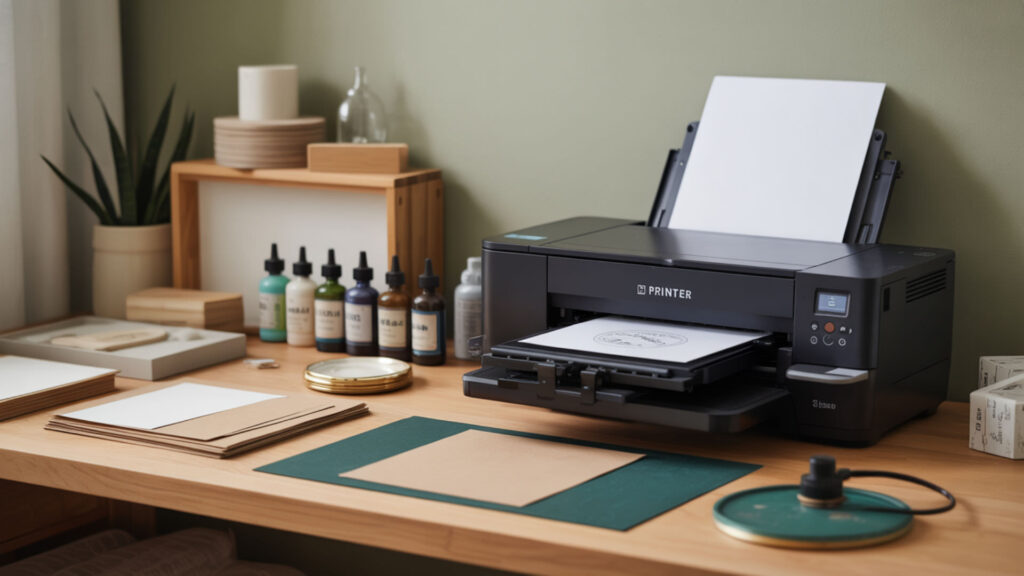
Install Sawgrass Print Manager and register your printer through the setup wizard. Insert ink cartridges at an angle as directed, then run the initial ink charge cycle that primes all nozzles. Select the appropriate ICC profile for your substrate type within SPM settings. Configure halftone patterns and rendering intent preferences based on whether you prioritize photographic accuracy or saturated colors.
What Software and Setup Do You Need for Sublimation Printing?
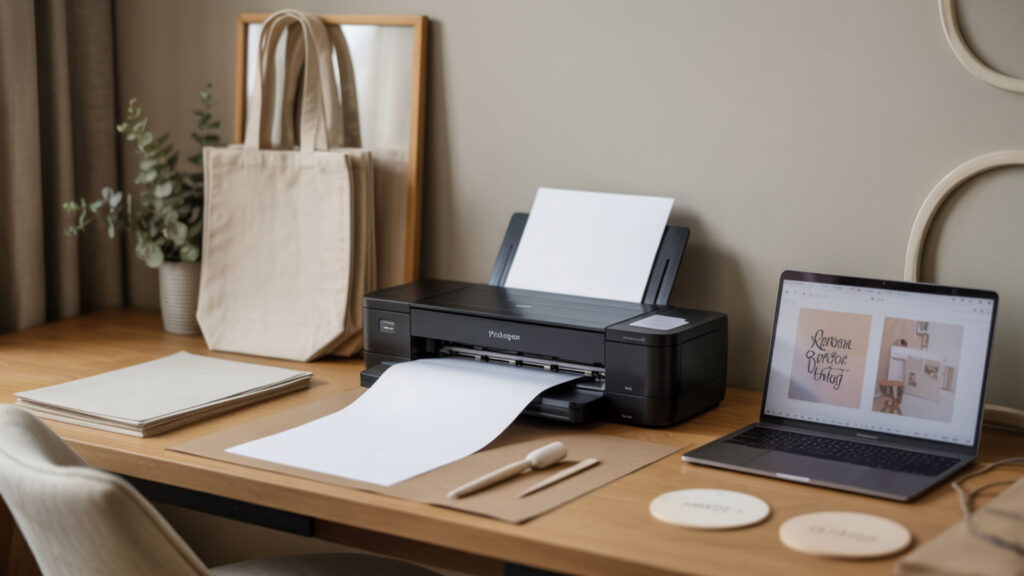
Sawgrass Print Manager functions as the RIP that converts artwork into printer-ready dot data. The software applies rendering intent settings that map out-of-gamut colors to printable alternatives. Dithering algorithms reduce visible graininess in gradients and photographic images. CreativeStudio provides optional design tools, while third-party programs require proper color space configuration for accurate results.
What Programs Are Compatible with Sublimation Print Managers?
Adobe Photoshop, Illustrator, and CorelDRAW integrate with Sawgrass Print Manager through standard print workflows. Design software must output files in compatible color spaces—sRGB works best for most sublimation applications. Canva exports PNG files suitable for sublimation after ensuring the design uses appropriate color profiles. SPM interprets incoming color data and applies Sawgrass-specific corrections automatically.
Can Professional Design Programs Be Used for Sublimation?
Adobe Creative Suite applications work seamlessly with Sawgrass sublimation printers when configured correctly. Convert Adobe RGB files to sRGB before printing to ensure color accuracy through SPM. Rasterisation settings affect edge sharpness, particularly for text and fine lines. Export at 300 DPI minimum to maintain detail quality through the entire sublimation and heat transfer process.
What Materials and Settings Work Best for Sublimation Printing?
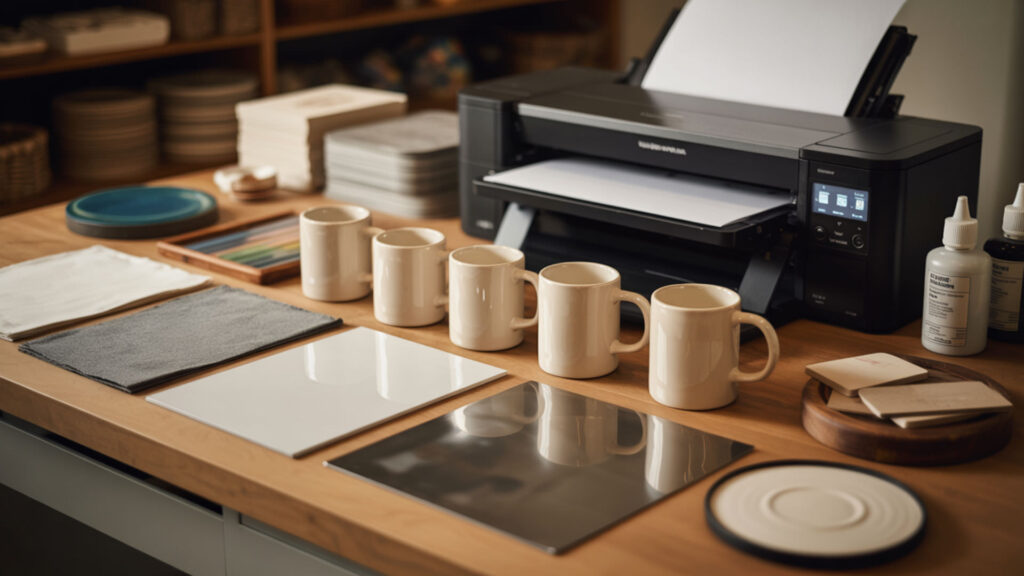
Polyester fabrics and polymer-coated substrates accept sublimation transfers with vibrant, permanent results. Print at maximum DPI settings for sharpest detail on small items like keychains and phone cases. Higher DPI settings control output resolution, directly impacting image clarity on finished products. Heat press temperatures of 385–400°F with 45–60 second press times produce optimal dye sublimation on standard blanks.
Can Sublimation Printers Produce White Ink?
Standard CMYK sublimation printers cannot print white because the color model lacks a white ink channel. White areas in designs appear as the substrate color after transfer. The printable gamut defines all achievable colors from cyan, magenta, yellow, and black combinations. Light-colored or white substrates remain necessary for designs requiring bright, vivid colors and true white elements.
Can You Use Third-Party Ink in Sublimation Printers?
Sawgrass inks (SubliJet) are engineered specifically for Sawgrass print heads and color management systems. Third-party disperse dye inks may produce different color behavior and potentially clog nozzles due to incompatible formulations. Using non-genuine inks voids the printer warranty and risks permanent print head damage. SubliJet inks ensure consistent results when paired with Sawgrass ICC profiles.
What Are the Most Common Sublimation Issues and How Do You Fix Them?
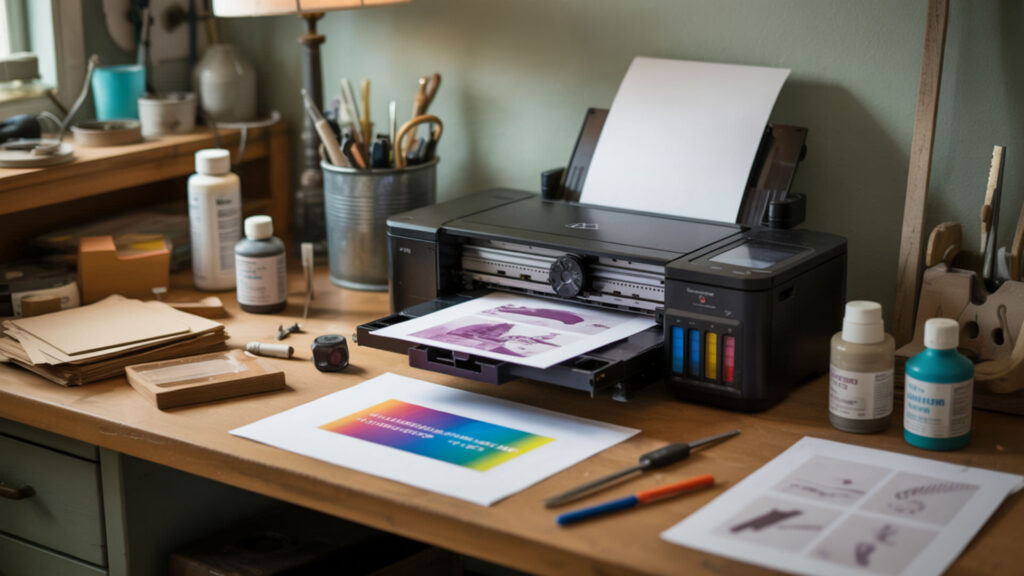
Banding, ghosting, and color inaccuracy represent the most frequent sublimation problems. Banding results from nozzle blockages or alignment errors that disrupt ink placement. Ghosting occurs when transfer paper shifts during pressing, creating doubled or blurred images. DPI settings impact overall print clarity, while incorrect ICC profiles cause color mismatches between screen previews and finished products.
What File Types Are Recommended for Sublimation Printing?
PNG files deliver optimal sublimation results due to lossless compression and transparency support. The raster image processor handles PNG, JPG, and PDF formats differently during conversion to print data. Rasterisation determines final output sharpness, with higher resolution source files producing crisper transferred images. Save designs at 300 DPI minimum with sRGB color profile for best compatibility.
Which File Format Delivers the Best Print Quality?
PNG format at 300 PPI provides the highest quality for sublimation printing. The file preserves full color data without compression artifacts that degrade fine details. Color space settings must match your sublimation workflow—sRGB ensures accurate interpretation by Sawgrass Print Manager. Transparent backgrounds render correctly, allowing substrate colors to show through unprinted areas of your design.
Ready to Master Your Sublimation Printer?
Sawgrass printers make dye-sublimation printing accessible for both hobbyists and professional production environments. The integrated hardware and software ecosystem simplifies color management, maintenance, and troubleshooting. Start with proper paper loading and ICC profile selection, then refine your heat press settings for each substrate type. Consistent results come from understanding the complete workflow from design to finished transfer.
Frequently Asked Questions
Do you need RIP-style software for sublimation printing?
Sawgrass Print Manager includes built-in RIP functionality that converts designs into optimized print data. The software handles color conversion, halftone generation, and ink density calculations automatically. Separate RIP software is unnecessary for Sawgrass printers because SPM provides complete color management capabilities matched to SubliJet ink formulations.
Can a sublimation printer print on regular copy paper?
Regular copy paper absorbs sublimation ink too deeply for effective heat transfer. Sublimation paper features a special coating that holds disperse dye on the surface for release during pressing. Using standard paper wastes ink and produces unusable transfers. Always use paper specifically designed for sublimation printing with Sawgrass inks.
How do you transfer a sublimation print onto a shirt?
Print your mirrored design onto sublimation paper, then position it face-down on a polyester shirt. Apply heat-resistant tape to secure the paper and prevent shifting. Press at 385–400°F for 45–60 seconds with medium pressure. Remove the paper immediately while hot and allow the garment to cool before handling.
Do you need specific software to create sublimation designs?
Any graphics program that exports PNG or JPG files works for sublimation design creation. Sawgrass CreativeStudio offers free cloud-based design tools with pre-sized templates for common blanks. Adobe Photoshop, Canva, and CorelDRAW all produce compatible files when saved at 300 DPI with sRGB color settings.
Can sublimation paper be used in a standard inkjet printer?
Sublimation paper requires sublimation ink to produce transferable prints. Standard inkjet printers use dye-based or pigment inks that do not sublimate under heat. Using sublimation paper in a regular inkjet creates normal prints that cannot transfer to substrates. Only printers loaded with sublimation ink can create heat-transferable sublimation prints.
References
- The perception of color – Webvision – NCBI bookshelf. (2007, July 9). National Center for Biotechnology Information. https://www.ncbi.nlm.nih.gov/books/NBK11538/
- Just a moment... (n.d.). Just a moment… https://www.allaboutcircuits.com/textbook/direct-current/chpt-1/static-electricity/