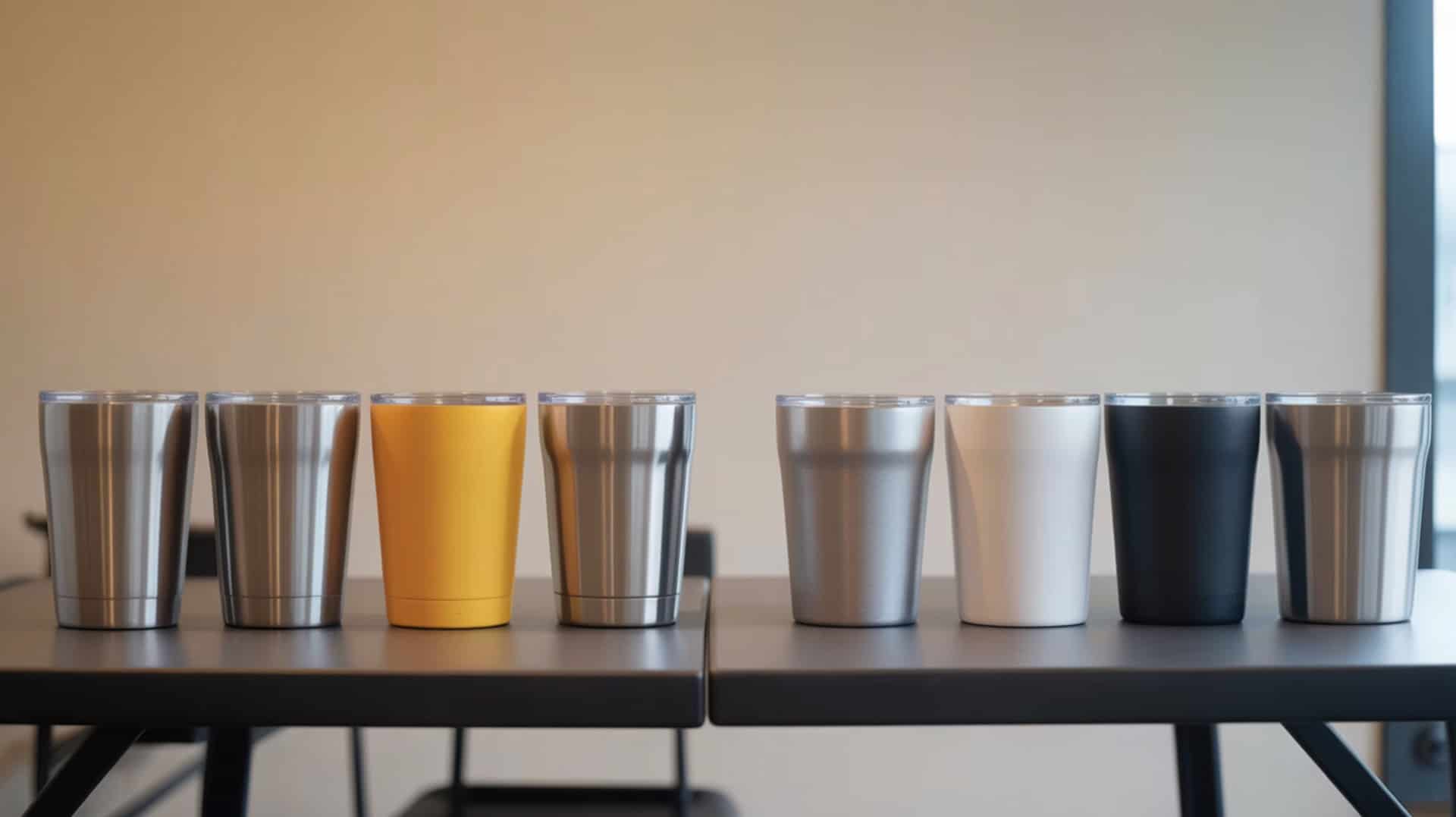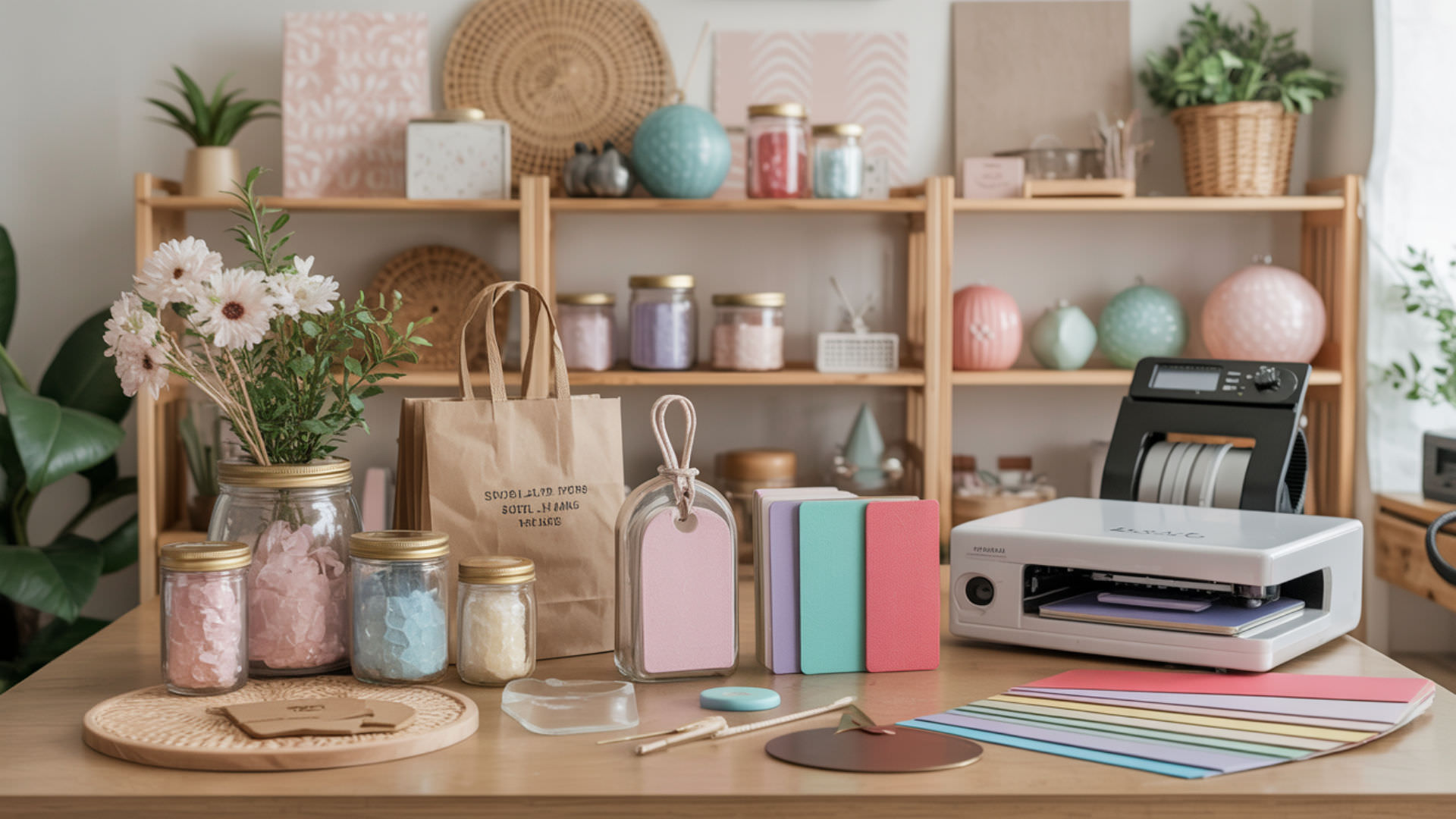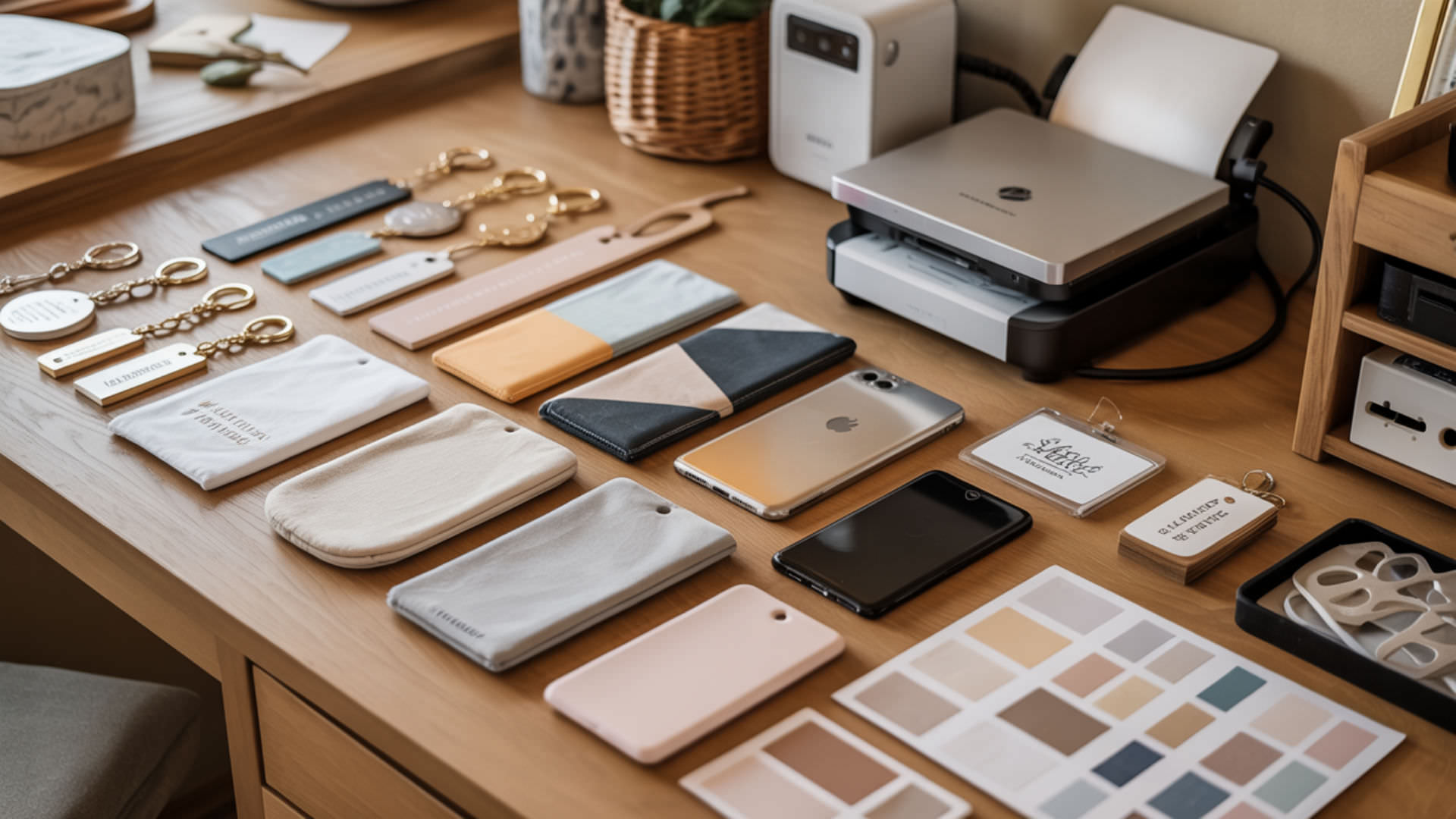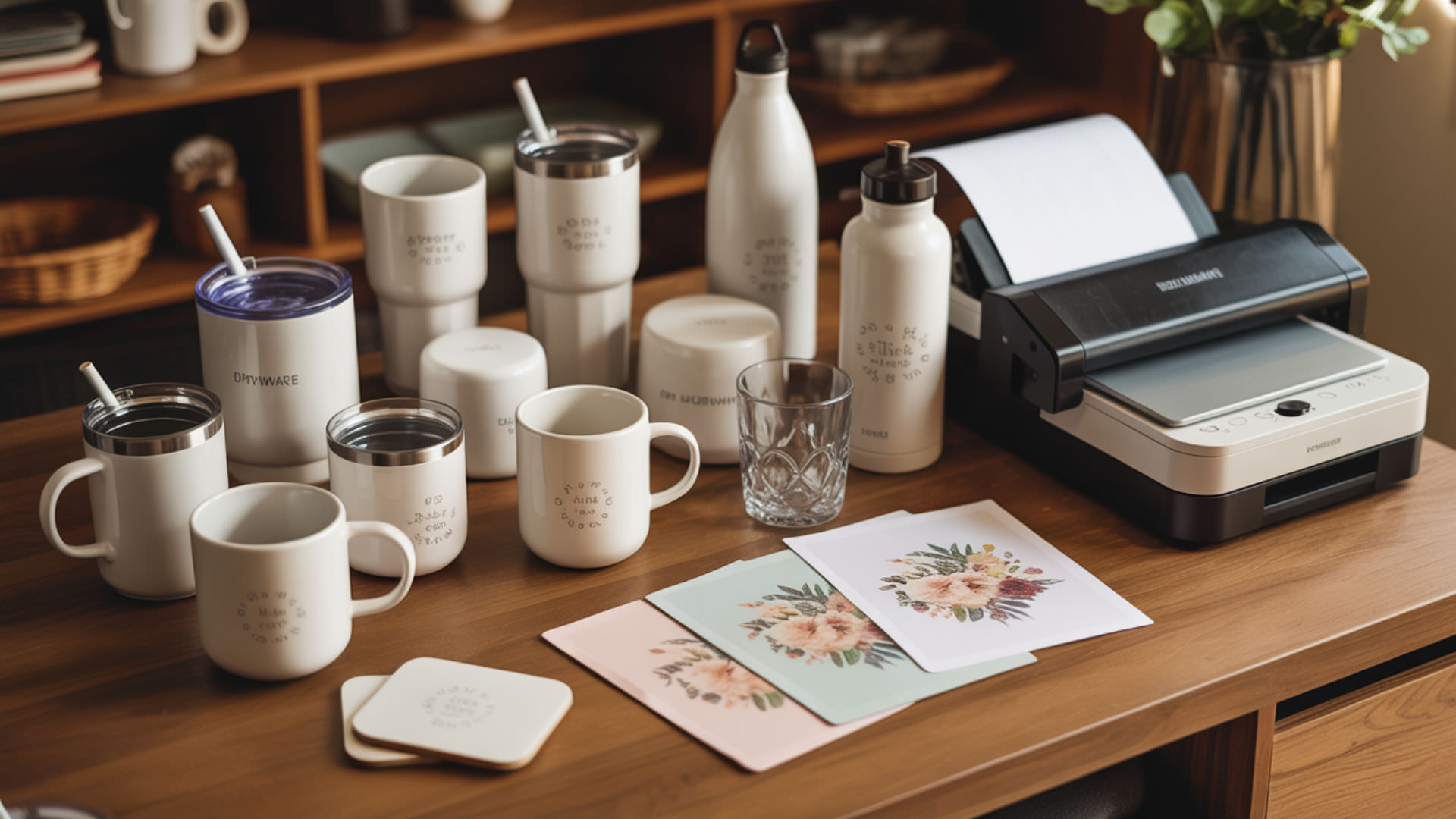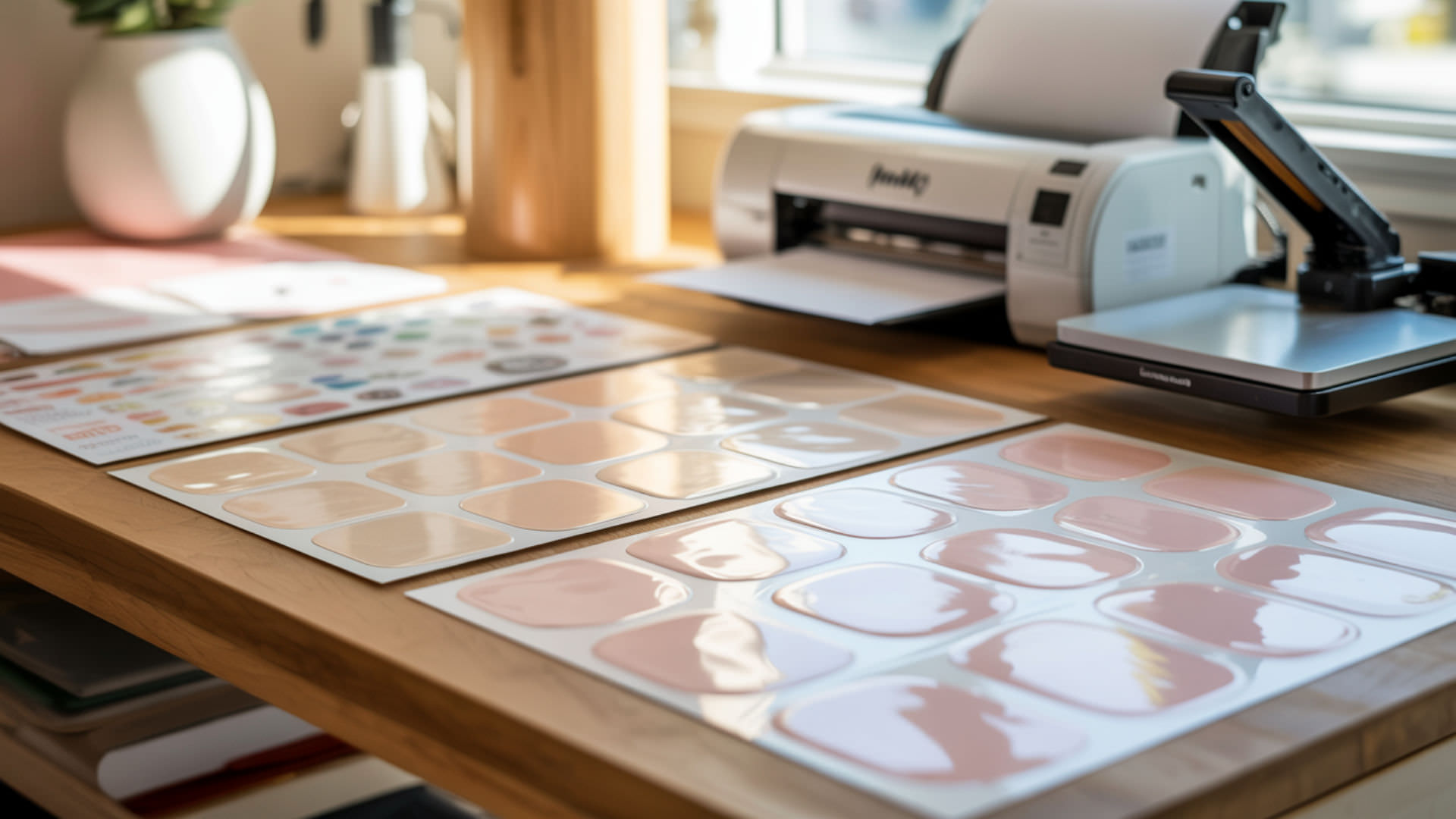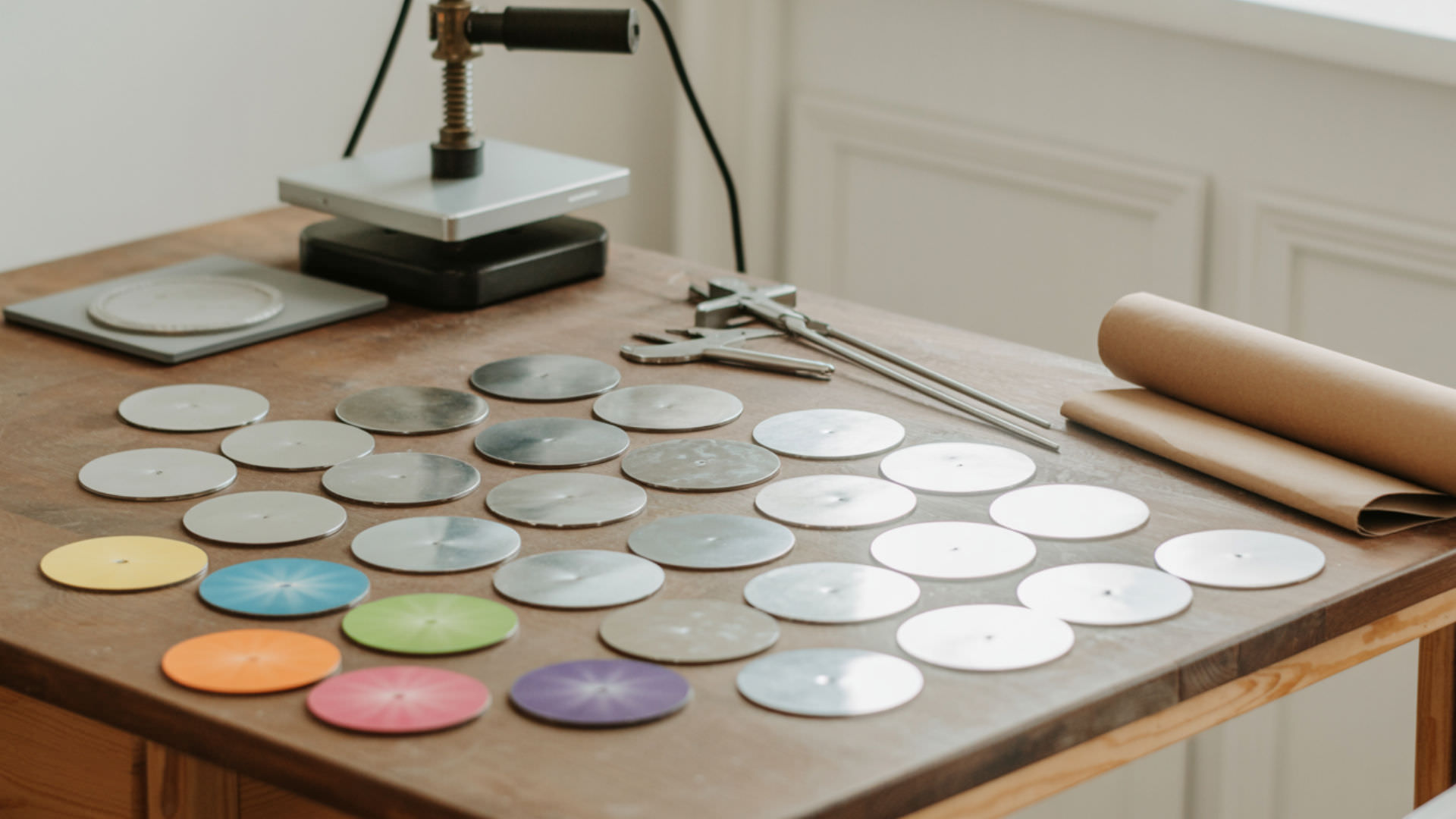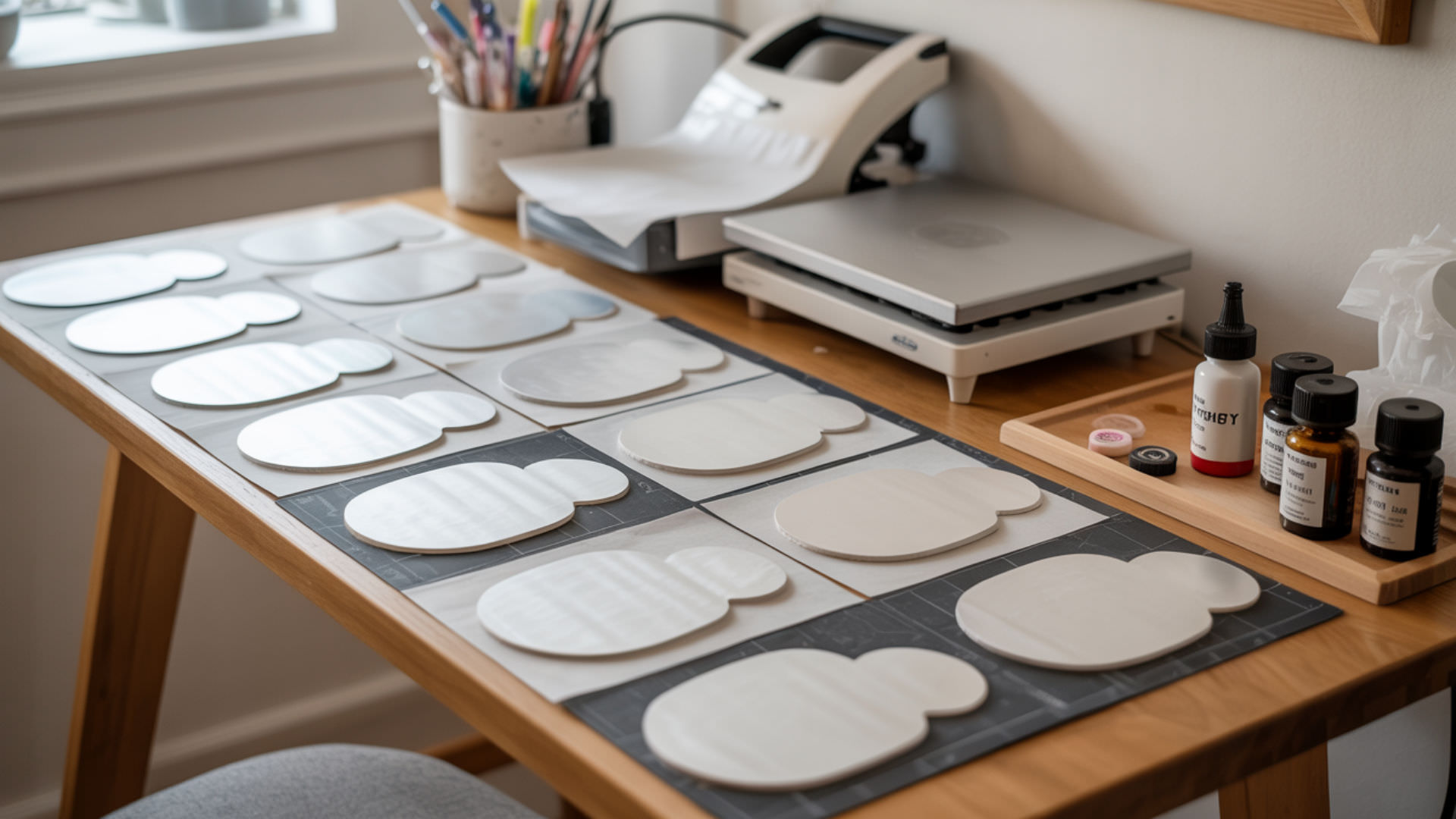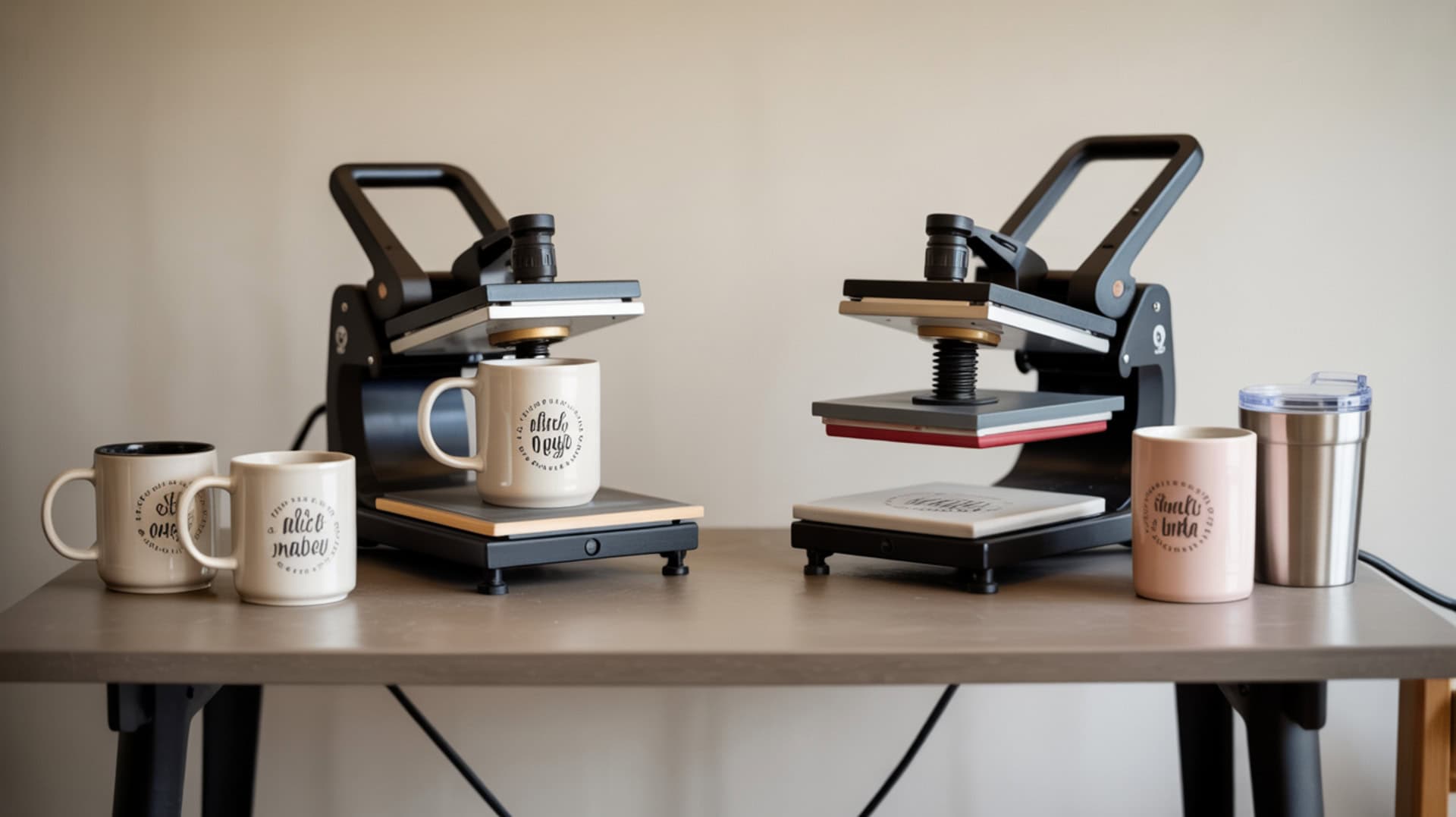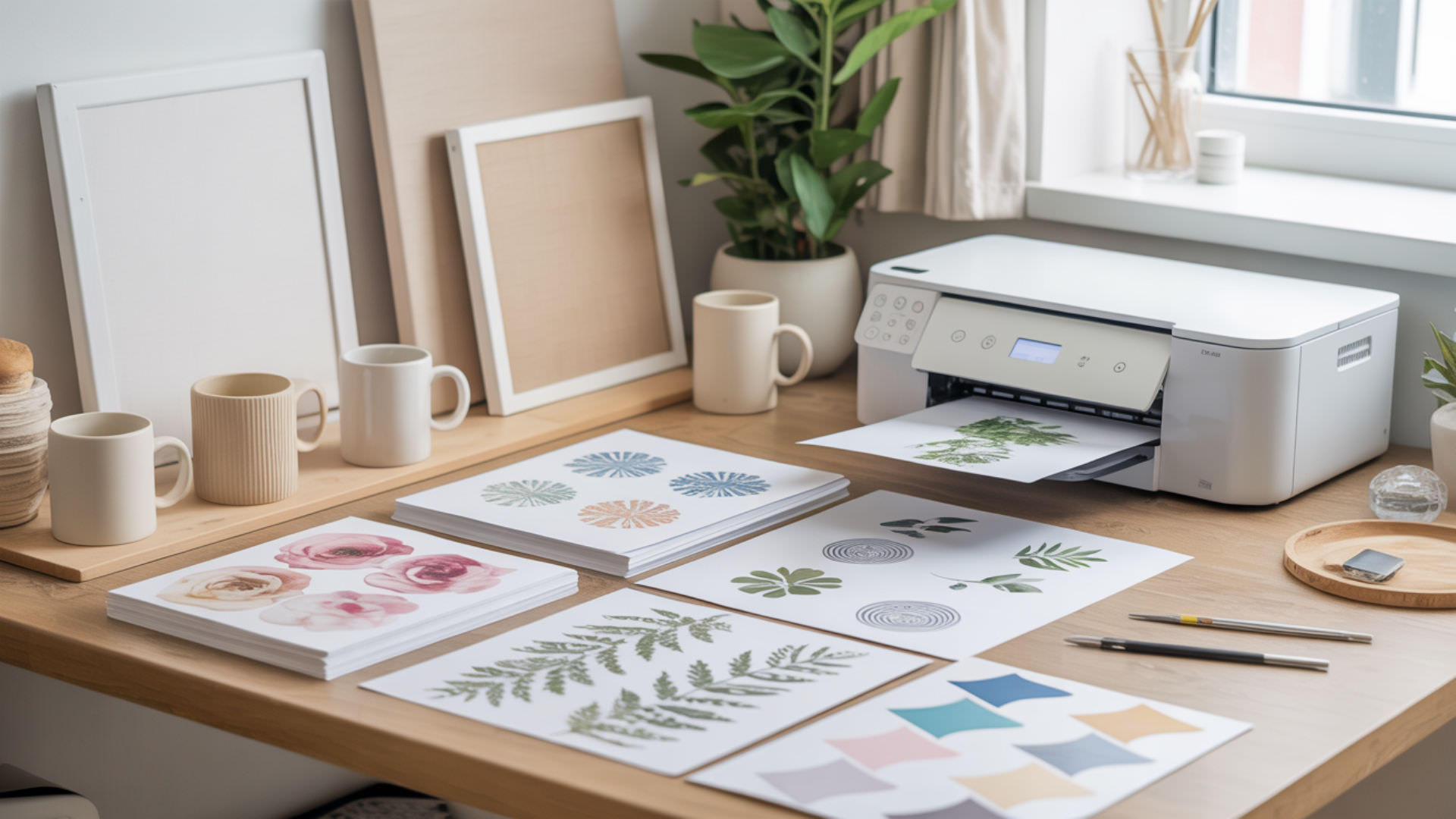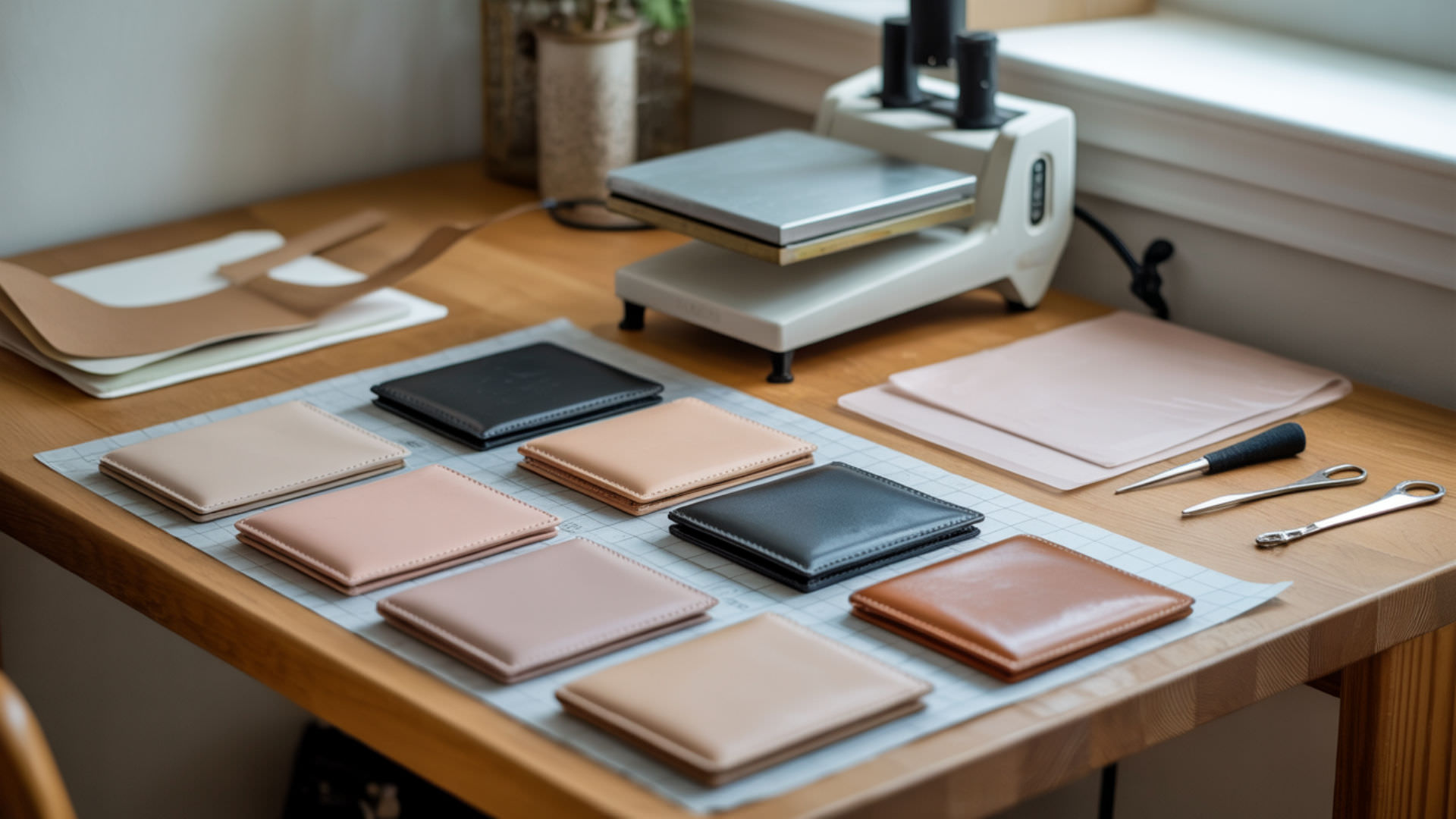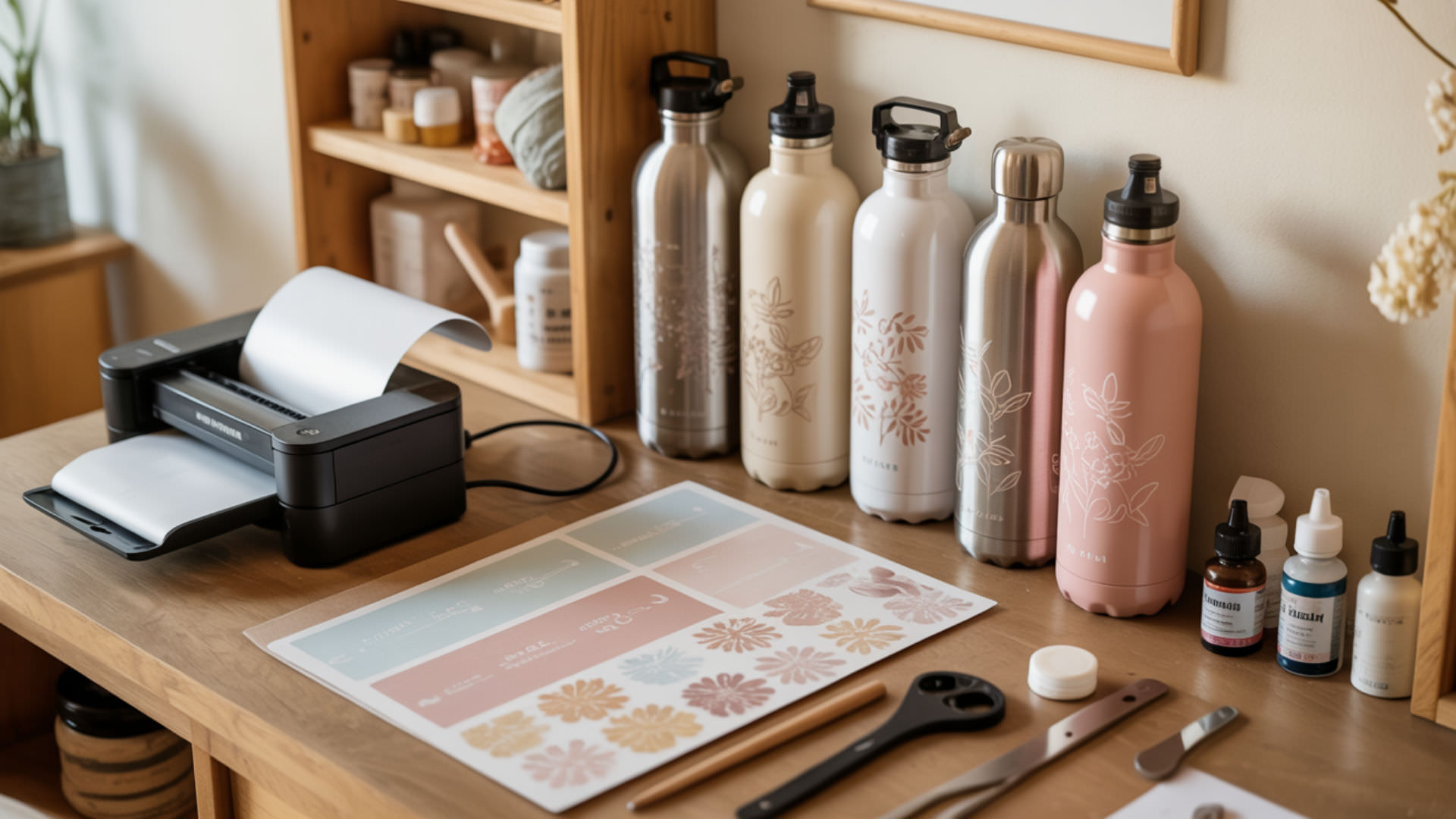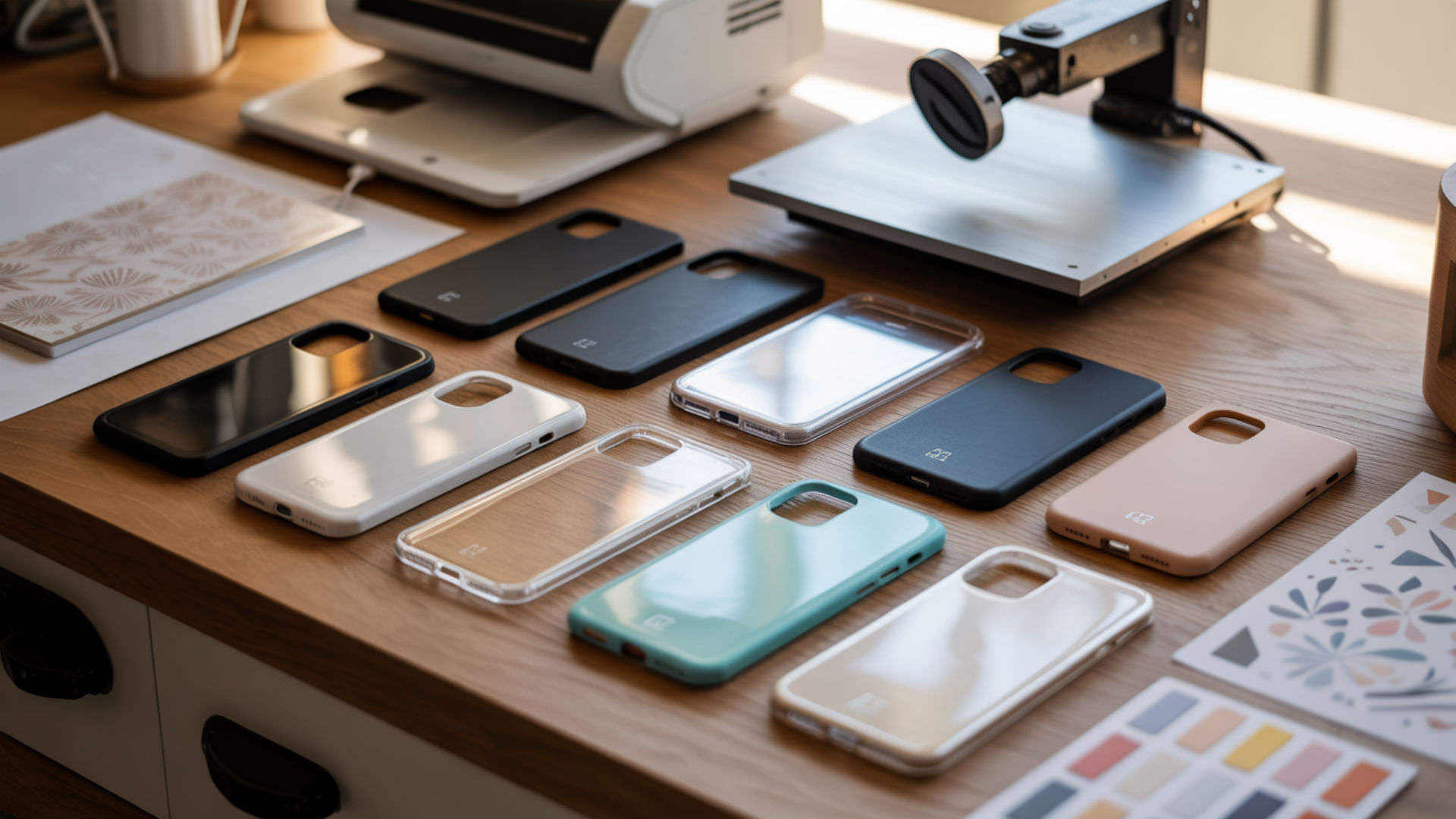
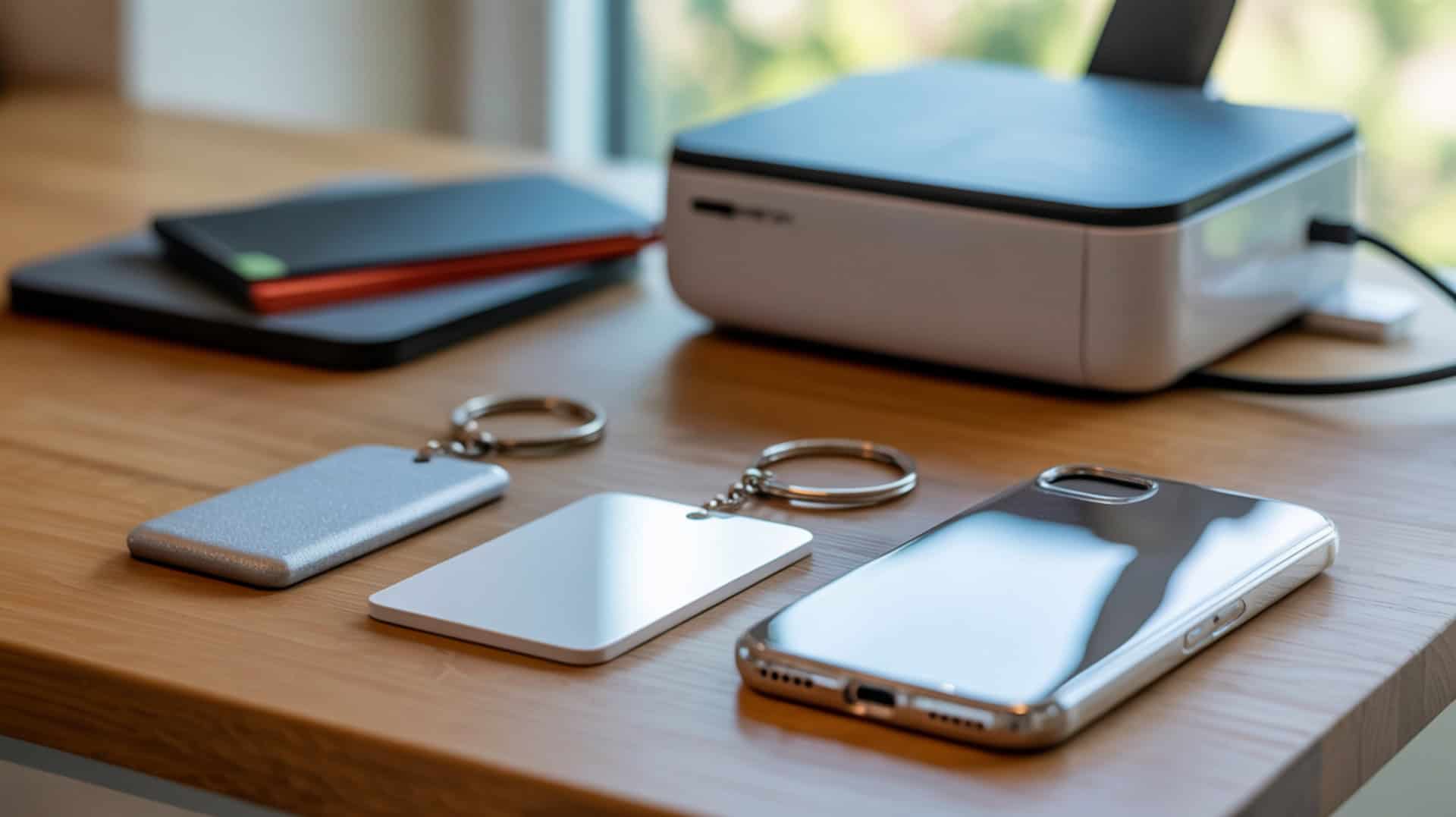
Sublimation transfers dye in gas phase directly into polymer chains, which means only polymer-based or polymer-coated substrates can produce permanent, vibrant prints for home and gift products. Because polymer presence determines whether a home product accepts sublimation dye, you may want to read our hub guide on Sublimation on Home Products to understand which substrates work and why. This roundup covers three top-selling product categories—keychains, magnets, and phone cases—each with different material requirements, press settings, and profit potential for small businesses and hobbyists.
Key Takeaways
- Heat press activation drives dye diffusion into polymer substrates, with temperatures ranging from 355°F to 400°F depending on material type and thickness.Because sublimation outcomes depend on tightly controlled and repeatable temperature exposure, maintaining accurate heat application is essential when pressing polymer-based home products.[1]
- Exceeding the glass transition temperature (Tg) of plastic blanks causes warping or deformation, requiring careful temperature control during pressing.
- Keychains offer the fastest production at 50–60 seconds per press, while phone cases require specialized vacuum presses with 350-second cycles for edge-to-edge coverage.
Are Sublimation Keychains a Profitable Product to Make and Sell?
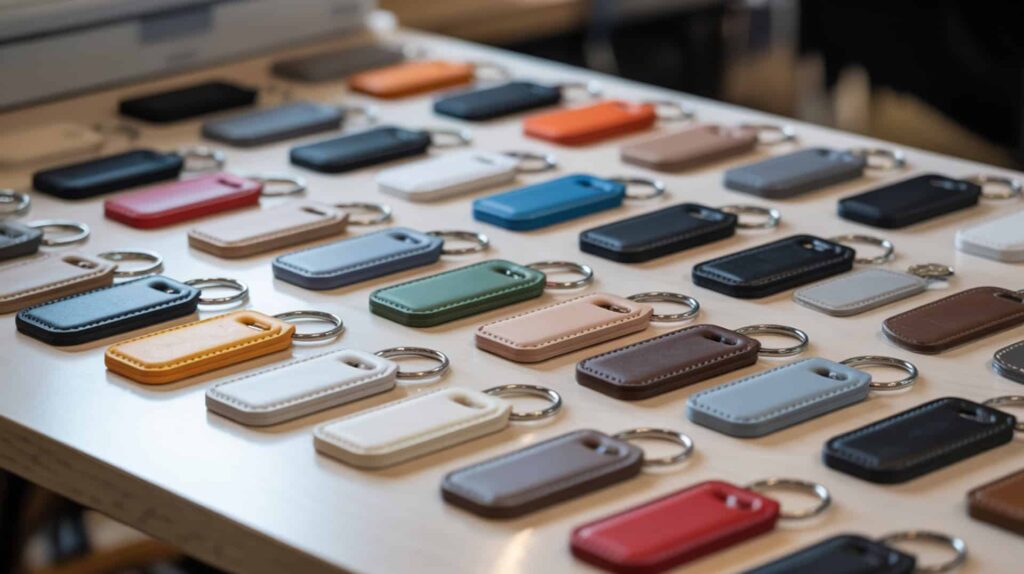
Sublimation keychains are small polymer-based blanks—including acrylic glass (PMMA), polycarbonate, faux leather, and neoprene—that produce vibrant, personalized accessories when pressed at temperatures between 360°F and 400°F for 50–60 seconds. According to reviewed test results, PMMA keychains deliver strong optical clarity that improves color depth, while impact resistance varies by material type and affects long-term customer satisfaction. Because acrylic glass (PMMA) behavior and heat tolerance determine keychain sublimation success, you may want to read our guide on Sublimation on Keychains for detailed pressing instructions. I recommend keychains for sellers wanting fast turnaround, low material costs, and high gift appeal.
What kind of print quality and durability can you expect from sublimation keychains?
Sublimation keychains deliver high color vibrancy due to the refractive index of clear plastics like PMMA, which creates visual depth and perceived brightness when light passes through the printed surface. In reviewed test evaluations, frosted acrylic keychains showed designs “right through” from frosted to clear side with strong clarity, while faux leather results were described as “amazing.” UV resistance varies by material—acrylic offers moderate fade protection for daily-use items, while neoprene provides flexibility but less color longevity. Plastic keychains pressed at 400°F for 60 seconds showed slight warping during cooling, indicating the need for weighted flattening to maintain shape.
What are the main pros and cons of making and selling sublimation keychains?
Sublimation keychains offer fast production and multiple blank styles, but glass transition temperature (Tg) limitations mean overheating causes warping or edge distortion that ruins the product. Based on reported test results, pros include quick 50–60 second press times, multiple material options (plastic, acrylic, faux leather, neoprene), and pre-assembled options that simplify workflow. The Artesprix plastic keychain was described as “super easy” with included assembly pieces. Cons include plastic warping during cooling, faux leather glitter backs that get damaged if tape is removed while hot, and frosted acrylic blanks that require separate hardware purchases. I would consider keychains for sellers comfortable with material-specific handling requirements. Many polymer materials soften, deform, or change mechanical behavior when exposed to elevated temperatures, which explains why overheating plastic sublimation blanks can lead to warping or distortion.[2]
How do sublimation keychains compare to magnets and other small blank products?
Sublimation keychains differ from magnets and phone cases based on density, which affects handling weight and shipping costs for small business sellers. Compared to magnets, keychains require similar press temperatures (375°F–400°F) but offer more material variety and higher perceived gift value. Compared to phone cases, keychains need simpler equipment—a standard heat press or EasyPress works—while phone cases require specialized vacuum presses for edge coverage. Keychains also have faster production cycles (60 seconds vs 350 seconds for phone cases). The trade-off is lower per-unit price point compared to phone cases. You can find sublimation keychains here. [3]
Are Sublimation Magnets Worth Adding to Your Product Lineup?
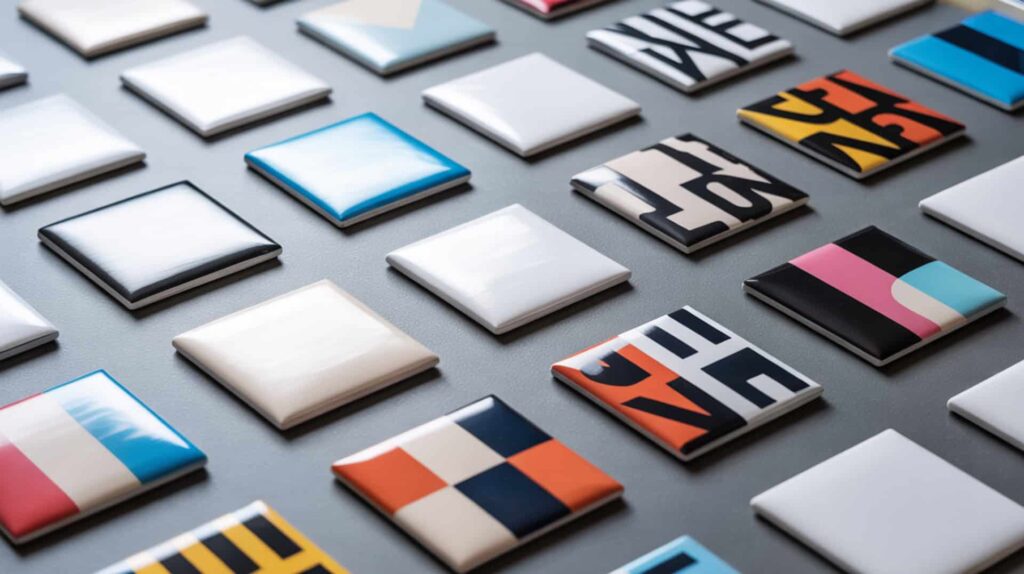
Sublimation magnets are flexible magnet blanks or hardboard-backed substrates with polymer coatings that accept dye when pressed at 355°F–375°F for 60 seconds with firm pressure. Curie temperature affects magnetic stability—overheating during pressing can weaken the magnetic field, reducing holding strength on metal surfaces. Pressure-sensitive adhesive on hardboard versions determines bonding strength when you attach the magnet backing after sublimation. Because Curie temperature and heat limits affect magnet sublimation success, you may want to read our guide on Sublimation on Magnets for temperature guidelines. In reviewed tests, properly pressed magnets looked “amazing” with bright colors. I recommend magnets for gift-focused sellers targeting home decor and kitchen accessory markets.
What sublimation print quality and results can you get on magnet blanks?
Sublimation magnets produce vibrant prints when moisture is controlled and firm pressure is applied, though thermal conductivity differences between one-piece and hardboard versions create uneven heating risks that affect color consistency. According to reviewed test data, hardboard magnets required pre-pressing at 375°F for 120 seconds total to remove moisture before the final 60-second press. Results after proper preparation were described as “amazing” and “much brighter” than initial attempts. One-piece magnets with pre-attached backing needed only 10 seconds of pre-press time. The tester noted visible steam during pre-pressing, confirming moisture removal improves long-term results.
What are the biggest pros and cons of sublimating on magnet blanks?
Sublimation magnets offer simple workflows for one-piece versions but carry ghosting risks if pressure is too light, and magnetic domain disruption from overheating can reduce holding strength permanently. Based on reported test results, pros for one-piece magnets include easy sublimate-and-done workflow with no assembly required. Hardboard magnets can look “much brighter” with proper moisture control. Cons include ghosting at light pressure (observed on one-piece version), hardboard moisture causing inconsistent results, and coating bubbles from over-pre-pressing. The tester warned you “may lose some” blanks during the learning process with hardboard versions.
How do sublimation magnets compare to keychains and phone cases for sales?
Sublimation magnets have lower impact resistance than keychains and phone cases, limiting them to indoor use on refrigerators and metal surfaces rather than daily-carry accessories. Compared to keychains, magnets offer similar press times (60 seconds) and temperatures (375°F) but require more moisture management for hardboard versions. Compared to phone cases, magnets cost less per blank and need only a standard heat press, making them accessible for beginners. The trade-off is lower perceived value and narrower use cases. Magnets work best as add-on products or bundled gift items rather than standalone high-margin offerings. You can find sublimation magnets here. [4]
Is the Sublimation Phone Case a Good Product for Your Sublimation Business?
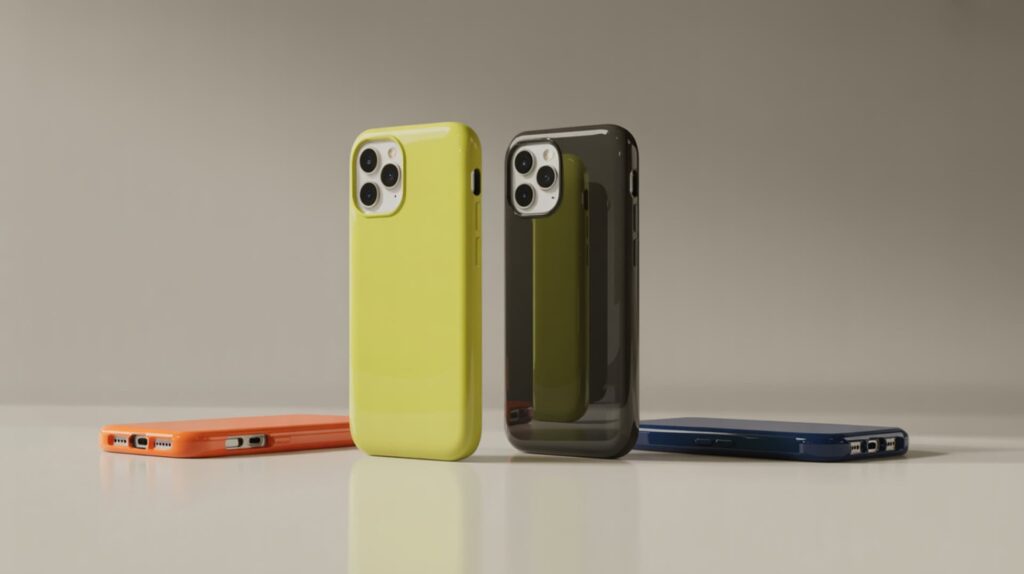
Sublimation phone cases are polycarbonate shells that deliver professional-quality, edge-to-edge prints when processed in a vacuum heat press at 275°F for 350 seconds using specialized sublimation film. Polycarbonate provides structural strength that protects both the device and the printed dye layer, while UV resistance determines how well colors hold up during outdoor daily use. Because polycarbonate shell behavior and heat tolerance determine phone case sublimation success, you may want to read our guide on Sublimation on Phone Cases for vacuum press techniques. In reviewed tests, finished cases showed colors that were “bright and vibrant” with designs wrapping around all four sides. I recommend phone cases for sellers targeting premium pricing and professional-looking products.
What kind of print quality and durability can you achieve on sublimation phone cases?
Sublimation phone cases produce sharp, edge-to-edge prints with uniform dye diffusion across the entire surface when vacuum pressure pulls the sublimation film tight against the polycarbonate shell during the 350-second press cycle. According to reviewed test data, the finished case looked like “something you’d buy professionally” with designs wrapping around all four edges. The tester noted initial confusion when opening the press—colors appeared dull until the film was peeled, revealing bright, vibrant results underneath. Polycarbonate’s impact resistance protects the print layer from daily wear, though UV exposure over time may cause gradual fading without additional protection.
What are the pros and cons of making and selling sublimation phone cases?
Sublimation phone cases offer true edge-to-edge wrap with professional appearance, but limited heat resistance means the pressing margin is narrow and requires precise temperature control to avoid warping. Based on reported test results, pros include vacuum press technology that creates “true edge-to-edge wrap” looking professional, a process described as “simpler than expected,” and versatility for other small 3D items. Cons include requiring specialized sublimation film with extra handling steps, printer feeding issues that may need workarounds (tape tricks for Sawgrass and Epson EcoTank), fixtures sold separately for different phone models, and a 5-inch by 8.5-inch size limitation. The tester said she wouldn’t use this press for flat items.
How do sublimation phone cases compare to keychains and other blank products?
Sublimation phone cases deliver higher impact resistance and perceived product value than keychains and magnets, justifying premium pricing for sellers targeting customers willing to pay more for professional-looking accessories. Compared to keychains, phone cases require specialized vacuum press equipment ($200+ investment) rather than standard heat presses, and cycle times are six times longer (350 seconds vs 60 seconds). Compared to magnets, phone cases offer outdoor durability and daily-use functionality that magnets cannot match. The trade-off is higher equipment cost, slower production, and device-specific fixtures. Phone cases suit sellers focused on quality over volume. You can find sublimation phone cases here. [5]
Which Sublimation Blank Product Should You Focus on for Your Business?
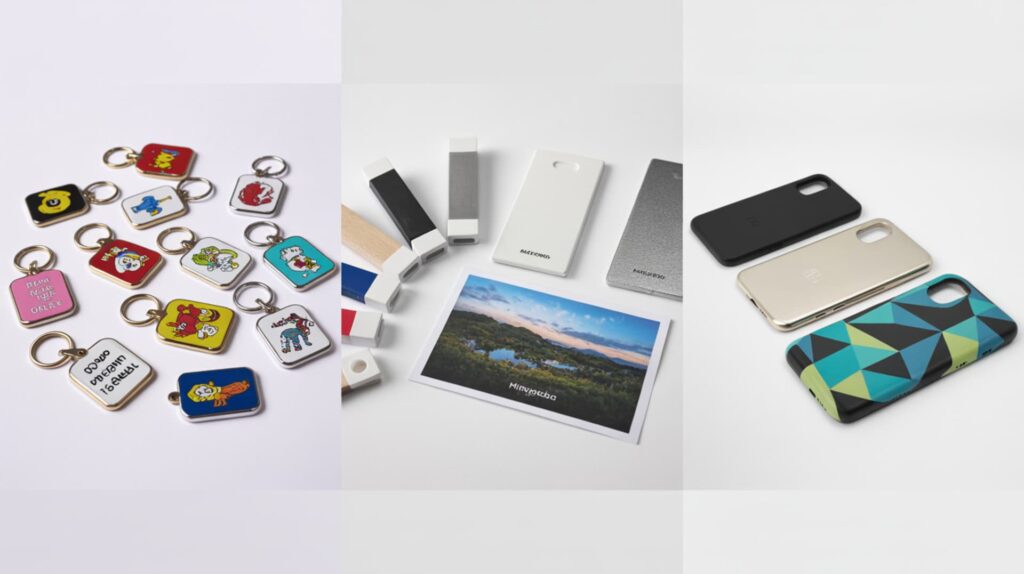
No single sublimation product fits every business model—material behavior affects failure rate while product durability determines repeat customer potential and long-term profitability. For sellers prioritizing fast production and low startup costs, keychains at 400°F for 60 seconds deliver quick turnaround with multiple material options and strong gift appeal. For businesses targeting home decor and kitchen accessory markets, magnets at 375°F for 60 seconds offer easy workflows with one-piece versions, though hardboard requires moisture management. For premium product lines commanding higher prices, phone cases with vacuum presses at 275°F for 350 seconds create professional edge-to-edge results that justify $20+ retail pricing. I recommend starting with keychains to build workflow efficiency, then expanding into magnets for bundled gift sets, and adding phone cases once you’re ready for equipment investment.
Frequently Asked Questions
What are the most popular sublimation products that actually sell well?
Keychains, magnets, and drinkware rank as top-selling sublimation products based on low production cost, high gift appeal, and strong repeat purchase behavior from customers ordering personalized items. According to market patterns, polymer-coated blanks under $5 wholesale with personalization options—names, photos, dates—generate the highest volume. Polyester-based items like sublimation blankets also sell well for home use. Cotton products fail without polymer spray or transfer film because the dye cannot bond with natural fibers. Phone cases command premium prices but require specialized equipment. I recommend starting with keychains and magnets to validate demand before investing in vacuum presses for phone cases.
Is starting a sublimation business actually profitable in the long run?
Sublimation businesses can achieve 40–60% profit margins on polymer-based products when material costs, equipment depreciation, and labor time are properly calculated into pricing. Profitability depends on product selection—keychains costing $0.50–$1.50 wholesale can retail for $8–15, while phone cases costing $3–5 wholesale can retail for $25–35. The key factor is production efficiency: keychains press in 60 seconds while phone cases take 350 seconds, affecting hourly output. Equipment costs include heat presses ($150–400), sublimation printers ($300–800), and vacuum presses ($200–500 for phone cases). Most sellers reach profitability within 3–6 months after initial equipment investment.
How should you price sublimation products to make a good profit?
Sublimation product pricing should cover material cost, ink usage, labor time, and equipment depreciation while maintaining 50%+ markup for sustainable profit margins. A standard formula multiplies total material cost by 2.5–3x for retail pricing. For keychains costing $1 in materials plus $0.20 in ink, a $8–10 retail price provides healthy margin. For phone cases costing $5 in materials plus film and ink, $25–30 retail pricing reflects the specialized equipment and longer production time. Factor in marketplace fees (15–20% on Etsy) and shipping costs when calculating final prices. Premium designs with custom artwork can command 20–30% higher prices than template-based products.
Where are the best places to sell your sublimation designs and products?
Etsy, Amazon Handmade, and local craft fairs rank as top sales channels for sublimation products based on built-in customer traffic and buyer intent for personalized items. Etsy charges 6.5% transaction fees plus payment processing, making it cost-effective for small sellers. Facebook Marketplace and Instagram shops work well for local customers who want to see products before ordering. Craft fairs and farmers markets allow direct customer interaction and immediate sales without shipping costs. Wholesale accounts with gift shops provide volume orders but require lower per-unit pricing. I recommend starting with Etsy to build reviews, then expanding to local markets and social media sales.
How do you make a sublimation business successful from the start?
Successful sublimation businesses focus on polymer-compatible products, consistent quality control, and niche market targeting rather than trying to offer every possible blank type. Start with 2–3 product categories you can master—keychains and magnets work well for beginners due to simple equipment needs and fast production cycles. Invest in proper pre-pressing for moisture-sensitive blanks like hardboard to reduce failure rates. Build a portfolio of 10–20 strong designs before launching, and photograph products professionally against clean backgrounds. Track material costs and production time per item to ensure accurate pricing. Polyester and polymer substrates are your foundation—avoid cotton and uncoated surfaces that cannot bond sublimation dye without special treatment.
References:
- (n.d.). Department of Energy Technical Standards Program. https://www.standards.doe.gov/standards-documents/1000/1012-bhdbk-1992-v3/@@images/file
- The “Soft side” of chips: NIST advances polymer science for semiconductor packaging. (2025, September 17). NIST. https://www.nist.gov/news-events/news/2025/09/soft-side-chips-nist-advances-polymer-science-semiconductor-packaging