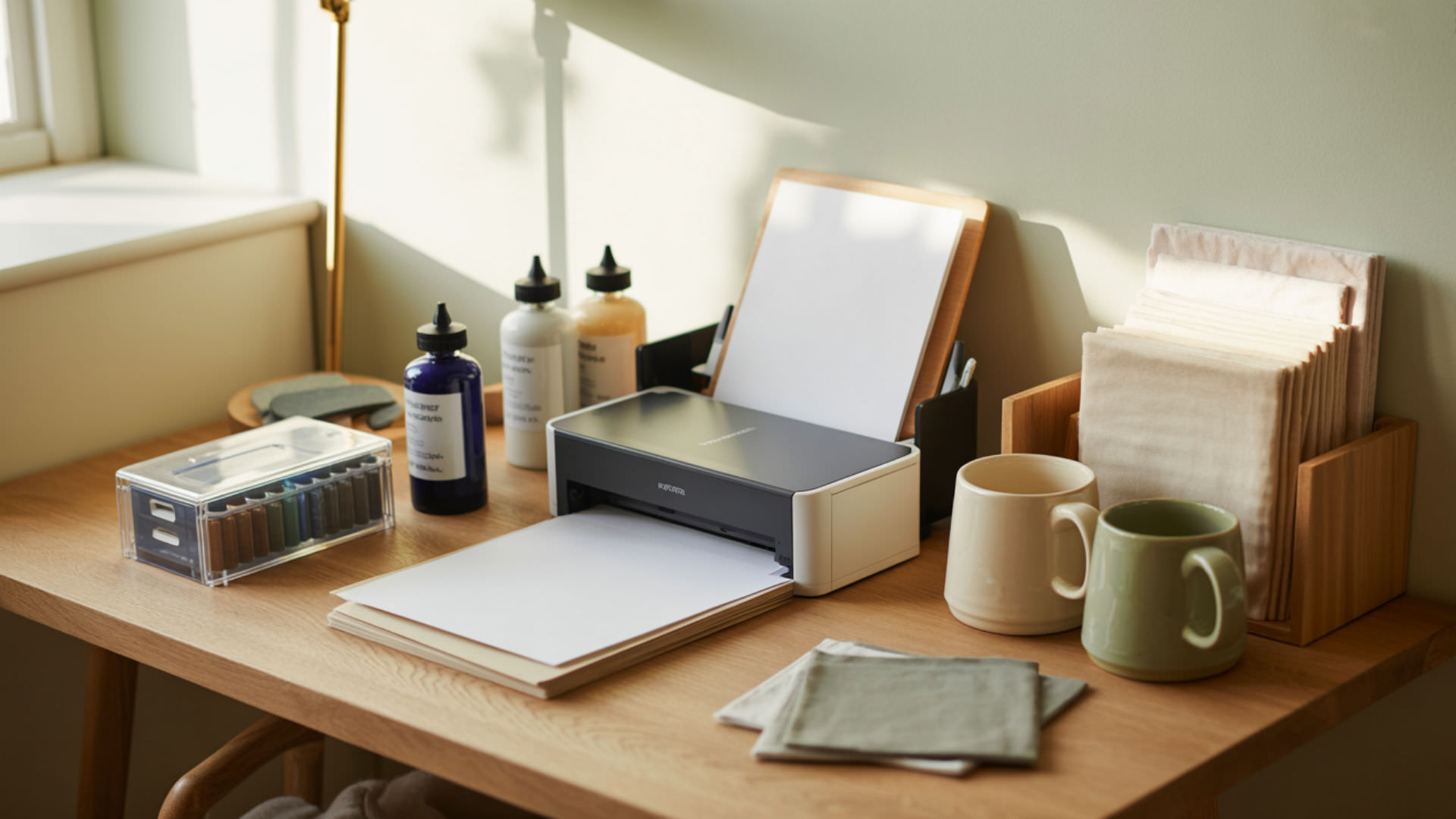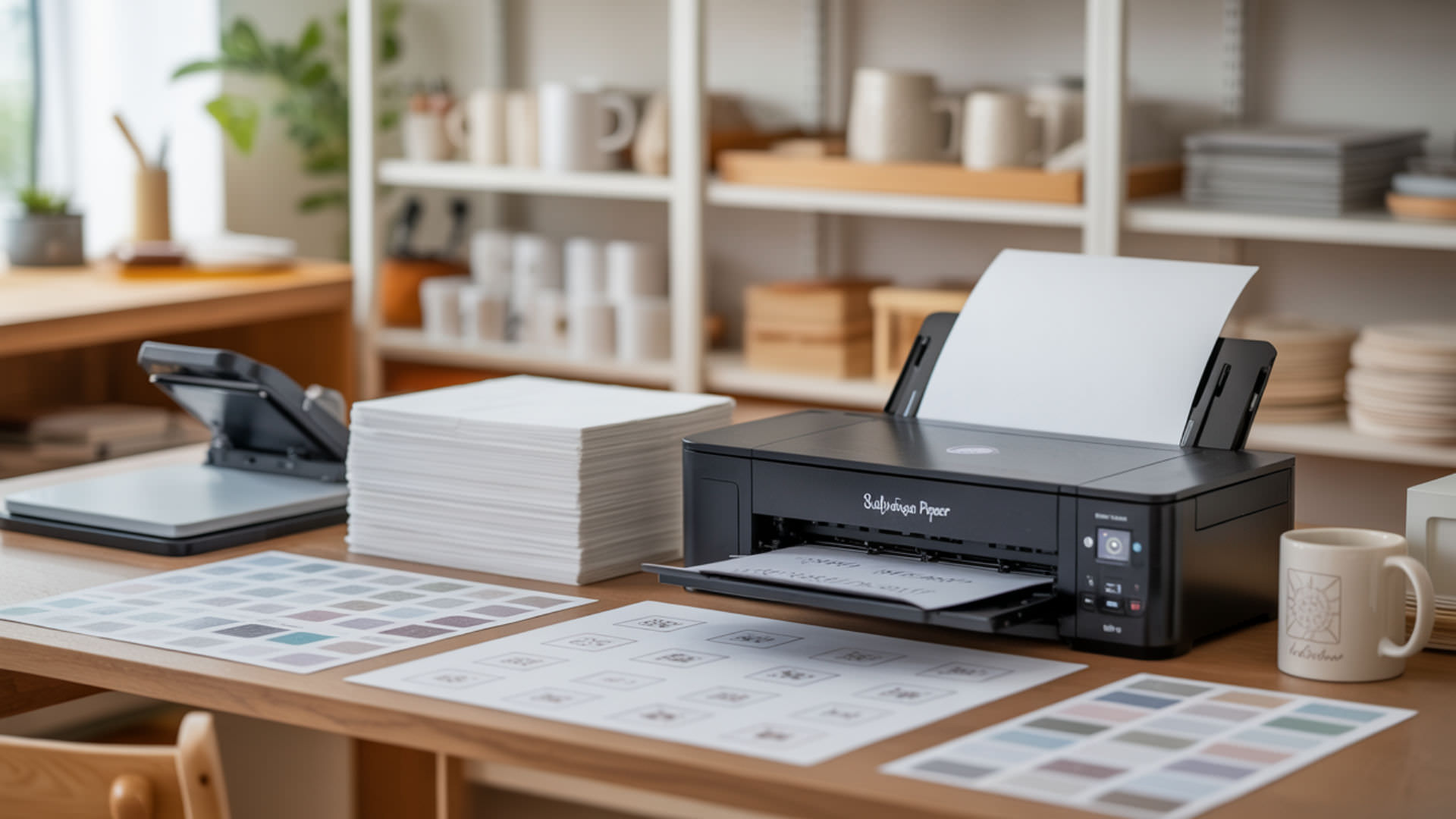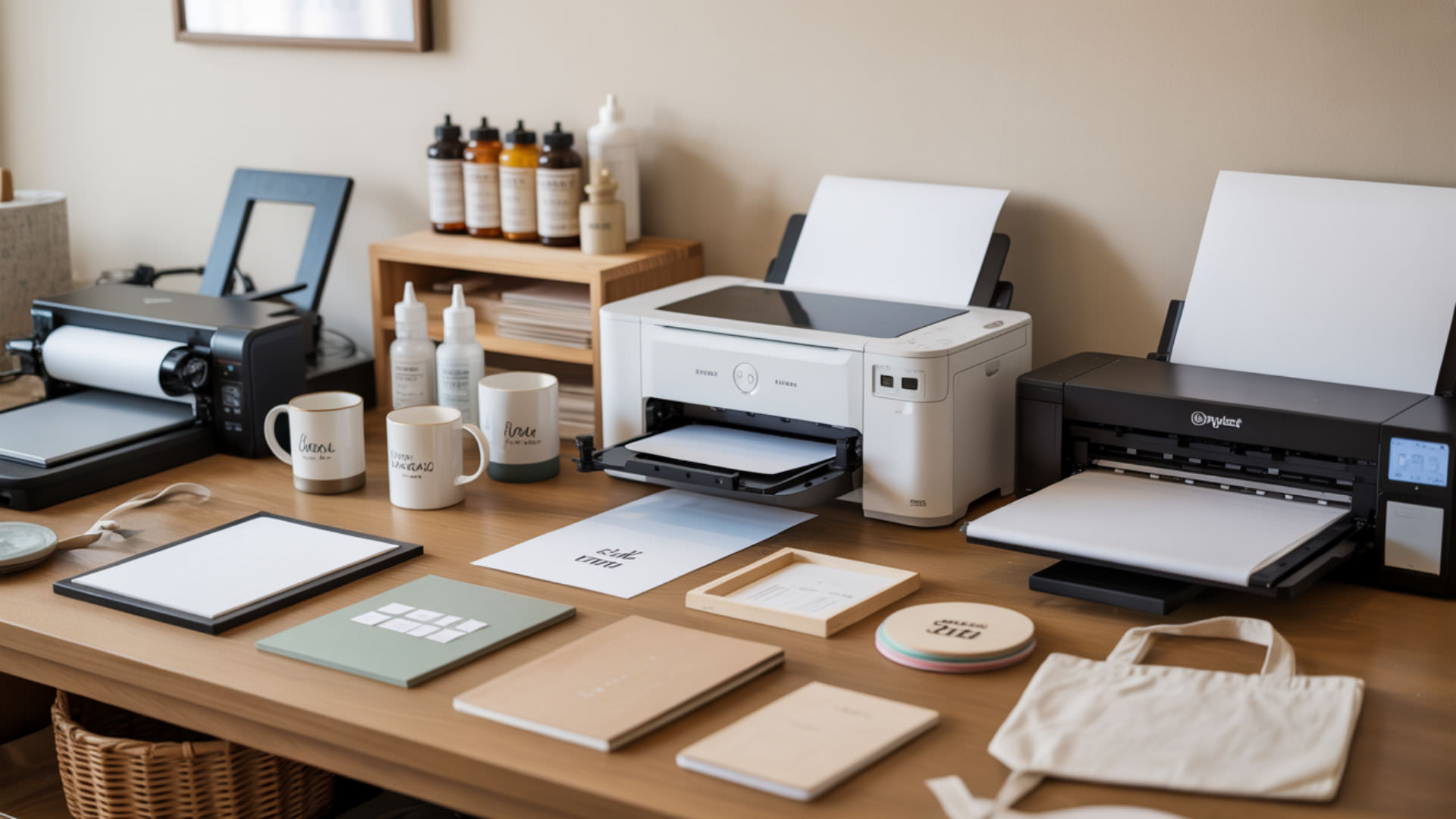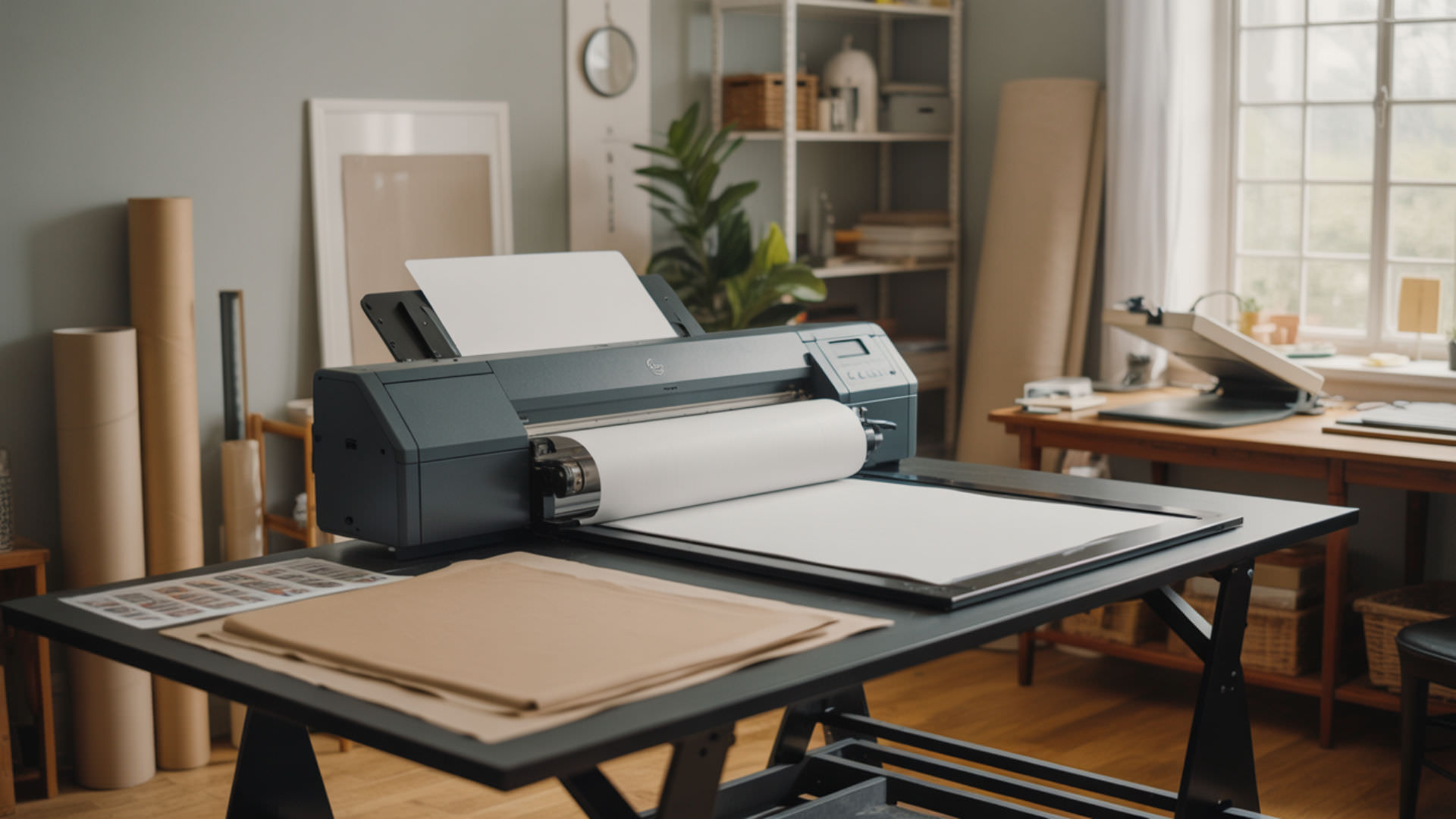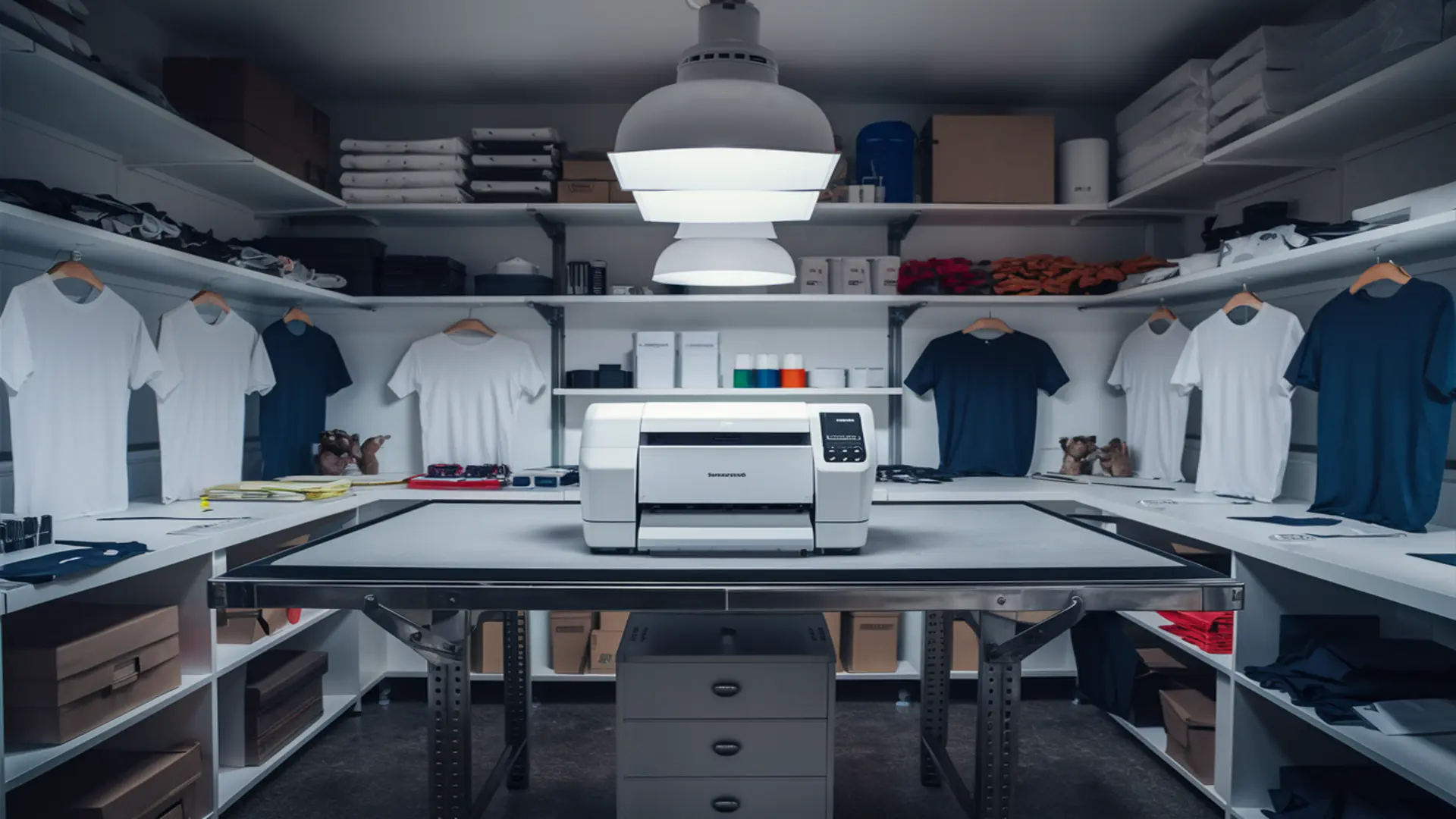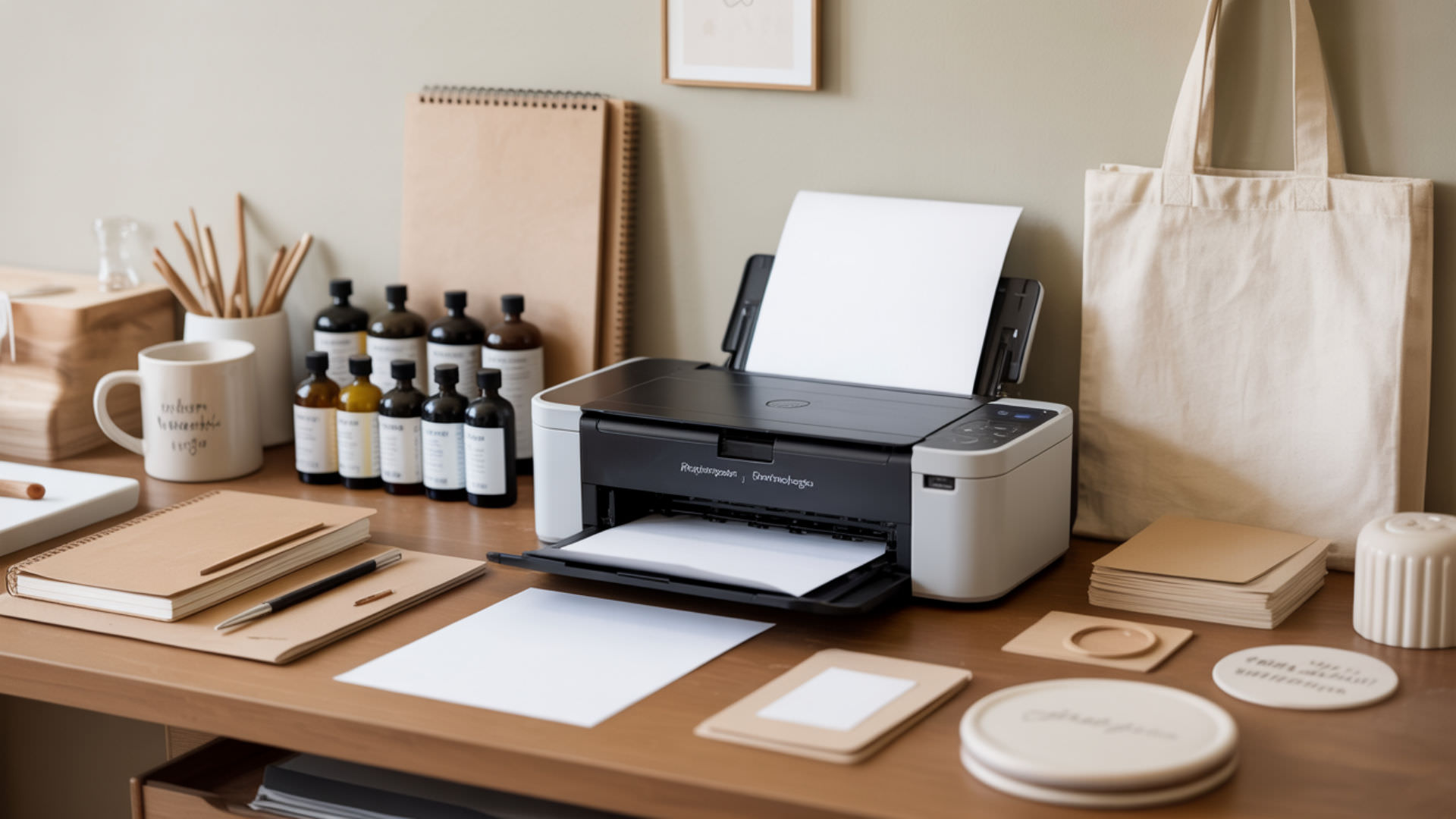
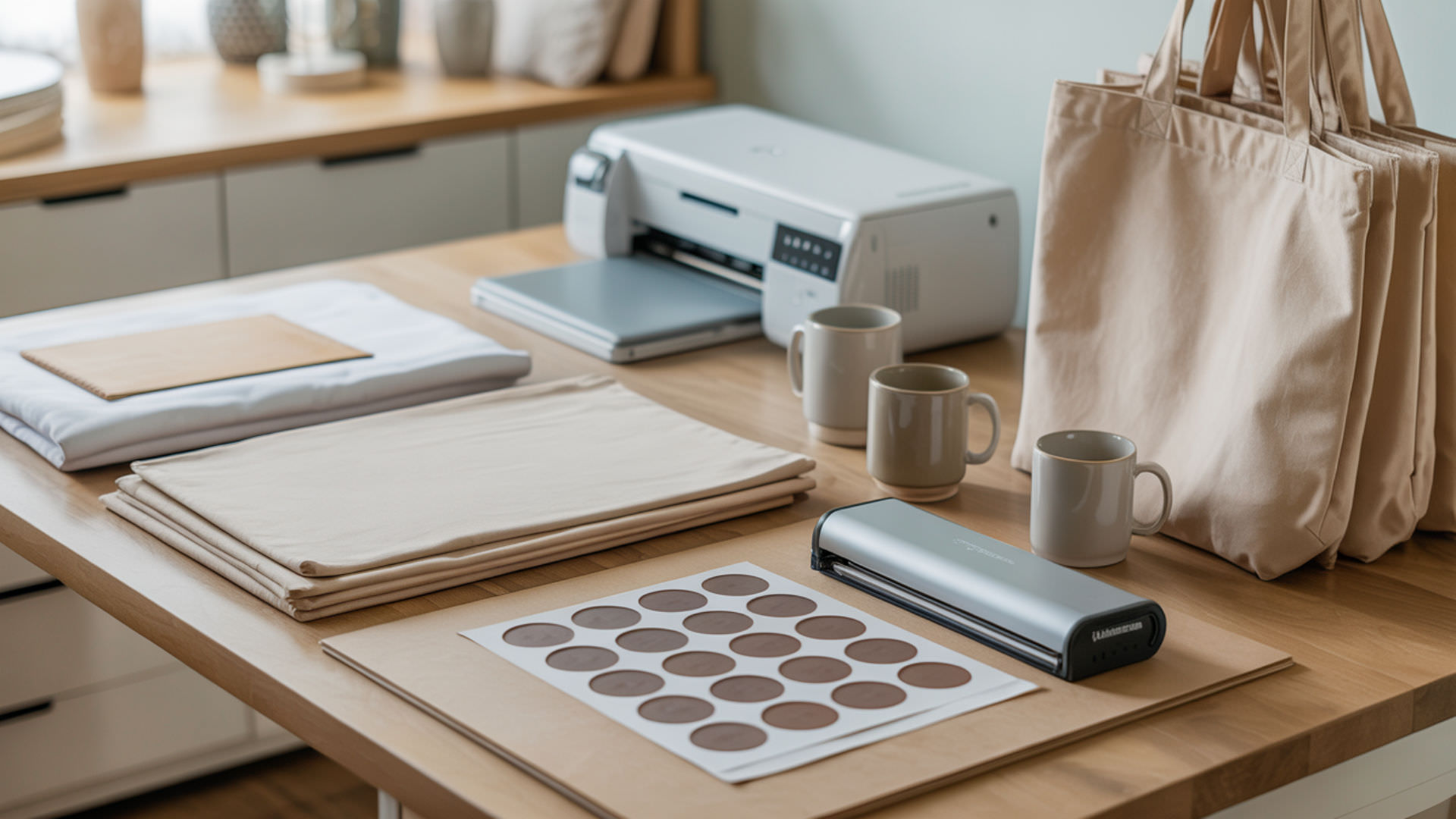
Sublimation ink and Cricut Infusible Ink both use disperse dye chemistry that vaporizes under heat to bond permanently with polyester substrates. The key difference lies in delivery method: sublimation ink prints as liquid from inkjet printers onto transfer paper, while Infusible Ink comes pre-applied to solid transfer sheets ready for cutting. Both produce wash-proof, peel-proof results on compatible materials. Understanding disperse dye chemistry helps clarify how both systems work, which our sublimation ink guide explains in detail. In scientific terms, sublimation describes a direct transition from solid to gas without passing through a liquid state.[1]
Key Takeaways
- Both systems use disperse dyes requiring polyester-rich substrates (65%+ polyester) for permanent bonding through heat activation.
- Transfer sheet workflow makes Infusible Ink beginner-friendly; sublimation offers unlimited custom designs via printer output.
- Sublimation provides lower per-print costs for high volumes; Infusible Ink eliminates printer investment for occasional crafters.
What’s the Actual Difference Between Sublimation Ink and Infusible Ink?
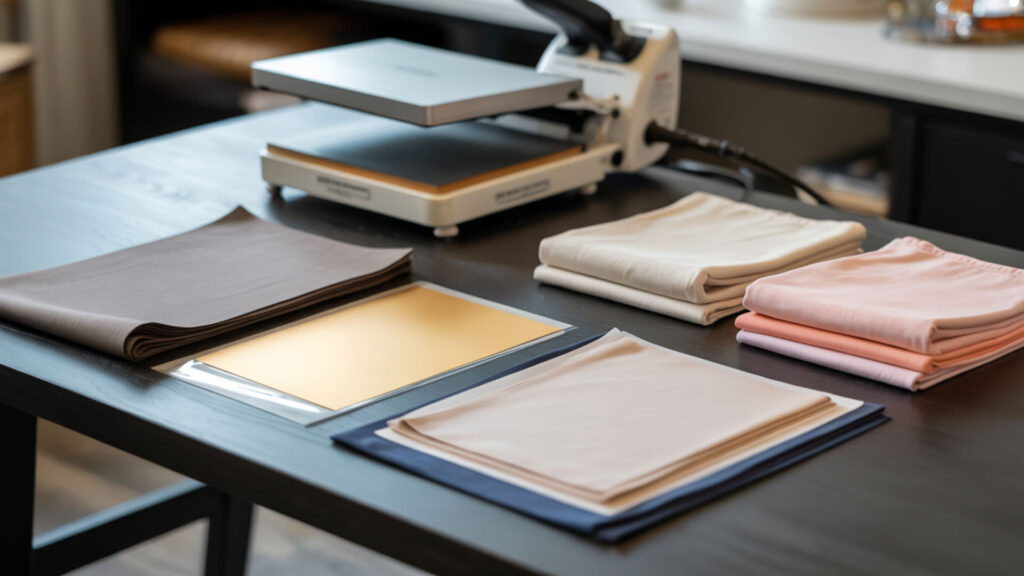
Sublimation ink uses water as a carrier fluid to transport liquid disperse dyes through inkjet printheads onto coated sublimation paper. Cricut Infusible Ink embeds the same disperse dye chemistry onto solid transfer sheets that users cut with a Cricut machine—no printer required. Both achieve identical results through heat-activated dye vaporization, but delivery and workflow differ substantially. Because liquid versus sheet handling affects safety considerations, our guide on sublimation ink toxicology covers exposure differences between these methods.
What’s the Difference Between Sublimation Ink and Infusible Ink?
Sublimation ink requires a dedicated printer to deposit liquid dye onto sublimation paper through a carrier fluid system, enabling unlimited full-color custom designs including photographs. Infusible Ink transfer sheets come pre-printed with patterns or solid colors that users cut and weed before pressing. Sublimation offers design flexibility; Infusible Ink provides simplicity without printer setup, color management, or maintenance requirements.
Can Infusible Ink Fade Over Time in Normal Conditions?
Properly applied Infusible Ink maintains excellent fastness and resists fading under normal washing and wear conditions. Correct pressing temperature (around 200°C/400°F) ensures complete dye penetration that produces wash-proof durability. Slight fading may occur over years with intense sunlight exposure, but Infusible Ink outlasts HTV and iron-on transfers because embedded dyes don’t crack, peel, or flake from fabric surfaces.
Can Infusible Ink and Sublimation Be Considered the Same Process?

Infusible Ink is fundamentally a sublimation process because both rely on heat-driven diffusion of disperse dyes into synthetic fiber polymer chains. Both require polyester or polymer-coated substrates for molecular bonding. The identical chemistry produces identical durability—permanent, embedded color that becomes part of the material rather than sitting on top. Cricut simplified sublimation into a consumer-friendly format. Because printhead requirements differ between printing systems, our eco-solvent vs sublimation comparison explains equipment compatibility factors. Polyester is a synthetic polymer, meaning its molecular structure allows heat-activated dyes to penetrate and bond permanently within the material.[2]
Is Infusible Ink and Sublimation the Same?
Cricut Infusible Ink is a branded sublimation product using identical disperse dye technology that vaporizes under heat to penetrate polyester fibers. Both processes work through the same mechanism: solid dye transforms to gas at 180–205°C and bonds permanently with polymer chains. The difference is packaging and workflow—Infusible Ink pre-applies dye to sheets while traditional sublimation prints liquid ink onto transfer paper.
Does Infusible Ink Behave Differently Than HTV or Heat Transfer Methods?
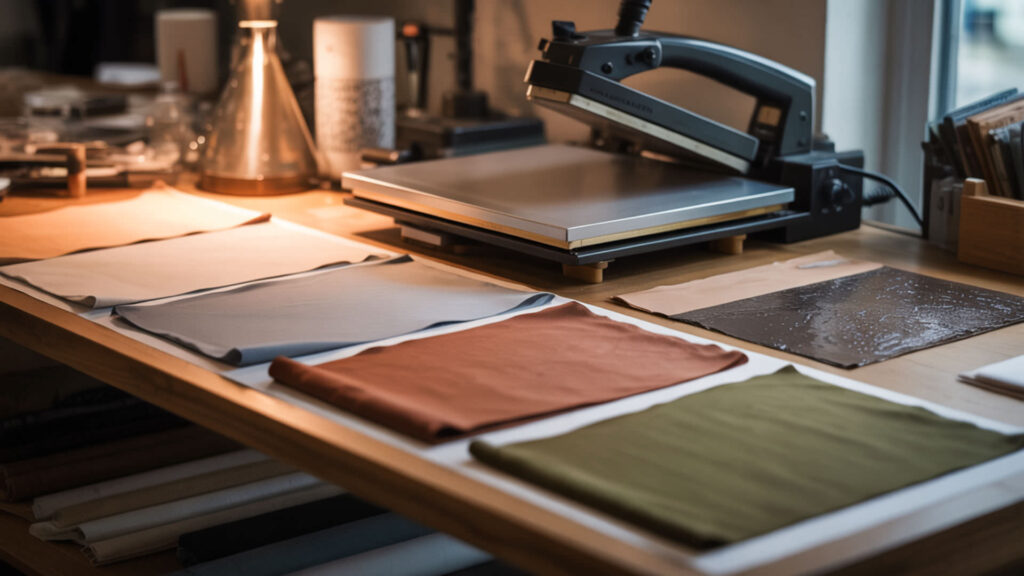
Infusible Ink differs from HTV because heat and pressure drive dye penetration into fibers rather than adhering a vinyl layer to the surface. Proper pressure ensures disperse dyes embed completely during the transfer process. HTV uses adhesive backing that can crack, peel, or lift over time; Infusible Ink becomes molecularly bonded to the substrate and feels smooth to the touch with no raised texture.
Does Infusible Ink Last Longer Than Vinyl Transfers Like HTV?
Infusible Ink outlasts HTV significantly because dye diffuses into fibers and creates permanent bonding rather than surface adhesion. HTV sits on top of fabric and eventually cracks, peels, or lifts with repeated washing and stretching. Embedded Infusible Ink dye maintains fastness through hundreds of wash cycles without degradation. For durability on polyester garments, Infusible Ink and sublimation both outperform vinyl-based heat transfer methods.
Can Pressure or Heat Intensity Change How Long Infusible Ink Stays Crisp?
Correct heat and pressure directly affect image stability and long-term crispness. Insufficient temperature (below 180°C) produces incomplete dye vaporization resulting in faded, washed-out transfers that degrade faster. Too little pressure prevents full dye penetration. Optimal settings—200°C (400°F) with firm pressure for 40–60 seconds—ensure complete dye embedding that maintains sharp edges and vibrant colors through extended use and washing.
Can Infusible Ink Materials Work on Typical Sublimation Blanks?
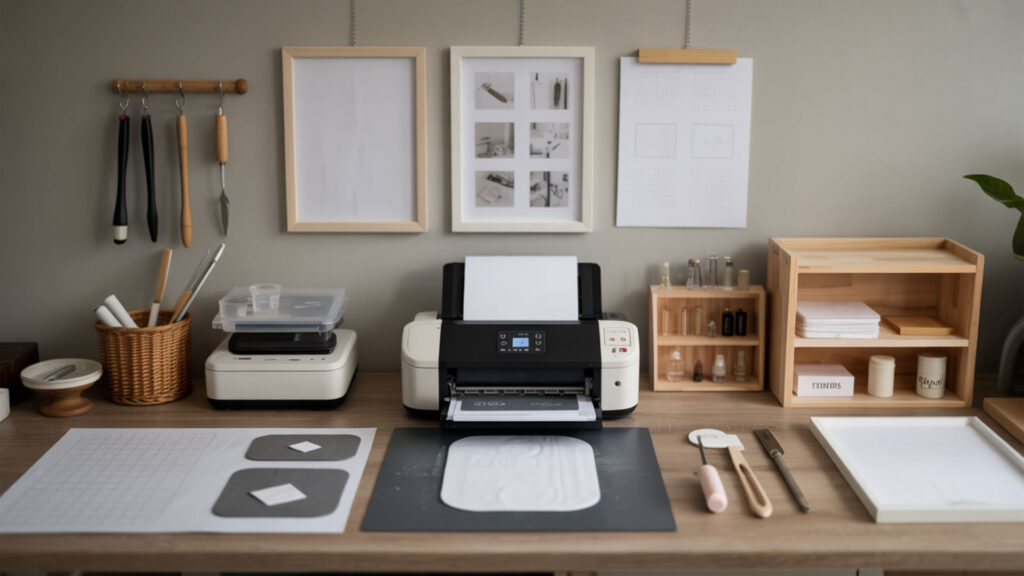
Infusible Ink works on standard sublimation blanks because both require polyester or polymer-coated substrates for dye bonding. Any blank designed for sublimation—coated mugs, polyester shirts, aluminum panels—accepts Infusible Ink transfers. The difference lies in design creation: sublimation uses printed sublimation paper while Infusible Ink uses pre-made dye sheets. Substrate requirements remain identical between both systems.
Can You Use Infusible Ink on Sublimation Blanks or Coated Transfers?
Infusible Ink transfers successfully onto any polyester-coated sublimation blank including mugs, coasters, keychains, tote bags, and ceramic tiles. The polymer coating accepts disperse dye from transfer sheets exactly as it accepts dye from sublimation paper. Always use white or light-colored blanks since Infusible Ink dyes are transparent and won’t show vibrantly on dark surfaces without a white base layer.
What Fabrics or Materials Hold Infusible Ink Best?
Materials with 100% polyester content or synthetic fiber blends above 65% polyester hold Infusible Ink best. Higher polyester percentages produce more vibrant, durable results because more polymer chains exist for dye bonding. Pure cotton cannot disperse dyes without special coatings. Light colors work best since transparent dyes blend with fabric color—white polyester produces the brightest, most accurate color reproduction.
Can Infusible Ink Sheets Be Printed Without Special Conversion?
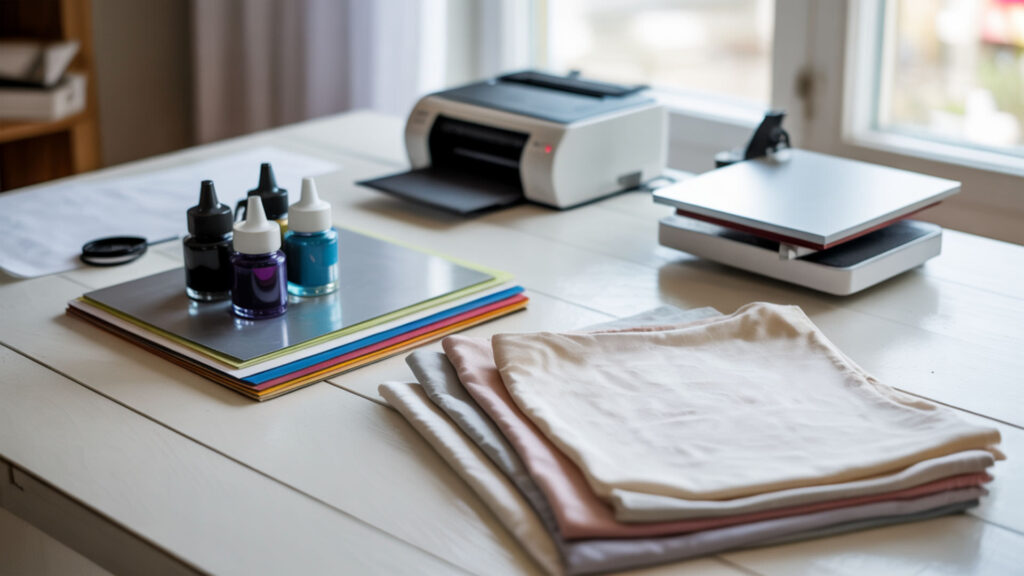
Cricut Infusible Ink sheets cannot be printed on because they already contain pre-applied disperse dye—no inkjet printing or printhead equipment is needed. Users simply cut designs from the pre-colored sheets using a Cricut machine, then heat press onto compatible blanks. This eliminates printer investment, color management, and maintenance while limiting designs to available sheet patterns and colors. For unlimited custom designs requiring a printhead-based system, our Epson sublimation ink guide covers printer options and ink selection.
Can You Print Your Own Infusible Transfer Sheets?
Creating custom transfer sheets requires sublimation ink and a sublimation printer—essentially performing traditional sublimation rather than using Infusible Ink products. You can combine methods by printing sublimation designs and adding Infusible Ink pen accents. Inkjet printing with sublimation ink onto sublimation paper produces unlimited custom designs, while Cricut’s pre-made Infusible Ink sheets restrict options to available patterns.
Can You Print Directly onto Pre-Made Infusible Ink Sheets?
Printing directly onto Infusible Ink sheets is not recommended because the pre-applied dye coating interferes with proper surface tension and nozzle interaction required for clean droplet formation. Overlapping dyes cause smudging, uneven color blending, and ruined transfers. Use Infusible Ink sheets as-is for cutting, or use blank sublimation paper with a sublimation printer for custom printed designs—never combine both methods.
Can You Apply Infusible Ink or Sublimation Inks Step-by-Step?
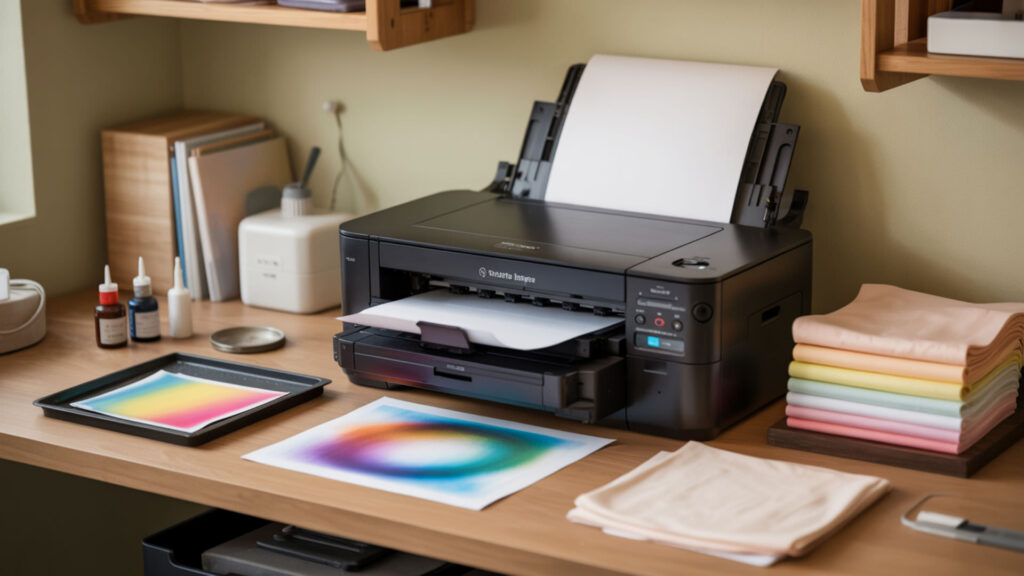
For Cricut Infusible Ink:
- Design and cut your pattern from Infusible Ink transfer sheets. Use Cricut Design Space to create the layout, then cut with your Cricut machine.
- Weed excess material from the cut design. Remove unwanted areas using the weeding tool, leaving only your desired pattern on the carrier sheet.
- Preheat your press to 200°C (400°F) and lint-roll the blank. Correct heat and pressure ensure complete dye transfer; clean surfaces prevent debris marks.
- Position transfer face-down on polyester blank and press 40–60 seconds. Firm, even pressure activates dye vaporization for permanent bonding.
For Sublimation Ink:
- Print mirrored design onto sublimation transfer paper. Use sublimation printer with proper color profiles for accurate output.
- Allow print to dry completely before handling. Wet ink smudges easily; 2–3 minutes drying prevents transfer contamination.
- Preheat press to 180–205°C (356–400°F) and position transfer. Heat activates solid-to-gas dye transition for polymer penetration.
- Press 45–60 seconds at medium pressure, then peel hot or warm. Proper timing ensures complete dye transfer without overheating substrates.
Ready to Choose Between Sublimation and Infusible Ink?
Your choice between sublimation and Infusible Ink depends on workflow preference—liquid dye printing versus solid transfer sheet cutting. Sublimation provides unlimited design flexibility and lower per-print costs for volume production. Infusible Ink eliminates printer investment and simplifies the process for occasional crafters using pre-made patterns. Both achieve identical durability on polyester substrates through the same disperse dye chemistry.
Frequently Asked Questions
Is infusible ink transfer permanent once pressed?
Properly pressed Infusible Ink creates permanent transfers that become part of the substrate material. The dye bonds molecularly with polyester fibers, producing results that won’t crack, peel, flake, or wash away. This permanence matches traditional sublimation because both use identical disperse dye chemistry. Correct temperature (200°C/400°F) and adequate pressure ensure complete dye penetration for maximum fastness and durability.
Can infusible ink transfer onto pure cotton without fading faster?
Infusible Ink cannot bond with pure cotton fibers because disperse dyes require polymer chains found only in polyester or synthetic materials. Applying Infusible Ink directly to 100% cotton produces severely faded, washed-out results that degrade rapidly with washing. Cotton applications require a white HTV base layer or polyester coating spray first, allowing the dye to bond with the polymer layer rather than cotton fibers.
Can infusible ink appear dull if heat distribution was uneven?
Uneven heat distribution causes inconsistent dye vibrancy, producing dull spots where temperature fell below activation thresholds. Hot spots may show slightly different color saturation than cooler areas. Ensure your heat press provides consistent temperature across the entire platen surface. Pre-pressing blanks removes moisture that affects heat transfer. Using pressing pillows under garments eliminates cold spots from seams, buttons, or uneven surfaces.
Can dark fabrics show tint shifting when using infusible ink?
Dark fabrics cause significant tint shifting because Infusible Ink dyes are transparent—the fabric color shows through and blends with the design. Red ink on navy fabric appears purple; yellow on black becomes invisible. Always use white or light-colored polyester for accurate color reproduction. Dark fabric applications require applying white HTV first to create an opaque base layer that allows true dye colors to show properly.
Do infusible designs stretch safely without visible cracking?
Infusible Ink designs stretch with fabric without cracking because embedded dye becomes part of the fiber structure rather than sitting on top as a separate layer. Unlike HTV or screen printing that can crack under tension, Infusible Ink moves naturally with polyester fibers. This makes it ideal for athletic wear, fitted garments, and items requiring flexibility. The design maintains integrity regardless of stretching or repeated wear.
References
- Sublimation and the water cycle. (2019, June 8). USGS. https://www.usgs.gov/water-science-school/science/sublimation-and-water-cycle
- Modeling polymers for next-generation manufacturing and sustainability. (n.d.). Energy.gov. https://www.energy.gov/science/bes/articles/modeling-polymers-next-generation-manufacturing-and-sustainability