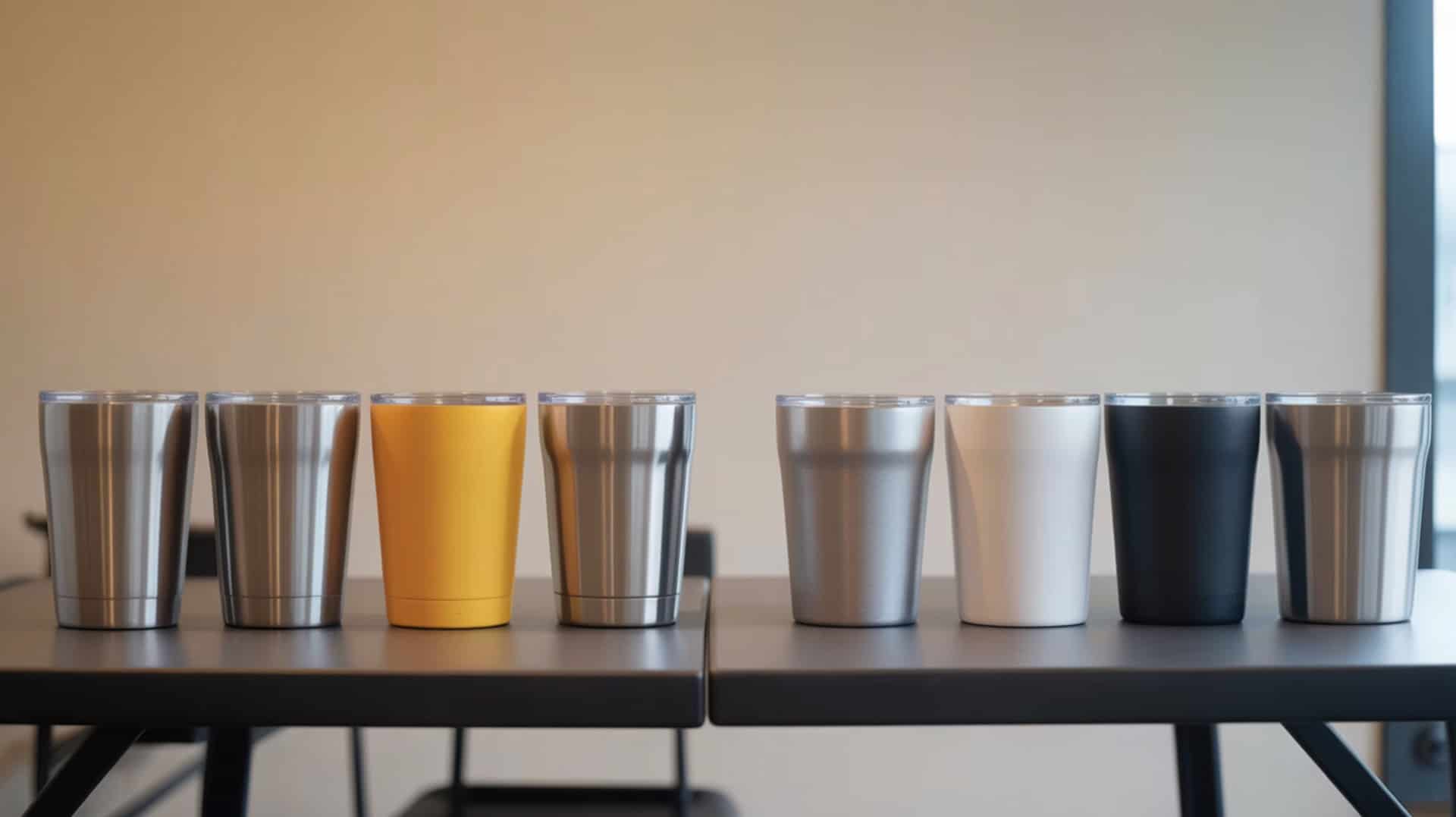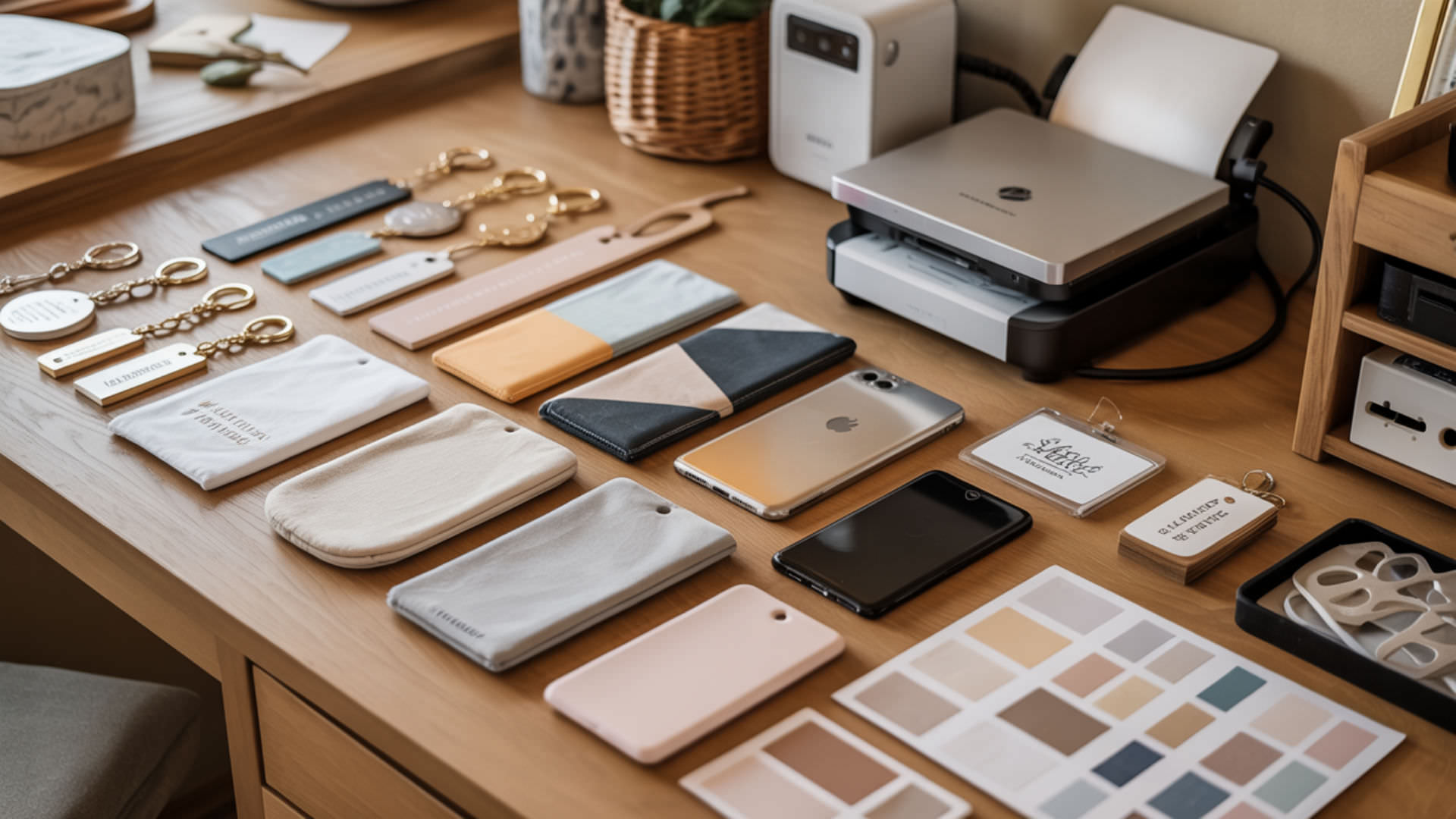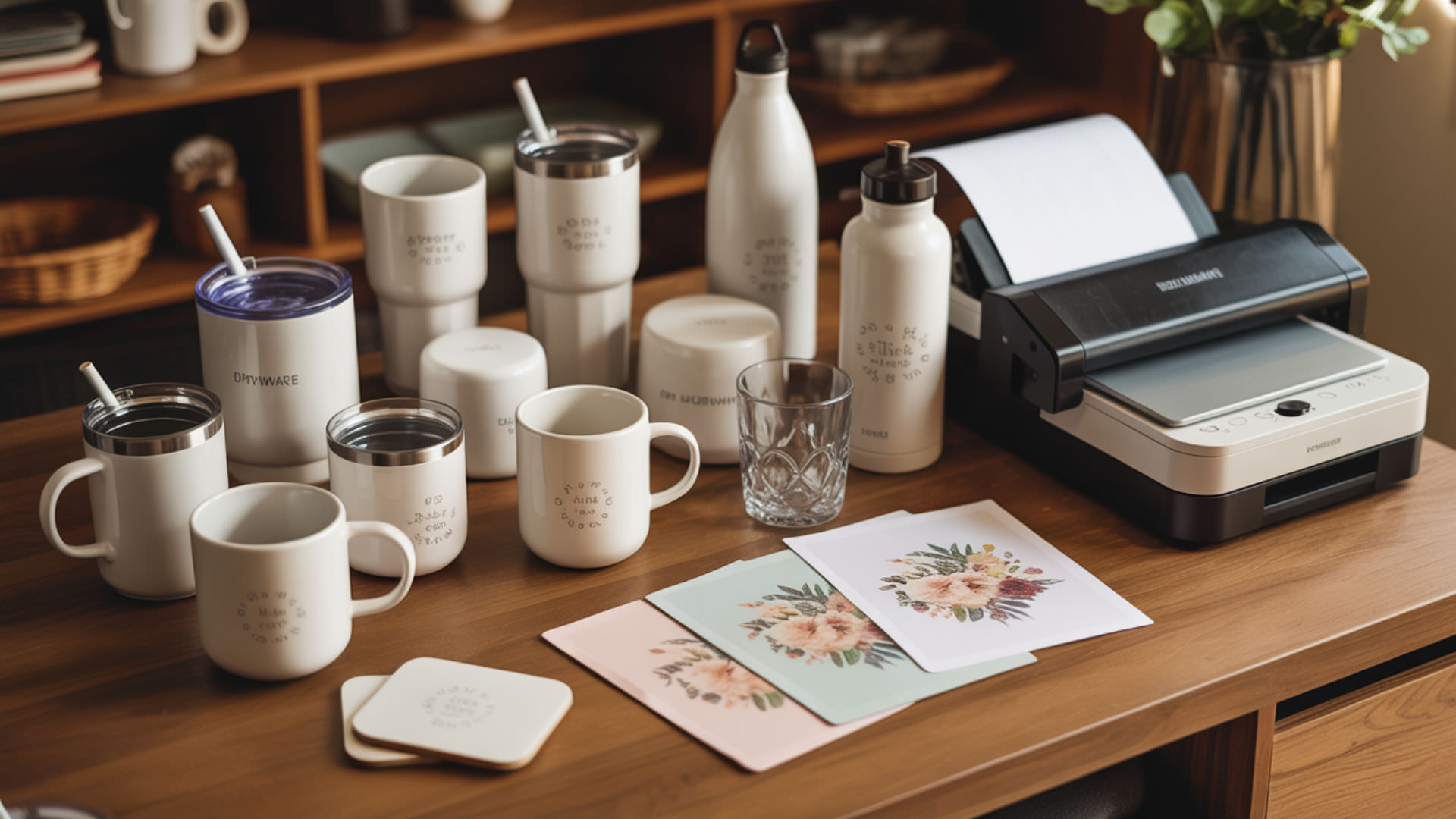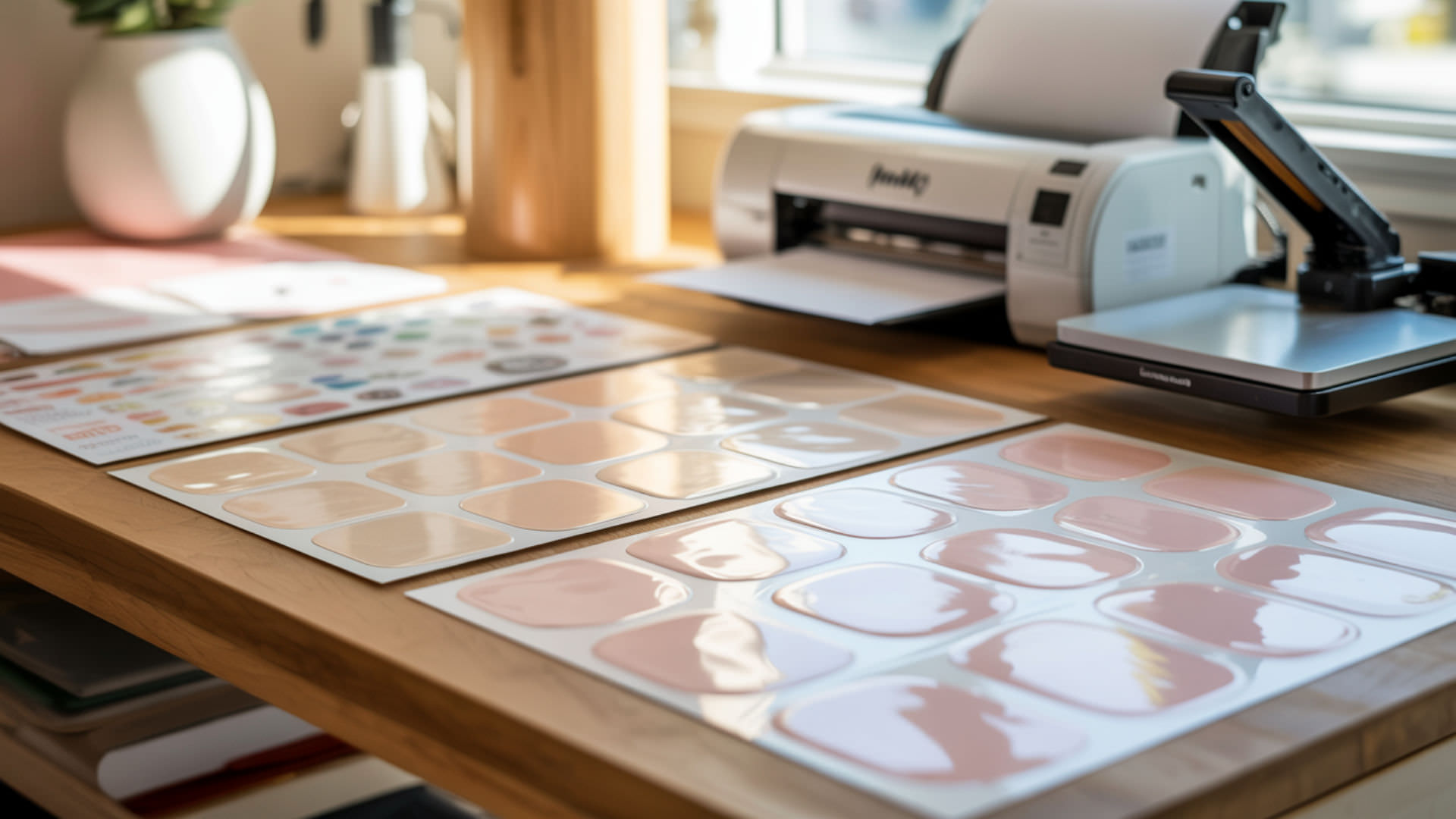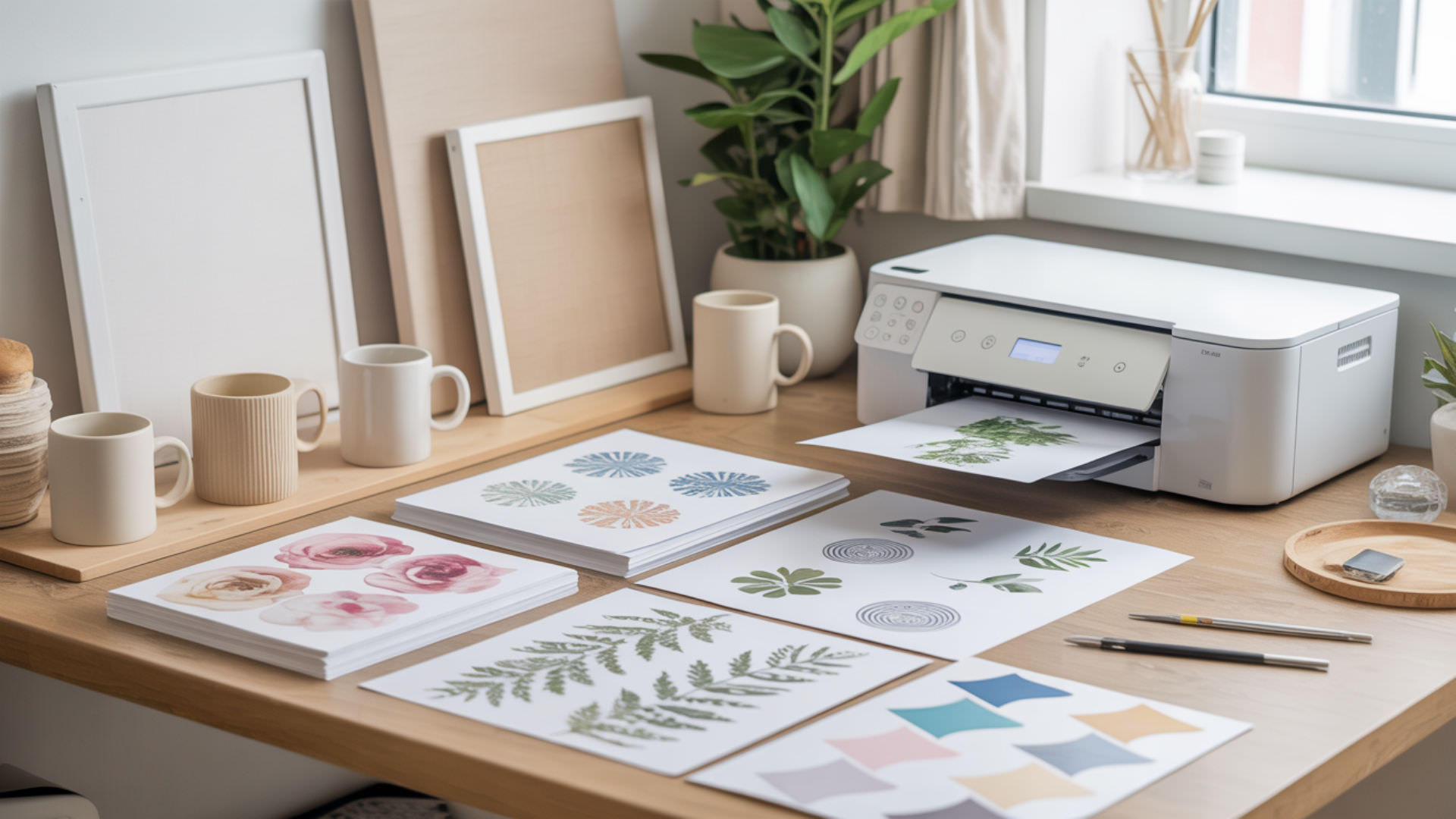
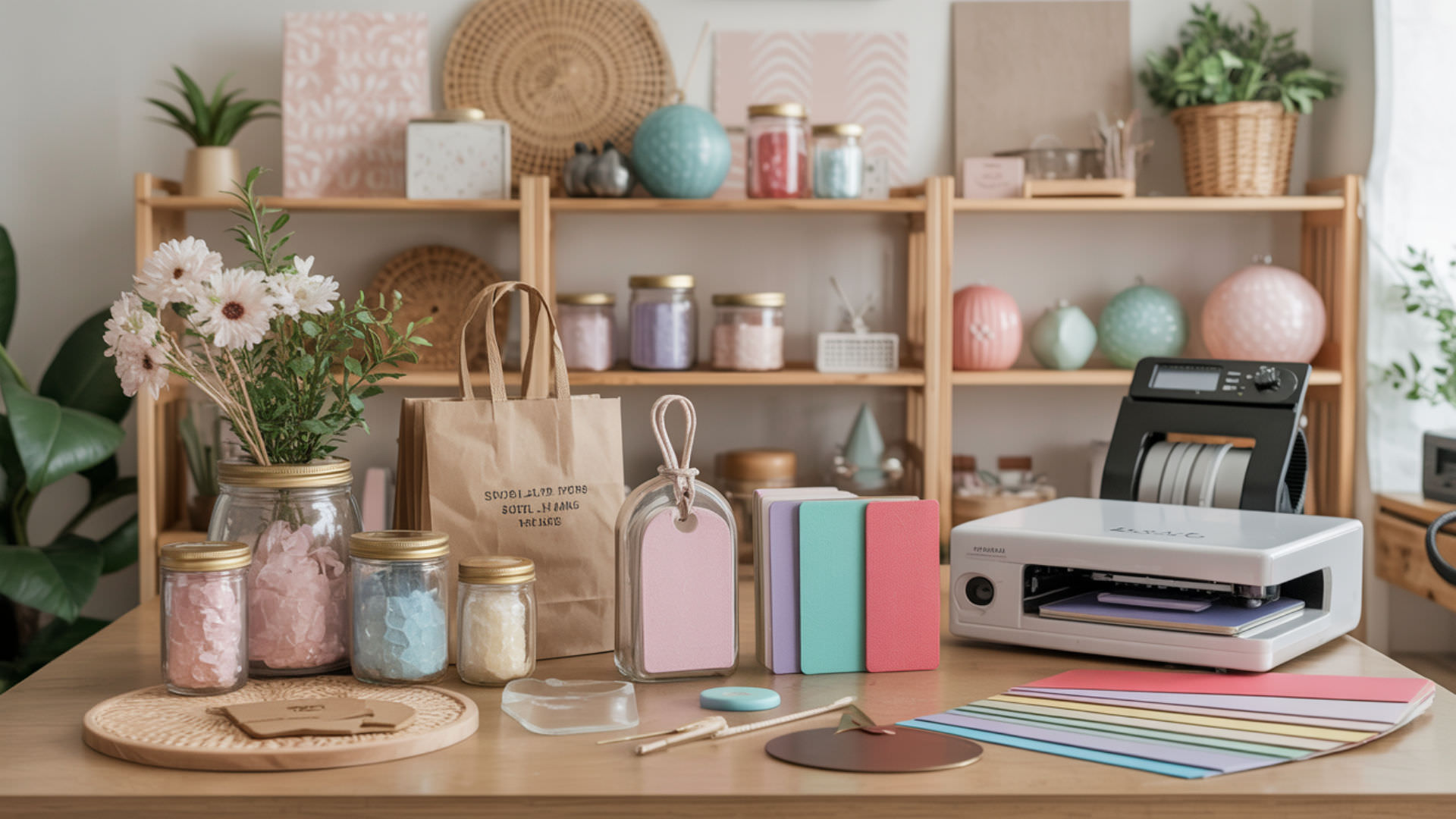
Sublimation opens endless gift-making possibilities across materials that would otherwise reject printed designs. The process requires a polymer surface for dye bonding—either natural polyester content or an applied coating that adds the necessary polyester layer. During sublimation, dye turns to gas under heat and embeds permanently into these polymer surfaces, creating vibrant, fade-resistant designs that outlast traditional printing methods. From glass candle jars to aluminum license plates, the coating determines whether a substrate can accept sublimation dye.
Key Takeaways
- Polymer coating quality directly determines color vibrancy across all gift substrates—thicker, uniform coatings produce bolder, more saturated prints.
- Heat drives dye diffusion into polymer surfaces at 350–400°F, with pressing times ranging from 45 seconds for felt to 5–8 minutes for glass.
- Gifts combining multiple sublimated items into themed sets command higher perceived value than individual pieces sold separately.
How Do You Create Beautiful Sublimated Candle Jars?
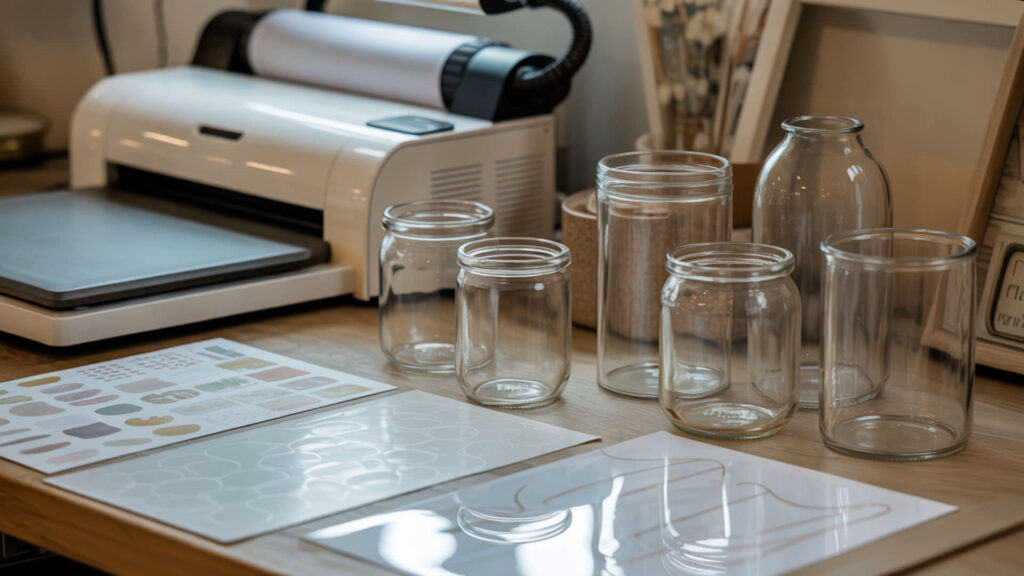
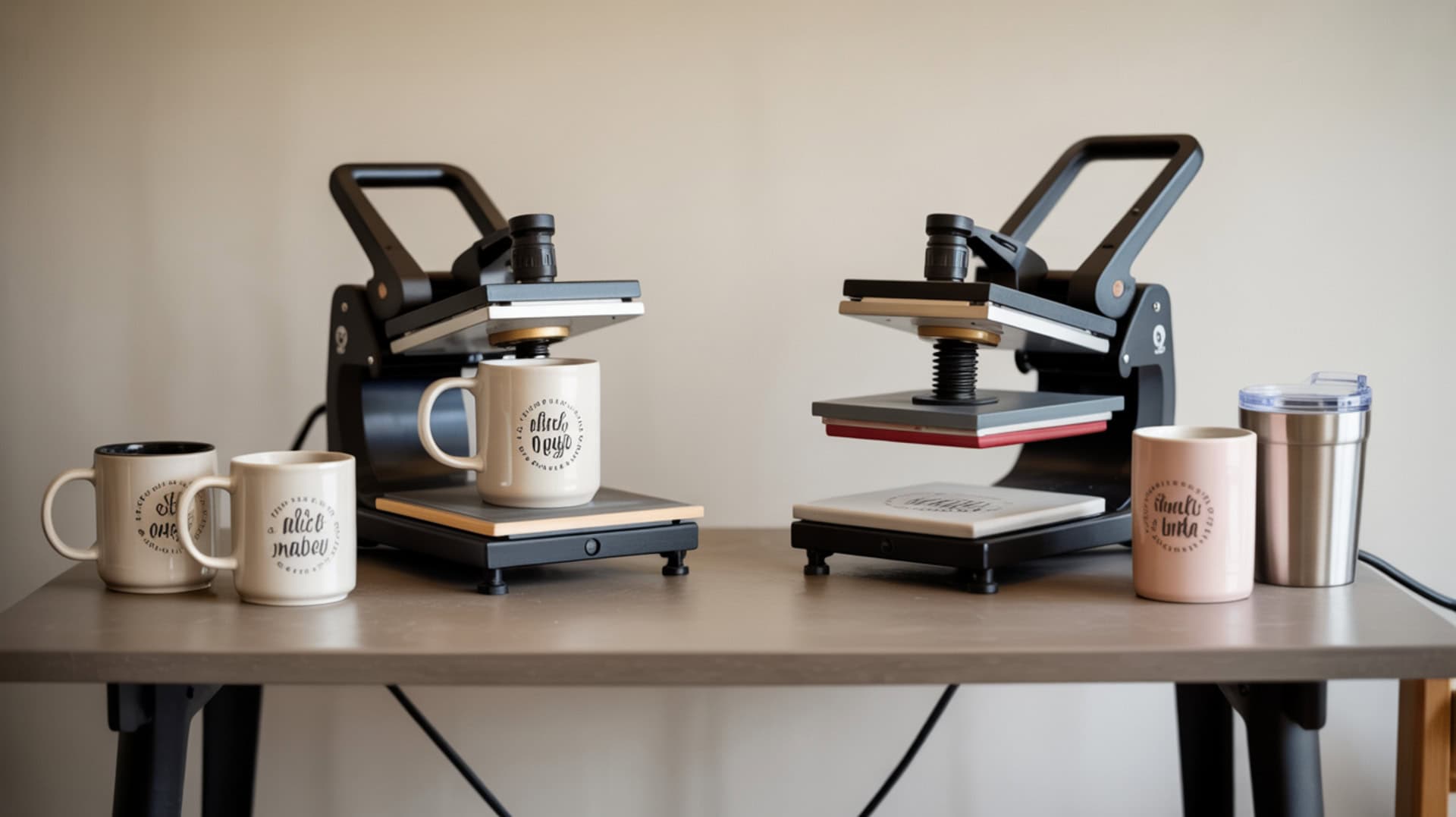
Sublimated candle jars transform ordinary glass or ceramic vessels into personalized gifts with permanent, heat-resistant designs. Glass and ceramic cannot bond with sublimation dye without a polymer coating that provides the polyester layer required for ink adhesion. Heat must be carefully controlled during pressing to avoid thermal shock that can crack glass—use 360–400°F for mug presses or 375–400°F for convection ovens. The polymer coating on candle jars enables safe sublimation on glass surfaces—our sublimation candle jars guide covers coating requirements and wrapping techniques.
Glass Coating Requirements and Safety
Glass requires even heating due to its amorphous molecular structure, which expands unevenly when heated from one side. Thermal expansion differences between heated and cool areas create stress that can crack jars during sublimation. Pre-heating glass gradually and using light to medium pressure reduces thermal shock risk. Most sublimation-ready glass candle jars measure 10–12 oz with frosted finishes that diffuse light beautifully when lit. Uneven heat transfer creates internal stress in rigid materials, which is why gradual, uniform heating is critical when working with heat-sensitive substrates.[1]
Design Wrapping Techniques for Cylinders
The coating on cylindrical surfaces must maintain full contact with the sublimation transfer for complete dye penetration. Sublimation produces gas-phase dye that requires full surface contact—any gaps between paper and coating create faded or missing areas. Wrap transfers tightly with seams taped thoroughly using heat-resistant tape, pulling the design snug to eliminate air pockets. Full wrap designs on glass typically require 150–300 seconds in a mug press with rotation halfway through.
Combining with Candle-Making for Complete Gifts
Combining sublimated jars with poured candles creates complete gift sets with higher perceived value than empty vessels. The resin binder in quality coatings stabilizes the polymer surface on ceramic and glass substrates through the candle-making process. Polymer coatings maintain color durability even when exposed to the moderate heat from burning candles—the sublimation coating withstands temperatures well below its 350°F+ activation threshold during normal candle use.
What Makes Gift Bags Perfect for Sublimation?
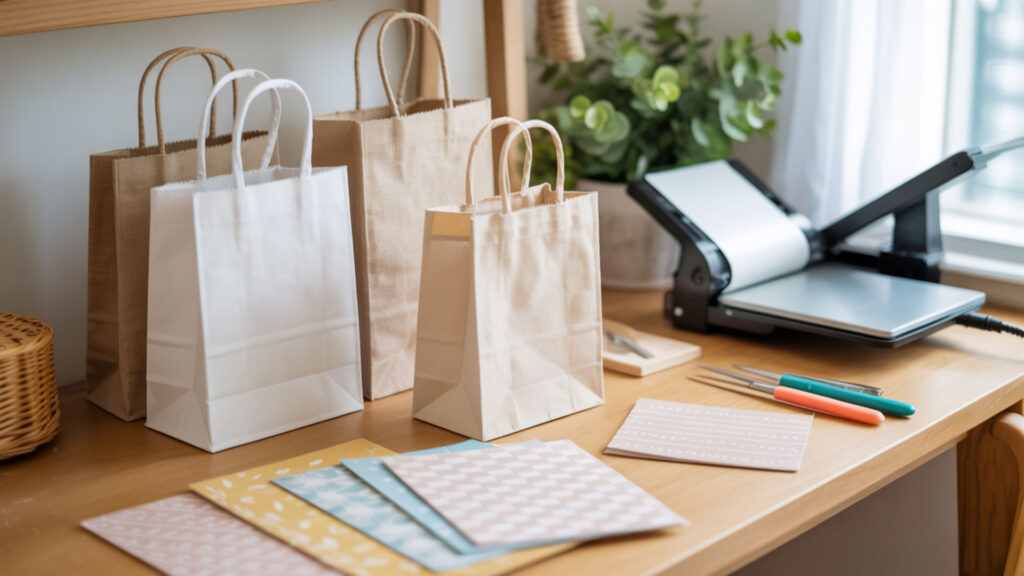
Gift bags offer one of the simplest sublimation substrates because polyester fabric accepts sublimation dye directly without additional coatings. Synthetic fibers in reusable gift bags provide durability for repeated use while maintaining vibrant sublimated designs. When bags use kraft paper or cellulose-based materials, coating becomes necessary to add the polymer layer that enables dye bonding. High polyester content bags naturally support rich sublimation colors—our sublimation on gift bags guide explains material selection for different bag styles.
Material Selection for Reusable Bags
Polyester fabric bags provide ideal substrates for washable sublimated gift bags that retain color through multiple uses. Cellulose-based materials like paper or cotton require polymer coating application before sublimation becomes possible. For best results, select bags with 100% polyester content or polyester blends above 65%—lower polyester ratios produce increasingly faded, vintage-looking prints as cotton content rises.
Creating Seasonal and Occasion Designs
Quality coating on polyester bags ensures bright color prints that make seasonal themes pop with vibrant reds, greens, and holiday imagery. Sublimation produces permanent, fade-resistant designs that maintain vibrancy through holiday storage and repeated annual use. Create design libraries for major holidays, birthdays, weddings, and baby showers to streamline production when seasonal demand spikes.
Bulk Production for Events
Large event orders require consistent heat across all production runs—temperature fluctuations between bags create visible color variations within the same batch. Sublimation enables mass customization with minimal additional labor once designs are prepared, making personalized event bags economical even for weddings with 100+ guests. Press polyester bags at 385–400°F for 35–45 seconds with medium pressure for consistent results across large runs.
Can You Really Sublimate Custom License Plates?
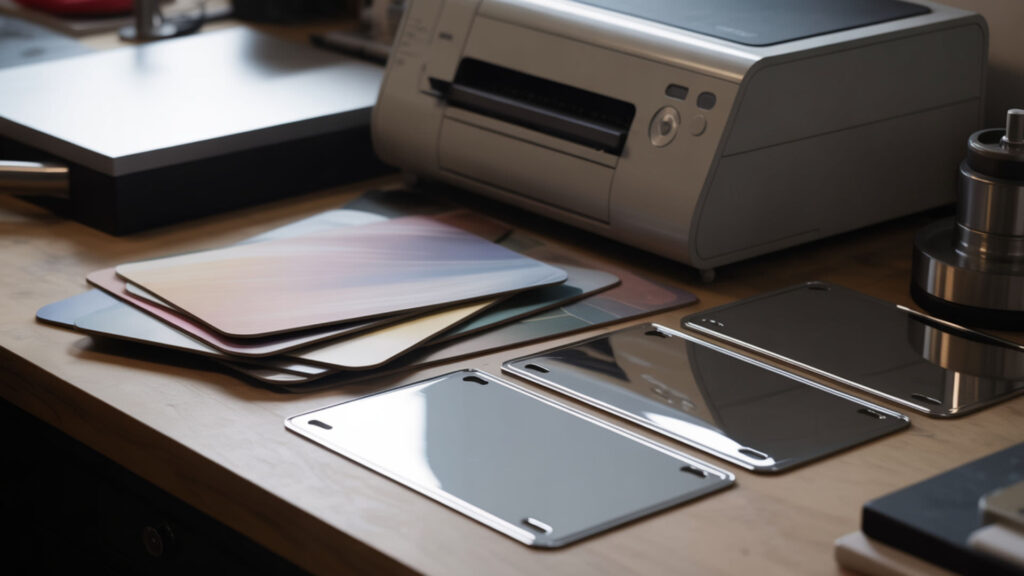
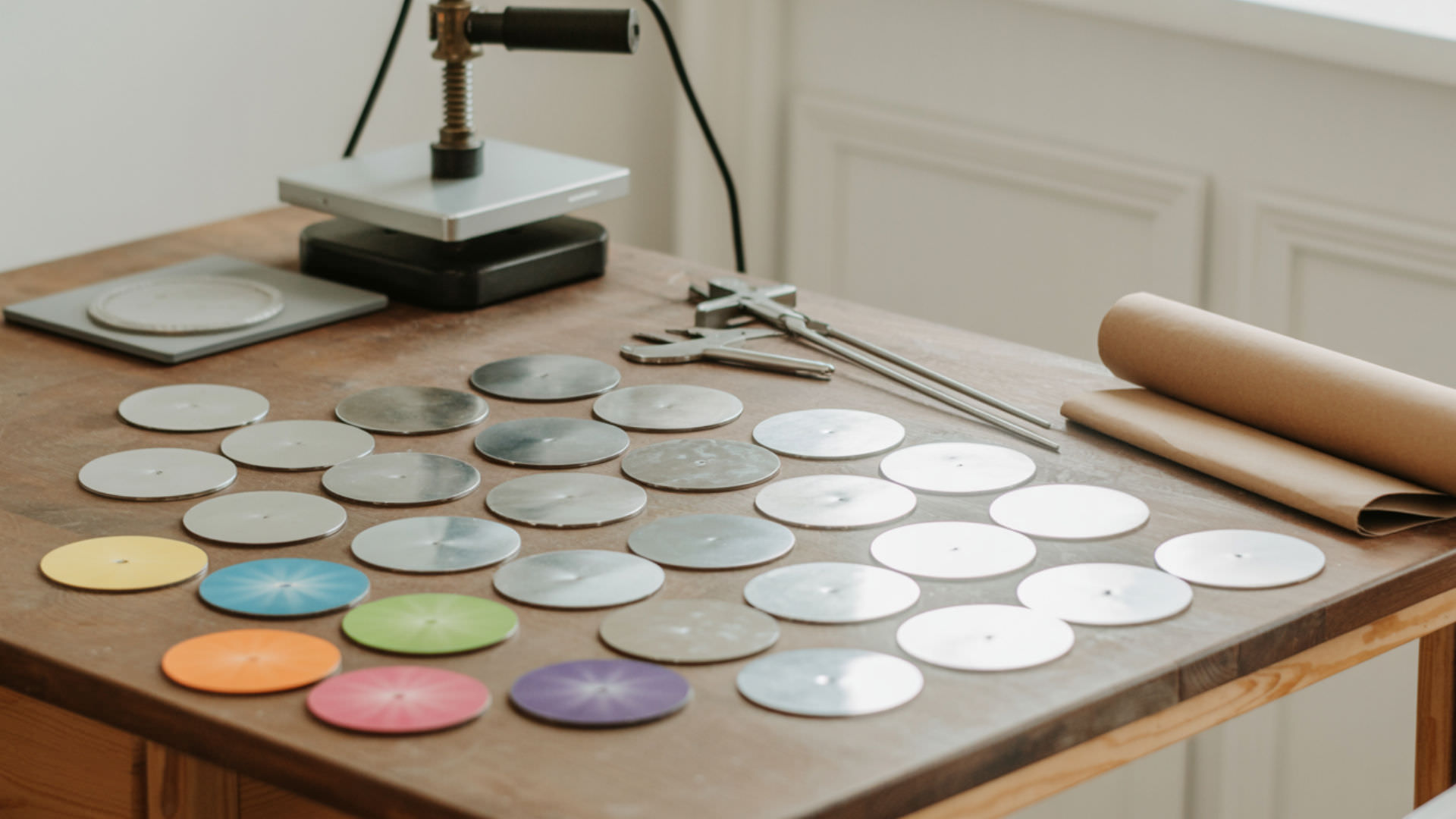
Custom license plates rank among the most popular sublimation gift items because aluminum substrates produce vibrant, weather-resistant designs suitable for outdoor display. Aluminum requires a polyester coating layer for sublimation—bare metal cannot bond with dye. The high thermal conductivity of aluminum allows quick, even heating across the entire plate surface. Coated aluminum plates designed for sublimation include UV-resistant polymer surfaces—our sublimation on license plates guide covers preparation and pressing techniques. Metals such as aluminum possess specific material properties that influence how they absorb and distribute heat across their surface.[2]
Legal Considerations and Decorative Uses
Sublimated aluminum license plates serve primarily decorative purposes—front plates on vehicles, garage displays, man cave décor, and novelty gifts. Many jurisdictions prohibit custom rear plates on roadways, limiting sublimated plates to front-only vehicle use or decorative display. The coating provides durable outdoor color that withstands UV exposure without the rapid fading that affects unprotected prints.
Aluminum Plate Preparation and Coating
The polymer coating on aluminum plates must be clean and free from fingerprints, dust, or oils that interfere with accurate dye transfer. Remove protective films before pressing and clean surfaces thoroughly with lint rollers. Heat ensures full dye penetration into the coating—press license plates at 380–385°F for 120 seconds with medium pressure, using Nomex pads beneath to prevent heat marks on the aluminum backing.
Popular Design Themes and Personalization
Sublimation allows fade-resistant outdoor designs that maintain color saturation through years of sun exposure when using UV-resistant coated blanks. The polymer coating maintains color saturation across fine details and photographic imagery that would blur with other printing methods. Popular themes include sports teams, car clubs, family names, memorial tributes, and business branding for company vehicles.
How Do You Make Sublimated Air Fresheners?
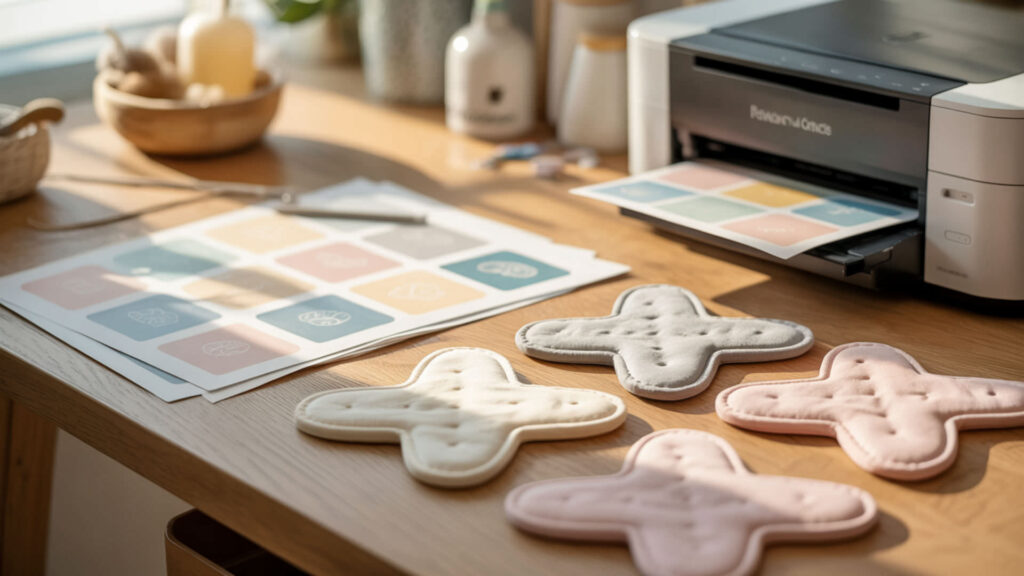
Sublimated air fresheners combine colorful personalized designs with functional scent delivery, making them popular gifts and profitable craft fair items. Felt substrates require polymer content or polyester blend composition for dye bonding—100% compressed polyester felt produces the sharpest results. Synthetic fibers improve color sharpness compared to natural materials, while coating adds uniform print areas on mixed-material blanks. Polyester felt air fresheners accept sublimation directly without additional coating—our sublimation air fresheners guide covers substrate options and scent integration.
Substrate Materials and Scent Integration
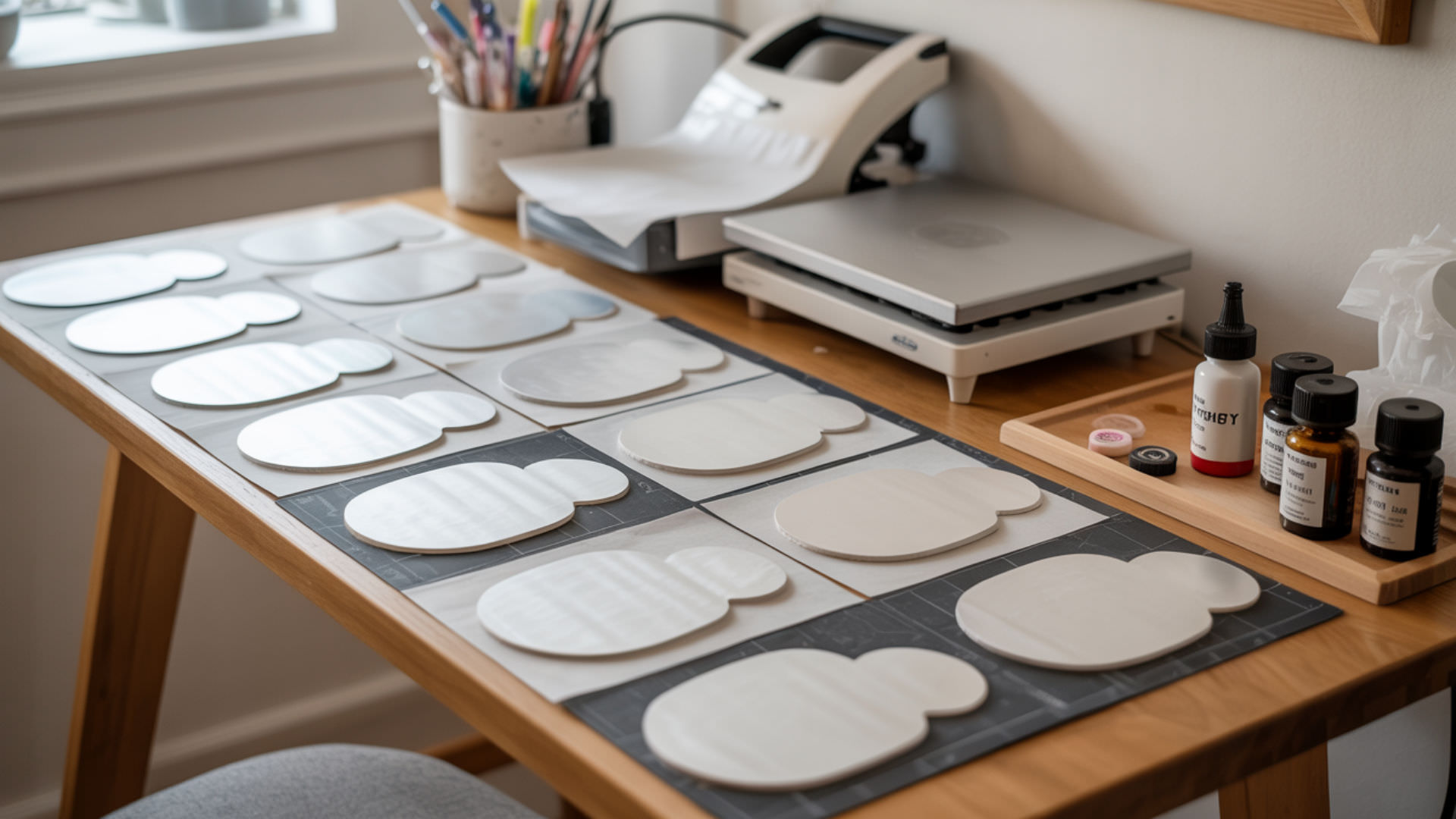
Felt materials hold scents through their porous fiber structure while the polymer content or applied coating provides the printable surface for sublimation. Always add fragrance after pressing—heat from sublimation (385–400°F) disrupts the chemical properties of scents, causing them to evaporate or alter. Allow pressed fresheners to cool and rest 24–72 hours before adding essential oils or fragrance oils to prevent bleeding into the design.
Double-Sided Design Techniques
Creating double-sided air fresheners requires coating on both surfaces or using 100% polyester felt that accepts dye throughout. Heat must transfer consistently front and back—press one side at 400°F for 60 seconds, allow cooling, then flip and repeat. For straight-sided shapes, wrap the transfer around the entire blank and press both sides simultaneously with protective paper to catch bleed-through.
Packaging and Presentation Ideas
Sublimation produces sharp, colorful designs ideal for gifting in clear poly bags that showcase the artwork while containing the fragrance. The polymer surface maintains durability inside sealed packaging without moisture damage or color transfer to the bag material. Include elastic cords or ribbons for hanging, small fragrance refill bottles, and care instructions for a complete gift package that commands premium pricing.
What’s Involved in Creating Wind Spinners?
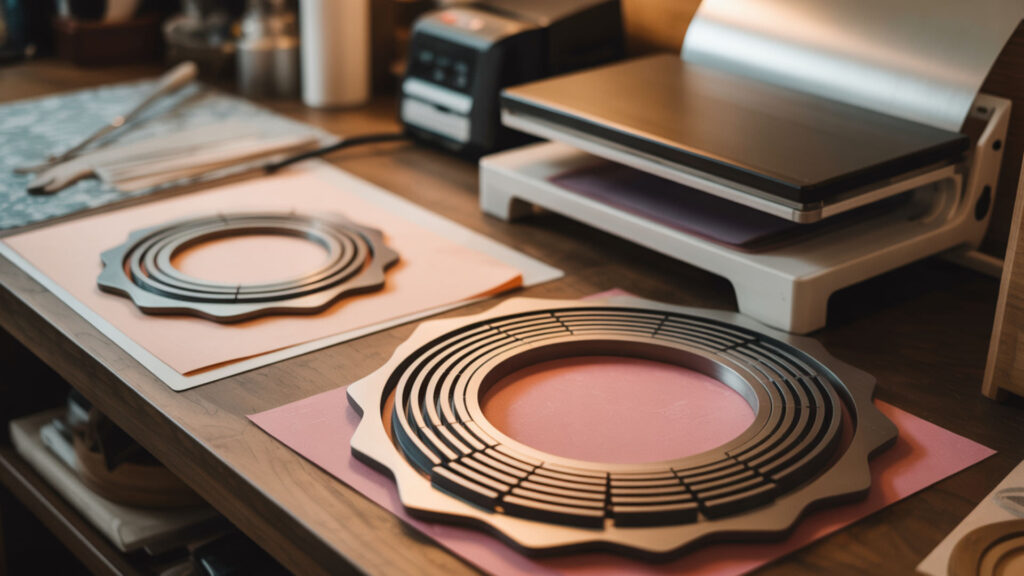
Wind spinners create mesmerizing outdoor displays where sublimated designs catch light and movement in garden settings. MDF (medium-density fiberboard) spinners require uniform polymer coating to prevent fiber absorption that causes uneven color and bleeding. The resin binder in MDF affects heat tolerance—some engineered wood products warp at high temperatures. Coated MDF provides smooth sublimation surfaces on engineered wood spinners—our sublimation wind spinners guide covers material selection and assembly.
Metal Types and Weather Resistance
Aluminum wind spinners offer superior weather resistance compared to MDF alternatives, withstanding rain, humidity, and temperature fluctuations without warping. The coating on metal spinners provides UV protection that prevents fading—quality outdoor blanks maintain color vibrancy through multiple seasons of sun exposure. Press aluminum spinners at 380–400°F for 60–80 seconds with medium pressure.
Design Considerations for Movement
Sublimation maintains vivid color even during constant outdoor movement where friction or flexing would damage surface-applied prints. The polymer coating ensures adhesion on curved or folded spinner shapes where the design wraps around bends. Choose designs with radial symmetry or patterns that create optical effects when spinning—geometric shapes, mandalas, and gradient color schemes produce particularly striking motion effects.
Assembly and Hardware Requirements
Aluminum spinner blanks must remain undamaged after sublimation for proper hardware attachment—handle hot metal carefully to avoid dents or bends. The polymer coating adds surface durability that resists scratches during assembly and hanging. Use stainless steel swivels and ball-bearing hardware rated for outdoor use to ensure smooth rotation through seasons of wind exposure.
What Are the Best Settings for Sublimating Wallets?
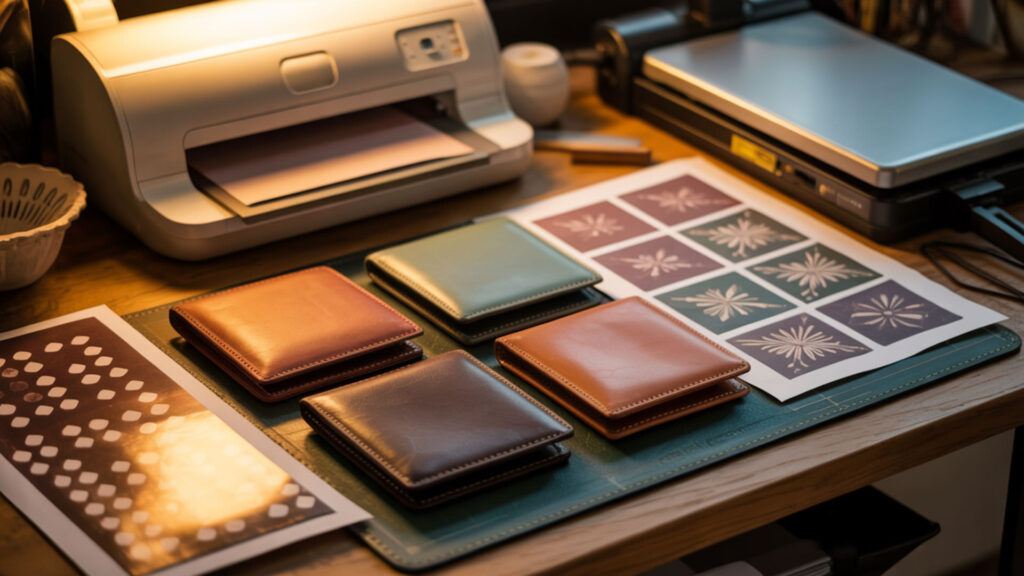
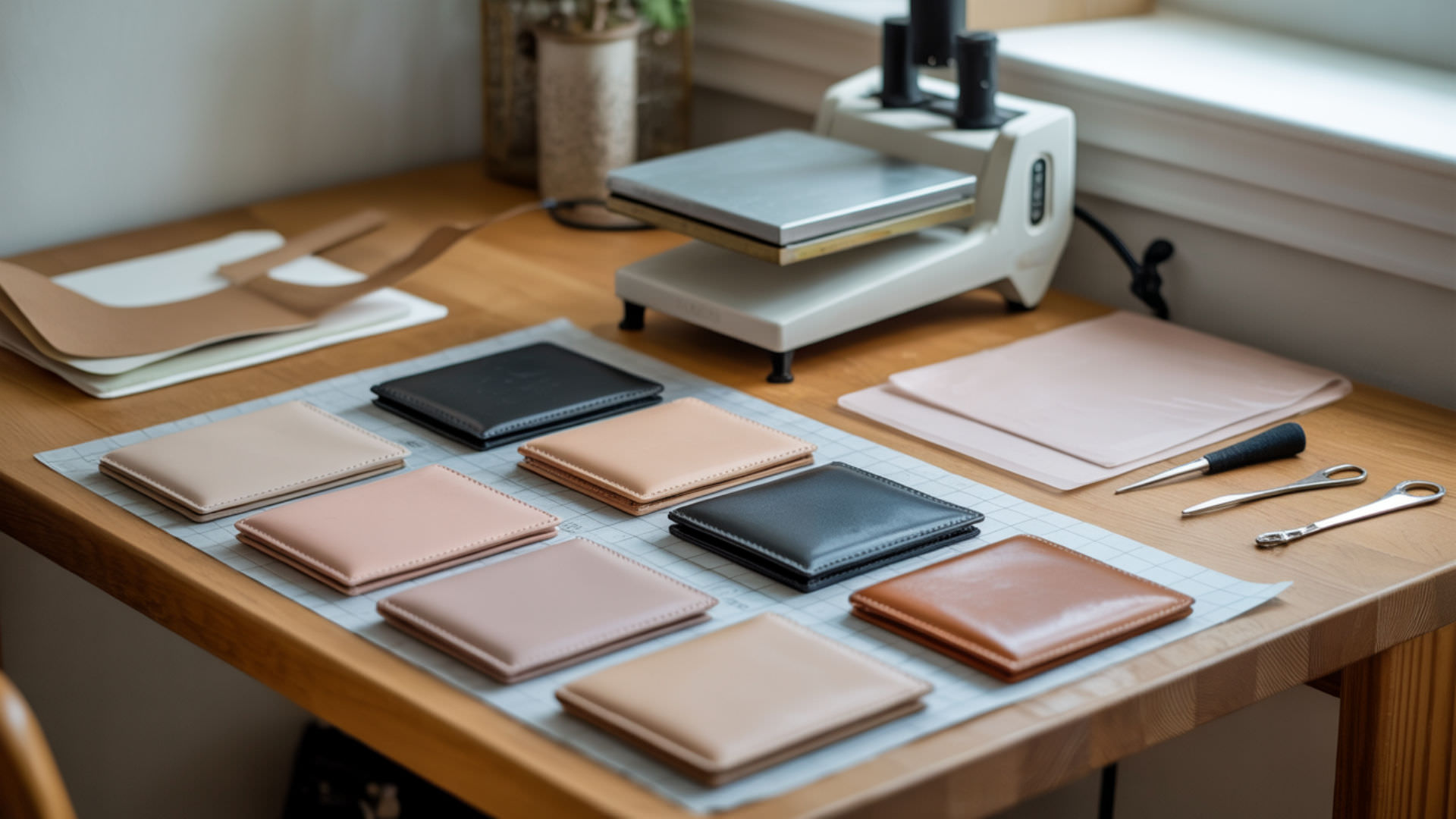
Sublimated wallets require careful heat management because the synthetic leather materials used in most blanks are heat-sensitive. Polyurethane (PU) and thermoplastic polyurethane (TPU) soften and deform under excessive temperature or extended pressing. The polymer coating on wallet surfaces enables dye bonding while the base material remains vulnerable to heat damage. Heat-sensitive polyurethane wallet materials require precise temperature control—our sublimation wallet time and temp guide covers settings for different wallet constructions.
Material Compatibility and Heat Distribution
PU materials soften under excess heat, causing permanent deformation, warping, or surface damage that ruins the wallet. Heat must be carefully distributed around wallet seams and edges where multiple material layers create uneven thickness. Press wallet blanks at approximately 400°F for 50 seconds with light to medium pressure—pre-heat blanks for 10 seconds to remove moisture before applying the transfer.
Working with Folds and Seams
TPU materials offer flexibility but remain prone to heat deformation around fold lines and seam areas where the press applies concentrated pressure. The coating ensures uniform dye transfer around seam areas where surface irregularities might otherwise cause gaps or light spots. Use butcher paper inside wallet folds to prevent interior surfaces from bonding together during pressing.
Interior vs Exterior Decoration
Only polymer-coated sections of wallet blanks accept sublimation decoration—uncoated areas will not bond with dye regardless of heat application. Sublimation produces permanent images on coated PU surfaces that resist scratching, fading, and wear from daily use. Most wallet blanks offer exterior decoration only, though some premium blanks include interior coating for card pocket personalization.
How Do You Apply Sublimation to Car Decals?
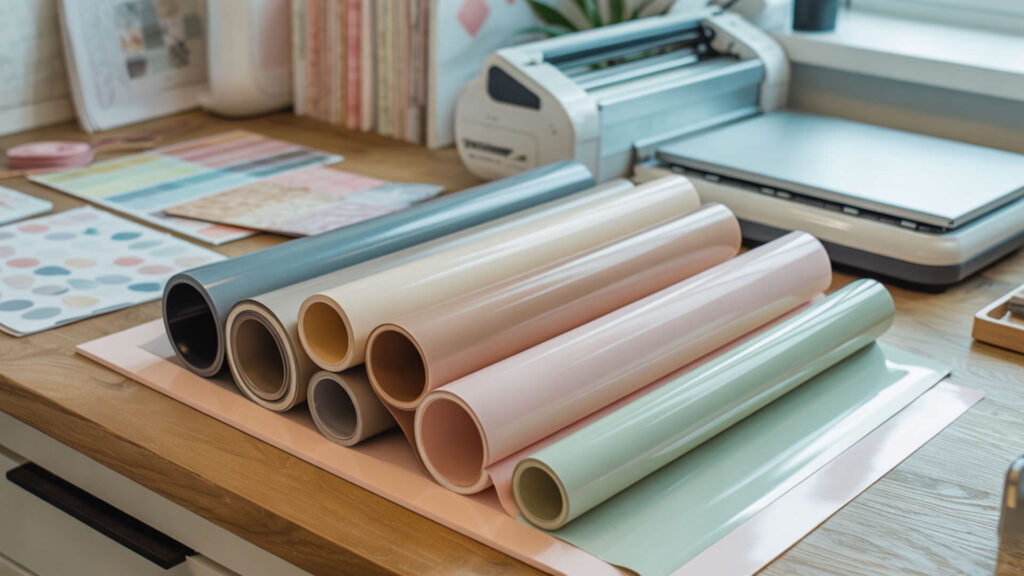
Sublimated car decals combine photographic-quality imagery with weather-resistant durability for long-term vehicle display. Vinyl substrates require polymer coating to accept sublimation dye—standard vinyl without coating rejects the gas-phase ink entirely. Pressure-sensitive adhesive (PSA) bonds decals to vehicle surfaces, while adhesion quality determines outdoor longevity. Coated vinyl enables sublimation printing on vehicle decals—our sublimation car decals guide covers vinyl alternatives and application methods.
Vinyl Alternatives for Vehicle Use
Adhesion quality determines how well decals stick to vehicle paint, glass, and plastic trim without peeling or lifting at edges. The polymer coating enables sublimation on alternative substrates like printable magnetic sheets for removable vehicle graphics. Some crafters use sublimation-printed fabric with adhesive backing as an alternative to vinyl for custom vehicle emblems and decorative elements.
Durability and Weather Resistance
UV degradation causes color fading on exposed vehicle surfaces—polymer coating with UV inhibitors dramatically improves resistance to sun damage. The polymer layer is essential for long-term outdoor performance, protecting embedded dye from moisture, temperature cycling, and environmental contaminants. Quality sublimation decals on properly coated substrates maintain color for 3–5 years of outdoor vehicle exposure.
Application Methods and Longevity
Adhesion determines decal bonding strength to vehicle surfaces—clean, dry application areas with high surface energy promote stronger PSA bonds. Surface energy affects how pressure-sensitive adhesive performs on different materials—paint, glass, and plastic each require appropriate adhesive formulations. Apply decals to room-temperature vehicles, pressing firmly from center outward to eliminate air bubbles that weaken adhesion.
What Makes Bookmarks Great Sublimation Projects?
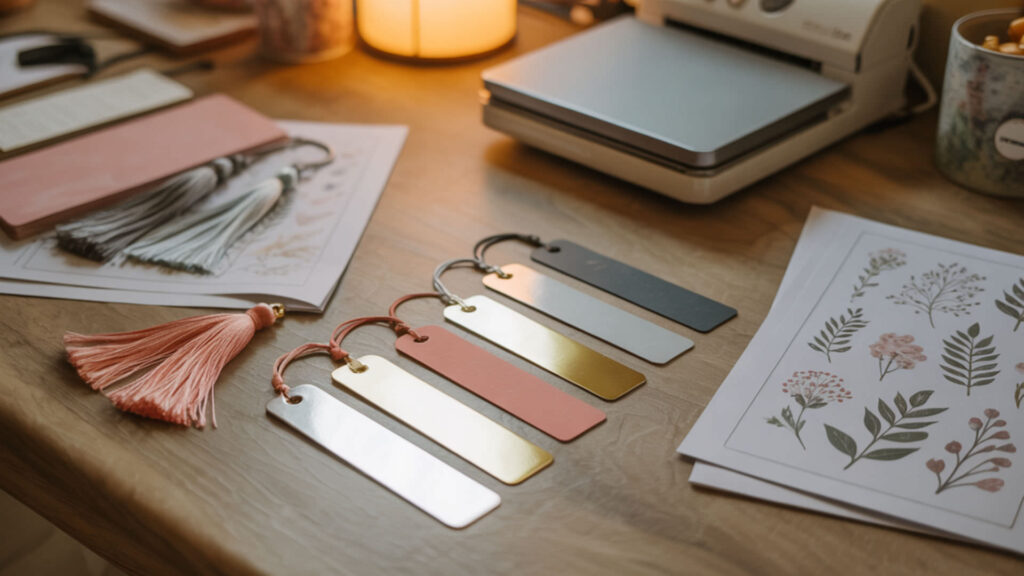
Bookmarks offer accessible entry-level sublimation projects with minimal material costs and simple flat pressing requirements. Paper bookmarks must be coated with polymer for sublimation compatibility—standard paper absorbs dye unevenly without the coating barrier. MDF provides rigid bookmark substrates with excellent coating adhesion for durable, professional results. Quality polymer coating enables sharp prints on various bookmark materials—our sublimation on bookmarks guide covers material options and finishing techniques.
Material Options from Paper to Metal
Coated paper provides lightweight, economical bookmarks ideal for bulk gift production or event favors at minimal cost per piece. Aluminum bookmarks offer premium durability with metallic finishes that elevate perceived value—press at 340°F for 50 seconds with light pressure. Metal bookmarks withstand years of use without bending, tearing, or color fading that affects paper alternatives.
Adding Tassels and Finishing Touches
Sublimation provides the vivid base design foundation that tassels, ribbons, and beaded accents elevate into complete gift-worthy products. The polymer surface maintains sharp print quality through the hole-punching and hardware attachment process. Coordinate tassel colors with design elements for cohesive presentation—silk or satin tassels in coordinating colors add perceived value that supports premium pricing.
Design Ideas for Different Audiences
Quality coating ensures vibrant colors that appeal across demographics from children’s character designs to sophisticated literary themes for adult readers. Sublimation allows limitless customization—personalized name bookmarks, book club designs, author promotional items, and educational themes for teachers and students. Create design collections targeting specific markets: romance readers, mystery fans, children’s literature, religious texts, and academic study materials.
Which Sublimation Projects Make the Best Gifts?
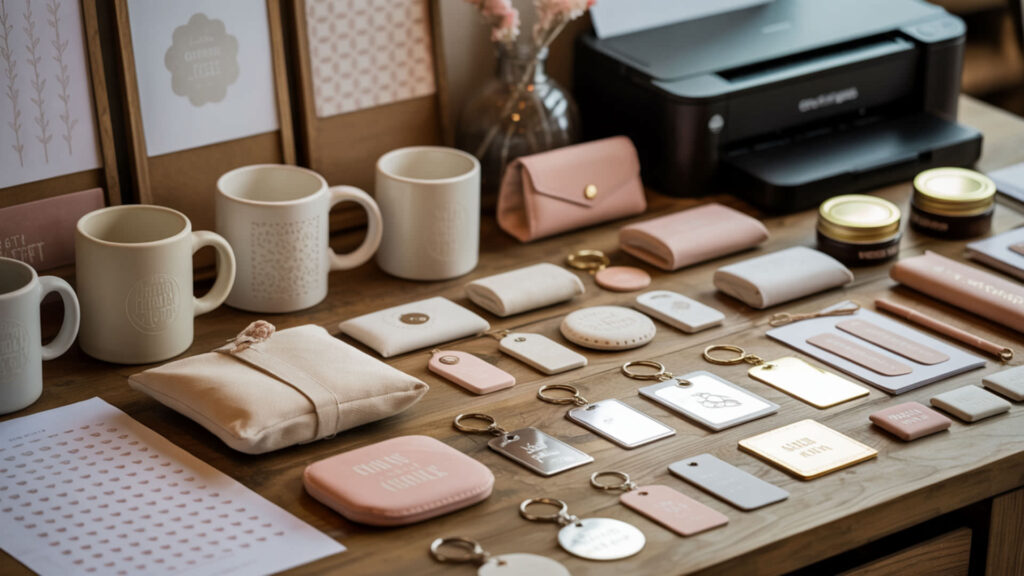
The most successful sublimation gifts combine personalization with practical function—items recipients will actually use rather than store away. Polymer coatings form the foundation for durable printed gifts across all substrates, from fabric to metal to glass. Sublimation allows personalization that increases perceived gift value far beyond the actual material and production costs. Personalized sublimation gifts command premium prices when properly marketed—our best sublimation gifts guide ranks the most profitable and popular gift categories.
Personalization That Adds Value
Names, dates, photos, and custom messages transform generic blanks into one-of-a-kind gifts that recipients treasure. The polymer coating quality affects how sharply personalized details render—high-quality coatings reproduce fine text and photographic detail clearly. Price personalized sublimation gifts 30–50% higher than generic designs to reflect the additional value customers perceive in custom items.
Seasonal Gift Collections
Creating seasonal collections allows batch production efficiencies while meeting cyclical demand for holiday, graduation, and wedding season gifts. The sublimation process maintains consistency across large production runs when temperature and timing remain constant. Build inventory of popular seasonal designs before peak demand periods—sublimated items store indefinitely without quality degradation when kept dry and away from UV light.
Price Points for Different Markets
Entry-level gifts like air fresheners and bookmarks sell at $5–15, while premium items like glass candle sets and license plates command $25–50+. The polymer coating investment—whether purchasing pre-coated blanks or applying coatings—factors into pricing calculations. Consider your target market’s price sensitivity: craft fair customers expect bargains while custom order clients accept premium pricing for personalized work.
Final Thoughts
Sublimation enables permanent, colorful gift creation across substrates ranging from felt air fresheners to aluminum wind spinners. The polymer coating defines compatibility for all gift types—understanding which materials require coating versus those with inherent polyester content helps you select appropriate blanks. Start with simple flat items like bookmarks and air fresheners before progressing to curved surfaces like candle jars and tumblers that require more advanced wrapping and pressing techniques.
Frequently Asked Questions
What’s the most profitable sublimation gift item to make and sell?
Personalized tumblers and mugs consistently rank as most profitable due to high perceived value, year-round demand, and relatively quick production times. The polymer coating on quality drinkware produces vibrant, durable prints that justify $20–40 retail pricing while material costs remain under $5. Air fresheners offer excellent margins on lower price points—$1–2 material cost supports $8–15 retail pricing at craft fairs.
How far in advance can I make sublimated gifts before they’re needed?
Sublimation creates permanent designs that never fade during storage, allowing gifts to be made months or even years before use. The polymer surface protects embedded dye from degradation when items are stored in dry conditions away from direct UV light. Air fresheners are the exception—add scents only when ready for gifting, as fragrances dissipate within weeks even in sealed packaging.
Which sublimation gifts work best for craft fairs and markets?
Air fresheners, bookmarks, and ornaments sell well at craft fairs due to impulse-friendly price points under $15 and easy display. License plates and wind spinners attract attention as display pieces that draw customers to your booth. Polymer-coated items photograph well for social media promotion, helping build customer bases beyond individual market appearances.
Can I create gift sets combining multiple sublimated items?
Coordinated gift sets combining complementary items—like matching candle jars and air fresheners or tumblers with coasters—command higher prices than individual pieces totaled separately. The sublimation process allows exact color matching across different substrates when using consistent ink and color profiles. Package sets in gift boxes or baskets with tissue paper and ribbon to elevate presentation and justify premium pricing.
What packaging makes sublimation gifts look more professional?
Clear poly bags showcase sublimation artwork while protecting items during handling and storage—add logo stickers and care instruction cards for branded presentation. The polymer surface resists damage from packaging materials, though avoid rubber bands that can leave marks on some coatings. Gift boxes with custom tissue paper, ribbon closures, and branded thank-you cards transform craft items into boutique-quality gifts that support premium pricing.
References
- Principles of heating and cooling. (n.d.). Energy.gov. https://www.energy.gov/energysaver/principles-heating-and-cooling
- What are critical minerals and materials? (n.d.). netl.doe.gov. https://www.netl.doe.gov/resource-sustainability/critical-minerals-and-materials/what-are-critical-minerals-materials