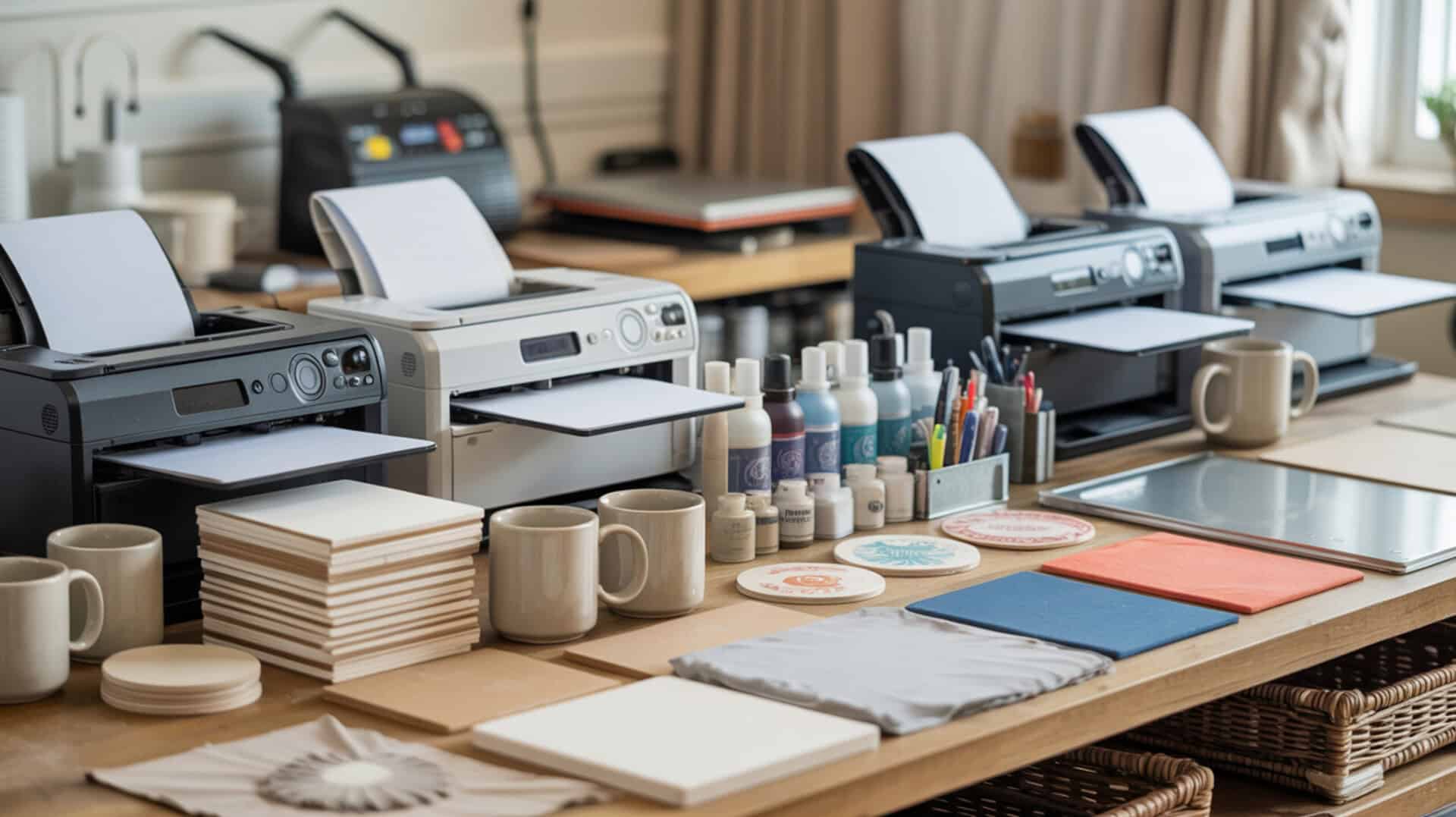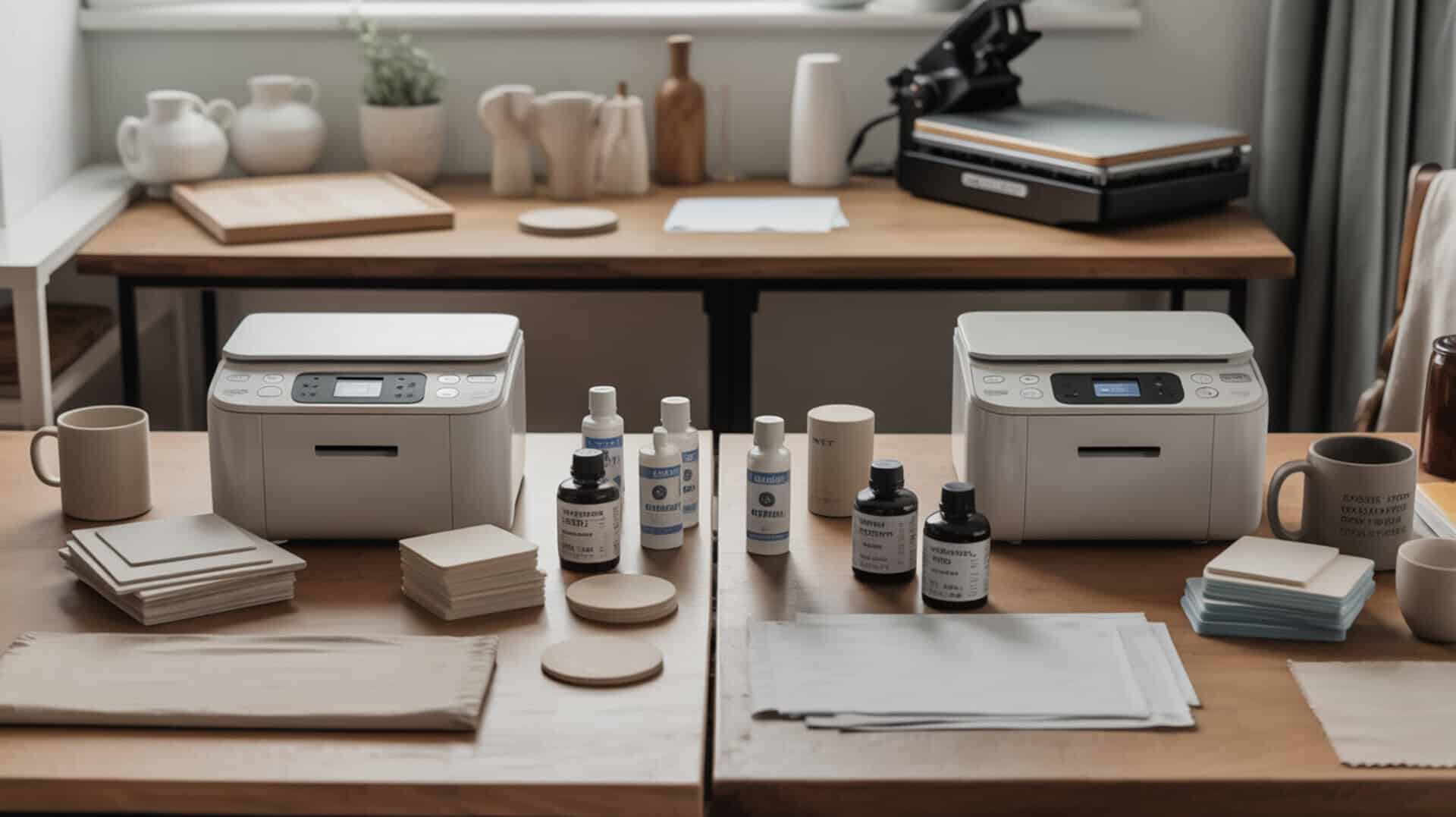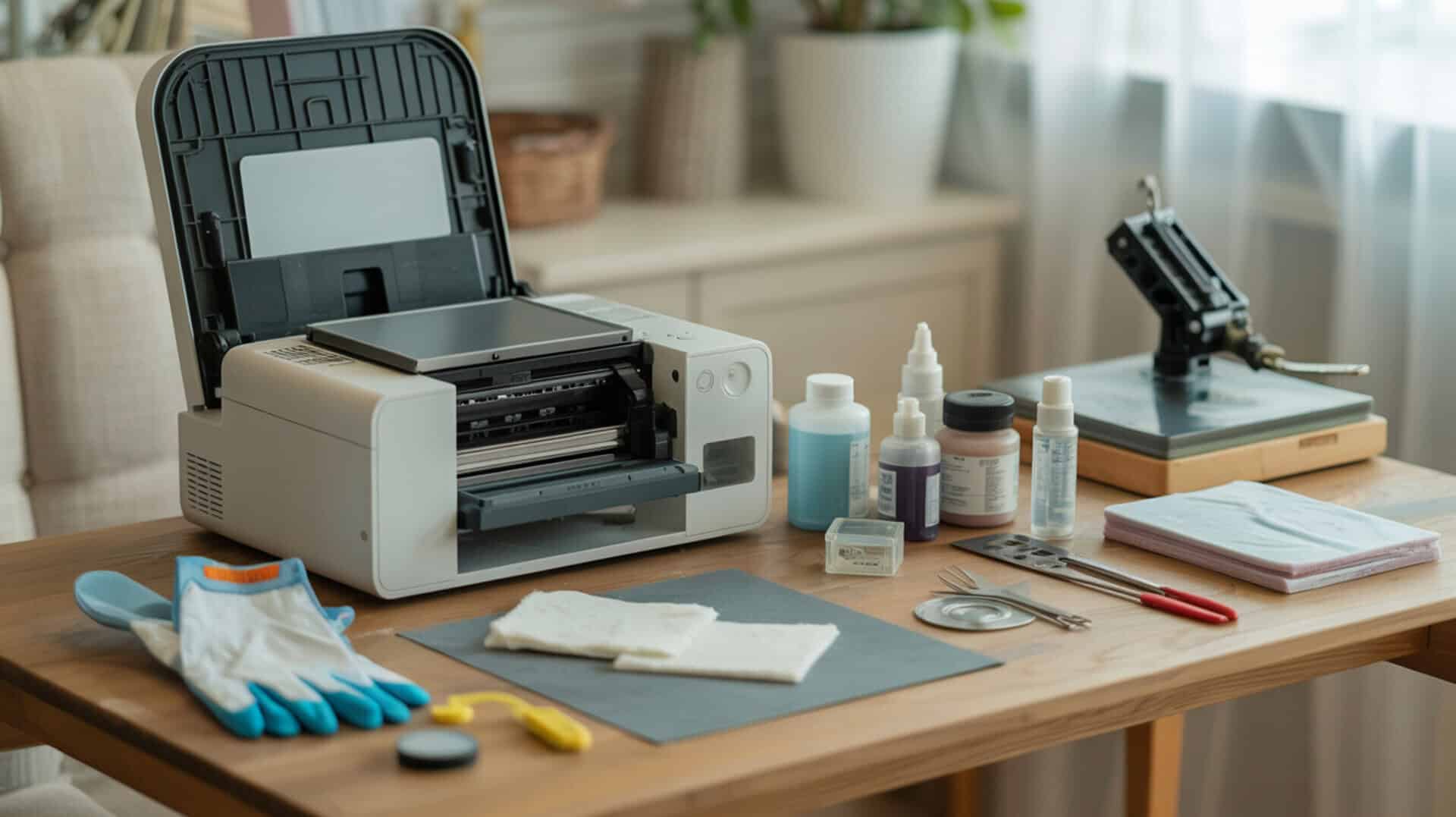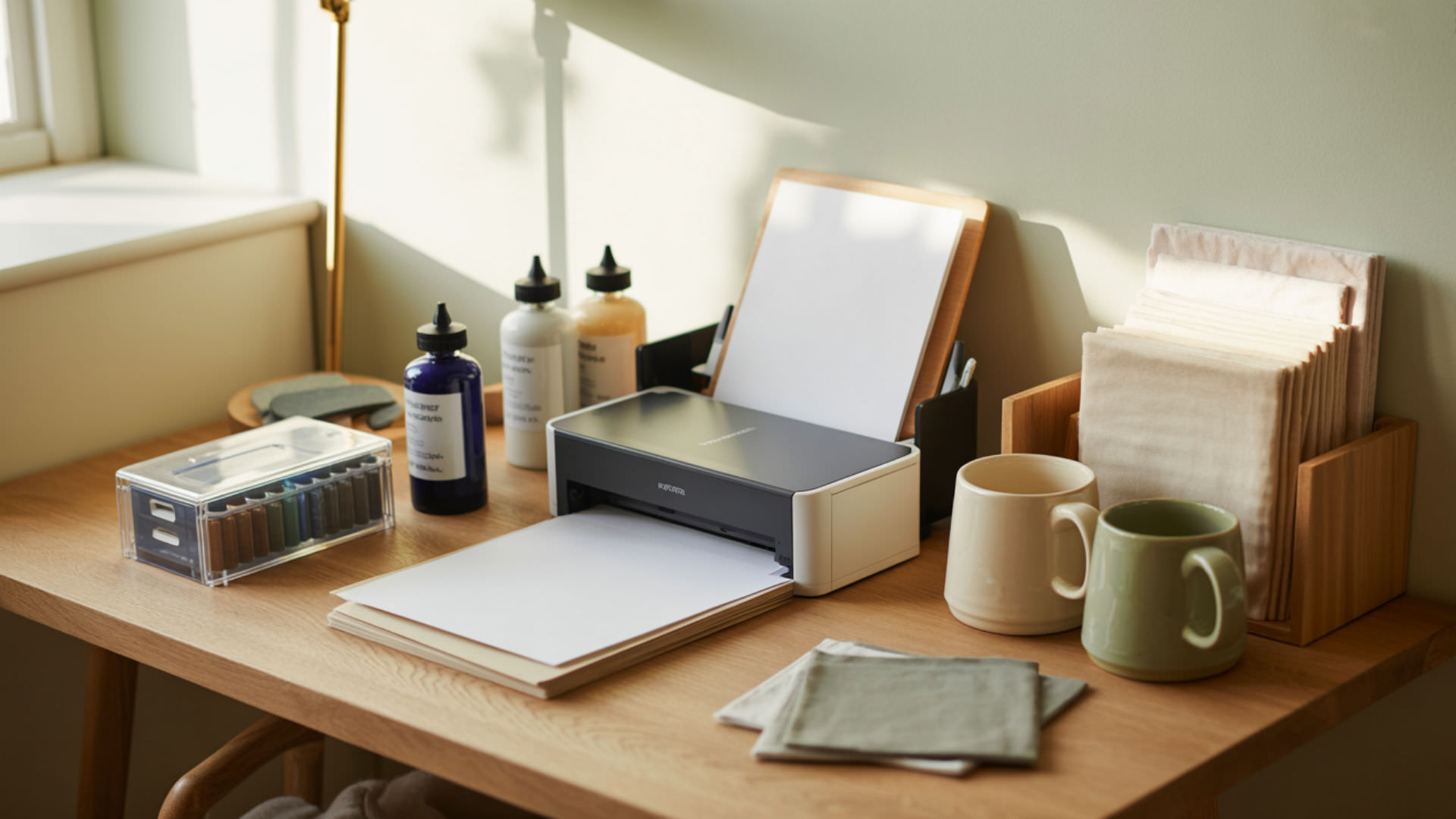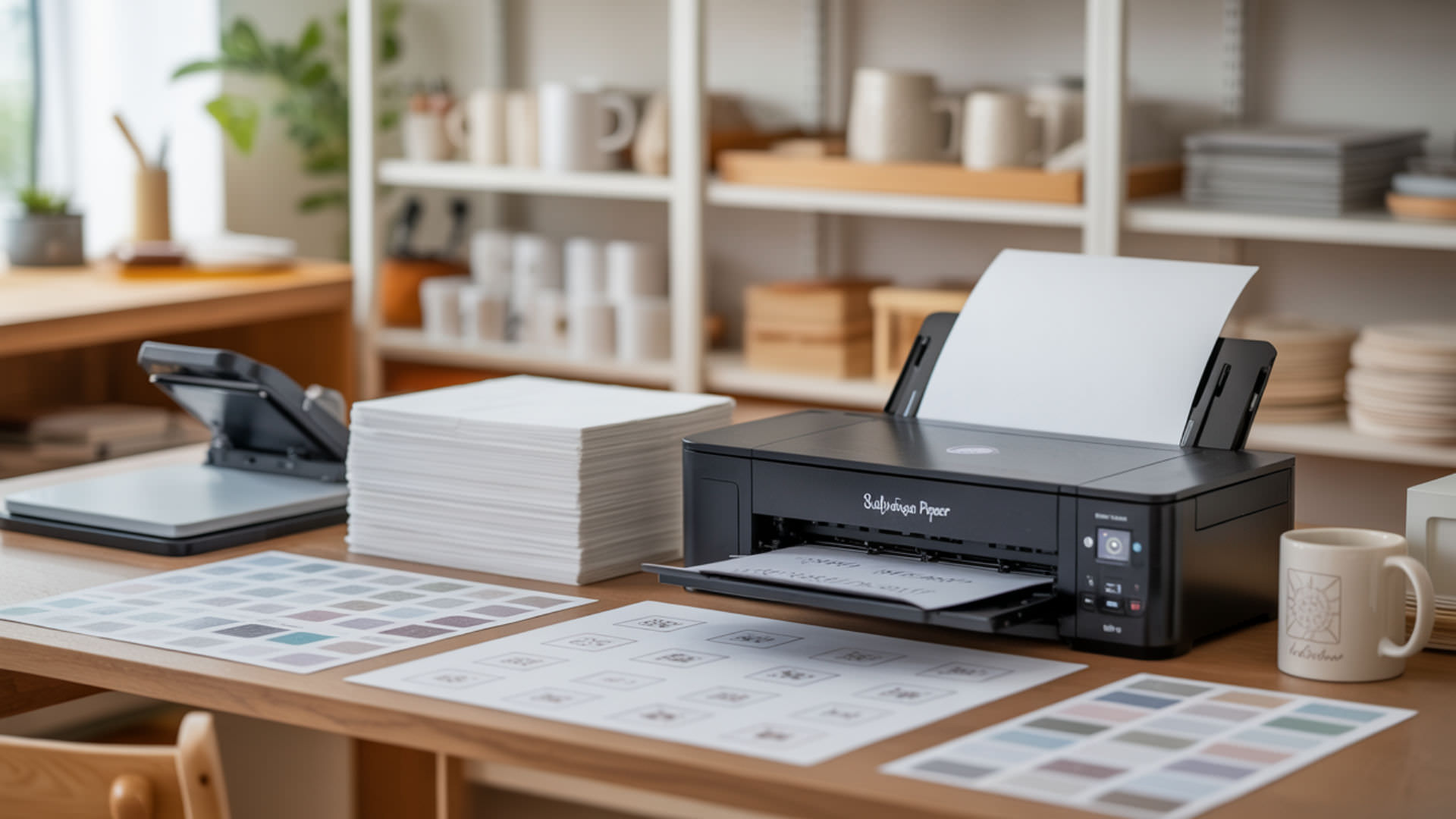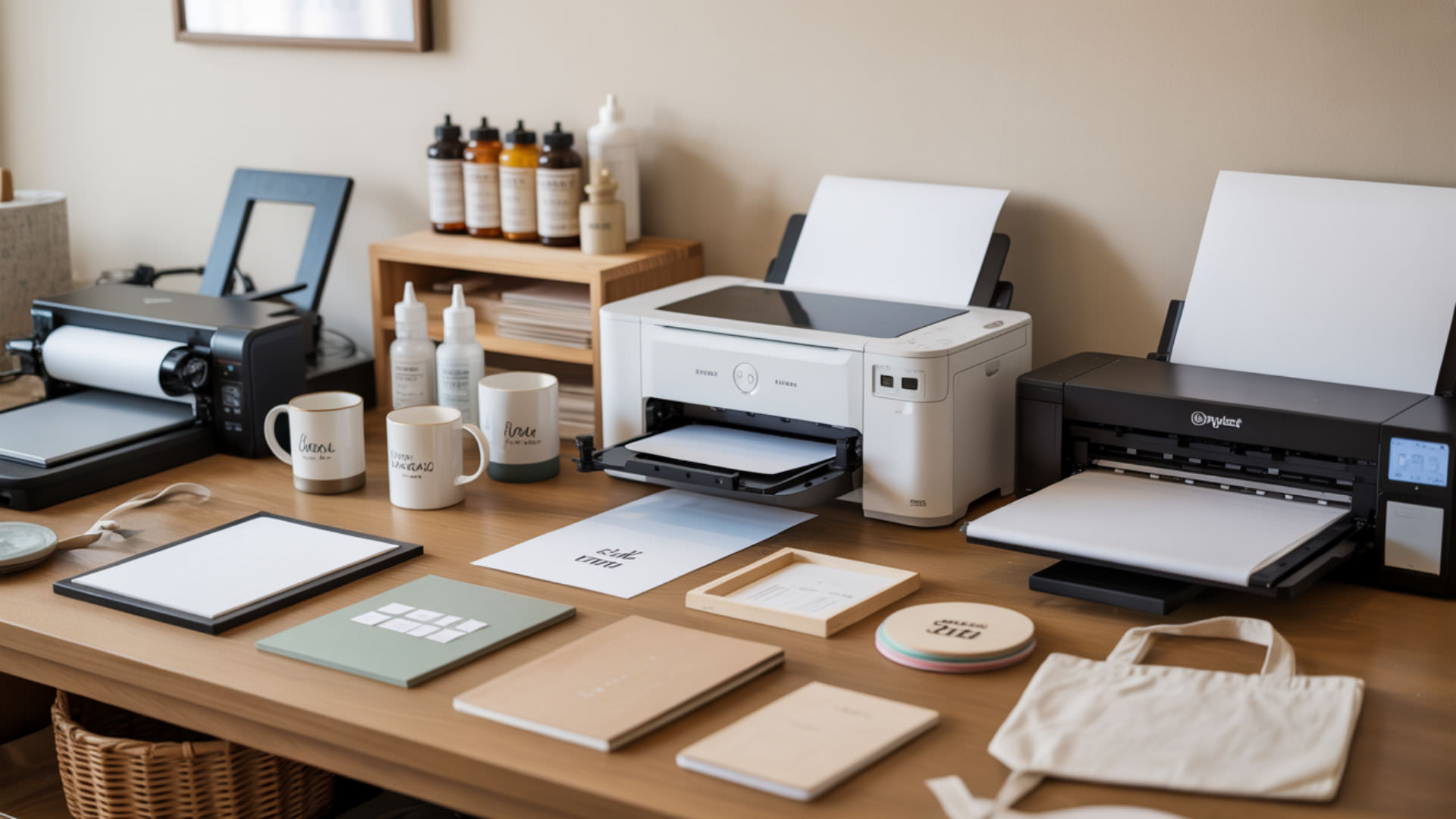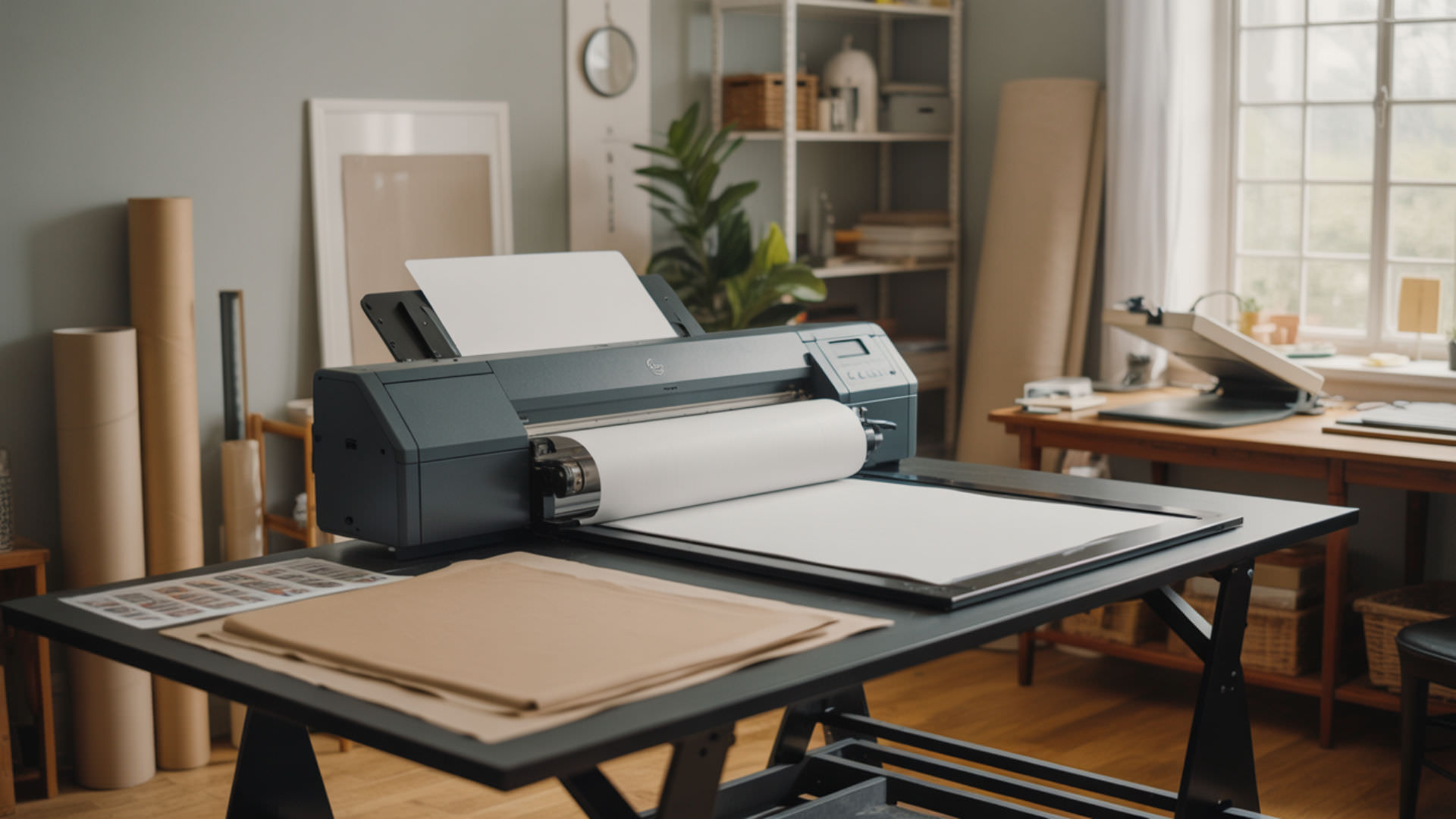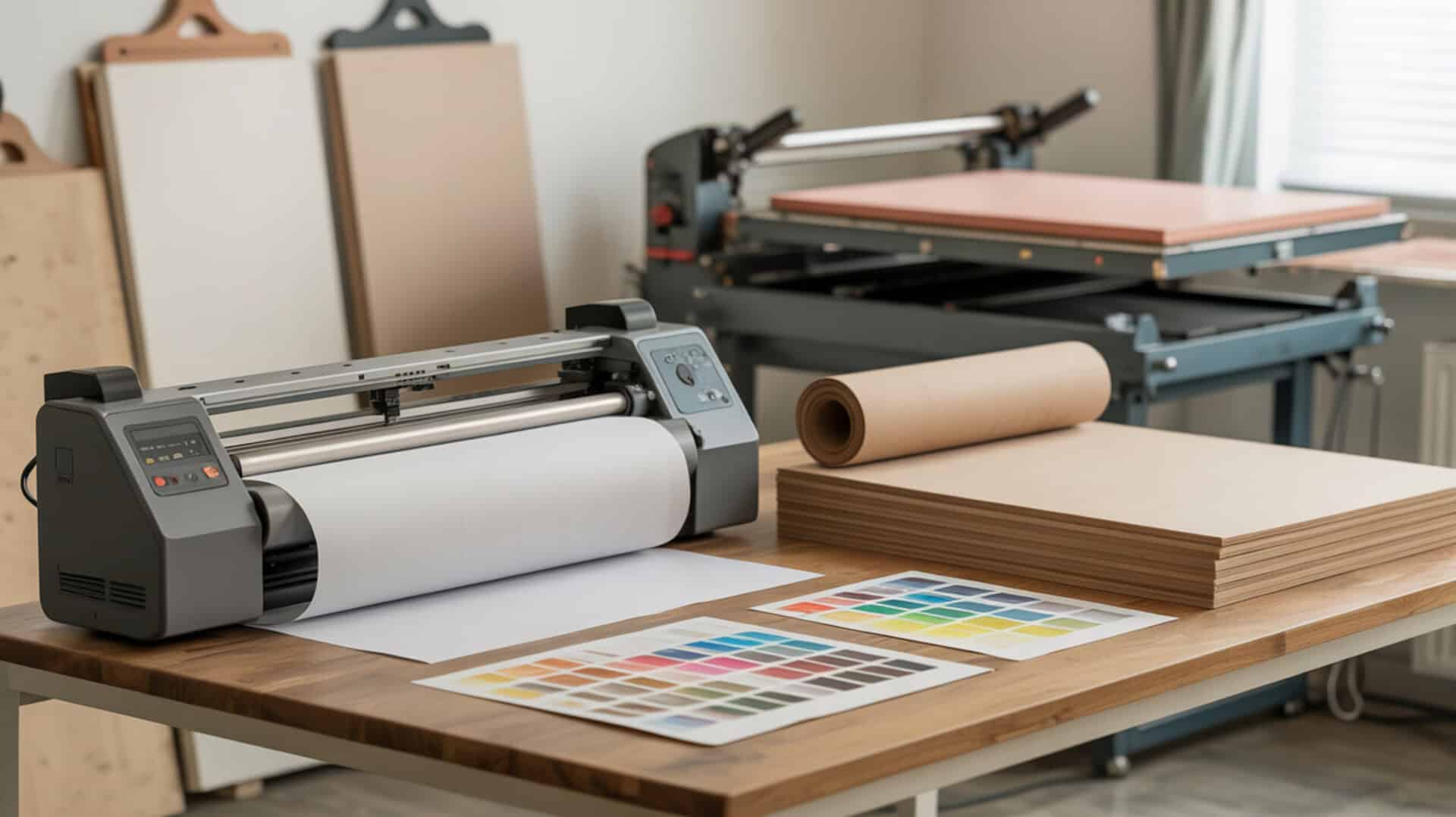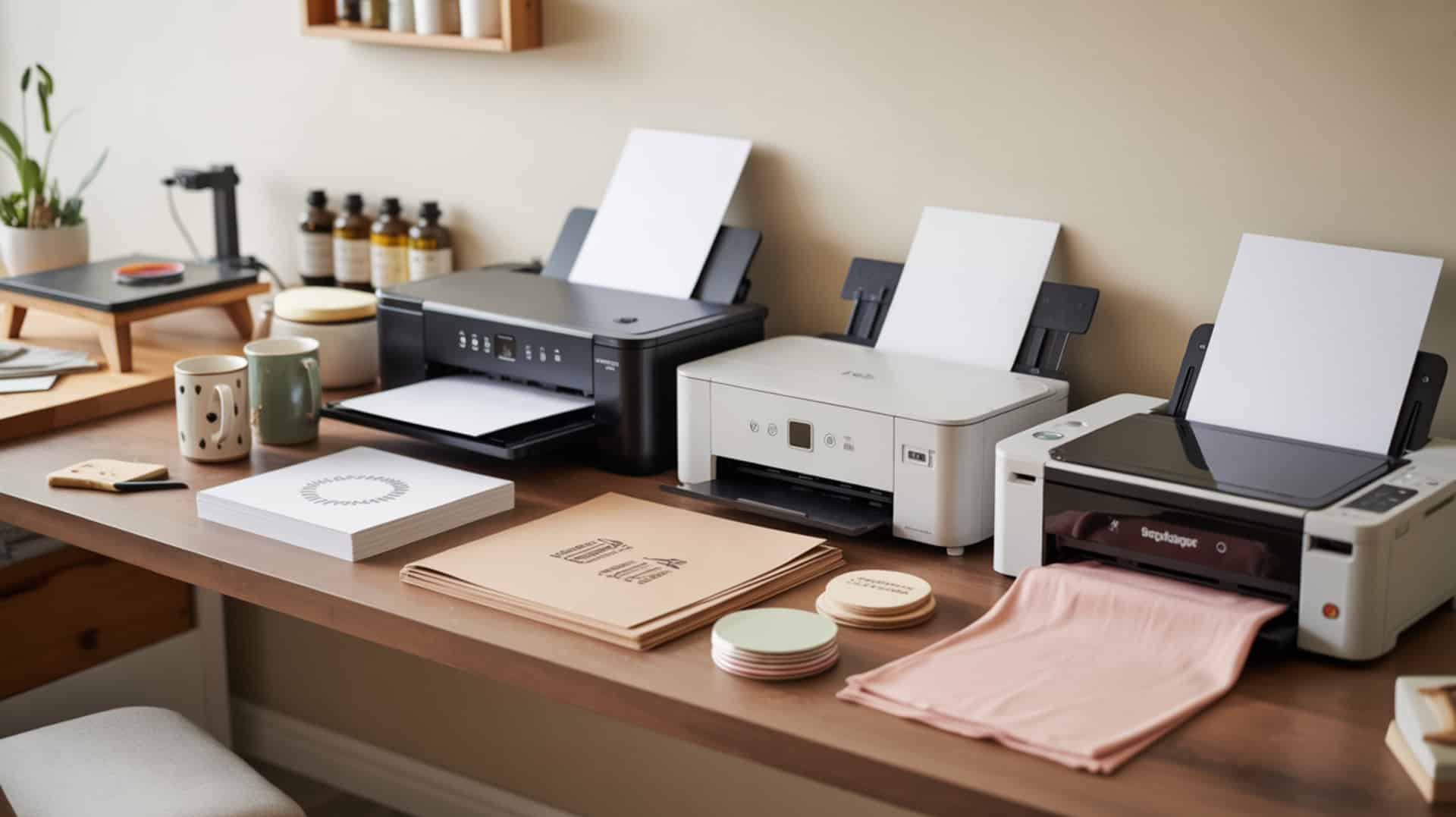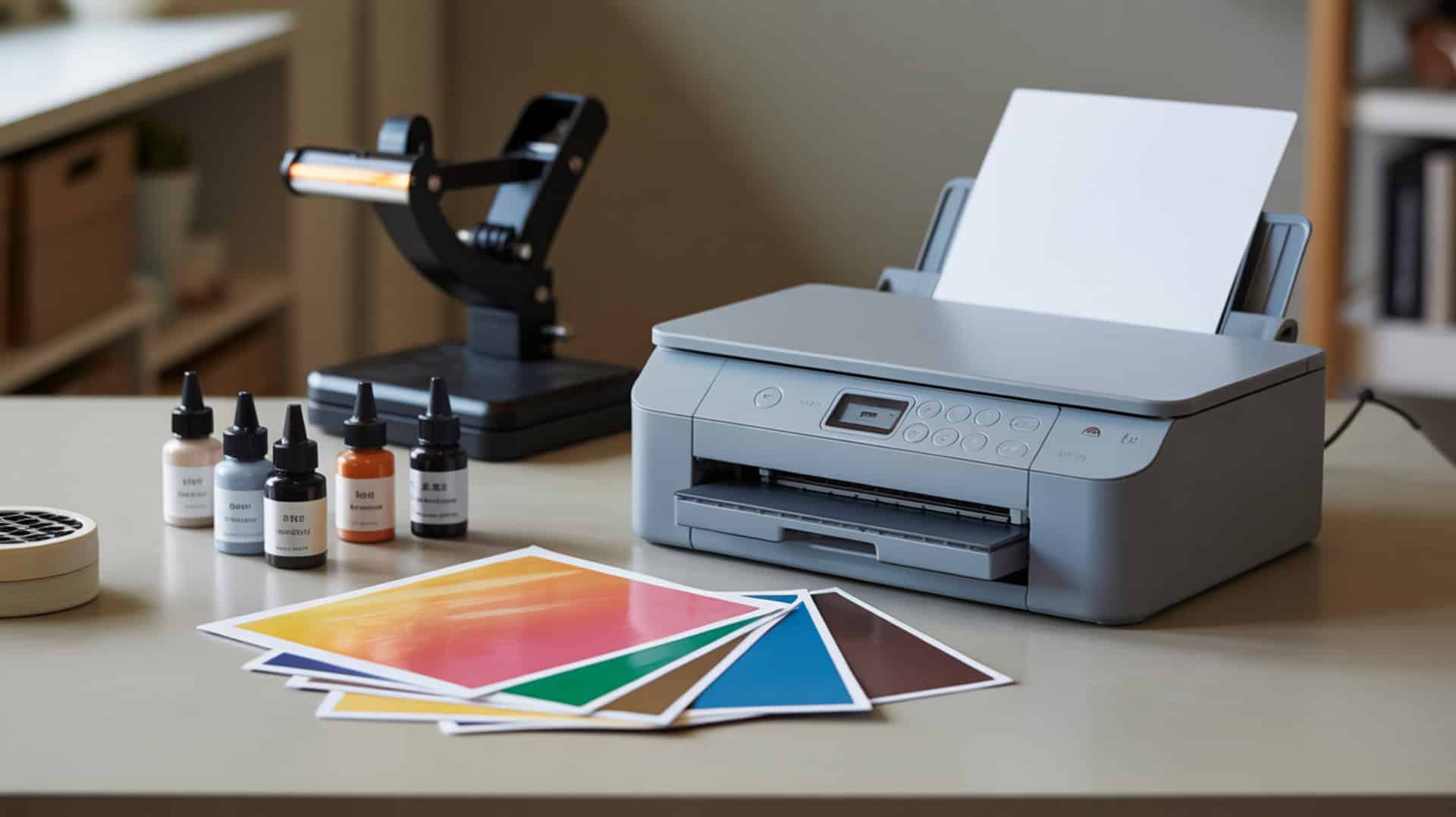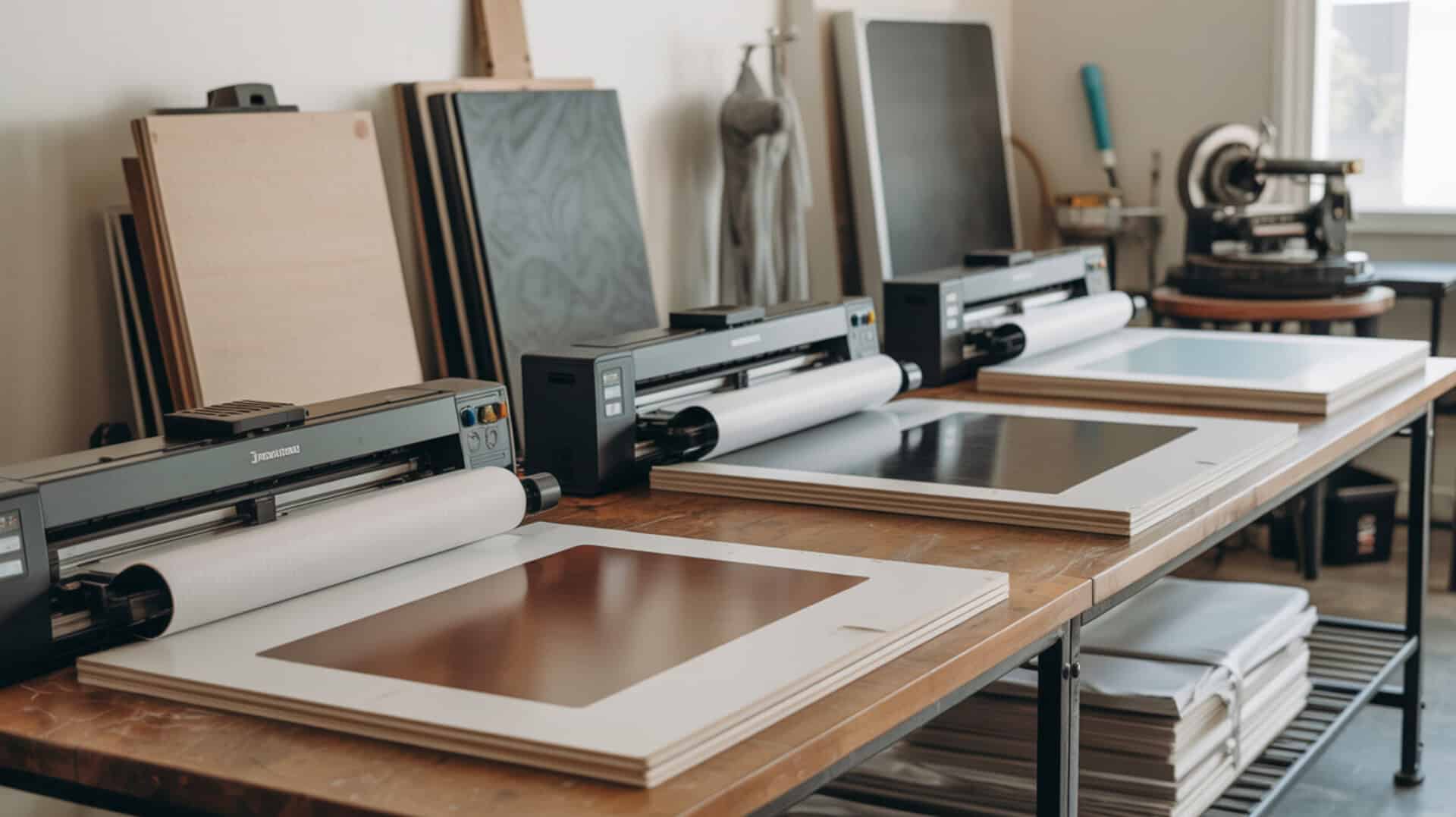

Sublimation ink and regular ink differ fundamentally in chemistry and transfer mechanism. Sublimation ink contains disperse dyes that vaporize under heat and bond permanently with polyester substrates at a molecular level. Regular ink uses pigments or dyes that sit on paper surfaces or absorb into coatings—they cannot diffuse into materials the way sublimation dyes penetrate polymer fibers. Understanding disperse dye chemistry clarifies why these inks serve completely different purposes, which our sublimation ink guide explains comprehensively. In scientific terms, sublimation describes a direct transition from solid to gas when sufficient heat is applied. [1]
Key Takeaways
- Sublimation dyes require heat activation at 180–205°C to vaporize and bond; regular dye inks dry through evaporation without heat processing.
- Pigments in regular ink remain on surfaces using binder adhesion; sublimation dyes diffuse into polyester polymer chains permanently.
- Sublimation produces wash-proof, fade-resistant transfers; regular ink prints can smudge, fade, or wash away over time.
Is Sublimation Ink Actually Different from Regular Printer Ink?
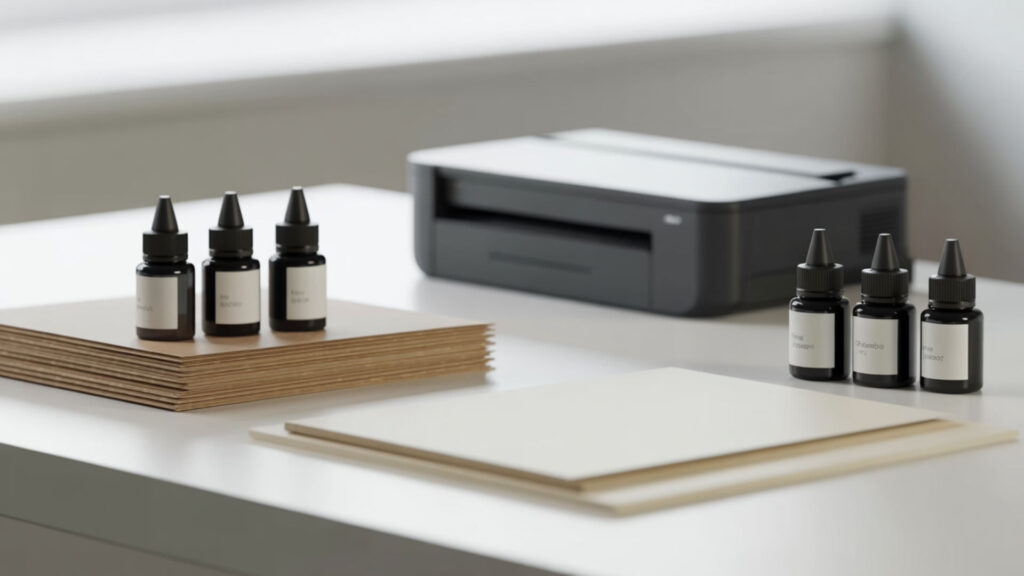
Sublimation ink differs completely from regular printer ink in colorant type and transfer mechanism. Disperse dyes in sublimation ink penetrate polyester through heat-activated diffusion—a process impossible for regular inks. Pigment-based regular inks rely on binders to adhere colorant particles to surfaces; dye-based regular inks absorb into paper fibers but cannot vaporize for transfer. Because solvent chemistry affects ink behavior and substrate compatibility, our eco-solvent vs sublimation comparison explores carrier fluid differences between ink systems.
What Is the Difference Between Sublimation Ink and Regular Ink?
Sublimation ink uses disperse dyes suspended in water-based carriers that vaporize under heat to bond with polyester at a molecular level—no binder required. Regular pigment inks need binders to adhere colorant particles to surfaces because pigments cannot penetrate substrates independently. Regular dye inks absorb into paper fibers but lack the heat-response chemistry needed for sublimation transfer. The inks are chemically incompatible and serve fundamentally different printing purposes.
How Does Sublimation Ink Work Compared to Regular Ink Behavior?
Sublimation ink prints onto sublimation paper, then heat at 180–205°C triggers diffusion—dyes vaporize and penetrate polyester fibers permanently. Regular ink dries through absorption into paper fibers or evaporation of liquid carriers, creating surface-level prints without material penetration. Heat does not activate regular ink for transfer; it simply sits where deposited. This fundamental difference makes sublimation prints permanent while regular prints remain vulnerable to moisture and wear.
Can Regular Ink Ever Be Used in Sublimation Printing?
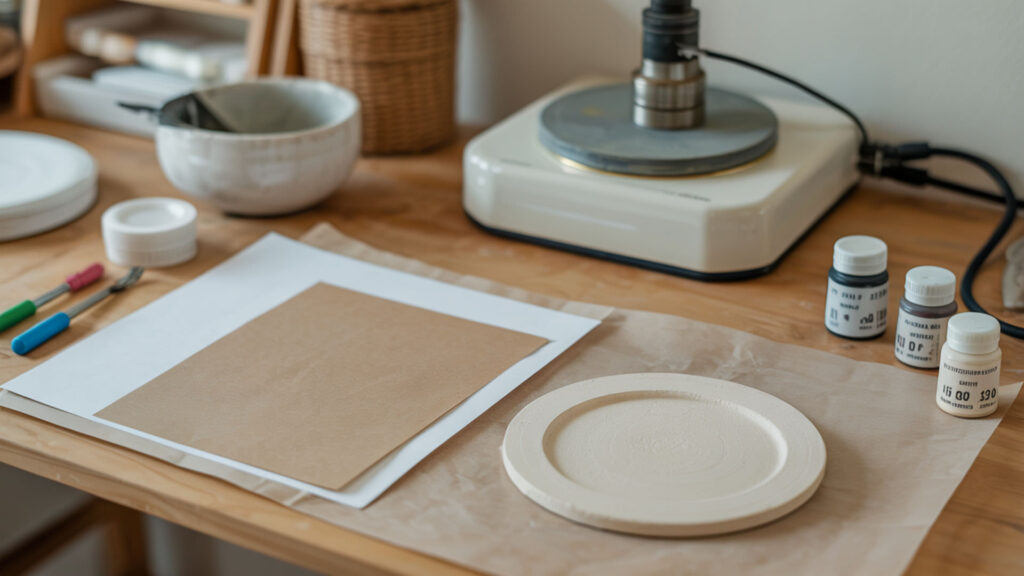
Regular ink cannot perform sublimation printing because it lacks the heat activation chemistry required for diffusion into polyester substrates. Applying heat to regular ink does not cause vaporization or material bonding—the ink simply smears, scorches, or produces faded, incomplete transfers. Polyester requires disperse dyes that penetrate polymer chains; regular pigments and dyes cannot achieve this molecular integration regardless of temperature or pressure settings.
Does Regular Printer Ink Work for Sublimation?
Regular printer ink does not work for sublimation because pigments cannot vaporize or diffuse like disperse dyes. Pigment particles are too large and chemically incompatible with heat-transfer processes—they remain on surfaces rather than penetrating substrates. Attempting sublimation with regular ink produces smeared, incomplete transfers with poor color that washes or wipes away. Only dedicated sublimation ink formulated with disperse dyes achieves proper heat-activated bonding.
Why Regular Ink Cannot Replace Sublimation Chemistry in Transfers?
Regular ink lacks the temperature-responsive chemistry that enables sublimation transfer. Disperse dyes reach sublimation threshold at 180–205°C, transforming directly from solid to gas for polymer penetration. Regular inks do not undergo this phase change—heat simply degrades them without triggering vaporization. No amount of temperature or pressure adjustment makes regular ink sublimate because the fundamental molecular structure differs from disperse dye chemistry. Heat transfer occurs through conduction, and different materials absorb and distribute heat at different rates, which directly affects how long a substrate must be pressed. [2]
Can You Switch Between Sublimation and Regular Ink Without Issues?
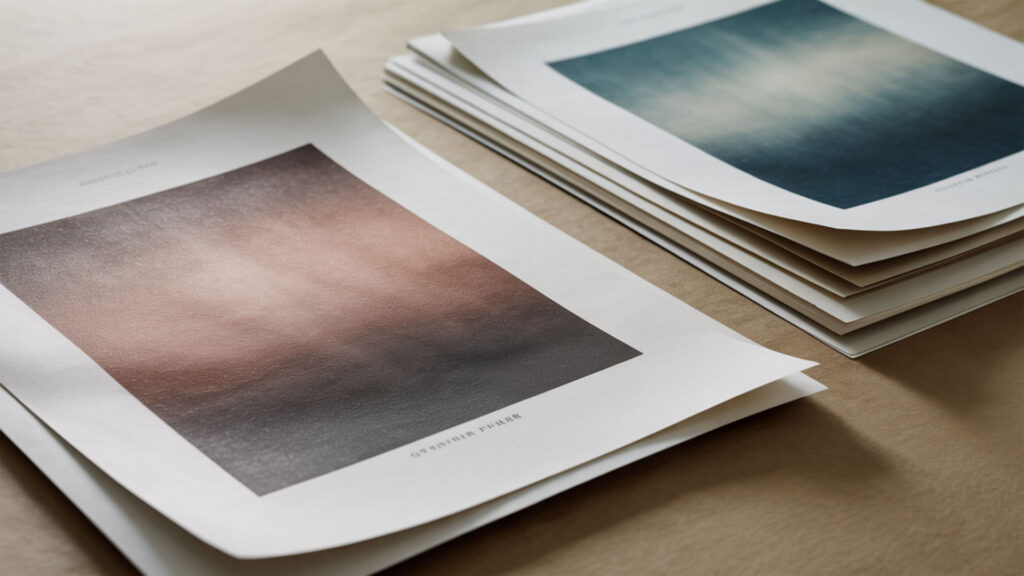
Switching between sublimation and regular ink causes significant problems due to viscosity and surface tension mismatches that affect printhead performance. Different ink formulations interact poorly when mixed, causing clogs, color contamination, and potential permanent damage. Piezo printheads in Epson printers tolerate sublimation ink; thermal printheads in HP and Canon printers cannot handle sublimation chemistry and degrade rapidly. Because printhead compatibility determines ink options, our Epson sublimation ink guide covers proper printer selection and conversion procedures.
Can Sublimation Ink Be Used for Everyday Printing?
Sublimation ink can technically print on plain paper, but results appear dull and washed-out because regular paper coatings don’t match sublimation paper’s dye-release properties. The ink dries on paper surfaces without achieving the vibrancy that heat transfer produces. Using expensive sublimation ink for everyday document printing wastes specialized materials and produces inferior results compared to regular ink designed specifically for paper output.
Can Sublimation Ink Print on Plain Paper Safely Without Transferring?
Sublimation ink prints and dries on plain paper safely—the water-based carrier evaporates normally. However, prints remain temporary and dull because plain paper lacks polymer coatings for dye bonding. Colors look muted compared to proper sublimation transfers. The ink sits on surface fibers rather than embedding permanently. These prints cannot transfer to substrates and serve no practical purpose beyond testing printer functionality or ink flow.
How Do Sublimation and Regular Ink Differ Step-by-Step?

Regular Ink Process:
- Inkjet printing deposits liquid ink onto paper through microscopic nozzles. Both ink types use similar inkjet printing mechanisms for initial output.
- Ink dries through evaporation or absorption into paper fibers. No heat required—carrier liquid evaporates leaving colorant on surface.
- Print is complete once dry—no transfer step occurs. Document or photo remains on original paper permanently.
Sublimation Ink Process:
- Inkjet printing deposits sublimation ink onto coated sublimation paper. Same printing mechanism but specialized paper holds dye for transfer.
- Print appears dull until heat activation—colors look muted on paper. This is normal; vibrancy emerges only after heat pressing.
- Heat press at 180–205°C vaporizes dye for transfer to polyester substrate. Heat triggers solid-to-gas transition enabling polymer penetration.
- Dye diffuses into polyester fibers creating permanent, embedded color. Final result bonds molecularly—cannot peel, crack, or wash away.
What Is Sublimation Ink Made from at Its Core?
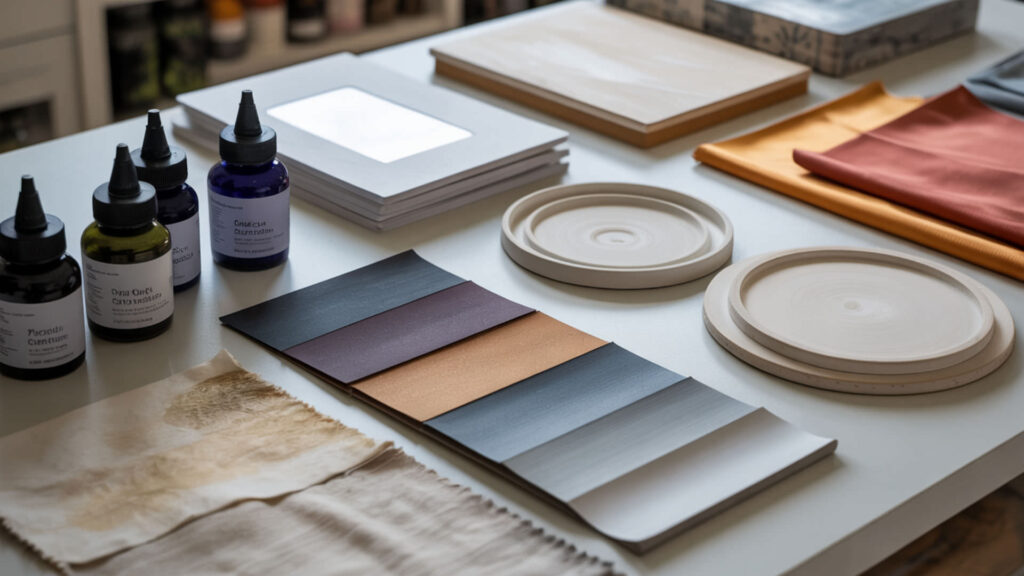
Sublimation ink contains disperse dyes suspended in water-based carriers with specialized additives that maintain stability and flow characteristics. The disperse dye component provides heat-bonding capability—these synthetic colorants vaporize at sublimation temperatures and diffuse into polyester polymers. Additives control viscosity for consistent droplet formation, prevent settling during storage, and ensure smooth printhead flow throughout the printing process.
What Are Sublimation Inks?
Sublimation inks are specialized colorant formulations using disperse dyes that undergo solid-to-gas phase transition when heated to 180–205°C. This heat response enables dyes to vaporize from transfer paper and penetrate polyester fibers or polymer coatings at a molecular level. The resulting bond is permanent—embedded dyes become part of the substrate rather than sitting on surfaces. This distinguishes sublimation from all other printing methods.
What Ingredients Are Most Relevant to Sublimation Transfer Behavior?
Water serves as the primary carrier fluid, transporting disperse dyes through printheads onto sublimation paper. Additives control viscosity for consistent droplet formation and prevent premature drying in nozzles. Stabilizers maintain dye suspension and prevent settling during storage. Humectants help control drying rate. The precise additive balance affects print quality, storage life, and transfer vibrancy—premium inks optimize these formulations for superior results.
Do Sublimation Prints Last Longer or Handle Conditions Differently?
Sublimation prints significantly outlast regular ink prints because embedded dyes in synthetic fibers resist washing, fading, and environmental exposure. Proper temperature during transfer anchors dyes deeply into polyester polymer chains, producing excellent fastness ratings. Regular ink sits on surfaces where it remains vulnerable to moisture, UV degradation, and mechanical wear. Because heat exposure affects ink behavior and safety considerations, our guide on sublimation ink toxicology covers environmental and health factors during printing and transfer.
Is Sublimation Ink Fade-Resistant or Waterproof Compared to Regular Ink?
Sublimation prints demonstrate superior fade resistance and water resistance because dye diffusion embeds colorants within polyester fibers rather than on surfaces. Embedded dyes cannot be washed or wiped away; they resist extraction through hundreds of wash cycles. Regular ink prints fade from UV exposure and can smudge or wash away when wet. Properly made sublimation transfers on 100% polyester maintain vibrancy for years under normal conditions.
Is Sublimation Ink More Expensive Than Regular Ink?
Sublimation ink costs more than regular ink due to specialized disperse dye formulation and additive chemistry required for heat-transfer capability. Processing disperse dyes for optimal sublimation performance increases manufacturing complexity. However, sublimation’s durability provides value—prints last years without fading or degradation, while regular ink prints may require reprinting after exposure to moisture or sunlight. Per-print longevity often justifies higher initial ink costs.
Ready to Choose the Right Ink for Your Project?
Choosing between sublimation ink and regular ink depends entirely on your substrate and intended application. Sublimation ink produces permanent, vibrant transfers on polyester fabrics and polymer-coated items—ideal for custom apparel, promotional products, and durable goods. Regular ink serves document printing and paper-based applications where heat transfer isn’t required. Match your ink choice to your material and process requirements for optimal results.
Frequently Asked Questions
Can sublimation ink expire faster than standard ink when unused?
Sublimation ink and regular ink have similar expiration timelines when properly stored—typically 1–2 years unopened. However, sublimation ink in printers degrades faster when unused because water-based carriers evaporate through printhead nozzles, causing thickening and clogs within 30–60 days of inactivity. Regular ink in thermal inkjet printers also dries but may tolerate slightly longer idle periods depending on formulation and printer design.
Is fading more common than cracking with sublimation transfers?
Sublimation transfers never crack because embedded dyes become part of the fabric structure—there’s no surface layer to fracture. Gradual fading from intense UV exposure represents the primary degradation mode, occurring slowly over years with direct sunlight exposure. Regular ink prints and vinyl transfers crack because surface-applied materials separate from substrates under stress. Sublimation’s embedded nature eliminates cracking entirely.
Can prints look dull because of ink aging, not just heat settings?
Aged sublimation ink produces dull prints regardless of heat settings because degraded dye molecules transfer with reduced vibrancy. Chromophore breakdown from oxidation or thermal cycling diminishes color intensity before printing even occurs. Fresh ink on identical substrates with same press settings produces noticeably brighter results. If prints appear consistently dull despite correct temperature and pressure, ink age is likely the cause.
Is temporary dullness different from permanent fade after transfer?
Temporary dullness describes sublimation ink’s appearance on transfer paper before heat activation—colors look muted until pressing triggers full vibrancy. This is normal and expected. Permanent fade occurs gradually after transfer, typically from UV exposure over extended periods. Understanding this distinction helps troubleshoot: dull prints straight from pressing indicate ink, temperature, or substrate problems; gradual fading over months indicates environmental exposure.
Does sublimation durability depend more on fabric absorption than ink alone?
Sublimation durability depends on both ink quality and substrate compatibility—neither factor alone determines longevity. High polyester content (65%+ minimum, 100% ideal) provides polymer chains for dye bonding; quality disperse dyes penetrate and anchor properly. Low-polyester blends produce faded results regardless of ink quality. Conversely, poor-quality ink transfers weakly even onto 100% polyester. Optimal durability requires matching quality ink with appropriate high-polyester substrates.
References
- Sublimation and the water cycle. (2019, June 8). USGS. https://www.usgs.gov/water-science-school/science/sublimation-and-water-cycle
- Heat transfer. (2021, May 13). NASA Glenn Research Center. https://www.grc.nasa.gov/www/k-12/airplane/heat.html