Sublimation earrings combine lightweight materials with vibrant, personalized designs that resist fading and peeling. MDF (medium-density fiberboard) earring blanks feature a dense fiber structure that requires polymer coating to accept sublimation dye and produce lasting color. These affordable blanks transform into custom jewelry through heat press transfer in under two minutes per pair. Understanding how polymer coating enables disperse dye bonding helps crafters select compatible materials across all sublimation substrates.
Key Takeaways
- Press MDF earrings at 370–400°F for 50–90 seconds at medium pressure, with polymer coating determining the exact settings needed for vibrant color transfer.
- Remove protective film from both sides of earring blanks before pressing—film blocks heat contact and prevents proper dye diffusion into the coating surface.
- Press temperature must remain within coating tolerance to prevent fading or warping, with MDF blanks particularly susceptible to bowing under excessive heat.l use or gifts.
What do you need to make sublimation earrings?
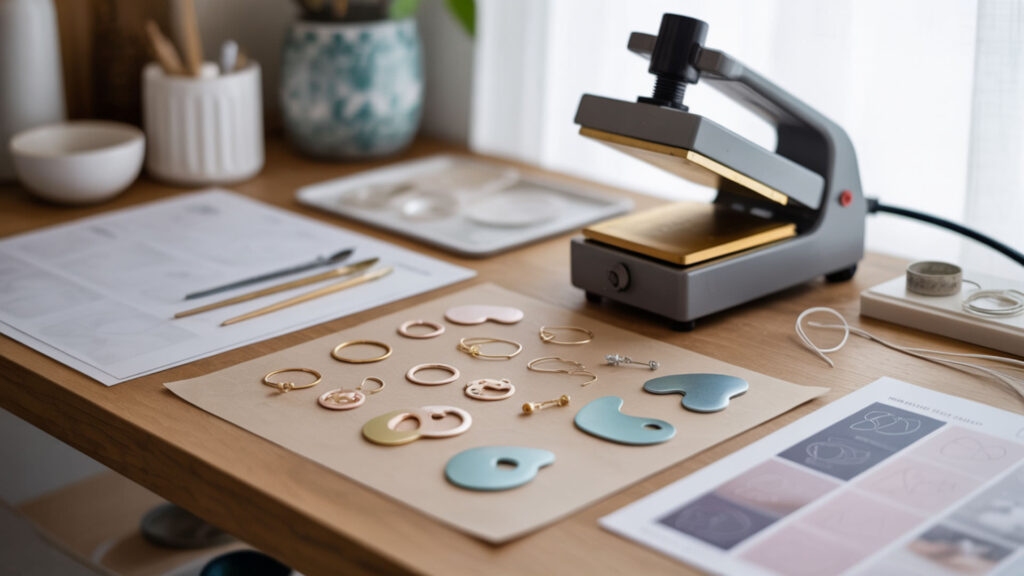
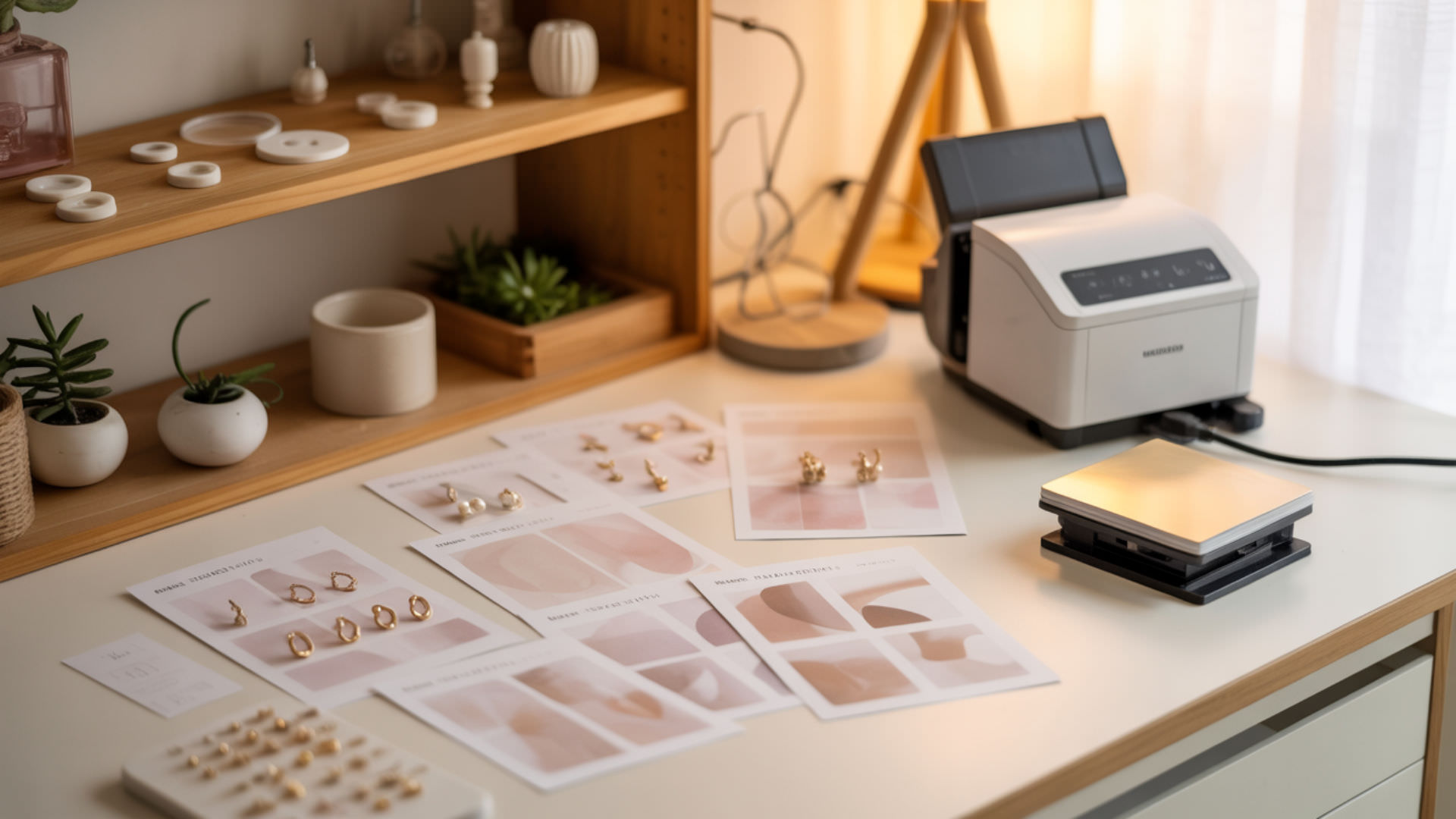
Making sublimation earrings requires a heat press, sublimation printer with ink and paper, and pre-coated earring blanks. Sublimation blanks come pre-coated with polymer that bonds with disperse dyes under heat press pressure. Additional supplies include heat-resistant tape, butcher paper, earring hooks, jump rings, and pliers for assembly. Quality sublimation blanks with factory-applied polymer coating ensure consistent dye bonding across all earring shapes and materials.
Do you need to remove film from sublimation earring blanks?
Protective film must be removed from both sides of sublimation earring blanks before pressing. This clear film blocks heat contact between the press platen and polymer coating, preventing dye diffusion entirely. MDF blanks typically feature double-sided glossy coating with protective film on each surface—peeling both layers exposes the polymer coating needed for successful color transfer.
How do you make sublimation earrings for long-lasting results?
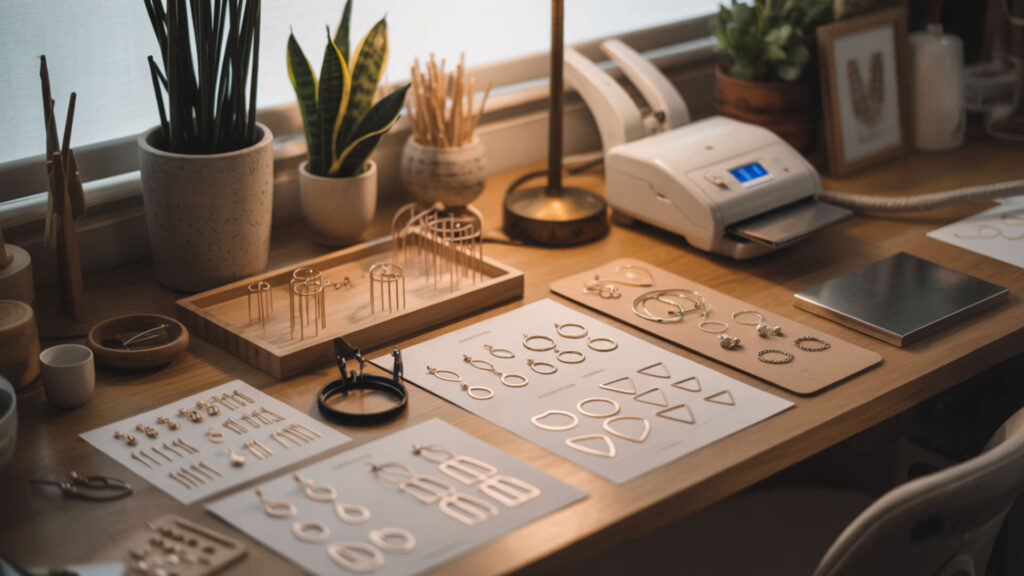
Long-lasting sublimation earrings require proper heat press activation that converts dye from paper into the polymer coating permanently. The heat press gasifies sublimation ink, allowing disperse dyes to diffuse from paper into the blank’s surface layer. Correct temperature and adequate press time ensure complete dye penetration for colors that withstand daily wear. The polymer coating requirement applies equally to earrings and cotton fabrics—both substrates lack natural polymer chains without surface treatment. Polymer materials contain long molecular chains that can permanently trap dye molecules when activated by heat.[1]
What designs work best for sublimation earrings?
High-contrast designs with bold colors perform best on small earring formats where disperse dyes retain maximum clarity. Intricate patterns with fine lines may lose definition at earring scale. Floral patterns, geometric shapes, marble textures, and polka dots translate effectively to the compact surface area. Size designs precisely to match blank dimensions—oversized artwork loses edges during transfer.
What temperature do you sublimate earrings at for best color transfer?
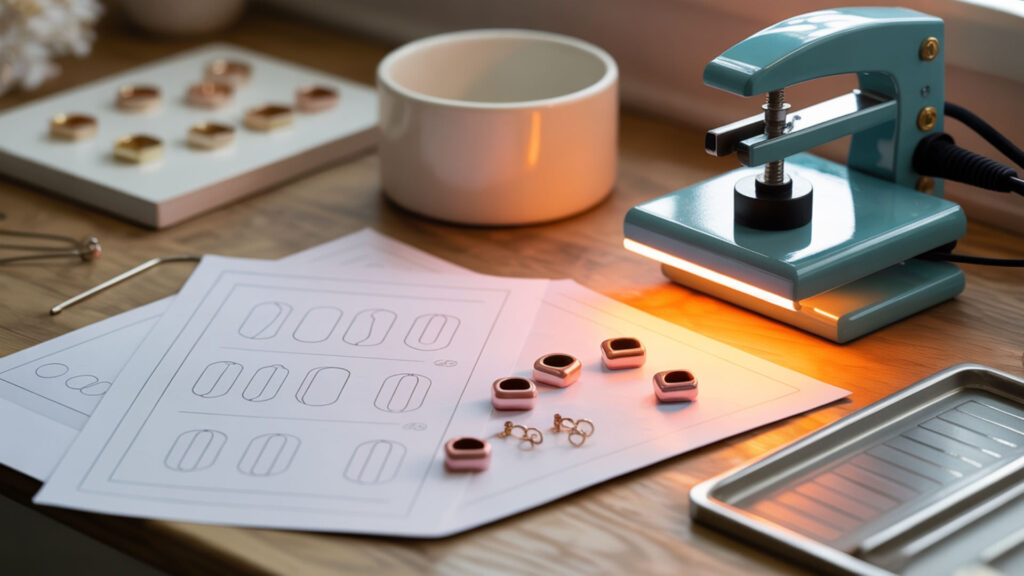
Sublimate MDF earrings at 370–400°F for 50–90 seconds using medium pressure for optimal color transfer. Hardboard earrings press at 400°F for 60–70 seconds. Metal earring blanks require 356–392°F (180–200°C) for 45–120 seconds depending on thickness. Excess press temperature causes warping that distorts MDF or acrylic earrings—monitor blanks during pressing and reduce heat if edges begin curling. Heat transfer through solid materials occurs by conduction, which determines how quickly different substrates reach uniform temperature. [2]
⫸ Click Here For Best Selling Sublimation Printers And Products ⫷Why did my sublimation earrings turn out faded?
Faded sublimation earrings result from incomplete off-gassing where disperse dyes fail to fully penetrate the polymer coating. Insufficient temperature, inadequate press time, or low pressure prevents complete dye transfer. Increase temperature by 10–25°F or extend press time in 10-second increments if colors appear washed out. Verify heat press accuracy with an infrared thermometer—many presses run 10–25°F cooler than displayed.
How do you sublimate earrings step-by-step?
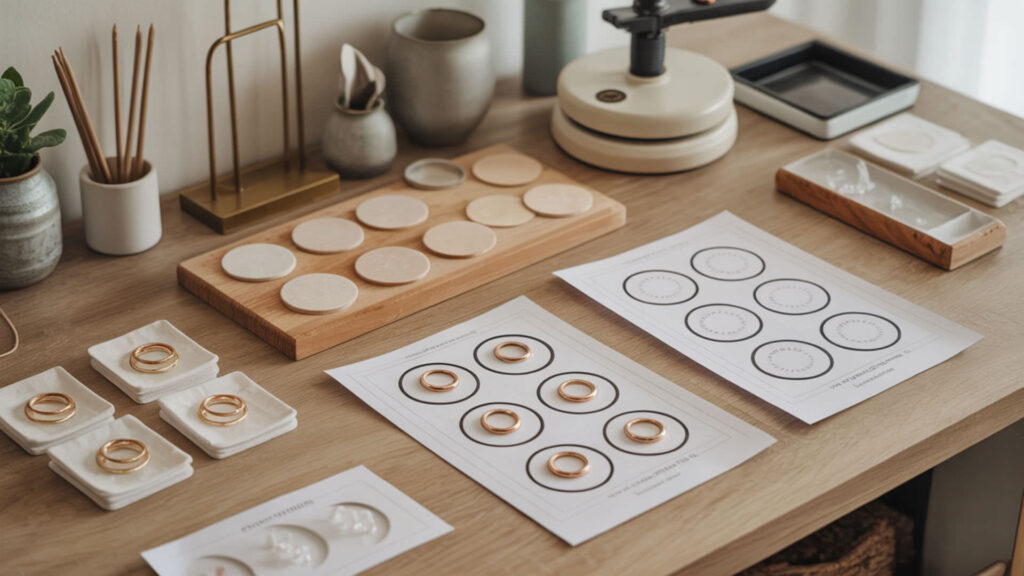
- Print your mirrored design onto sublimation paper sized to match earring blank dimensions, leaving minimal excess around edges.
- Remove protective film from both sides of earring blanks and clean surfaces with a lint-free cloth to eliminate dust.
- Position the sublimation print face-down on the blank and secure with heat-resistant tape to prevent movement and reduce ghosting.
- Place butcher paper on the heat press platen, position the taped earring assembly, and cover with additional butcher paper to absorb excess dye.
- Press at 370–400°F for 50–70 seconds at medium pressure, adjusting time based on blank material and thickness.
- Allow cooling under a flat heavy object to prevent warping, then remove tape and paper before attaching earring hooks with jump rings and pliers.
Ready to create your sublimation earrings?
Sublimation earrings offer excellent profit margins with minimal material costs and quick production times. The polymer coating serves as the core requirement determining both durability and color retention on finished pieces. Starting with quality pre-coated MDF blanks eliminates coating preparation while delivering consistent, vibrant results. Master single-sided transfers before exploring double-sided designs and alternative blank materials.
Frequently Asked Questions
- Can you sell sublimation earrings you make?
Sublimation earrings sell successfully at craft fairs, online marketplaces, and boutique shops. Ensure designs are original or properly licensed before commercial use. Lightweight MDF earrings appeal to customers seeking comfortable, colorful accessories. Price points typically range from $8–$20 per pair depending on design complexity and blank quality. Batch production reduces per-unit costs significantly.
- Do sublimation earrings fade over time?
Properly pressed sublimation earrings resist fading because disperse dyes bond permanently within the polymer coating rather than sitting on the surface. UV exposure gradually affects color vibrancy over years of wear. Indoor storage and avoiding prolonged direct sunlight preserve colors longest. Quality ink and correct press settings determine initial color saturation and long-term durability.
- Can sublimation earrings be washed or cleaned safely?
Clean sublimation earrings gently with a soft, damp cloth to remove surface oils and debris. Avoid submerging MDF earrings in water as moisture damages the wood fiber structure. Metal sublimation earrings tolerate gentle cleaning with mild soap and water. The embedded dye resists wiping and light cleaning without color loss or surface damage.
- Do sublimation earrings need a protective coating?
Most sublimation earrings do not require additional protective coating because the factory-applied polymer layer seals the design during pressing. Some crafters apply clear acrylic spray or UV-resistant topcoat for extra durability on high-wear pieces. The glossy finish on pre-coated blanks provides adequate protection for normal jewelry use without additional sealing.
- Why do sublimation earrings look dull before pressing?
Sublimation prints appear dull on paper because ink sits on the surface without activating. The cooling process after pressing locks vibrant colors into the polymer coating—improper cooling can lead to warping or ghosting that affects final earring quality. Colors brighten dramatically during heat transfer as dye molecules penetrate and bond within the coating layer.
Reference:
- Free textbooks online with no catch. (n.d.). OpenStax. https://openstax.org/details/books/chemistry-2e
- Heat transfer. (2021, May 13). NASA Glenn Research Center. https://www.grc.nasa.gov/www/k-12/airplane/heat.html?utm_