Sublimation dishwasher safety depends on coating quality and washing conditions. Dishwasher cycles combine heat, moisture, and detergent that stress polymer coatings over time. Hydrolysis occurs when water molecules break chemical bonds in coatings, initiating gradual breakdown. Excess heat accelerates thermal degradation of sublimation layers. Understanding how hydrolysis affects polymer coatings connects to sublimation chemistry principles explained in our guide on how sublimation works.
Key Takeaways
- Polymer coating quality determines dishwasher resistance—premium coatings withstand hundreds of cycles while cheap alternatives fade quickly.
- Hydrolysis is the primary cause of dishwasher fading, breaking polymer bonds through repeated heat and moisture exposure.
- Hand washing preserves sublimation prints longest; top-rack placement with mild detergent extends life when machine washing.
Is Sublimation Dishwasher Safe?
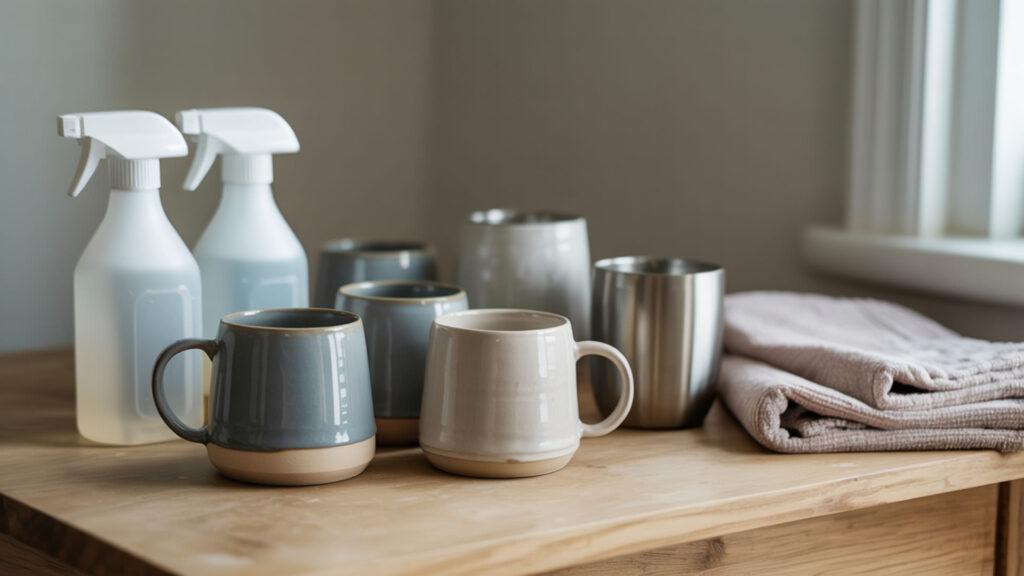
Sublimation can be dishwasher safe depending on coating quality and cycle settings. Hydrolysis accelerates when detergent combines with hot water, attacking polymer bonds chemically. High temperatures cause thermal degradation of protective coatings, especially during heated dry cycles. Quality blanks rated for dishwasher use resist these stresses better than economy alternatives.
Is Sublimation on Mugs Dishwasher Safe?
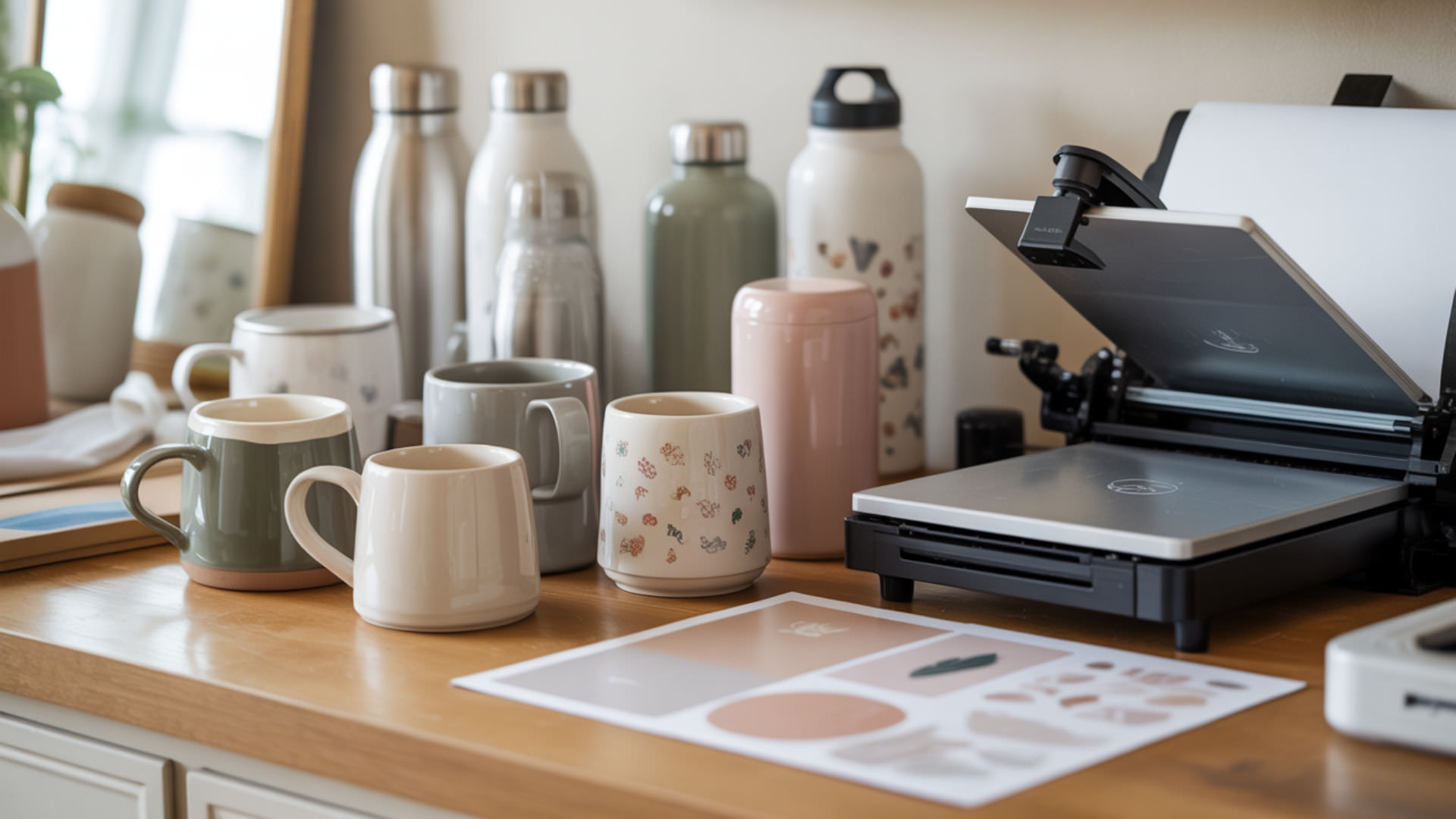
Sublimation mugs are generally dishwasher safe when manufactured with quality polymer coatings designed for heat exposure. High heat weakens polymer protection over repeated cycles, gradually allowing dye to fade. Top-rack placement and avoiding heated dry cycles significantly extends mug lifespan compared to bottom-rack washing.
Does Sublimation Wash Off in the Dishwasher?
Properly executed sublimation doesn’t wash off because dye bonds within polymer chains rather than sitting on surfaces. However, detergent causes chemical attack on polymer coatings over time, allowing gradual fading. Strong alkaline detergents accelerate hydrolysis more than mild formulations, making detergent choice important for longevity.
Can You Wash Sublimation Tumblers or Bottles in the Dishwasher?
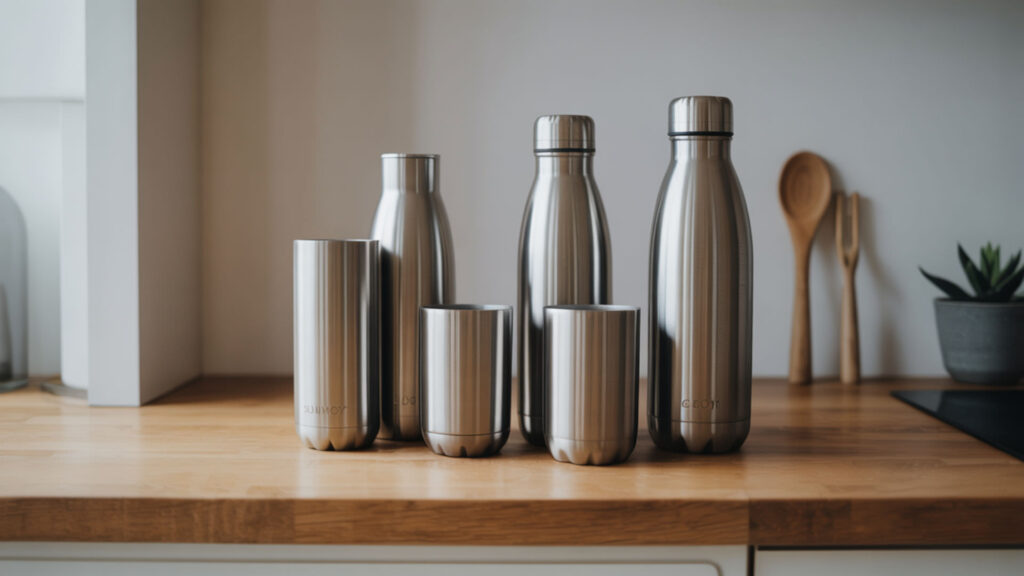
Sublimation tumblers and bottles face higher dishwasher risks than ceramic mugs because metal walls amplify heat transfer to coatings. Hydrolysis and thermal degradation both accelerate in stainless steel drinkware. Hand washing is strongly recommended for insulated tumblers. Understanding heat transfer principles and heat-resistant materials is covered in our heat tape selection guide. Repeated exposure to heat and chemicals causes polymer degradation, gradually weakening coatings and reducing their ability to protect embedded dye. [1]
⫸ Click Here For Best Selling Sublimation Printers And Products ⫷Is a Sublimation Tumbler Dishwasher Safe?
Most sublimation tumblers are not truly dishwasher safe despite some labeling. Dishwasher heat approaches coating melting point, accelerating thermal degradation with each cycle. Users report approximately 25% fading after just ten dishwasher washes. The vacuum seal on insulated tumblers can also fail from repeated heat exposure.
Are Sublimation Water Bottles Dishwasher Safe?
Sublimation water bottles should be hand washed to protect printed designs. Detergent causes polymer erosion that dulls vibrant colors over repeated cycles. Soft sponge cleaning with mild soap preserves bottle printing patterns far longer than any dishwasher method, regardless of rack placement or cycle selection.
Why Does Sublimation Sometimes Fade in the Dishwasher?
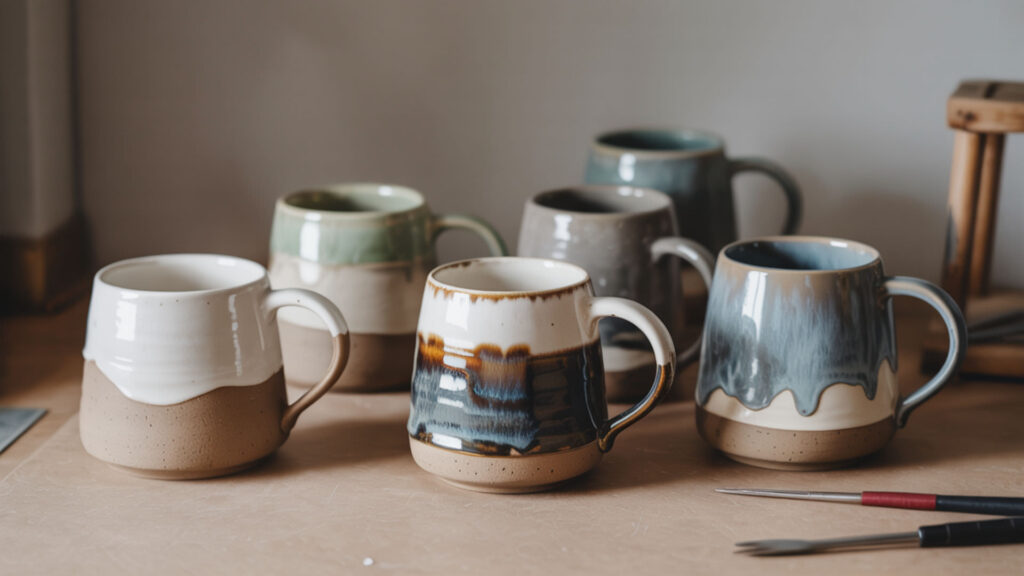
Dishwasher fading results from combined hydrolysis and thermal degradation attacking polymer coatings. Heat cycles can pull dye toward the surface through diffusion, making colors more vulnerable to washing stress. Water molecules break polymer chain bonds through hydrolysis. Understanding how repeated heating affects dye through thermal degradation is also covered in our guide on sublimating over existing sublimation. Hydrolysis refers to water molecules breaking polymer bonds, a chemical process that accelerates under heat and repeated moisture exposure. [2]
How Long Do Sublimation Mugs Typically Last in the Dishwasher?
High-quality sublimation mugs can survive hundreds of dishwasher cycles with proper care—top rack placement, moderate temperatures, mild detergents. Repeated cycles cause gradual polymer weakening through thermal degradation regardless of quality. Economy blanks may show noticeable fading within 20–50 cycles while premium coatings maintain vibrancy significantly longer.
What Coatings Help Sublimation Withstand Dishwasher Cycles?
Durable polymer coatings with higher glass transition temperature resist deformation under dishwasher heat better than standard formulations. Polyamide and polyester blend coatings withstand temperature and detergent exposure longest. The polymer content of substrates directly affects dishwasher durability, which our polyester percentage guide explains for fabric applications.
How Do You Make Sublimation Dishwashers Safe Step-by-Step?
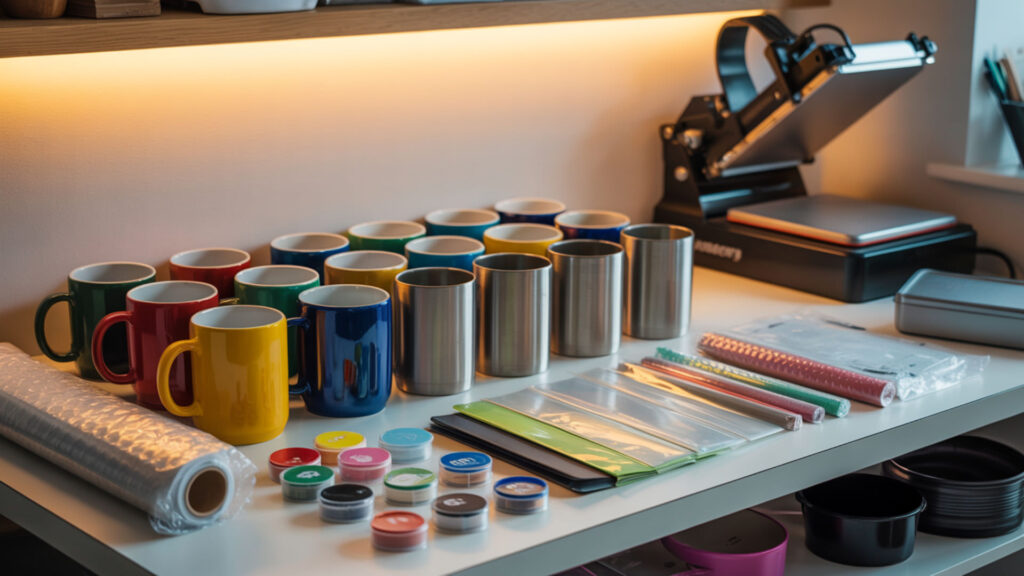
- Select blanks with premium polymer coatings specifically rated for dishwasher use. Quality coatings withstand heat and chemical stress far better than economy alternatives.
- Ensure proper heat transfer during initial sublimation for deep dye diffusion. Complete transfer embeds dye thoroughly within the polymer, increasing wash resistance.
- Press at the correct temperature (380–400°F) and time for your specific substrate. Under-pressing leaves dye vulnerable; over-pressing can damage coatings.
- Allow complete cooling before handling to ensure full dye encapsulation. Rushed cooling may affect final bond strength and durability.
- Consider applying a UV-resistant clear coat for an additional protection layer. Sealants add a barrier against detergent and heat exposure.
- Test finished items through multiple wash cycles before selling to customers. Testing confirms your process produces truly dishwasher-safe results.
- Provide care instructions recommending top-rack placement and mild detergent. Customer education prevents premature fading from improper washing.
- Advise against heated dry cycles which accelerate thermal degradation significantly. Air drying or low-heat settings preserve prints longest.
How Do You Properly Wash Sublimation Items?

Proper washing minimizes hydrolysis and thermal stress that degrade sublimation prints. Gentle detergents slow hydrolysis compared to harsh alkaline formulations. Cooler water temperatures reduce thermal degradation risk during each wash cycle. Hand washing remains the safest method for preserving sublimation vibrancy on any substrate type.
Can You Wash Sublimation Tumblers Safely?
Sublimation tumblers wash safely by hand using mild dish soap and warm water. Lower water temperature reduces polymer breakdown from hydrolysis. Avoid soaking tumblers, which allows water penetration between design layers. Dry immediately with clean towels to prevent water spots.
How Should Sublimation Tumblers Be Washed?
Hand wash sublimation tumblers with mild detergent and soft sponges only. Mild detergents preserve polymer layers better than harsh chemicals containing bleach or strong alkaline compounds. Avoid abrasive scrubbers that physically scratch coating surfaces. Never use steel wool regardless of how stubborn stains appear.
Is Sublimation Washable and Waterproof?
Sublimation prints are both washable and waterproof because dye becomes part of the polymer coating rather than sitting on surfaces. Deep diffusion during heat transfer increases wash resistance significantly. The dye is permanently embedded, making it resistant to water, peeling, cracking, and fading through normal use.
Is Sublimation Print Washable?
Sublimation prints are permanently washable because dye bonds within polymer chains at molecular level. Polymer strength controls overall washability—stronger coatings resist hydrolysis longer. Unlike surface printing methods, sublimated dye doesn’t peel or flake because it’s integrated into the material structure itself.
Can You Wash Sublimation Shirts?
Sublimation shirts wash safely using cold water, gentle cycles, and mild detergent. Polyester fabric provides best dye retention after repeated washing because sublimation dye bonds permanently with synthetic fibers. Turn shirts inside out before washing to protect printed surfaces. Complete heat transfer during production ensures maximum wash durability.
Ready to Keep Your Sublimation Items Looking Great?
Protecting sublimation prints requires understanding how polymer coatings respond to washing stress. Avoiding extreme heat extends print life significantly by preventing thermal degradation. Start with quality blanks, execute proper transfers, and follow recommended care instructions to maintain vibrant sublimation results through years of regular use.
Frequently Asked Questions
How long do sublimation mugs last?
Quality sublimation mugs last years with proper care—potentially decades if hand washed. Dishwasher use reduces lifespan proportionally to frequency and cycle intensity. Premium polymer coatings maintain vibrancy through hundreds of wash cycles while economy blanks may show fading within months. Production quality and customer care habits both determine longevity.
Is sublimation food safe?
Sublimation on properly coated ceramic or metal surfaces with food-safe coatings is safe for food contact. The dye embeds within polymer rather than contacting food directly. However, sublimation on unsuitable materials or damaged coatings may pose risks. Use only food-grade blanks for drinkware.
Why are my sublimation mugs turning dull?
Dull sublimation mugs result from hydrolysis degrading polymer coatings over time, especially with frequent dishwasher use. Incorrect print settings during production also cause initial dullness—ensure printer optimization for sublimation and verify software settings match substrate specifications. Harsh detergents and heated dry cycles accelerate dulling through diffusion and thermal stress.
Can sublimation withstand daily washing?
Quality sublimation withstands daily hand washing indefinitely because polymer-bonded dye resists water and mild detergents effectively. Daily dishwasher use accelerates degradation through cumulative hydrolysis and thermal stress. For items washed daily, hand washing preserves vibrancy longest while top-rack dishwasher placement offers acceptable compromise for convenience.
How do you clean sublimation tumblers safely?
Clean sublimation tumblers with mild dish soap, warm water, and soft sponges. Avoid abrasive materials that scratch polymer coatings. Never soak tumblers—brief washing prevents water penetration between layers. Dry immediately after cleaning to prevent water spots. Skip dishwashers entirely for maximum longevity of tumbler designs.
References
- Desalted duck egg white peptides promote calcium uptake and modulate bone formation in the Retinoic acid-induced bone loss rat and caco-2 cell model. (n.d.). PMC Home. https://pmc.ncbi.nlm.nih.gov/articles/PMC5452220/
- An overview of chemical processes that damage cellular DNA: Spontaneous hydrolysis, Alkylation, and reactions with radicals. (n.d.). PMC Home. https://pmc.ncbi.nlm.nih.gov/articles/PMC2806061/