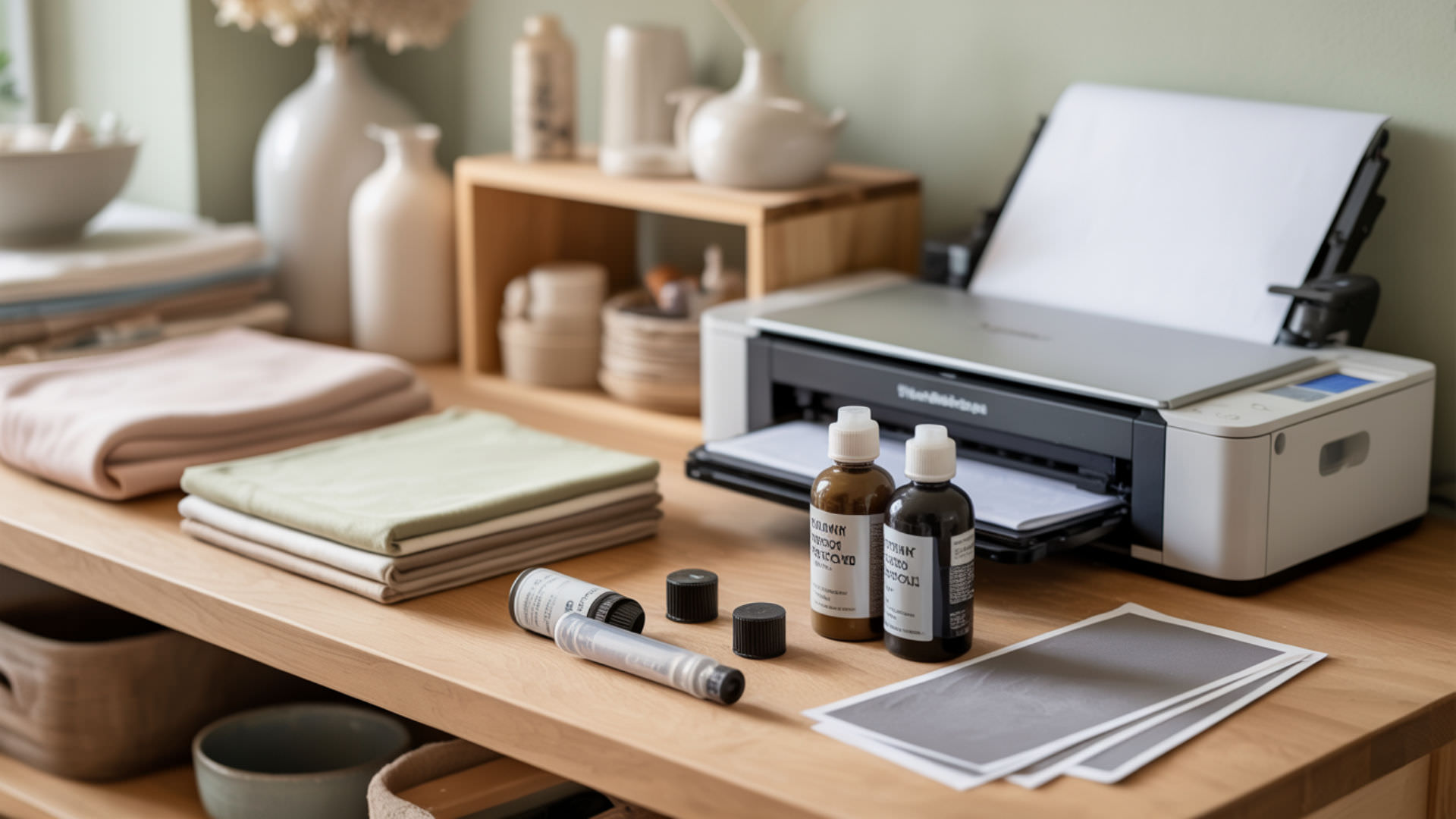
Sublimation ink longevity depends on dye stability in both liquid form and after transfer to substrates. Unopened bottles typically last 1–2 years, while ink installed in printers remains viable for 3–6 months with regular use. Disperse dye chemistry produces high fastness when properly bonded to polyester, allowing printed items to maintain vibrancy for years under proper care conditions. Understanding disperse dye chemistry explains why sublimation prints achieve exceptional durability, which our sublimation ink guide covers comprehensively.
Key Takeaways
- Overall fastness determines print longevity—properly bonded sublimation dyes resist fading through hundreds of wash cycles on polyester.
- Lightfastness protects against UV degradation from sunlight exposure; wash fastness maintains color through laundering and moisture contact.
- Unopened ink lasts 1–2 years; installed ink remains optimal for 3–6 months with weekly printing to prevent drying.
How Can You Tell If Sublimation Ink Is Expired or Bad?
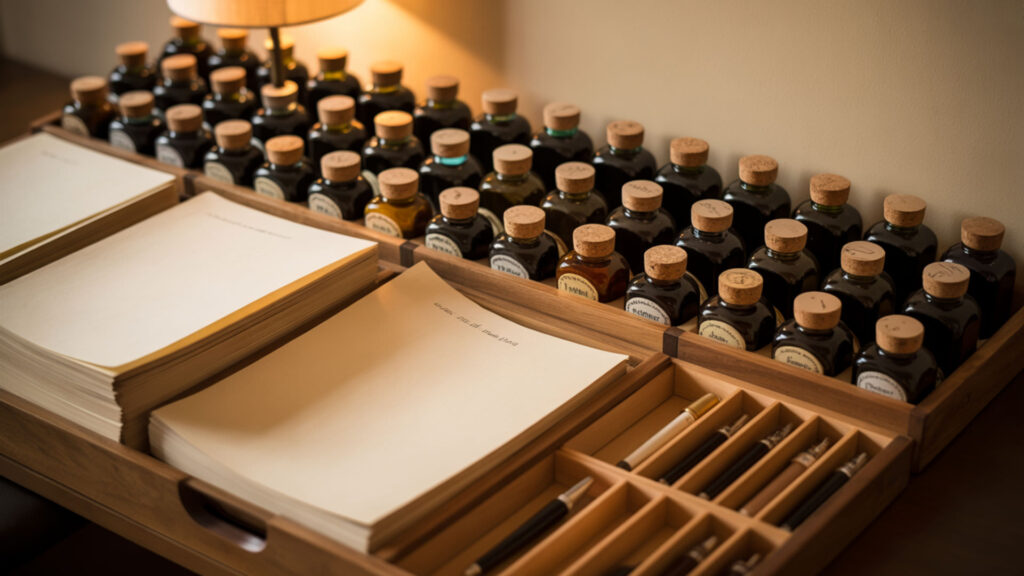
Expired sublimation ink shows increased viscosity from partial drying, altered surface tension that disrupts proper ink droplet formation, and higher clogging frequency in printheads. These changes produce visible symptoms: dull colors, streaky output, missing lines, and inconsistent coverage. Aged ink thickens as water carriers evaporate, preventing proper flow through microscopic nozzle openings. Because degraded ink changes exposure risks during heating, our sublimation ink safety guide covers considerations when working with aged materials.
How Do You Know If Sublimation Ink Is Expired?
Expired sublimation ink shows visible changes in viscosity and solubility that indicate degradation. Check bottles for separation—expired ink often settles with dye particles sinking to the bottom while carrier fluid rises. Thickened consistency indicates water evaporation. Shaking won’t restore proper solubility once separation occurs. Most manufacturers print expiration dates on packaging; unopened ink typically expires 1–2 years from manufacture.
How Do You Know If Sublimation Ink Has Gone Bad?
Bad sublimation ink produces obvious print quality problems from disrupted surface tension affecting ink droplet formation. Test prints show uneven coverage, speckled areas, streaky lines, or missing sections where nozzles have partially clogged. Colors appear washed-out or inconsistent across the print. If nozzle checks repeatedly fail after cleaning cycles, the ink itself has likely degraded beyond usable condition.
How Long Does Sublimation Ink Last Inside the Printer Before Drying Out?
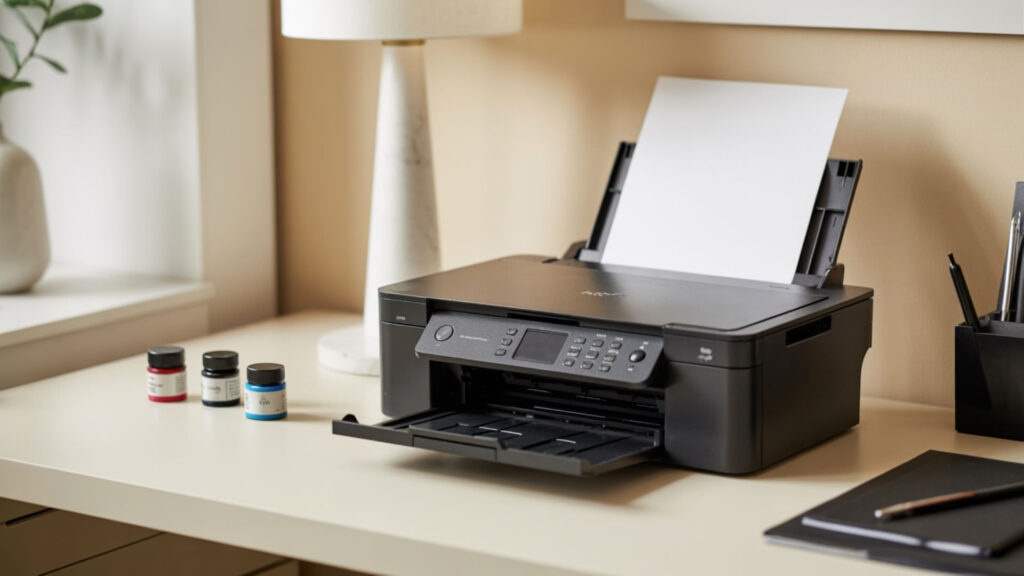
Sublimation ink typically lasts 3–6 months inside a printer before clogging and banding issues develop from viscosity changes caused by partial drying. Idle printers experience faster degradation—ink can begin drying in nozzles within 30–60 days without use. Regular printing (at least weekly) keeps ink flowing and prevents the thickening that leads to permanent printhead damage. Because viscosity stability varies between ink formulations, our Epson sublimation ink guide compares products designed for longer in-printer life.
Does Sublimation Ink Dry Out If Not Used?
Sublimation ink dries out when printers sit idle because water-based carriers evaporate through printhead nozzles, leaving thickened dye residue that blocks ink flow. Warm room temperatures accelerate this drying process in cartridges and printheads. Ink can begin thickening within 2–4 weeks of inactivity. Prevention requires weekly test prints to flush fresh ink through the system and maintain proper viscosity throughout the ink pathway.
What Happens If You Print Using Sublimation Ink That’s Expired?
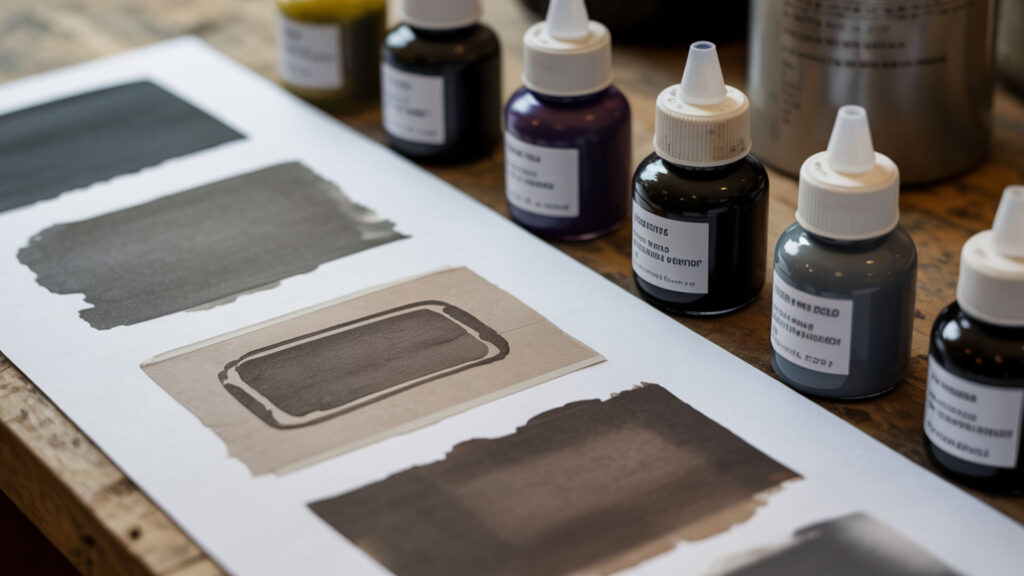
Expired ink causes thermal degradation of chromophore and auxochrome molecular structures that produce color. Damaged dyes transfer with reduced vibrancy, uneven saturation, or color shifts. Prints appear dull, faded, or inconsistent even when using proper press settings. Thickened expired ink also clogs printheads, potentially causing permanent damage requiring expensive replacement. The degraded dye clumps are too heavy for proper nozzle ejection. Because thermal degradation affects different ink chemistries uniquely, our eco-solvent vs sublimation comparison explains heat-related aging across ink systems.
What Storage Habits Help Sublimation Ink Last Longer?
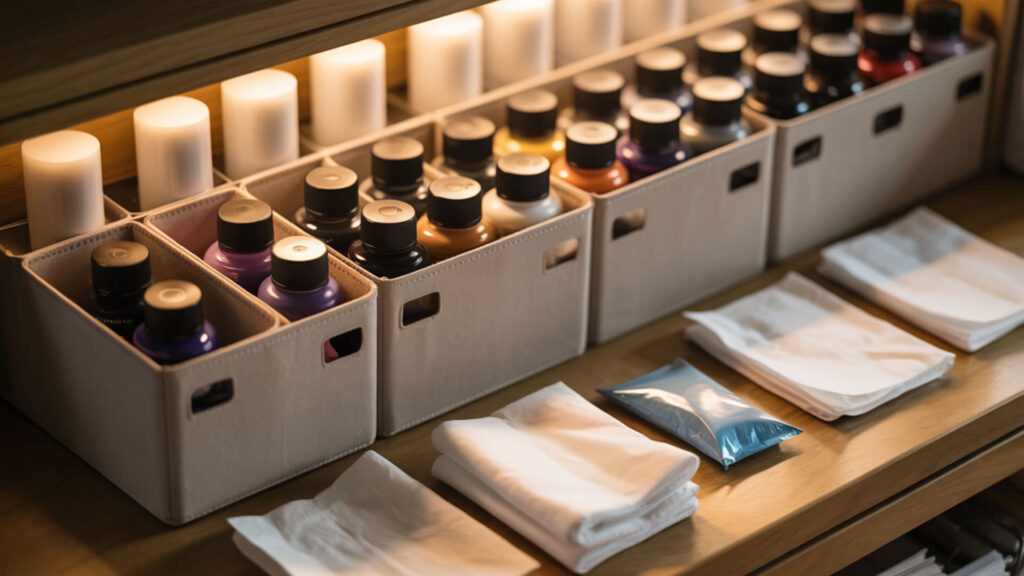
Proper storage extends sublimation ink lifespan significantly. Maintain stable, cool temperatures between 10–30°C (50–85°F) to slow chemical breakdown of dye compounds. Water-based carriers evaporate when exposed to air, so keep bottles tightly sealed. Quality inks contain additives that stabilize dye molecules and maintain fluid consistency over time—premium formulations outperform budget alternatives in storage longevity. Chemical substances are regulated and evaluated based on their stability, exposure risks, and long-term behavior under different conditions. [1]
How Should Sublimation Ink Be Stored for Maximum Lifespan?
Store sublimation ink in cool, dry, dark locations away from direct sunlight and temperature fluctuations. Keep bottles sealed and upright to minimize water evaporation that causes thickening. Avoid refrigeration—condensation from temperature changes damages ink consistency. Room temperature storage (20–25°C/68–77°F) provides optimal conditions. Use older stock first, rotating inventory to ensure ink gets used before expiration dates pass.
Does Washing or Print Conditions Affect Ink Longevity on Shirts?
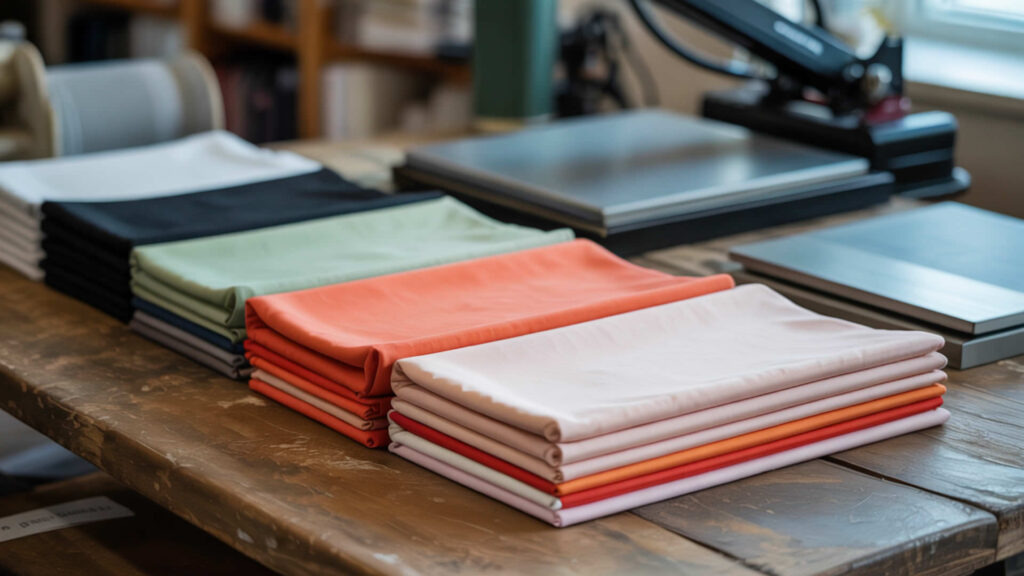
Print longevity depends heavily on wash fastness and lightfastness properties determined during the transfer process. Deeper dye diffusion into polyester fibers during pressing produces better wash performance—dyes embedded further into polymer chains resist extraction during laundering. UV exposure affects long-term lightfastness, causing gradual fading on items stored or worn in direct sunlight over extended periods. Ultraviolet light is one of the primary causes of long-term dye fading, gradually breaking down color molecules over time.[2]
How Can You Stop Sublimation Prints from Fading After Washing?
Prevent fading by ensuring proper temperature (180–205°C) and adequate pressure during initial transfer so dyes lock fully into polyester fibers. Wash printed garments inside-out in cold water using mild detergent—avoid bleach and fabric softeners that degrade dye bonds. Air dry rather than machine drying with high heat. Store away from direct sunlight. Properly pressed sublimation on 100% polyester withstands 100+ washes without significant fading.
How Do You Store Sublimation Ink Step-by-Step?

- Keep unopened bottles in original sealed packaging until ready for use. Factory sealing prevents air exposure that causes premature drying and dye degradation.
- Store bottles upright in a cool, dry location between 10–30°C (50–85°F). Stable temperature slows chemical breakdown of dye compounds and carrier additives.
- Keep ink away from direct sunlight and heat sources like radiators or windows. Light and heat accelerate dye molecule degradation and water evaporation.
- Seal opened bottles tightly after each use to minimize air exposure. Oxygen contact causes oxidation that degrades dye chemistry over time.
- Rotate stock using oldest bottles first before newer inventory. First-in-first-out prevents ink from sitting unused past optimal shelf life.
- Print at least once weekly to keep installed ink flowing through printheads. Regular use prevents thickening that leads to nozzle clogs and permanent damage.
- Run nozzle checks before important print jobs to verify ink condition. Test prints reveal flow problems before they affect production work.
- Never refrigerate ink—condensation from temperature changes damages consistency. Room temperature storage provides optimal conditions without moisture risks.
Ready to Maximize Your Sublimation Ink’s Lifespan?
Maximizing sublimation ink lifespan requires attention to both storage conditions and printing practices. Proper diffusion during heat pressing sets the foundation for high fastness and long-term color retention on substrates. Store bottles correctly, use printers regularly, and follow proper care instructions for printed items. Quality ink combined with correct handling produces prints that maintain vibrancy for years.
Frequently Asked Questions
Can sublimation ink expire faster in certain storage conditions?
Storage conditions significantly affect sublimation ink expiration rates. High temperatures accelerate water evaporation and dye breakdown. Direct sunlight degrades chromophore structures responsible for color. Humidity fluctuations cause condensation that contaminates ink chemistry. Improperly sealed bottles allow air exposure that oxidizes dye compounds. Ideal storage—cool, dark, sealed, stable temperature—can extend usable life beyond printed expiration dates.
Is drying out the most common sign of aged sublimation ink?
Drying out represents the most visible and common aging symptom in sublimation ink. Water-based carriers evaporate over time, leaving thickened dye concentrations that clog printheads. However, chemical degradation also occurs invisibly—dye molecules break down even in properly sealed bottles, causing color shifts and reduced vibrancy that only appear during printing. Both physical drying and chemical aging contribute to expired ink problems.
Can faded shirt prints be caused by aged ink, not washing alone?
Aged ink absolutely causes faded prints independent of washing. Degraded chromophore and auxochrome structures transfer with reduced color intensity from the start—prints appear dull immediately after pressing, not gradually from wear. If prints look faded when first made despite correct temperature and pressure settings, the ink has likely degraded. Fresh ink on identical substrates produces noticeably more vibrant results.
Does heated ink degrade differently than unused bottled ink?
Ink in printers experiences different thermal degradation than bottled storage. Printhead heating cycles repeatedly warm and cool installed ink, stressing dye molecules through thermal cycling. Unused bottled ink degrades slowly through oxidation and evaporation. Printer ink also contacts air through nozzles, accelerating drying. Bottled ink stored properly outlasts installed ink significantly—bottles remain viable 1–2 years while installed ink optimally lasts 3–6 months.
Can ink still transfer if it’s slightly thickened but not fully expired?
Slightly thickened ink may still transfer but produces compromised results. Increased viscosity disrupts proper droplet formation, causing uneven coverage, reduced color density, and potential banding. Some thickened ink passes through nozzles while thicker portions clog, creating inconsistent output. Continued use risks permanent printhead damage. If ink shows thickening, run cleaning cycles immediately and print test patterns—replace ink if problems persist.
References
- Regulatory and guidance information by topic: Toxic substances. (2025, November 12). US EPA. https://www.epa.gov/regulatory-information-topic/regulatory-and-guidance-information-topic-toxic-substances#:~:text=EPA%20regulates%20the%20production%20and,Chemicals%20
- Museums & collections (U.S. National Park Service). (2024, December 10). NPS.gov (U.S. National Park Service). https://www.nps.gov/subjects/museums/index.htm