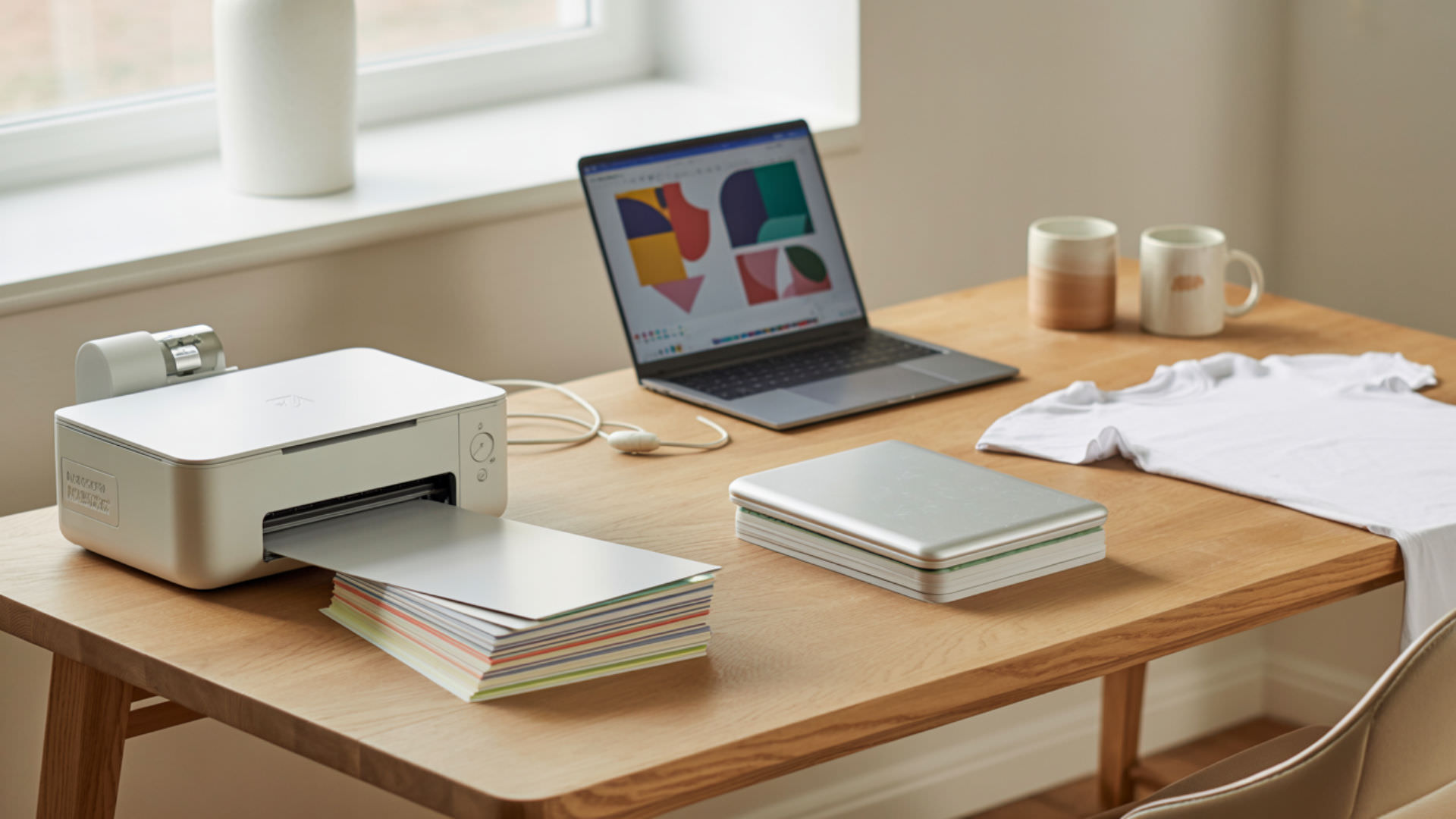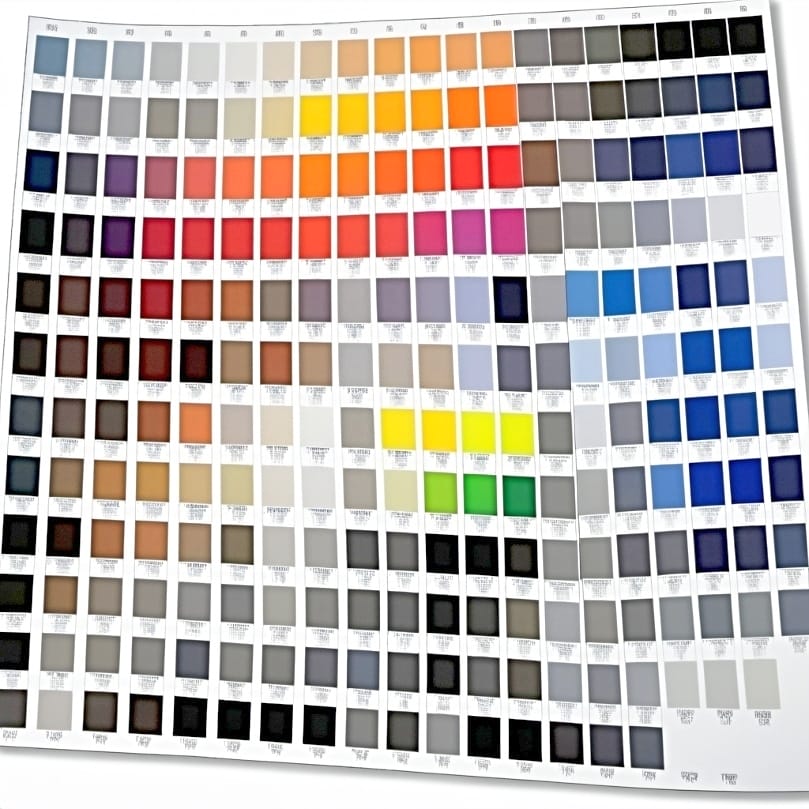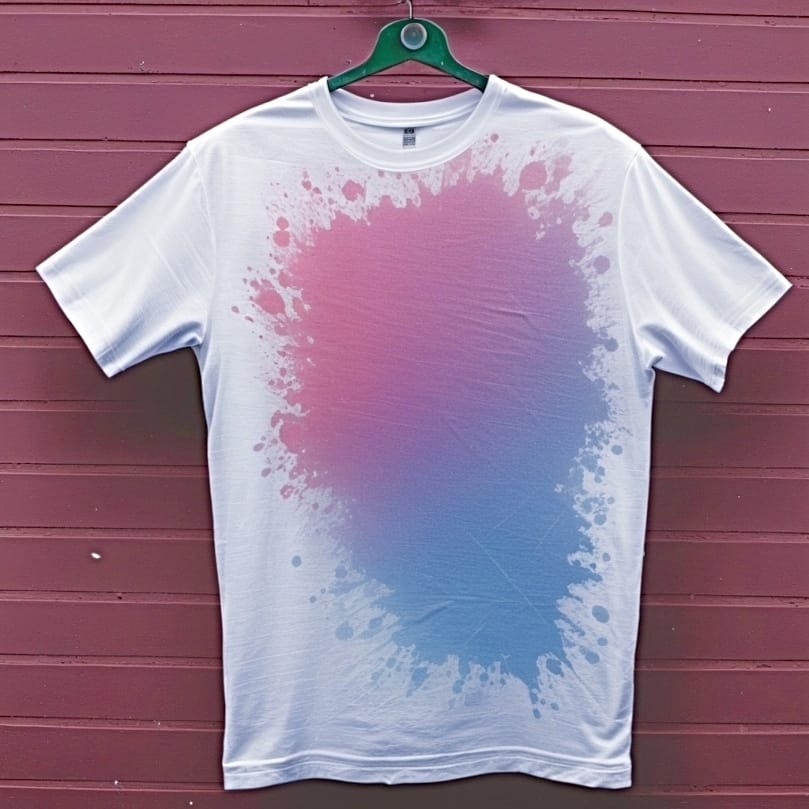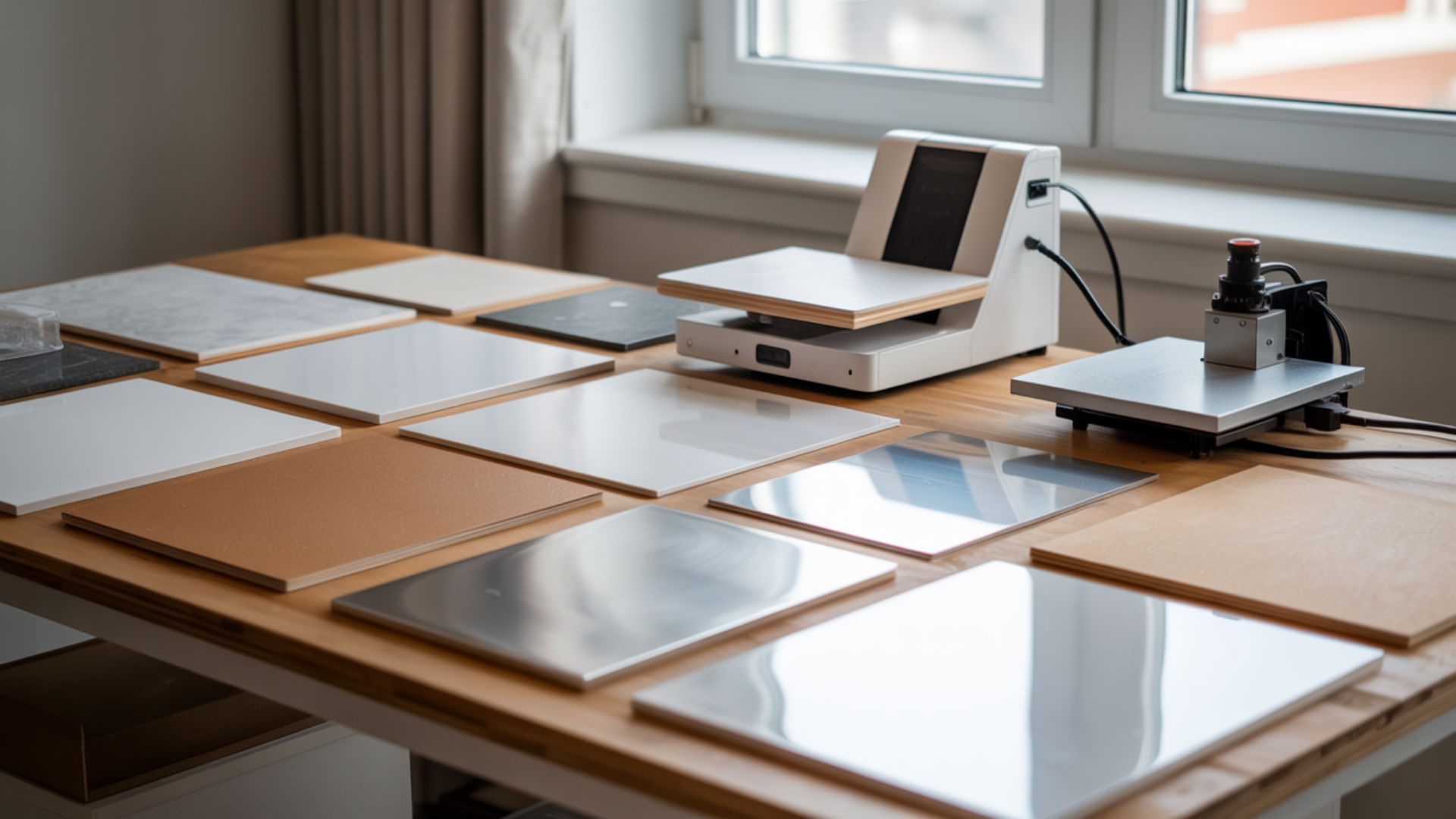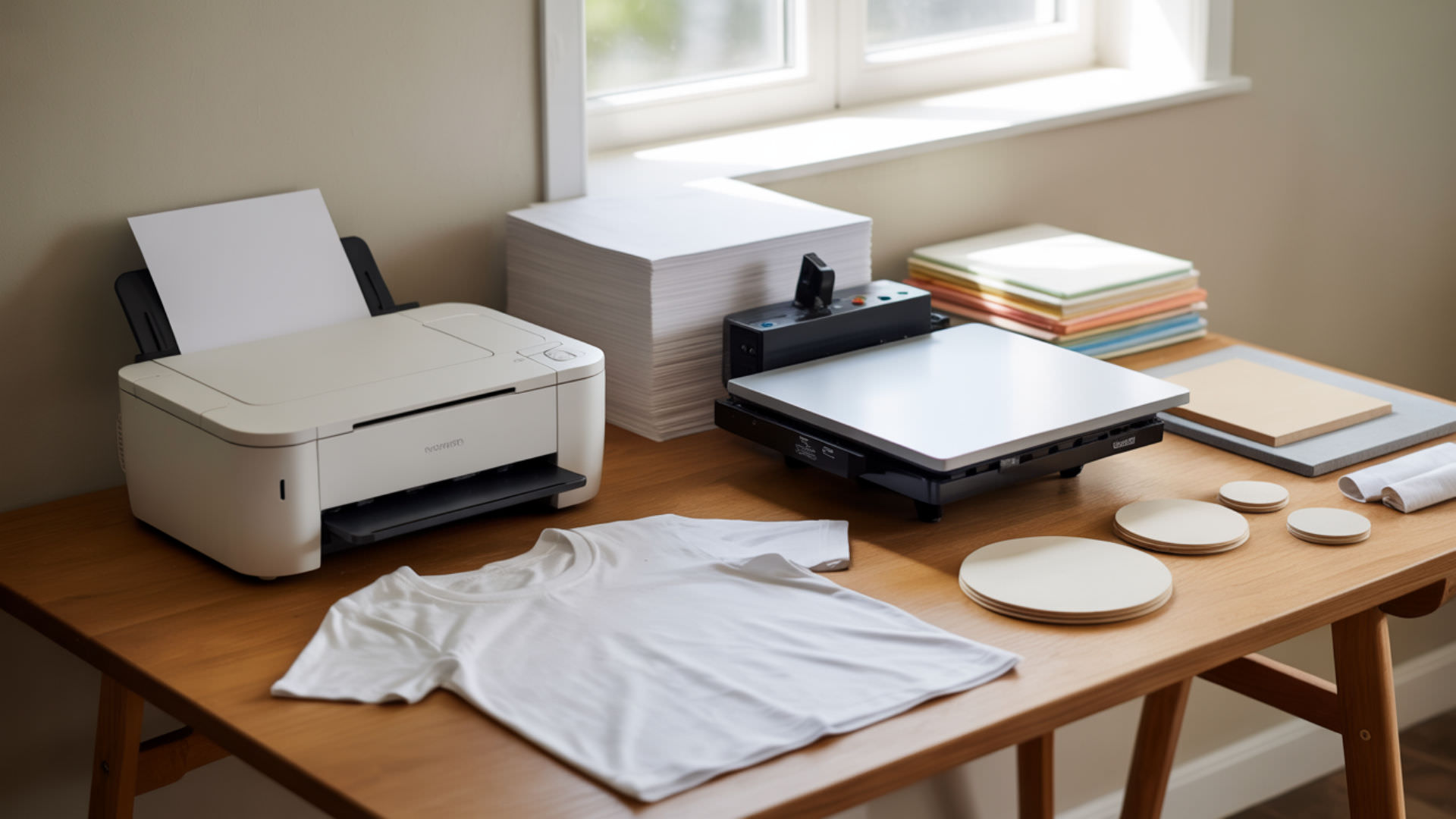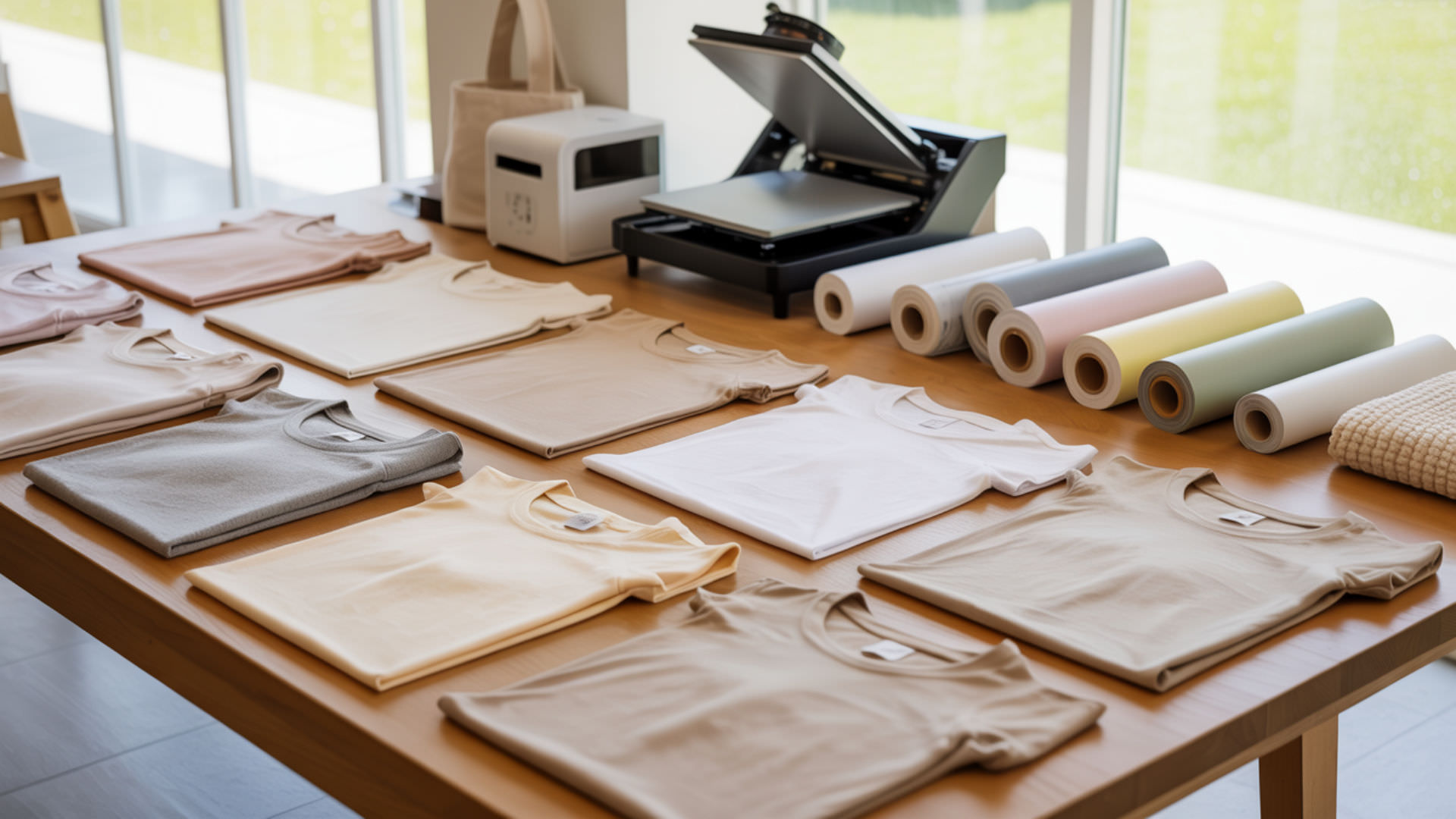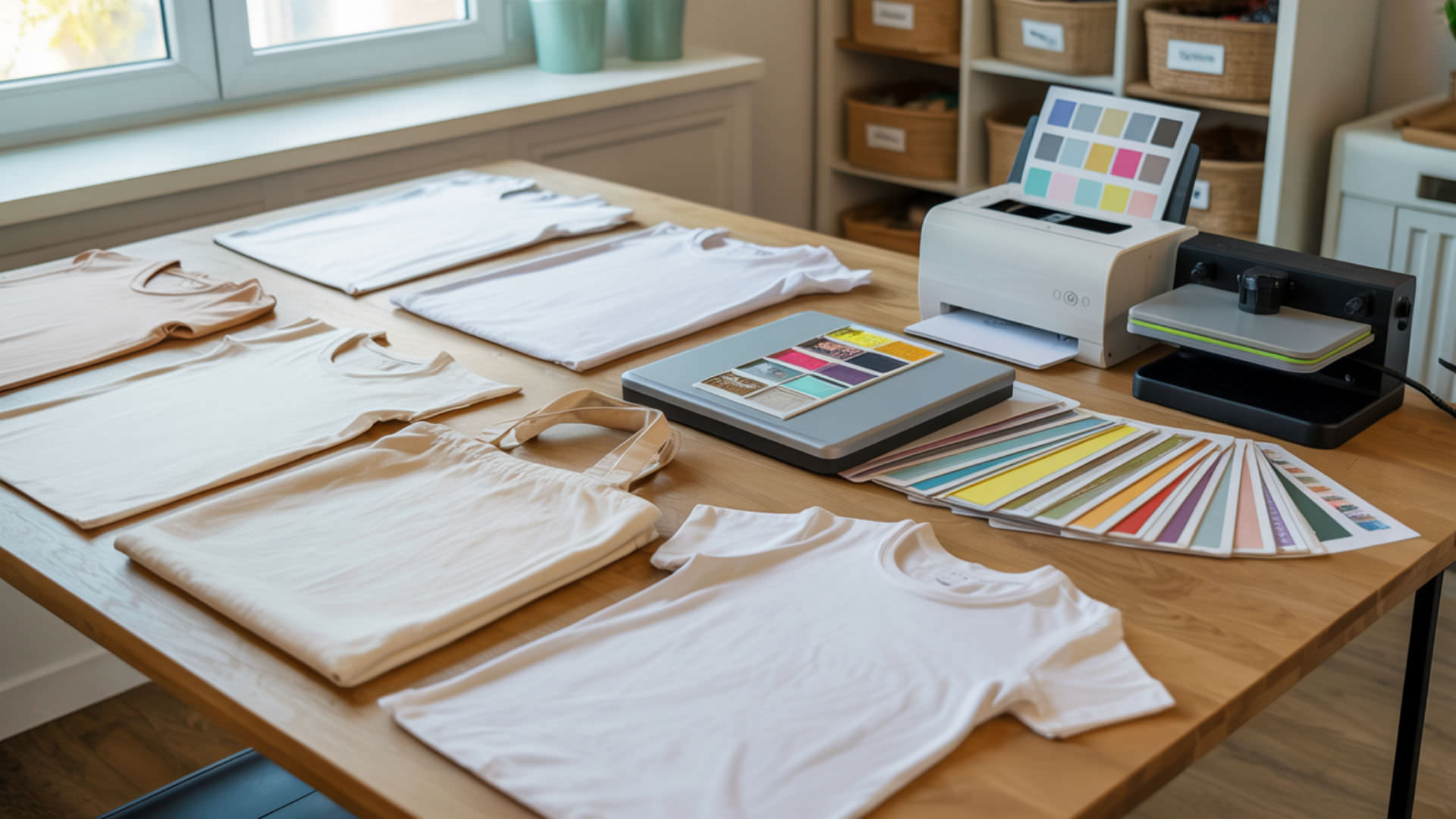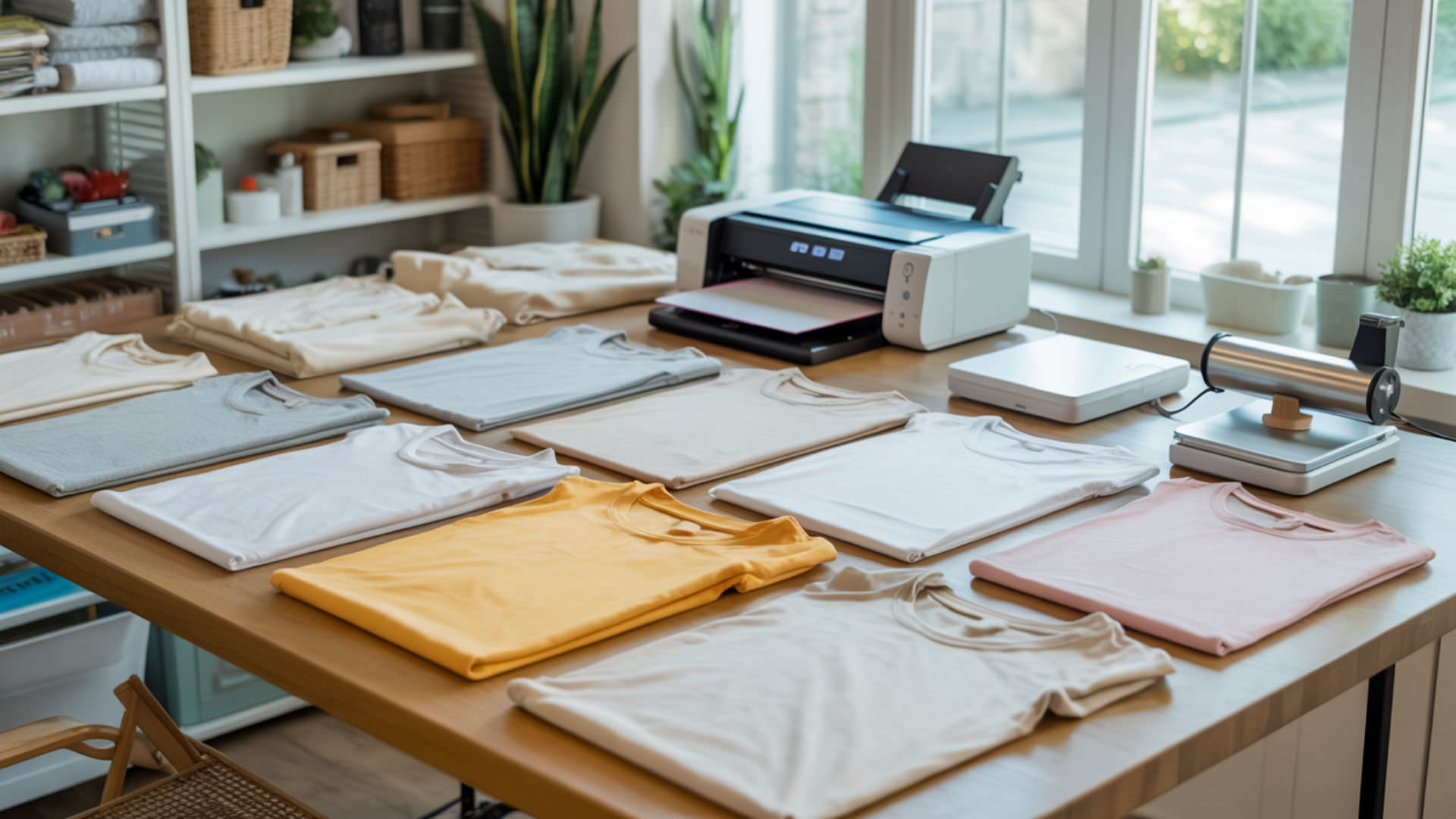
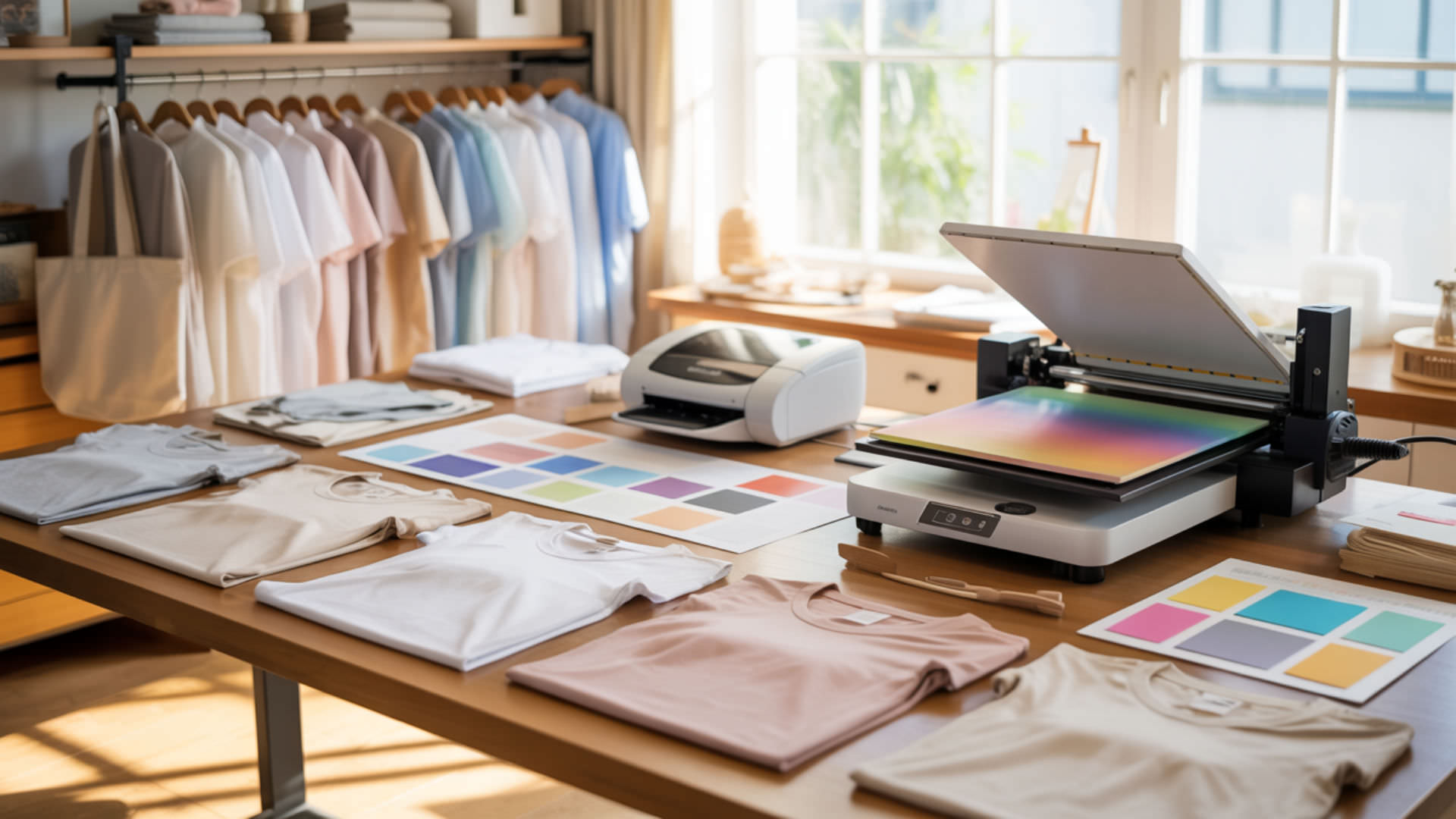
Sublimation is a phase-change process where solid dye converts to gas under heat and pressure (380–400°F for 35–60 seconds), allowing dye diffusion directly into polymer fibers. Unlike screen printing, DTG, or heat transfer vinyl—which deposits pigment, toner, or ink onto fabric surfaces—sublimation bonds color at the molecular level for permanent, vibrant results.
Research from the National Institute of Standards and Technology explains how heat causes polymers to expand and allow molecular diffusion, supporting the fundamental science behind sublimation dye bonding. [1]
Key Takeaways
- Sublimation produces continuous-tone printing with smooth gradients, while DTG, screen printing, and HTV rely on halftoning or layered deposits.
- Polyester compatibility is required for sublimation; DTG and screen printing work best on cotton fabrics.
- Sublimation dyes become part of the fabric and never crack or peel, unlike plastisol ink or vinyl layers.
How Does Sublimation Compare to Direct-to-Garment Printing?
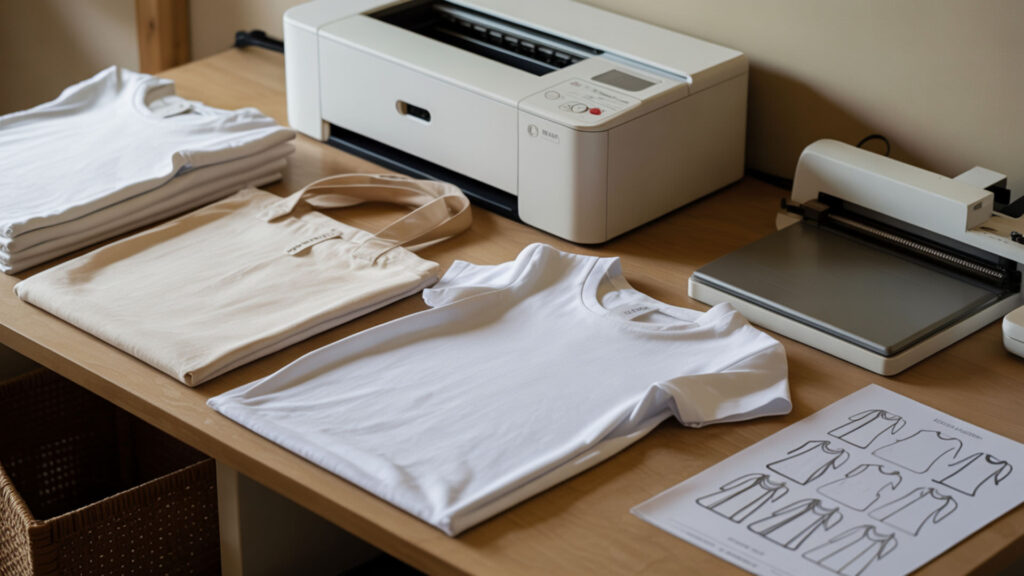
DTG uses inkjet deposition to spray water-based pigment ink directly onto fabric surfaces, curing at 300–350°F for 30–120 seconds. Sublimation requires polyester for dye diffusion because the dye bonds with polymer chains at the molecular level. DTG excels on 100% cotton, while sublimation delivers photo-quality results only on synthetic fibers with 65%+ polyester content. For a deeper comparison of how pigment ink chemistry differs from sublimation dye bonding, see our DTG vs Sublimation Printing guide.
Understanding the Fundamental Process Differences
Both DTG and sublimation printers use piezoelectric inkjet technology to deposit liquid onto substrates. DTG sprays pigment ink directly onto garments, while sublimation prints dye onto sublimation transfer paper first, then heat-presses the design onto polyester. The shared piezo mechanism means similar printhead maintenance, but the ink chemistry and transfer process differ entirely.
Which Materials Work Best for Each Method?
Fabric compatibility determines which method suits your products. DTG performs best on 100% ringspun cotton with tight weaves, where pigment ink adheres to fiber surfaces. Sublimation requires polyester or polymer-coated substrates because the gaseous dye must penetrate synthetic molecular structures. Cotton blocks dye diffusion entirely, producing washed-out, unusable results.
Cost and Production Time Considerations
DTG requires pretreatment solutions and longer curing times, especially on dark garments needing white ink underbases. Sublimation uses a heat press at 380–400°F for 35–60 seconds with no pretreatment. Printhead clog risk runs higher with pigment inks due to particle settling, requiring daily maintenance. Sublimation dye inks flow more consistently through nozzle channels.
⫸ Click Here For Best Selling Sublimation Printers And Products ⫷What’s the Difference Between Sublimation and Screen Printing?

Screen printing forces plastisol ink through a mesh screen stencil onto fabric, where it sits on top of fibers and cures at 300–330°F. Unlike sublimation’s dye diffusion into polyester, plastisol creates a raised ink layer that can crack over time. Screen printing works on cotton and blends, while sublimation bonds permanently with synthetic polymers. Because mesh screen stenciling differs so dramatically from digital dye transfer, our Sublimation Printing vs Screen Printing article covers setup and scalability tradeoffs.
Setup Requirements and Learning Curves
Screen printing demands physical screens coated with photoemulsion, exposed under UV light to create stencils. Each color requires a separate screen, and ink is pushed through using a squeegee with manual passes. Sublimation requires only a printer, transfer paper, and heat press—no screens, emulsions, or per-color setup costs.
Design Limitations and Color Capabilities
Screen printing uses halftoning to simulate gradients, printing tiny dots at varying densities. Resolution depends on mesh count—typically 110–305 threads per inch. Sublimation produces true continuous tones without dot patterns, delivering photographic quality at 300+ DPI. Complex multicolor designs cost significantly more in screen printing due to additional screen requirements.
Durability and Wash Resistance Comparison
Plastisol ink forms a polymer film on fabric surfaces that bonds mechanically to fibers. Over time and repeated washing, this layer can crack, peel, or fade. Sublimation’s phase change embeds dye molecules within polyester’s polymer structure permanently. The color becomes part of the fabric itself, making cracking or peeling impossible.
How Does Sublimation Stack Up Against DTF Printing?
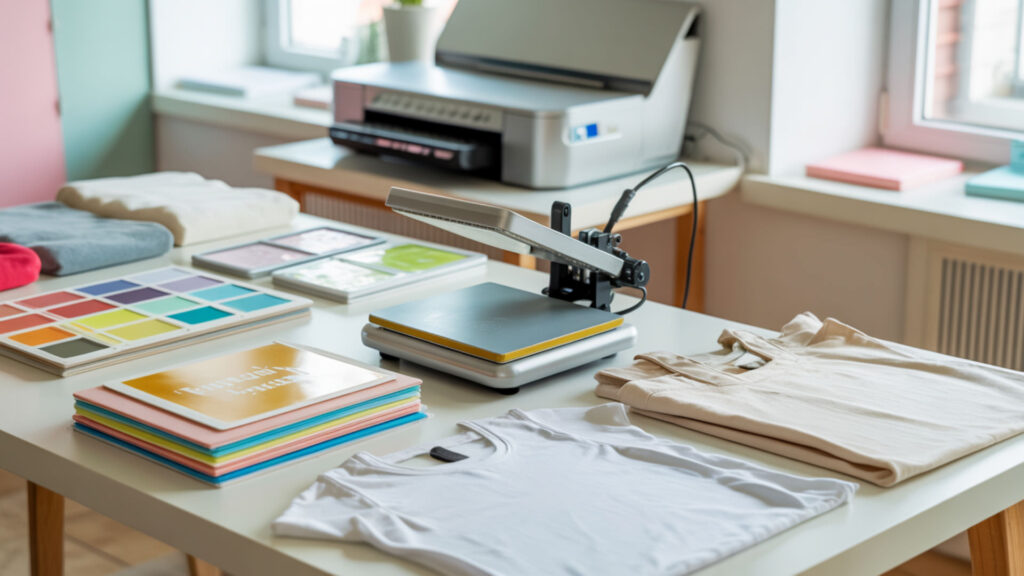
DTF prints pigment ink onto PET film, applies hot melt adhesive powder, then heat-presses the transfer onto fabric at 275–350°F for 10–20 seconds. The adhesive layer bonds the ink droplet deposits to any fabric type. Sublimation skips adhesives entirely—dye diffusion creates molecular bonds with polyester only. DTF offers broader fabric compatibility; sublimation offers softer hand feel. The role of PET film as a transfer carrier distinguishes DTF’s workflow, which we explore in detail in our Sublimation vs DTF Printing comparison.
Transfer Process and Application Methods
DTF requires printing onto specialized PET film, shaking hot melt adhesive powder onto wet ink, then curing at 250–270°F before pressing. The adhesive powder melts during heat pressing, bonding the ink layer to fabric fibers. Sublimation prints onto coated transfer paper, then presses directly—no powder, no adhesive layers, no post-curing steps.
Fabric Compatibility and Versatility
DTF’s adhesive system works on cotton, polyester, blends, and even nylon because polymer particles in the adhesive bond mechanically to any porous surface. Sublimation’s fabric compatibility is limited to polyester and polymer-coated items. If your product line includes cotton garments, DTF provides flexibility sublimation cannot match.
Investment Costs and Maintenance Needs
DTF printers use pigment inks that settle in lines and nozzle channels, requiring frequent agitation and cleaning. White ink maintenance is especially demanding. Sublimation printers running dye-based inks experience fewer printhead clogs. However, DTF’s consumable costs (PET film, adhesive powder) add up faster than sublimation’s paper-only transfer system.
Is Sublimation Better Than Heat Transfer Vinyl?
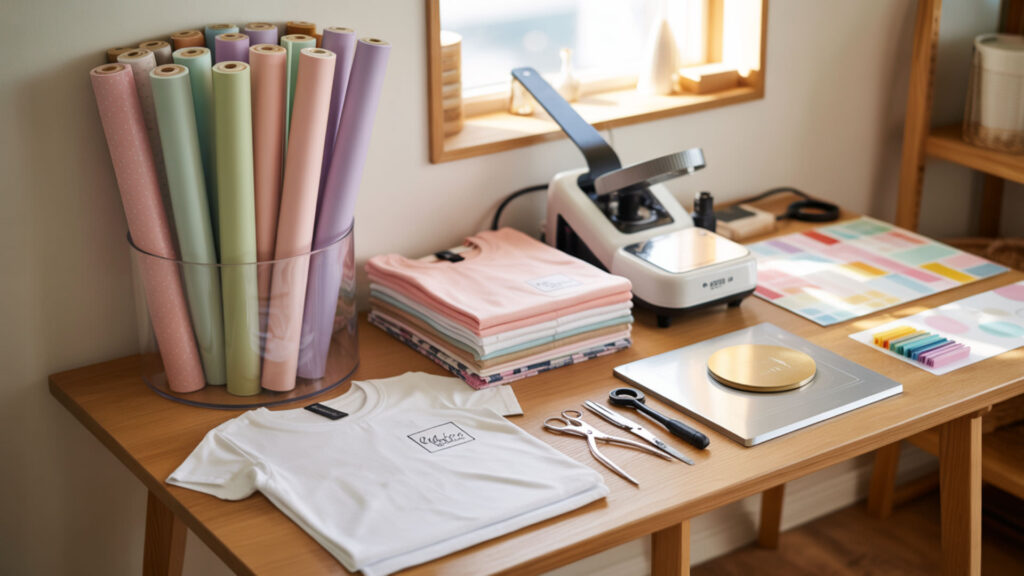
Heat transfer vinyl (HTV) applies pre-cut polyurethane (PU) or PVC sheets to fabric using heat at 260–320°F for 10–15 seconds. The vinyl layer sits on top of the garment, creating a noticeable texture. Sublimation dye diffusion produces no added thickness—the “no-hand” feel means designs are invisible to touch. HTV works on cotton; sublimation requires polyester. Because heat transfer vinyl (HTV) uses an entirely different bonding mechanism, our Sublimation vs Heat Transfer Vinyl guide compares texture, durability, and production workflows.
Design Complexity and Detail Reproduction
HTV requires cutting each design element from vinyl sheets, then weeding away excess material. Fine details, small text, and photographic images are extremely difficult or impossible. Sublimation’s continuous-tone printing handles unlimited colors, smooth gradients, and photorealistic detail without cutting, weeding, or layering limitations.
Production Speed for Different Order Sizes
HTV production slows dramatically at scale because each design requires manual cutting and weeding before heat press application. Sublimation prints directly from digital files—no cutting, no weeding, no layering. For bulk orders with complex multicolor designs, sublimation’s press-and-peel workflow completes in a fraction of HTV’s labor time.
Feel and Breathability of Finished Products
Polyurethane (PU) vinyl creates a distinct layer on fabric that affects breathability and flexibility. Customers notice the texture difference, especially on athletic or performance wear. Sublimation produces a completely smooth surface with zero added thickness because dye molecules integrate into the polyester structure rather than sitting on top.
Can Sublimation Replace Laser Printing Methods?
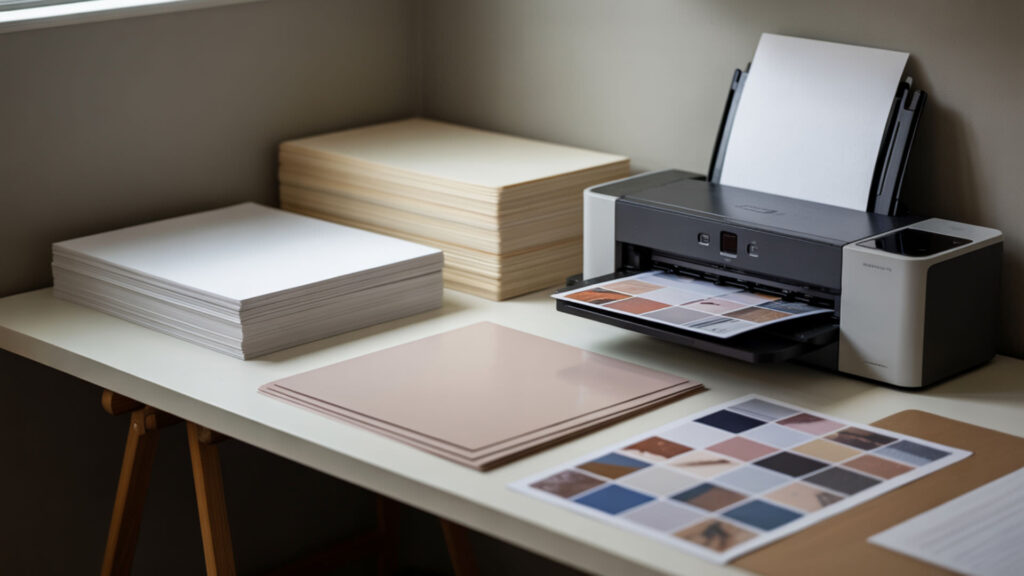
Laser printers use toner—fine polymer particles electrostatically charged and fused onto paper at approximately 400°F via a fuser assembly. This process excels at sharp text and document printing but cannot bond permanently to fabrics. Sublimation’s dye diffusion works only on polyester substrates, while laser printing targets paper and coated surfaces. The fundamental difference in how toner bonds to surfaces versus sublimation dye diffusion is covered in our Sublimation vs Laser Printer breakdown.
Print Quality and Resolution Differences
Laser printers deliver exceptional resolution for text and line art, producing crisp edges at 600–1200 DPI. However, they struggle with photographic gradients and continuous-tone printing. Sublimation produces smooth color transitions without visible dot patterns, making it superior for photo-quality images on compatible polymer substrates.
Long-term Value and Operating Costs
Toner cartridge replacement costs run significantly higher than sublimation ink refills for comparable print volumes. Laser printers also require fuser assembly replacements and drum maintenance. Sublimation systems need heat press maintenance and occasional printhead cleaning, but consumable costs per print typically remain lower for decorated products.
Why Choose UV Printing Over Sublimation (Or Vice Versa)?
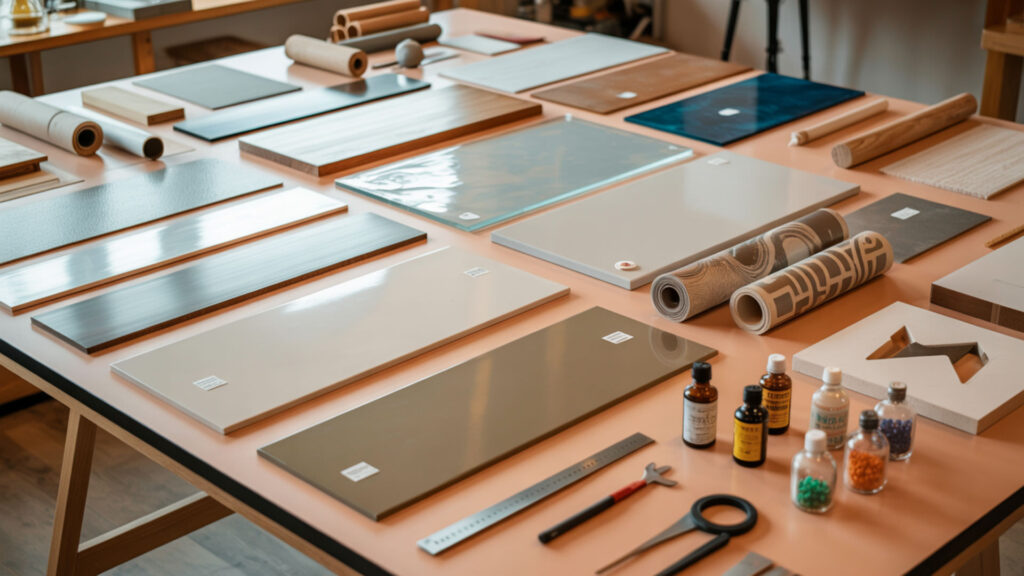
UV printing uses UV-cured ink that hardens instantly under ultraviolet light, bonding to rigid surfaces like acrylic, metal, glass, and wood through non-contact printing. Sublimation requires polymer surfaces for dye diffusion. UV excels on hard goods unsuitable for heat pressing; sublimation delivers superior results on polyester textiles and coated soft goods. The chemistry of UV-cured ink versus sublimation dye determines which substrates each method handles best, as detailed in our UV Printing vs Sublimation comparison.
Surface Compatibility and Application Range
UV printing works on PET film, paper, acrylic, aluminum, glass, wood, and most rigid polymer surfaces without pretreatment. It prints directly onto three-dimensional objects. Sublimation requires polymer-compatible substrates—polyester fabric, polymer-coated ceramics, or specially treated metals. UV offers broader material range; sublimation offers deeper color integration.
Indoor vs Outdoor Durability
UV-cured ink contains UV-resistant compounds that maintain color stability in direct sunlight for years. Sublimation dyes fade noticeably when exposed to prolonged outdoor UV radiation. For exterior signage, vehicle graphics, or outdoor promotional items, UV printing outperforms sublimation significantly. Indoor applications favor sublimation’s vibrant color saturation.
Environmental and Safety Considerations
UV printing requires proper ventilation because UV-cured ink formulations can release volatile compounds during printing. Toner-based systems generate fine particle emissions requiring filtration. Sublimation dye inks are water-based with lower VOC emissions, and the heat press process produces minimal airborne particles when used with proper ventilation.NIOSH recommends local exhaust ventilation and other controls to reduce airborne solvent and particulate exposures in printing environments. [2]
When Should You Use Inkjet Instead of Dye-Sublimation?
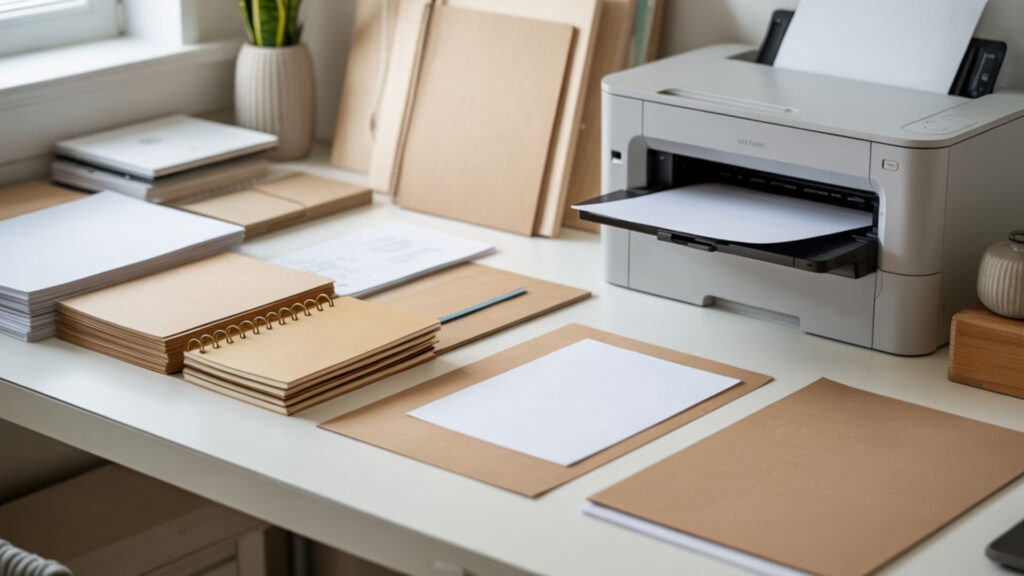
Standard inkjet printers use thermal inkjet or piezoelectric inkjet heads to deposit aqueous or pigment inks onto paper and coated surfaces. Sublimation is a specialized inkjet variant using dye inks and transfer paper for polyester applications. Choose standard inkjet for office documents and signage; choose sublimation for permanent fabric decoration. The distinction between thermal inkjet mechanisms in standard printers versus sublimation systems drives which applications each handles best—see our Inkjet vs Dye-Sublimation guide.
Paper and Substrate Requirements
Standard inkjet printers work on plain paper, cardstock, photo paper, and most porous substrates. Sublimation requires specialized sublimation transfer paper with polymer coatings that hold dye until heat-activated transfer. Using regular paper in sublimation printers wastes ink because the dye soaks into uncoated fibers rather than releasing during pressing.
Color Accuracy and Reproduction Quality
Standard inkjet printing uses halftoning to create color variations through dot density patterns. Resolution typically reaches 300–1440 DPI depending on the printer. Sublimation produces continuous-tone printing with smooth gradients and no visible dots, achieving photographic reproduction quality on compatible polyester substrates.
Business Applications and Market Demands
Standard inkjet serves office printing, photo reproduction, and signage markets where fabric compatibility is unnecessary. Sublimation dominates custom apparel, promotional products, and personalized gifts requiring permanent fabric decoration. Heat press requirements and polyester limitations make sublimation unsuitable for general office or paper-based applications.
Which Printing Method Works Best for T-Shirt Businesses?
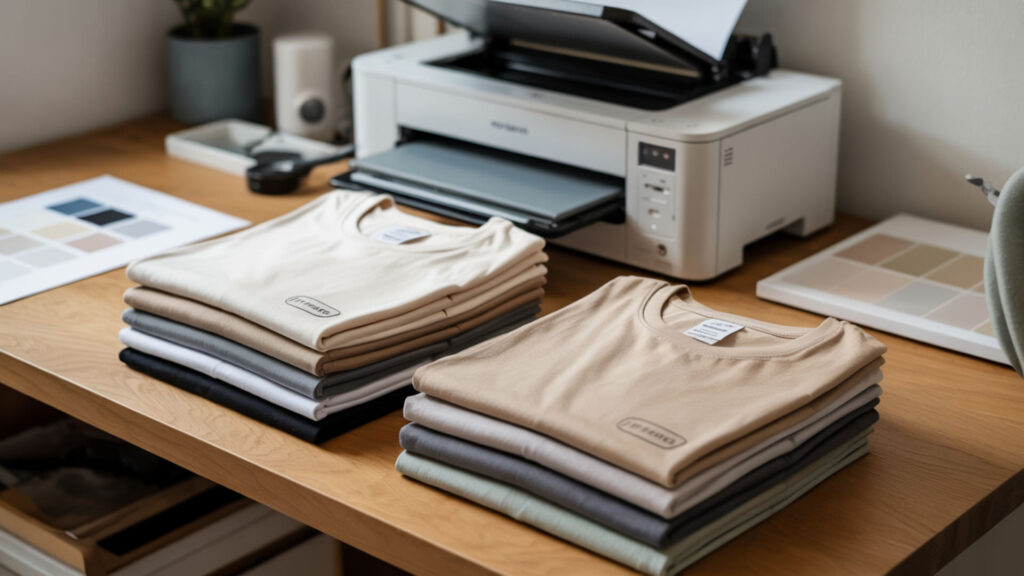
Startup costs vary dramatically across printing methods—from under $500 for basic HTV setups to $15,000+ for commercial DTG systems. Fabric compatibility determines your product range: sublimation requires polyester, DTG prefers cotton, screen printing handles both. Your target market, order volumes, and design complexity should drive equipment decisions. Equipment investments including heat press selection and printer specifications are detailed in our guide on the best printer for T-shirt printing with sublimation vs other methods.
Startup Costs and ROI Expectations
Sublimation entry costs include a converted inkjet or dedicated sublimation printer ($300–$800), heat press ($200–$500), and consumables. DTG systems start around $10,000–$20,000 with ongoing pretreatment and white ink costs. Screen printing manual setups run $1,000–$3,000, while automatic presses exceed $20,000. Maintenance costs for nozzle and printhead cleaning vary by ink type—pigment and toner systems require more frequent service.
Production Volume and Scalability
Screen printing using mesh screen stencils scales most efficiently for bulk orders—once screens are prepared, each additional unit costs pennies in ink. Sublimation and DTG scale linearly with per-unit costs remaining constant regardless of volume. For runs exceeding 50–100 identical pieces, screen printing’s economics typically outperform digital methods despite higher setup time.
Customer Preferences and Market Trends
Market demand increasingly favors soft-feel prints over thick plastisol ink layers. Sublimation’s dye diffusion produces zero texture—ideal for athletic and fashion apparel. DTG’s water-based inks also deliver softer results than traditional screen printing. Customers now expect photographic quality and durability, pushing decoration businesses toward digital printing technologies.
Final Thoughts
Sublimation’s phase change process delivers unmatched color vibrancy and durability on polyester substrates, but fabric compatibility limitations define its boundaries. Cotton-based businesses need DTG, DTF, or screen printing alternatives. Evaluating your product line, target materials, and production volumes determines which method—or combination of methods—best serves your customers and profit margins.
Frequently Asked Questions
Can I use sublimation printing on cotton fabrics, or do I need special materials?
Sublimation requires polyester content of at least 65% for acceptable results because dye diffusion bonds only with synthetic polymer chains. Cotton fibers block the gaseous dye from penetrating, producing faded, washed-out prints that lack vibrancy. For cotton fabrics, use DTG, screen printing, or DTF methods that deposit ink or adhesive onto fiber surfaces instead.
What’s the average lifespan of designs created with sublimation compared to other printing methods?
Sublimation designs last the lifetime of the garment because dye diffusion embeds color within polyester fibers permanently—no cracking, peeling, or fading from washing. Screen-printed plastisol typically survives 50–100 washes before cracking. DTG prints last 30–50 washes with proper care. HTV vinyl layers may peel after 25–50 wash cycles depending on application quality.
How much space do I need to set up a sublimation printing workspace?
A basic sublimation setup requires approximately 50–100 square feet for a desktop printer, 15″×15″ heat press, and work surfaces. Screen printing demands 200–400+ square feet for screens, exposure units, washout stations, and drying racks. DTG and DTF systems need 100–150 square feet including ventilation space. Sublimation offers the most compact footprint for home-based businesses.
Is sublimation printing environmentally friendly compared to traditional printing methods?
Sublimation uses water-based dye inks with lower VOC emissions than plastisol or solvent-based alternatives. The process produces minimal waste—unused dye remains on transfer paper rather than washing down drains. Screen printing generates chemical waste from emulsions, solvents, and ink cleanup. UV printing requires ventilation for curing emissions. Sublimation ranks among the cleaner decoration options.
Can I switch between different printing methods using the same equipment?
Heat presses work across sublimation, DTF, and HTV applications with temperature adjustments (260–400°F depending on method). However, printers cannot switch between ink types—sublimation dye inks permanently stain printheads incompatible with pigment inks. Dedicated equipment for each method prevents cross-contamination. Multi-method businesses typically maintain separate printer systems for each technology.
References
- Materials. (2025, August 25). NIST. https://www.nist.gov/materials
- Engineering controls database. (n.d.). Centers for Disease Control and Prevention | CDC. https://www.cdc.gov/niosh/engcontrols/ecd/detail37.html?utm