Heat tape alternatives must match the grip strength of pressure-sensitive adhesive products while surviving sublimation temperatures of 350–400°F without melting or leaving residue. Thermal resistance determines which materials can endure complete heat press cycles at 180–200°C without breaking down or transferring adhesive onto substrates. Understanding thermal resistance requirements helps identify safe alternatives—our guide on what is a sublimation heat press explains heat conditions and substrate behavior that affect tape performance.
Key Takeaways
- Silicone-based adhesive tapes offer the highest thermal stability, withstanding temperatures up to 425°F without degradation.
- Thermal decomposition causes unsuitable tapes to melt, brown, or leave sticky residue that damages substrates.
- Always test alternatives on scrap material before committing to production projects to verify heat tolerance.
What Tapes Can Replace Heat Tape in Sublimation Transfers?
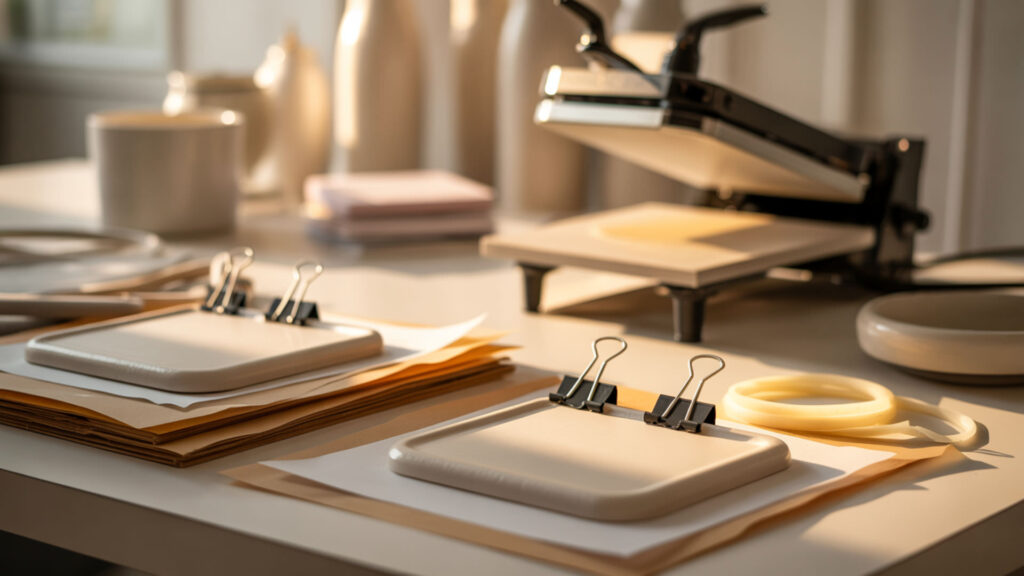
Replacement tapes must match the performance baseline that pressure-sensitive adhesive heat tape provides—secure grip during pressing without melting, shifting, or leaving marks. High-temperature masking tape and polyimide (Kapton) tape withstand sublimation temperatures effectively. Silicone-based adhesive products remain the gold standard because they maintain integrity at sustained high temperatures while peeling cleanly after pressing. Polyimide (Kapton) tape is commonly used where materials must tolerate sustained high heat without degrading. [1]
What Can You Use Instead of Sublimation Tape?
Alternatives must provide strong adhesion that prevents transfers from lifting or sliding before and during pressing. Equally important is shear resistance—the ability to prevent side-to-side movement under pressure that leads to ghosting and double images. High-temperature masking tape, painter’s tape for hard substrates, and spray adhesives all serve as substitutes with varying degrees of heat tolerance and cleanup requirements.
Can Masking or Painter-Style Tapes Work for Sublimation?
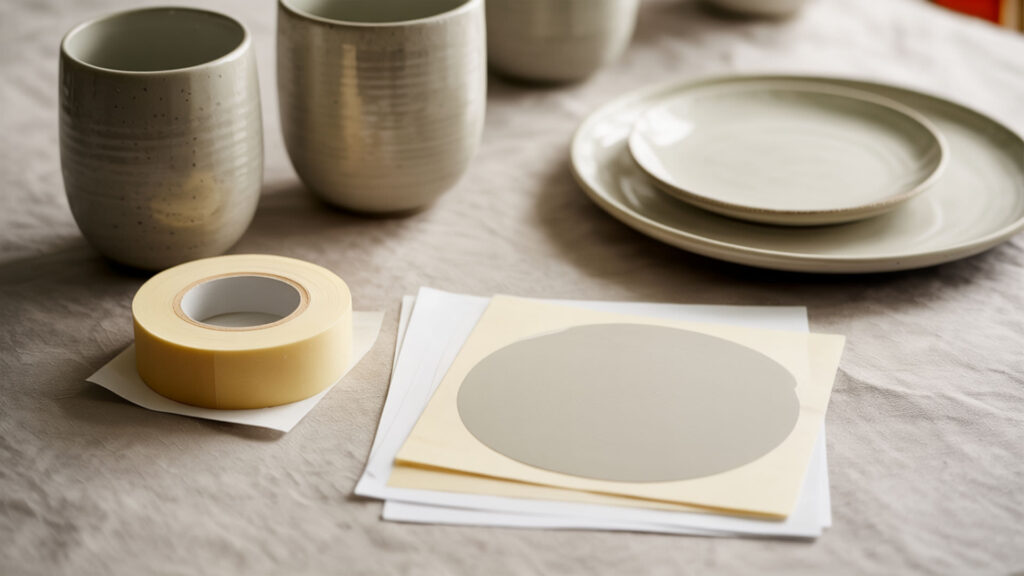
Masking and painter’s tapes use different adhesive formulations that affect heat performance. Rubber-based adhesive tapes have low heat tolerance—they soften and brown at sublimation temperatures, potentially scorching or fusing to substrates. Acrylic-based adhesive tapes offer moderate heat resistance but may yellow over time or imprint visible edges onto sensitive materials during pressing.
Can You Use Masking Tape for Sublimation Projects?
Standard masking tape works for sublimation tumblers and hard surfaces but presents risks on fabrics and coated items. Thermal decomposition at sublimation temperatures causes residue and browning that requires cleanup with rubbing alcohol or soap. Adhesion can weaken during extended pressing, allowing paper shifting that produces ghosting. Clean residue immediately after pressing before it sets permanently.
Can You Use Painter’s Tape for Sublimation?
Painter’s tape provides moderate thermal resistance that tolerates some heat exposure but struggles with full sublimation cycles at sustained temperatures. The lower peel adhesion that makes painter’s tape easy to remove from walls also means it may release during pressing. This tape works better on hard, smooth surfaces like tumblers than on fabrics where heat intensifies adhesive transfer to fibers.
⫸ Click Here For Best Selling Sublimation Printers And Products ⫷Are Sprays or Adhesives Used as Tape Substitutes in Sublimation?
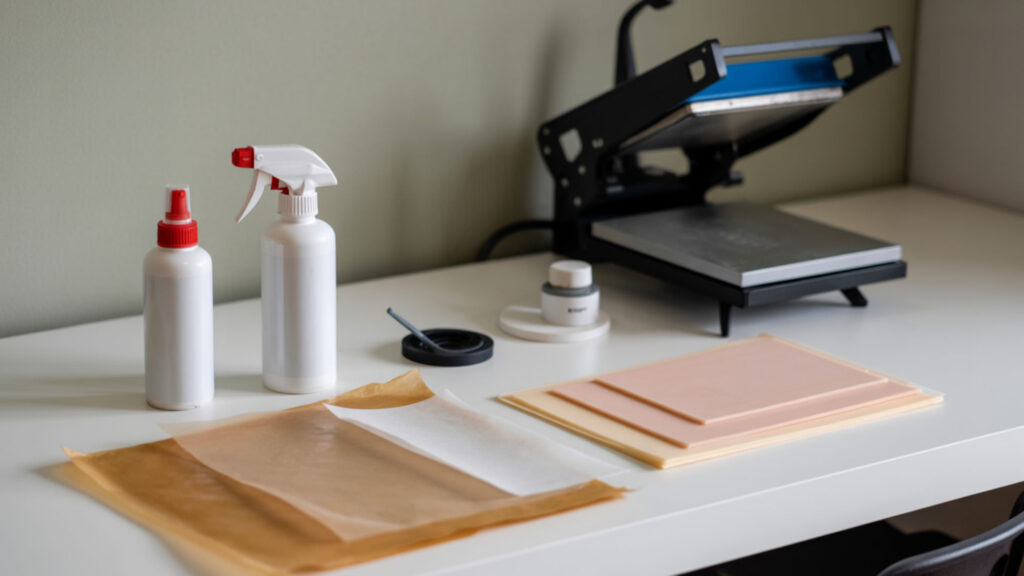
Spray adhesives provide temporary tack that holds transfers in place for flat items like shirts and metal panels without leaving tape edge marks. However, off-gassing becomes a concern when overheated sprays release fumes or cause spots and uneven transfer areas. Heat-safe formulations applied in thin coats minimize these risks. Since off-gassing becomes more critical during longer dwell times and enclosed setups, our sublimation tumbler heat press settings guide covers heat management for extended pressing cycles.
What Tape Is Least Likely to Leave Press Marks?
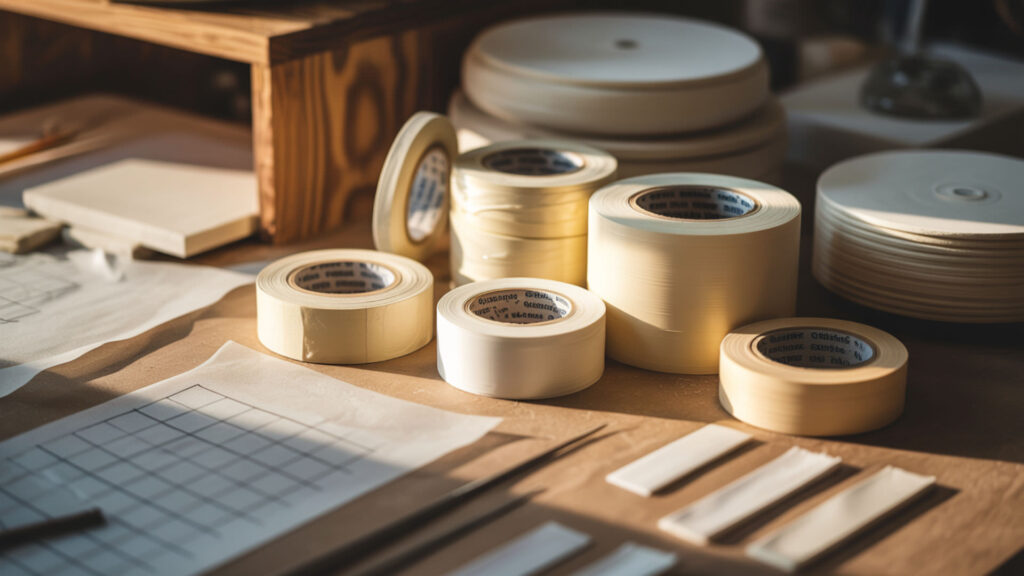
Silicone-based adhesive tapes minimize press marks because high thermal stability prevents edge softening that imprints onto substrates. Clean peel adhesion allows tape removal without leaving raised or shiny borders where edges contact the surface. Thin tapes with smooth backings distribute pressure more evenly than thick alternatives. The quality and evenness of your heat press directly impacts whether tape edges leave marks—our guide on best heat press machines for sublimation compares pressure consistency across different models.
Why Do Some Tapes Leave Marks During Sublimation Transfers?
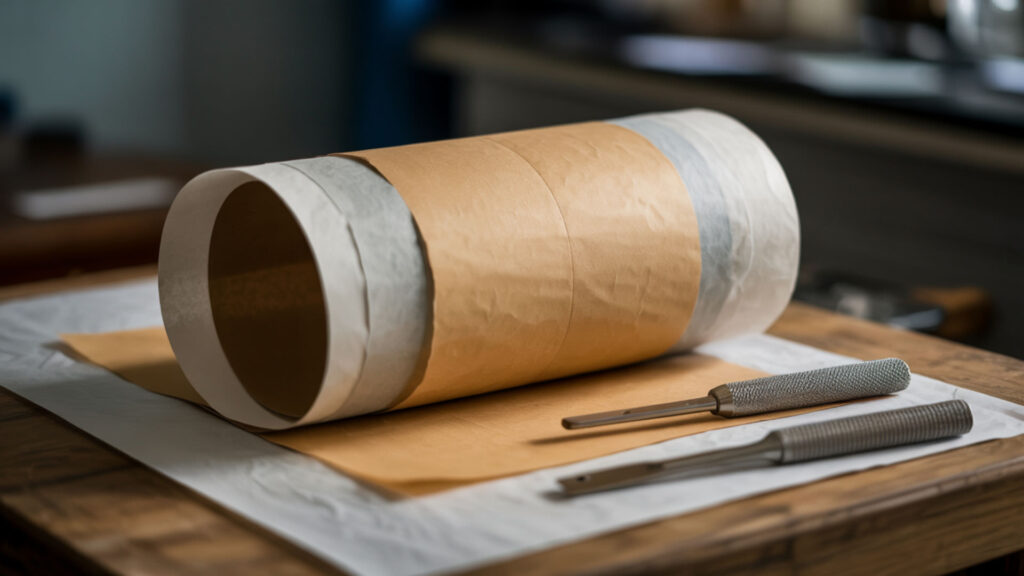
Heat expands tape backings and activates adhesives, causing visible outlines where tape edges contact substrates under pressure. Low thermal resistance leads to softening that allows tape edges to imprint into polymer coatings or fabric surfaces. Thicker tapes create more pronounced pressure differentials between taped and untaped areas. Because tape marks are strongly affected by temperature and dwell-time choices, our heat press settings guide explains timing adjustments that minimize marking. Some tapes leave marks when adhesive sticks too strongly to surfaces instead of releasing cleanly.
Wikipedia explains that pressure-sensitive tape forms bonds under pressure and can leave residue depending on adhesive and surface interaction. [2]
How Do You Use Masking or Painter’s Tape Step-by-Step in Sublimation?

Using masking or painter’s tape requires careful application to maximize adhesion while minimizing mark potential. Check shear resistance by ensuring tape holds firmly when the press closes under sudden pressure.
- Position your sublimation paper precisely on the substrate before taping. Alignment matters because repositioning after taping risks paper movement and ghosting.
- Apply tape along all edges, pressing firmly to ensure complete adhesion. Tape should contact both the paper edge and substrate surface without gaps.
- Keep tape strips thin and avoid overlapping layers that create thickness variations. Thicker tape sections leave more visible marks under heat and pressure.
- For tumblers, place tape vertically along the seam from top to bottom. Avoid tape extending over design edges where it will leave white marks on the final transfer.
- Press at recommended settings for your substrate type and material. Standard tumbler settings range from 365–385°F for 60–90 seconds depending on your equipment.
- Remove tape immediately after pressing and clean any residue with rubbing alcohol. Fresh residue removes more easily than deposits that have cooled and set on the surface.
Ready to Try Sublimation Tape Alternatives?
Silicone-based adhesive products remain the safest benchmark for high-heat sublimation projects, but household alternatives work when proper precautions are followed. Evaluate any new tape or non-adhesive method based on thermal resistance as the core decision factor. Test on scrap material, watch for residue or marks, and adjust your approach based on results before committing to production runs.
Frequently Asked Questions
Can alternative tapes handle sublimation heat long enough for a full transfer?
Most alternative tapes tolerate sublimation temperature for standard press cycles of 35–60 seconds on fabric or 60–90 seconds on hard substrates. Extended dwell times increase thermal decomposition risk, causing adhesive breakdown that leads to shifting or residue. High-temperature masking tape handles longer cycles better than standard painter’s tape formulations.
Can tape marks happen even if the ink transfers correctly?
Tape marks and ink transfer are independent outcomes—successful color transfer doesn’t prevent thermal decomposition of the tape itself. Marks appear from heat expanding tape backings and softening adhesives, not from ink behavior. Even with perfect transfer results, unsuitable tapes leave visible edges, residue, or surface texture changes where they contacted the substrate.
Do thinner tapes show fewer marks than thick tapes in sublimation?
Thinner tapes generally produce less visible marks because they create smaller pressure differentials between taped and untaped areas during pressing. Peel adhesion characteristics matter more than thickness alone—a thin tape with aggressive adhesive may leave more residue than a thicker tape with clean-release properties. Test both factors when evaluating alternatives.
Can humidity influence tape press marks?
Humidity affects tape performance by introducing moisture that vaporizes during pressing, potentially causing adhesive breakdown or bubbling under the tape surface. Damp conditions can weaken adhesion before pressing begins, allowing paper movement. Store tape in dry conditions and pre-press substrates to remove moisture that could interact with adhesive layers during heat application.
Can cooling speed change how tape interacts with the transfer?
Rapid cooling can cause tape adhesive to re-harden while still bonded to the substrate, making clean removal more difficult and increasing residue risk. Remove tape while the substrate is still warm but handleable—this allows adhesive to release cleanly before it re-solidifies. Waiting until complete cooling often results in more stubborn residue that requires solvent cleaning.
References
- Polyimide. (2025, December 25). Wikipedia, the free encyclopedia. Retrieved January 13, 2026, from https://en.wikipedia.org/wiki/Polyimide
- Pressure-sensitive tape. (2025, May 25). Wikipedia, the free encyclopedia. Retrieved January 13, 2026, from https://en.wikipedia.org/wiki/Pressure-sensitive_tape?utm_