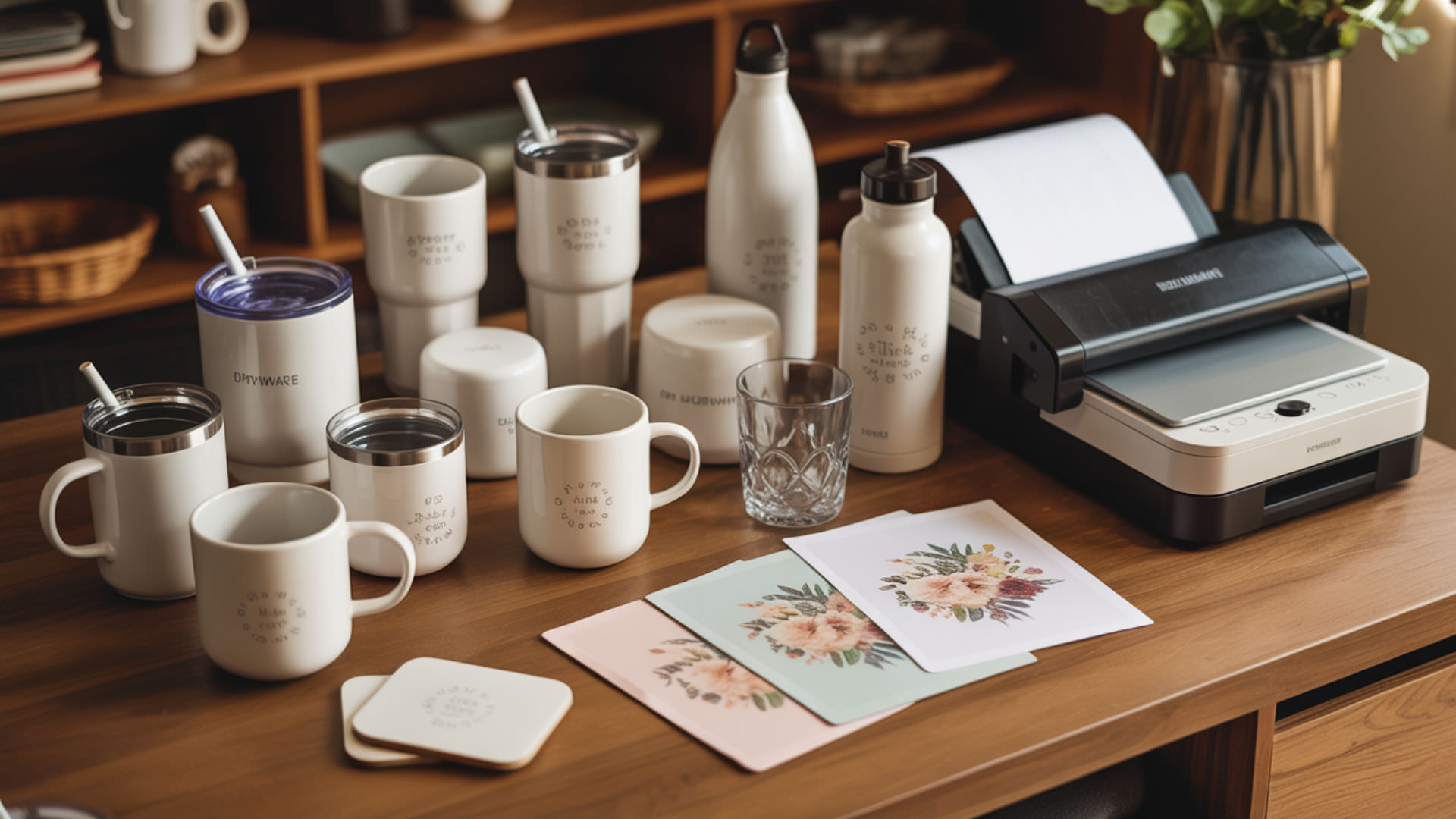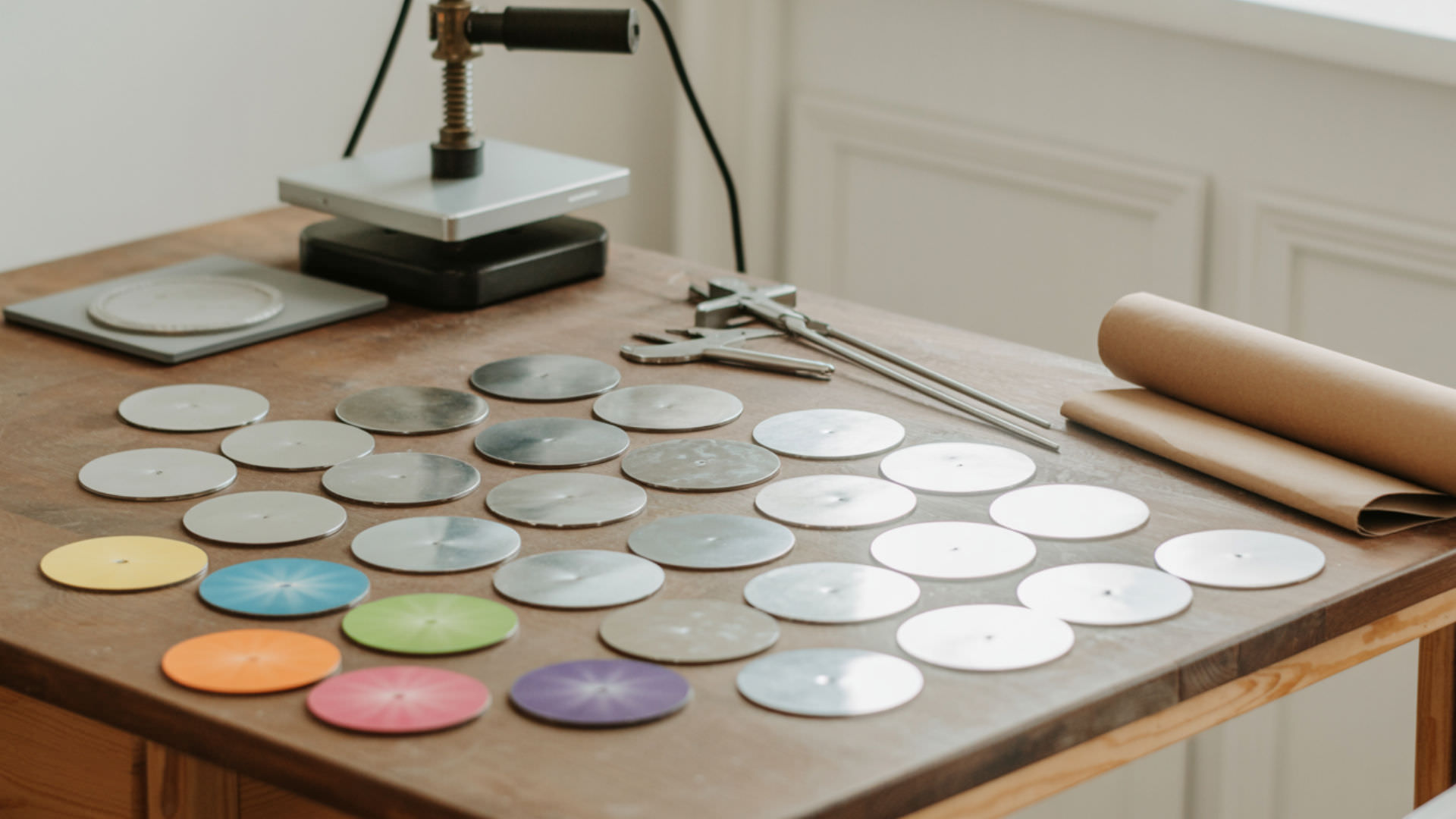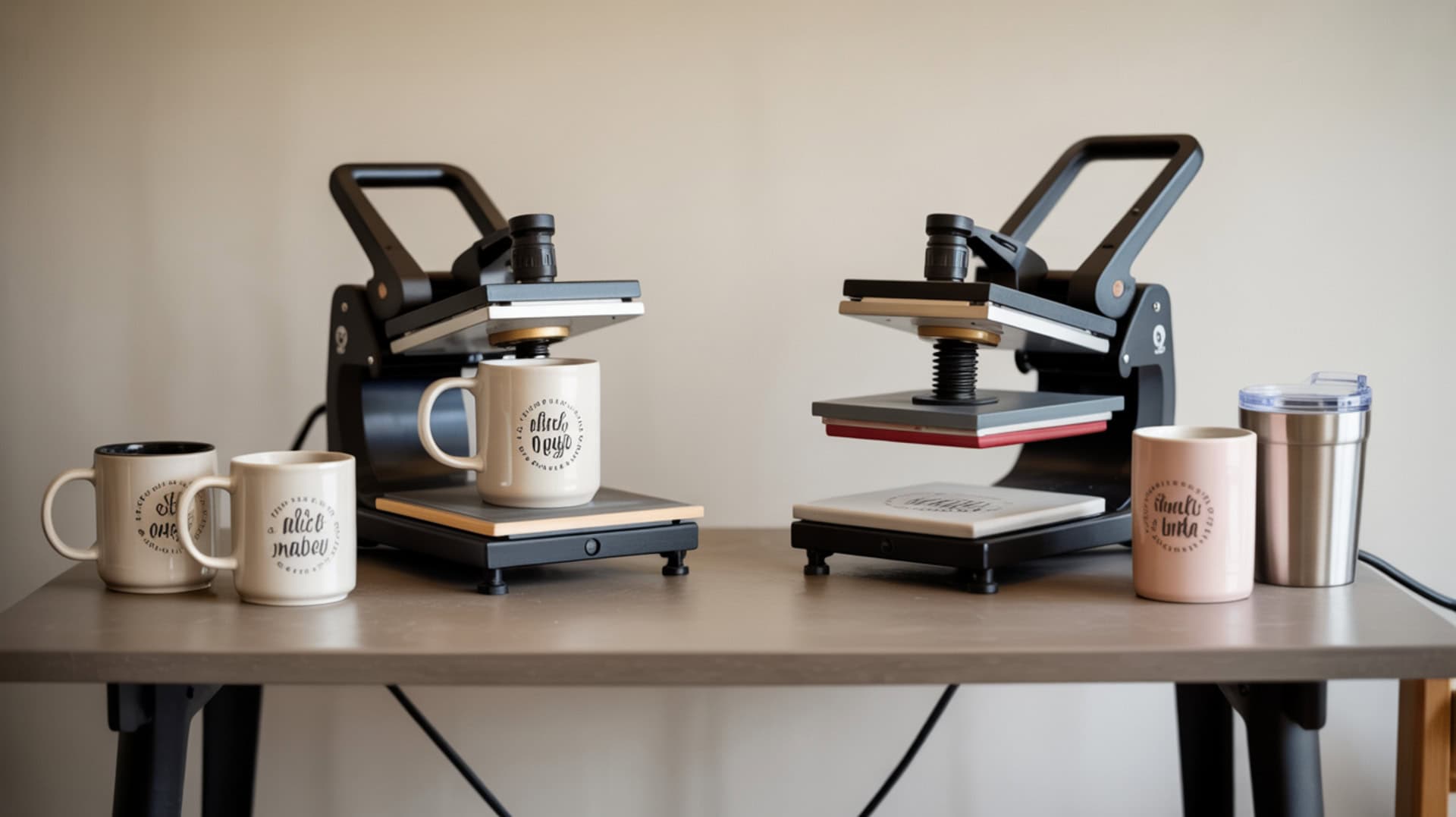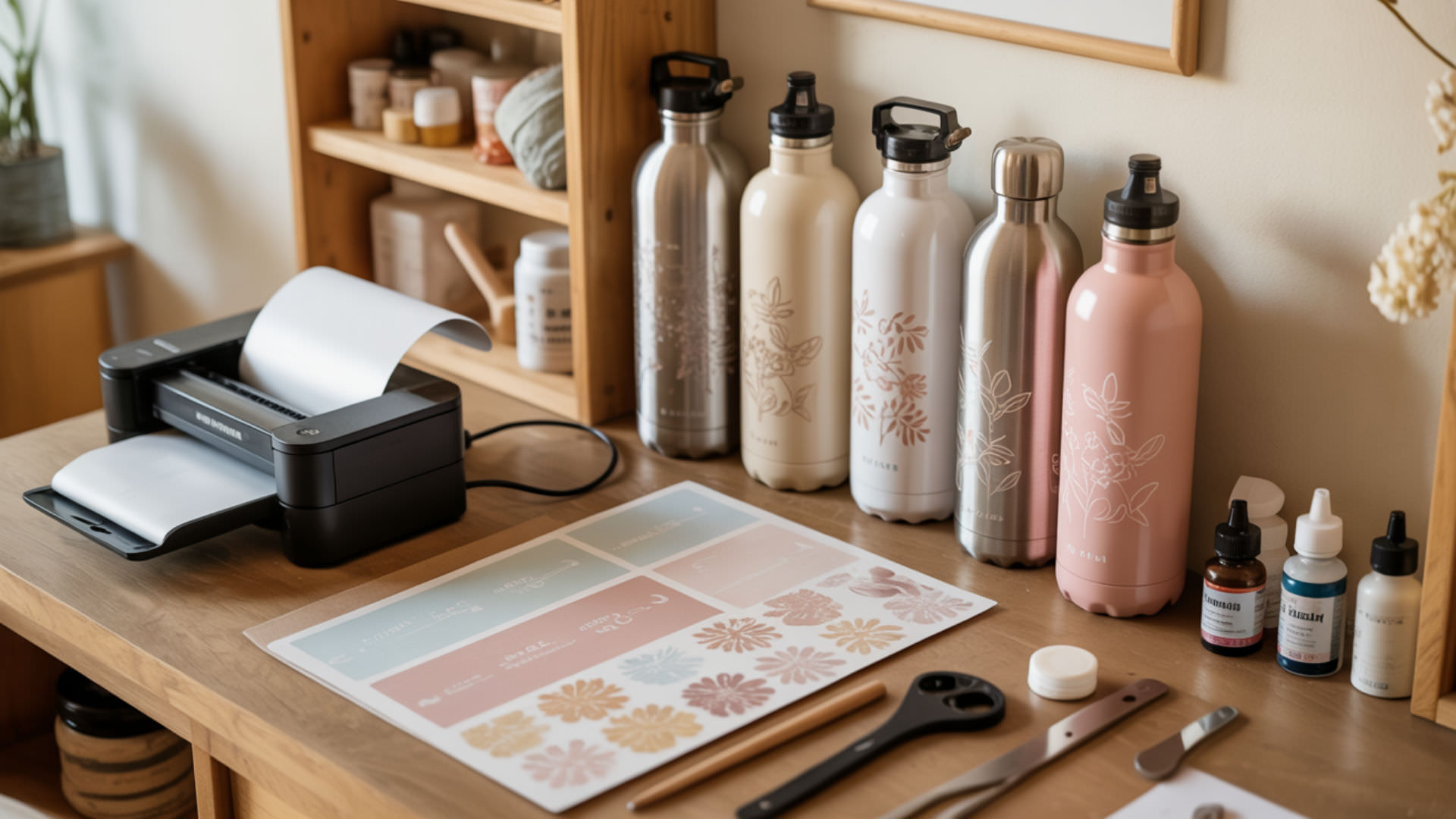
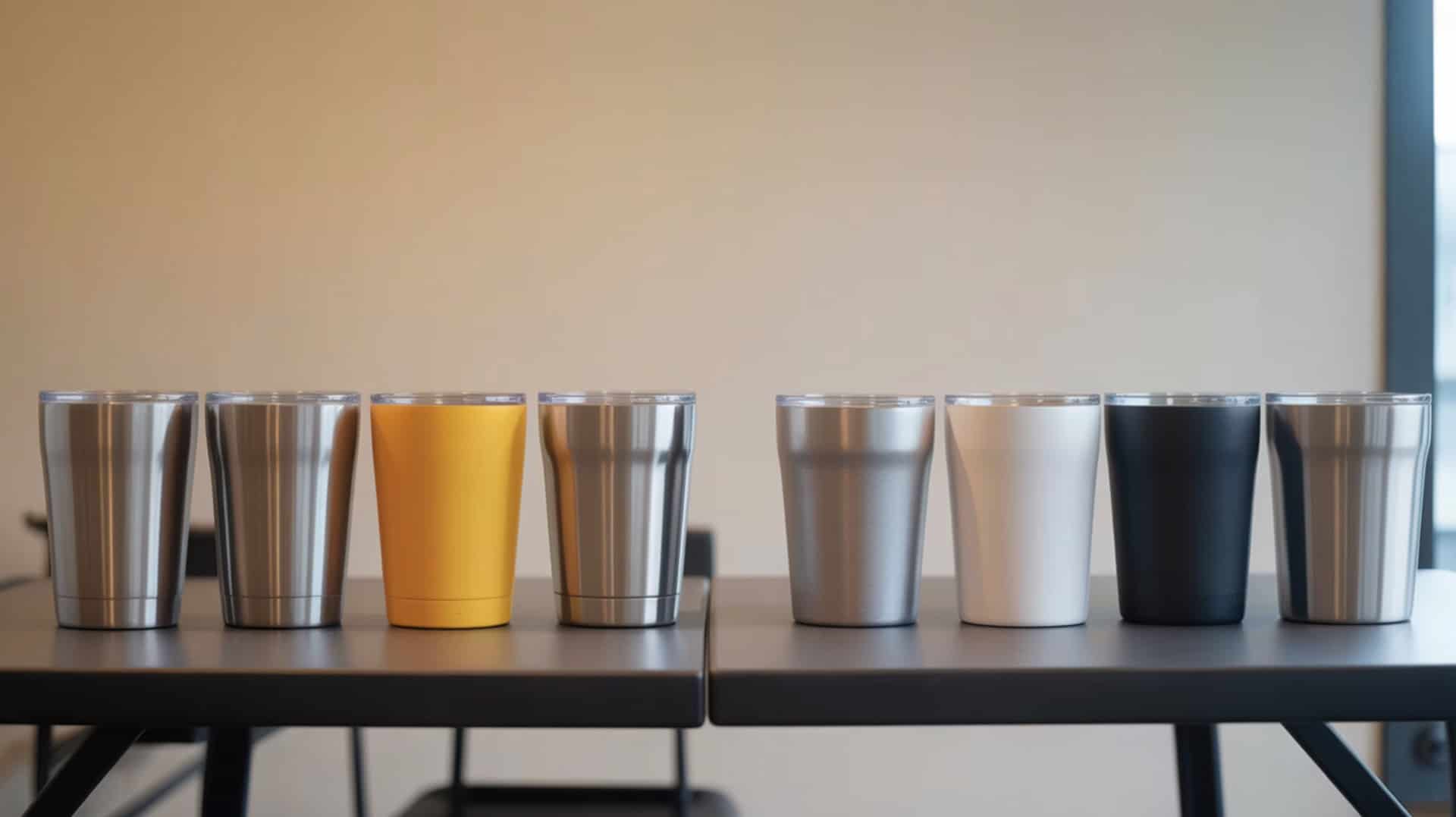
Sublimation drinkware requires polymer-coated substrates because the dye bonds only to polymer coatings during the heat-activated phase change—not raw metal or ceramic surfaces. Sufficient heat converts solid sublimation dye into gas for diffusion into the coating layer, creating permanent, vibrant prints on tumblers and cups. Because polymer coatings determine whether drinkware accepts sublimation dye, you may want to read our hub guide on Sublimation on Drinkware to understand which blanks work and why. This roundup compares three popular 20 oz skinny tumbler brands—PYD Life, HTVRONT, and MakersFlo Craft—tested side-by-side using identical settings to identify differences in color vibrancy, included accessories, and overall value.Sublimation relies on controlled phase change, where sufficient heat energy drives solid dye directly into a gas state for diffusion into polymer coatings.[1]
Key Takeaways
- Temperature controls dye activation in the 350°F–400°F range, converting solid ink to gas phase for diffusion into polymer coatings on stainless steel tumbler surfaces.
- Pressure ensures uniform dye penetration on curved drinkware—shrink wrap sleeves provide consistent contact in sublimation ovens, with HTVRONT sleeves being easier to apply than PYD Life sleeves.
- Color differences between PYD Life, HTVRONT, and MakersFlo are subtle—most customers would not notice unless comparing side-by-side, making price and included accessories the deciding factors.
Are PYD Life Tumblers a Good Choice for Your Sublimation Business?
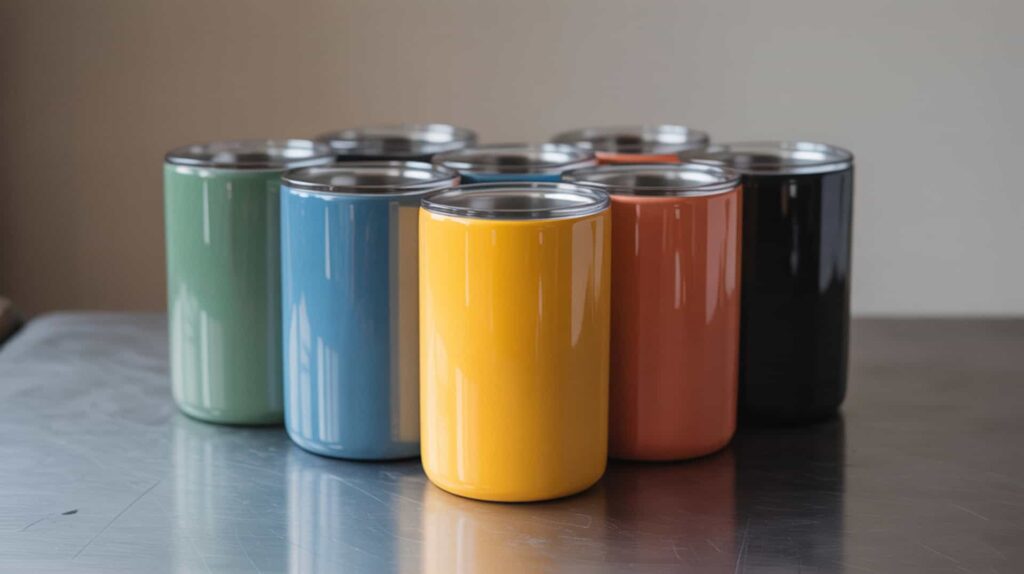
PYD Life 20 oz skinny tumblers are stainless steel, polymer-coated substrates that deliver vibrant sublimation results with slightly brighter yellows compared to competitors in side-by-side testing. Raw stainless steel cannot accept sublimation dye, so these tumblers rely on factory-applied polymer coatings for commercial viability and consistent print success. Because stainless steel tumbler coating, pressing, and workflow affect results, you may want to read our guide on How To Make Sublimation Tumblers for detailed techniques. According to reviewed test results, PYD Life tumblers “sublimated great” with good, vibrant results overall. I recommend PYD Life for sellers wanting complete kits with shrink wrap sleeves and sizing instructions included.
What kind of sublimation print quality can you expect from PYD Life tumblers?
PYD Life tumblers produce even color distribution due to stainless steel’s thermal conductivity, which promotes uniform heating around the tumbler circumference during sublimation. In a reviewed comparison test using A-Sub sublimation paper and a sublimation oven, PYD Life showed “a little brighter” results in yellow tones compared to HTVRONT, though the difference was described as “hard to tell.” Blues, yellows, and greens were “very hard to tell apart” from competing brands. The tester noted all brands “came out pretty well” and most people “wouldn’t notice differences unless comparing side-by-side.” Overall finish appeared clean and professional.
What are the main pros and cons of using PYD Life tumblers for sublimation?
PYD Life tumblers offer complete accessory kits with shrink wrap sleeves included, but the surface finish of those sleeves creates tighter fit that makes application harder during oven sublimation workflows. Based on reported test results, pros include excellent sublimation results with vibrant colors, included shrink wrap sleeves helpful for oven users, instruction sheet with exact print size dimensions, metal bent straws, and multi-pack availability (8-pack tested). Cons include shrink wrap sleeves that felt “tighter” and “harder to maneuver over the paper” compared to HTVRONT sleeves. The tester concluded color differences versus competitors are “not huge,” so brand choice may depend more on price and availability than performance.
How do PYD Life tumblers compare to HTVRONT and MakersFlo options?
PYD Life tumblers show similar heat capacity and press behavior to HTVRONT with “very little difference” in color output, while both outperform MakersFlo in vibrancy according to side-by-side test results. The tester noted PYD Life looked “a little brighter” in yellow compared to HTVRONT, but the difference was subtle. Compared to MakersFlo, PYD Life appeared “slightly brighter” especially in blues. PYD Life includes shrink wrap sleeves while MakersFlo does not, giving PYD Life an advantage for sublimation oven users. The tester recommends choosing based on “price, sales, coupons, and bulk value” when quality differences are minimal. You can find this product here. [3]
Do HTVRONT Tumblers Deliver Reliable Results for Sublimation Printing?
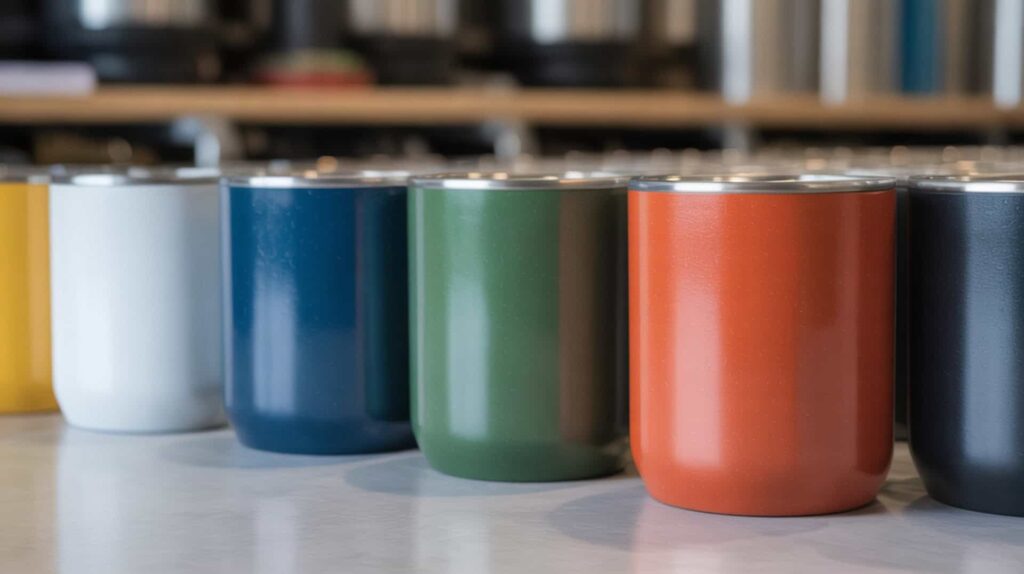
HTVRONT 20 oz skinny tumblers use thermoplastic coatings that soften under heat to accept gas-phase dye, with polyester serving as the primary binding polymer for sublimation ink adhesion and long-term durability. These stainless steel blanks delivered “very well” sublimation results in reviewed testing with color output “very close to PYD Life” and “more vibrant than MakersFlo.” Because thermoplastic coating behavior affects water bottles and tumblers similarly, you may want to read our guide on Sublimation on Water Bottles for temperature guidelines. I recommend HTVRONT for sellers who prioritize easier shrink wrap application and want reliable results at competitive pricing. Polymer coatings used on sublimation drinkware soften and accept dye under heat, with final durability determined by coating structure and thermal processing behavior.[2]
What sublimation quality and durability can you achieve with HTVRONT tumblers?
HTVRONT tumblers produce strong adhesion between dye and polymer coating, which determines wash resistance and scratch longevity for daily-use drinkware. According to reviewed test data using A-Sub paper and a sublimation oven, HTVRONT colors appeared “clean, bright, and professional” with results “extremely hard to tell apart” from PYD Life in blues, yellows, and greens. The tester reported “excellent sublimation results” with “color vibrancy nearly identical to PYD Life.” No sublimation defects were attributed to HTVRONT tumblers during testing. Overall finish quality supports commercial selling and gift-giving applications.
What are the biggest pros and cons of HTVRONT sublimation tumblers?
HTVRONT tumblers offer easier shrink wrap application due to slightly larger sleeve sizing, but pressure consistency still depends on proper wrapping technique for reliable transfer on curved surfaces. Based on reported test results, pros include excellent sublimation results using standard A-Sub paper, color vibrancy nearly matching PYD Life, shrink wrap sleeves that are “slightly bigger” and “much easier” to slide over wrapped tumblers, included straw cleaner, and straight metal straws. Cons include multi-pack only availability (4-pack tested) and minimal performance differences versus competitors that make price the primary decision factor. Good overall packaging and consistency reported.
How do HTVRONT tumblers compare to PYD Life and MakersFlo tumblers?
HTVRONT delivers faster transfer rates with color completeness comparable to PYD Life, reducing dull or under-pressed areas while outperforming MakersFlo in overall vibrancy according to test results. The tester noted “very similar” sublimation quality between HTVRONT and PYD Life, with PYD Life showing only a “subtle” brightness advantage in yellow. HTVRONT shrink wrap sleeves were “preferred” because they are “easier to use.” Compared to MakersFlo, HTVRONT colors appeared “more vibrant” while MakersFlo looked “slightly duller, especially in blues.” The tester concluded there’s “no huge difference” in finished results, recommending decisions based on price and bundle value. You can find this product here.[4]
Are MakersFlo Craft Tumblers Worth It for Serious Sublimation Crafters?
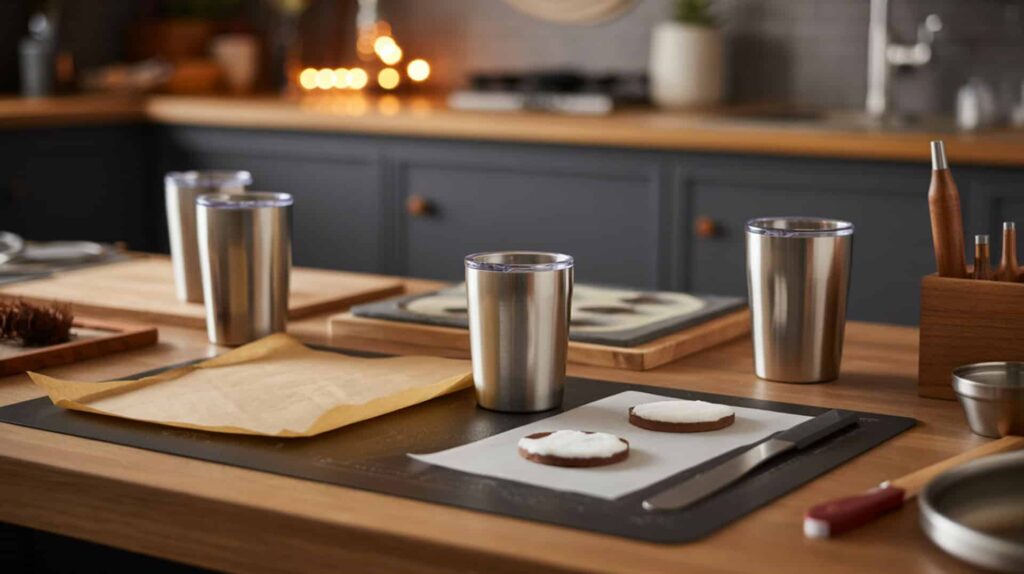
MakersFlo Craft 20 oz skinny tumblers feature polymer coatings with professional surface finishing that reduces defects during pressing, though color output appeared slightly duller than competitors in side-by-side testing. Heat resistance of the coating affects performance during sublimation oven cycles where consistent temperature exposure determines color saturation. Because MakersFlo tumblers are often paired with epoxy finishing for enhanced durability, you may want to read our guide on How To Epoxy a Sublimation Tumbler for post-sublimation protection techniques using polymer-coated substrates. According to test evaluations, MakersFlo results were “good overall” and “still nice and giftable” despite subtle vibrancy differences. I recommend MakersFlo for crafters who value included care cards for gifting and prefer acrylic straws over metal.
What kind of sublimation results does MakersFlo Craft tumblers deliver?
MakersFlo Craft tumblers produce predictable color management output across batches when using consistent printer settings and paper, though blues appeared “slightly duller / less vibrant” compared to PYD Life and HTVRONT in reviewed testing. The tester used identical A-Sub sublimation paper and sublimation oven settings across all brands for fair comparison. Yellows and greens were “very hard to distinguish” from other brands. Finished results looked “nice and giftable” even with the subtle color difference. The tester emphasized the difference was “noticeable mainly when placed side by side”—most customers would not detect it on a standalone product.
What are the pros and cons of using MakersFlo Craft tumblers for sublimation?
MakersFlo tumblers offer higher heat resistance coating that reduces failure during long press cycles, but the lack of included shrink wrap sleeves creates additional purchase requirements for oven sublimation users. Based on test results, pros include consistent sublimation results using standard A-Sub paper, printed care/instruction card helpful for gifting or selling, clear acrylic straw appealing to non-metal straw preferences, decorative holographic packaging, and overall clean professional finish. Cons include “slightly duller color output” especially in blues when compared directly, no shrink wrap sleeves included, and the need to purchase additional supplies for oven method workflows.
How do MakersFlo tumblers compare to PYD Life and HTVRONT options?
MakersFlo shows lower substrate consistency in color vibrancy compared to PYD Life and HTVRONT, potentially increasing perceived rejects in production workflows where side-by-side comparison occurs. The tester reported MakersFlo as “the dullest of the three, though not dramatically so” with PYD Life appearing “slightly brighter” especially in blues and yellows, and HTVRONT appearing “more vibrant” overall. MakersFlo does not include shrink wrap sleeves while both competitors do, adding cost for oven users. The tester concluded differences are “not huge” and “if price, sales, or bundle value favor MakersFlo, it can still be a reasonable option.” You can find this product here.[5]
Which Sublimation Tumbler Brand Should You Choose for Your Projects?
Choosing between PYD Life, HTVRONT, and MakersFlo depends on substrate geometry compatibility with your press, plus temperature and pressure control that directly affect failure rates and consistency across production runs. For sellers prioritizing brightest color output with complete accessory kits, PYD Life delivers “slightly brighter” yellows and includes shrink wrap sleeves, sizing instructions, and metal bent straws in 8-packs. For crafters wanting easier shrink wrap application with comparable vibrancy, HTVRONT offers “much easier” sleeve fit plus straw cleaners in 4-packs. For gift-focused sellers who value presentation and acrylic straw options, MakersFlo provides care cards and decorative packaging despite slightly duller blues. The tester’s overall recommendation: when quality differences are minimal, choose based on “price, sales, coupons, and bulk value.”
Frequently Asked Questions
Can you actually make money selling sublimation tumblers as a business?
Sublimation tumbler businesses can achieve profitable margins when material costs, production time, and market positioning are properly managed. According to market patterns, 20 oz skinny tumblers purchased in multi-packs (4–8 units) cost $3–6 per blank including accessories, while custom sublimated tumblers retail for $20–35 depending on design complexity and local market conditions. The key factors are production efficiency and consistent quality—reviewed test results showed all three major brands (PYD Life, HTVRONT, MakersFlo) produce “giftable” results that customers accept. Stainless steel construction with polymer coatings ensures durability that supports repeat purchases and referrals from satisfied customers.
How much should you charge for custom sublimation tumblers?
Custom sublimation tumbler pricing typically ranges from $20–40 retail depending on blank cost, design complexity, and target market positioning. A standard formula multiplies total material cost (blank + ink + paper + shrink wrap) by 3–4x for retail pricing. For 20 oz skinny tumblers costing $4–6 per unit with accessories, a $25–30 retail price covers materials, labor, and profit margin. Premium designs with custom artwork, epoxy resin finishing, or personalization can command $35–45. Factor in marketplace fees (15–20% on Etsy) and shipping costs when calculating final prices. Ceramic mugs and stainless steel tumblers require polymer coatings for sublimation—uncoated versions cannot be sublimated.
Can you sublimate directly on a Yeti tumbler or does it need coating?
Yeti tumblers cannot be sublimated directly because they lack the polymer coating required for dye bonding—stainless steel alone does not accept sublimation ink regardless of heat or pressure applied. Sublimation requires a polyester or polymer-based coating that accepts gas-phase dye during the heat transfer process. Factory Yeti products use powder coating or ceramic-based finishes designed for durability, not sublimation compatibility. To sublimate on premium tumbler brands, you would need to apply a specialized sublimation coating spray, which rarely produces results matching factory-coated sublimation blanks. I recommend purchasing purpose-made sublimation tumblers from brands like PYD Life, HTVRONT, or MakersFlo instead.
Can you sublimate on a Stanley Cup or is it not compatible?
Stanley Cups and similar premium insulated tumblers are not compatible with sublimation printing because they lack polymer coatings—their powder-coated or painted finishes cannot accept gas-phase sublimation dye. Attempting to sublimate on uncoated stainless steel or non-polymer finishes produces no visible image or severely faded results. Stanley’s manufacturing process prioritizes durability and insulation performance rather than print compatibility. For drinkware sublimation, stick with blanks specifically marketed as “sublimation ready” or “sublimation coated” from suppliers like PYD Life, HTVRONT, or MakersFlo. These products include factory-applied polymer coatings designed for consistent dye diffusion.
What are the main downsides of sublimation printing you should know about?
Sublimation printing limitations include polymer coating dependency, equipment investment, and color accuracy challenges that affect business viability and product range. First, sublimation only works on polymer-coated or polyester-based substrates—you cannot sublimate on cotton, uncoated ceramic, raw stainless steel, or non-polymer plastics without special coatings. Second, equipment costs include sublimation printers ($300–800), heat presses or sublimation ovens ($150–500), and ongoing ink and paper expenses. Third, color matching requires calibration and testing since output varies by substrate coating quality—reviewed tests showed even quality blanks produce “slightly duller” or “slightly brighter” results between brands. Epoxy resin post-processing adds durability but increases production time and cost.
References
- Bio-based phase change materials (PCM) for thermal energy storage. (n.d.). Energy.gov. https://www.energy.gov/eere/buildings/articles/bio-based-phase-change-materials-pcm-thermal-energy-storage
- Polymers processing group. (2021, August 5). NIST. https://www.nist.gov/mml/materials-science-and-engineering-division/polymers-processing-group