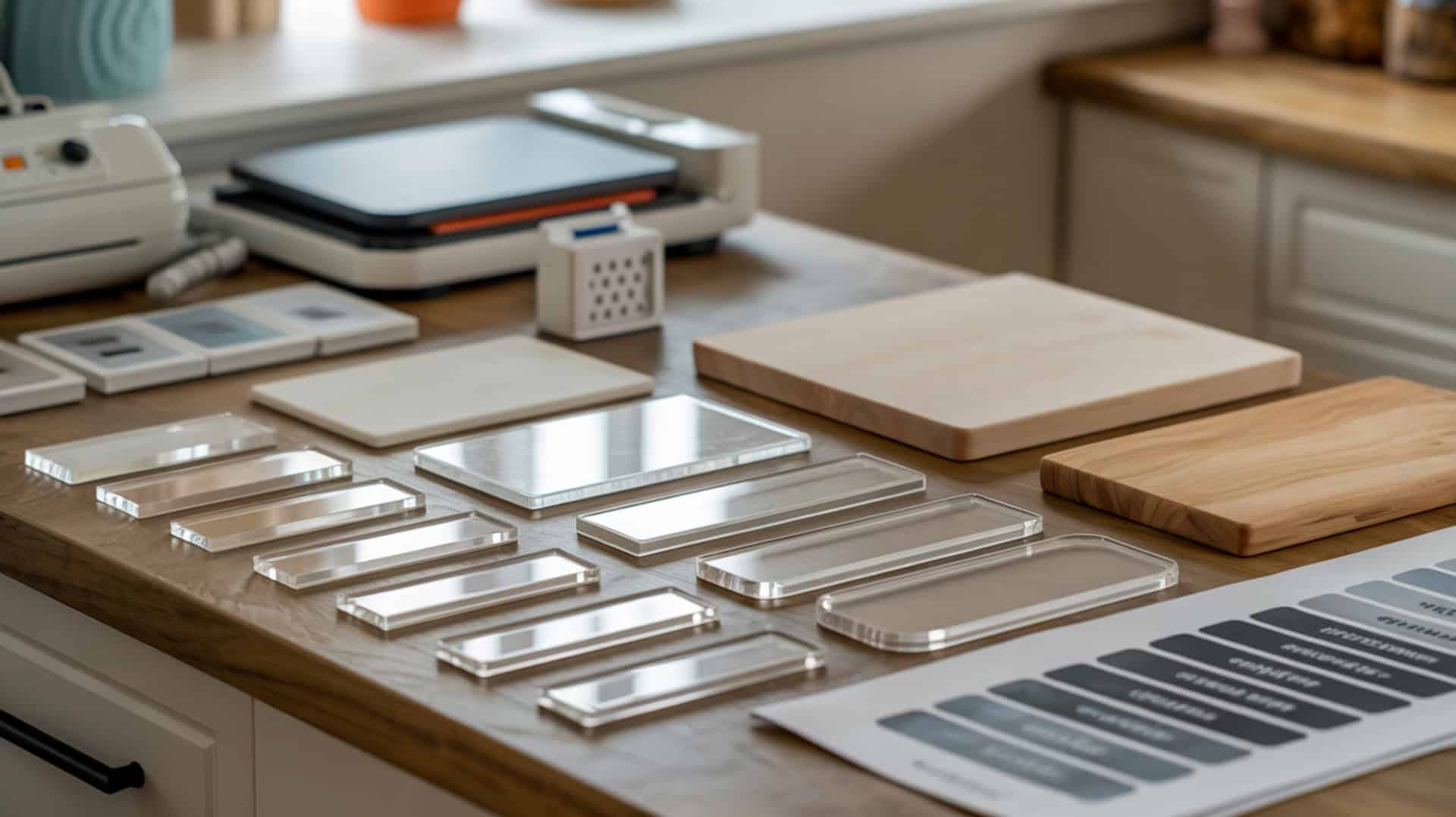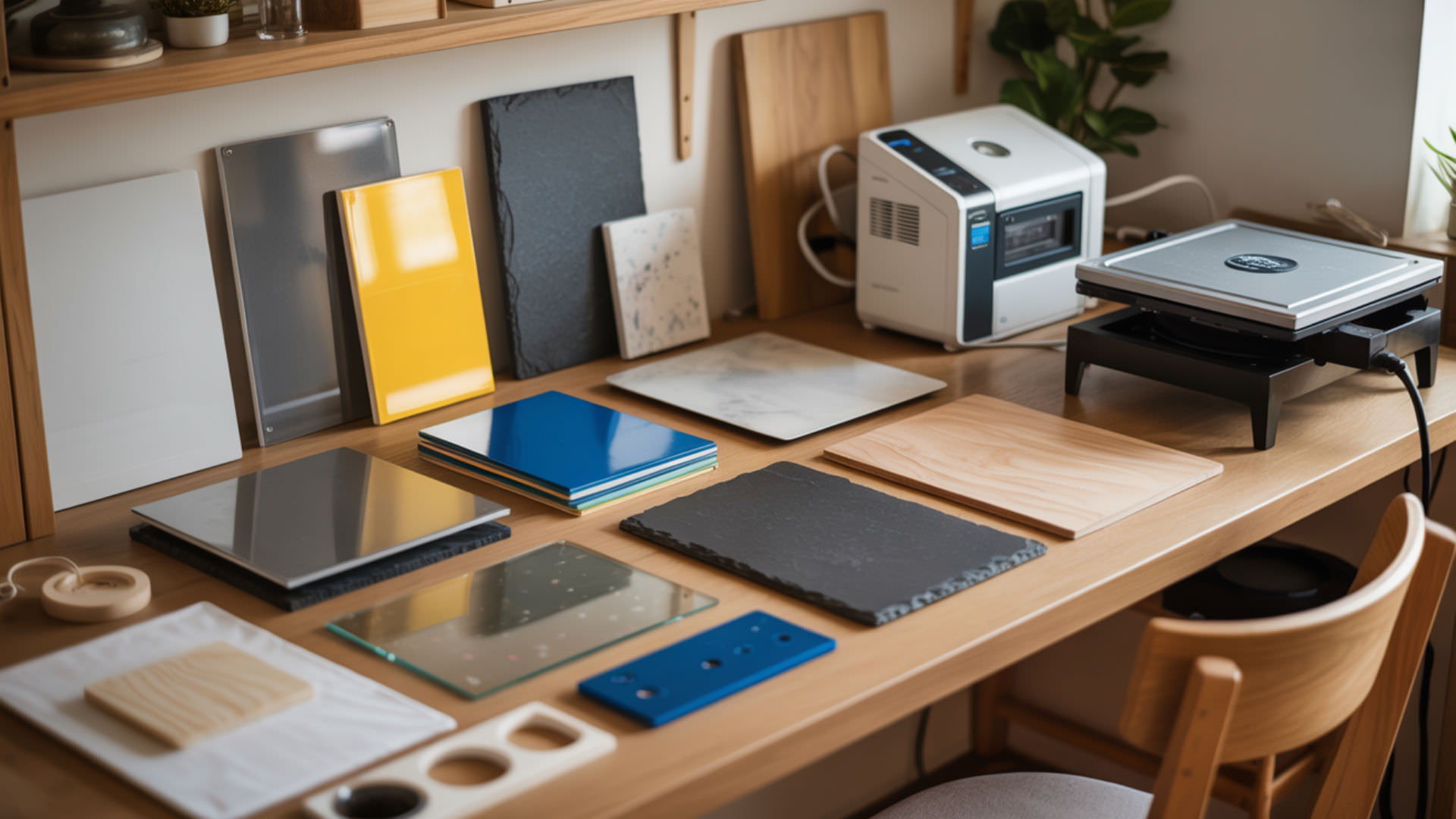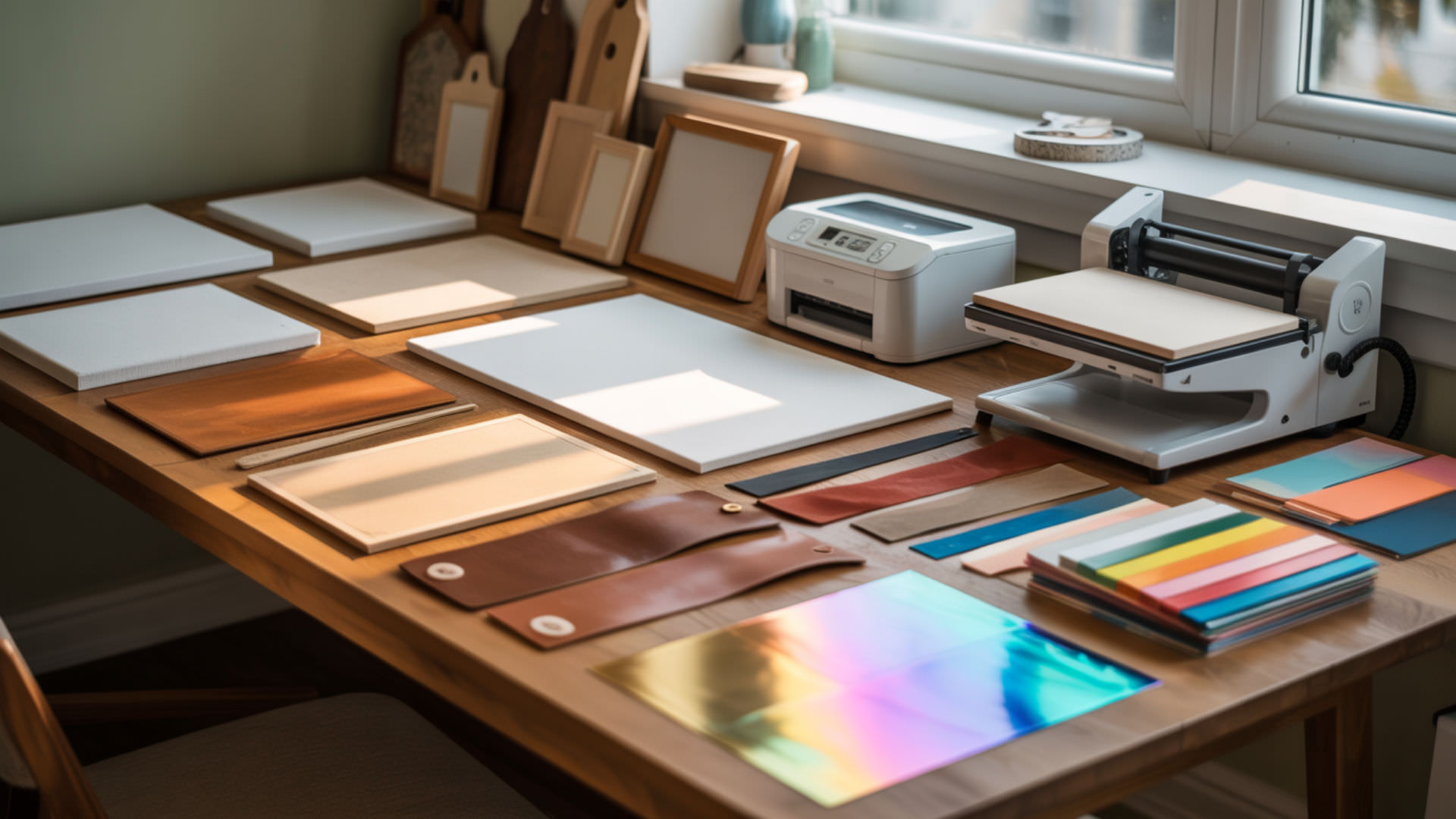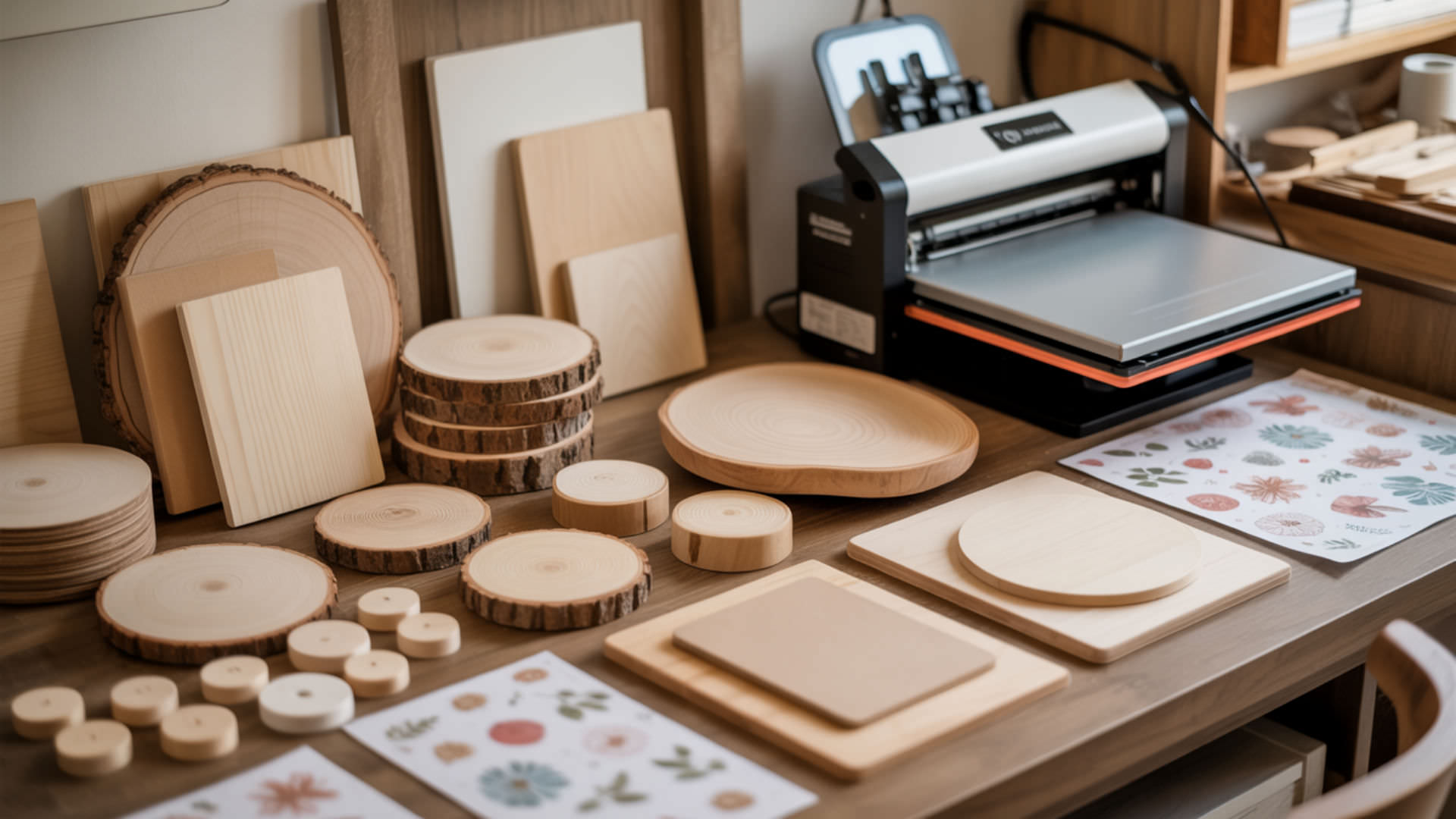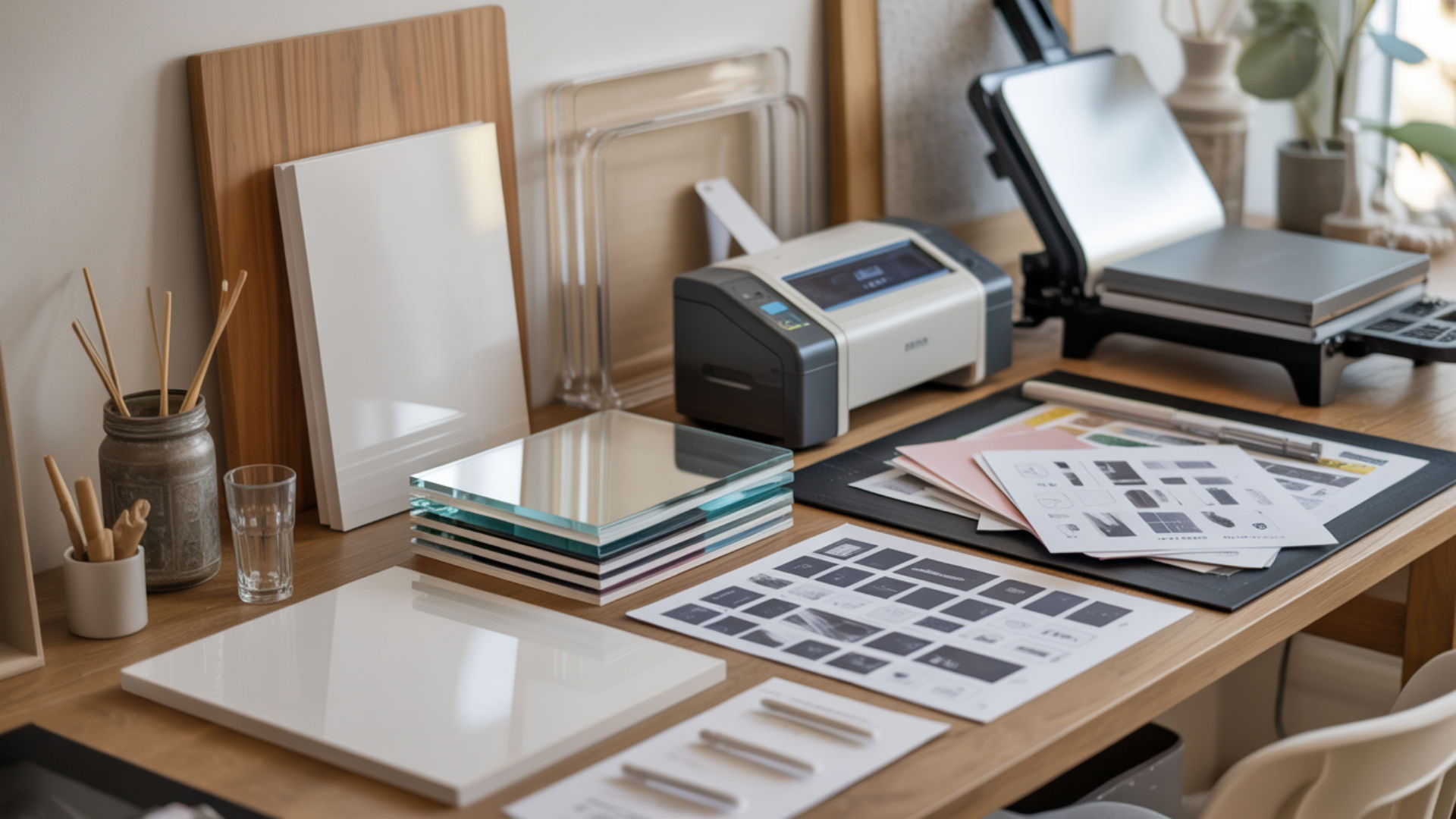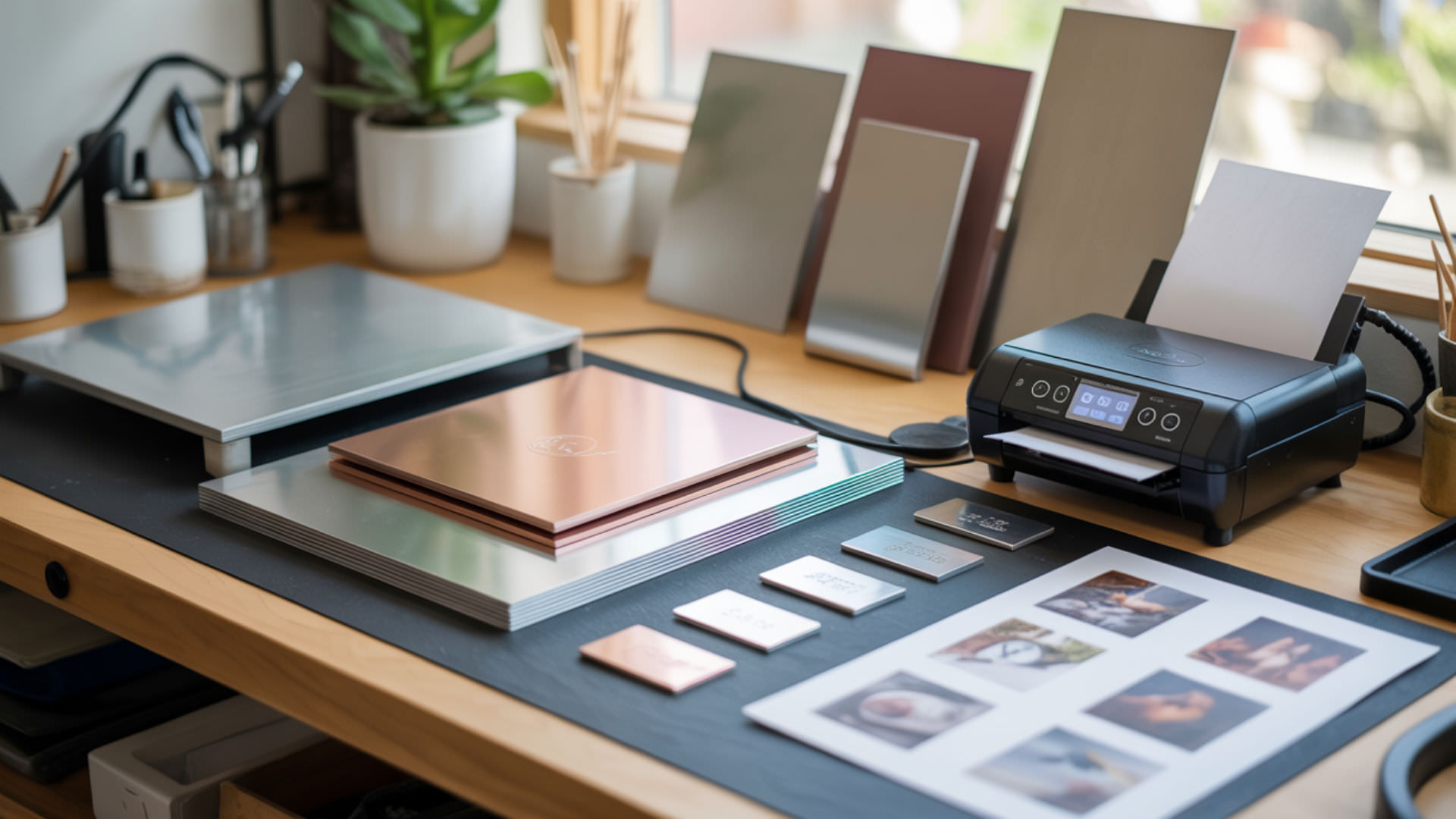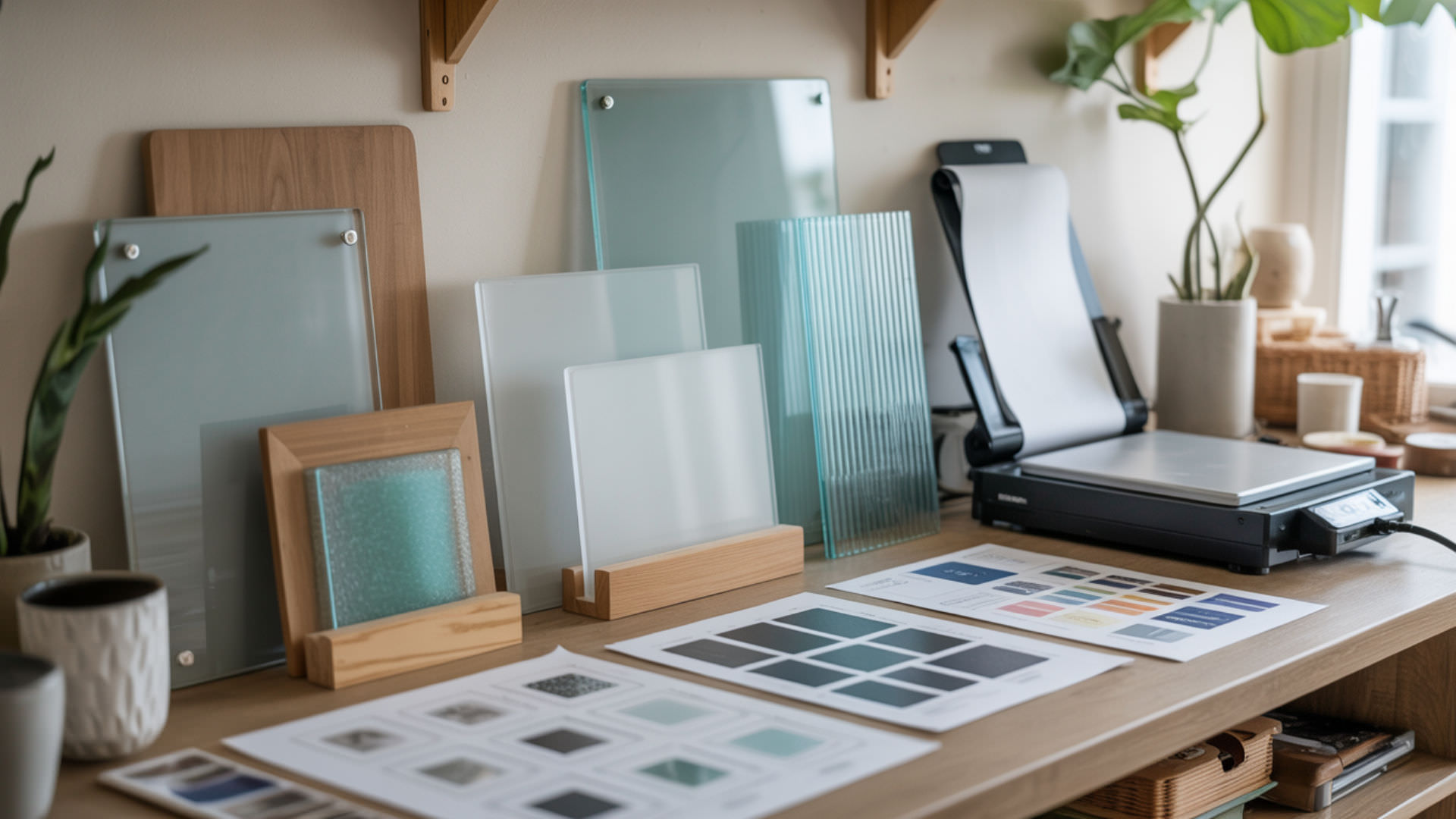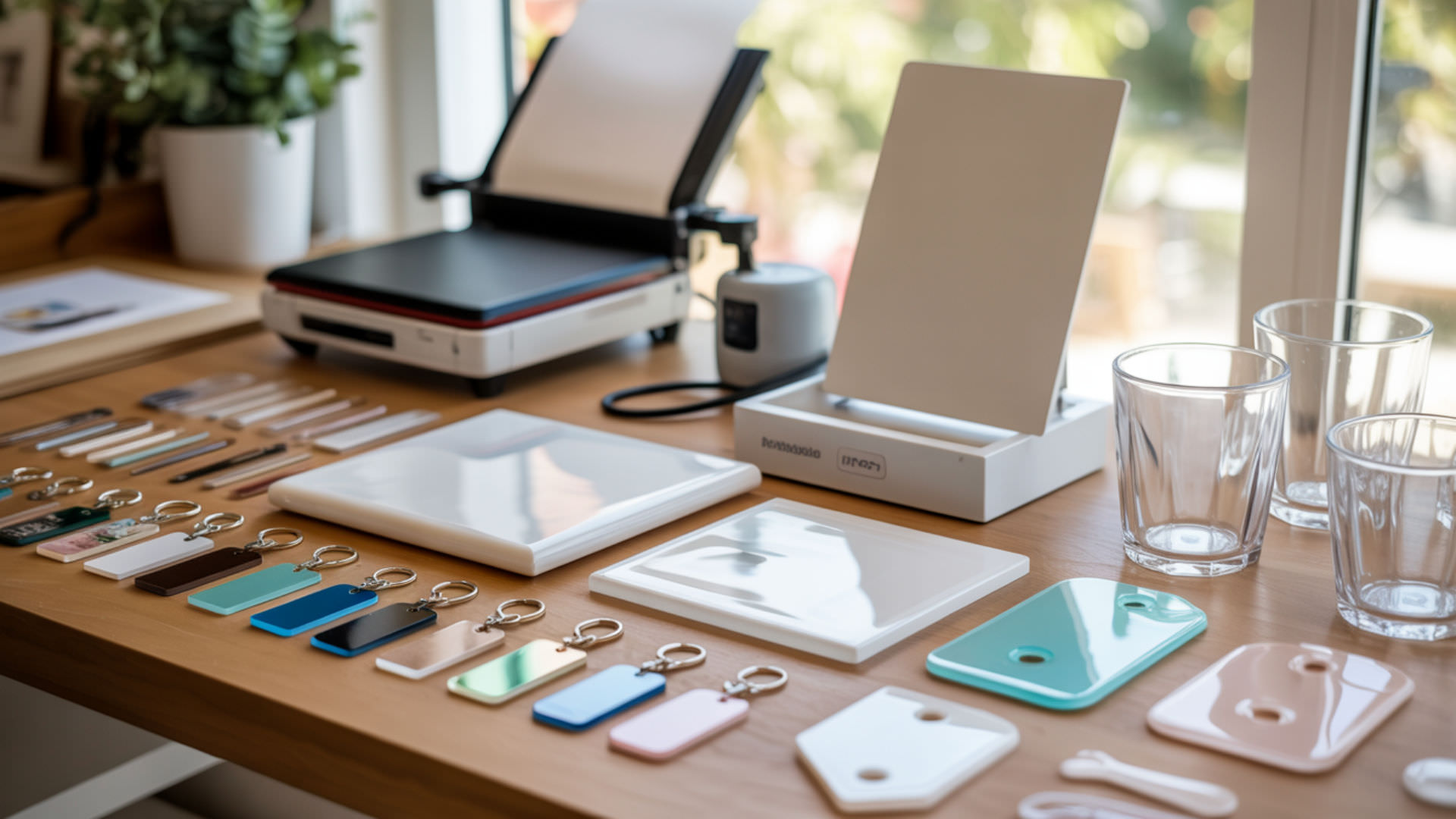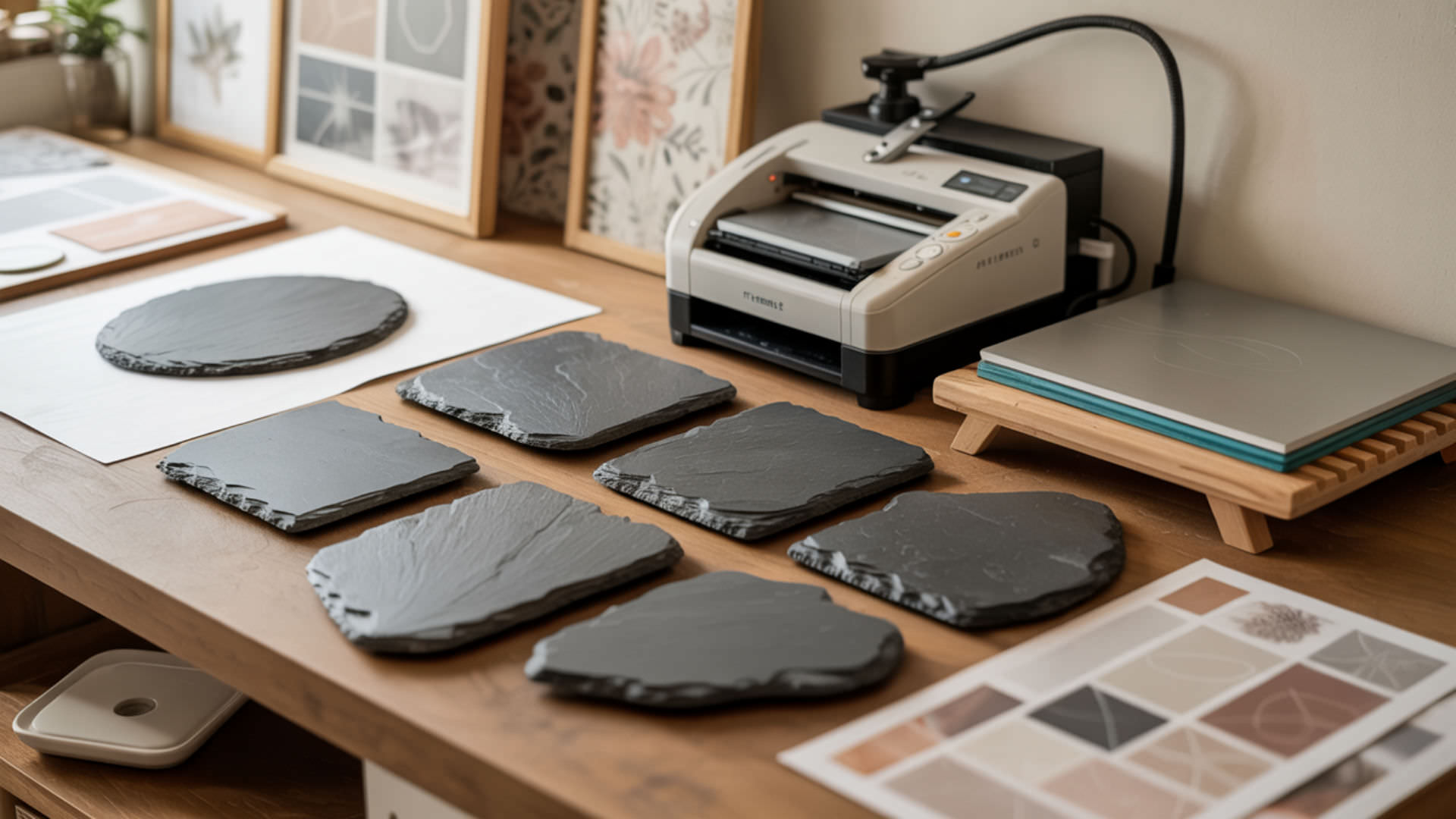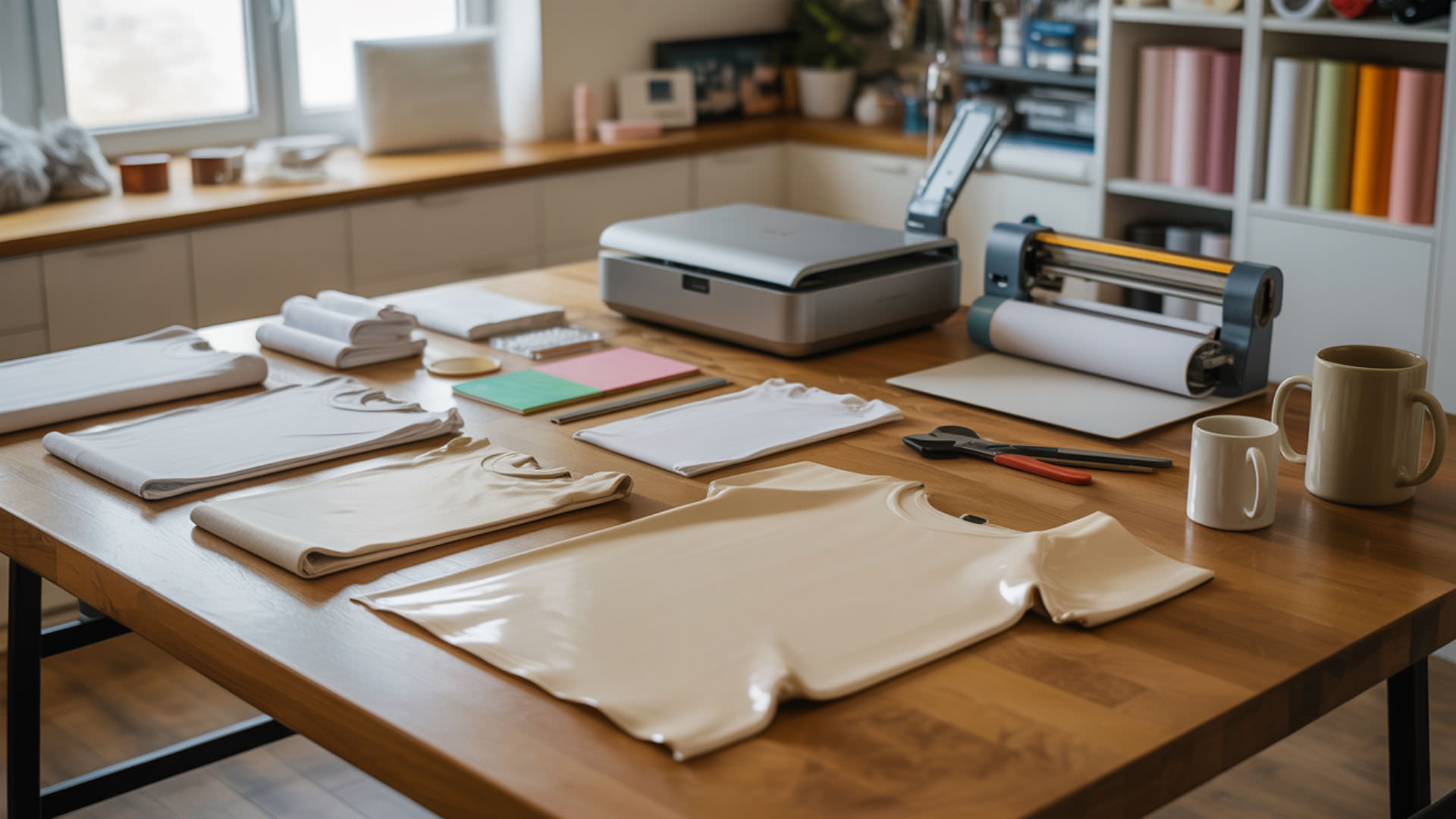
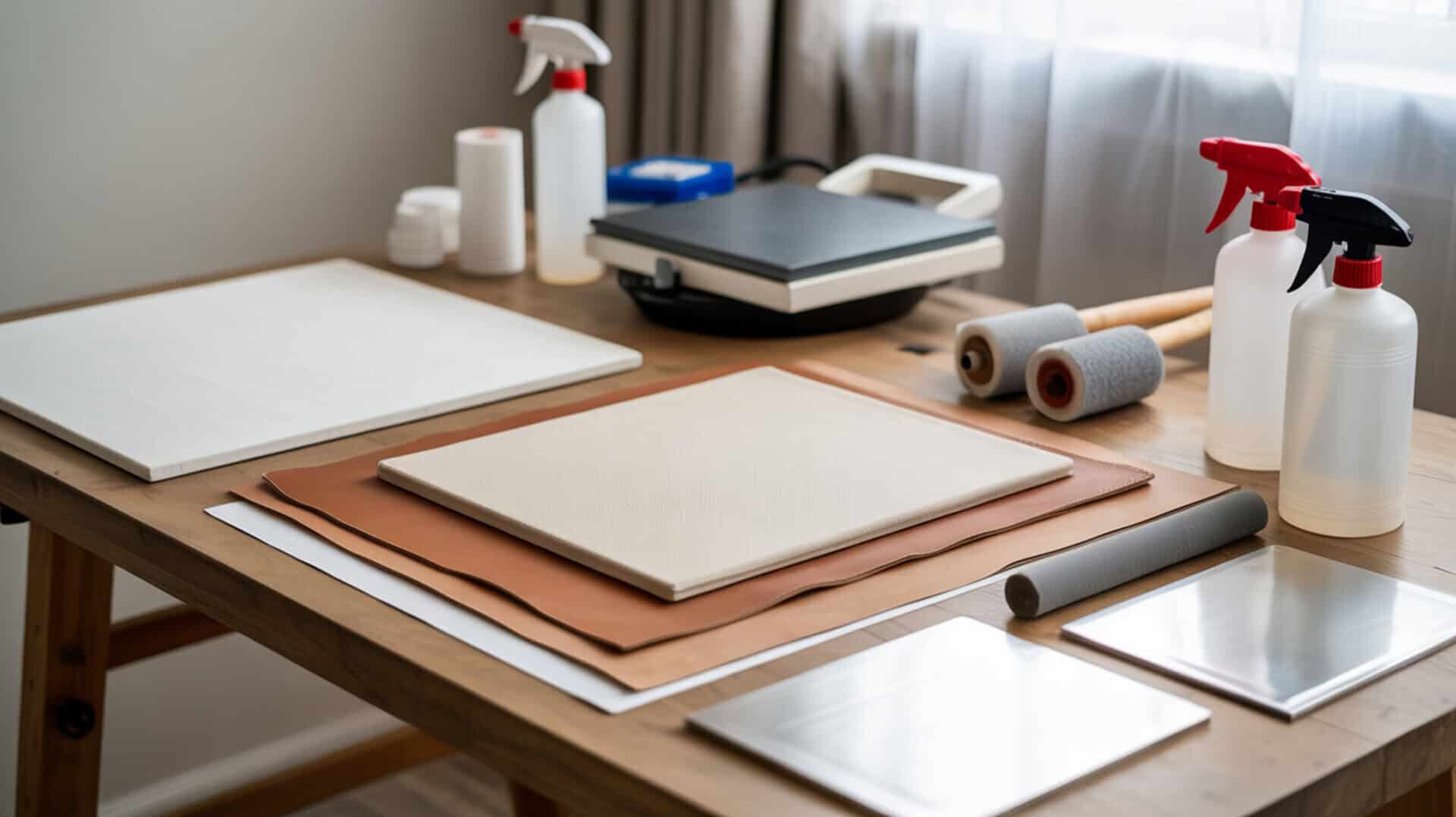
Choosing the best sublimation coating depends on your surface material and the polymer chemistry required to bond sublimation dye permanently. Because sublimation dye only bonds where polymer chains exist, natural materials like cotton canvas and genuine leather require a polymer coating before heat pressing. Polymer-based coatings are engineered materials whose structure determines performance properties such as durability and interaction with dyes under heat. [1] Since polymer coating requirements vary by substrate, you may also want to read our hub article on which surfaces can you sublimate on for a complete breakdown of polymer compatibility across all surface types.
Key Takeaways
- Polymer coating creates a dye-receptive layer on non-polyester surfaces, enabling sublimation dye to bond with materials that would otherwise reject the transfer. Heat moves through solids by conduction, which controls how quickly different coated surfaces reach the temperature needed for dye diffusion.[2]
- Heat pressing activates dye diffusion into the polymer layer, converting solid dye to gas that penetrates and bonds permanently at temperatures around 380–400°F.
- Surface type determines coating choice: acrylic polymer sprays suit canvas, while polyurethane-based coatings provide the flexibility leather requires for bending without cracking.
Is the HTVRONT Sublimation Coating Spray a Good Option for Canvas Surfaces?
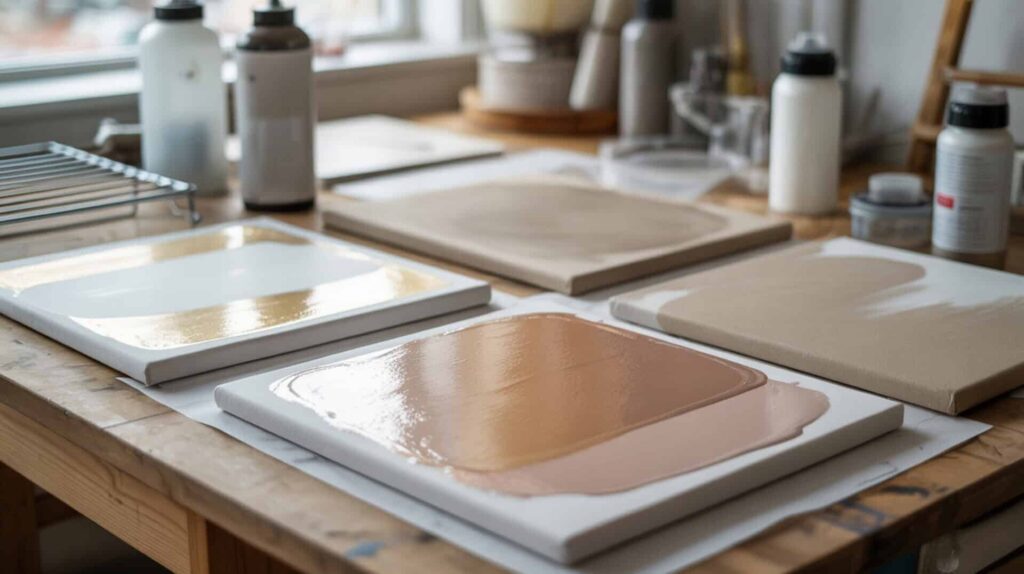
The HTVRONT Sublimation Coating Spray is a pre-mixed, water-based acrylic polymer coating designed to make canvas and cotton fabrics receptive to sublimation dye. Because canvas lacks polymer content, it requires coating to accept dye transfer. According to test results, this spray produces bright, sharp, detailed sublimation prints on canvas panels when applied evenly and pressed at 380°F for 40 seconds. The acrylic polymer forms a dye-receptive film that bonds sublimation ink during heat pressing. Since both this product and our canvas sublimation guide discuss how polymer coating enables dye bonding on natural fibers, you may also want to read our guide on sublimation on canvas.
What kind of sublimation results can you expect from HTVRONT Coating Spray on canvas?
Based on reported test results, the HTVRONT spray delivers strong image transfer with good color vibrancy on canvas panels. The film-forming acrylic creates a smooth dye layer that accepts sublimation ink during heat pressing. Dye diffusion determines color sharpness—evenly coated surfaces produce crisp edges, while uneven application creates visible brush strokes in the final print. In one test, the canvas panel showed slight warping during pressing at 380°F for 40 seconds, requiring books placed on top during cooling to flatten it. The transfer succeeded with strong image quality despite the warping issue.
What are the pros and cons of using HTVRONT Sublimation Coating Spray?
The HTVRONT spray offers a single-step, pre-mixed formula that eliminates water-mixing steps required by some competitors. Surface energy affects coating adhesion—the spray bonds well to canvas and cotton fabric without leaving stiffness when applied correctly. Adhesion impacts durability of the sublimation print over time. The main drawbacks involve application challenges: the liquid can pool on semi-absorbent surfaces, requiring brushing in one direction to distribute evenly. Visible brush strokes may appear on rigid canvas panels. The water-based formula requires significant drying time, and respiratory protection is recommended during application. I recommend this spray for batch workflows where multiple items can air-dry simultaneously.
How does HTVRONT Sublimation Coating Spray compare to other canvas coating options?
In a comparison described in reviewed source material, the HTVRONT spray was tested against Poly Plus sublimation spray. Poly Plus uses a two-step process requiring two heat presses, while HTVRONT is a single-step, pre-mixed formula. Acrylic resin in both products determines coating flexibility—HTVRONT’s formula does not leave fabric stiff when applied correctly. The polymer film controls dye absorption, and both products deliver vibrant results. Poly Plus dries faster due to press-drying between coats, while HTVRONT often requires air drying, which can offset the single-step time savings. For one-off projects, Poly Plus may be more practical; for batch production, HTVRONT’s simpler process works well. You can find the HTVRONT Sublimation Coating Spray here.[3][4]
How Well Does Clear Coating Subli Glaze Work for Sublimating on Leather?
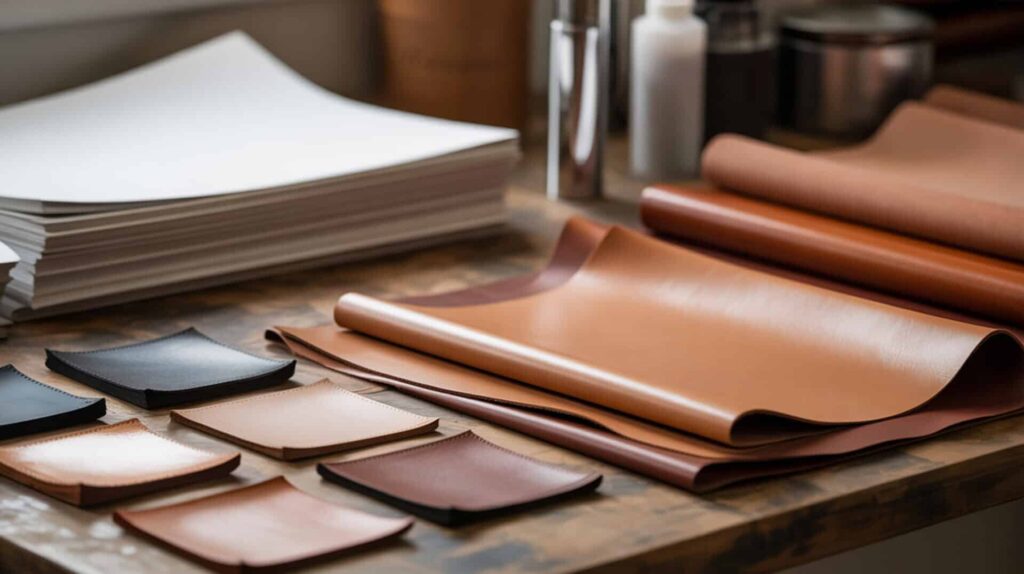
Clear Coating Subli Glaze is a spray coating system that enables sublimation on leather, wood, metal, ceramic, glass, and other non-standard surfaces by applying a polymer finish that accepts sublimation dye. Because leather is a natural surface that lacks inherent polymer content, it requires a polyurethane or polymer finish to accept sublimation dye under heat. According to demonstrated results, Subli Glaze produces professional-quality transfers on multiple substrates when the coating is applied evenly and cured properly before pressing. Since both this product and our leather sublimation guide explain how polyurethane coating enables dye bonding on natural surfaces, you may also want to read our guide on sublimation on leather.
What sublimation results can you achieve with Subli Glaze on leather surfaces?
Based on demonstrated workflow tests, Subli Glaze delivers successful sublimation transfers when the coating is applied correctly and cured before pressing. Heat pressing activates dye gas penetration into the polymer layer—test results showed colors activating properly at 385°F for 60 seconds on coated wood and 190°C for 60 seconds on coated metal. Dye diffusion determines color saturation, and the clear coating allows substrate texture (such as wood grain or metal finish) to show through the transferred image. The process requires air drying for approximately 10 minutes followed by oven curing at 320°F for 15–20 minutes before pressing.
What are the pros and cons of using Subli Glaze for leather sublimation?
Subli Glaze enables sublimation on non-standard items not sold pre-coated, opening possibilities for custom orders and everyday store-bought items. Coating thickness affects durability—multiple finish options (clear, white-backed, matte/velvet, translucent/gloss) allow different aesthetic outcomes. Abrasion resistance determines long-term wear, and the matte coating option produces a silky, velvet-look finish when applied in multiple coats. The main drawbacks involve preparation time: the process requires air drying, oven curing in a dedicated non-food oven, and careful spray technique to avoid pooling. Some risk of paper residue sticking to coated surfaces exists, requiring light abrasion to remove. I recommend this system for crafters producing keepsake gifts or custom eCommerce products.
How does Subli Glaze compare to other sublimation coatings for leather?
No direct competitor comparisons were provided in the reviewed source material for Subli Glaze. The product line includes multiple coating types that serve different functions: polyurethane-based clear coating offers higher flexibility suitable for surfaces that bend (like leather), while acrylic polymer coatings produce a harder surface finish better suited to rigid substrates. The adhesion promoter component acts as a primer for smooth surfaces like metal, glass, and acrylic. For leather specifically, a flexible polymer finish prevents cracking when the material bends, making polyurethane-type coatings preferable over rigid acrylic alternatives. You can find the Clear Coating Subli Glaze here.[5][6]
Which Sublimation Coating Should You Choose for Your Next Project?
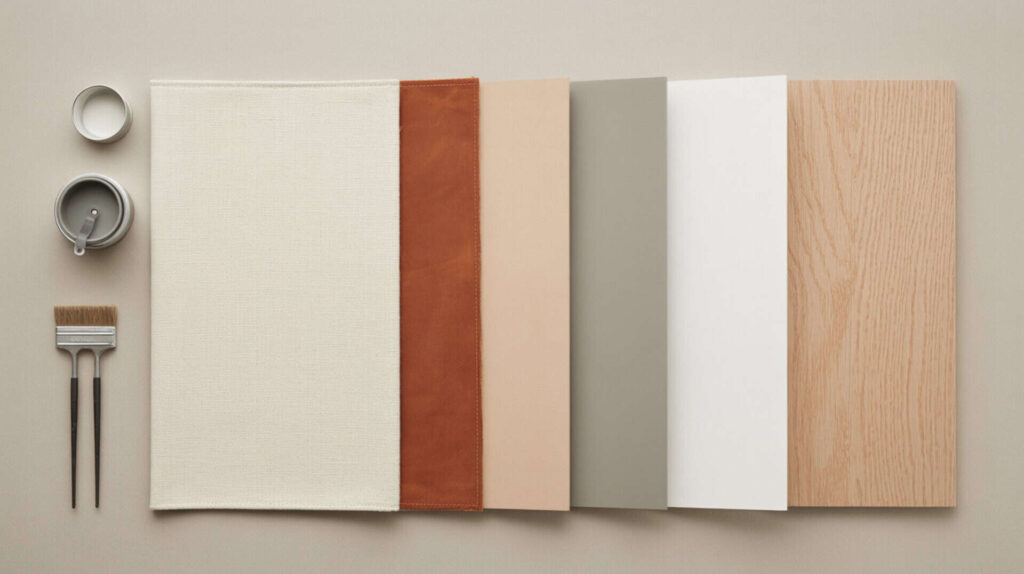
Surface type determines coating choice: HTVRONT Sublimation Coating Spray suits canvas and cotton fabric projects with its single-step, pre-mixed formula that delivers bright, sharp prints at 380–395°F. Subli Glaze works better for leather, wood, metal, and glass projects where you need flexibility in finish options and the ability to sublimate on non-standard items. Polymer compatibility controls dye bonding success—acrylic polymer coatings suit rigid surfaces, while polyurethane-based finishes provide the flexibility leather and bendable materials require. Heat resistance also matters: canvas tolerates standard sublimation temperatures, but leather and coated metals may require adjusted press times. For overall versatility across multiple surface types, I recommend Subli Glaze because its coating system (clear, white, matte, translucent) handles a wider range of substrates and finish preferences than single-purpose sprays.
Frequently Asked Questions
What is sublimation coating spray used for?
Sublimation coating spray treats fabrics and surfaces that lack polymer chains, creating a receptive layer for sublimation dye to bond during heat pressing. The spray contains polymer compounds that coat fibers or surfaces, enabling materials like cotton, canvas, and wood to accept sublimation transfers. Without this coating, sublimation dye cannot penetrate or bond—the ink simply washes off. Coated surfaces produce vibrant, durable prints that withstand washing when applied and pressed correctly at temperatures around 380–400°F.
What is the process of sublimation coating?
The sublimation coating process involves applying a clear, paint-like polymer layer to any surface, then curing it before heat pressing a sublimation transfer. First, shake the coating can for approximately 1 minute. Spray evenly from about 12 inches away using horizontal then vertical passes. Allow air drying for 10 minutes, then cure in an oven at 320°F for 15–20 minutes. After cooling, tape the sublimation print face-down and heat press at the appropriate temperature (typically 385°F for 60 seconds) to transfer the image into the polymer layer.
Can sublimation be done on leather?
Sublimation works on faux leather (polyester-based synthetic leather) without additional coating because it already contains polymer chains. Genuine leather requires a sublimation-compatible polymer coating or polyurethane finish before heat pressing. Faux leather products labeled “sublimation leather” are pre-treated for direct pressing at approximately 400°F for 12–15 seconds. For real leather, apply a flexible polymer coating like Subli Glaze, cure it, then press the transfer. The polymer layer accepts the dye while the flexible finish prevents cracking when the leather bends.
What can you use instead of sublimation spray?
Polyacrylic finish can serve as a budget alternative to dedicated sublimation spray for hobbyists creating low-cost or experimental projects. However, polyacrylic is not formulated specifically for sublimation dye bonding, so results may vary in vibrancy and durability compared to purpose-made sublimation coatings. For consistent, professional results on cotton or canvas, dedicated sublimation coating sprays like HTVRONT or Subli Glaze deliver more reliable polymer chain formation for dye bonding than general-purpose finishes.
Is sublimation coating safe for food-contact items?
Sublimation on ceramic or metal surfaces with food-safe coatings is safe for contact with food when the coating is specifically rated for food use. Standard sublimation coatings not designated as food-safe should not contact food or beverages. Pre-coated sublimation blanks (mugs, plates) sold by reputable suppliers typically use food-safe polymer finishes. If coating items yourself with spray products, use them only for decorative purposes unless the coating manufacturer explicitly certifies food safety.
References
Polymers / Plastics. (2025, December 18). NIST. https://www.nist.gov/circular-economy/research-areas/polymers-plastics?utm_
Heat transfer. (2021, May 13). NASA Glenn Research Center. https://www.grc.nasa.gov/www/k-12/airplane/heat.html?utm_