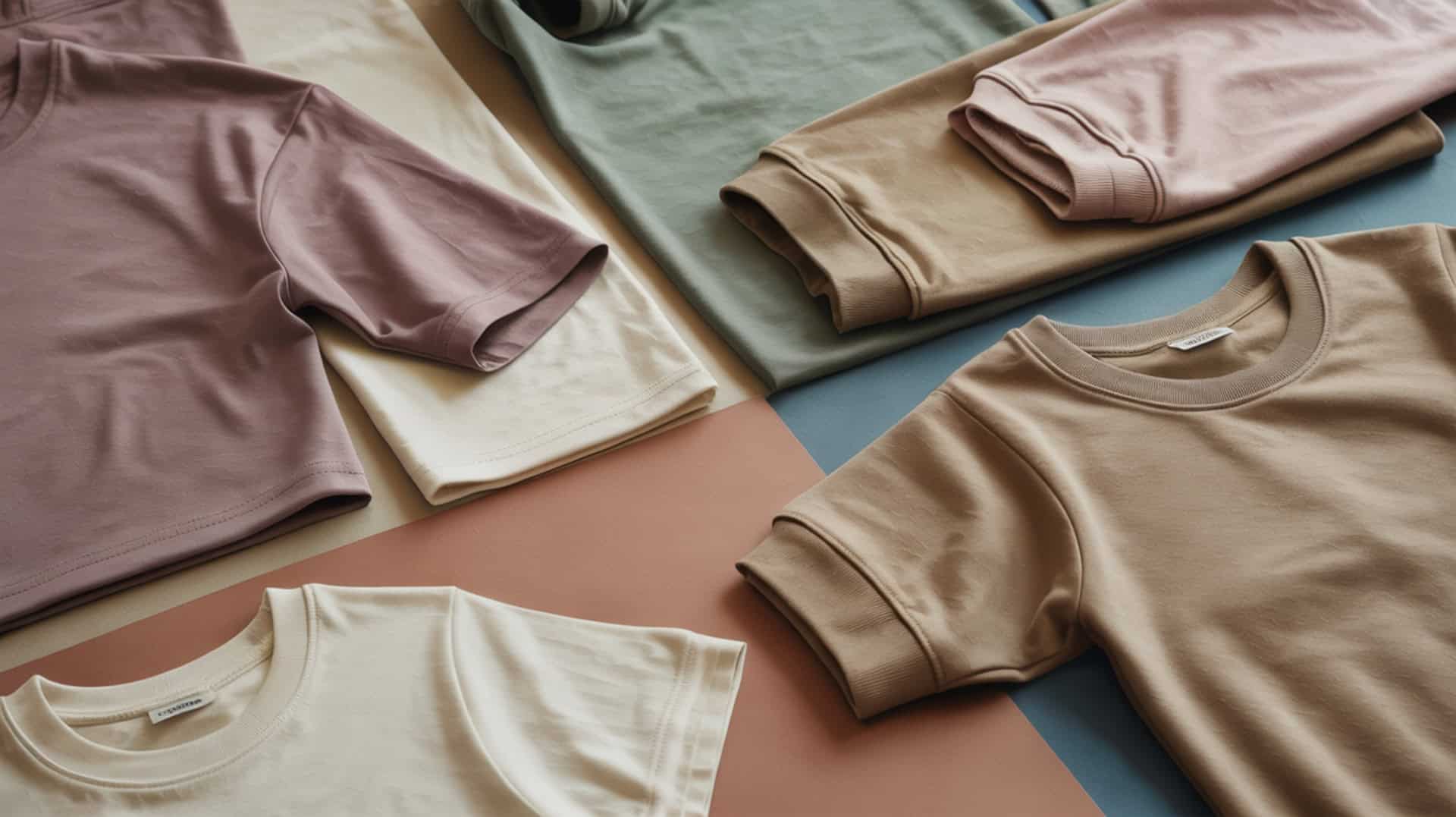
Colored sublimation blanks for apparel require polyester content because polymer fibers bond with gaseous disperse dyes under heat, but background pigments in colored apparel affect sublimation color visibility and reduce contrast compared to white substrates. Sublimation ink is translucent, meaning the shirt color shows through and changes final print colors—gray bases dull tones while darker colors can mask designs entirely. Because polyester fiber compatibility determines sublimation success across all materials, you may want to read our hub guide on Best Materials For Sublimation Printers to understand polymer-based printing requirements. This roundup compares three colored blank options—Simpli Blanks colored sleeves with gray center, Cricut grey shirts, and polyester blend sweatshirts—each demonstrating how base color and polyester percentage affect final results. The way humans perceive color can be influenced by underlying hues and contrasts, which helps explain why sublimation designs may appear different on colored blanks compared with white ones.[1]
Key Takeaways
- Fiber blends with lower polyester percentages produce less vibrant results—a 55% polyester sweatshirt delivers only about 55% dye bonding, creating intentional vintage/faded effects.
- Polyester content determines color fastness because dye bonds inside the polymer matrix and resists fading, though colored bases will shift all design colors due to translucent ink properties. The thermal behavior and composition of polymer-based materials influence how they respond to heat and bonding, which affects final color quality on sublimation blanks.[2]
- All tested blanks pressed at 385°F for 55 seconds, with gray centers producing “noticeable color shift” while 55% poly sweatshirts showed “very vintage” results compared to white 100% polyester benchmarks.
Are Simpli Blanks Colored Sleeves a Good Choice for Sublimation Projects?
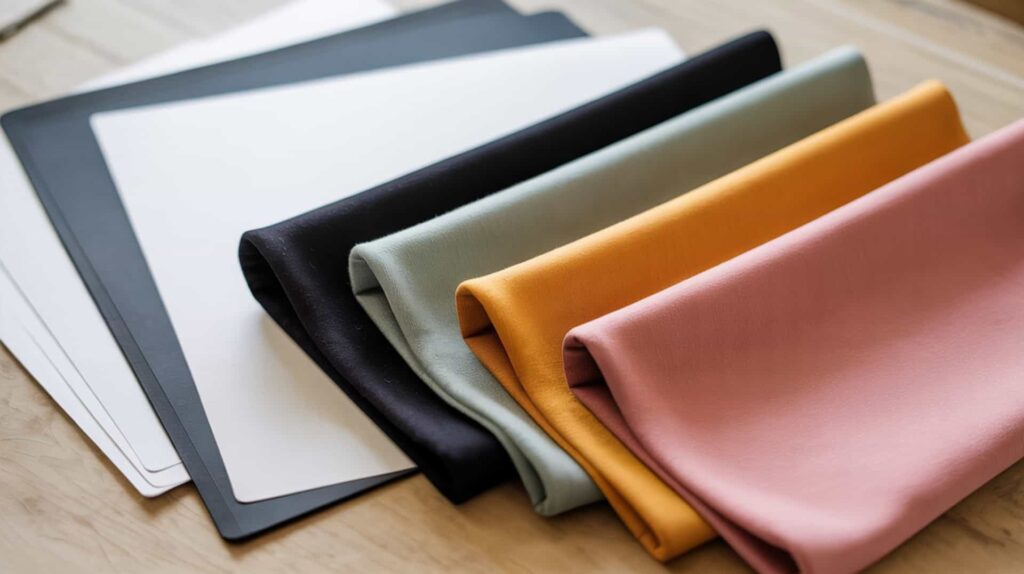
Simpli Blanks shirts with colored sleeves and gray center bodies offer a practical approach to colored sublimation because the light/neutral center still accepts direct sublimation while the colored sleeves add visual interest without blocking dye transfer. The polyester content enables permanent chemical bonding with disperse dyes, though opaque base pigments reduce visible sublimation output compared to pure white substrates. According to reviewed test results at 385°F for 55 seconds, the tester said Simpli Blanks “feel amazing” and she “really loved these blanks.” I recommend Simpli Blanks for crafters wanting colored elements without sacrificing printable area vibrancy.
What kind of sublimation results can you expect from Simpli Blanks Colored Sleeves?
Simpli Blanks colored sleeve shirts produce successful sublimation results on the gray center area, though fiber morphology and base color affect dye penetration and final color clarity. In reviewed testing, the gray center showed colors that “shift because the gray base shows through the ink”—the tester added white elements to the design specifically to demonstrate how “white disappears on colored shirts” and turns into the base color instead. Despite the color shift, results remained “successful” when staying with light colors and planning for the shift. The colored sleeves provide visual interest without affecting the printable center area.
What are the pros and cons of using Simple Blanks Colored Sleeves for sublimation?
Simpli Blanks maintain high color fastness on the polyester base despite reduced brightness on colored areas, making them durable for washing while accepting the color shift trade-off. Based on reported test results, pros include the tester saying blanks “feel amazing” and she “really loved these blanks,” successful results when staying with light colors, and colored sleeves plus lighter/neutral center providing the “colored look without losing everything.” Cons include “color accuracy changes” where gray “alters the whole design” because ink is translucent, and results not matching the “bright/vibrant” look of white 100% polyester centers. Gray specifically dulls and changes tones compared to white reference shirts.
How do Simpli Blanks Colored Sleeves compare to other colored sublimation blanks?
Simpli Blanks deliver predictable results due to known polyester composition among sublimation-ready blanks, positioning them as reliable options for crafters wanting colored elements with workable print areas. Compared to white-center 100% polyester (the benchmark), Simpli Blanks gray center showed “noticeable color shift” with gray showing through ink. Compared to darker shirts like black, the tester explained you “can’t sublimate directly on black/dark” without special hacks—so light/neutral-center options like Simpli Blanks remain the practical “direct sublimation” path. Simpli Blanks are available on Etsy according to the tester. You can find this product here.[3]
How Well Does the Cricut Grey Shirt Work for Colored Sublimation Printing?
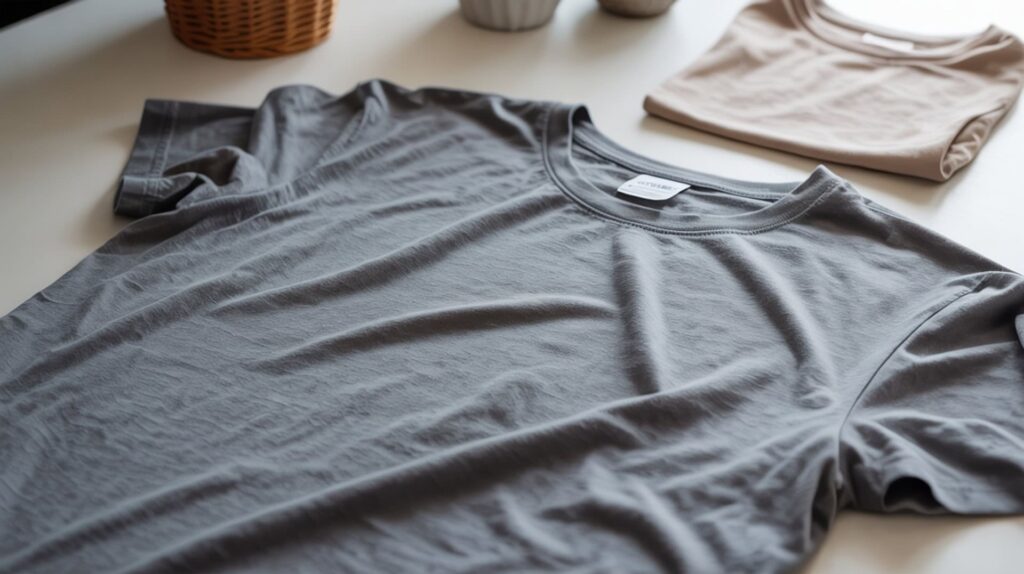
The Cricut Grey Shirt is a polyester blend sublimation shirt that produces usable results with noticeable color shift because background pigments in the gray base mute final color output compared to white substrates. The polyester blend enables partial dye bonding where only polyester fibers accept sublimation dye, while any cotton content remains uncolored. According to reviewed test results, the Cricut grey behaves “like the gray Simpli Blanks example” where you can “see how much the colors changed with the gray.” The tester noted she “likes Cricut sublimation shirts” and appreciates the feel because they’re “a little like cotton.” I recommend Cricut grey for crafters wanting something other than plain white with acceptable color shift.
⫸ Click Here For Best Selling Sublimation Printers And Products ⫷What sublimation print quality can you achieve on the Cricut Grey Shirt?
The Cricut Grey Shirt produces muted final color output because background pigments show through the translucent sublimation ink, affecting dye penetration visibility across the entire design. In reviewed testing at 385°F for 55 seconds, the gray base “changes the look of the entire design” with colors shifting from the original artwork. The tester compared results directly against a “100% polyester white sublimation shirt” benchmark, showing how gray alters all colors versus the “this is what it should look like” white reference. Direct sublimation remains possible since gray qualifies as a light/neutral color, unlike black which requires special workarounds.
What are the pros and cons of using the Cricut Grey Shirt for sublimation?
The Cricut Grey Shirt contains fiber blends that create uneven dye uptake across the fabric surface, but the cotton-like feel provides comfort unavailable in pure polyester athletic shirts. Based on reported test results, pros include direct sublimation being “still possible” on gray since it’s a light/neutral color, the tester “likes Cricut sublimation shirts” overall, feel described as “a little like cotton,” and gray providing an option for crafters wanting “something other than plain white.” Cons include “noticeable color shift” where gray changes the entire design appearance, results “not as bright/vibrant” as white 100% polyester benchmark, and Cricut shirts “tend to run a little small” in sizing.
How does the Cricut Grey Shirt compare to other colored sublimation apparel?
The Cricut Grey Shirt shows similar behavior to other gray-center blanks, with higher polyester ratio producing better sublimation vibrancy on colored substrates than lower-poly alternatives. Compared to white 100% polyester benchmark, Cricut grey delivers “colors shift more” due to gray showing through ink—the white remains the “brightest, most vibrant, ideal reference.” Compared to Simpli Blanks gray center, results appear similar with both showing noticeable color alteration. Compared to dark colors like black, gray remains in the “works directly” category since the tester stated you “can’t sublimate directly” on black/darks without special hacks. Cricut offers both white with colored sleeves and full gray versions. You can find this product here.[4]
Is a Polyester Blend Sweatshirt Worth It for Colored Sublimation Projects?
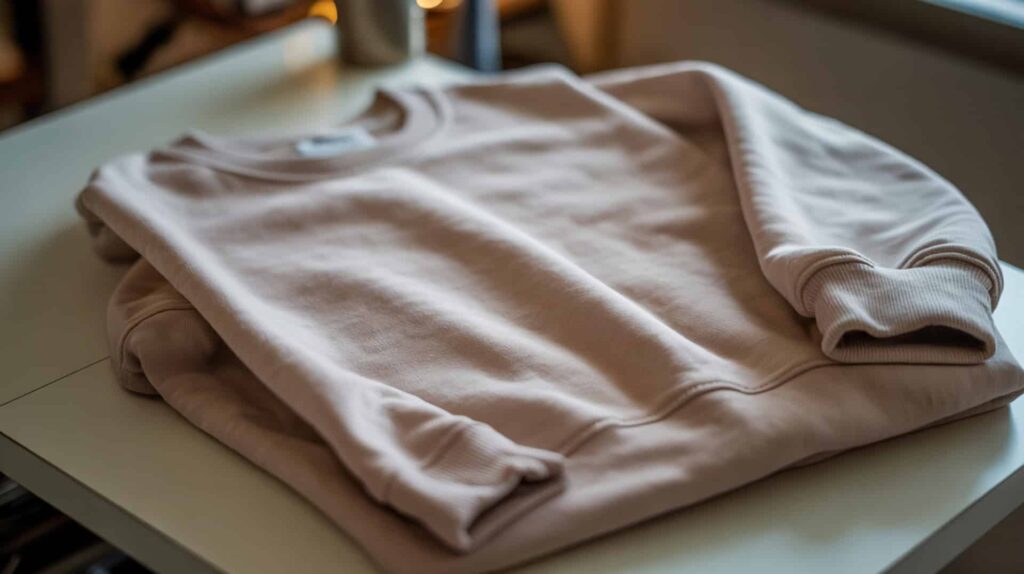
Polyester blend sweatshirts with 55% polyester content produce intentional vintage/faded sublimation results because reduced polymer content limits dye saturation—only about 55% of the design area truly sublimates according to test observations. Because fiber blends in sweatshirts commonly use cotton/poly ratios that affect sublimation behavior, you may want to read our guide on Sublimation On Sweatshirts for detailed technique adjustments. According to reviewed test results, the tester specifically described results as “a very vintage look on a 55% polyester shirt” showing “how much the colors altered” compared to pure white 100% polyester reference. I recommend blend sweatshirts for crafters specifically wanting faded retro aesthetics.
What sublimation results can you expect from a polyester blend sweatshirt?
Polyester blend sweatshirts produce reduced print sharpness because fleece fabric structure creates reduced surface contact during pressing compared to smooth t-shirt materials. In reviewed testing at 385°F for 55 seconds, the 55% polyester sweatshirt delivered “very vintage” results with the tester noting you can “see how much the colors altered” compared to the pure white 100% polyester reference. The lower polyester percentage means only about half the fibers bond with sublimation dye, creating the characteristic faded appearance. The tester framed this as “only ~55% of the design area will truly sublimate” resulting in expected vintage/faded output.
What are the pros and cons of sublimating on polyester blend sweatshirts?
Polyester blend sweatshirts offer vintage aesthetic appeal but cotton content creates risk of scorching at sublimation temperatures if press times extend beyond recommended settings due to thermal degradation differences between fibers. Based on reported test results, pros include “great if you WANT the vintage look” since 55% polyester naturally creates faded retro-style prints, and garment style details (seams, edges, cuffs) make the “vintage sublimation look feel intentional” and match overall vibe. Cons include “lower vibrancy + more fading risk” with the tester warning 55% poly will be “more faded” and “may even fade the first one to two times through the laundry.” Results aren’t comparable to “ideal brightness of white 100% polyester.”
How do polyester blend sweatshirts compare to 100% polyester options for sublimation?
100% polyester delivers maximum dye penetration and vibrancy, making it the clear winner for brightness while 55% poly sweatshirts trade vibrancy for comfort and intentional vintage effects. Compared to 100% poly white benchmark, the tester described it as “brightest, most accurate color” while 55% poly sweatshirt showed “much more vintage, more altered colors, and potentially some early-wash fading.” The sweatshirt can “look great when you’re aiming for that effect” but requires accepting the aesthetic trade-off. If colored base is added to the lower polyester percentage, color shifts compound because translucent sublimation ink reveals the base color. You can find this product here.[5]
Which Colored Sublimation Blank Is Best for Your Apparel Projects?
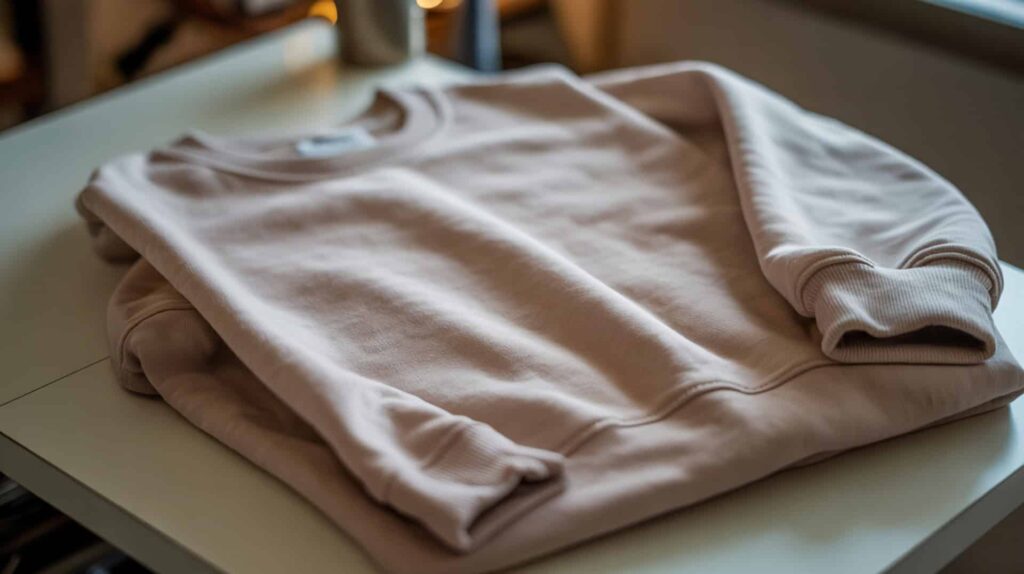
Choosing the right colored sublimation blank depends on polyester content determining usable color range and durability, plus whether you want maximum vibrancy or intentional vintage effects. For crafters wanting colored elements with minimal vibrancy loss, Simpli Blanks colored sleeves with gray center deliver blanks that “feel amazing” while keeping printable areas light enough for successful transfers. For those wanting something other than plain white with cotton-like comfort, Cricut grey shirts work for direct sublimation despite “noticeable color shift.” For intentional vintage/faded aesthetics, 55% polyester blend sweatshirts create “very vintage” results the tester positioned as ideal when “you WANT the vintage look.” Because hoodie apparel represents a major colored category with blend-related sublimation limits, you may want to read our guide on Best Sublimation Hoodies for additional options.
Frequently Asked Questions
What are the best t-shirt blanks for sublimation on colored apparel?
The best colored t-shirt blanks for sublimation combine high polyester content with light/neutral base colors that allow direct sublimation without special hacks. According to reviewed test results, Simpli Blanks with colored sleeves and gray center earned praise with the tester saying they “feel amazing” and she “really loved these blanks.” Cricut grey sublimation shirts work for direct sublimation with the tester noting she “likes Cricut sublimation shirts” for their cotton-like feel. Avoid black or dark colors entirely—the tester stated you “can’t sublimate directly on black/dark” without special workarounds. Light grays and neutrals remain in the “works directly” category.
How do you get vibrant colors with sublimation on colored blanks?
Achieving vibrant colors on colored blanks requires maximizing polyester content and choosing the lightest possible base color since sublimation ink is translucent and background pigments show through and alter all design colors. The tester’s benchmark for “brightest, most vibrant” results was 100% polyester white—any colored base will shift colors from this ideal. To improve vibrancy on gray or colored blanks, plan for color shift by adjusting design colors to compensate, stay with lighter base colors, and ensure 100% polyester content when possible. The tester added white elements to designs specifically to show how “white disappears on colored shirts”—design accordingly.
Can you sublimate on 50 cotton 50 polyester t-shirts with good results?
50% cotton/50% polyester t-shirts produce intentional vintage-style results rather than vibrant saturated colors because only half the fibers bond with sublimation dye, and cellulose in cotton provides no polymer bonding sites for dye adhesion. According to reviewed test results on a 55% polyester sweatshirt (similar ratio), the tester described output as “very vintage” with significantly “altered colors” compared to 100% polyester. The tester warned lower-poly blends “may even fade the first one to two times through the laundry.” If you want the vintage/faded look, 50/50 blends work well. For brighter results, choose 65%+ polyester or ideally 100% poly blanks.
What is the best material to sublimate on for a colored shirt?
The best material for colored shirt sublimation is 100% polyester in the lightest base color possible, since polyester is required for visible sublimation on colored garments and darker bases increasingly mask design colors. According to reviewed test results, the “ideal” reference was white 100% polyester showing “brightest, most accurate color.” Gray bases (like Simpli Blanks or Cricut grey) produce “noticeable color shift” but remain workable for direct sublimation. Lower polyester percentages (55%+) create vintage/faded effects intentionally. You cannot sublimate directly on black or dark colors without special hacks or coatings that rarely match true polyester sublimation quality.
Is Gildan a good brand for sublimation on colored apparel?
Gildan offers 100% polyester performance shirts that work well for sublimation, though their colored options follow the same rules as other brands—sublimation ink is translucent so base colors show through and alter designs regardless of brand. Based on general sublimation principles from reviewed testing, any brand’s colored polyester blank will show color shift compared to white. The key factors are polyester percentage (100% is ideal) and base color lightness (lighter colors shift less than darker ones). Gildan’s 100% polyester white shirts serve as reliable benchmarks, but colored Gildan options will experience the same color shift as Simpli Blanks, Cricut, or any other brand’s colored polyester blanks.
References
- Press release. (n.d.). University of Rochester | Where Wonder Fuels Discovery. https://www.rochester.edu/news/printable.php?id=2299
- Advanced energy materials. (n.d.). netl.doe.gov. https://www.netl.doe.gov/carbon-management/advanced-energy-materials