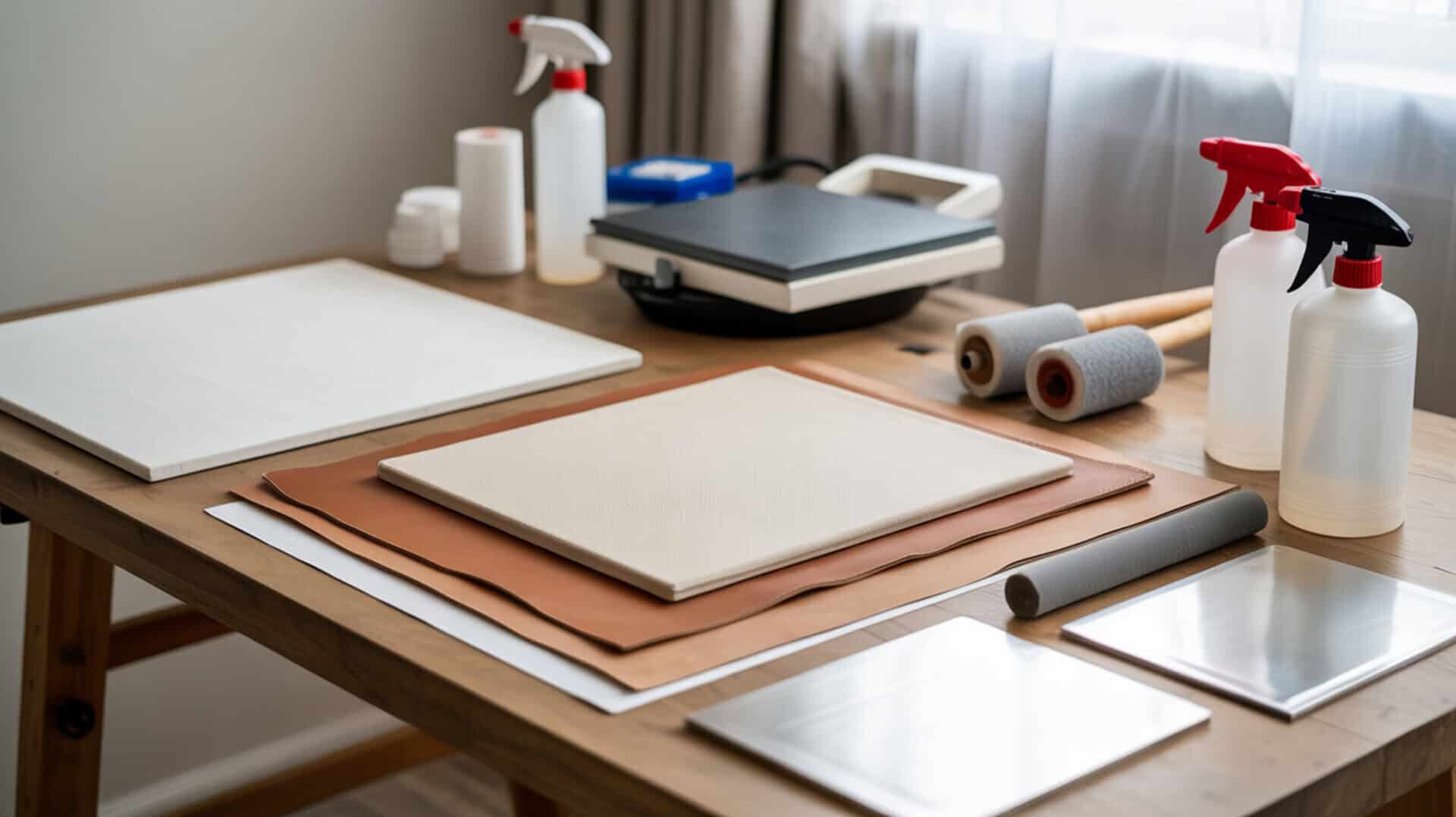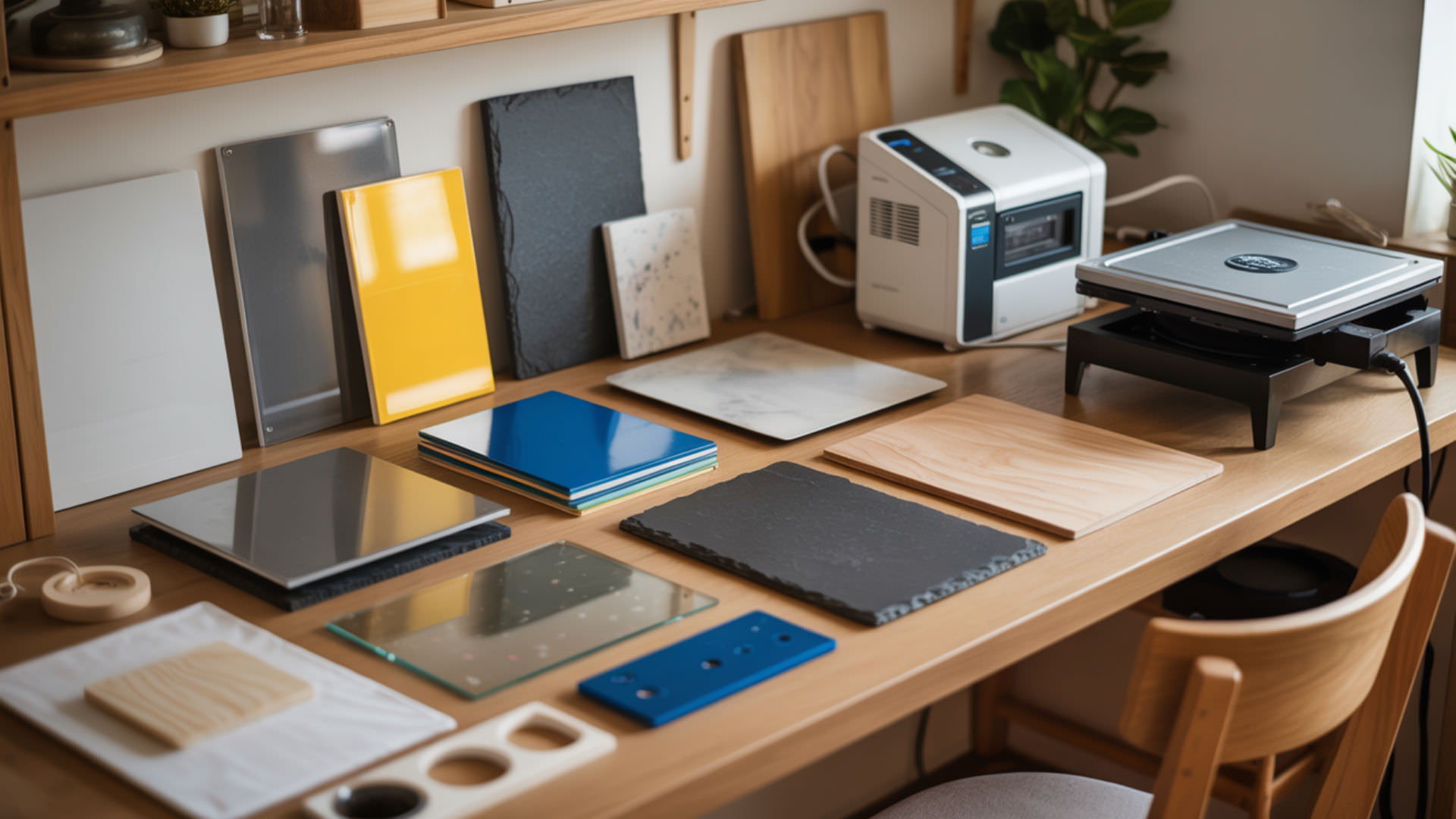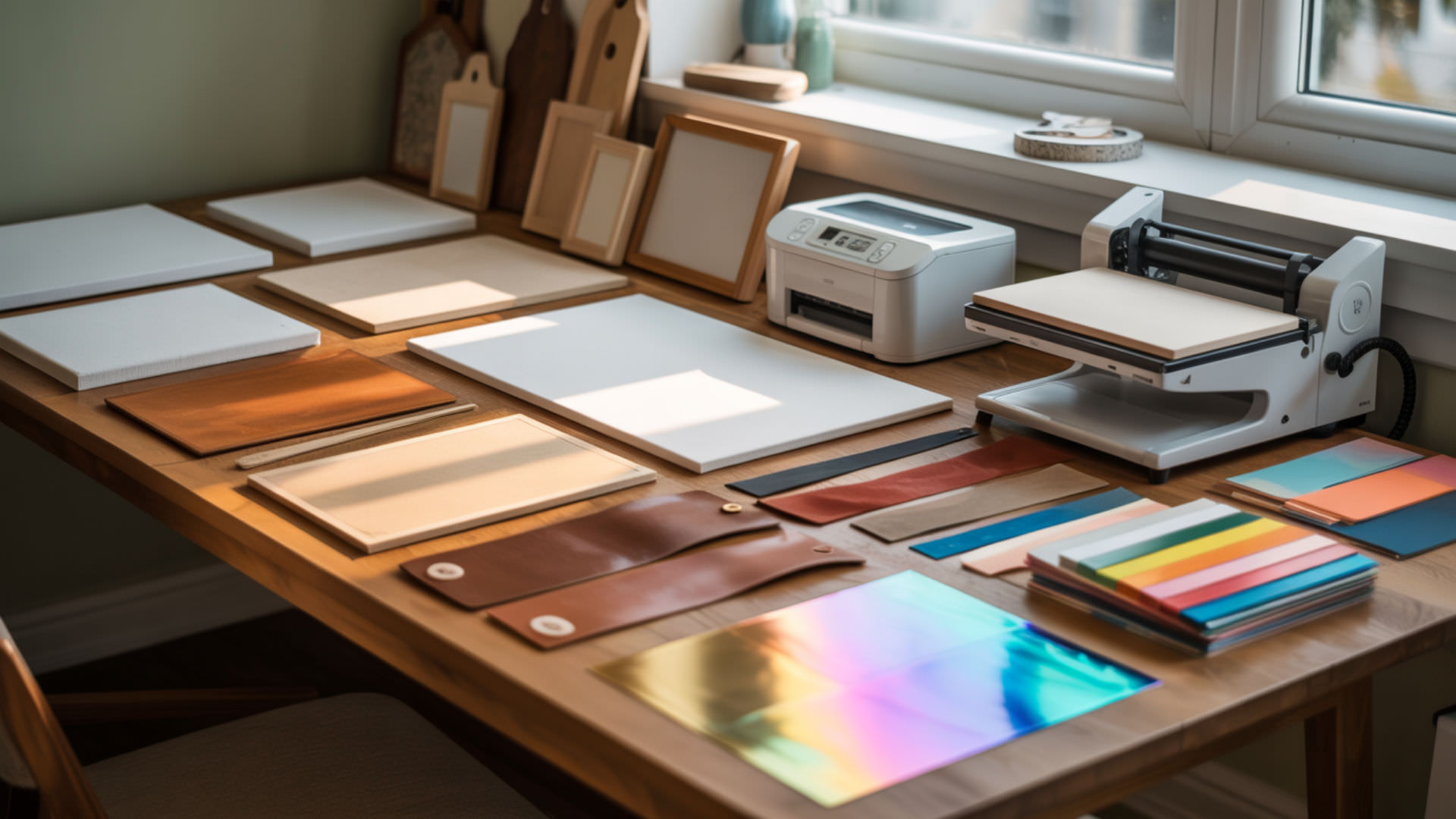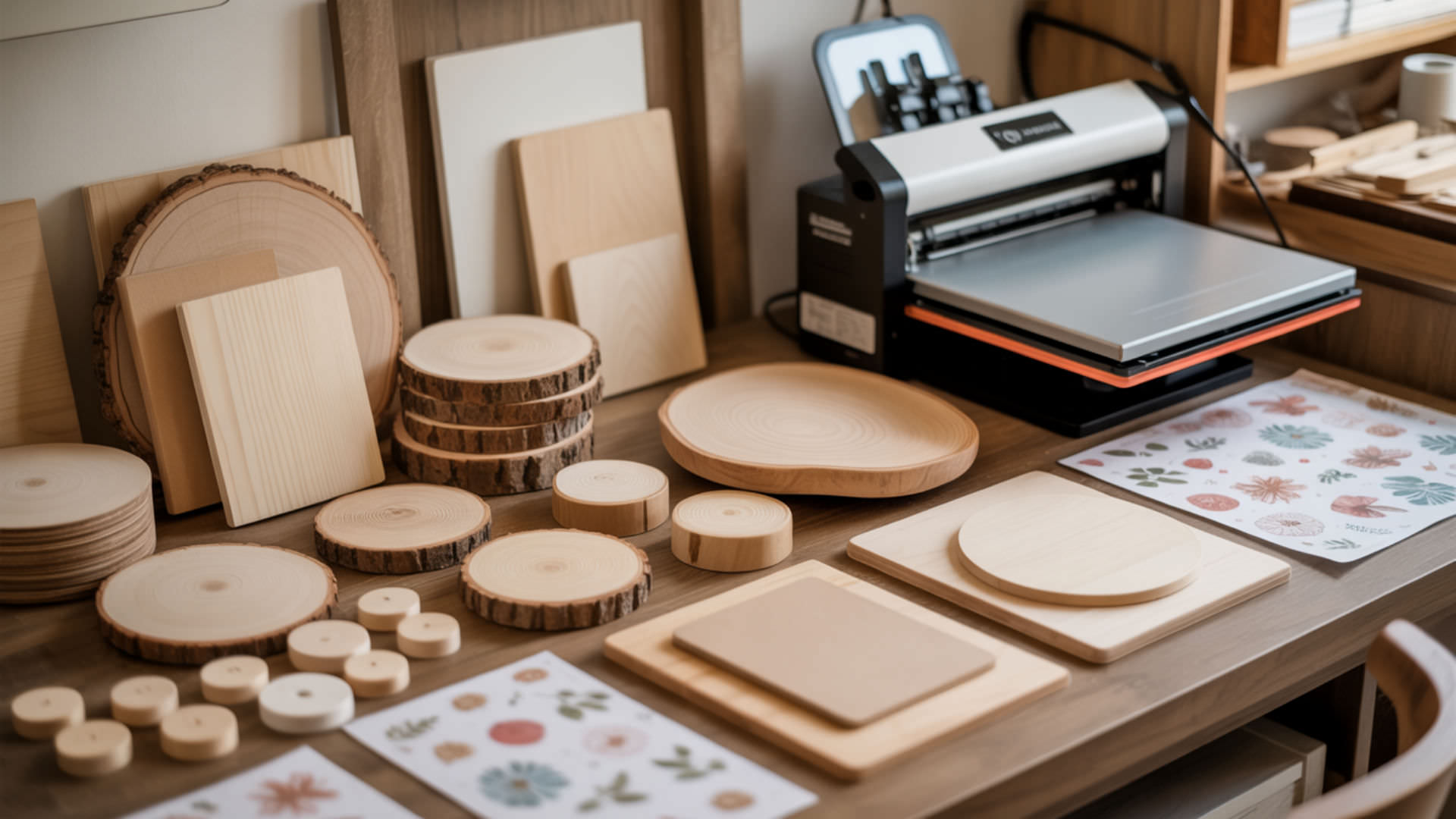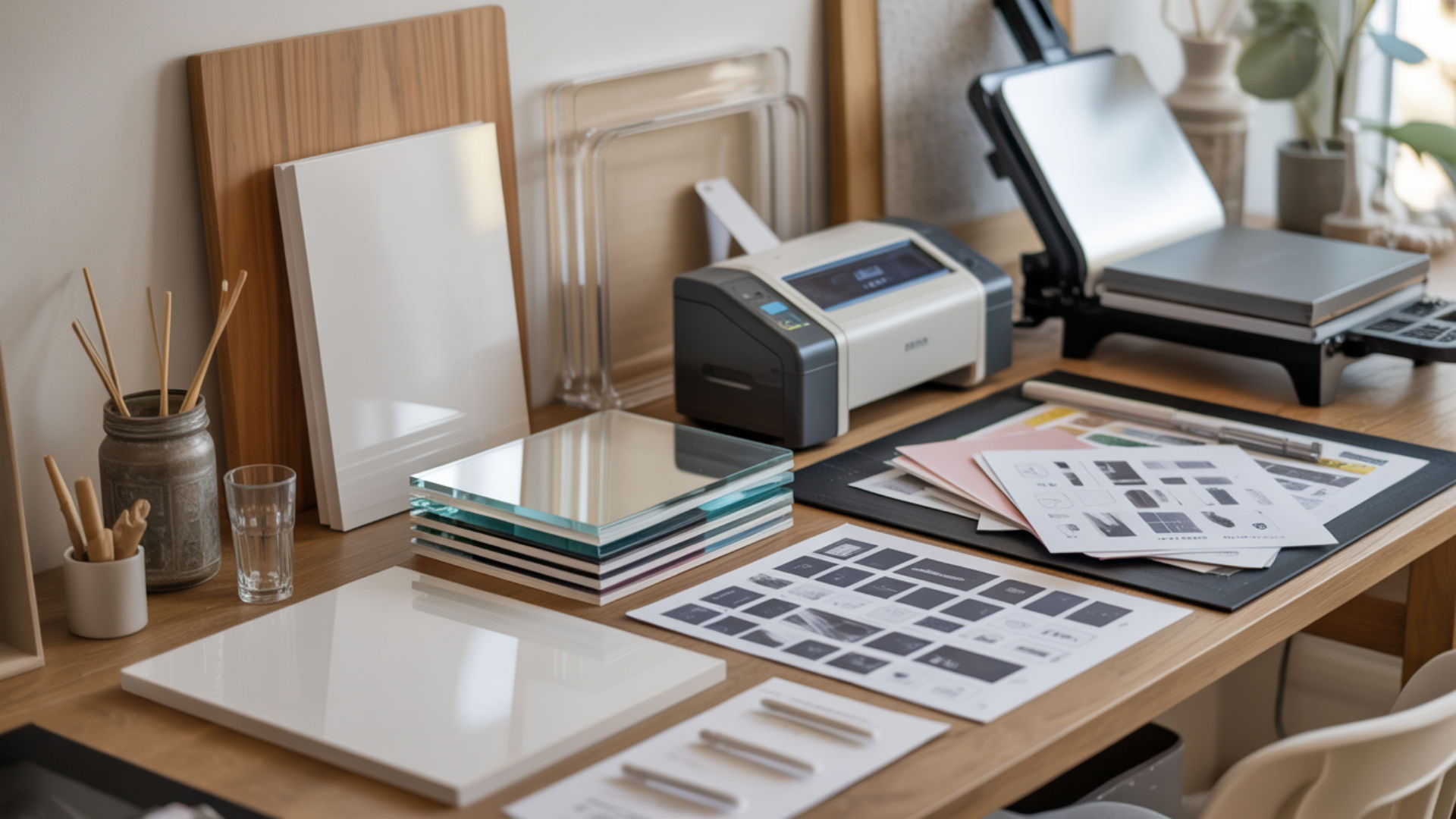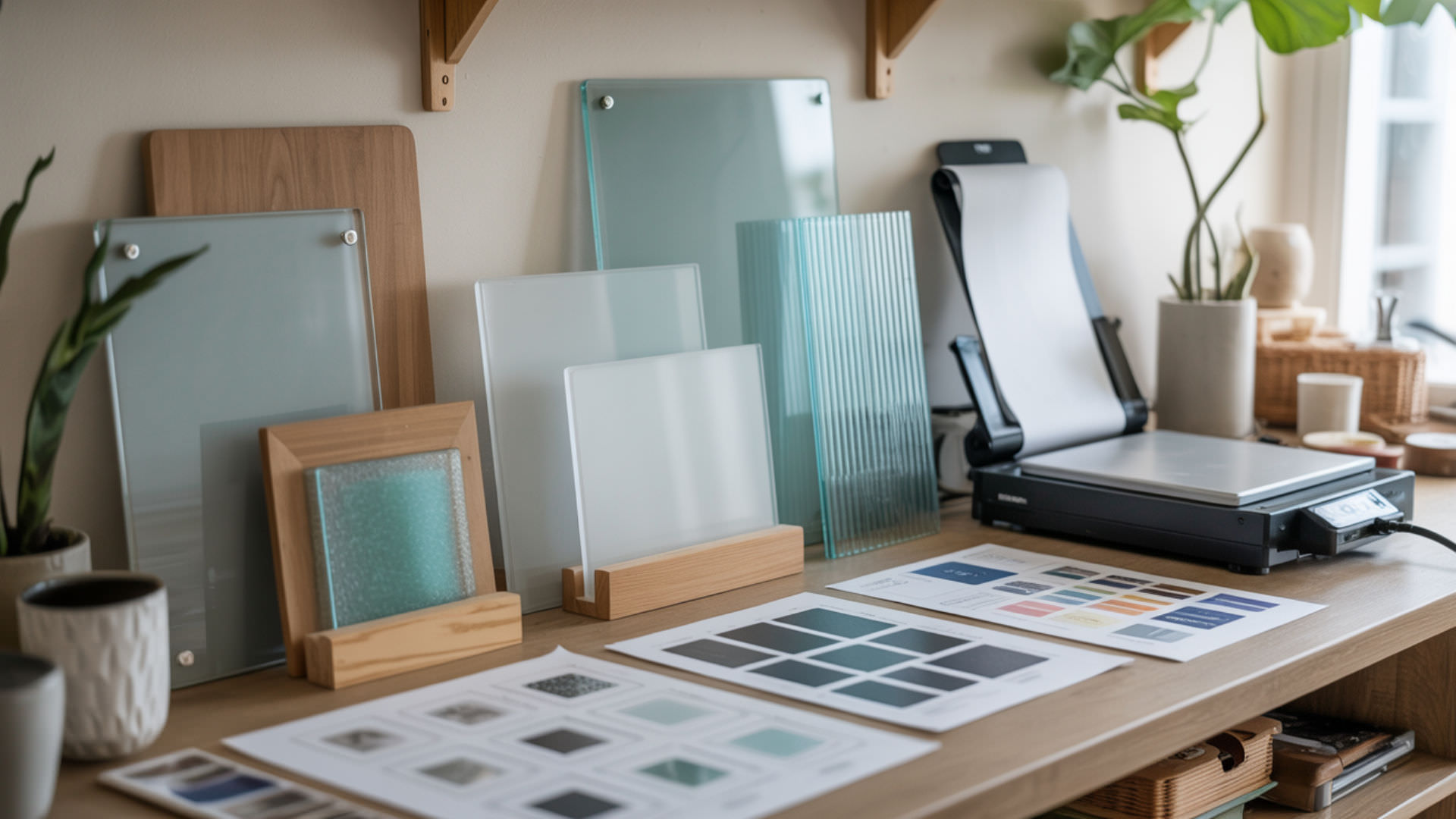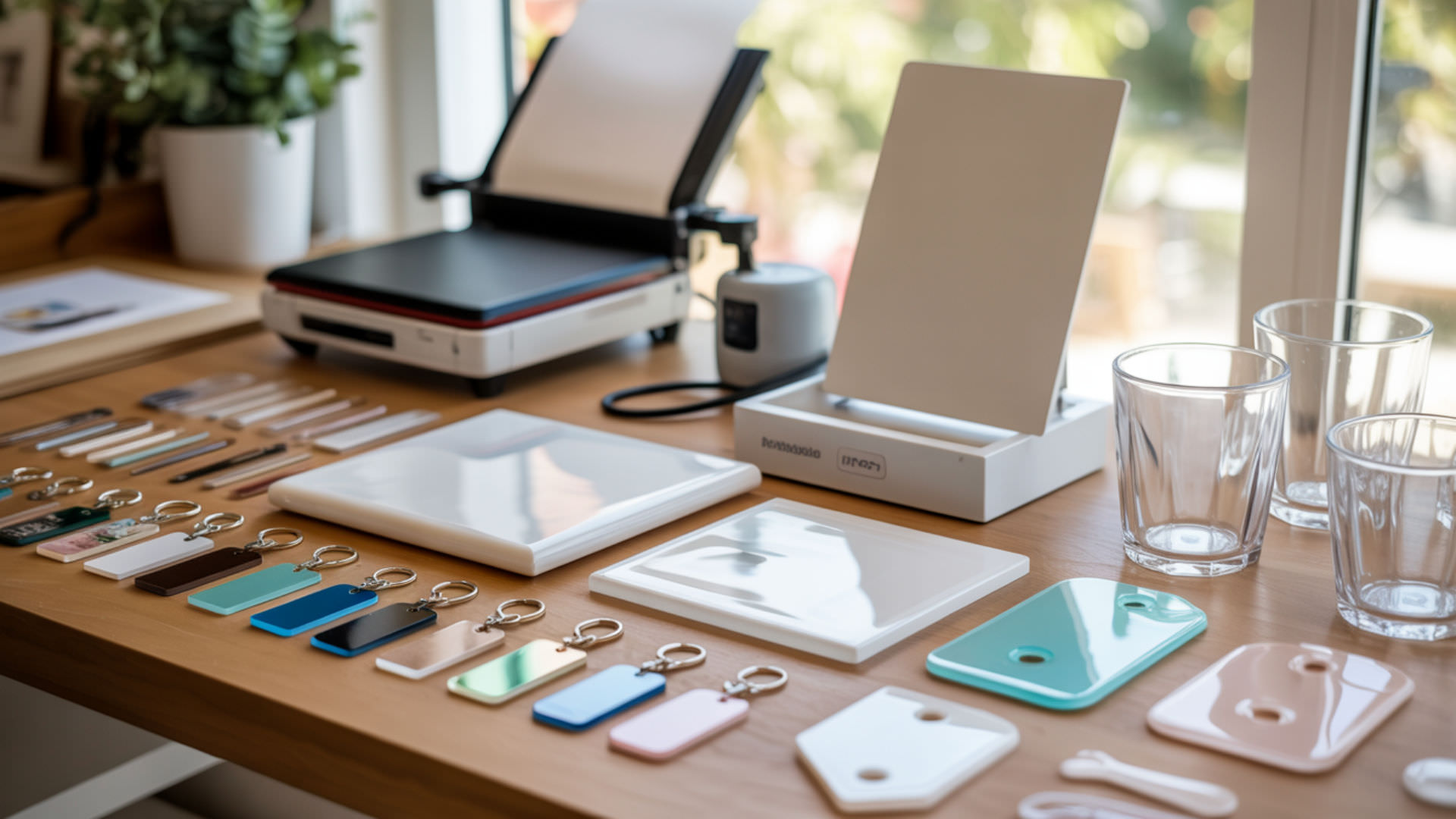
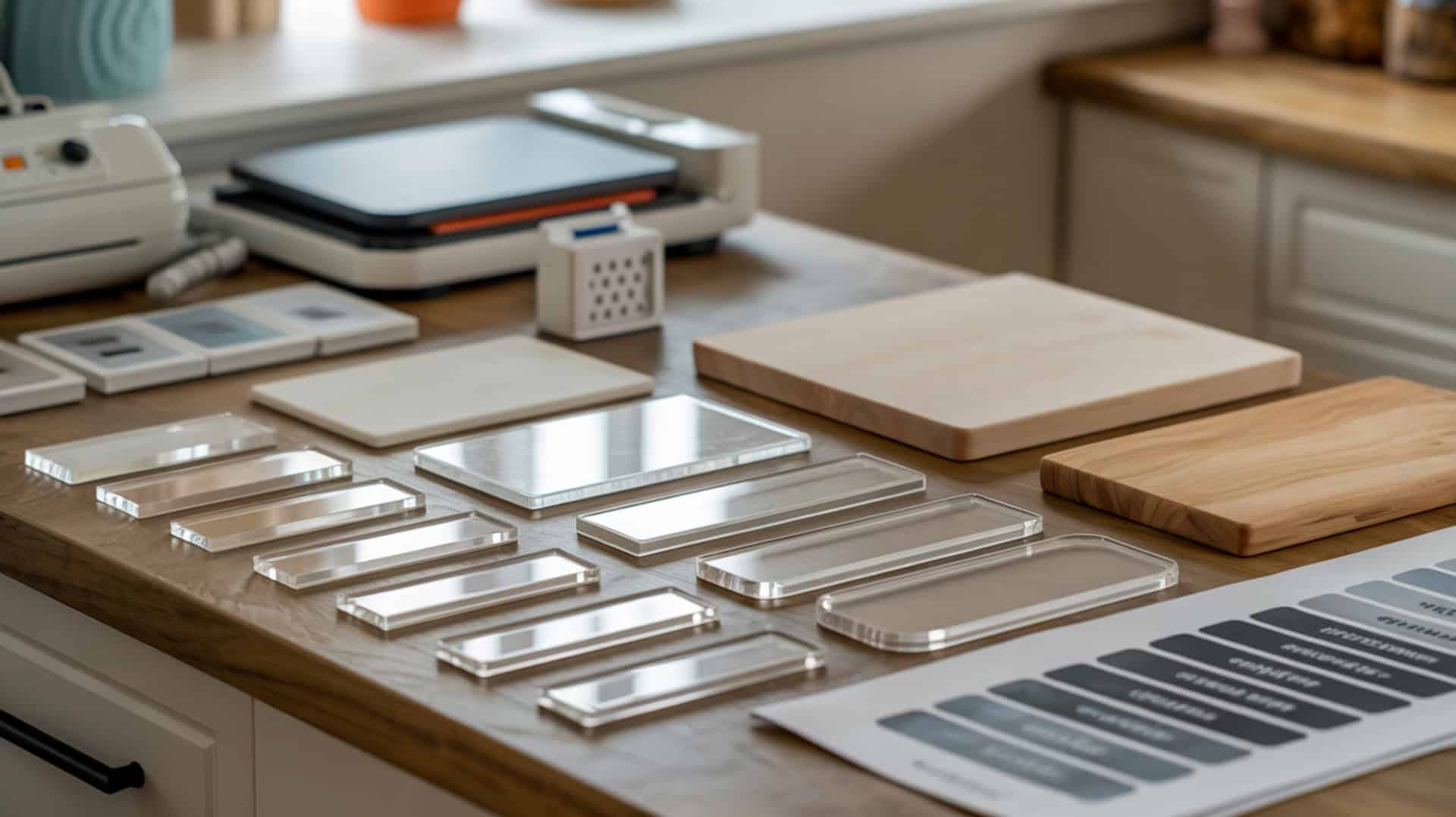
Sublimation transfers dye onto polymer-coated surfaces through heat-activated gas diffusion, which means every blank you choose must contain or carry a polymer layer for permanent image bonding. Because polymer presence determines whether a substrate accepts sublimation dye, you may want to read our hub guide on Sublimation on Materials to understand which surfaces work and why. This roundup covers three distinct blank types—acrylic keychains, glass cutting boards, and wood canvas boards—each with different coating requirements and performance characteristics.
Key Takeaways
- Polyester coating enables permanent dye absorption through gas-phase diffusion, which embeds color into the coating matrix during heat press activation at temperatures between 360°F and 400°F.
- Acrylic keychain blanks produce vibrant results at 370°F for 60 seconds, though they may curl during cooling and require weighted flattening to maintain shape.
- Glass cutting boards with white poly coating deliver the brightest color pop, while wood canvas boards work best with darker colors pressed at 400°F for 60–90 seconds without additional laminate.
Are Acrylic Keychain Blanks a Good Sublimation Product to Sell or Gift?
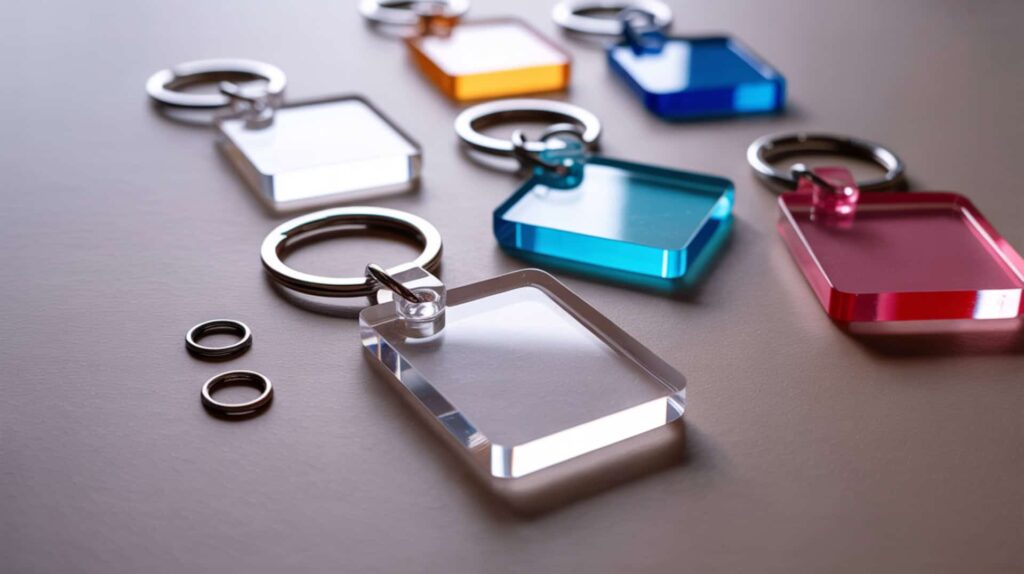
Acrylic keychain blanks are small, clear PMMA substrates designed for fast sublimation projects that produce vibrant, photo-quality transfers when pressed at 370°F for 60 seconds. According to reviewed test results, these blanks accept dye through a pre-applied polymer coating and deliver bright color output that reviewers describe as “so vibrant.” Raw acrylic requires coating to bond sublimation dye because PMMA alone lacks the polyester matrix needed for gas-phase dye diffusion. Because acrylic sublimation depends on polymer behavior and reverse printing methods, you may want to read our guide on Sublimation on Acrylic for detailed coating information. I recommend acrylic keychains for gift-makers and small sellers who want efficient, repeatable results.
What kind of sublimation print quality can you expect on acrylic keychain blanks?
Acrylic keychain blanks deliver high color vibrancy due to the material’s transparency and refractive index, which creates visual depth when light passes through the printed surface. In a reviewed test evaluation, the finished keychains were described as “beautiful” with colors appearing “so vibrant” after pressing at 370°F for 60 seconds with light-to-medium pressure. The transparency of acrylic means you do not need to mirror designs because viewing occurs through the clear substrate. Print quality can vary by blank brand, and test data indicates acrylic shows more variation than fabric sublimation, requiring sample testing for consistent results.
What are the main pros and cons of sublimating on acrylic keychain blanks?
Acrylic keychain blanks offer a fast production workflow with efficient material use, but thermal expansion during pressing can cause warping and brittleness increases crack potential during rapid cooling. Based on reported test results, pros include quick project completion (described as “super fast to make”), multiple designs fitting on one print sheet, and a clean transfer workflow using cardstock, butcher paper, and tape. Cons include curling during cooling that requires weighted books to flatten, protective film that melts if not removed, and transfer paper that can stick to the acrylic surface and needs water soaking for removal. I would consider these blanks for sellers comfortable with post-press handling steps.
How do acrylic keychain blanks compare to other sublimation blank products?
Acrylic keychain blanks differ from glass and wood blanks based on polymer coating thickness and transfer behavior, with acrylic showing more brand-to-brand variation in reviewed tests. Compared to glass cutting boards, keychains require lower press temperatures (370°F vs 400°F) and shorter times (60 seconds vs 240 seconds). Compared to wood blanks, acrylic produces more vibrant colors because the polymer coating and transparency maximize dye saturation. The trade-off is handling sensitivity—acrylic can curl and crack while glass risks thermal shock and wood shows uneven absorption. You can find this acrylic keychain blanks here. [3]
Are Glass Cutting Boards Worth Adding to Your Sublimation Product Line?
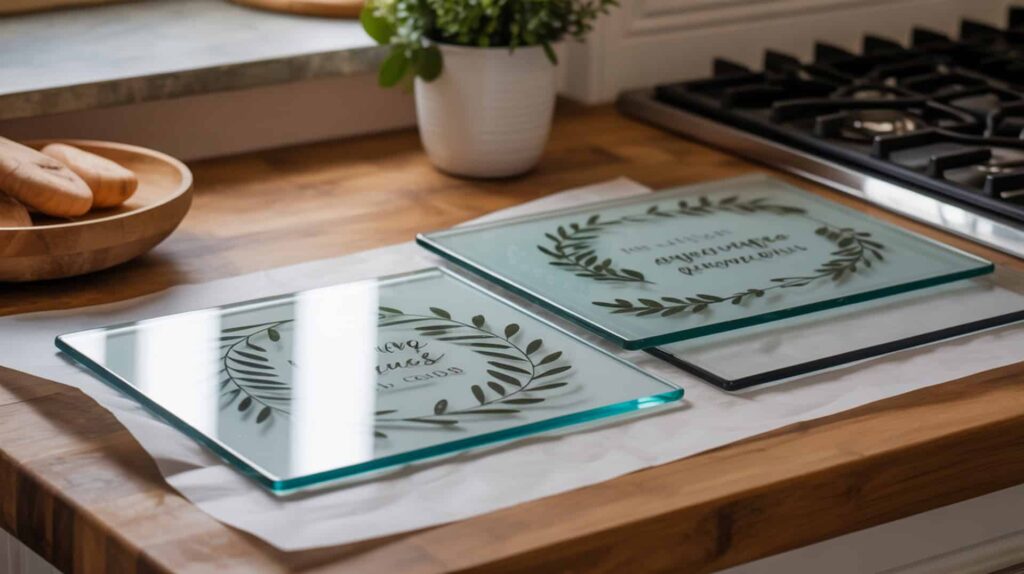
Glass cutting boards with white polyester coating are tempered glass substrates that deliver bright, professional-quality sublimation prints when pressed at 400°F for 240 seconds with firm pressure. Plain glass cannot bond sublimation dye because the inorganic surface lacks polymer chemistry, so coated blanks include a white poly layer that enables dye diffusion while providing heat resistance to reduce cracking risk. Because polyester coating adhesion and heat behavior determine glass sublimation success, you may want to read our guide on Sublimation on Glass for full technique details. In reviewed tests, properly coated glass boards produce results described as “so bright and so vibrant” and “absolutely amazing.” I recommend these for sellers wanting premium kitchen products with high perceived value.
What sublimation print quality and durability can you get on glass cutting boards?
Glass cutting boards produce sharp, vibrant sublimation prints with strong scratch resistance due to the material’s high hardness rating and even heat distribution from tempered glass thermal conductivity. According to reviewed test data, poly-coated boards create results described as “absolutely amazing” with colors that “pop” because of the white coating background. The white polyester layer reflects light back through the dye, maximizing color saturation compared to transparent substrates. Press settings of 400°F for 240 seconds with firm pressure achieved full dye transfer in tests. Durability benefits include scratch-resistant surfaces suitable for kitchen use where cutting contact occurs.
What are the biggest pros and cons of sublimating on glass cutting boards?
Glass cutting boards offer professional results with minimal prep but carry brittleness risks and require careful cooling to prevent thermal cracking from rapid temperature changes. Based on reported test results, pros for poly-coated blanks include easy use, no prep beyond cleaning, professional appearance, and vibrant color pop from the white background. Cons include higher cost than DIY alternatives, needing a larger printer for full-bleed 11-inch boards, and opaque backs that block light transmission. For the Dollar Tree laminate method, pros include lower cost and compatibility with smaller printers, while cons include more prep work, visible bubbles in the laminate, and less color saturation without the white backing.
How do glass cutting boards compare to other sublimation kitchen products?
Glass cutting boards outperform most sublimation kitchen products for long-term durability because surface hardness creates superior scratch and wear resistance compared to coated ceramics or melamine. In comparison to wood trivets or MDF boards, tempered glass resists heat damage, moisture absorption, and knife marks. Compared to acrylic serving items, glass offers higher perceived value and better knife-contact tolerance. The main trade-off is weight and fragility during shipping. Poly-coated glass blanks cost more than DIY laminated options but produce more consistent results without bubbles or edge-trimming issues. Many polymer-based materials are time- and temperature-sensitive and can absorb moisture, which helps explain why coated sublimation blanks can shift, warp, or change behavior under press heat.[1] You can find this glass cutting board here. [4]
Is the Wood Canvas Board a Unique Sublimation Blank Worth Trying?
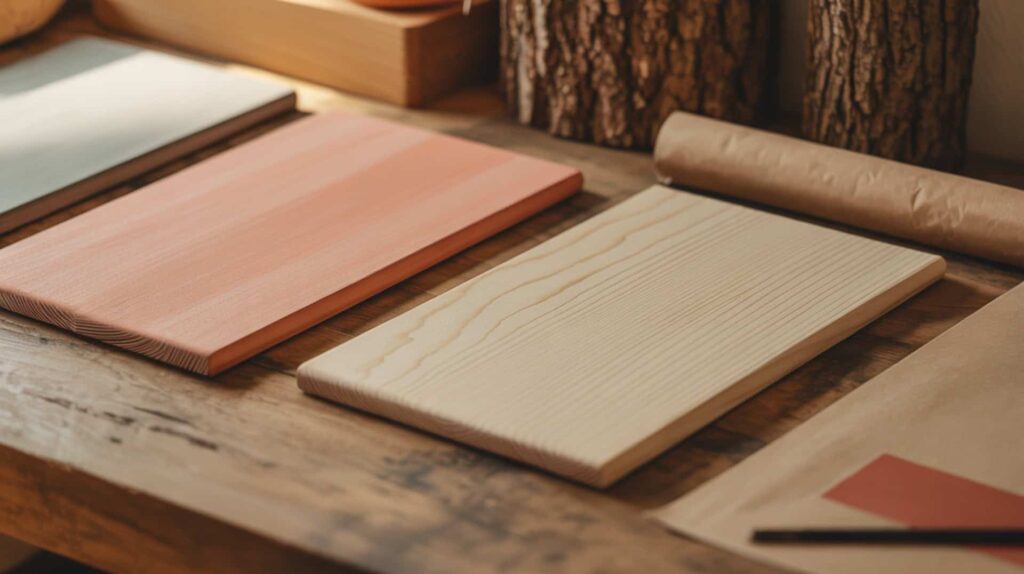
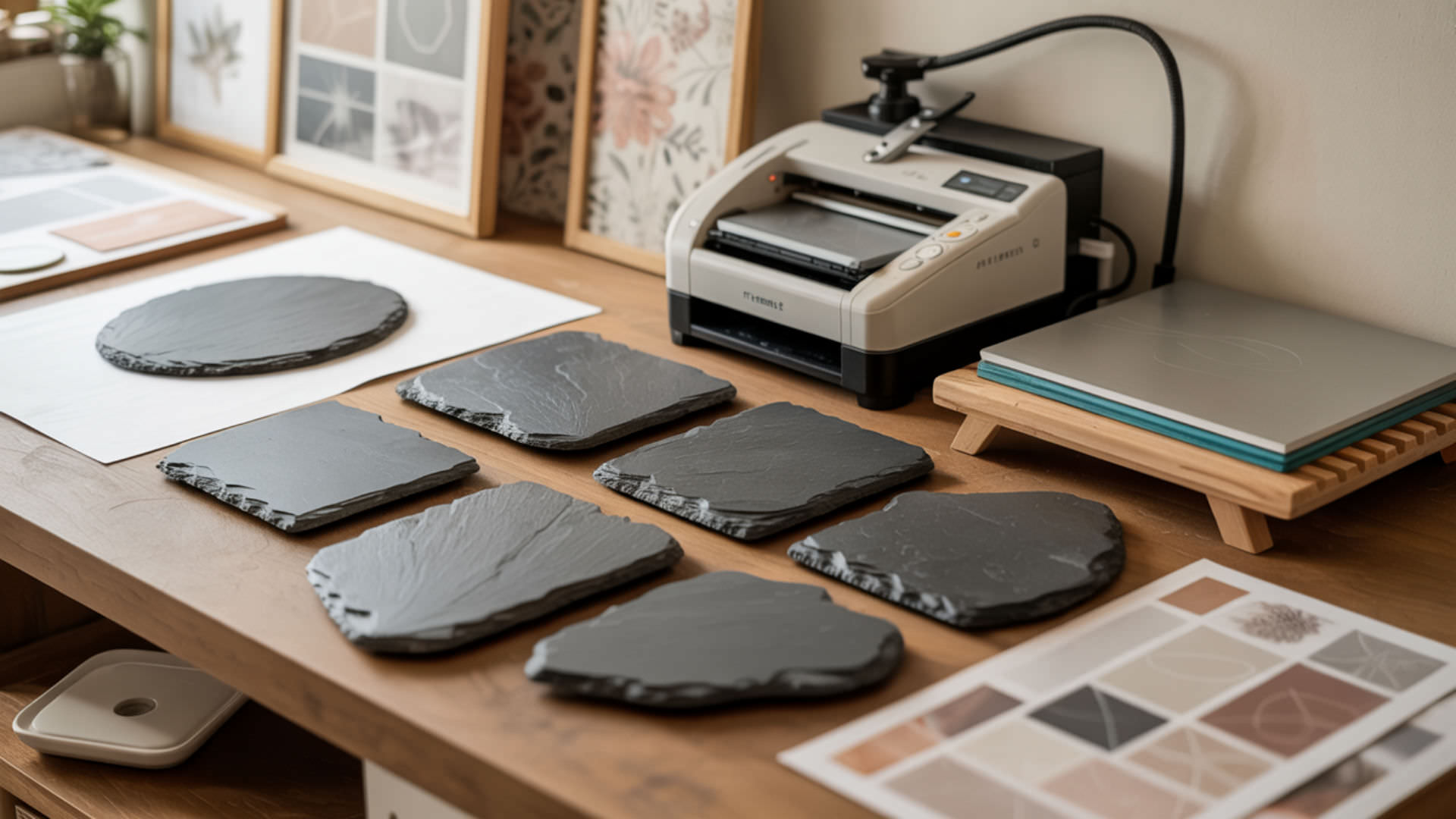
Wood canvas boards are MDF or solid wood substrates that accept direct sublimation without laminate when pressed at 400°F for 60–90 seconds, producing a natural wood grain finish with darker colors performing best. Wood porosity creates uneven dye absorption risk because the porous surface absorbs gas-phase ink at varying rates, making coating or sealing optional but sometimes necessary for lighter designs. Because porosity affects dye absorption and coating requirements on wood substrates, you may want to read our guide on Sublimation on Wood for sealing techniques. According to test evaluations, direct-to-wood sublimation “came out pretty good” with black and dark tones showing strong results. I recommend wood boards for crafters wanting a rustic, natural aesthetic.
What kind of sublimation results can you achieve on wood canvas boards?
Wood canvas boards produce visible sublimation results with dark colors when pressed at 400°F for 60–90 seconds, though moisture content in the wood can cause blotching and lignin in the wood grain may darken under heat exposure. In a reviewed test, a 12-inch round wooden sign pressed at 400°F for 90 seconds “came out pretty good” with most black ink transferring off the paper. An 8×8 panel pressed at 360°F showed “a lot of ink left on the paper,” indicating that lower temperatures reduce transfer efficiency. The natural grain shows through the print, creating a matte finish different from glossy laminated looks. Darker colors work better than pastels because the wood undertone affects lighter shades.
What are the pros and cons of using wood canvas boards for sublimation?
Wood canvas boards provide a unique natural aesthetic with direct sublimation capability, but heat exposure can cause dimensional instability and warping that affects print consistency across the surface. Based on test results, pros include successful direct sublimation without laminate or polycrylic, an easy process for dark designs, results described as “cute” and “nice,” and a natural wood grain finish. Cons include the requirement to use darker colors for visible results, reduced transfer at temperatures below 400°F, and pressure inconsistency causing patchy areas. The tester noted using a Cricut EasyPress 1 at 360°F “was probably not the best idea” due to incomplete ink transfer.
How do wood canvas boards compare to acrylic and other sublimation blanks?
Wood canvas boards differ from acrylic and glass blanks because lower surface energy reduces dye bonding consistency, requiring higher temperatures and longer press times for acceptable transfer. Compared to acrylic keychains, wood produces matte finishes instead of glossy transparency and works better with dark rather than vibrant colors. Compared to glass cutting boards, wood costs less and accepts larger sizes without requiring a wide-format printer, but lacks the scratch resistance and white backing that boost color vibrancy. Wood boards suit decorative wall art rather than functional kitchen items. The natural grain appeals to rustic and farmhouse aesthetics. You can find this wood canvas board here. [5]
Which Sublimation Blank Product Is Best for Your Business or Hobby?
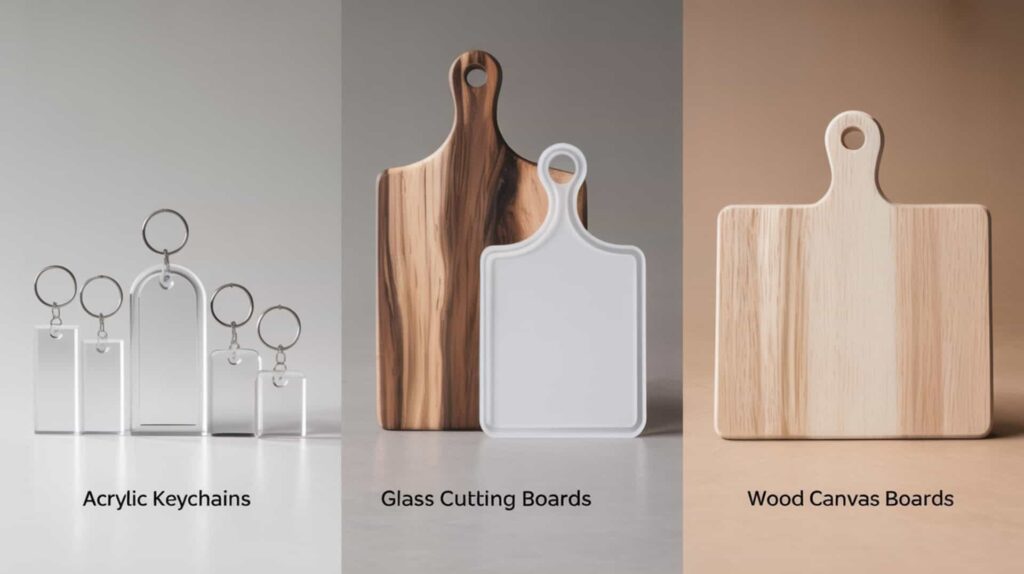
No single sublimation blank fits every business model or creative project—material choice determines product lifespan while coating quality determines color vibrancy and customer satisfaction. For gift sellers prioritizing fast turnaround and vibrant small items, acrylic keychain blanks at 370°F for 60 seconds deliver efficient production with strong visual appeal. For premium kitchen products with high perceived value and durability, poly-coated glass cutting boards pressed at 400°F for 240 seconds create professional results that justify higher price points. For crafters targeting rustic home décor markets, wood canvas boards offer a natural grain finish with dark color designs that stand out in farmhouse-themed product lines. I recommend testing one blank from each category to identify which matches your workflow, equipment, and target customer preferences before scaling production.
Frequently Asked Questions
What is the most durable sublimation blank product you can use?
Glass cutting boards with polyester coating rank among the most durable sublimation blanks due to tempered glass hardness that resists scratching, heat damage, and moisture absorption. According to reviewed test data, poly-coated glass withstands direct knife contact and kitchen use without coating degradation. The polymer layer bonds dye permanently through heat-press diffusion, and the tempered substrate reduces cracking risk compared to standard glass. Wood and acrylic blanks cannot match this durability—wood absorbs moisture over time while acrylic scratches and yellows with UV exposure. For products requiring long-term wear resistance, glass performs best.
What materials can you not sublimate on and should avoid?
Uncoated plastic, raw glass, bare metal, and natural fibers without polymer content cannot accept sublimation dye and will produce failed transfers or no visible image. Sublimation requires a polyester or polymer coating because the dye bonds through gas-phase diffusion into the coating matrix—materials lacking this layer have no receptor for the ink. Cotton, linen, and other plant-based fabrics fail without polymer spray or transfer film. Standard ceramics, uncoated wood, and plain aluminum need specialized coatings before sublimation works. Avoid any blank marketed as “sublimation-ready” that lacks visible poly coating or manufacturer confirmation of coating presence.
What sublimation blank products sell the most for small businesses?
Drinkware, keychains, and ornaments rank as top-selling sublimation blanks for small businesses based on low production cost, high gift appeal, and strong repeat purchase behavior. According to market patterns, items under $15 retail price with personalization options—names, photos, dates—generate the highest volume. Acrylic keychain blanks offer fast 60-second press times and multiple units per print sheet. Polymer-coated mugs and tumblers maintain steady demand. Seasonal ornaments spike during holidays. Glass cutting boards command premium prices but require larger printer investment. I recommend starting with keychains and mugs to build workflow efficiency before expanding into higher-margin glass and wood products.
What Dollar Tree items can you actually sublimate on successfully?
Dollar Tree glass cutting boards can accept sublimation using a lamination pouch “hack” that applies a polyester film to the glass surface before pressing at 400°F for 240 seconds. In reviewed test results, the process required removing rubber feet, deep cleaning the glass, applying laminate at 400°F for 60 seconds, then sublimating onto the laminate layer. Results were described as “really, really pretty” with a clear, light-through effect different from opaque poly-coated blanks. Cons include visible bubbles, difficult edge trimming, and less color pop than white-backed versions. Other Dollar Tree items may work if they contain hidden polyester content, but most lack polymer coatings and will fail without modification.
Can you sublimate on plastic cups or do they require special coating?
Uncoated plastic cups cannot accept sublimation dye and require either a polymer coating or specific plastic chemistry that includes polyester content for successful transfers. Standard polypropylene, polystyrene, and PET plastics without coating will produce blank or faded results because the dye has no polymer matrix to bond with during gas-phase diffusion. Some tumblers marketed as “sublimation-ready” include pre-applied coatings. Moisture content in the plastic and press temperature affect results—too high causes melting, too low prevents transfer. I recommend purchasing blanks specifically labeled as sublimation-compatible rather than attempting to coat standard plastic cups, which rarely produces professional results.Because heat press results depend on controlled and repeatable temperature, it’s worth aligning your workflow with established guidance on measurement and verification where applicable.[2]
References
- The “Soft side” of chips: NIST advances polymer science for semiconductor packaging. (2025, September 17). NIST. https://www.nist.gov/news-events/news/2025/09/soft-side-chips-nist-advances-polymer-science-semiconductor-packaging
- (n.d.). Department of Energy Technical Standards Program. https://www.standards.doe.gov/standards-documents/1000/1012-bhdbk-1992-v3/@@images/file