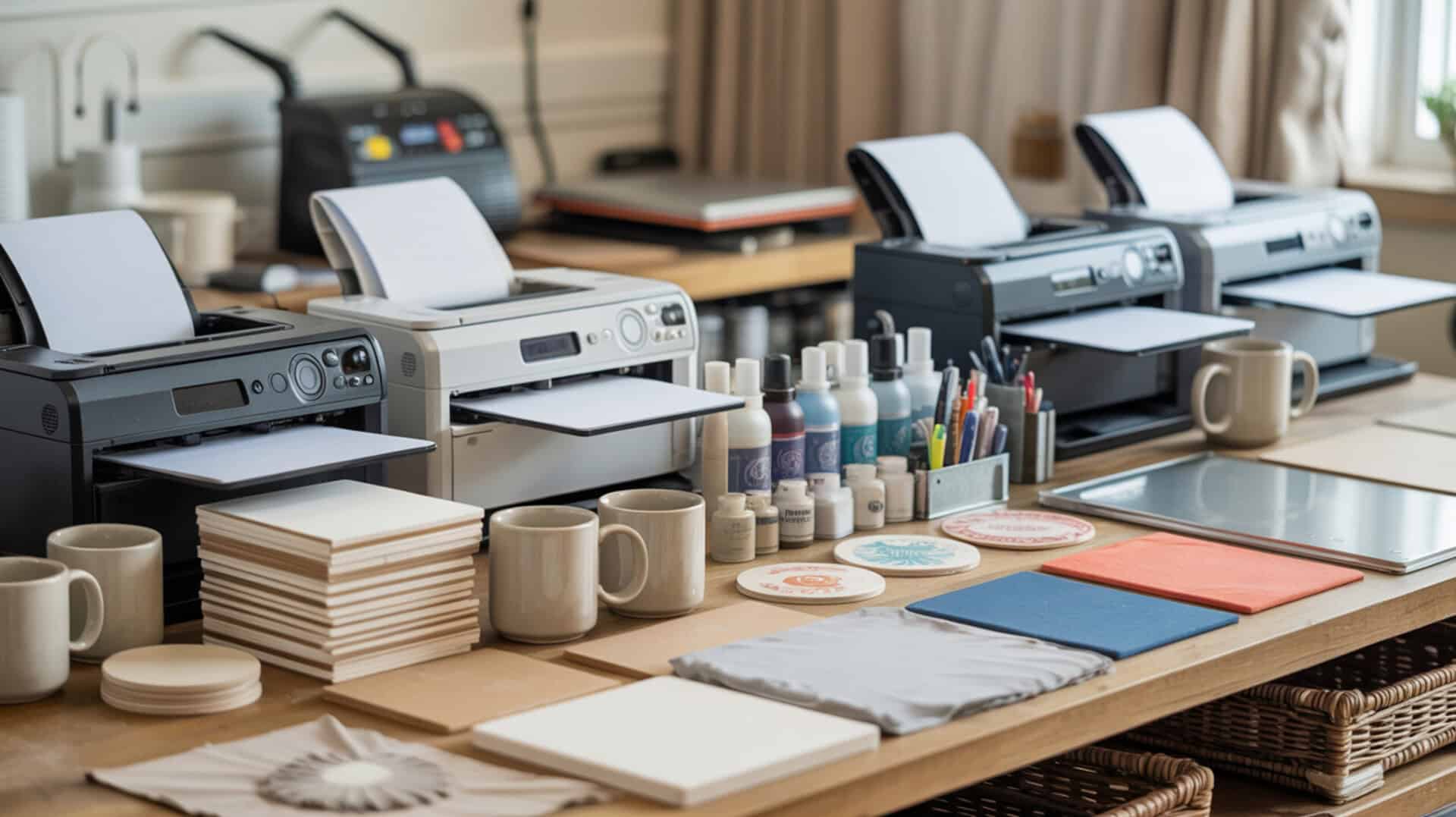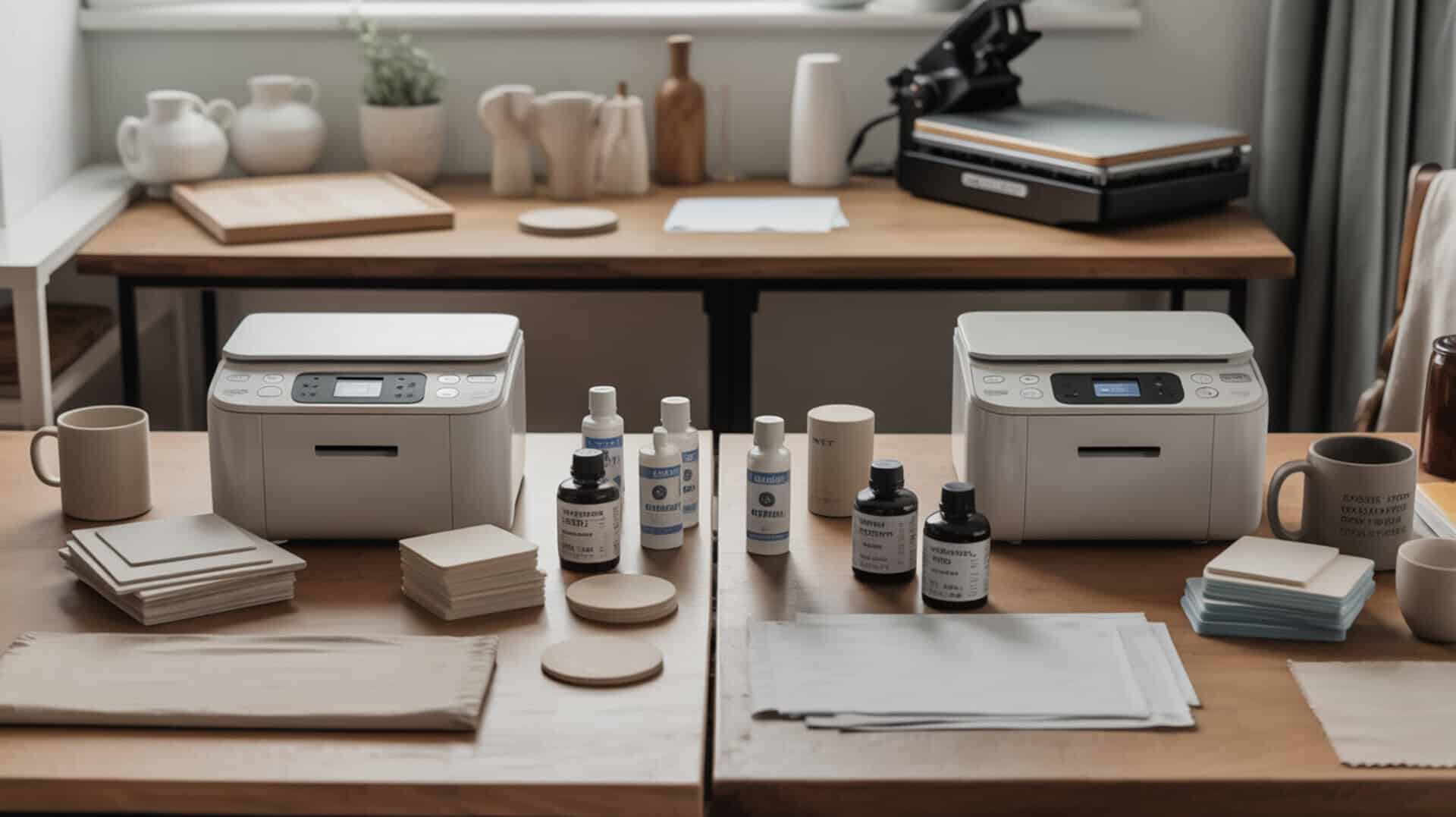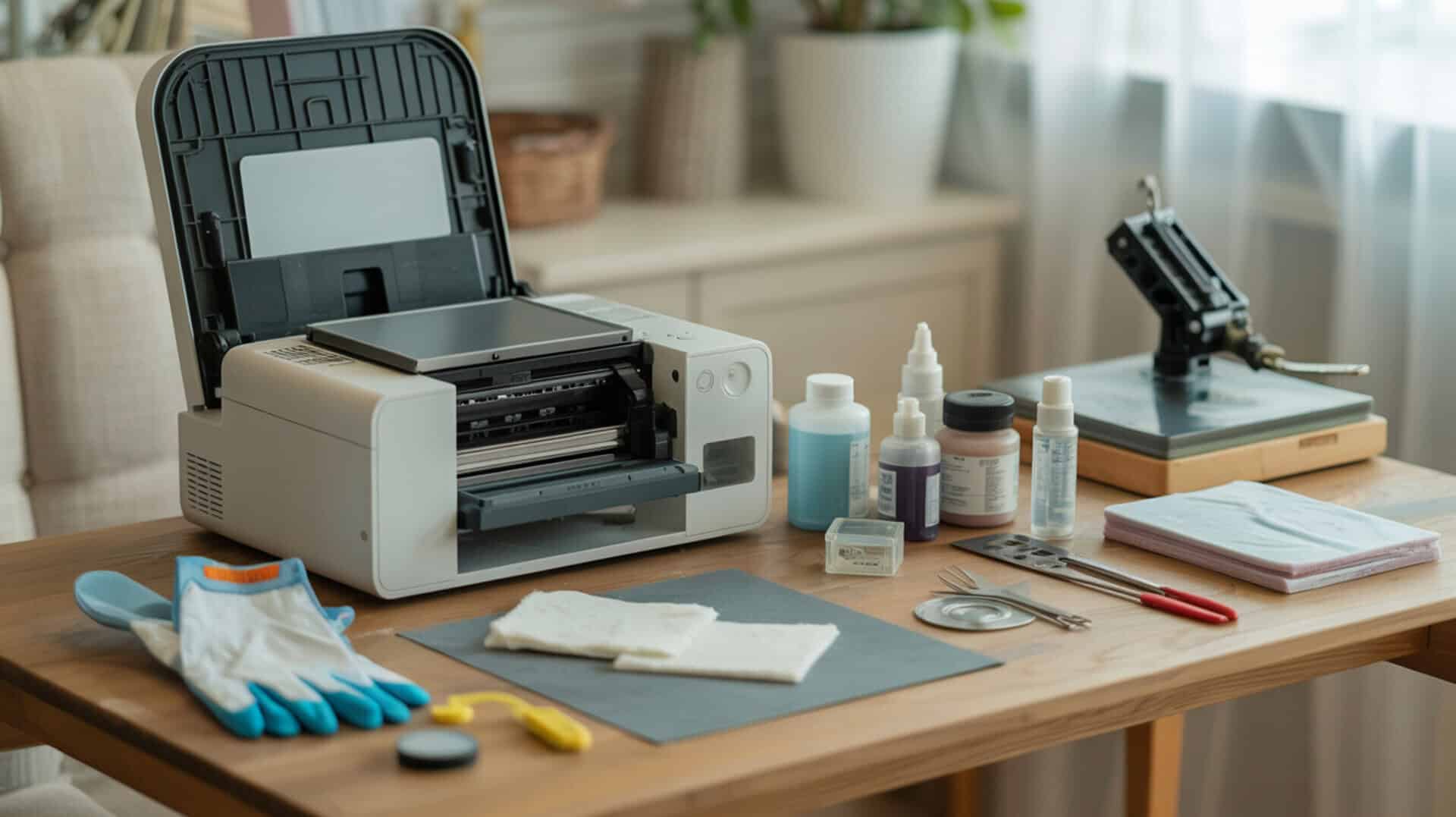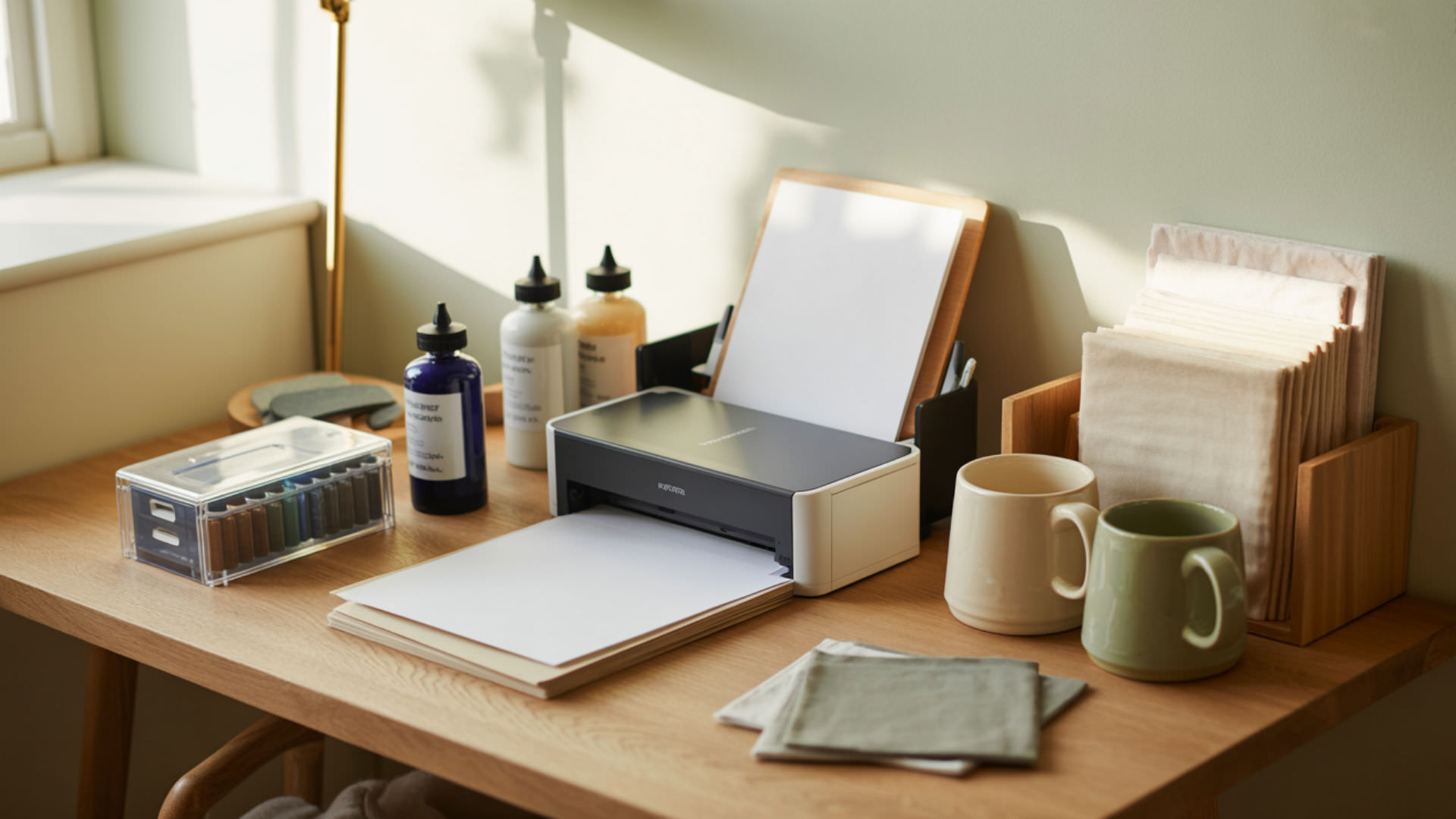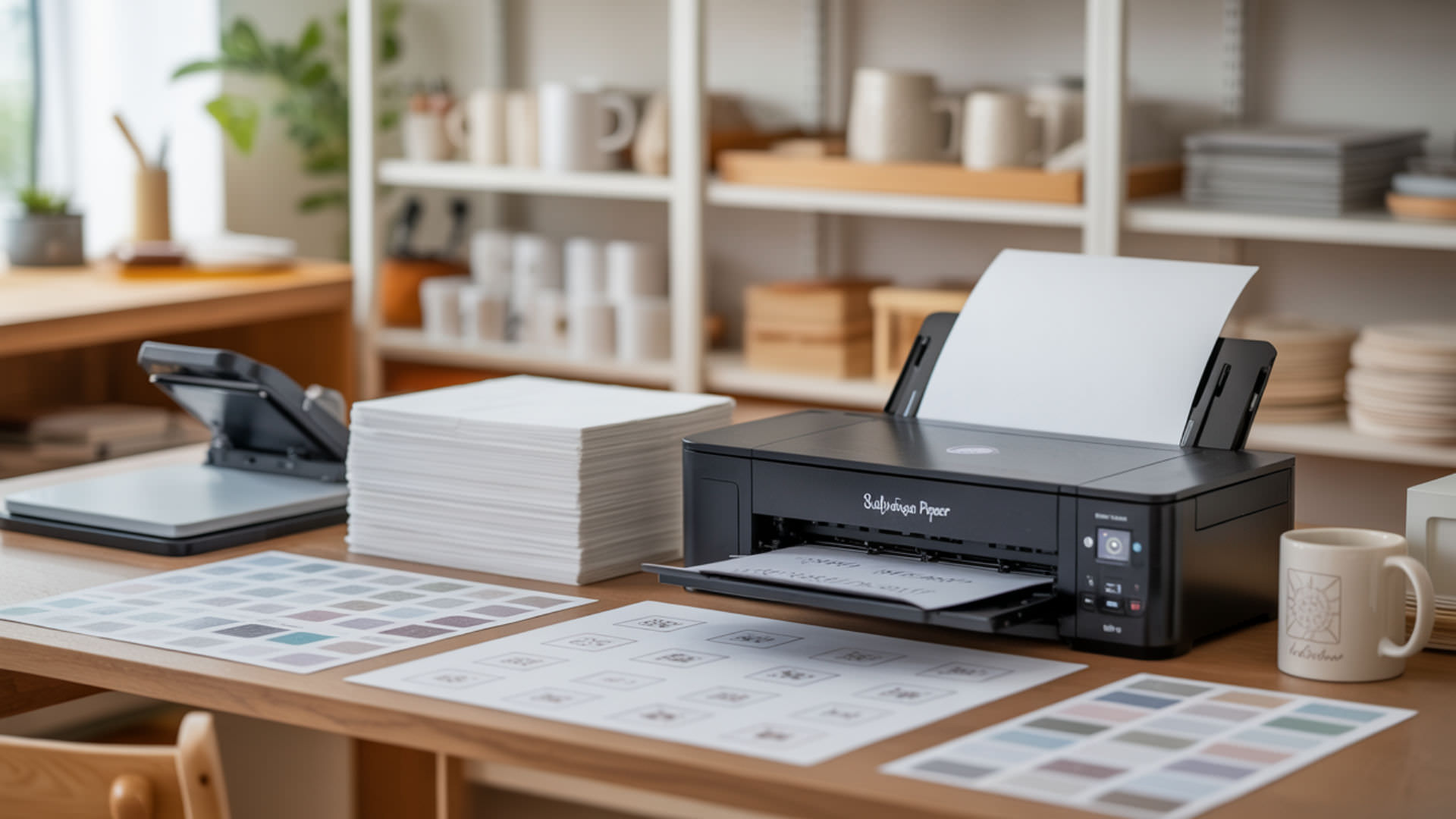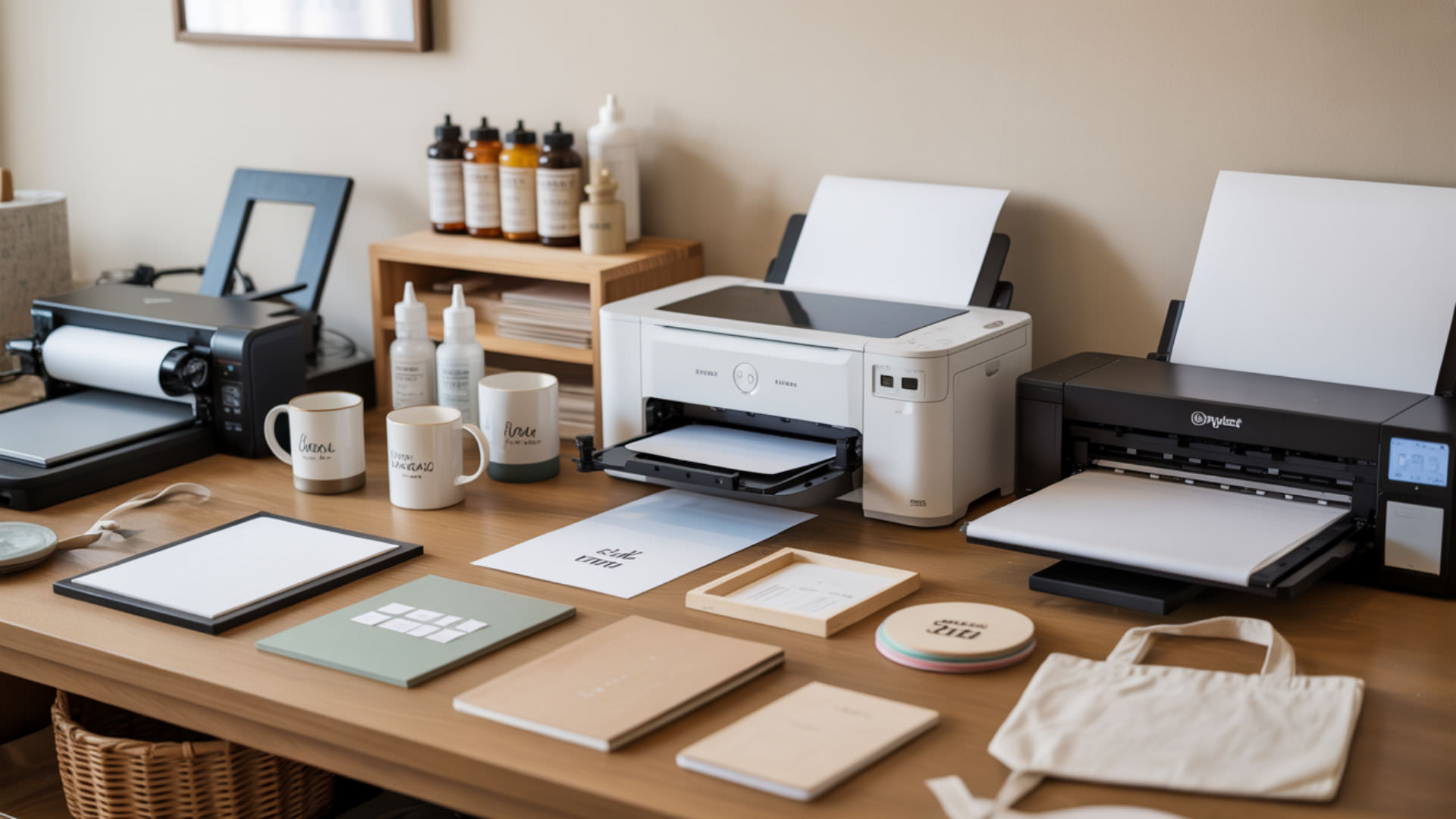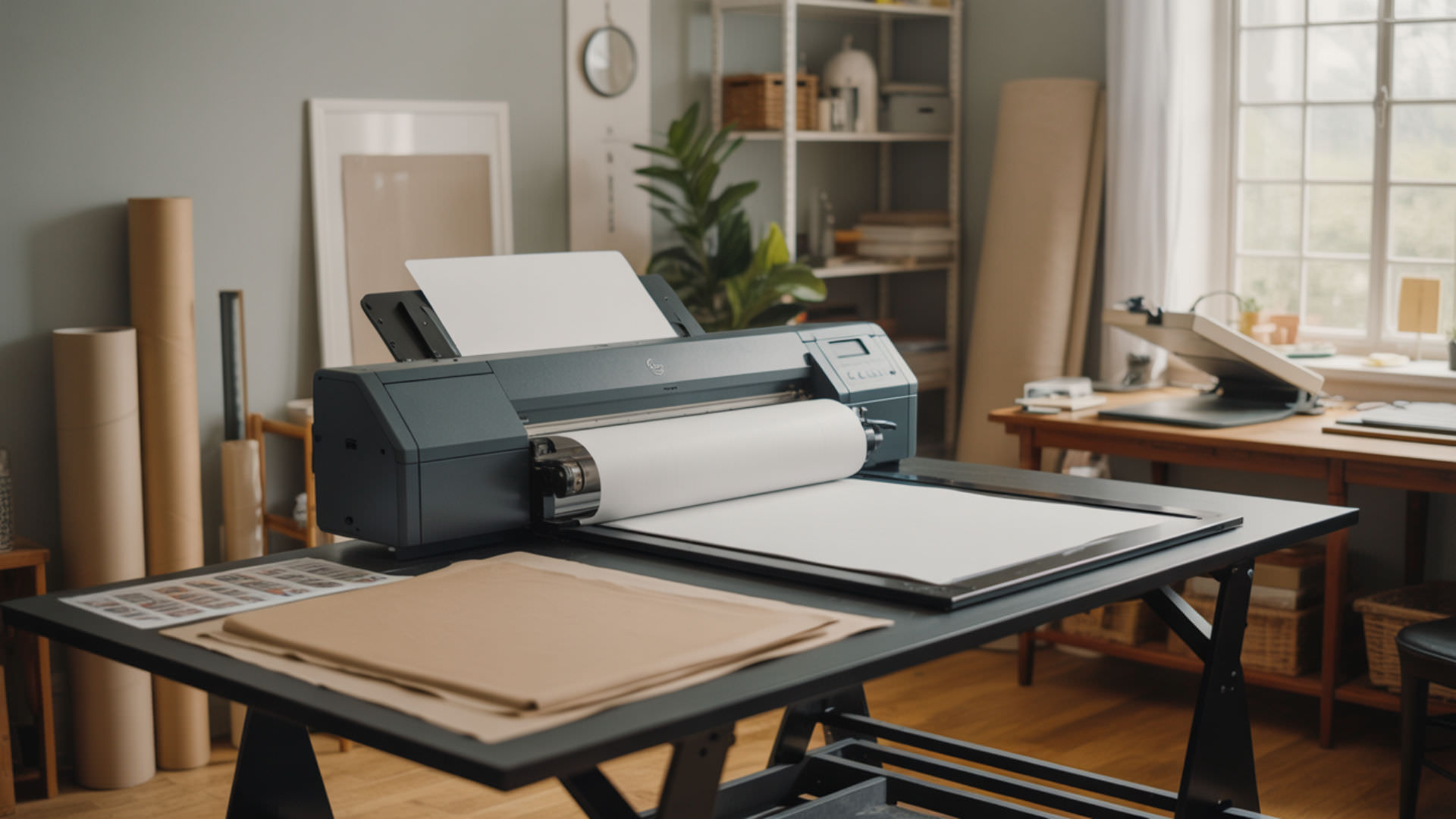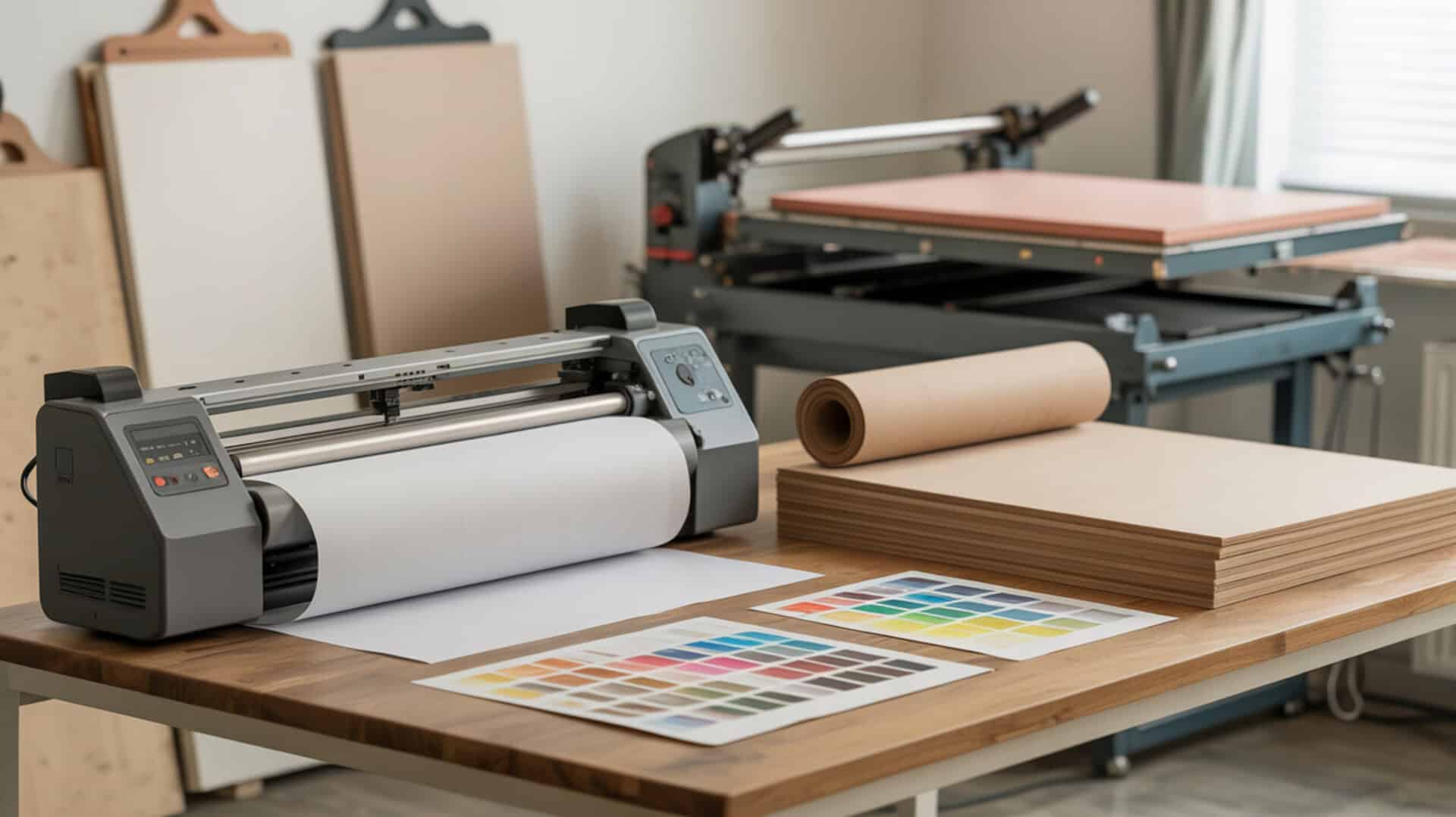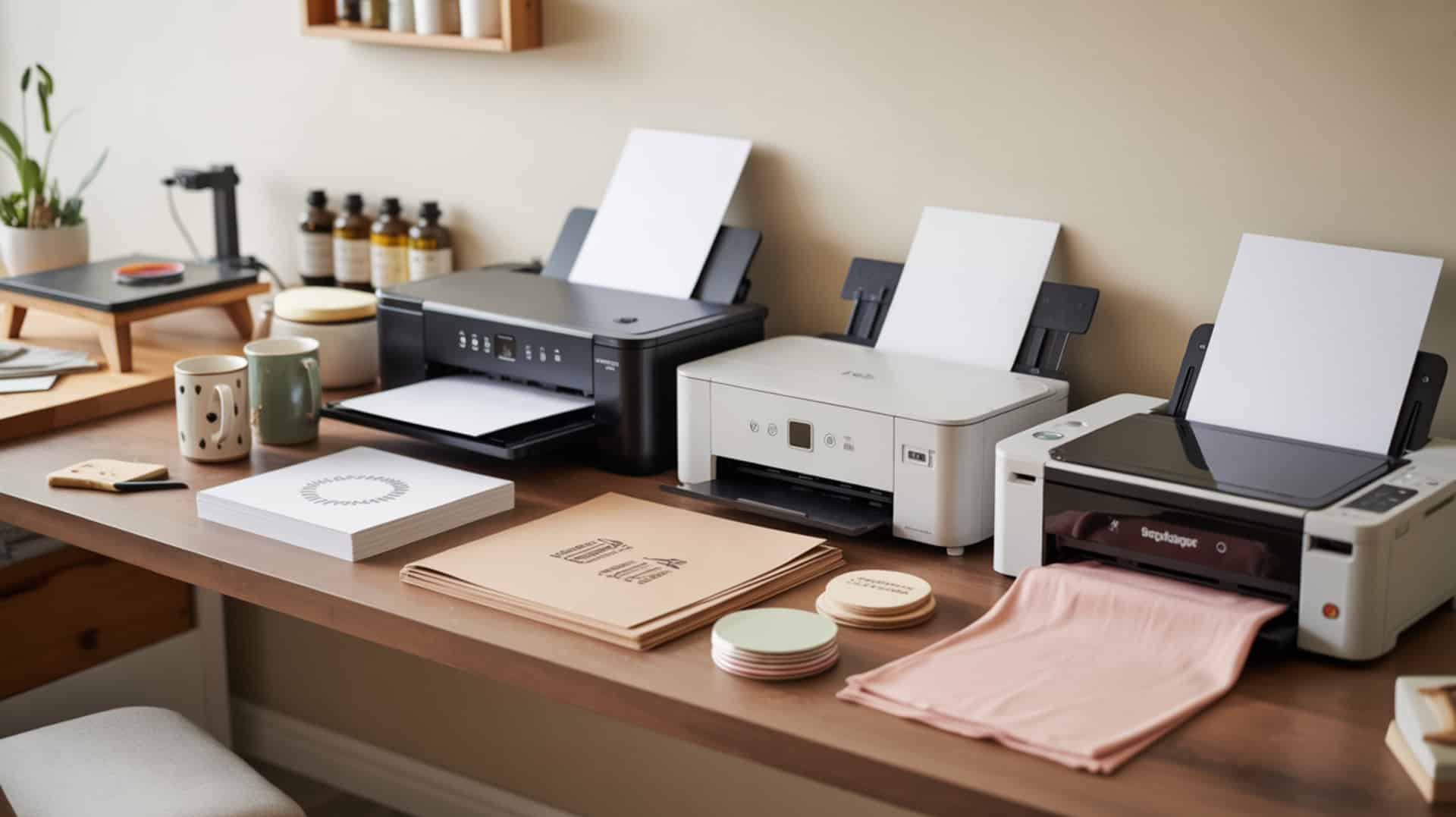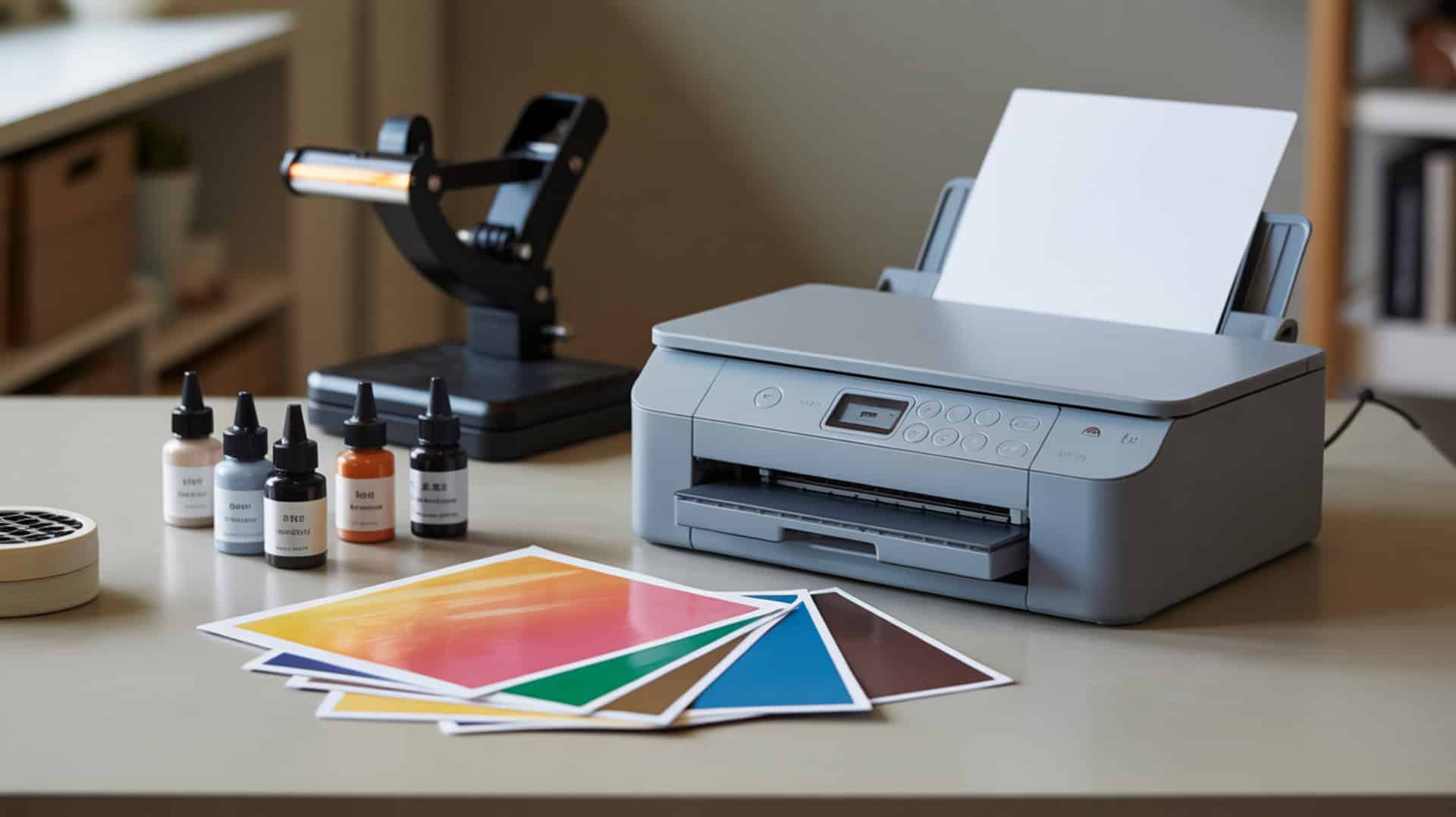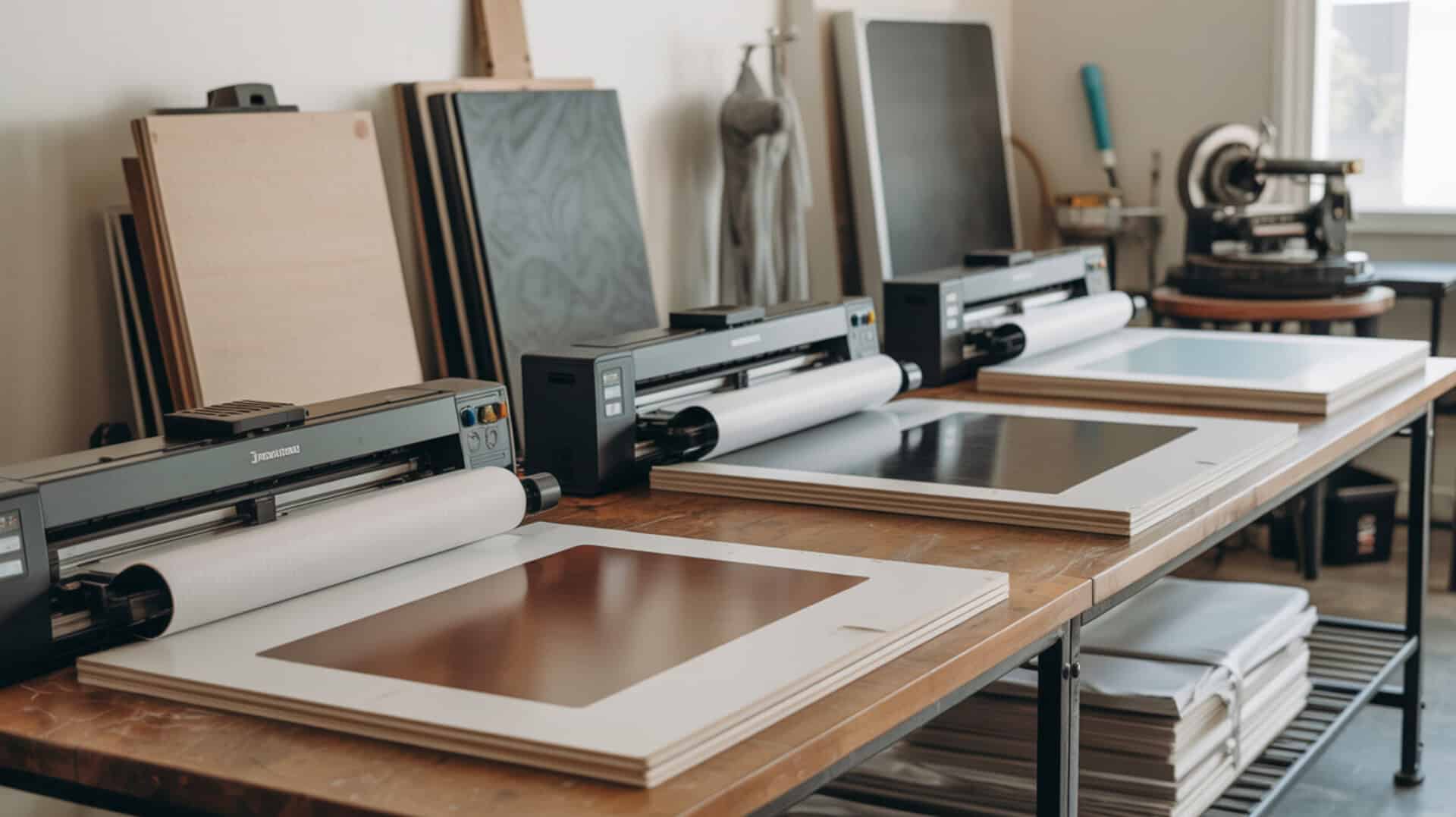
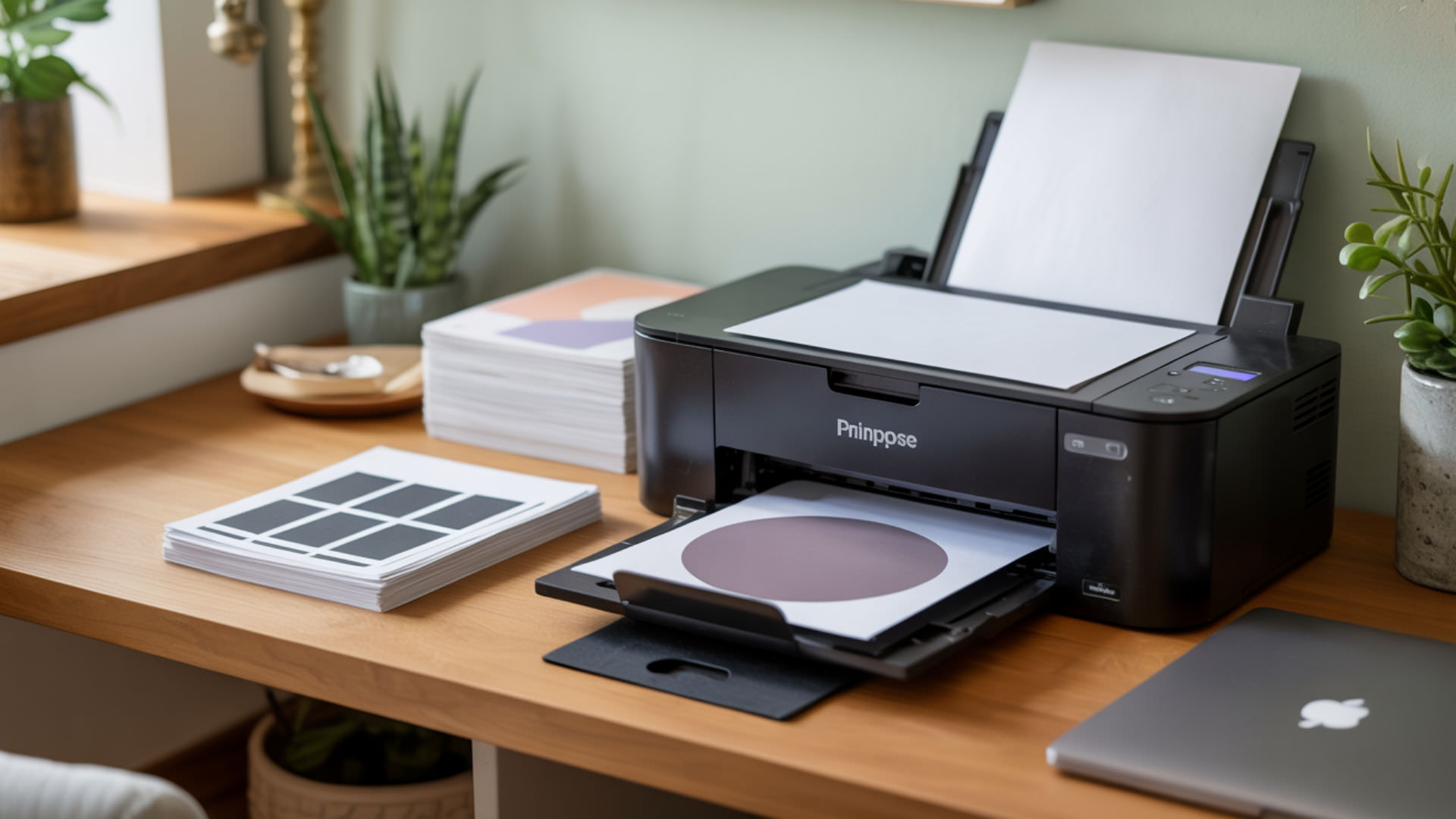
Using a dye-sublimation printing system as a general-purpose printer (computing) raises compatibility questions rooted in how inkjet printing mechanisms interact with specialized ink chemistry. Because dye-sublimation printing technology differs fundamentally from standard document output, our guide to dedicated sublimation printers for home use explains the hardware distinctions that affect cross-purpose functionality.
Key Takeaways
- Sublimation ink formulation produces dull, washed-out results on regular paper because the dye lacks binders for surface adhesion.
- Cost per print (CPP) for regular documents runs 2–3× higher with sublimation ink compared to standard inkjet consumables.
- Switching between ink types risks printhead clogging from residue mixing—most users maintain separate dedicated printers.
Can You Do Regular Printing with a Sublimation Printer?
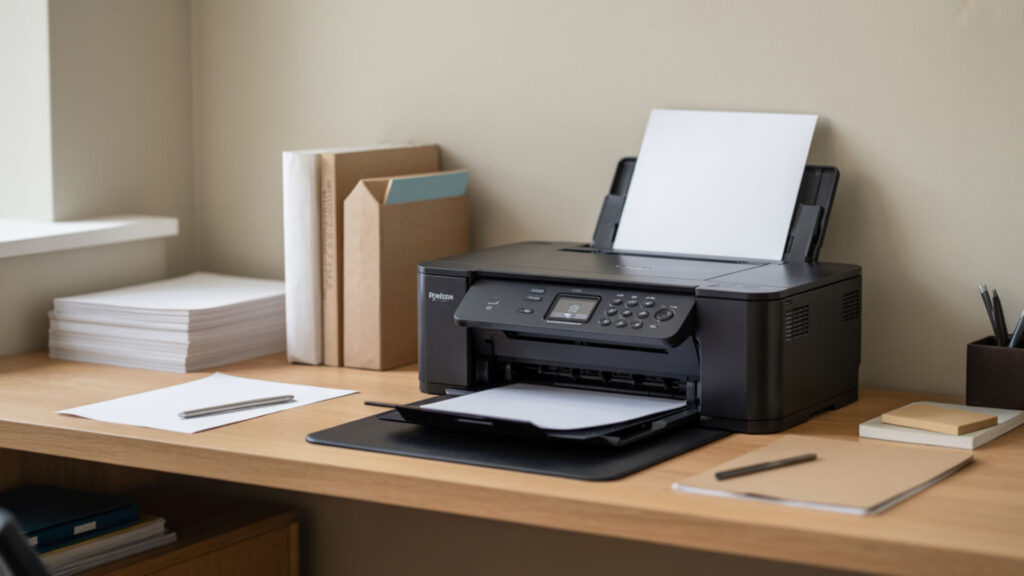
Dye-sublimation printers can technically print on regular paper, but the results are impractical—sublimation ink formulation lacks the pigment-based binders that create crisp text and permanent adhesion on plain surfaces. Colors appear faded and muted because sublimation dye is designed to activate under heat transfer conditions, not standard room-temperature paper absorption. For printers engineered specifically for sublimation workflows, our guide to the best dye-sublimation printers compares models optimized for transfer printing rather than document output. Sublimation inks use disperse dyes, which are designed to activate and bond only under heat rather than adhere to paper fibers at room temperature. [1]
Can a Sublimation Printer Be Used to Print Documents?
Sublimation printers produce legible but substandard documents because the dye chemistry absorbs differently than pigment inks—text appears gray rather than black, and colors lack saturation. The chromophore compounds in sublimation ink optimize for polymer bonding during heat transfer, not paper fiber adhesion, resulting in output that smears easily when touched with damp hands or exposed to humidity.
Can Sublimation Printers Be Used for Basic Text Printing?
Basic text printing with sublimation ink formulation produces readable but unprofessional output—black text appears charcoal gray, edges lack sharpness, and moisture causes immediate smearing. The fastness properties that make sublimation excellent for polyester durability provide no benefit on plain paper, while the premium ink cost ($0.06–$0.10 per page) far exceeds standard inkjet alternatives ($0.02–$0.04 per page).
What Is the Difference Between a Sublimation Printer and a Regular Printer?
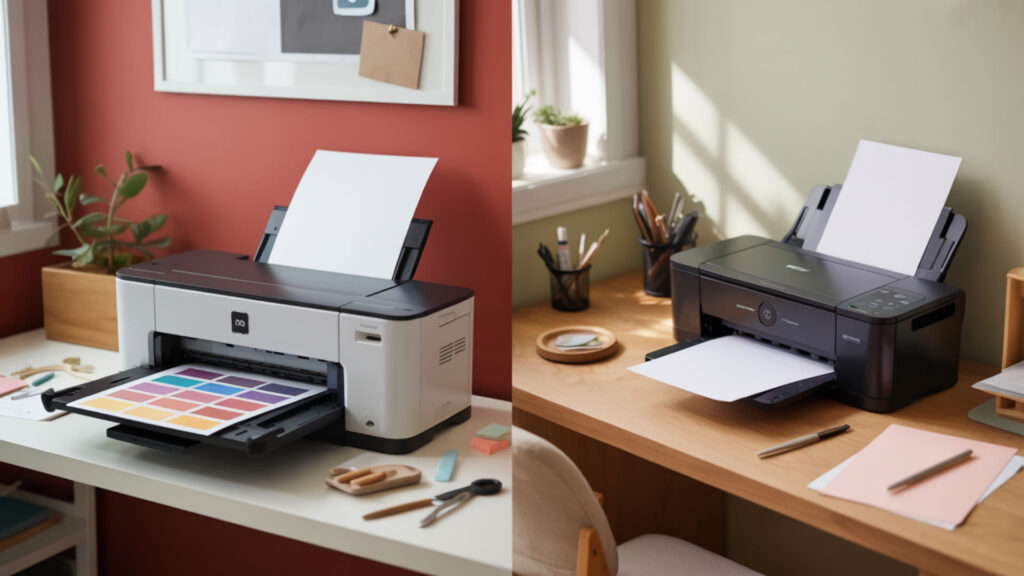
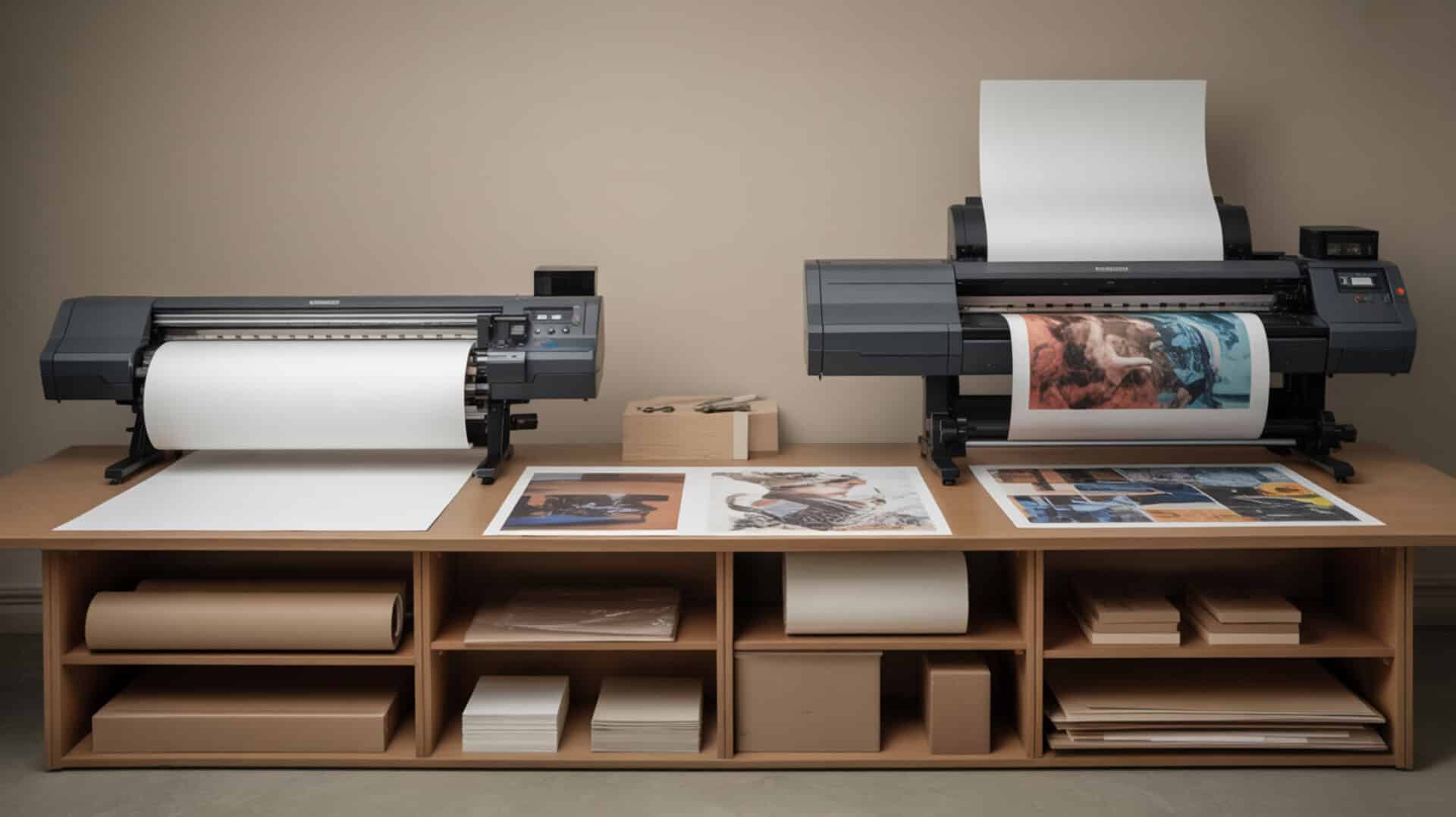
Regular inkjet printing deposits liquid ink that dries on paper surfaces, while dye-sublimation printing uses heat to vaporize dye that bonds permanently with polymer substrates. The ink formulation differs fundamentally—sublimation uses disperse dyes without surface binders, while standard inks contain pigments or dyes with adhesion agents for paper compatibility. Because ink formulation chemistry defines printer capabilities, our guide on using regular printers for sublimation explains the inverse compatibility question. Conventional ink-jet printing systems are designed to deposit inks that dry and bind on paper surfaces, which is fundamentally different from how sublimation inks transfer under heat to polymer substrates. [2]
Is a Sublimation Printer the Same as an Inkjet Printer?
Sublimation printers are a specialized subset of printer (computing) technology that use modified inkjet printing mechanisms—specifically piezoelectric printheads that eject droplets without heat. While the spray mechanism resembles standard inkjets, sublimation models use entirely different ink chemistry, paper types, and output workflows designed for heat-activated transfer rather than direct paper printing.
What Features Make a Sublimation Printer Different?
Sublimation printers produce continuous-tone printing output with seamless color gradients—unlike inkjet dot patterns visible under magnification—because dye vaporization creates smooth transitions during heat transfer. The workflow requires specialized transfer sheet paper that holds ink until pressing, unlike regular printers that produce finished output directly. This transfer-based process enables permanent bonding with polyester fibers and polymer coatings.
Can You Use Sublimation Ink for Printing on Regular Paper?
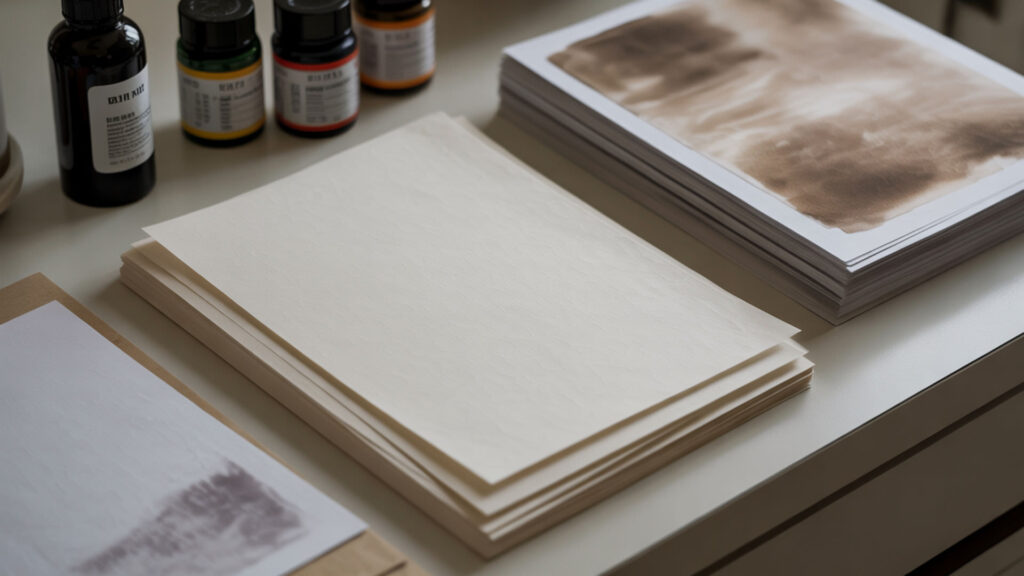
Sublimation ink printed on regular paper produces severely degraded output because the dye soaks unevenly into absorbent paper fibers rather than sitting on coated surfaces as designed. The auxochrome components that intensify color during heat activation provide no benefit without the transfer process, and the ink formulation’s low-viscosity chemistry causes feathering, bleeding, and blurred edges on plain paper.
Can Sublimation Printers Print on Plain Paper?
Sublimation printers mechanically accept plain paper, but the dye produces faded, unsaturated output because it’s formulated for transfer sheet coatings that prevent absorption until heat activation. Regular paper absorbs dye deep into fibers, reducing surface density by 40–60% compared to proper sublimation paper. The prints also lack durability—any moisture contact causes immediate smearing and color bleeding.
What Happens When Sublimation Ink Is Used on Regular Paper?
Sublimation ink formulation on regular paper creates washed-out, low-density prints with visible bleed-through on the reverse side—the uncontrolled absorption wastes expensive ink while producing unusable results. The fastness properties that provide wash resistance on polyester offer zero durability benefit on paper, and any humidity exposure causes colors to smear or run within seconds of contact.
How Do You Use a Sublimation Printer for Regular Printing Step-by-Step?
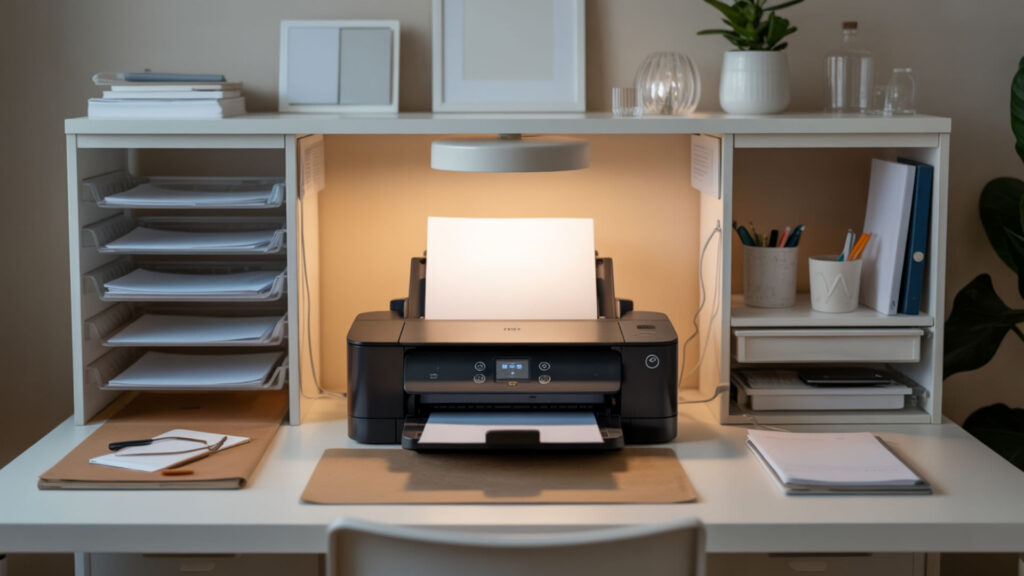
While not recommended, the following process allows basic document output from a sublimation printer (computing) when no alternative is available—expect compromised quality due to ink formulation incompatibility.
- Load plain copy paper into the printer tray, ensuring proper alignment to prevent jams. Thicker 24–28 lb paper reduces bleed-through compared to standard 20 lb stock.
- Set print quality to ‘draft’ or ‘economy’ mode to reduce ink saturation. Lower ink density minimizes bleeding while preserving readability for text documents.
- Disable color management profiles designed for sublimation transfer. ICC profiles optimized for heat activation produce incorrect colors on plain paper.
- Print your document and allow 2–3 minutes drying time before handling. Sublimation ink dries slower than standard formulations and smears easily when wet.
- Store printed documents in dry conditions away from humidity and direct sunlight. Sublimation dye on paper lacks UV and moisture resistance without heat activation.
Can You Switch Between Sublimation Ink and Regular Ink?
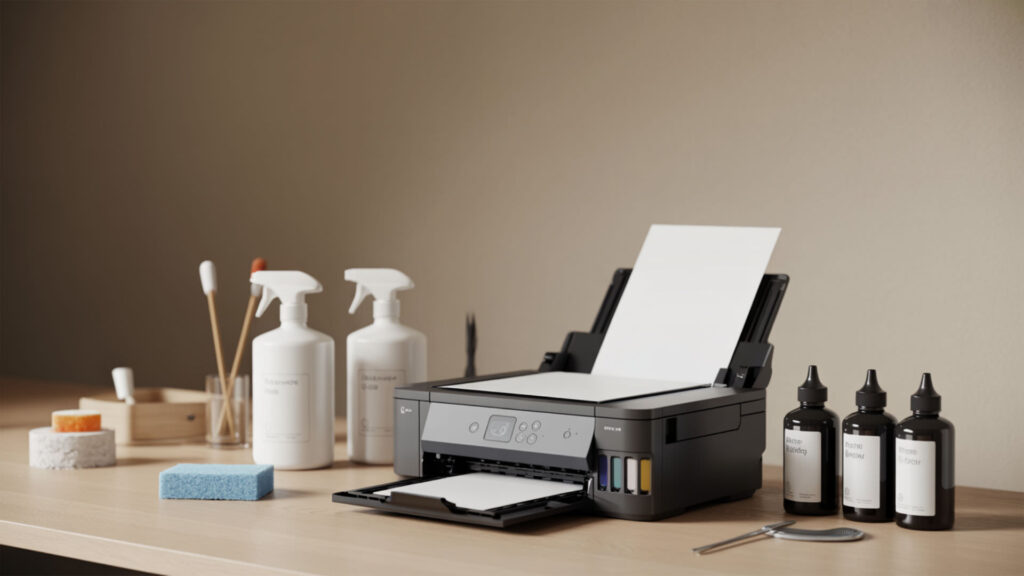
Switching ink formulation between sublimation and regular types requires complete system flushing and risks permanent printhead damage from residue mixing—the chemical incompatibility causes clogging, color contamination, and reduced page yield. Most users find maintaining two separate printers (computing) more practical and cost-effective than repeated conversion cycles. Because ink formulation chemistry creates cross-contamination risks, our guide on using regular printers for sublimation details the inverse conversion challenges.
Can a Sublimation Printer Run Regular Ink?
Sublimation printers can technically run regular ink after complete flushing, but the conversion wastes 50–100ml of cleaning solution plus residual ink, increasing cost per print (CPP) significantly. The ink formulation transition rarely achieves complete purity—residual sublimation dye causes color shifts in subsequent regular prints, and mixed chemistry accelerates printhead wear and clogging frequency.
How Can a Sublimation Printer Be Converted Back to Normal Printing?
Converting back requires purchasing cleaning cartridges or flush solution ($15–$30), running 5–10 cleaning cycles to purge sublimation ink formulation from lines and printheads, then refilling with standard ink. The process consumes significant time and materials while rarely achieving perfect conversion—trace sublimation dye creates persistent color contamination. The transfer sheet workflow differences also require recalibrating color profiles and print settings.
Can Sublimation Printers Print Photos?

Sublimation printers excel at photographic output through continuous-tone printing that produces smooth gradients without visible dot patterns—the chromophore-rich dye chemistry creates vibrant, saturated colors with exceptional fastness for long-term display. However, photos must be heat-transferred onto polymer-coated substrates rather than printed directly onto photo paper, requiring heat press equipment and sublimation blanks.
Can a Sublimation Printer Be Used to Print Photos?
Sublimation printers produce excellent photographic quality when the complete workflow is followed—the dye creates seamless color blending ideal for portraits, landscapes, and detailed imagery. Continuous-tone printing eliminates the halftone dot patterns visible in standard inkjet photo output. Photos printed on sublimation paper appear dull until heat-transferred, when colors activate and bond permanently with polyester-coated photo panels, tiles, or aluminum sheets.
Can Sublimation Ink Be Used on Photo Paper?
Traditional photo paper coatings are incompatible with sublimation ink formulation—the glossy or matte surfaces designed for pigment/dye inkjet inks reject sublimation dye, causing pooling, uneven absorption, and poor adhesion. Sublimation requires specialized transfer sheet media that holds dye until heat activation releases it onto polyester-coated substrates. Standard photo paper produces unusable results regardless of print settings.
Is Sublimation Printing Better Than Regular Printing?
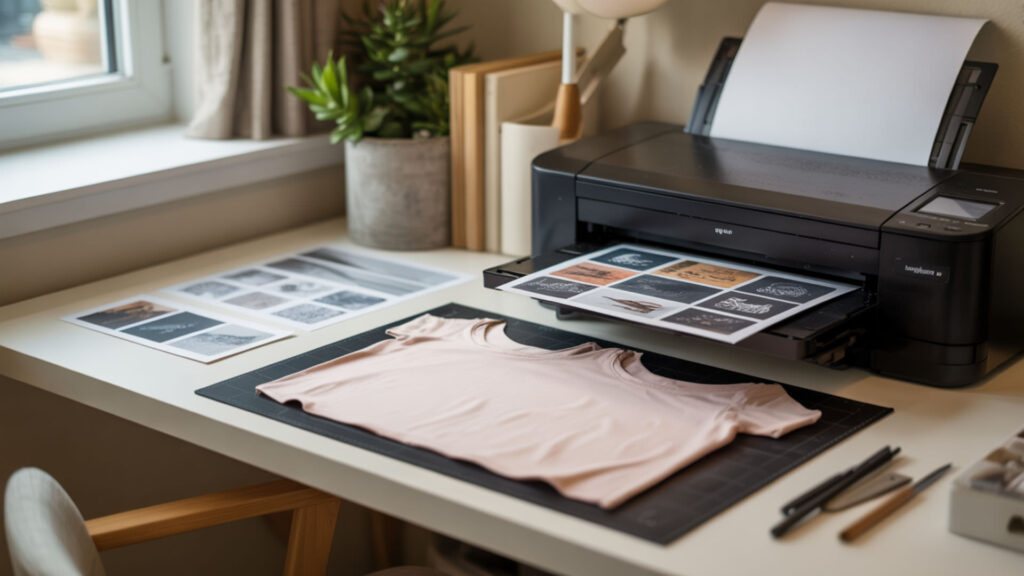
Dye-sublimation printing produces superior results for polymer-based products—colors are more vibrant, images are permanently embedded rather than surface-applied, and fastness properties ensure resistance to washing, UV exposure, and abrasion. However, sublimation ink formulation is impractical for paper documents where standard inkjet printing delivers better quality at lower cost with simpler workflows.
What Are Sublimation Printers Typically Used For?
Sublimation printers create custom merchandise including polyester apparel (t-shirts, hoodies, socks), drinkware (mugs, tumblers), home décor (pillowcases, coasters, tiles), and accessories (phone cases, keychains, mouse pads). The dye bonds permanently with polyester fibers and polymer coatings through heat-activated transfer sheet workflows, creating durable products that resist fading, cracking, and peeling through years of use and washing.
What Can a Sublimation Printer Do That Regular Printers Can’t?
Sublimation printers create permanent, embedded imagery that becomes part of the substrate rather than sitting on surfaces—continuous-tone printing produces photographic quality without dot patterns, while superior fastness ensures designs survive 50+ wash cycles without fading. Regular inkjet prints on fabric crack, peel, and fade rapidly because ink sits atop fibers rather than bonding within them.
Ready to Use Your Sublimation Printer for Everything?
While sublimation printers technically output on regular paper, the ink formulation incompatibility produces impractical results for everyday documents. Dye-sublimation printing delivers exceptional value for custom product creation on polyester substrates, but maintaining a separate inkjet for standard documents remains the most cost-effective and quality-optimized approach for mixed printing needs.
Frequently Asked Questions
1. Can I use sublimation ink in a regular printer?
Sublimation ink only works in printers (computing) with piezoelectric printheads—primarily Epson models. HP and Canon printers use thermal inkjet printing technology that heats ink during ejection, which prematurely activates sublimation dye and causes permanent clogging. Even compatible Epson printers require complete flushing of any previous ink formulation before sublimation ink loading.
2. Can sublimation ink print on glossy paper?
Sublimation ink on standard glossy photo paper produces poor results because the coating chemistry rejects dye absorption. However, specially formulated glossy sublimation sticker paper exists with polymer coatings compatible with sublimation ink formulation—these products accept the dye properly and can be heat-pressed onto substrates or used as finished stickers on appropriate surfaces.
3. Is a photo printer the same as a sublimation printer?
Photo printers and dye-sublimation printing systems differ in output method—photo printers produce finished images directly on paper, while sublimation printers create transfers requiring heat press activation onto polymer substrates. Sublimation produces continuous-tone output with richer colors and superior fade resistance compared to inkjet photo prints, but requires additional equipment and compatible blanks rather than simple photo paper.
4. Do you need a special printer for sublimation printing?
Sublimation requires either purpose-built sublimation printers (Sawgrass, Epson F-series) or converted Epson EcoTank/Workforce models with piezoelectric printheads. HP, Canon, and Brother thermal inkjet printers cannot be converted regardless of modifications—the heat-based ink formulation ejection mechanism destroys sublimation dye chemistry. Dedicated sublimation printers include optimized color profiles and manufacturer warranty coverage.
5. What kind of ink do sublimation printers use?
Sublimation printers use disperse dye ink formulation—water-based liquid containing specialized dye molecules that convert from solid to gas under heat (385–400°F) without passing through liquid phase. This sublimation process allows permanent bonding with polyester fibers and polymer coatings. The two main types are standard dye-sublimation inks for general use and specialty formulations like Sawgrass SubliJet for enhanced color accuracy.
References
- Disperse dye | chemical compound | Britannica. (n.d.). Encyclopedia Britannica. https://www.britannica.com/science/disperse-dye
- Disperse dye | chemical compound | Britannica. (n.d.). Encyclopedia Britannica. https://www.britannica.com/science/disperse-dye