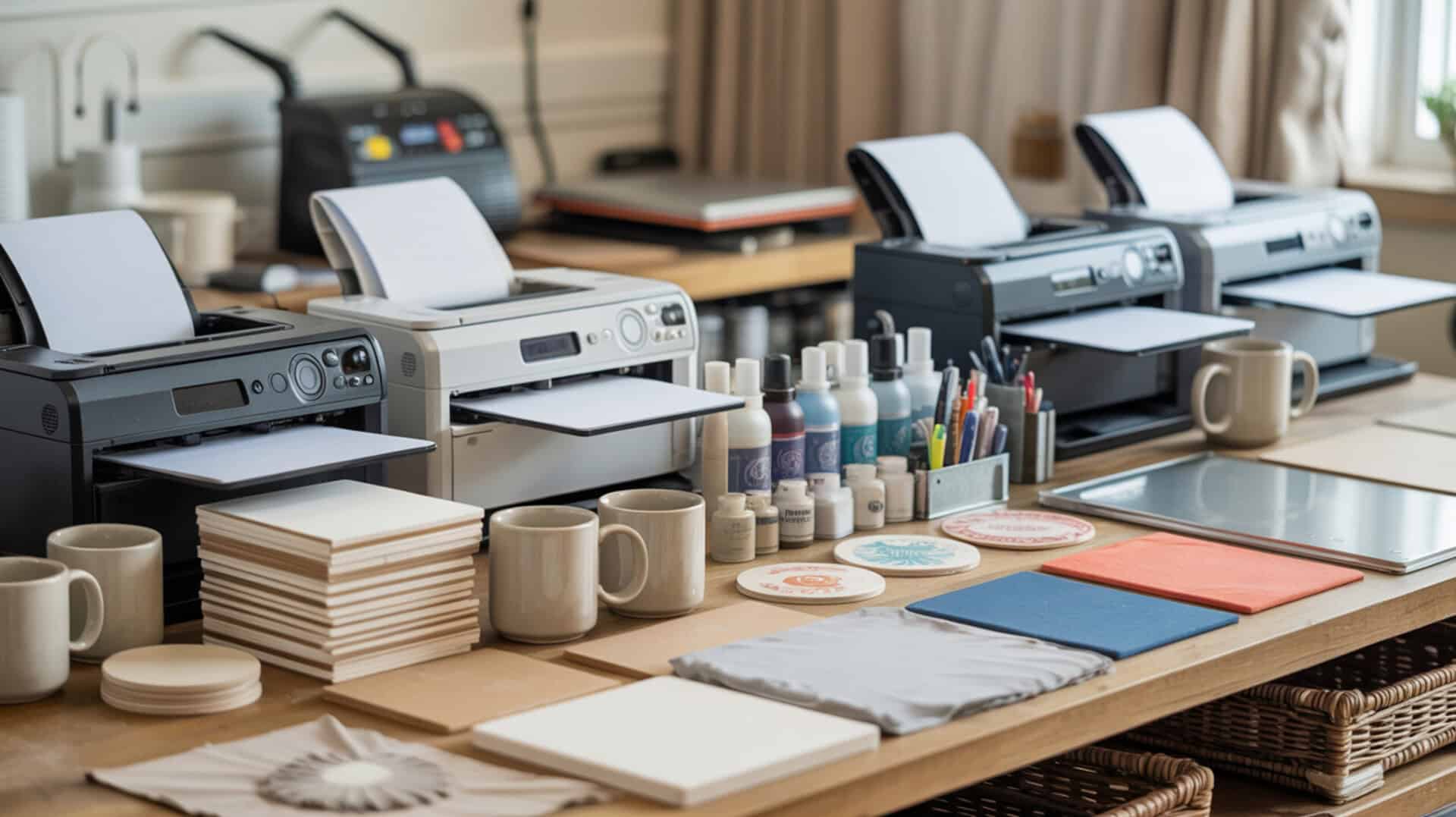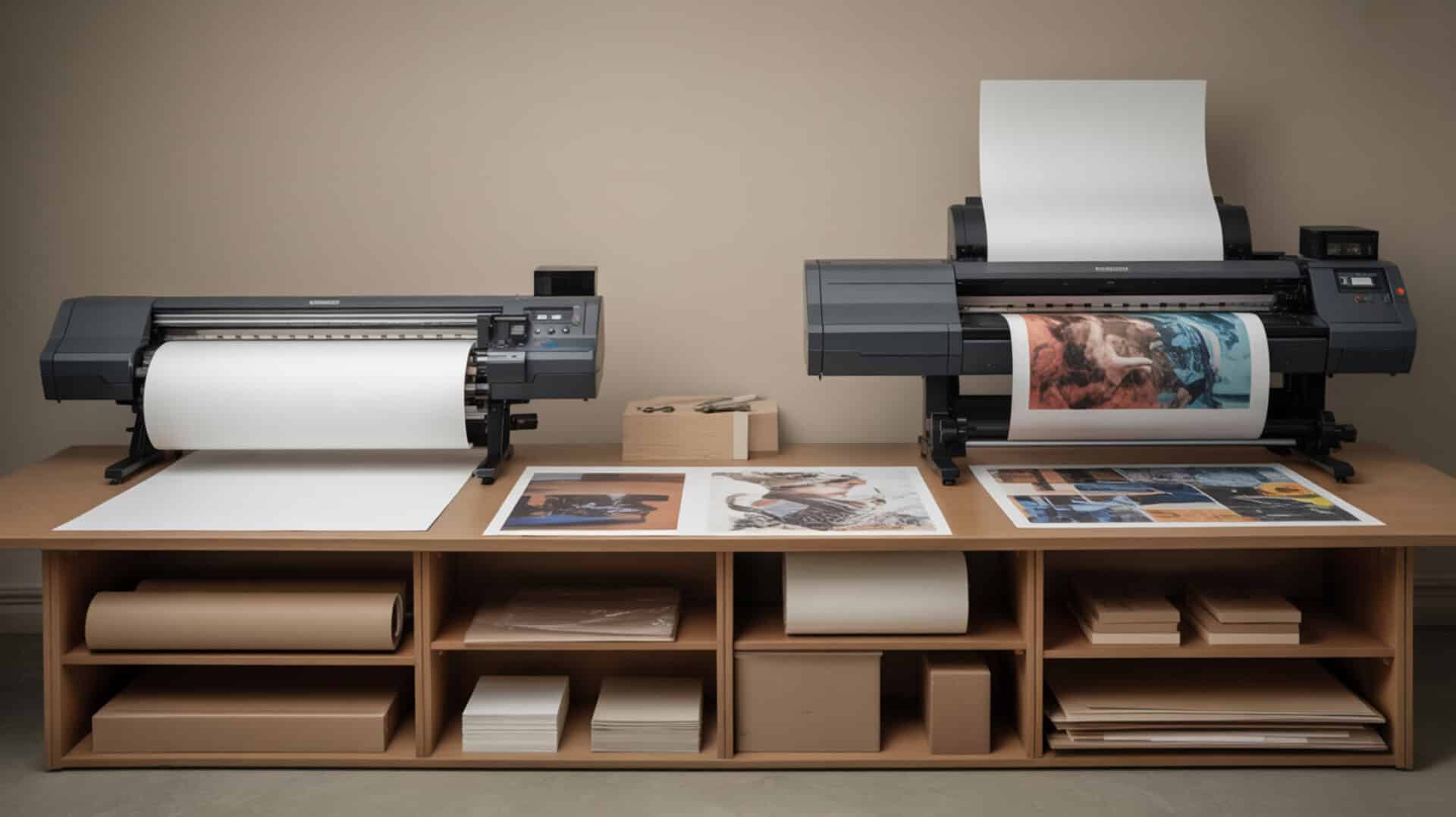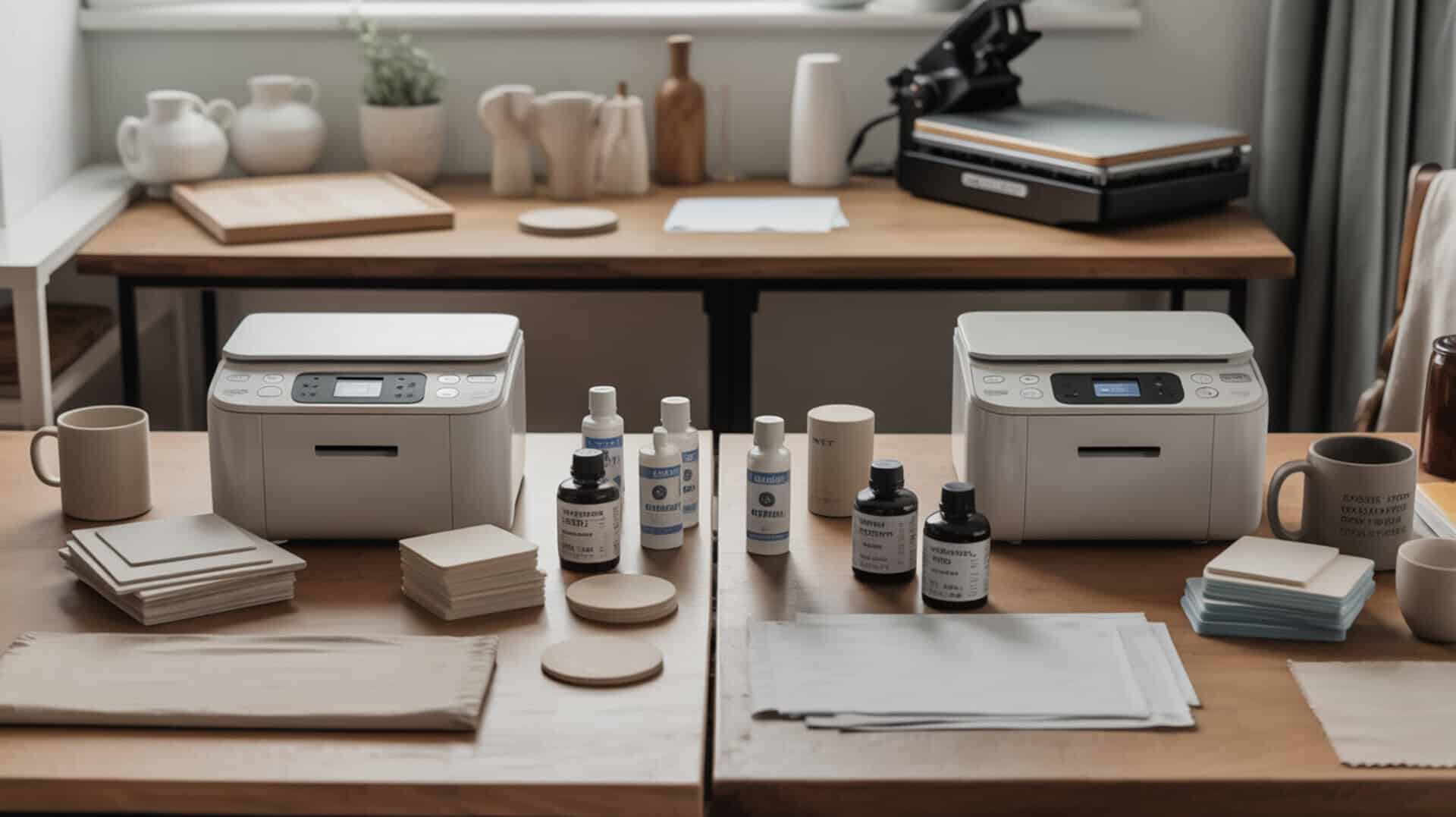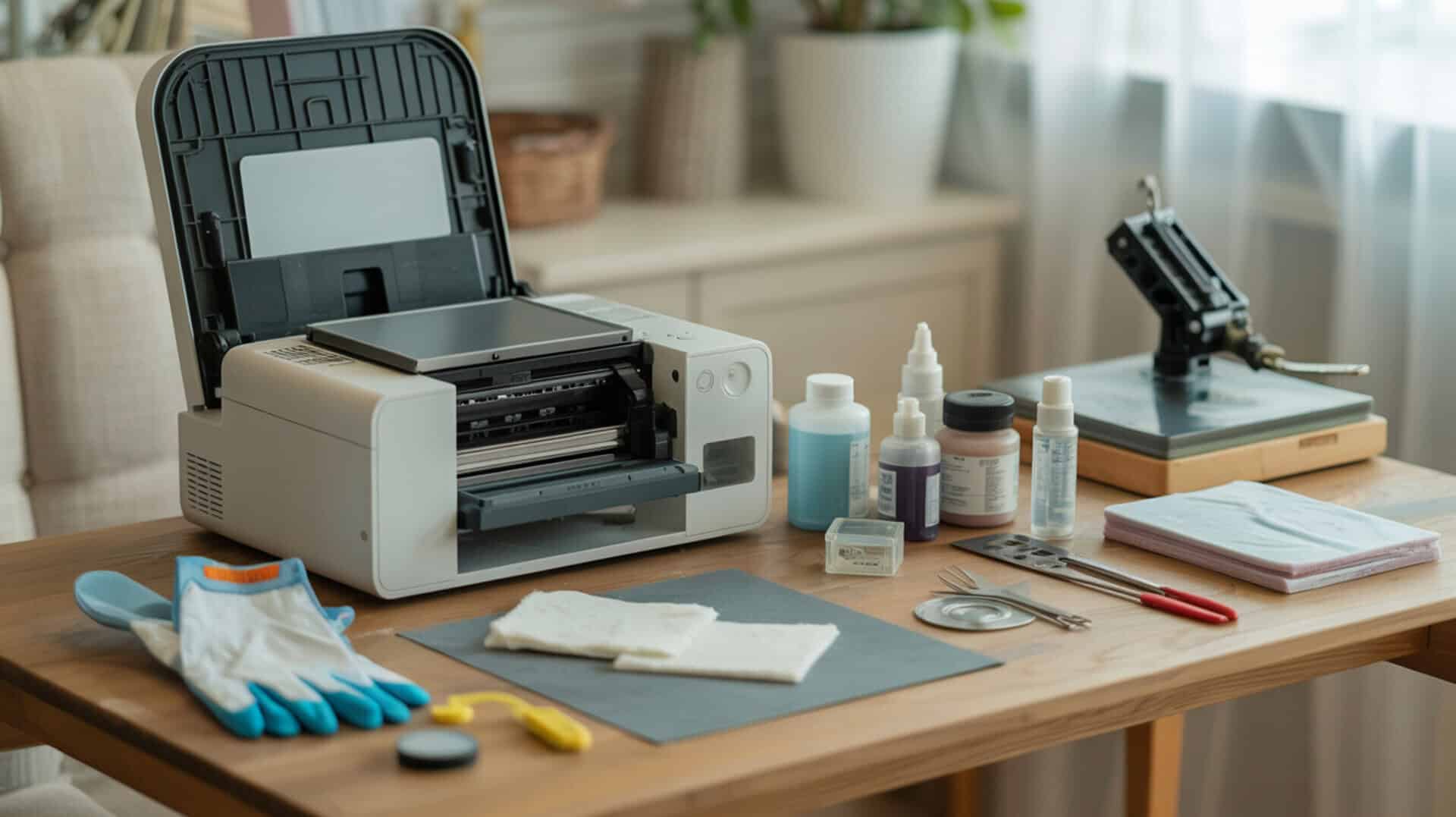
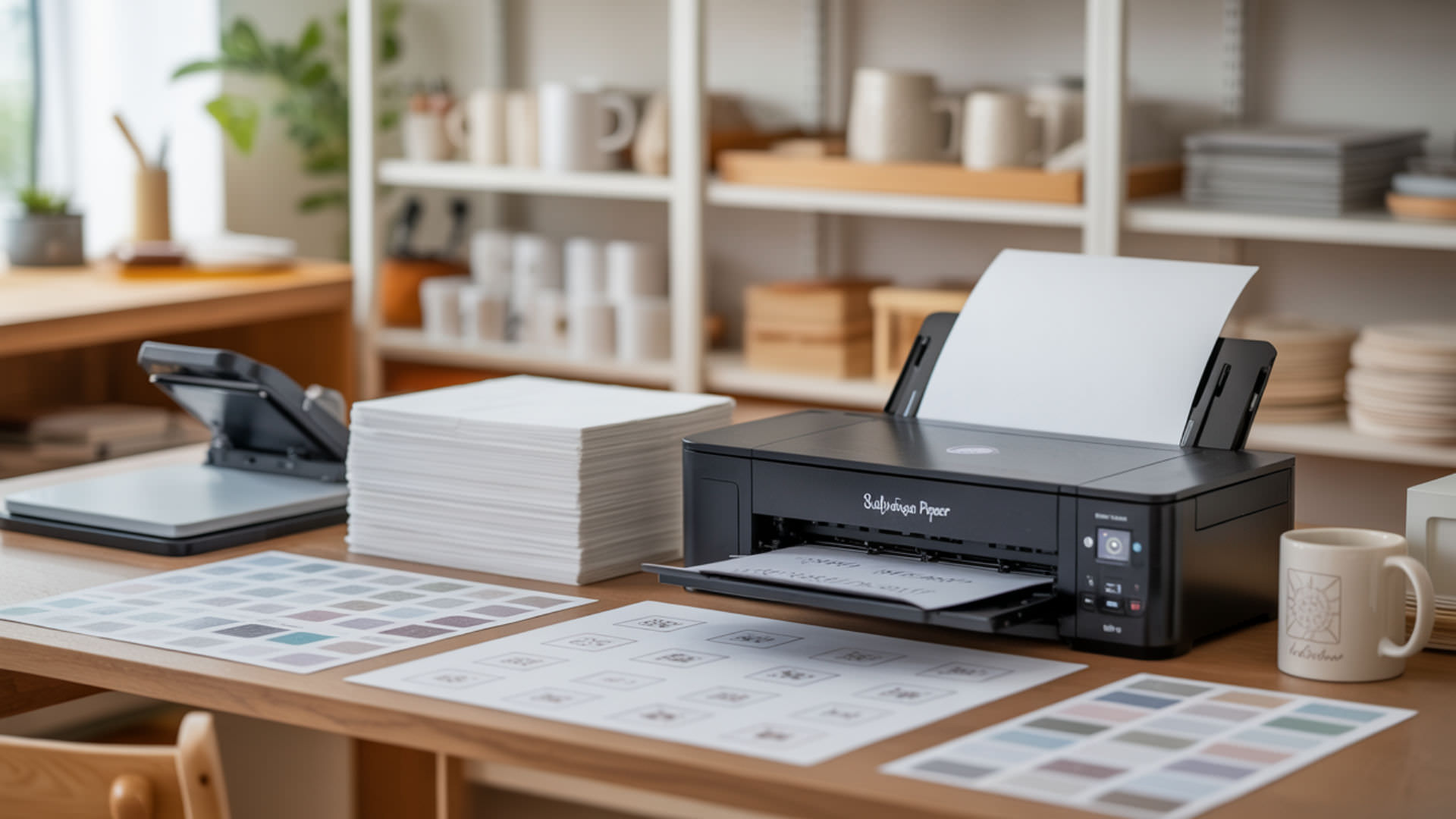
Copy paper and sublimation paper look similar but behave completely differently when printed with sublimation ink and heat-pressed. Copy paper’s high absorption pulls dye deep into cellulose fibers, producing dull, faded transfers that lack professional quality. Sublimation paper features an engineered coating that prevents absorption and supports controlled dye release during heat pressing. The coating chemistry and porosity principles that make sublimation paper work appear in our complete sublimation paper guide.
Key Takeaways
- Paper coating on sublimation sheets prevents dye from sinking into fibers, enabling complete color transfer to polyester substrates.
- Copy paper’s absorption characteristics cause 40–50% color vibrancy loss, making it unsuitable for professional sublimation work.
- Coating composition directly determines transfer efficiency—sublimation paper releases dye as gas while copy paper traps it permanently.
What is the difference between sublimation paper and copy paper?
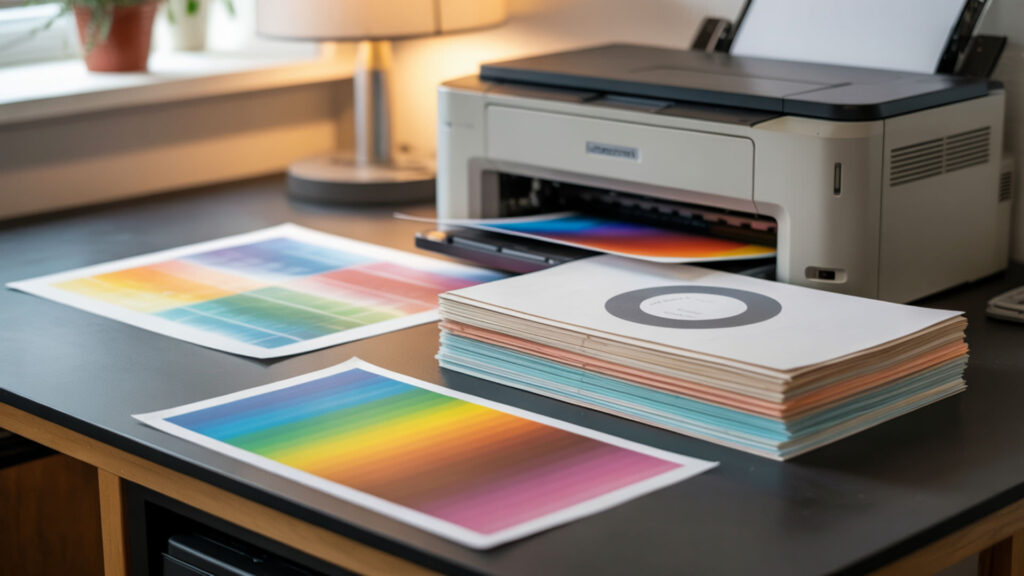
Sublimation paper qualifies as coated paper with specialized surface treatments that control ink behavior, while copy paper remains uncoated paper with high porosity that absorbs liquids readily. The coating creates a barrier preventing dye penetration into cellulose—ink sits on the surface until heat triggers gas-phase release. Copy paper’s porous structure pulls ink deep into fibers where it becomes trapped permanently. Understanding coated paper performance differences also applies to heat transfer comparisons.
Is sublimation paper different from regular printer paper?
Regular printer paper consists primarily of cellulose fibers with inherent hydrophilicity—the natural tendency to attract and absorb water-based liquids including sublimation ink. This absorption happens immediately upon contact, pulling dye into the fiber matrix before printing even completes. Sublimation paper adds chemical coatings that counteract cellulose’s absorbent nature, keeping ink accessible for later heat-activated transfer rather than permanently locked within the paper structure. Paper made from cellulose fibers readily absorbs liquids into its structure, which explains why uncoated copy paper pulls ink deep into the sheet instead of holding it at the surface. [1]
What is the core difference between sublimation paper and normal copy sheets?
The fundamental difference lies in surface chemistry: sublimation paper coatings create hydrophobicity that repels moisture and stabilizes dye at the paper surface. Copy paper lacks any absorption barrier, allowing immediate ink penetration that prevents subsequent release. Hydrophobic coatings on sublimation paper ensure dye molecules remain available for vaporization during heat pressing—copy paper’s hydrophilic surface guarantees those same molecules become permanently trapped and unavailable for transfer.
Can you use regular paper instead of sublimation paper?
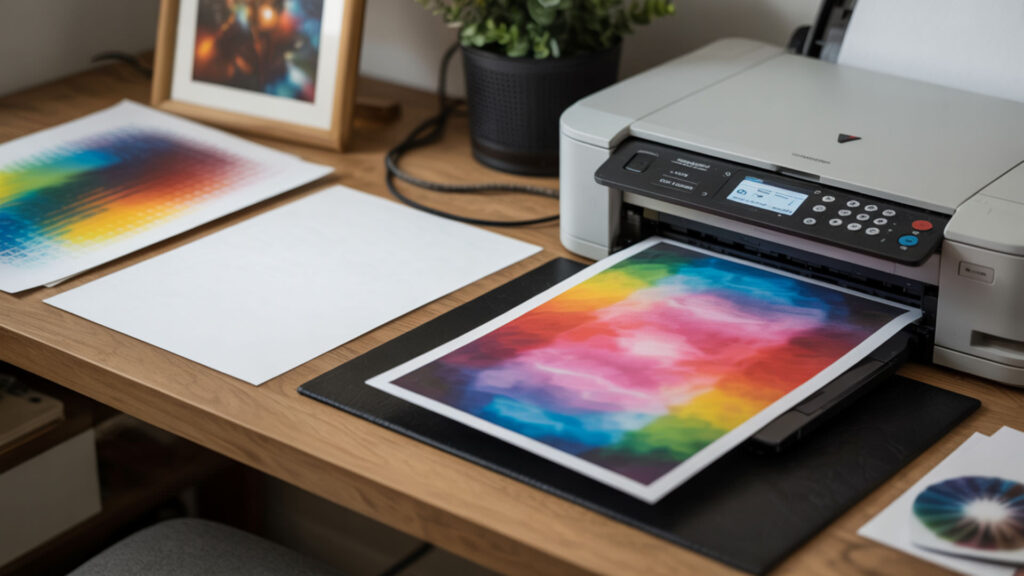
Regular paper technically accepts sublimation ink but produces severely compromised results due to uncontrolled absorption and ink sinking into the fiber structure. Dye pulled into cellulose cannot vaporize and transfer during heat pressing, causing blurred images with 40–50% color loss. Blotching occurs when uneven moisture absorption creates patchy transfers with inconsistent density. Copy paper works only for test prints checking design placement—never for final production work requiring vibrant, sharp results.
What happens if sublimation ink is used on regular printer paper?
Sublimation relies on diffusion—dye molecules vaporizing and penetrating polyester fibers during heat pressing. Copy paper prevents diffusion because absorbed ink cannot escape the cellulose matrix to become gas. The dye remains trapped within paper fibers rather than transferring to the substrate. Results appear extremely faded, often barely visible, because only surface-level ink (minimal amounts) participates in the transfer while the majority stays permanently locked in the paper.Capillary action causes liquids to move rapidly through porous materials, which explains why ink wicks into uncoated paper fibers instead of remaining at the surface. [2]
Can printers print sublimation designs on copy paper reliably?
Printers handle copy paper without mechanical issues, but print quality suffers from bleeding and edge softness caused by excessive ink absorption. Lines appear fuzzy rather than crisp because ink spreads laterally through porous fibers. Curling may occur as moisture-laden paper reacts unevenly to ink saturation. The printer functions normally—the paper simply cannot retain ink properly for sublimation purposes, making reliable design reproduction impossible regardless of printer settings or ink quality.
How do you compare sublimation paper vs copy paper step-by-step?
Both papers print identically in sublimation printers, but diverge completely during heat pressing. Sublimation paper enables dye release and gas-phase transfer: heat converts solid dye to vapor that penetrates polyester fibers under pressure. Copy paper causes ink sinking that prevents any meaningful transfer—absorbed dye cannot vaporize from within cellulose fibers. The printed sublimation paper produces vibrant results; the printed copy paper yields barely-visible ghosting regardless of temperature, time, or pressure adjustments.
What type of paper works for sublimation printing?
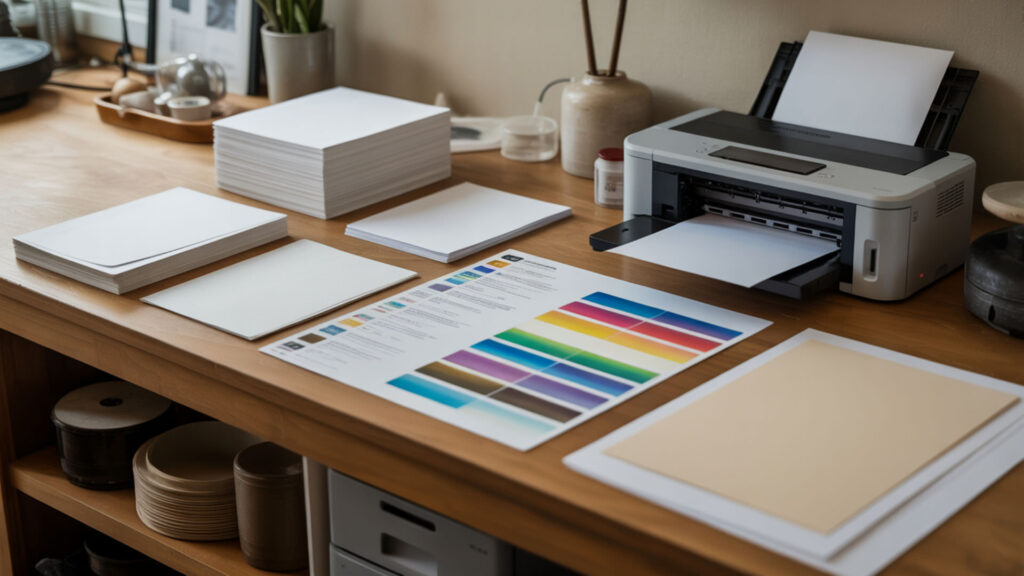
Successful sublimation requires coated paper specifically engineered for dye release during heat pressing. The paper coating controls two critical functions: preventing initial absorption during printing and enabling complete release during pressing. Standard weights range from 100–125 gsm, with heavier papers holding more ink for saturated designs. Quick-dry coatings reduce smearing risks; tacky coatings prevent shifting on textiles. Selecting optimal paper coating types for different projects appears in our sublimation paper buying guide.
Do you need special coated paper for sublimation transfers?
Professional sublimation absolutely requires barrier coating that prevents dye absorption and enables clean release. The coating creates hydrophobicity necessary for ink to remain surface-accessible until heat activation. Uncoated papers—regardless of weight, smoothness, or brand—cannot perform this function because they lack the chemical barrier separating ink from absorbent cellulose. Sharp, vibrant transfers depend entirely on coating quality; no amount of technique compensates for using uncoated paper stock.
What is sublimation paper made of?
Sublimation paper starts with a cellulose base similar to standard paper, then receives specialized paper coating that transforms its behavior. The coating typically contains 35% silica particles and 5% polymer binder by dry weight, creating a microporous surface that holds ink without absorbing it. This coating sits atop the cellulose substrate, providing the release layer that enables gas-phase dye transfer while the base paper provides structural stability during printing and heat pressing.
Can alternative papers replace sublimation paper?
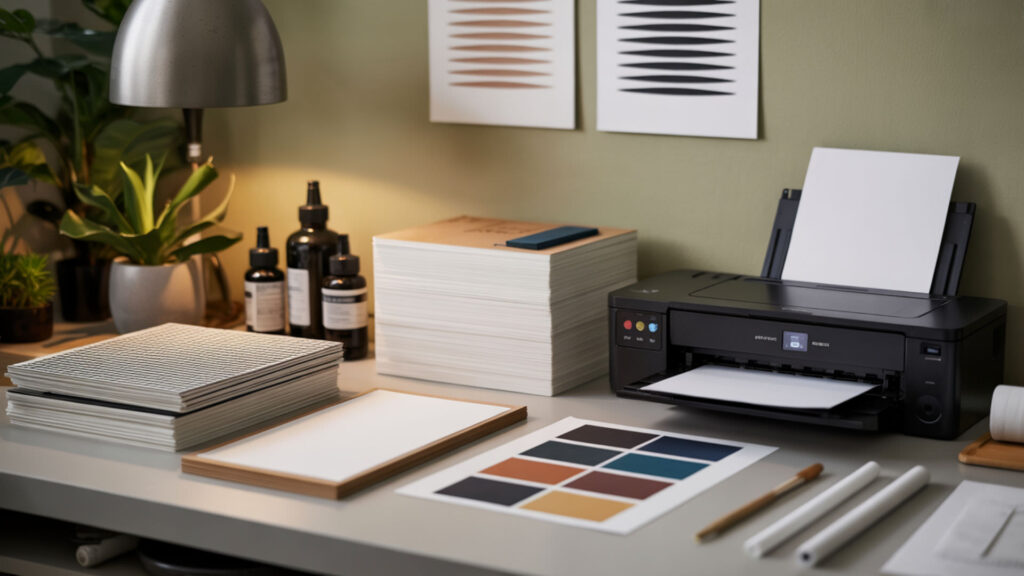
No alternative paper matches sublimation paper’s ink-release performance because the specialized coating cannot be replicated with consumer products. Smoothness and tensile strength help papers feed reliably, but these properties don’t address the core absorption problem. Moisture content stability matters significantly—copy paper absorbs ambient humidity that causes curling, steam marks, and inconsistent transfers during pressing. Papers with improper moisture content characteristics and their limitations appear in our regular printer paper guide.
What is the safest non-keyword alternative to sublimation paper?
For test prints only, heavier-weight laser paper with high smoothness reduces some quality loss compared to standard copy paper. The increased thickness provides slightly better ink holdout, while smoothness limits lateral ink spread that causes fuzzy edges. However, no alternative produces acceptable final results—these options serve only for checking design placement, color approximation, and layout before committing sublimation paper. Always use proper sublimation paper for any transfer intended as a finished product.
Ready to choose the right paper for sublimation projects?
Sublimation paper remains the only viable option for professional-quality transfers—copy paper and alternatives cannot replicate the coating chemistry that enables dye release. Investing in quality coated paper eliminates wasted blanks, frustrating troubleshooting, and disappointing results. Match paper weight to project requirements: lighter weights for detailed work, heavier weights for saturated full-coverage designs. The coating makes the difference between vibrant, permanent transfers and faded disappointments.
Frequently Asked Questions
Can thicker specialty papers be used for sublimation?
Thickness alone doesn’t enable sublimation functionality—only proper coating creates the necessary ink-release behavior. Cardstock, construction paper, and other thick uncoated papers absorb ink identically to copy paper, just with more fiber volume to trap dye. The tensile strength of thicker papers may improve feed reliability, but absorption characteristics remain unchanged. Only papers specifically manufactured with sublimation coatings produce viable transfers regardless of their base weight or thickness specifications.
What is the purpose of sublimation paper?
Sublimation paper serves as a temporary carrier that holds printed dye until heat pressing triggers transfer to polyester substrates. The coating accepts sublimation ink during printing without absorption, then releases that ink as gas when heated to 380–400°F. This controlled hold-and-release function enables the solid-to-gas conversion that distinguishes sublimation from other printing methods. Without proper sublimation paper, the dye-to-substrate transfer process cannot occur effectively.
Is sublimation paper reusable after printing?
Sublimation paper cannot be reused because heat pressing transfers virtually all dye to the substrate, leaving the coating depleted. Attempting second pressings produces extremely faint, incomplete images since minimal residual ink remains. The coating itself may also degrade from heat exposure, further reducing any transfer capability. Sublimation paper functions as single-use transfer media—each printed sheet serves one pressing cycle, then becomes waste material unsuitable for additional transfers.
Do printers react differently to coated sublimation sheets vs copy paper?
Printers handle both paper types mechanically without significant differences—feed systems, printheads, and ink delivery work normally with either stock. The coating on sublimation paper may cause slightly faster drying since ink sits on the surface rather than absorbing. Some curling differences occur: copy paper absorbs moisture unevenly while sublimation paper’s coating provides more uniform behavior. Printer settings may need adjustment for paper thickness, but the printing process itself remains fundamentally identical.
How long can sublimation transfers sit before ink drying becomes a risk?
Printed sublimation transfers store safely for months when protected from humidity, direct light, and temperature extremes. The coating holds dried ink stable indefinitely until heat activates gas-phase release. Moisture content changes pose the primary storage risk—humidity absorption causes curling and color shifts that degrade transfer quality. Store printed transfers flat in sealed plastic bags with desiccant packets, away from windows and heat sources. Properly stored prints maintain full vibrancy and transfer capability.
References
- Shredding and recycling of paper and cardboard archive. (n.d.). WEIMA Maschinenbau. https://weima.com/us/shredding/industrial-paper-shredder/?utm_campaign=us_pmax_wood_paper_metal&utm_kwd=&utm_source=google&utm_medium=cpc&gad_source=1&gad_campaignid=22254171778&gbraid=0AAAAADDSMsVsBICHONtlGaVdgB7_4p4ek&gclid=Cj0KCQiAgP_JBhD-ARIsANpEMxwbS16o4YkbDpgPSvRTpDWyG30mNuSPQInP0BCgTTZpJMGpG_lqNk4aAgyjEALw_wcB
- Capillary action and water. (2018, June 5). USGS. https://www.usgs.gov/special-topics/water-science-school/science/capillary-action-and-water