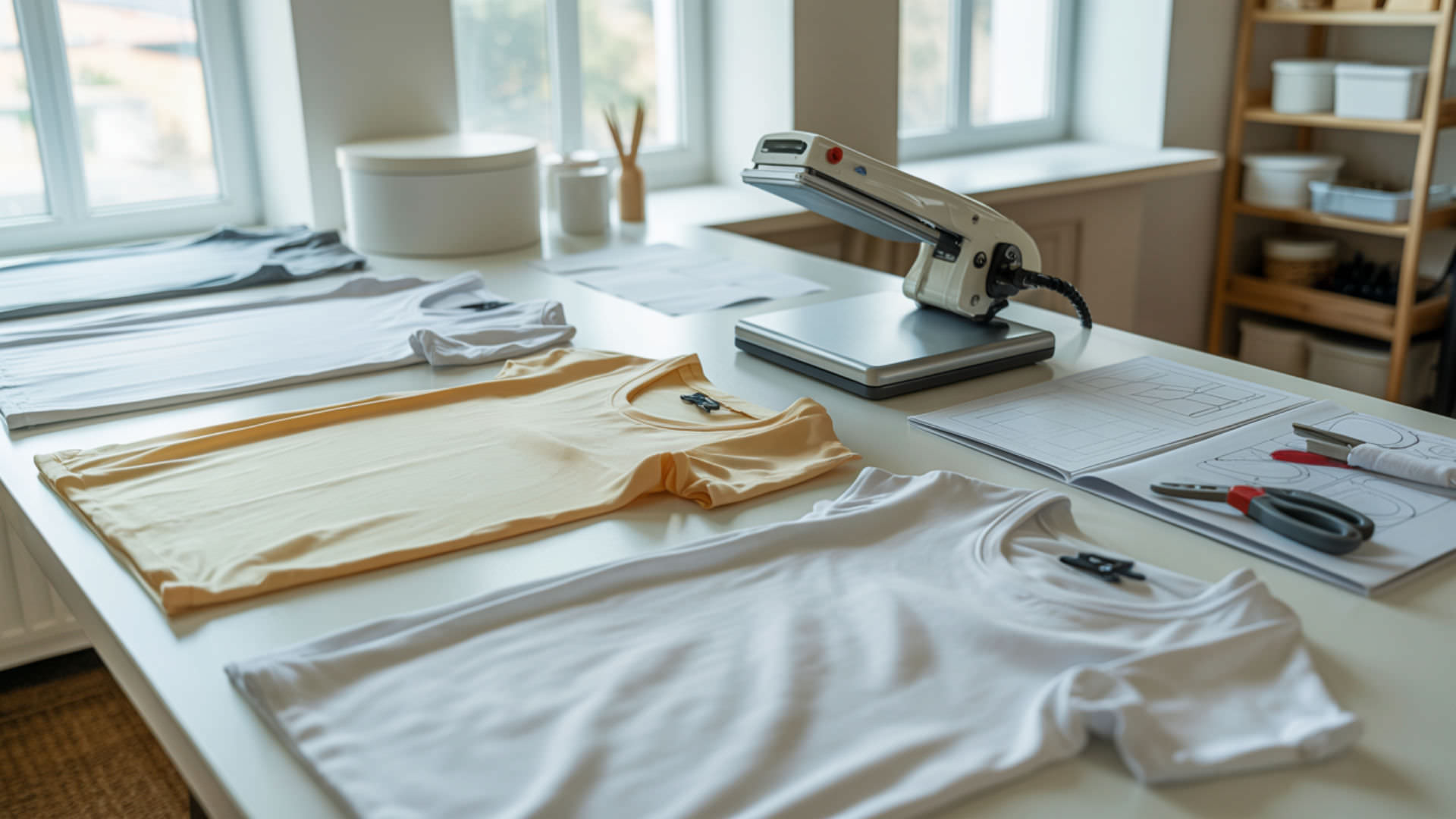
Polyester percentage determines sublimation success because sublimation dye bonds exclusively with polymer chains in synthetic fibers. Higher polyester content allows deeper dye diffusion into fabric structure, producing brighter, more vibrant results. Lower percentages yield proportionally fainter colors. Understanding how polyester provides polymer for dye bonding connects to sublimation chemistry explained in our guide on how sublimation works. Polyester is a synthetic textile fiber engineered for durability and heat resistance, which is why it behaves very differently from natural fibers like cotton during sublimation. [1]
Key Takeaways
- 100% polyester produces the most vibrant, long-lasting sublimation results because all fibers accept dye through complete diffusion.
- 65% polyester minimum is recommended for acceptable brightness; lower percentages create increasingly faded, vintage appearances.
- 50/50 blends work but yield muted colors since only half the fibers bond with dye—the cotton portion washes out.
What Is the Minimum Amount of Polyester Needed for Sublimation?
The minimum recommended polyester content for acceptable sublimation results is 65%. Lower percentages provide limited polymer content for dye bonding, resulting in poor diffusion and faded output. While sublimation technically works on any polyester percentage, colors below 65% appear significantly muted and fade substantially after washing. Higher polyester content provides more polymer chains for dye diffusion, which directly increases color vibrancy and long-term durability after washing. [2]
What Is the Minimum Polyester Count Required for Sublimation?
Polymer content threshold determines bonding strength and color vibrancy. At 65% polyester, sufficient polymer exists for acceptable dye transfer and reasonable durability. Below this threshold, cotton or other natural fibers dominate, leaving insufficient synthetic material for proper sublimation chemistry to occur effectively.
What Percentage of Polyester Does a Shirt Need for Sublimation?
Shirts need minimum 65% polyester for vibrant sublimation, with 100% producing optimal results. More polyester means more diffusion pathways for dye molecules to penetrate fiber structure. Whatever percentage isn’t polyester will show no color—a 65% shirt loses 35% of potential color intensity.
Can You Sublimate on 50% Polyester or Blended Fabrics?
Sublimation works on 50% polyester blends but produces significantly lighter results because half the fabric lacks polymer for dye bonding. Colors appear washed out or vintage since only polyester fibers retain ink. Understanding how polymer availability affects durability applies to both fabric vibrancy and dishwasher resistance, covered in our dishwasher safety guide.
Can You Do Sublimation on 50% Polyester?
Yes, sublimation works on 50% polyester but with reduced dye diffusion producing faded, vintage aesthetics. Expect roughly half the vibrancy of pure polyester since only half the fibers accept ink. The cotton portion shows no color and gradually washes out over repeated laundering cycles. Sublimation on fabrics with reduced polyester content, such as 50% polyester, often leads to reduced dye diffusion; see our complete guide on what percent polyester works best for sublimation.
⫸ Click Here For Best Selling Sublimation Printers And Products ⫷Is a 50/50 Cotton-Poly Blend Good for Sublimation?
50/50 blends are acceptable when vintage or retro aesthetics are desired, not optimal for vibrant results. Cotton areas contain no polymer so bonding cannot occur—those fibers remain uncolored. Excess heat attempting to improve transfer risks thermal degradation and scorching of cotton components. Manage expectations accordingly.
What Polyester Percentage Gives the Best Sublimation Results?
100% polyester produces the best sublimation results with maximum color vibrancy, sharpness, and durability. Higher polyester content enables optimal diffusion depth and saturation. White or light-colored polyester yields the brightest output since sublimation inks are translucent. Achieving maximum vibrancy requires printers with accurate heat transfer and piezo printheads, covered in our beginner printer guide.
What Polyester Percentage Is Ideal for Sublimation Shirts?
100% polyester is ideal for sublimation shirts requiring vivid, permanent prints. The fabric’s glass transition temperature allows proper dye bonding when heated—polymers become mobile enough for dye penetration. Higher Tg in quality polyester creates more stable bonding than cheaper alternatives with lower thermal thresholds.
What Fabric Blend Works Best for Sublimation T-Shirts?
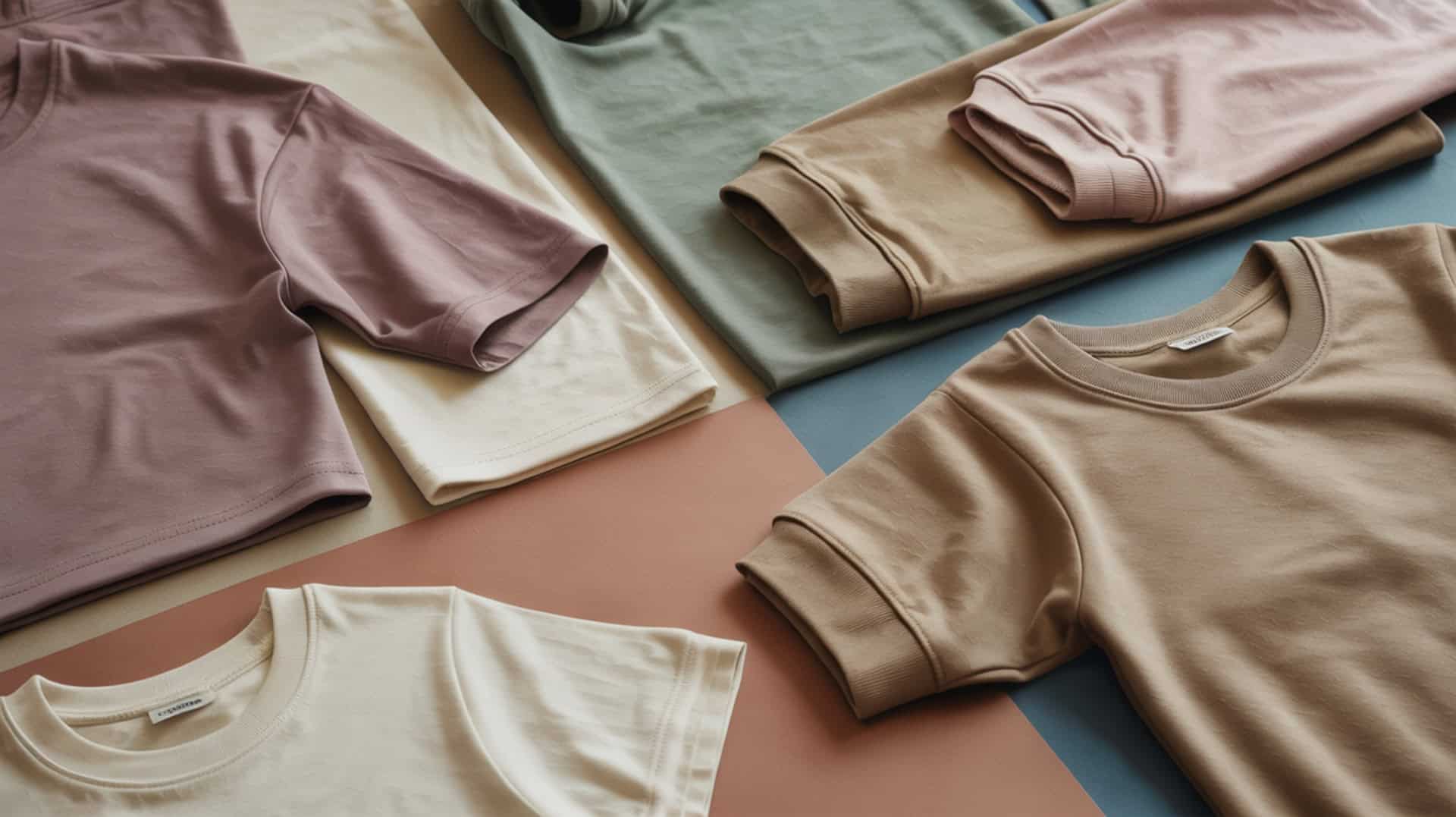
Pure 100% polyester works best for maximum vibrancy. For softer hand feel, 65/35 poly-cotton blends offer reasonable compromise with acceptable color while maintaining some comfort. Blends alter polymer content which directly affects bonding—each percentage point of non-polyester reduces potential color saturation proportionally.
How Do You Press Sublimation onto Polyester Step-by-Step?
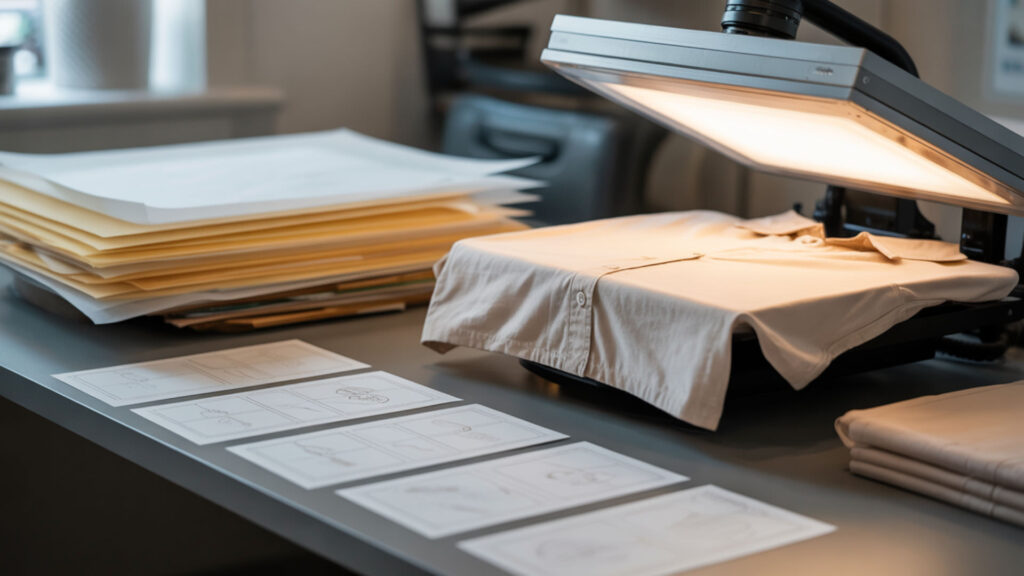
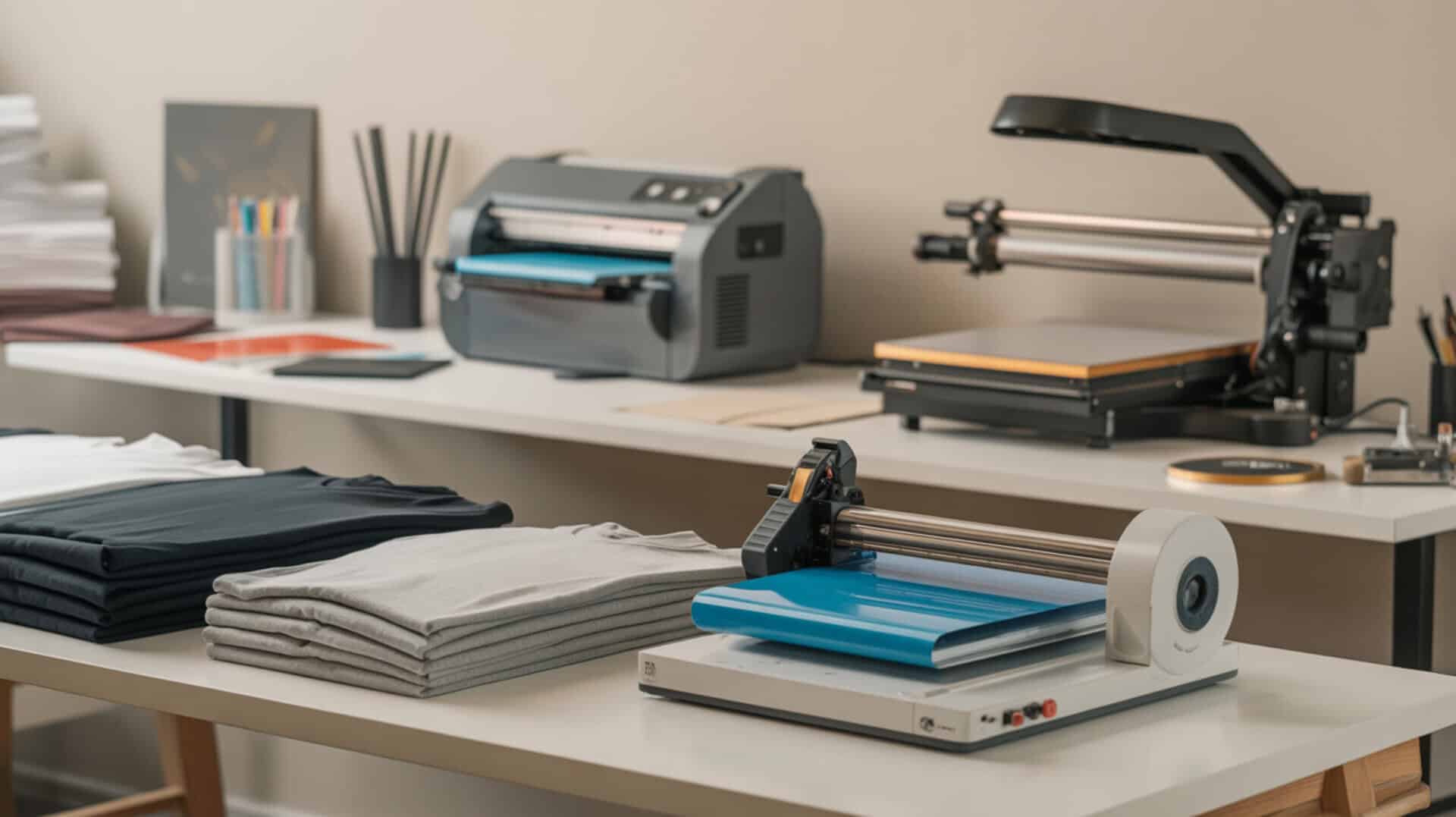
- Pre-press the polyester garment for 3–5 seconds to remove moisture and wrinkles. Moisture causes ghosting; wrinkles create uneven transfer areas.
- Position printed sublimation paper face-down on fabric with design aligned correctly. Mirror designs before printing so they appear correct after transfer.
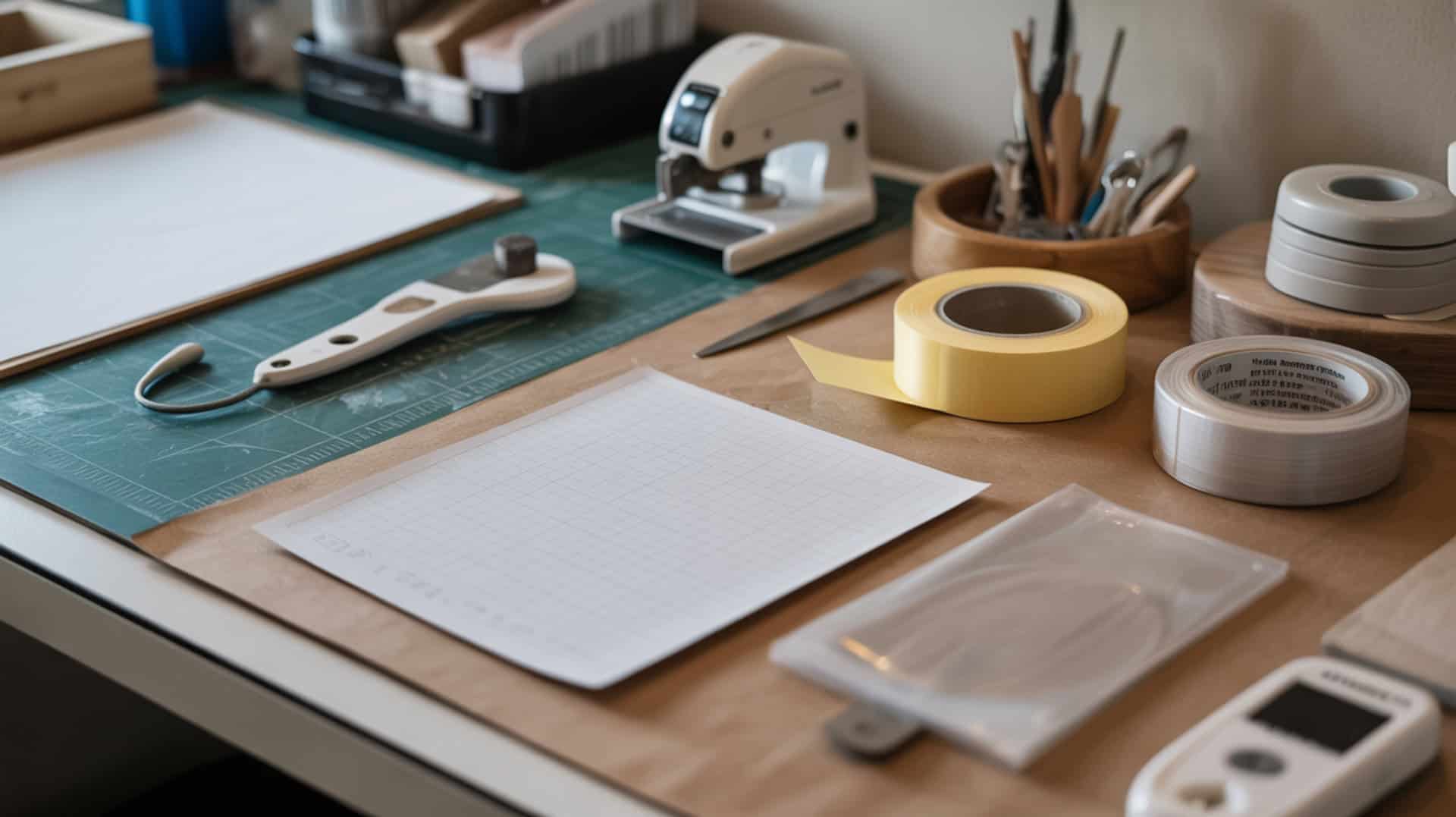
- Secure paper with heat-resistant tape to prevent shifting during pressing. Even slight movement creates ghosting artifacts in final output.
- Place a protective sheet inside the shirt to prevent ink bleeding through layers. Parchment paper or silicone sheets work well for protection.
- Set heat press to 385–400°F (195–205°C) with medium pressure. Heat transfer activates polymer mobility for dye penetration.
- Press for 45–60 seconds for 100% polyester; 50–70 seconds for blends. Longer times compensate for reduced polymer in blended fabrics.
- Open press and immediately remove paper while still hot. Hot peel prevents dye from migrating back to cooling paper.
- Use adhesive spray for large designs where tape alone cannot secure edges. Controlling movement during heat transfer prevents ghosting, which our adhesive spray guide covers.
What Are the Differences Between 100%, 65%, and 50% Polyester Sublimation Results?
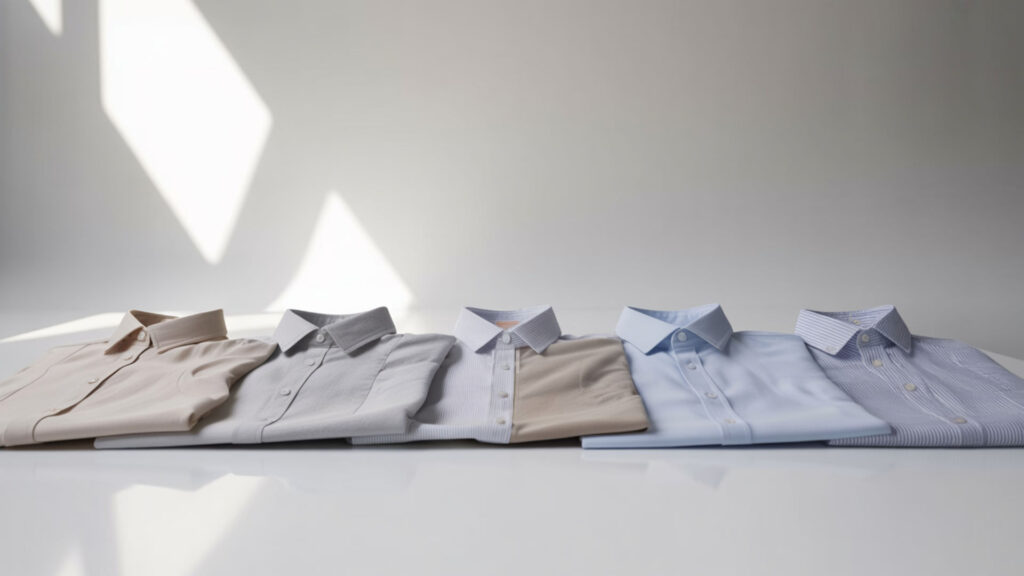
The difference lies primarily in vibrancy and longevity. 100% polyester delivers boldest colors with complete dye diffusion. 65% offers moderate brightness acceptable for most applications. 50% produces muted, vintage aesthetics with lower saturation since half the fabric rejects ink entirely. Each step down reduces saturation proportionally.
Will Sublimation Work on a 50/50 Cotton-Poly Blend?
Sublimation works on 50/50 blends but requires accepting limitations. The phase transition occurs normally—dye converts to gas under heat—but only polyester fibers provide polymer for permanent bonding. Cotton remains uncolored and ink on those fibers washes out after first laundering, creating a faded appearance.
How Can You Make Sublimation Last Longer on Low-Polyester Fabrics?
Low polymer content means shallow diffusion depth with less secure dye bonding. Careful pressing at proper temperature helps maximize what transfer is possible. Polyester-based coating sprays add a polymer layer for better adhesion. Heat transfer vinyl designed for sublimation provides an alternative approach for low-poly applications.
What Temperature and Time Settings Should You Use for Polyester Sublimation?
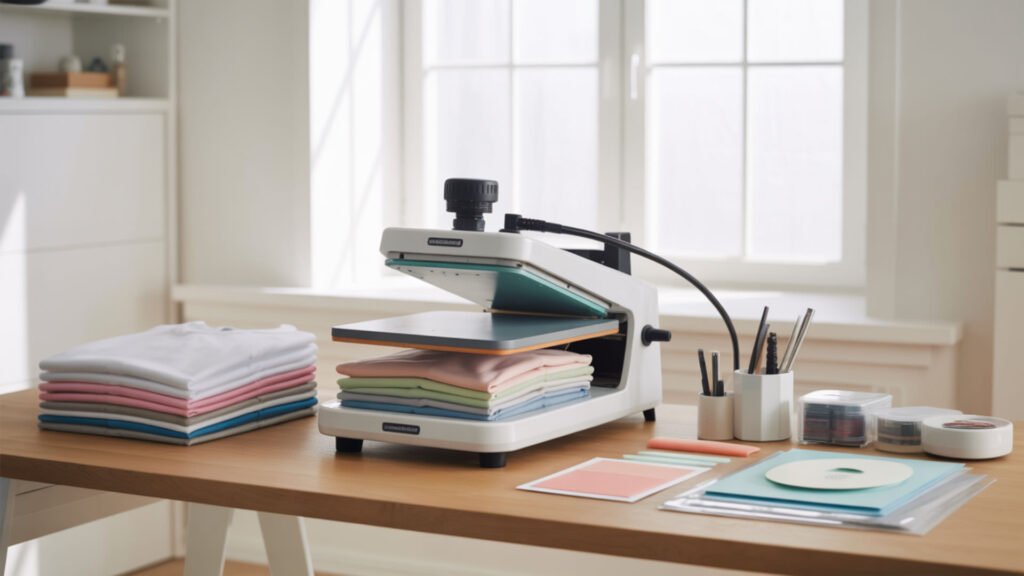
Standard polyester sublimation requires 385–400°F (195–205°C) for 45–60 seconds at medium pressure. Temperature must exceed polyester’s glass transition temperature so polymer chains become mobile enough for dye penetration. Heat transfer energy activates the bonding process—insufficient heat yields incomplete transfer regardless of polyester content.
How Long Should You Press Sublimation on a 50/50 Cotton-Poly Blend?
Press 50/50 blends for 50–70 seconds at 375–400°F (190–205°C). Lower polymer content requires more controlled heat application to maximize transfer to available polyester without scorching cotton. Some crafters reduce temperature slightly to 360°F to protect cotton while accepting somewhat lighter polyester transfer.
How Long Should You Heat Press a Sublimation Shirt?
Heat press sublimation shirts for 45–60 seconds at 385–400°F for 100% polyester. Proper heat transfer ensures complete dye saturation within the polymer structure. Test settings on scrap fabric first since heat presses vary—some run hotter or cooler than displayed temperature settings indicate.
What Are the Pros and Cons of High-Poly vs Low-Poly Fabrics for Sublimation?
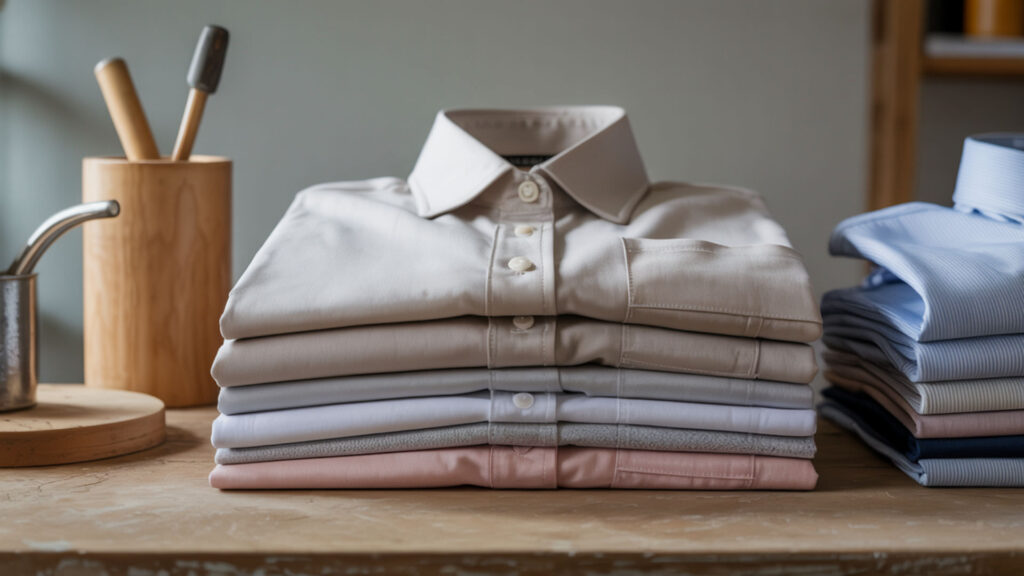
High-polyester fabrics produce long-lasting, vivid prints with complete dye diffusion but feel less natural and breathable. Lower polyester offers improved comfort with softer hand feel but sacrifices color intensity and durability. Higher polyester means stronger diffusion for better vibrancy—the tradeoff balances print quality against wearing comfort.
What Fabrics Are Typically Used for Full-Coverage Sublimation?
Full-coverage sublimation requires 100% polyester for consistent color across entire garments. Athletic wear, jerseys, and all-over print apparel use pure polyester to ensure edge-to-edge vibrancy. Any blend creates visible inconsistency where non-polyester areas appear faded compared to synthetic regions.
Will a 50/50 Blend Still Work for Sublimation?
50/50 blends work for sublimation when vintage aesthetics are acceptable or even desired. Cotton blend introduces heat sensitivity risk—cotton can scorch at temperatures optimal for polyester. Less polymer means weaker bonding with more fading over time. Accept limitations rather than fighting inherent material constraints.
Ready to Choose the Right Polyester Percentage?
Choosing the right polyester percentage depends on desired vibrancy versus comfort tradeoffs. 100% polyester delivers best color and durability through maximum diffusion. Polyester percentage directly controls both vibrancy and longevity—select fabric content based on project requirements rather than hoping lower percentages will perform equally.
Frequently Asked Questions
Can you sublimate on 40% polyester?
Sublimation works on 40% polyester but produces muted, faded results since 60% of fabric lacks polymer for dye bonding. Expect washed-out colors that fade significantly with washing. This percentage suits projects where vintage aesthetics are intentional or items won’t be laundered frequently. Results fall below recommended minimums.
Can you sublimate on 95% polyester?
95% polyester produces excellent sublimation results nearly matching 100% pure polyester. The 5% difference causes minimal visible impact—diffusion occurs across almost all fibers. This percentage offers slight comfort improvement over pure polyester while maintaining vibrant, durable prints suitable for professional-quality output.
Can you sublimate on 10% polyester?
Technically sublimation occurs on 10% polyester but results are extremely faint since 90% of fabric rejects ink entirely. Only scattered polyester fibers show any color, creating ghostly, barely visible designs. This percentage is not recommended—use polyester coating spray or sublimation HTV for fabrics this low.
Can you sublimate on black polyester?
Sublimation cannot produce visible designs on black polyester because sublimation inks are translucent, not opaque. The ink bonds with fibers but remains invisible against dark backgrounds. To sublimate on black polyester, first apply white sublimation-compatible heat transfer vinyl as base layer, then sublimate onto that white surface.
Can you sublimate on 100% recycled polyester?
100% recycled polyester sublimates identically to virgin polyester—both consist of the same polymer structure. Heat opens fiber pores equally, allowing complete ink absorption and permanent bonding. Recycled polyester offers environmental benefits without sacrificing sublimation quality. Results match virgin polyester in vibrancy, durability, and wash resistance.
References
- (2025, June 4). Wilson College of Textiles. https://textiles.ncsu.edu/
- Desalted duck egg white peptides promote calcium uptake and modulate bone formation in the Retinoic acid-induced bone loss rat and caco-2 cell model. (n.d.). PMC Home. https://pmc.ncbi.nlm.nih.gov/articles/PMC5452220/