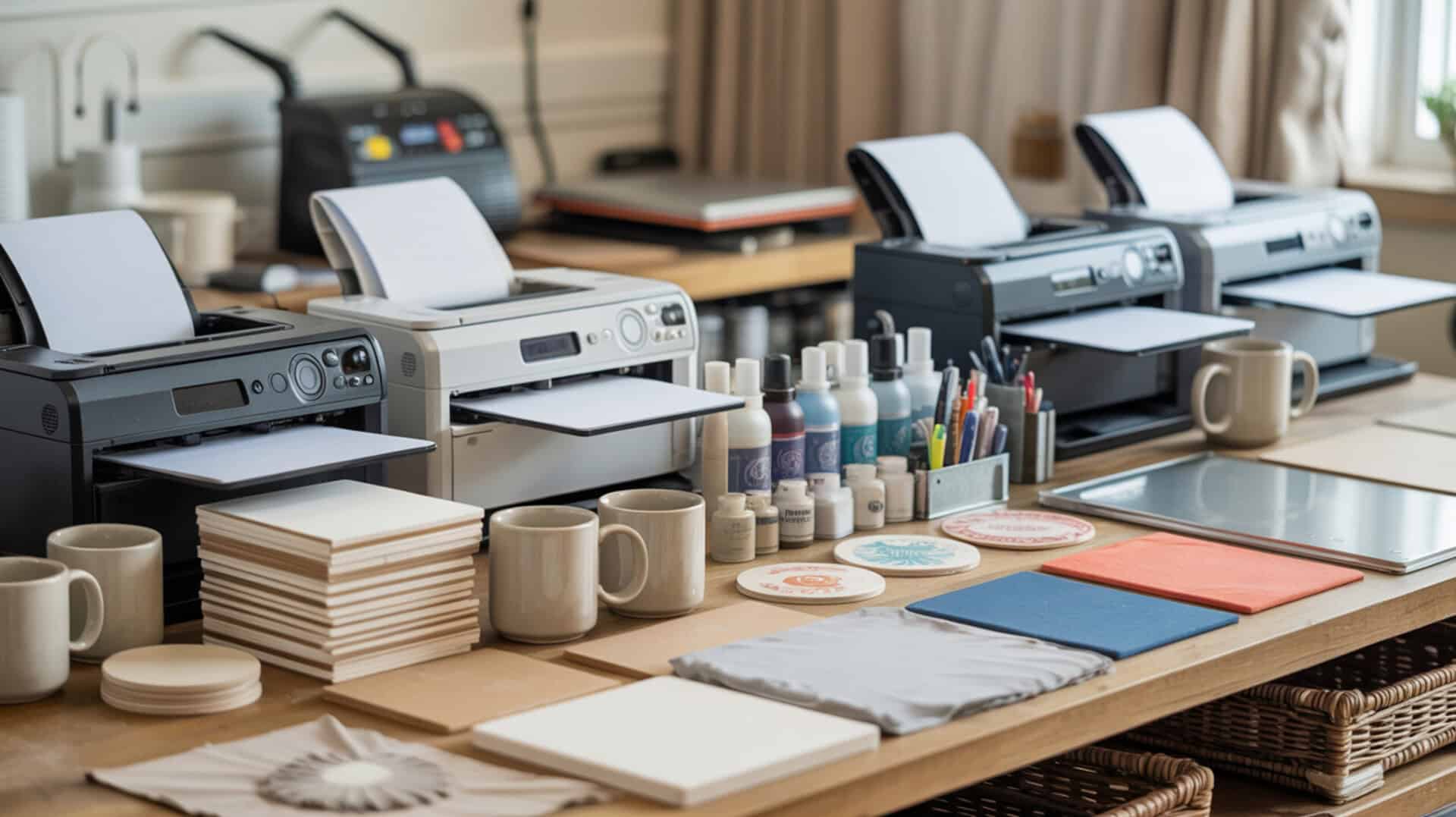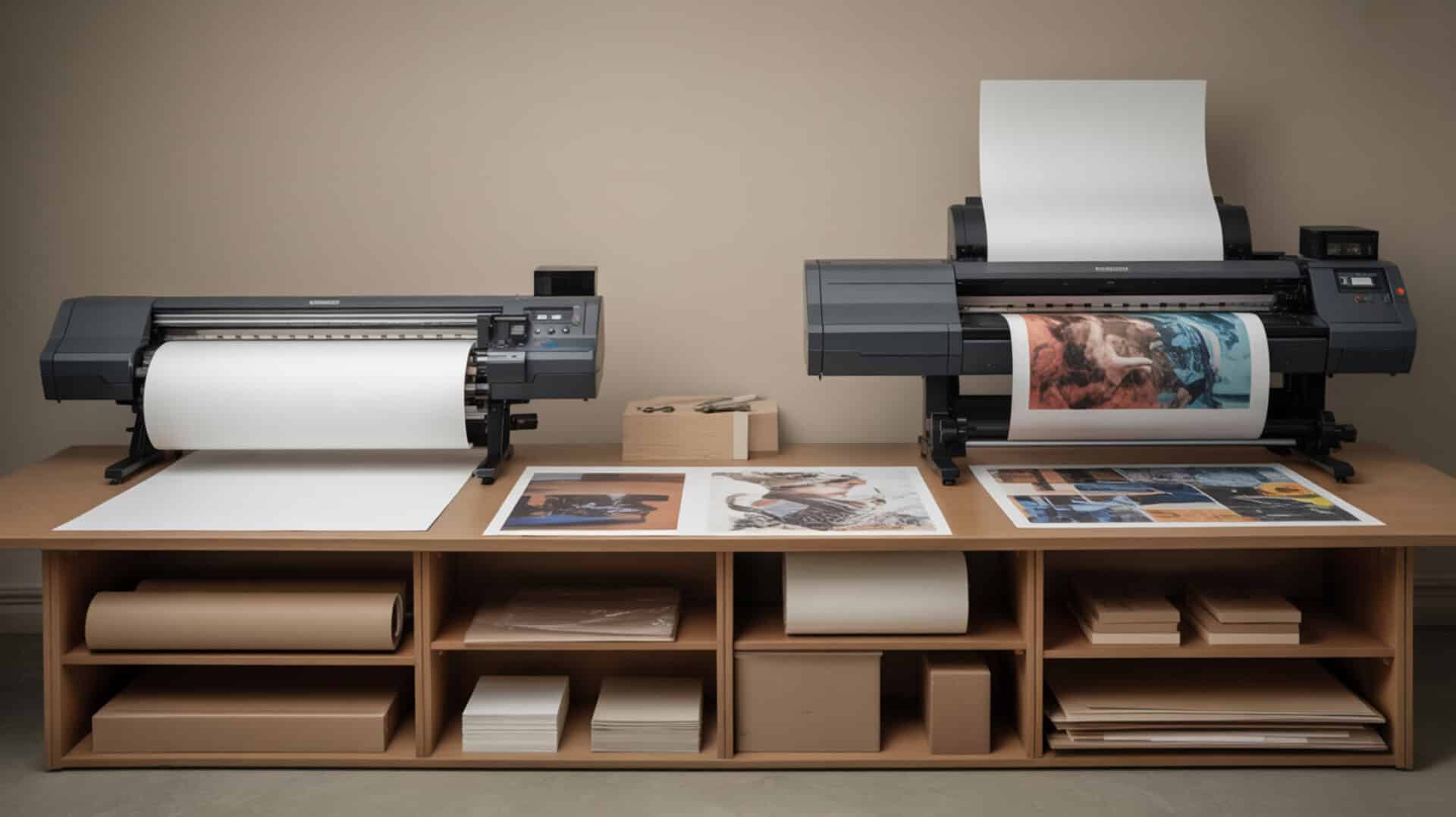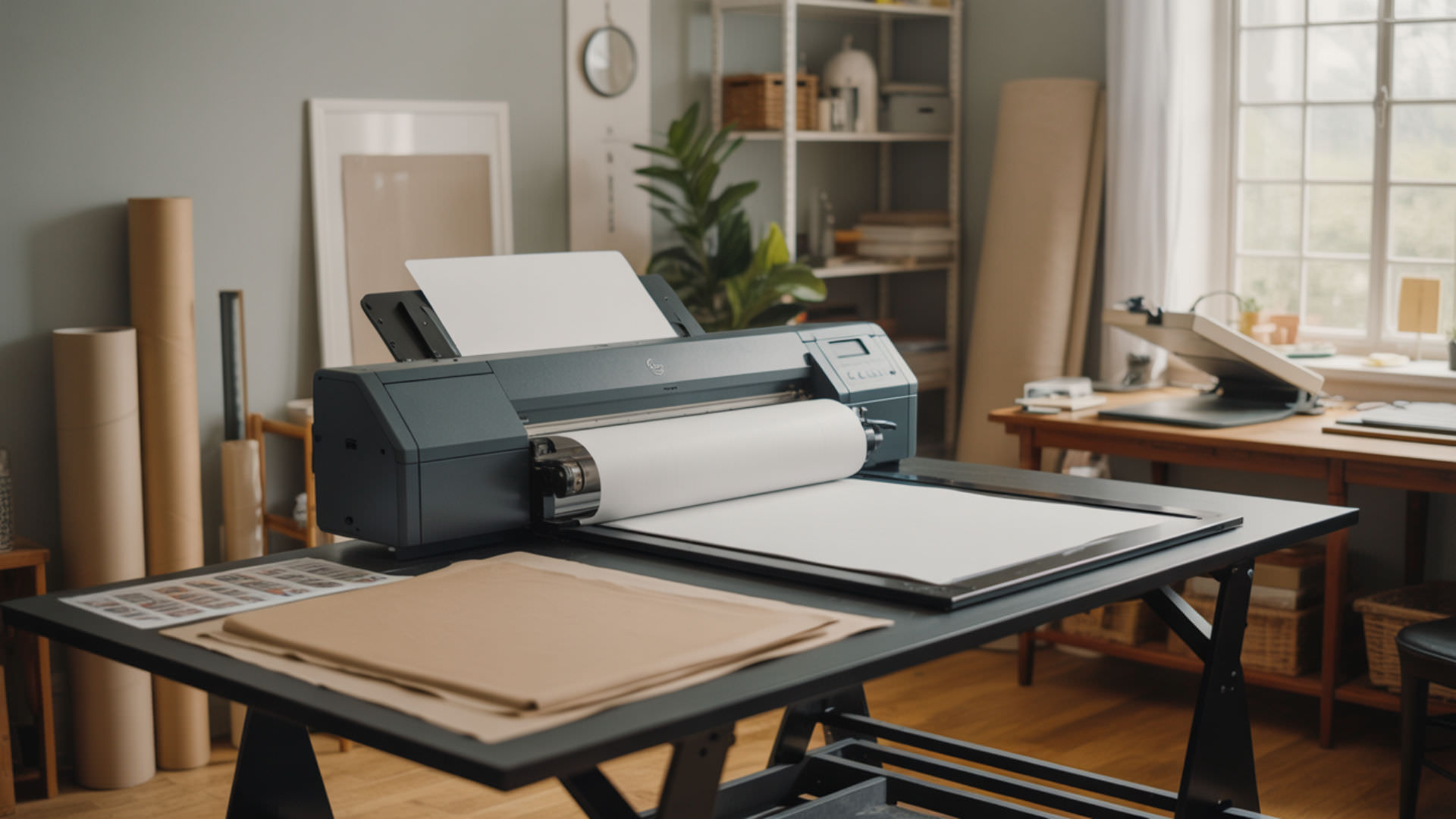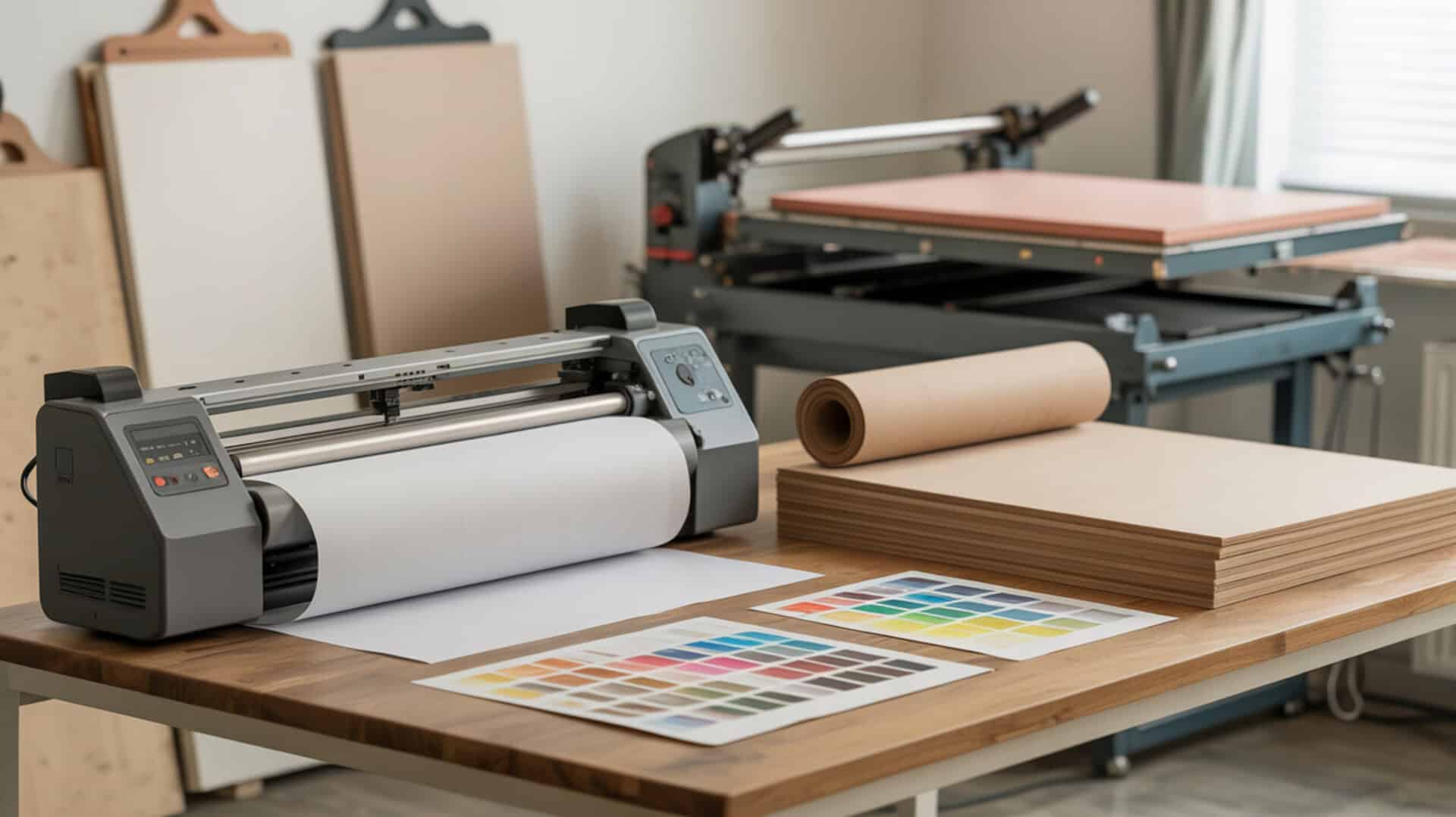
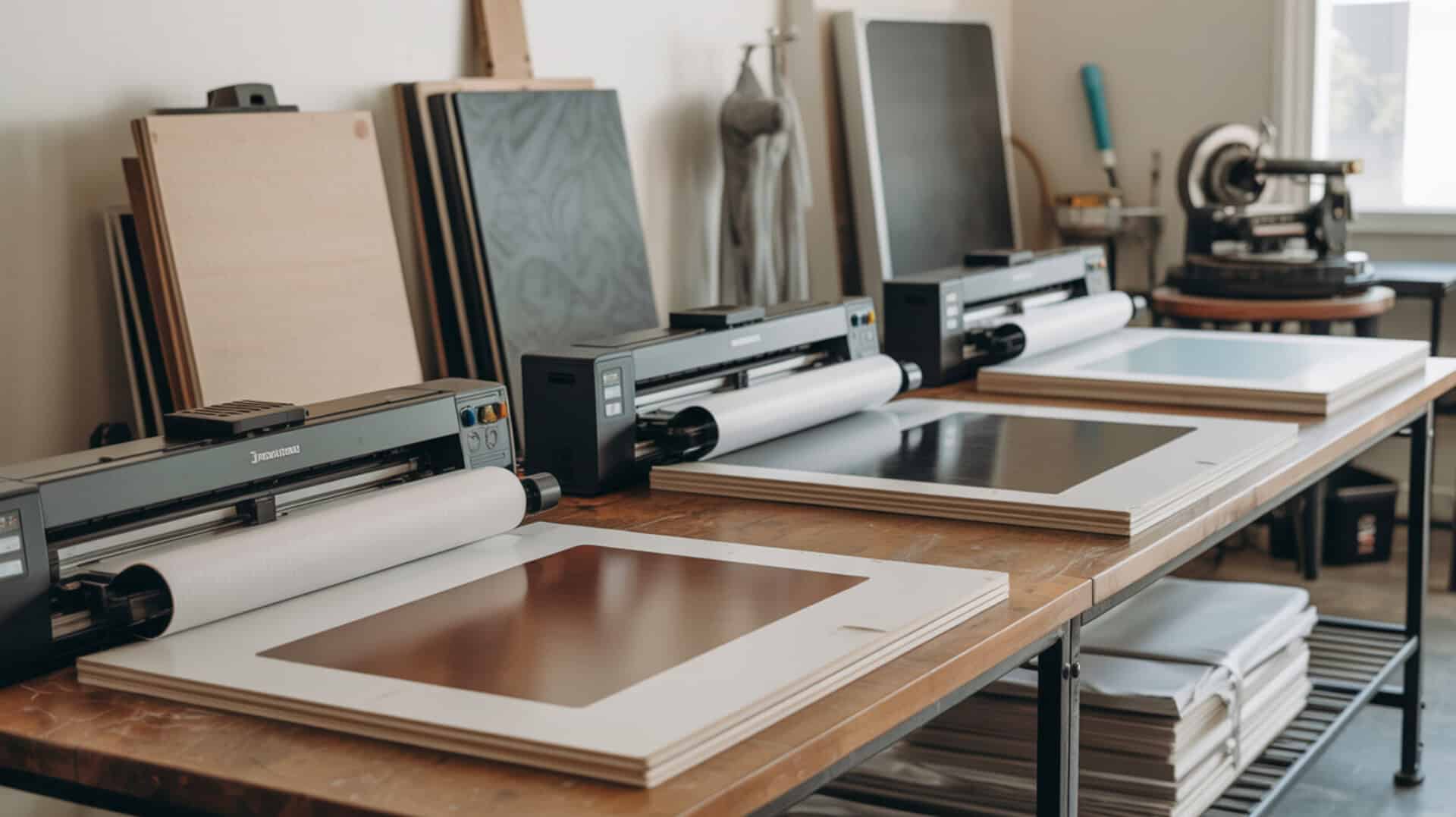
Large format sublimation printers enable printing on substrates wider than standard letter size, opening possibilities for full-panel apparel, banners, garden flags, and oversized blanks without taping multiple sheets together. All large format sublimation printers use piezoelectric inkjet technology to eject disperse dye without heat, preserving ink chemistry during printing. Disperse dye vaporizes under heat press temperatures and bonds inside polyester fibers or polymer coatings through polymer diffusion, creating permanent wash-resistant color. Since large format sublimation printing capability and production requirements vary significantly, this guide compares the top options for different workflow needs. Large-format sublimation printers fall within the broader printing and publishing ecosystem, which the U.S. Census Bureau categorizes under its official printing and related support activities classification.[1]
Key Takeaways
• Large format sublimation printers range from converted EcoTank models (13 × 19 inches at approximately $500) to professional dedicated printers (24 inches wide at approximately $2,200), with significant price and capability differences.
• Converted printers like the ET-15000 offer the lowest entry cost but require conversion setup and regular maintenance to prevent clogging; dedicated printers like the F570 work out of the box but cost significantly more.
• Ink costs vary dramatically: Sawgrass ink is repeatedly described as costly/expensive, while Epson sublimation ink is described as lasting a long time and being “very affordable” compared to alternatives.
Is the Epson EcoTank ET-15000 a Good Large Format Sublimation Printer?
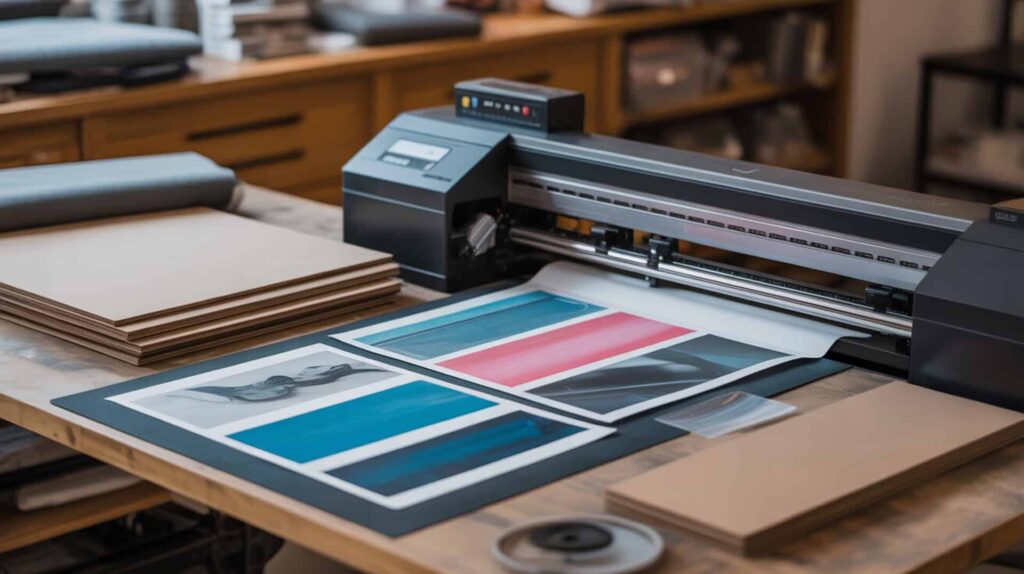
The Epson EcoTank ET-15000 is a wide-format inkjet printer that can be converted for sublimation by filling with sublimation ink before first power-on, offering 13 × 19 inch capability at approximately $500—significantly less than dedicated large format options. According to demonstrated conversion and printing tests using Hiipoo sublimation ink, the ET-15000 produces vibrant prints with dark blacks and no banding when properly configured with settings including Premium Presentation Paper Matte, High quality, Mirror ON, and Bidirectional printing OFF. Since the ET-15000 is one of the most popular converted sublimation printers, you may also want to read our detailed Epson EcoTank ET-15000 printer review.
What kind of large format sublimation results can you expect from the Epson ET-15000?
Based on demonstrated printing and pressing tests, the ET-15000 produces vibrant sublimation output with strong black density and no visible banding or lines in final prints. Press testing at 400°F for 60 seconds with heavy pressure on a mouse pad showed vibrant color transfer with ink described as “permanent” and “not going anywhere.” Recommended print settings include Paper Type: Premium Presentation Paper Matte, Quality: High, Mirror: ON, Bidirectional/Fast Printing: OFF, and Color Correction: Adobe RGB with Gamma 2.2. One reviewer notes prints look slightly grainy on copy paper but appear better on proper sublimation paper (ASub brand tested). Initialization takes approximately 10 minutes and the transport lever must be in down position before ink filling. When comparing large-format printers, perceived print quality ultimately ties back to color science and measurement standards studied by the National Institute of Standards and Technology.[2]
What are the pros and cons of using the Epson ET-15000 for large format sublimation?
The ET-15000’s EcoTank system with auto-fill bottles provides clean, no-mess ink loading without squeezing or syringes, and dramatically lower ink cost per print than cartridge systems. Main advantages include simple setup when sublimation ink is filled before first power-on, strong print quality with vibrant colors and dark blacks, straightforward driver installation via Epson support site, preset saving for 8.5 × 11 and 11 × 17 sizes, refurbished/Certified Renew units available from Epson for additional savings, and approximately $500 price point. Main drawbacks include no solution if wrong ink/color is placed in wrong tank, converted printers can clog if not maintained regularly (one reviewer’s prior ET-8550 clogged after approximately 2 years), potential roller marks requiring adjustment, conversion voids warranty, and sublimation paper cost encourages testing on copy paper first.
How does the Epson ET-15000 compare to other large format sublimation printers?
In comparisons described in reviewed source material, the ET-15000 offers wide-format capability (13 × 19 inches) at the lowest cost (approximately $500) among large format options, making it the recommended balance for users wanting wide enough prints, cheaper cost, and smaller footprint than the F570. One reviewer previously used EcoTank models 8550, 8500, and 7720—the 8550 lasted approximately 2 years before clogging badly enough that printhead replacement was needed. The ET-15000 is described as an inkjet “workhorse” that can be converted when new, with multifunction capability (print/scan/copy/fax) though that’s not important for sublimation. Versus dedicated printers: ET-15000 requires conversion and regular maintenance but costs $1,700+ less than the F570. You can find the Epson EcoTank ET-15000 here.[3][4]
How Well Does the Sawgrass SG1000 Perform for Wide Format Sublimation Printing?
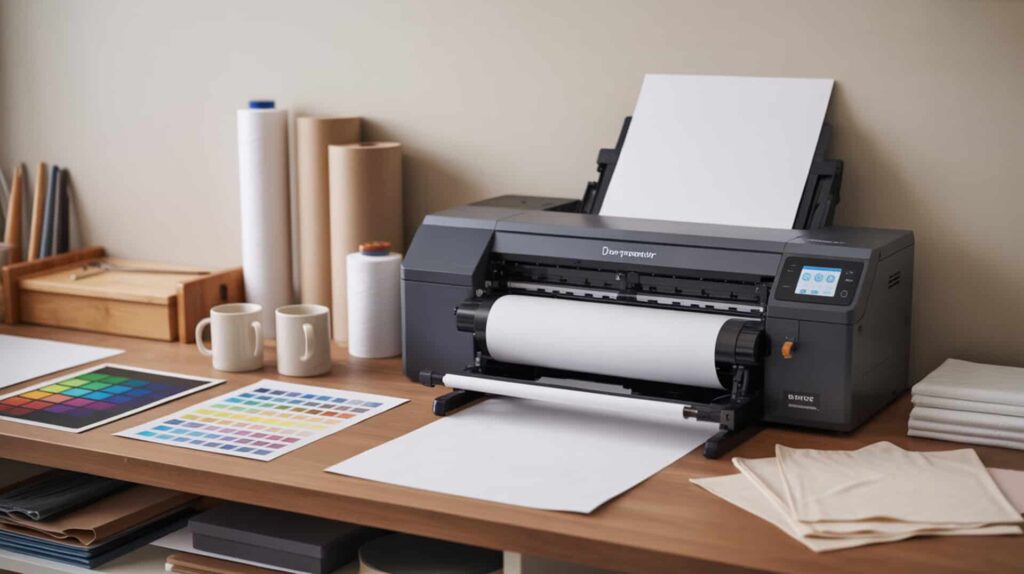
The Sawgrass SG1000 is a dedicated wide-format sublimation printer offering plug-and-play setup with self-cleaning maintenance, positioned as a premium option with bundle pricing over $2,000. According to demonstrated long-term use, the SG1000 produces color output that matches screen well, with users praising the color management and saturation through the Sawgrass Utility software that adjusts settings per blank type. Setup involves installing four CMYK cartridges (black, cyan, magenta, yellow) with approximately 7-minute initialization, then Sawgrass Print Manager software installation. Since the Sawgrass ecosystem includes multiple printer options, you may also want to read our detailed Sawgrass sublimation printer review.
What print quality and size capabilities can you expect from the Sawgrass SG1000?
Based on demonstrated long-term use (months of ownership), the SG1000 produces color output that users describe as matching the screen well: “colors have come out as I’ve seen them on the screen” for custom designs. The Sawgrass Utility software allows choosing blank presets (car coaster, neoprene, acrylic, etc.) that update color saturation settings automatically, with modes like “vivid” or “photo” available. One issue noted: if the printer isn’t used for about a week and then printed, lines may appear across the paper—performing a nozzle check corrects this. Ink cartridge options include starter cartridges (20cc), regular cartridges (30cc), and extended cartridges (70ml). SubliJet UHD ink is the ink type covered under warranty.
What are the pros and cons of the Sawgrass SG1000 for large format sublimation?
The SG1000 offers plug-and-play dedicated sublimation with self-cleaning/self-maintenance that keeps the printer ready even if not used for 2–3 weeks—a major advantage over converted EcoTank printers. Main advantages include strong color management/saturation that prints true to screen, Sawgrass Utility with blank presets adjusting settings automatically, warranty support (extended warranty available), setup guidance printed on box, and no conversion required. Main drawbacks include high cost (bundle over $2,000), ink described repeatedly as costly/expensive, Wi-Fi setup can be finicky (both reviewers describe connection issues—USB recommended initially), starter cartridges are low-volume (recommend buying larger cartridges), if any cartridge is empty you cannot print, waste tank must be replaced when full, and sublimation paper waste has a learning curve.
How does the Sawgrass SG1000 compare to other wide format sublimation printers?
In comparisons described in reviewed source material, the SG1000 was eliminated by one reviewer due to repeated mentions that ink is costly/expensive based on research and user groups. The SG1000 user who chose it mentions EcoTank, Canon, and Epson as other options they considered, calling them “great products” but choosing Sawgrass specifically for self-maintenance and color management features. Versus ET-15000: SG1000 costs significantly more (over $2,000 vs approximately $500) with ongoing expensive ink costs, but offers dedicated sublimation without conversion, self-maintenance preventing clogs, and warranty support. Versus F570: both are dedicated sublimation but F570 offers 24-inch width versus SG1000’s narrower format, with Epson ink described as more affordable. You can find the Sawgrass SG1000 here.[5][6][7]
Is the Epson SureColor F570 Worth It for Professional Large Format Sublimation?
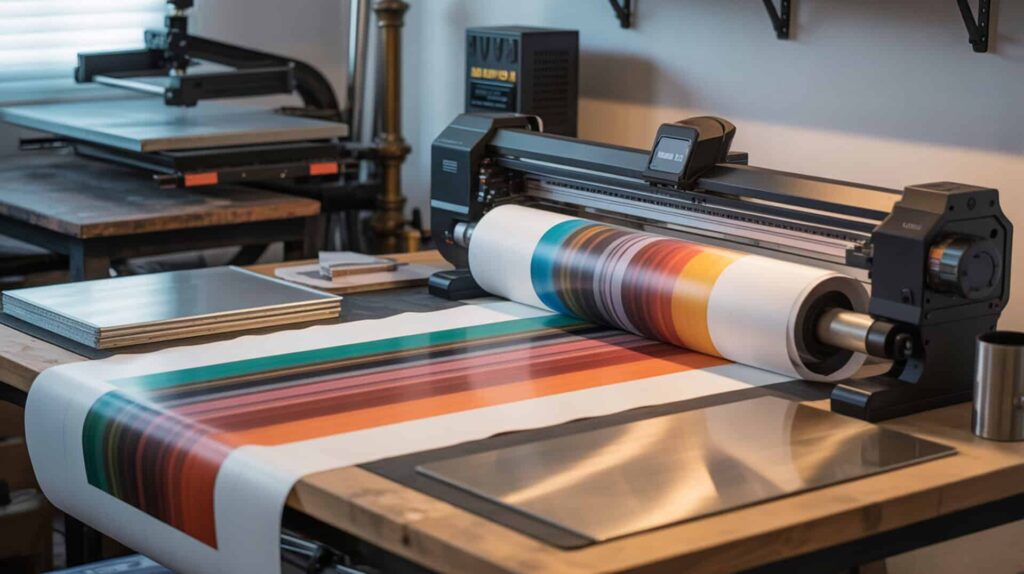
The Epson SureColor F570 is a professional-grade 24-inch wide-format dedicated sublimation printer delivering vibrant output with roll paper support and automatic cutter, positioned for commercial production at approximately $2,200. According to demonstrated printing and pressing tests, the F570 produces prints described as “amazing” and very vibrant even before pressing, with tumbler transfers that “took my breath away” and garden flag colors that “pop off the screen.” Initial ink charging takes approximately 50–75 minutes and uses most of the first ink set (Epson includes two sets for this reason). Since the F570 is Epson’s flagship wide-format sublimation printer, you may also want to read our detailed Epson SureColor F570 review.
What large format sublimation results can you achieve with the Epson SureColor F570?
Based on demonstrated printing and pressing tests, the F570 produces vibrant color output with no reported banding, lines, or roller marks. Tumbler results from 11 × 17 prints were described as “beautiful and vibrant” with transfers that “took my breath away.” Garden flag pressing at approximately 60 seconds at 400°F showed colors that “pop off the screen” and are “even brighter in person.” Sock printing using metal sock jigs produced results described as “amazing.” Hat/poly-thread testing at 49 seconds with top heat 385°F and bottom 320°F showed successful results. The printer supports roll paper up to 24 inches wide with automatic cutter, plus sheet feeding up to 11 × 17 without unloading the roll (13 × 19 requires unloading). Edge Print Pro software enables project nesting to batch prints and reduce paper waste.
What are the pros and cons of the Epson SureColor F570 for sublimation printing?
The F570’s 24-inch wide-format capability enables larger work like banners, full-size apparel panels, and garden flags without taping sheets together—the widest option among printers reviewed. Main advantages include vibrant color output, ink longevity described as lasting a long time and being “very affordable” compared to alternatives, Edge Print Pro software for nesting and batching prints, easy touchscreen navigation, Wi-Fi compatibility, roll paper with automatic cutter, sheet feeder flexibility, and Pro package including 3 paper rolls plus ink plus software. Main drawbacks include high price point (approximately $2,200), sizable physical footprint requiring dedicated space (arrives on pallet, needs help to unbox), more professional/advanced than some users need, careful ink filling required (guidance suggests not overfilling above approximately 75%), and initial ink charging consuming most of first ink set.
How does the Epson SureColor F570 compare to other professional sublimation printers?
In comparisons described in reviewed source material, the F570 positions as the professional wide-format option (24 inches) versus narrower alternatives. Brother SP sublimation printer: eliminated due to 8.5-inch maximum width, though described as dedicated and beginner-friendly. Sawgrass SG1000: eliminated due to ink cost concerns. Epson SureColor F170: dedicated sublimation at approximately $399 with 8.5-inch maximum (users tape pages for bigger projects). ET-15000: chosen by one reviewer as best balance (wide enough at 13 × 19, approximately $500, smaller footprint) over the F570 because they didn’t need 24-inch width and wanted lower investment. The F570 is positioned for users who need true 24-inch wide-format scale and can invest at the professional level for commercial production. You can find the Epson SureColor F570 here.[8][9][10]
Which Large Format Sublimation Printer Is the Best Fit for Your Needs?
The best large format sublimation printer depends on your budget, space, and production requirements. For beginners or budget-conscious users wanting wide-format capability: the Epson EcoTank ET-15000 (approximately $500) offers 13 × 19 inch printing at the lowest cost, making it ideal for those willing to convert and maintain the printer regularly. For users wanting dedicated sublimation with self-maintenance and strong color management: the Sawgrass SG1000 (over $2,000) works out of the box without conversion, but ongoing ink costs are significant. For professional/commercial production needing true 24-inch width: the Epson SureColor F570 (approximately $2,200) delivers the widest format, vibrant results, roll printing with automatic cutter, and affordable ongoing ink costs. Overall, I recommend the Epson EcoTank ET-15000 as the best value for most users because it balances wide-format capability (13 × 19), affordable entry cost (approximately $500), and proven vibrant results—making it the recommended choice for users who don’t specifically need 24-inch width and prefer the significant cost savings over dedicated printers.
Frequently Asked Questions
What are the best large-format sublimation printers on the market right now?
The best large-format sublimation printers include the Epson EcoTank ET-15000 (converted, 13 × 19 inches, approximately $500), Sawgrass SG1000 (dedicated, wide format, over $2,000), and Epson SureColor F570 (dedicated, 24 inches, approximately $2,200). The ET-15000 offers the best value for budget-conscious users willing to convert; the SG1000 provides plug-and-play convenience with self-maintenance; the F570 delivers true 24-inch professional capability with roll printing.
What size is considered large format for sublimation printing?
Large format for sublimation printing typically means anything wider than standard letter size (8.5 inches). The ET-15000 prints up to 13 × 19 inches (A3+/supertabloid), the Sawgrass SG1000 offers wide-format capability, and the Epson F570 prints up to 24 inches wide on roll paper. For comparison, small-format printers like the Epson F170 and Brother SP max out at 8.5 inches wide.
Are large-format sublimation printers worth the investment for small businesses?
Large-format sublimation printers are worth the investment for small businesses needing to produce full-panel apparel, banners, garden flags, or oversized blanks without taping multiple sheets together. The ET-15000 at approximately $500 offers affordable wide-format entry with low ongoing ink costs. One reviewer who chose Sawgrass said it “absolutely benefited their business” due to color management and self-maintenance. Consider your actual size requirements—many businesses find 13 × 19 sufficient without needing 24-inch capability.
What are the pros and cons of wide-format sublimation printers?
Pros of wide-format sublimation printers include printing large designs without taping sheets, producing full-panel apparel and oversized products, and reducing production time for large items. Cons include higher purchase cost (from approximately $500 for converted to $2,200+ for dedicated professional models), larger physical footprint requiring dedicated space, and maintenance requirements—converted printers need regular use to prevent clogging, while dedicated printers like Sawgrass have expensive ink costs.
How much do large-format sublimation printers typically cost?
Large-format sublimation printer costs range from approximately $500 to over $2,200 based on reviewed source material. The Epson EcoTank ET-15000 (converted) costs approximately $500 with refurbished units available for less. The Sawgrass SG1000 bundle costs over $2,000. The Epson SureColor F570 costs approximately $2,200, with Pro and Light package options available. Ongoing ink costs vary significantly: Epson ink is described as “very affordable” while Sawgrass ink is repeatedly described as costly/expensive.
References
- Attention required! | Cloudflare. (n.d.). Census.gov | U.S. Census Bureau. https://www.census.gov/naics/?input=323&year=2022
- Chapter 10: Color and appearance. (2017, March 27). NIST. https://www.nist.gov/publications/chapter-10-color-and-appearance