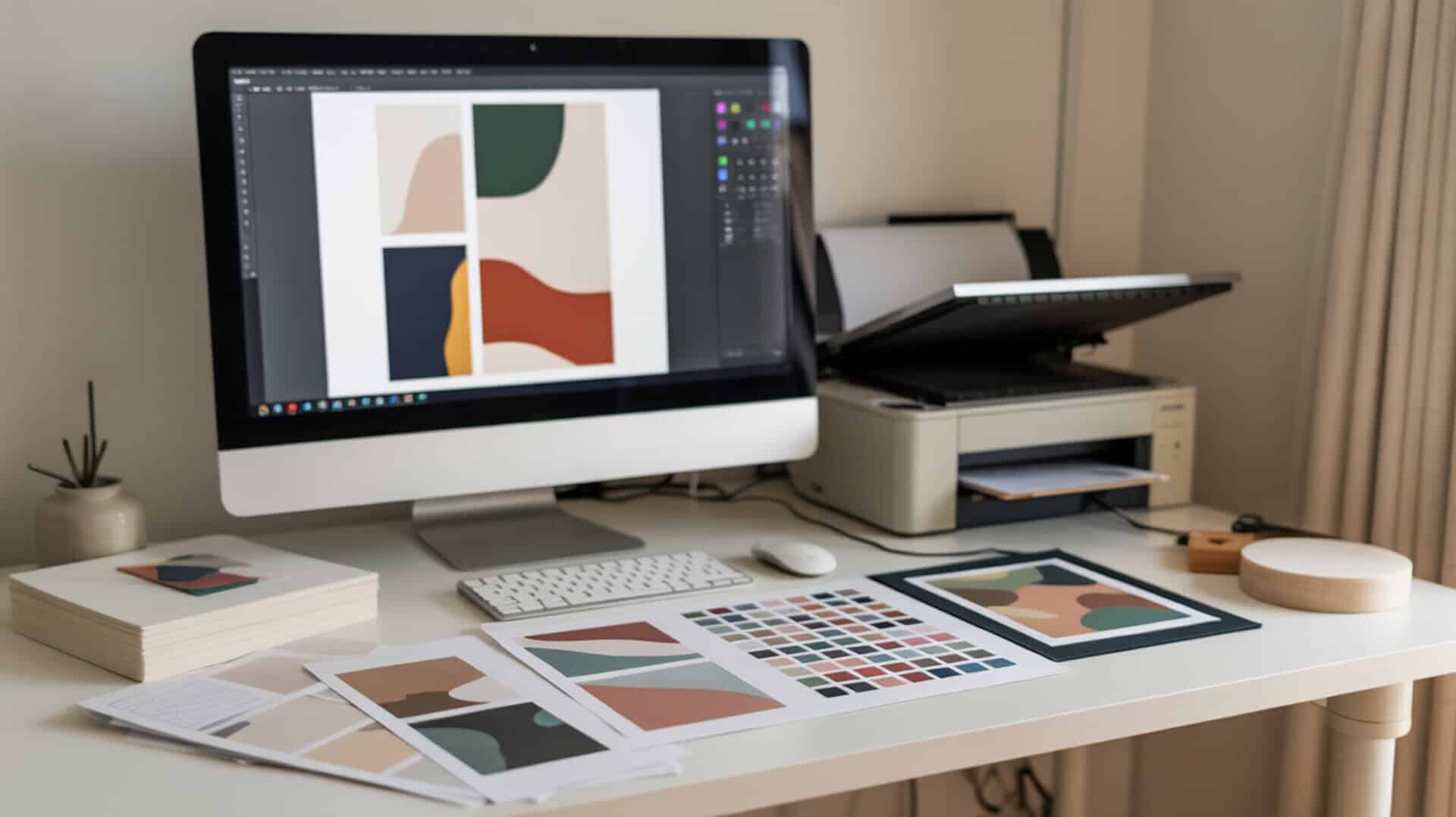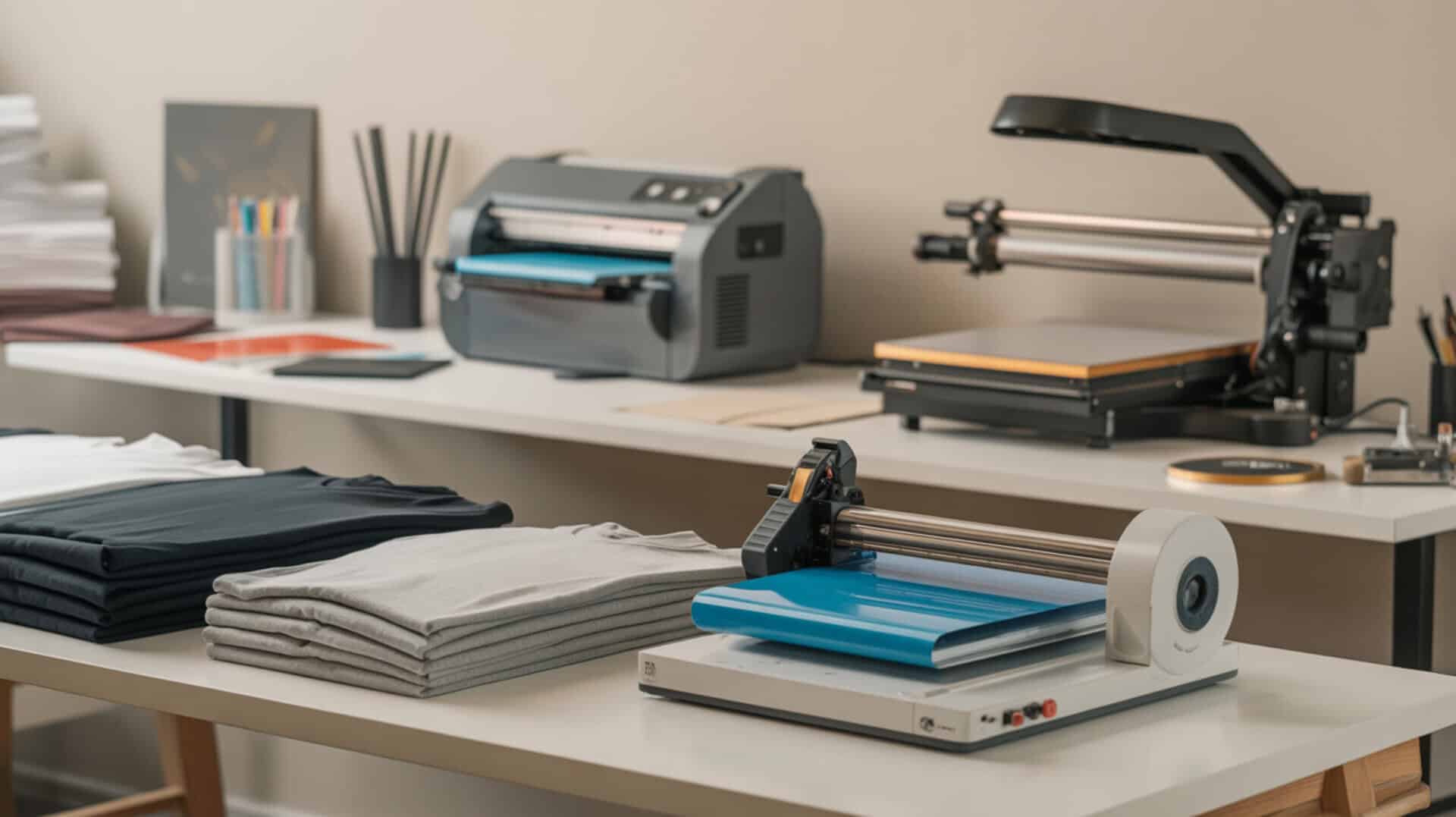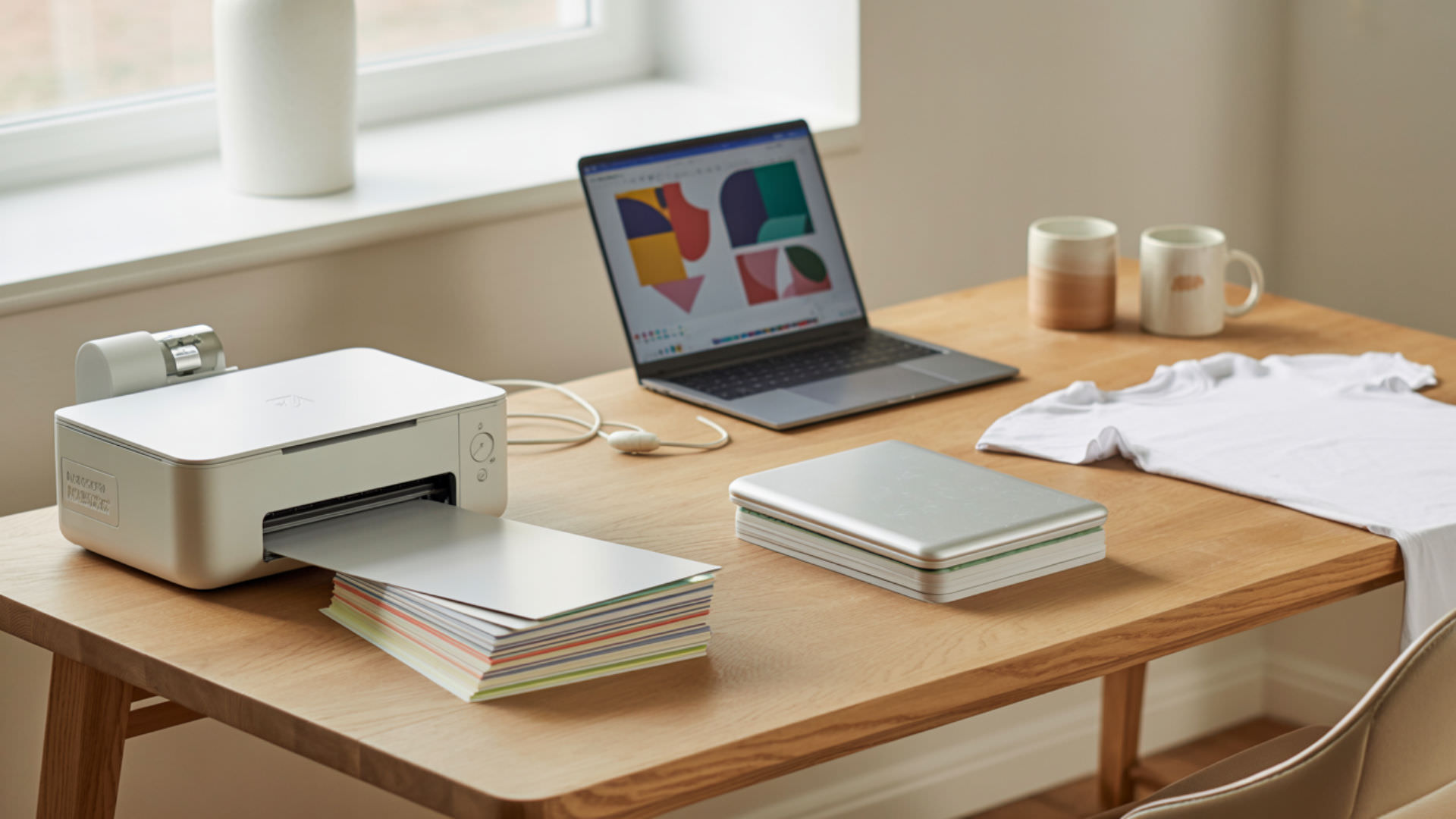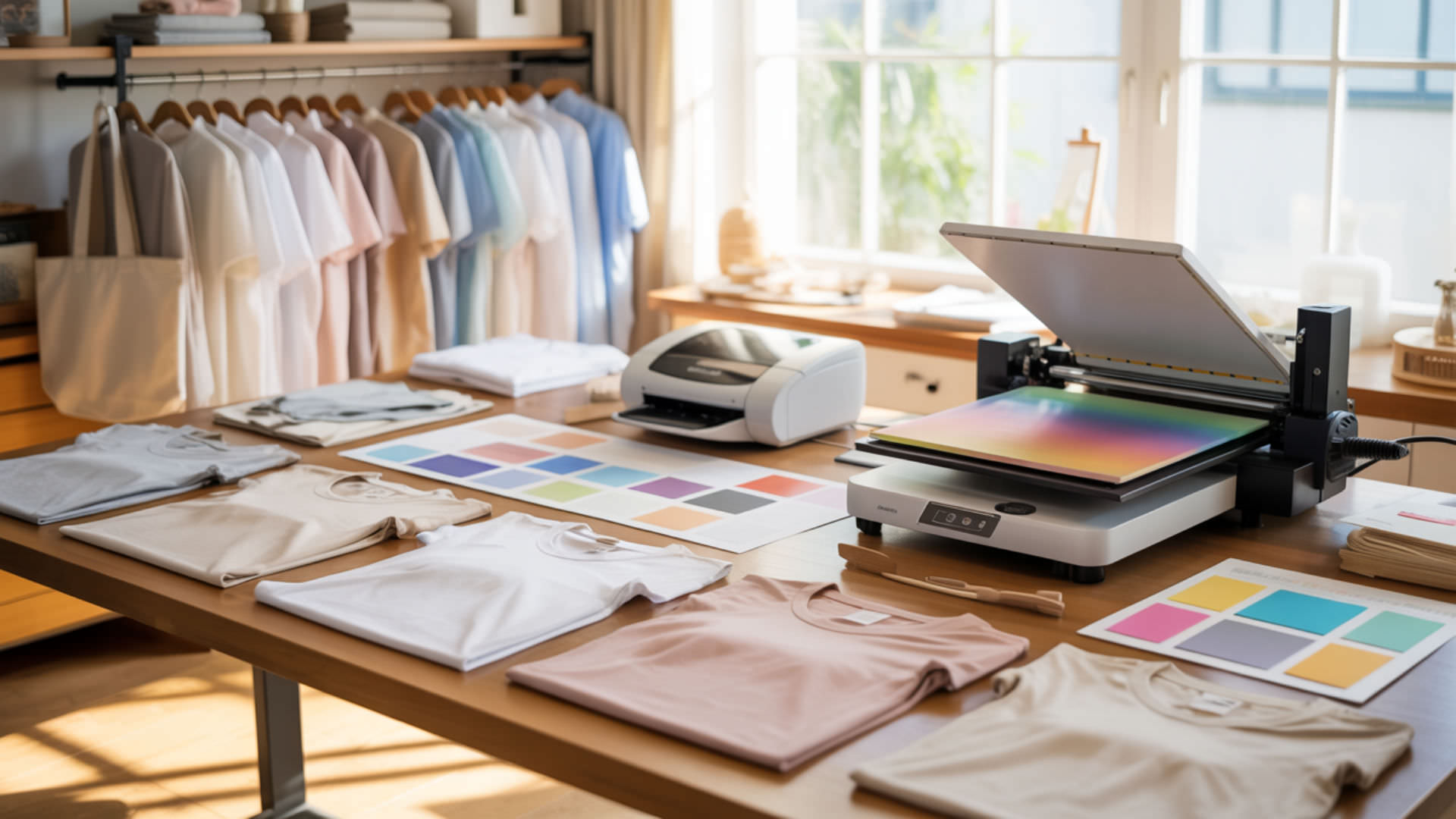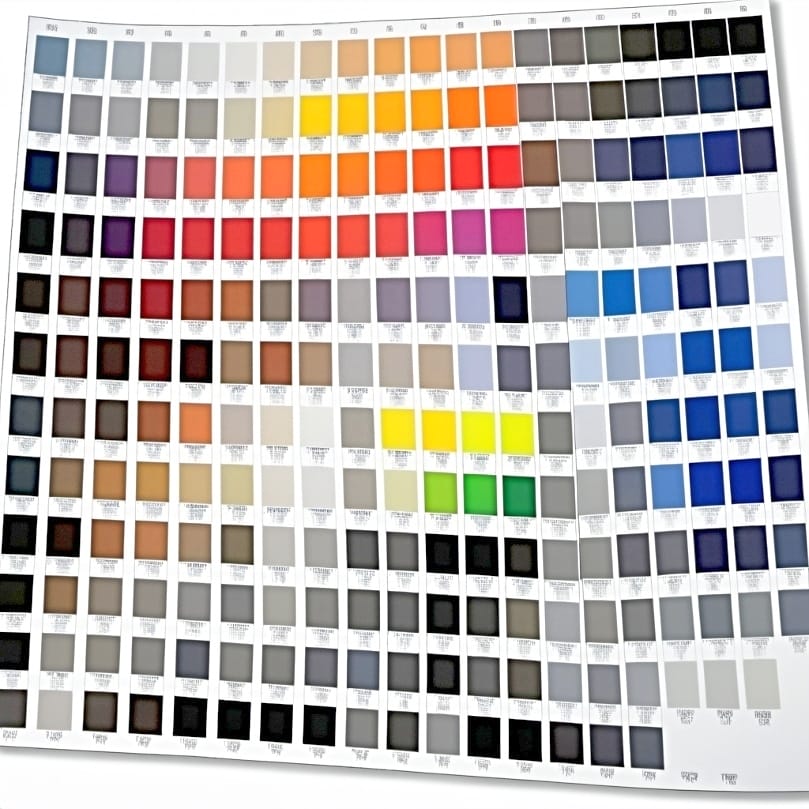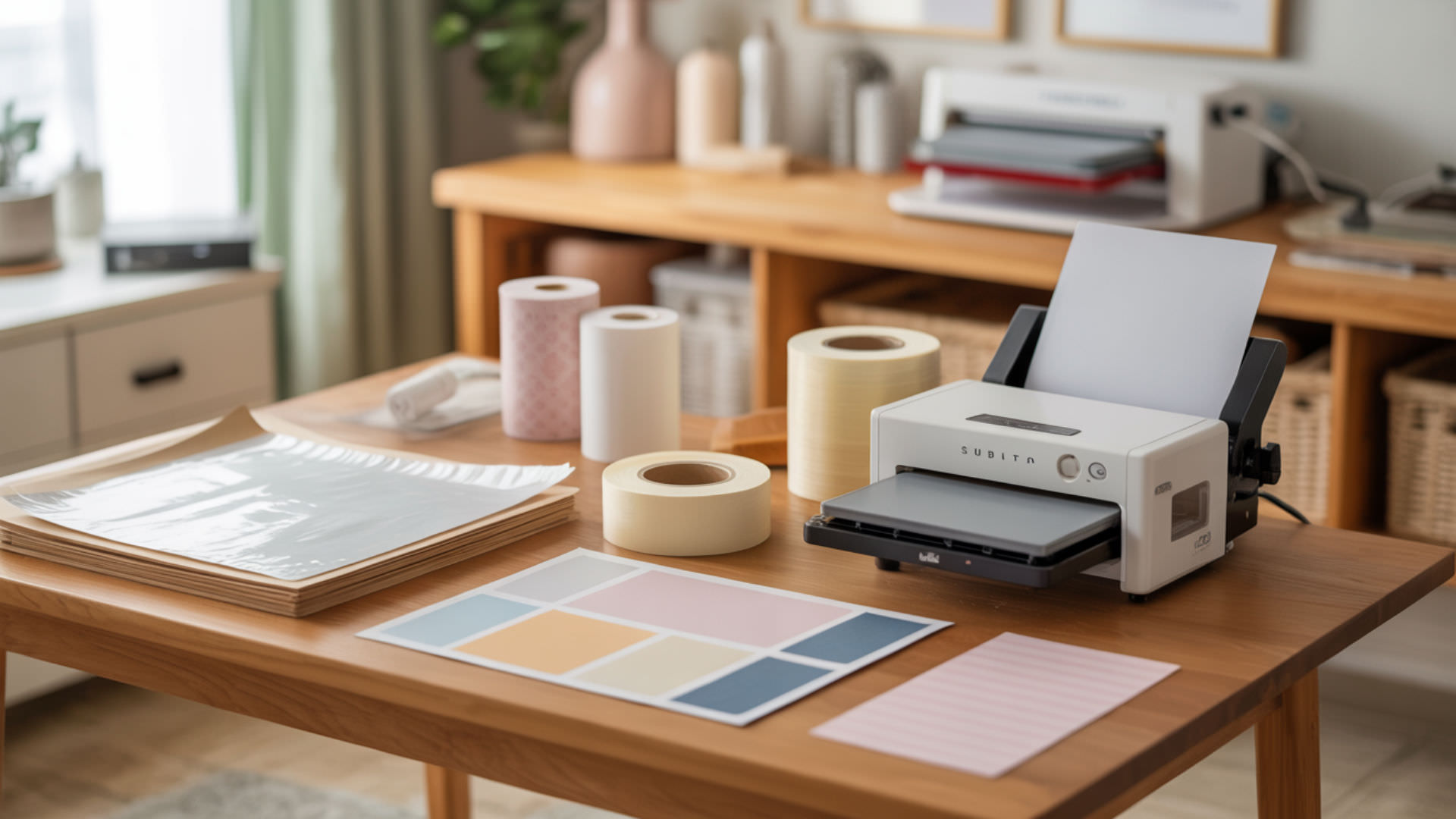
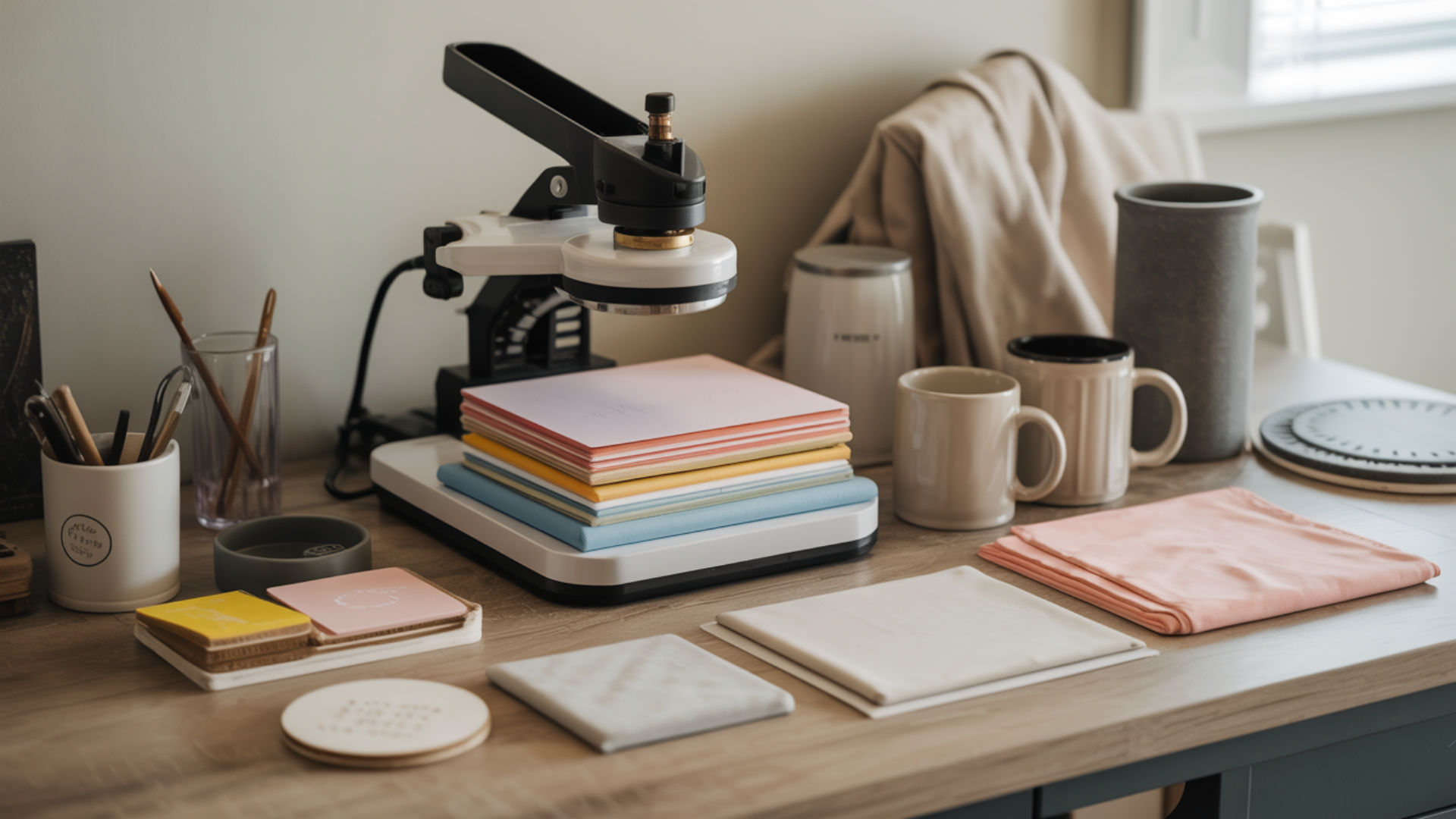
A sublimation heat press is a machine that applies heat and pressure to transfer sublimation ink from paper into polyester fabrics and polymer-coated substrates. Heat converts the sublimation dye from solid directly to gas, bypassing the liquid phase entirely. Pressure ensures the transfer paper maintains stable contact with the substrate, allowing dye molecules to penetrate the surface and bond permanently for vibrant, wash-resistant designs. Sublimation heat presses rely on a phase change where dye converts directly from solid to gas under heat. [1]
Key Takeaways
- Temperature determines when sublimation dye activates—most substrates require 350–400°F for complete conversion.
- Time (dwell time) controls dye penetration depth—longer pressing increases color saturation and durability.
- Medium pressure around 40 PSI prevents paper shifting that causes ghosting and double images.
What Can You Use Instead of Sublimation Heat Tape?
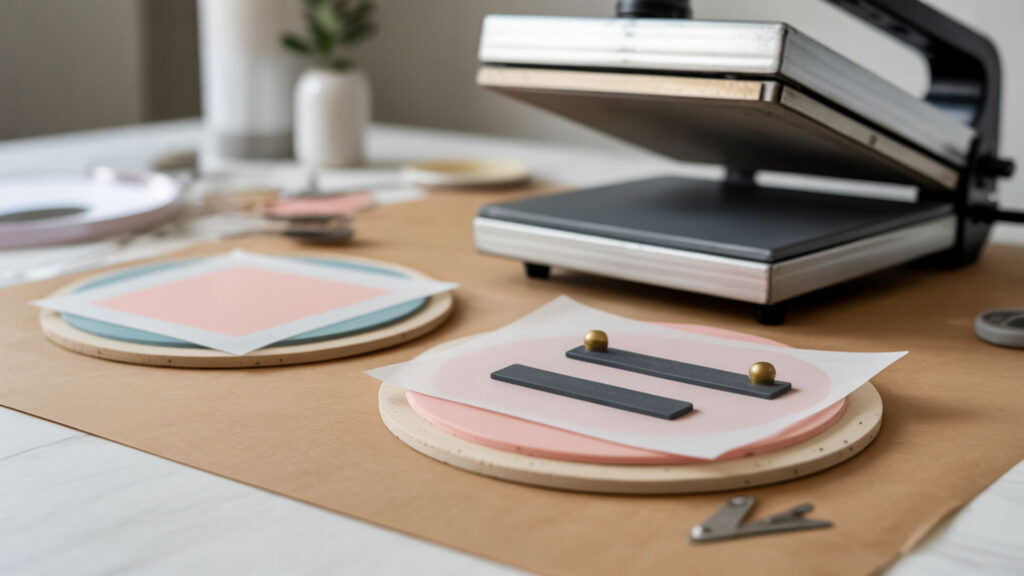
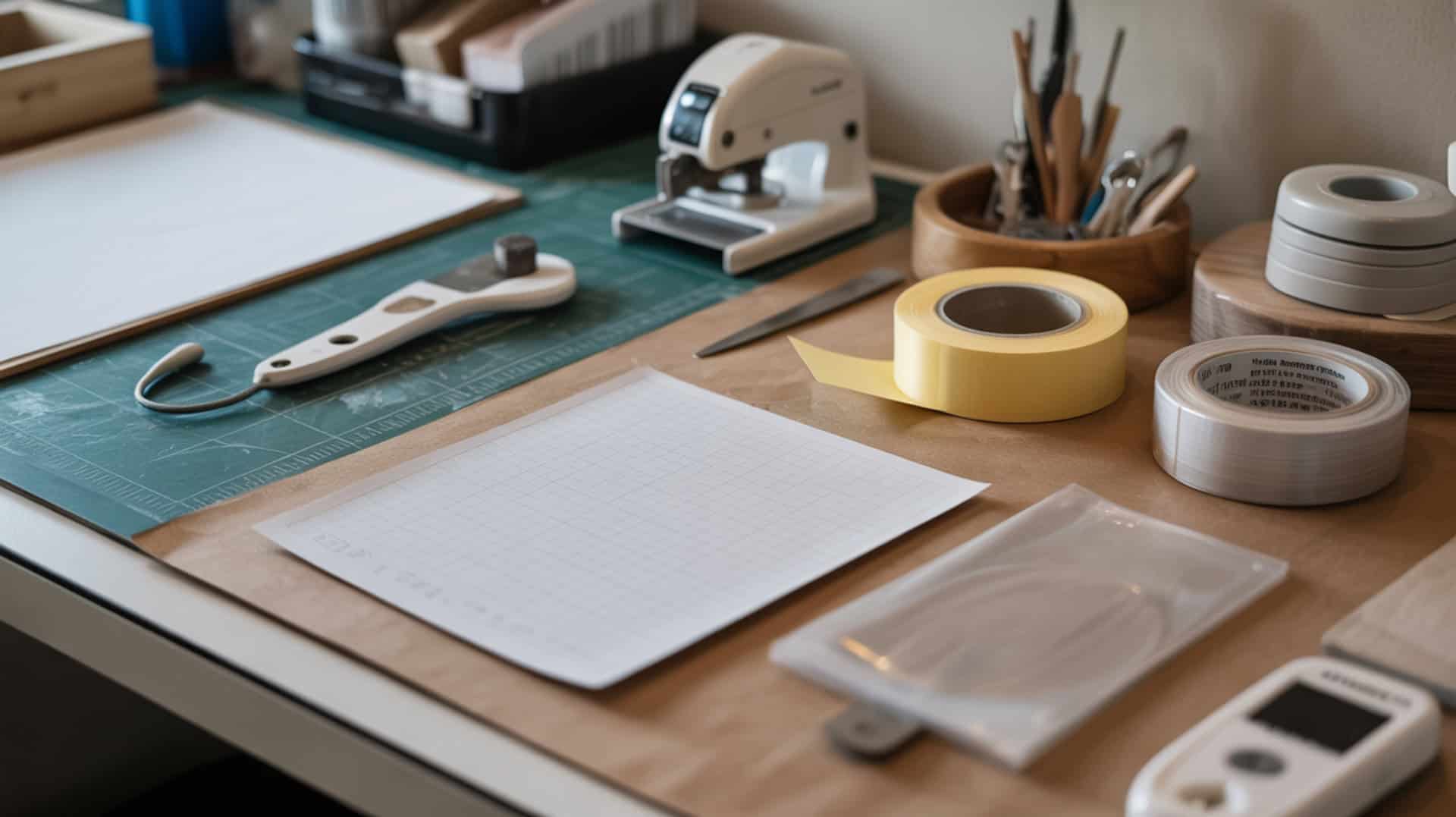
Alternatives to heat tape must provide strong tack to prevent paper shifting while maintaining heat stability under press temperatures. Pressure-sensitive adhesive products designed for high temperatures can secure transfers without melting or leaving residue. Silicone-based adhesive options offer superior thermal resistance compared to standard tapes. Since pressure-sensitive adhesive selection affects both transfer quality and cleanup, our guide on sublimation heat tape alternatives covers safe substitutes and their performance characteristics.
Household Alternatives That Work Safely
Household alternatives must balance adhesion strength for surface bonding during pressing with cohesion that prevents residue after removal. Strong adhesion holds paper securely under heat and pressure, while weak cohesion causes the adhesive to separate and leave sticky deposits on substrates. Painter’s tape and masking tape work for lower temperatures but risk residue above 350°F.
Pros and Cons of Different Securing Methods
Rubber-based adhesive tapes offer strong initial tack but low heat resistance causes browning and potential scorching under platen heat above 300°F. Acrylic-based adhesive provides moderate heat resistance but may yellow over time with repeated heat exposure. Both adhesive types leave more residue than silicone alternatives when temperatures exceed their rated thresholds.
When to Invest in Proper Heat Tape
Silicone-based adhesive heat tape maintains high thermal stability at sublimation temperatures without degrading, melting, or leaving residue. This thermal stability ensures press safety by preventing adhesive failure that causes paper movement and ghosting. Invest in proper heat tape when working regularly with temperatures above 350°F or producing items for sale where consistency matters.
Which Heat Press Machines Work Best for Sublimation?
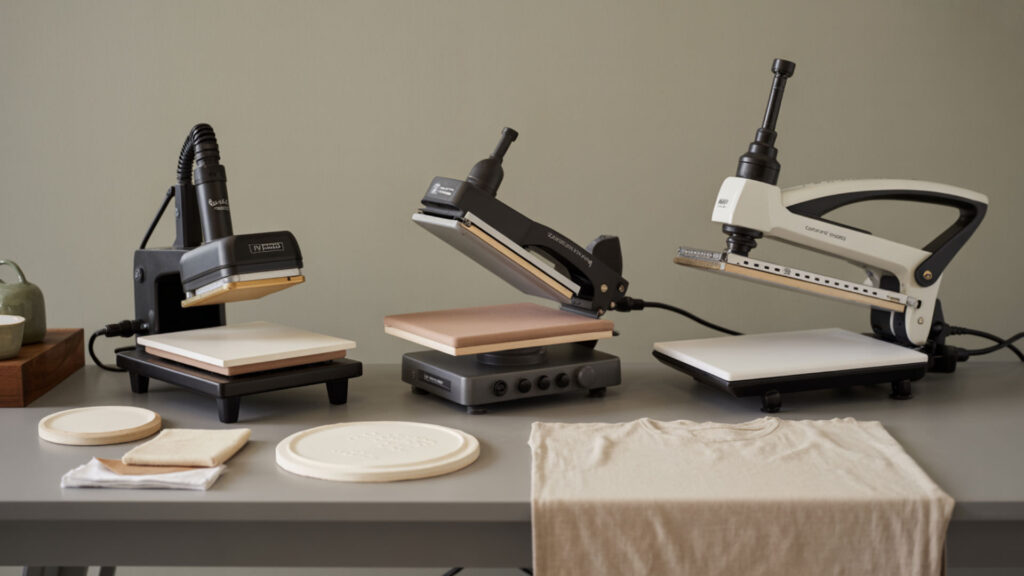
The three main heat press styles—clamshell press, swing-arm press, and pneumatic press—differ in how they apply pressure and heat to substrates. Clamshell presses risk uneven pressure due to their hinge angle affecting contact across the platen surface. Swing-arm presses provide even downward pressure for more uniform results, while pneumatic presses use air pressure for consistent, repeatable force on every press. Because swing-arm press designs and pneumatic systems affect output quality significantly, our guide on best heat press machines for sublimation compares features and price points.
⫸ Click Here For Best Selling Sublimation Printers And Products ⫷Clamshell vs Swing-Away vs Draw Styles
Manual heat press machines require hand force to close, which introduces variable clamping pressure that affects transfer consistency between presses. Automatic heat press models provide consistent timing and pressure through automated closing mechanisms that eliminate operator variability. Draw-style presses slide out for loading, combining swing-arm pressure benefits with easier access for positioning large or awkward substrates.
Size Considerations for Different Projects
Platen size determines maximum substrate dimensions—15×15-inch platens handle most apparel while larger 16×20-inch or 16×24-inch platens accommodate oversized designs and all-over prints. Larger substrates require even heat coverage across the entire surface to prevent cold spots that produce incomplete transfers. Match platen size to your typical project requirements while allowing room for growth.
Budget vs Professional Grade Options
Professional-grade presses maintain superior thermal stability through better heating elements and insulation, producing steady temperatures throughout long production runs. Consistent pressure from quality mechanisms ensures image consistency across hundreds of transfers. Budget presses work for hobbyists and occasional use, but temperature fluctuations and pressure inconsistencies become problematic at production volumes.
What Are the Essential Heat Press Settings for Sublimation?

The three essential settings—temperature, time, and pressure—work together to produce successful sublimation transfers. Temperature must reach the dye activation threshold (typically 350–400°F) where sublimation ink converts to gas. Time allows complete gas diffusion into the substrate, while pressure prevents paper shifting that causes ghosting. Since temperature requirements vary significantly by material type, our sublimation heat press settings guide provides detailed breakdowns for fabrics, ceramics, metals, and hard substrates. Temperature, time, and pressure work together to control energy transfer during sublimation. Temperature, time, and pressure work together to determine how heat moves through materials during sublimation.The U.S. Department of Energy explains that heat transfer controls the distribution of thermal energy, helping clarify why precise heat press settings affect transfer results.[2]
Temperature, Time, and Pressure Basics
Thermal energy drives the sublimation process by enabling dye gas formation when temperatures reach activation thresholds. The substrate must achieve thermal equilibrium—uniform heat throughout its thickness—before dye transfer completes properly. Polyester fabric typically requires 400°F for 35–45 seconds at medium pressure, while hard substrates like ceramic and metal need 60–180 seconds at similar temperatures.
Adjusting Settings for Different Materials
Materials with high thermal conductivity like aluminum spread heat rapidly and reach pressing temperature quickly, requiring shorter warm-up periods. Substrates with higher specific heat capacity—ceramics and glass—require longer press times because they absorb more thermal energy before reaching equilibrium. Adjust time rather than temperature when fine-tuning results for new materials.
Troubleshooting Common Setting Issues
Thermal resistance from protective layers, thick substrates, or uneven surfaces creates cold spots where dye fails to transfer completely. Thermal decomposition occurs when excessive heat damages the polyester fibers or polymer coating, causing scorching, yellowing, or texture changes. Reduce temperature by 10–15°F if scorching occurs; increase time by 10–15 seconds if colors appear washed out.
Can You Really Use a Flat Iron for Sublimation Projects?
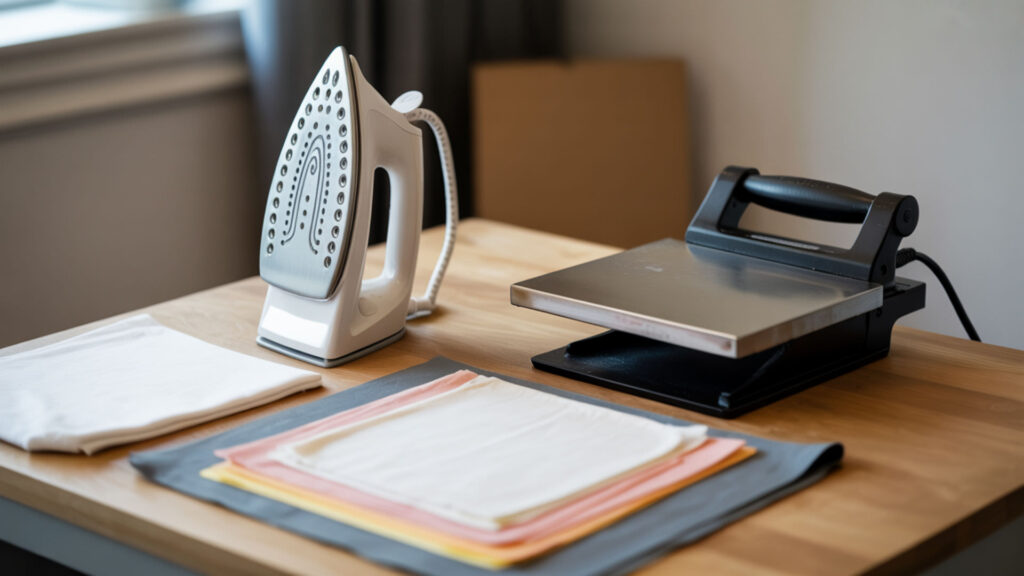
A household iron can technically perform sublimation transfers, but significant limitations affect results. The thermostat in flat irons fluctuates heavily rather than maintaining steady temperature, causing inconsistent dye activation. The soleplate creates uneven heat distribution with hot and cold zones across its small pressing area. Since household iron techniques require specific approaches to achieve acceptable results, our guide on sublimation printing using flat iron covers methods and realistic expectations.
Small Project Applications and Limitations
Steam iron models introduce moisture that disrupts sublimation by interfering with dye gas formation and transfer. A dry iron provides cleaner heat without steam contamination, making it marginally more suitable for small sublimation projects. Both types limit you to items smaller than the soleplate—typically patches, small labels, or test pieces rather than full garments.
Temperature Control Challenges
Flat iron thermostat cycling causes temperature fluctuations of 50°F or more during pressing, leading to under- or over-pressing depending on where the heating cycle sits. This temperature difference creates cold spots that produce uneven color saturation and incomplete transfers. Without consistent temperature control, results vary significantly between presses even with identical settings.
When a Flat Iron Makes Sense
Maintaining consistent pressure manually proves difficult because hand force varies throughout the press duration and between different pressing sessions. Small substrates reduce the impact of uneven heating since the entire surface fits within the soleplate’s hottest zone. Flat irons make sense only for testing designs, creating small samples, or occasional hobby projects where investment in proper equipment isn’t justified.
How Do You Set Up a Heat Press for Tumblers?
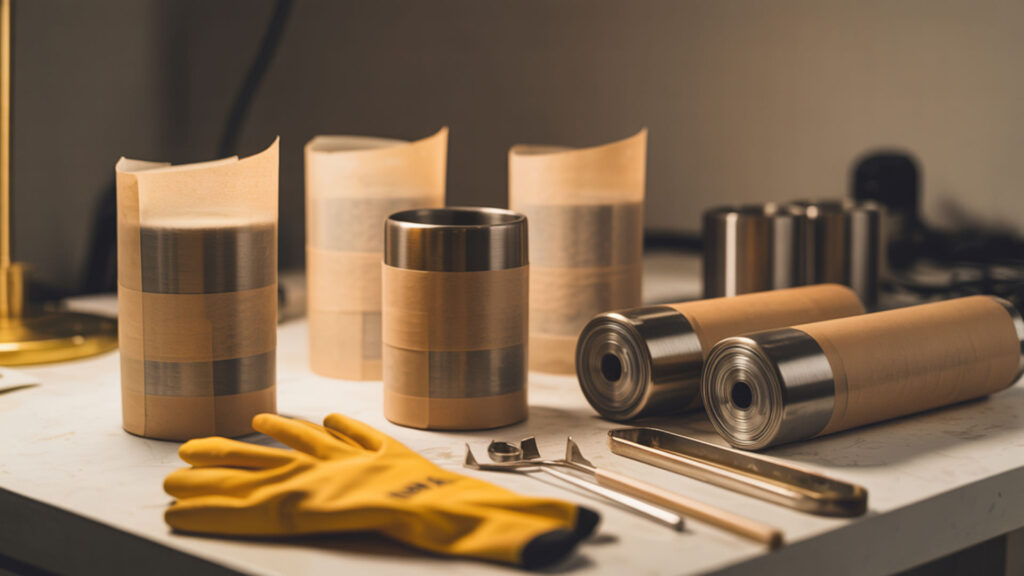
Tumbler pressing requires equipment that conforms to curved surfaces while maintaining even heat and pressure distribution. A silicone sponge or wrap conforms to tumbler curves, ensuring consistent pressure across the entire circumference. High-temperature silicone materials withstand the longer press cycles tumblers require, while thermal insulation helps maintain consistent heat throughout the process. Because high-temperature silicone selection and wrap techniques significantly affect tumbler results, our sublimation tumbler heat press settings guide covers curved-surface methods in detail.
Tumbler Press vs Convection Oven Methods
Tumbler presses use conduction—direct contact between heated elements and the tumbler surface—for faster heat transfer and shorter press times. Convection ovens surround the tumbler with heated air, providing more even heat distribution but requiring longer processing times (typically 5–7 minutes versus 60–90 seconds). Conduction presses offer speed and efficiency; convection ovens handle multiple tumblers simultaneously.
Achieving Even Heat Distribution
Thermal conductivity of your wrap material determines how evenly heat spreads across the tumbler surface—silicone wraps conduct heat more uniformly than shrink wrap alternatives. Heat flux describes the rate of thermal energy movement into the tumbler; consistent flux prevents hot spots that cause scorching or cold areas with incomplete transfers. Rotate tumblers at the halfway point in convection ovens to ensure even exposure.
Time and Temperature Adjustments for Curves
Curved surfaces require additional time for the entire substrate to reach thermal equilibrium—heat must penetrate evenly from edge to center despite varying contact angles. Standard tumbler settings range from 375–385°F for 45–90 seconds in presses or 6–7 minutes in convection ovens at 370–385°F. Achieving thermal equilibrium ensures consistent edge-to-center color without hot spots or incomplete transfers.
How Does the Cricut Easy Press Perform for Sublimation?
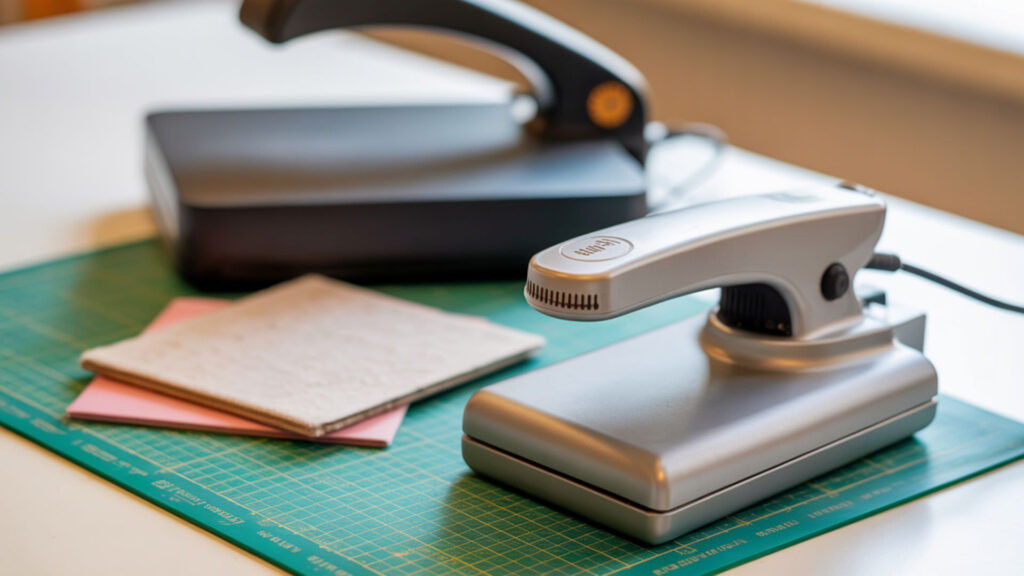
The Cricut Easy Press provides a portable alternative to traditional heat presses, but limitations affect sublimation performance. The flat platen design requires hand-applied force, which creates inconsistent pressure that can cause edge fading and incomplete transfers. The heating element can produce mild hotspots across the pressing surface. Since platen size and pressure limitations shape what the Easy Press can accomplish, our Cricut Easy Press review examines capabilities and workarounds for sublimation projects.
Easy Press Features and Capabilities
The heating element in Easy Press models provides reasonable temperature spread across the platen surface, reaching sublimation-appropriate temperatures up to 400°F. Thermal stability varies by model—newer versions maintain more consistent temperatures than earlier releases. The device excels for heat transfer vinyl but requires technique adjustments for sublimation work due to pressure limitations.
Size Limitations and Work-Around Solutions
Platen size limits project dimensions—the largest Easy Press covers 12×10 inches, smaller than standard heat press platens. Substrate edges often receive less pressure and heat coverage, resulting in faded or incomplete transfers at design boundaries. Work around size limits by pressing in sections with overlap, though this requires careful alignment to avoid visible seams.
Comparing Easy Press to Traditional Heat Presses
Traditional heat presses outperform Easy Press for pressure consistency because mechanical or pneumatic systems apply uniform force without operator variability. Conduction efficiency is higher in fixed presses where both platens contact the substrate simultaneously, transferring heat from above and below. Easy Press suits hobbyists and occasional users; serious sublimation work benefits from dedicated heat press equipment.
Final Thoughts
Successful sublimation depends on proper heat to activate dye conversion and consistent pressure to ensure crisp, ghost-free transfers. Understanding how different equipment options handle these requirements helps you choose the right setup for your project types and production volume. Whether starting with budget equipment or investing in professional-grade presses, mastering temperature, time, and pressure relationships produces vibrant, durable results.
Frequently Asked Questions
What’s the minimum heat press size I need for sublimation projects?
A 15×15-inch platen handles most standard sublimation projects including t-shirts, mousepads, and medium-sized items. Smaller 9×12-inch presses work for baby clothes, patches, and small accessories. Match your temperature range to sublimation requirements (350–400°F minimum) and ensure even pressure distribution across the entire platen surface.
Can I use my heat press for both sublimation and vinyl projects?
Heat presses work for both sublimation and vinyl transfers since both require temperature and pressure application. Sublimation typically uses higher temperatures (385–400°F) and longer times than vinyl (305–320°F for most HTV). Adjust settings between project types and use appropriate protective sheets to prevent ink or adhesive contamination between different materials.
How do I know if my heat press is reaching the correct temperature?
Use an infrared thermometer or temperature strips to verify actual platen temperature against the displayed setting. Many presses read 15–25°F off from true temperature. Check multiple locations across the platen to identify hot or cold spots. Calibrate adjustments by noting the difference between displayed and actual readings, then compensate in your settings.
Is it worth buying a used heat press for sublimation?
Used heat presses can provide value if the heating element maintains consistent temperature and pressure mechanisms function properly. Inspect the platen for warping, scorching, or uneven wear that indicates thermal problems. Test temperature accuracy across the entire surface before purchasing—degraded heating elements produce inconsistent results that waste materials and produce inferior transfers.
What’s the difference between a heat press and a regular iron for sublimation?
Heat presses provide consistent temperature, even pressure, and large pressing surfaces that household irons cannot match. Iron thermostats fluctuate significantly during use, and manual pressure varies throughout pressing. The platen distributes heat evenly across designs of any size within its dimensions, while iron soleplates create hot and cold zones. Heat presses produce professional, repeatable results; irons work only for small test projects.
References
- Sublimation (phase transition). (2026, January 5). Wikipedia, the free encyclopedia. Retrieved January 13, 2026, from https://en.wikipedia.org/wiki/Sublimation_(phase_transition)?utm_
- Principles of heating and cooling. (n.d.). Energy.gov. https://www.energy.gov/energysaver/principles-heating-and-cooling