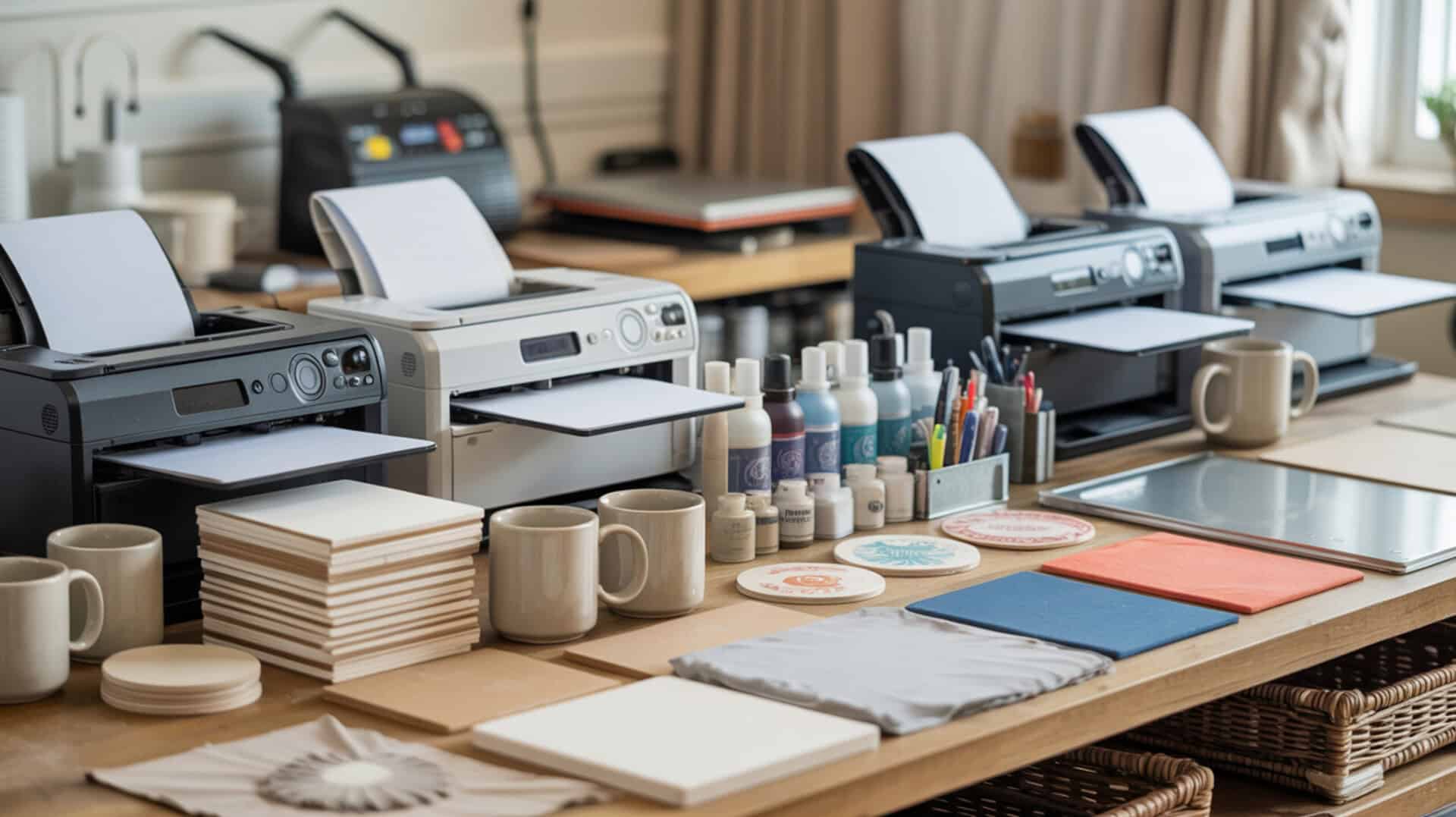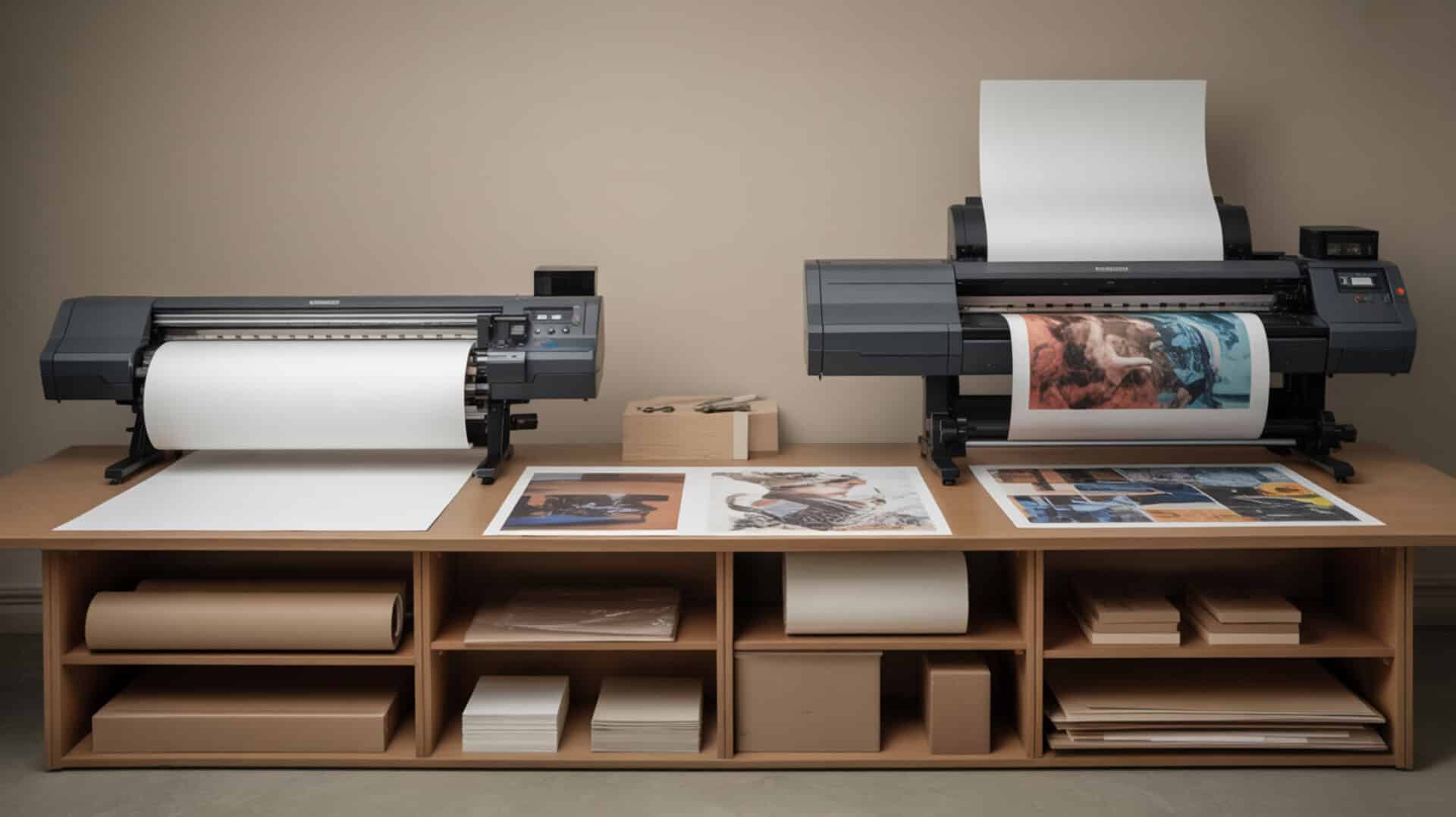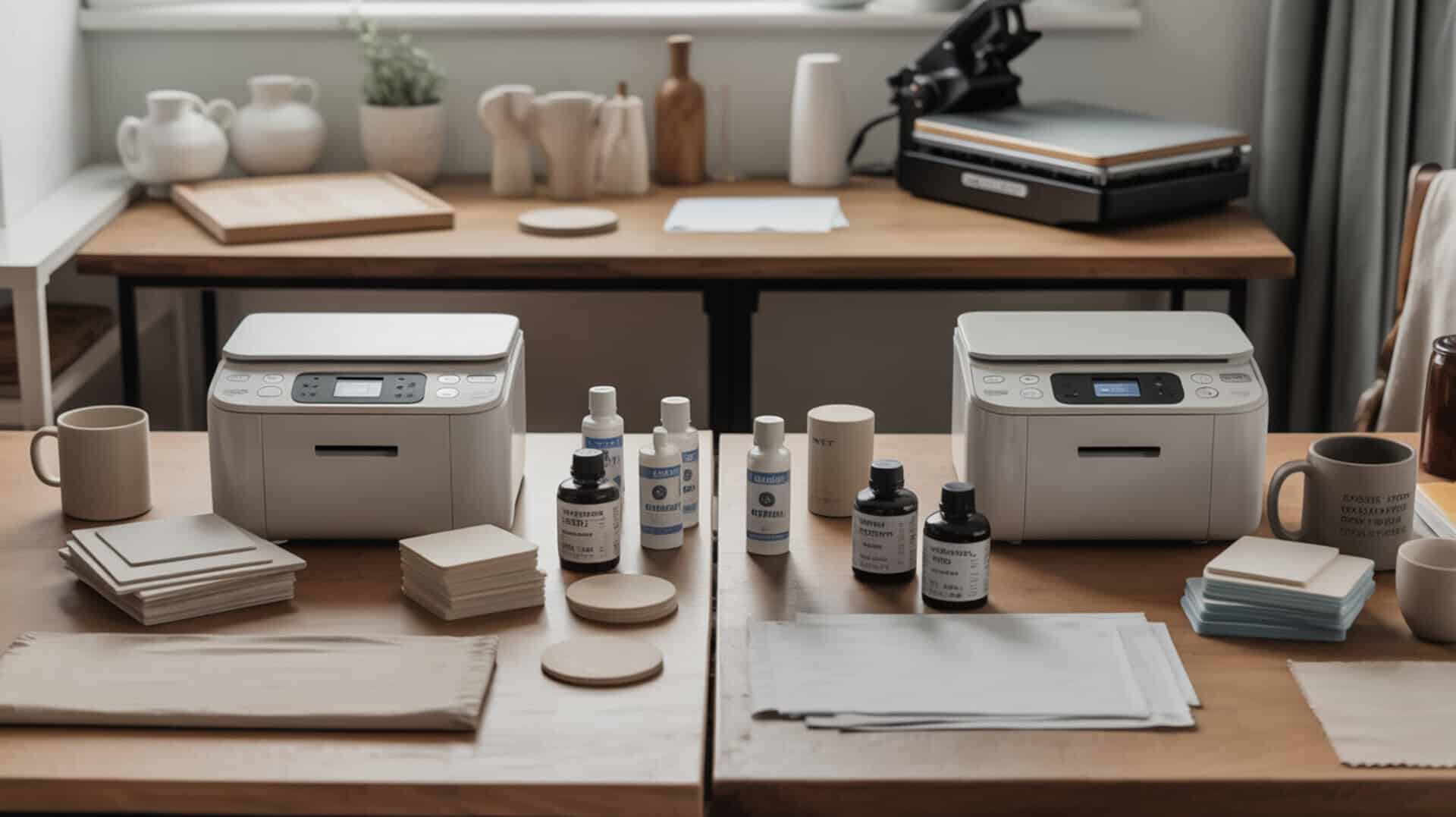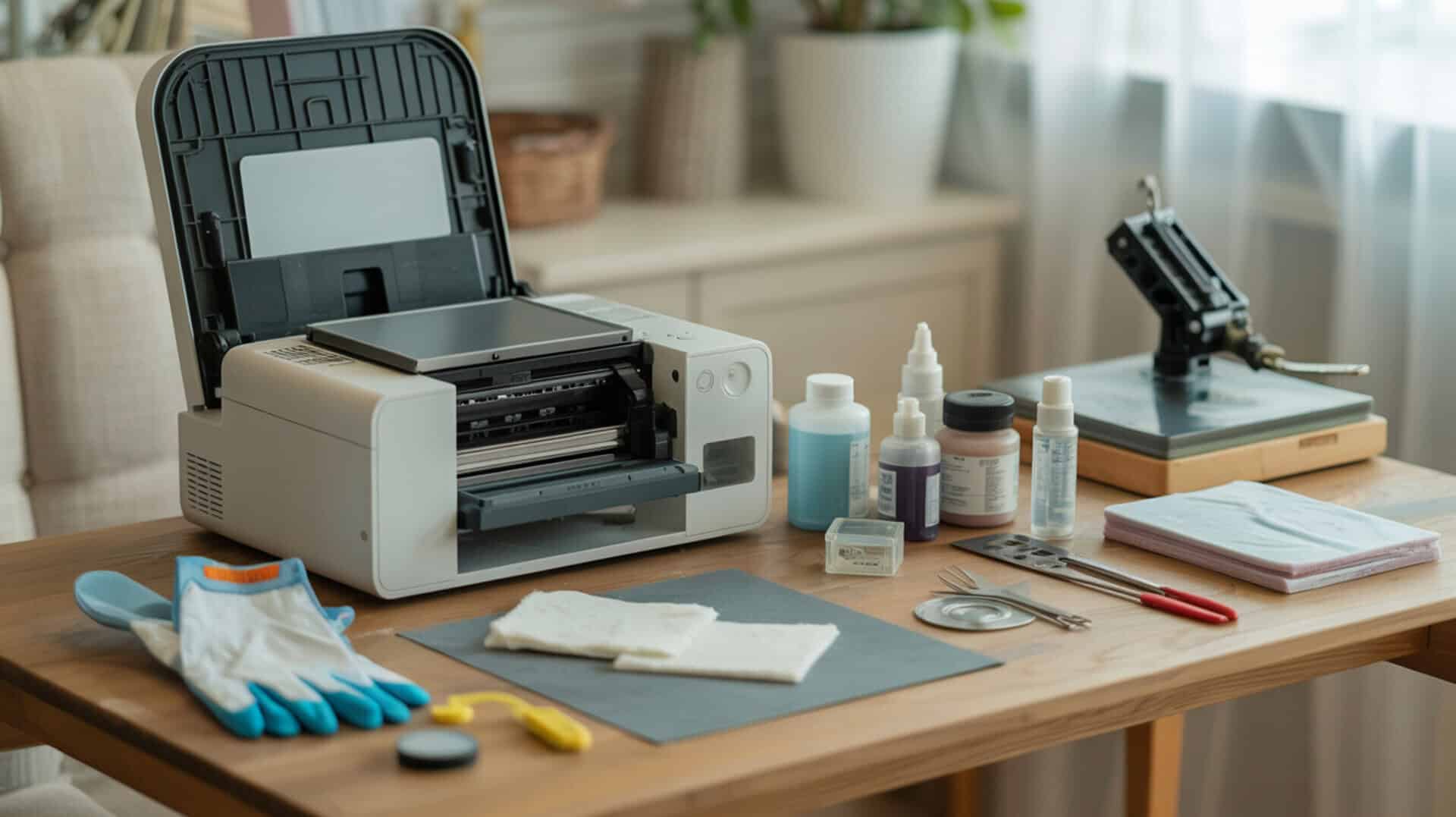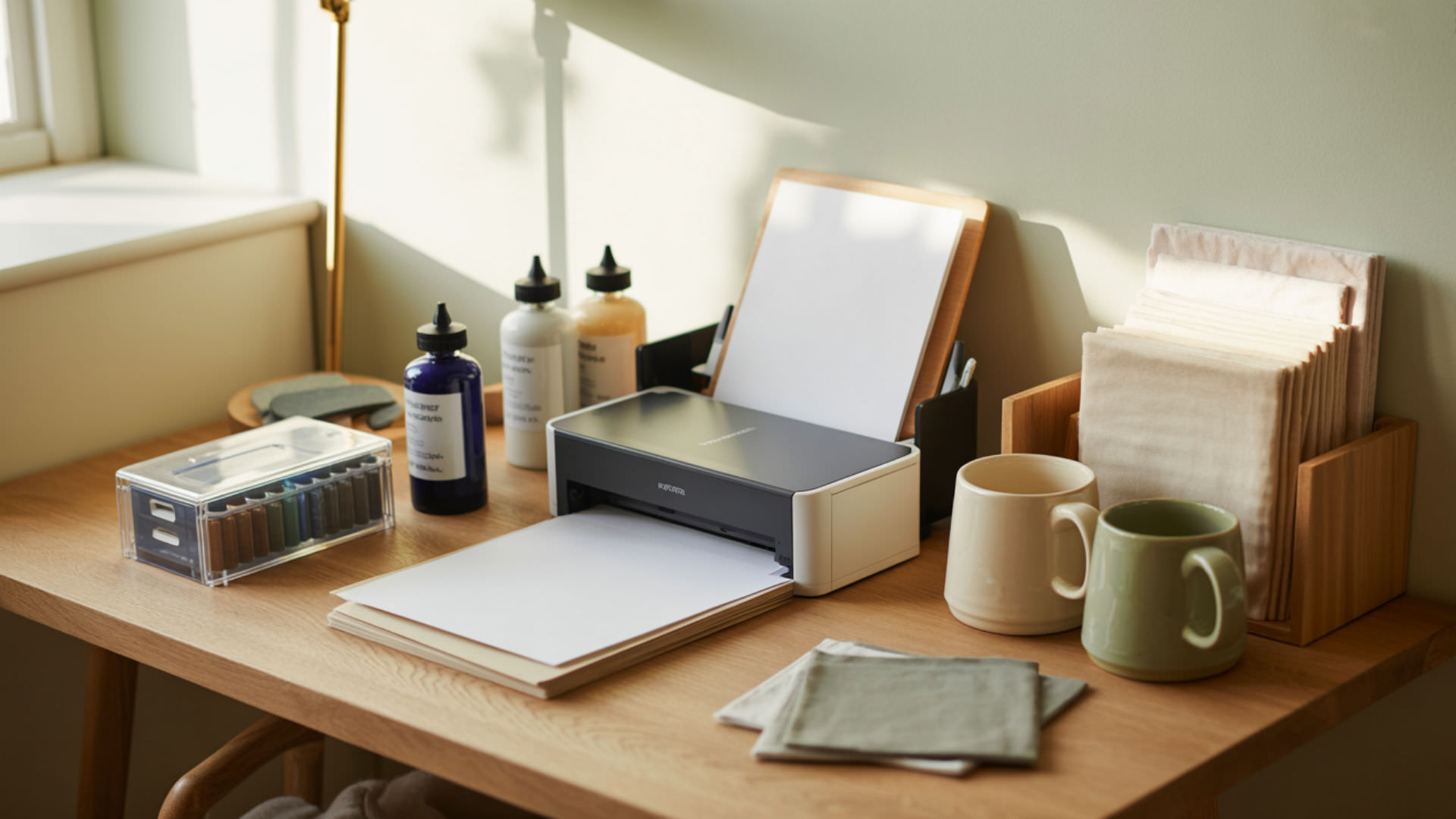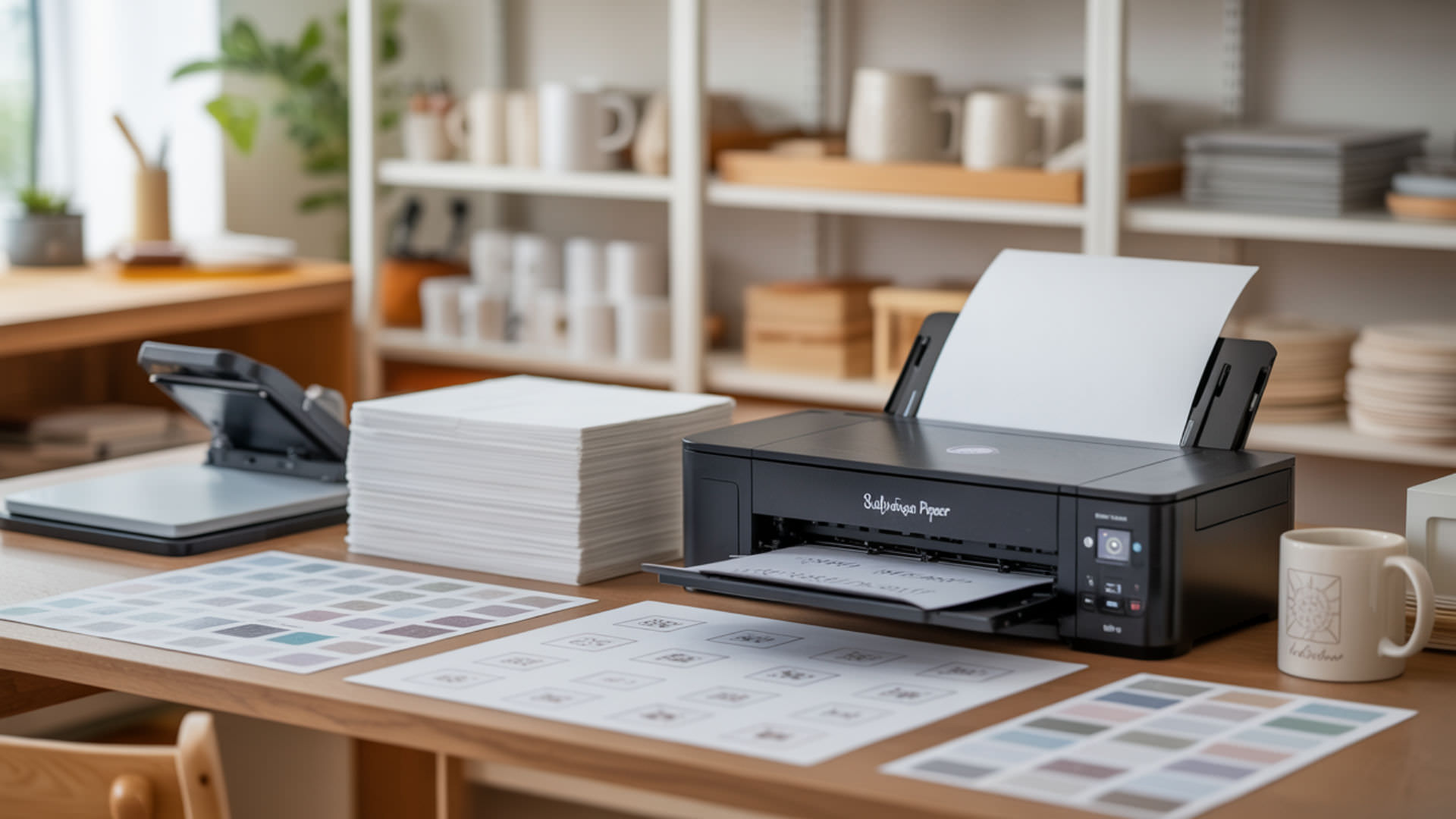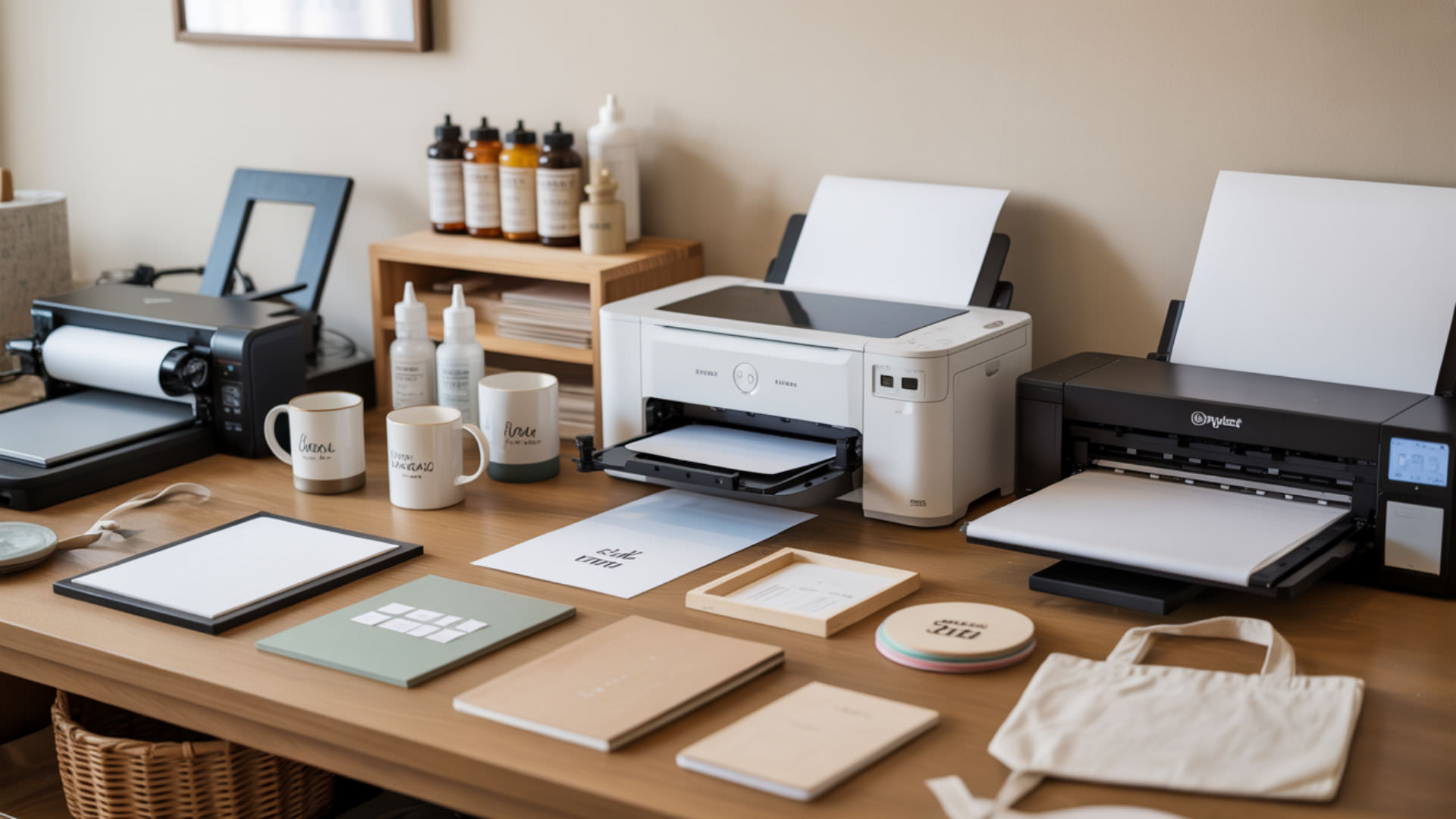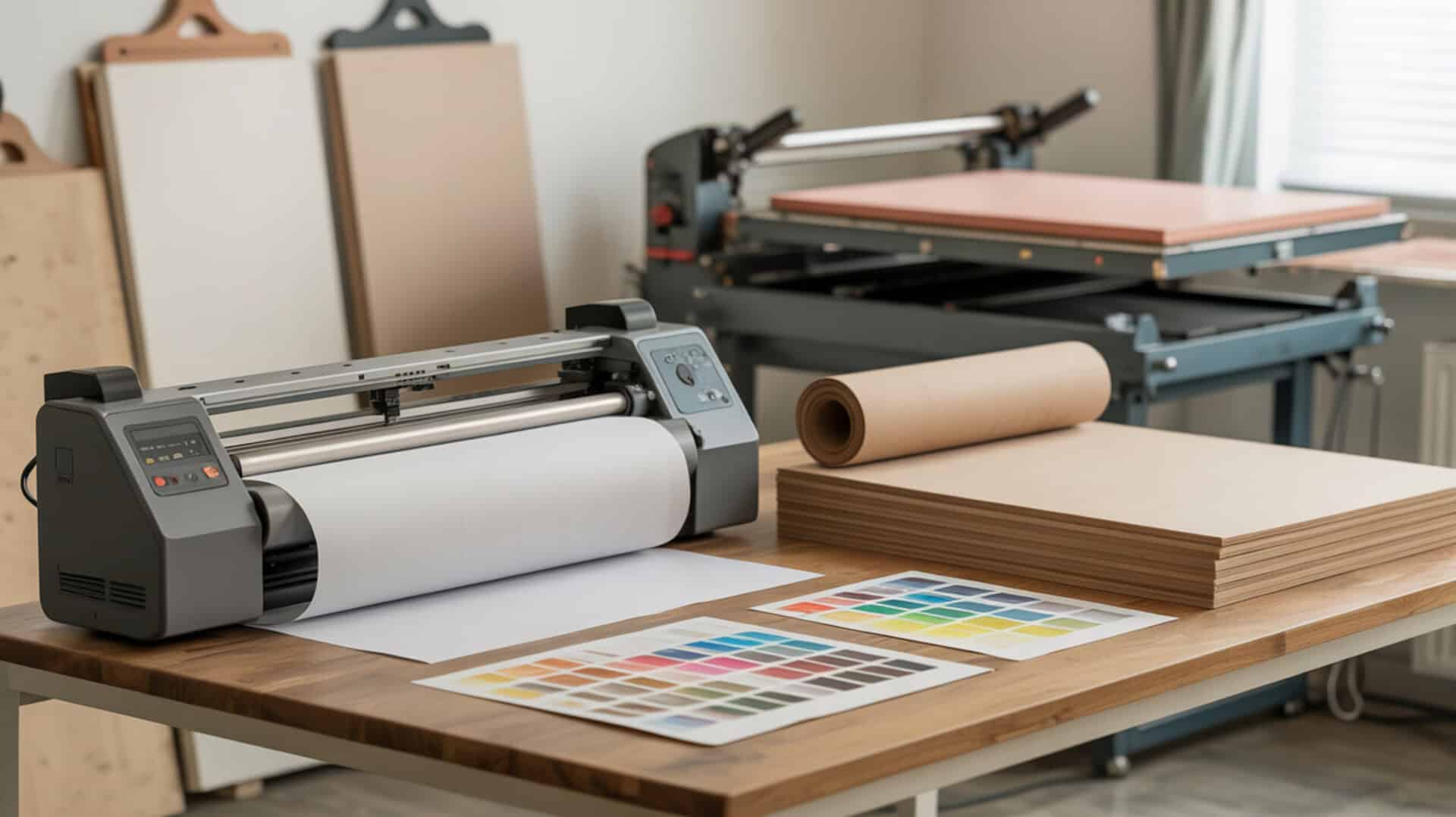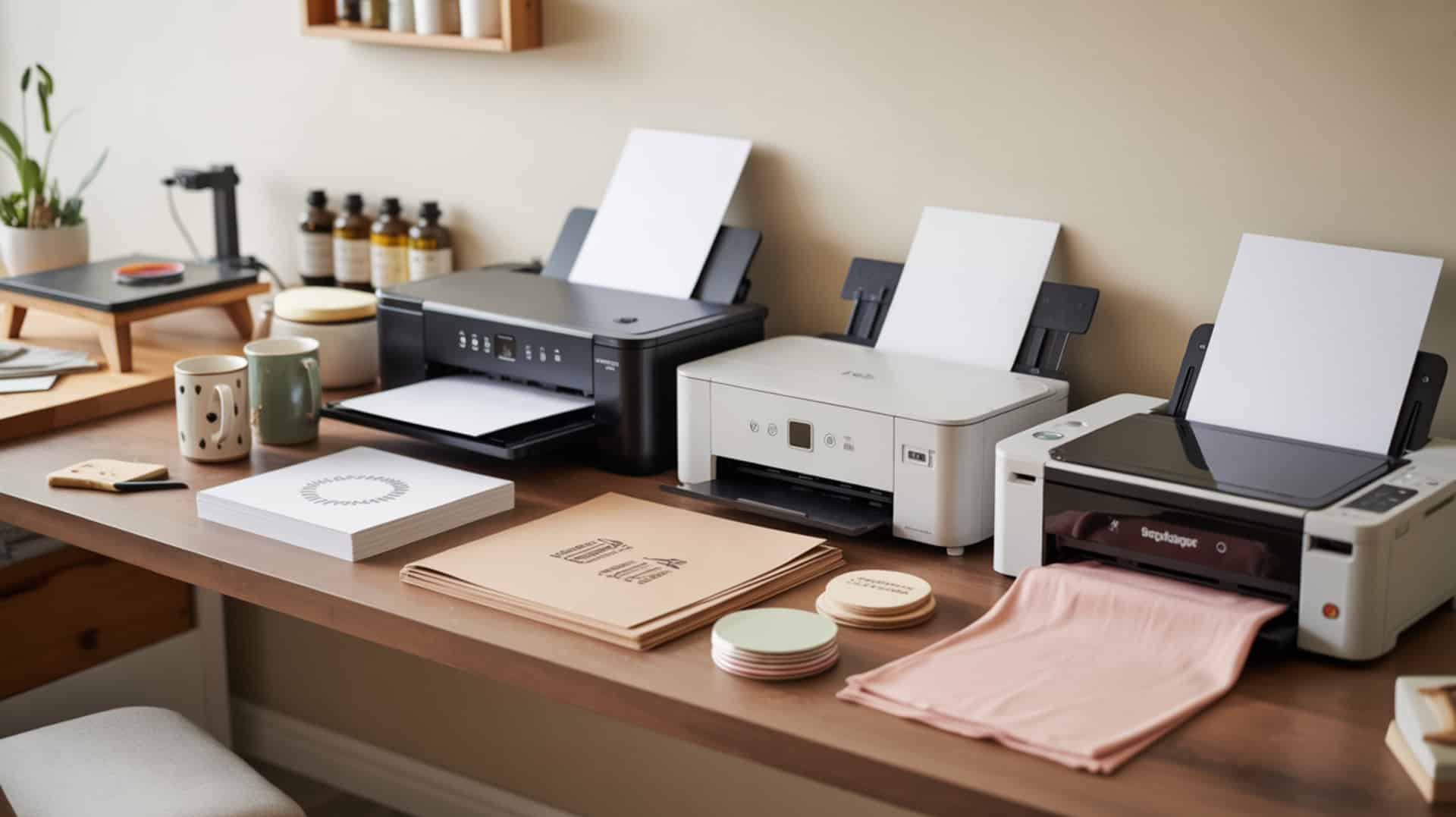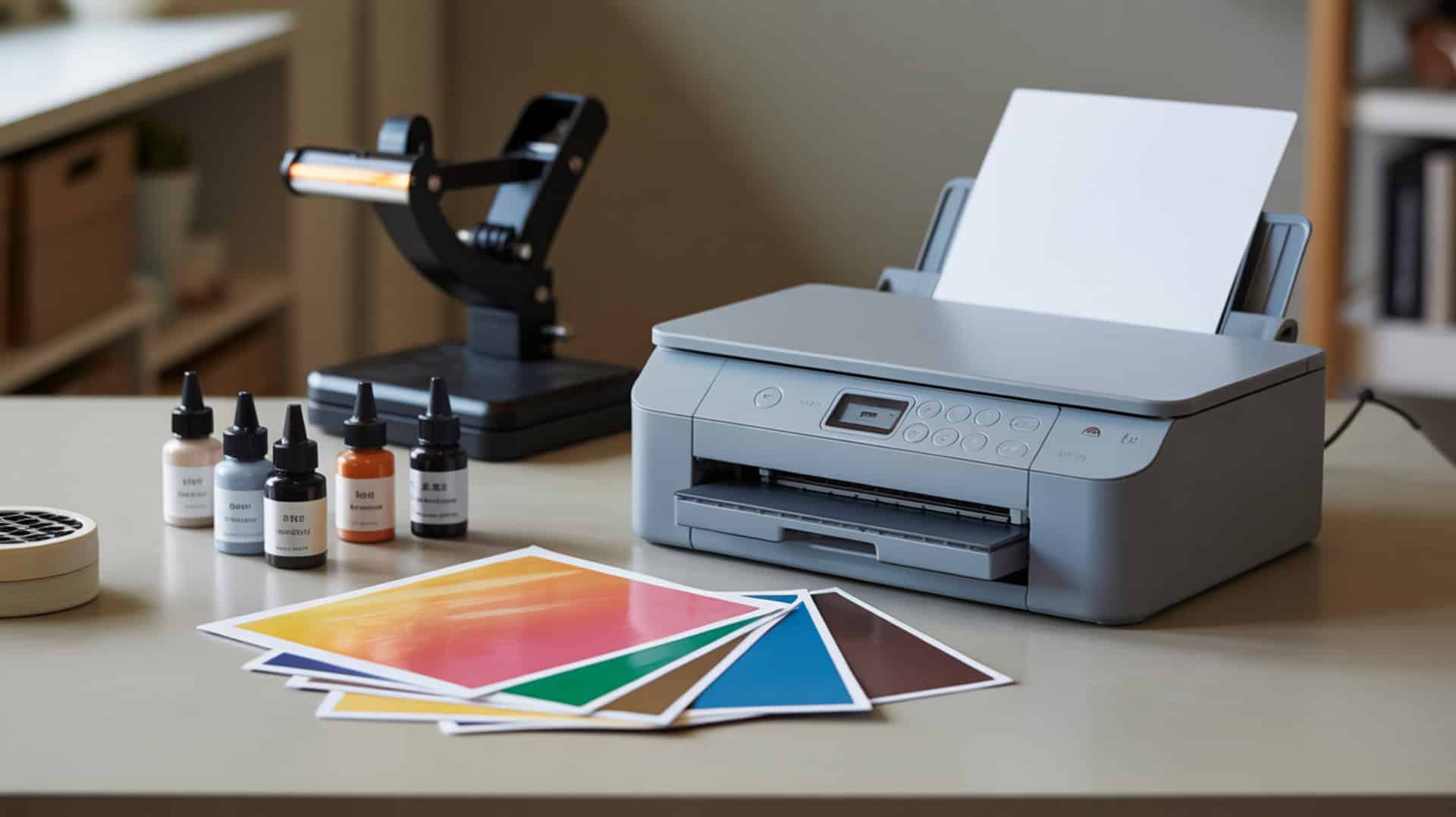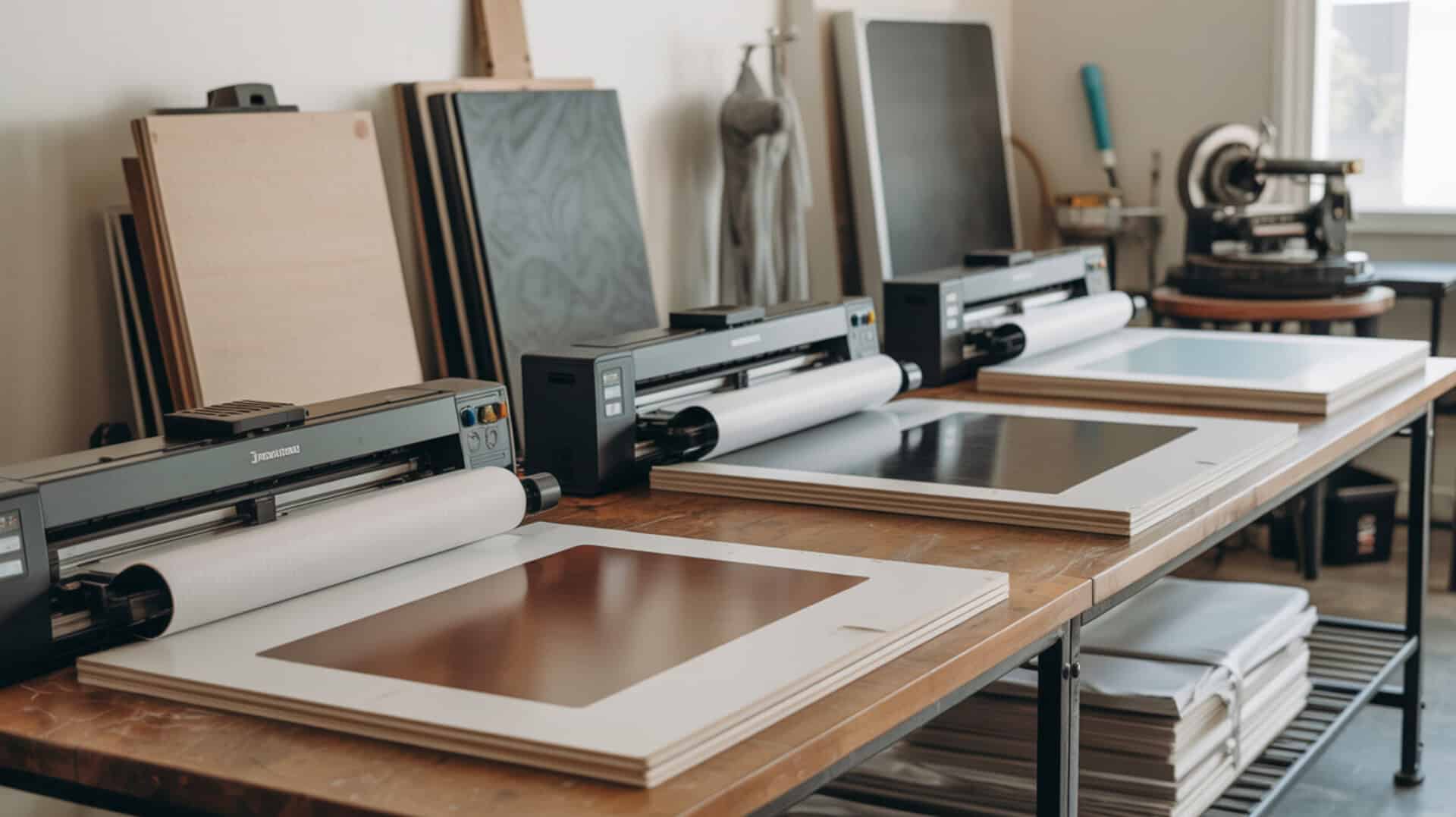
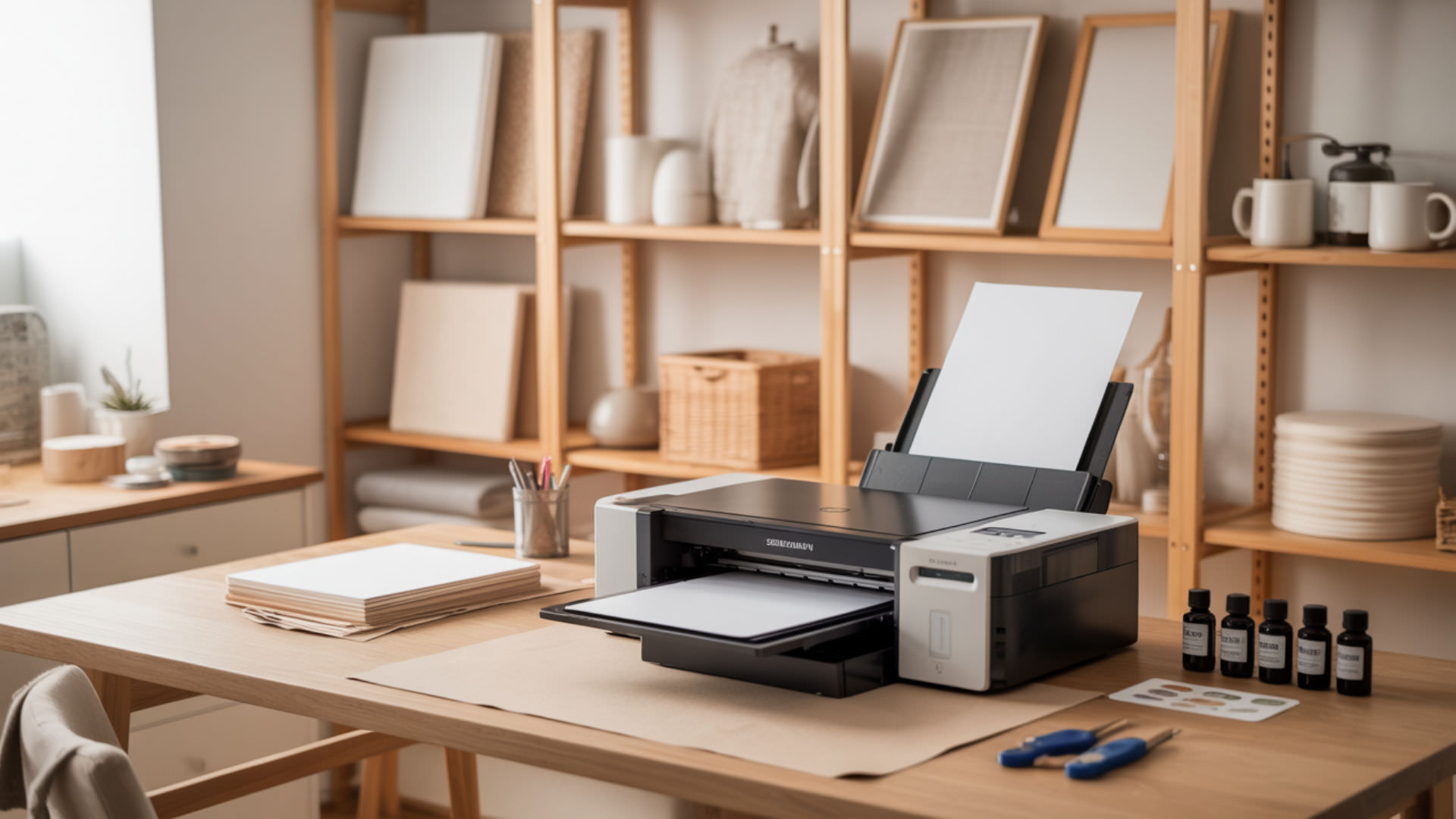
Maintaining sublimation printers requires controlling humidity and temperature while minimizing idle time that allows dye-sublimation ink to dry inside print head nozzles. Environmental control directly determines how quickly sublimation ink evaporates at the nozzle plate, with low humidity below 40% accelerating drying significantly. Because environmental control forms the foundation of effective printer care, our guide on how to use a sublimation printer covers baseline operational practices that complement these advanced maintenance strategies.
Key Takeaways
- Maintenance cycles run automatically on most printers to prevent nozzle stagnation and keep ink flowing through channels.
- Nozzles are sensitive to dryness and dust buildup, requiring weekly test prints and clean workspace conditions.
- Humidity outside the 40–60% range accelerates clogs and causes color defects from inconsistent ink viscosity. Low relative humidity increases evaporation rates, which causes liquids to dry faster when exposed to air. [1]
How long do sublimation printers last?
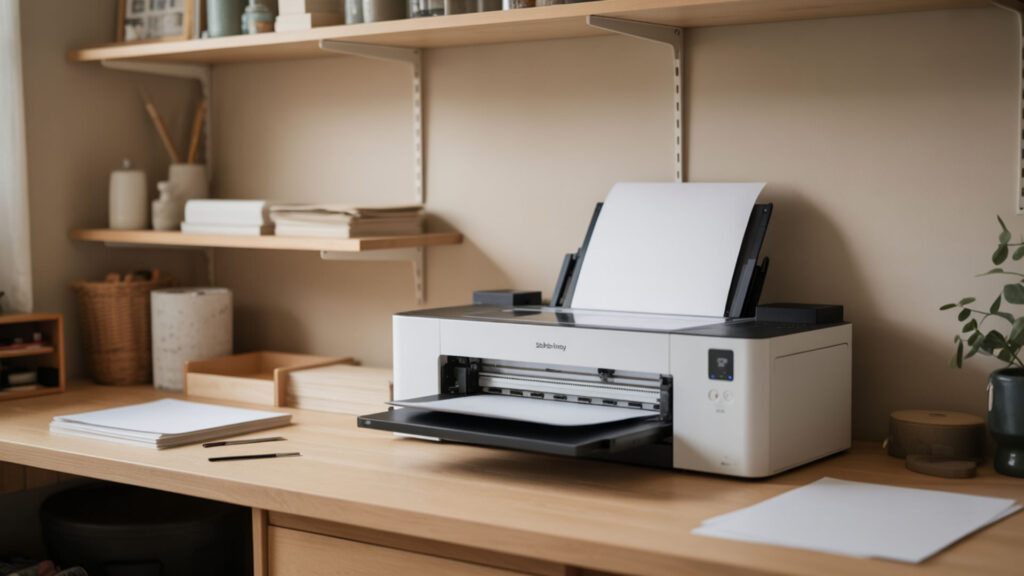
Print head lifespan depends on consistent moisture levels and cleanliness, with well-maintained desktop printers lasting 3–5 years and wide-format models exceeding 5–7 years. Idle time shortens printer life by allowing dye to harden inside nozzles, creating permanent blockages that reduce print quality progressively. Temperature dependence affects ink viscosity—cold environments thicken ink while heat accelerates drying, both increasing head wear. For Sawgrass-specific routines that extend print head longevity through optimized environmental and usage practices, see our guide on how to use Sawgrass sublimation printer.
What is the ideal environment for a sublimation printer?
Humidity between 40–60% reduces nozzle drying and maintains optimal ink viscosity for consistent droplet formation. Temperature dependence requires maintaining workspace conditions between 65–80°F (18–27°C) because temperature shifts alter drying rates and ink flow characteristics. Avoid direct sunlight exposure and position the printer away from heating vents or air conditioning outlets that create localized temperature fluctuations.
Can dust affect printer performance over time?
Dust enters the capping station, rollers, and nozzle area over time, causing smears, banding, and partial clogs that degrade print quality. Static electricity attracts dust and lint particles to the print path, paper feed mechanism, and exposed print head surfaces during operation. Cover the printer when not in use and maintain a clean workspace to minimize airborne particle contamination that compounds with each print session. Fine airborne particles and mist can settle on internal components over time, increasing residue buildup and contributing to maintenance issues in precision equipment. [2]
What impacts the lifespan of sublimation printer heads?
Nozzles directly influence head lifespan—when they clog or dry repeatedly, permanent damage accumulates in the piezo elements responsible for ink ejection. A dirty capping station accelerates drying inside nozzles by failing to create an airtight seal during rest periods. Neglected wiper blade maintenance smears dried ink residue across the nozzle plate surface, potentially scratching delicate nozzle edges and causing misfiring.
How do you keep a sublimation printer from clogging?
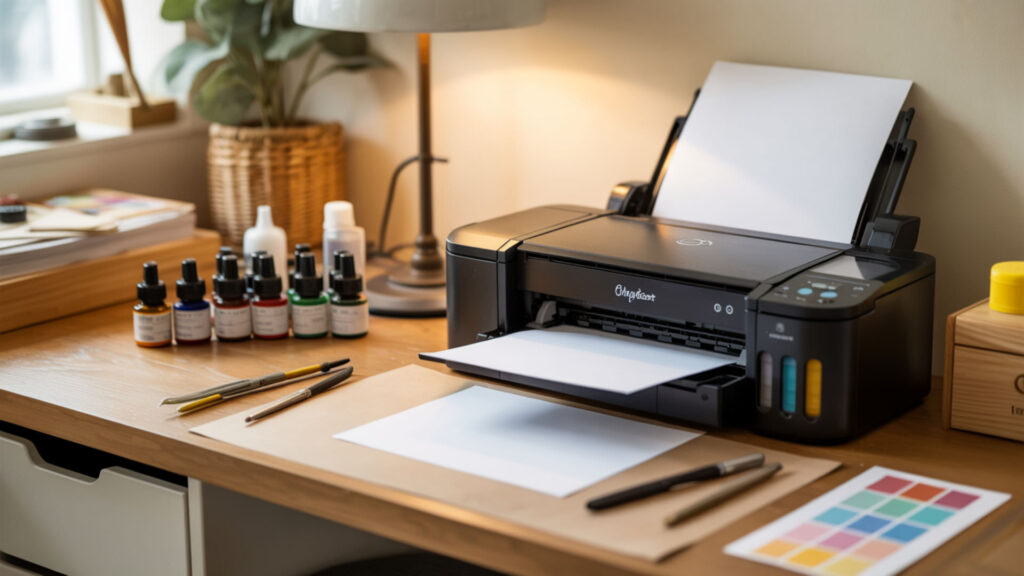
Nozzle cleaning prevents early-stage clog formation by flushing soft deposits before they harden into permanent blockages. Test prints keep ink moving through nozzles regularly—printing a small color pattern weekly maintains flow even during low-production periods. Long idle time beyond 1–2 weeks requires preventive routines including automated maintenance cycles and manual nozzle checks. For deeper clog-clearing procedures when prevention fails, nozzle cleaning techniques are detailed in our guide on how to clean sublimation printer heads.
Should sublimation printers be turned off when not in use?
Leaving sublimation printers powered on allows maintenance cycles to run automatically, clearing minor buildup before it develops into stubborn clogs. The capping station protects print head moisture during idle periods by creating a sealed environment that slows evaporation at the nozzle surface. Powering off for extended periods—especially in low-humidity environments—increases clogging risk because automatic maintenance cannot execute.
Does printing regularly help maintain printer health?
Test prints prevent drying inside nozzles by forcing fresh ink through all CMYK channels at least once weekly. Nozzles benefit from constant ink movement because stagnant dye begins settling and thickening within days of inactivity. A simple color test pattern—using all four channels—takes minimal ink while keeping the entire print head primed for production printing.
How do you store sublimation ink and printed transfers properly?
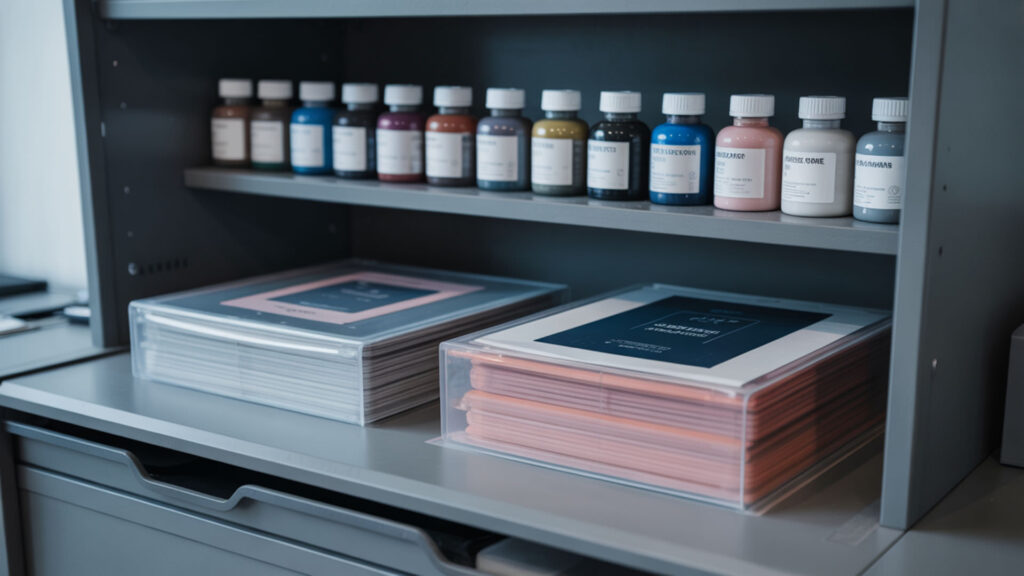
Storage conditions require keeping ink bottles sealed in cool, dark locations between 50–86°F (10–30°C) to prevent premature degradation and color shifting. Dye-sublimation ink is sensitive to temperature extremes—freezing damages dye particles while heat accelerates chemical breakdown. Humidity impacts printed transfers by causing moisture absorption that affects color stability and transfer quality, requiring storage at 40–50% relative humidity with silica gel packets for long-term protection.
How do you avoid ghosting or image transfer defects during sublimation?
Ghosting occurs when the transfer paper shifts during heat pressing or moisture escapes rapidly, causing duplicate shadow images alongside the intended design. Paper feed mechanism issues including curl, skew, or misalignment increase ghosting risk by creating uneven contact between transfer and substrate. Secure transfers with heat-resistant tape, pre-press substrates for 3–5 seconds to remove moisture, and avoid lifting the press until the cycle completes.
How do you prevent color issues caused by improper storage?
Dye reacts to humidity fluctuations and UV light exposure, causing color shifts in stored transfers and fading in sealed ink bottles. Dye aggregation can form inside stored cartridges or bulk ink bottles when temperature changes cause particles to clump together, resulting in inconsistent color output. Store all materials away from windows, use opaque containers for ink, and maintain consistent temperature to prevent thermal cycling that accelerates aggregation.
How do you maintain a printer for sublimation step-by-step?
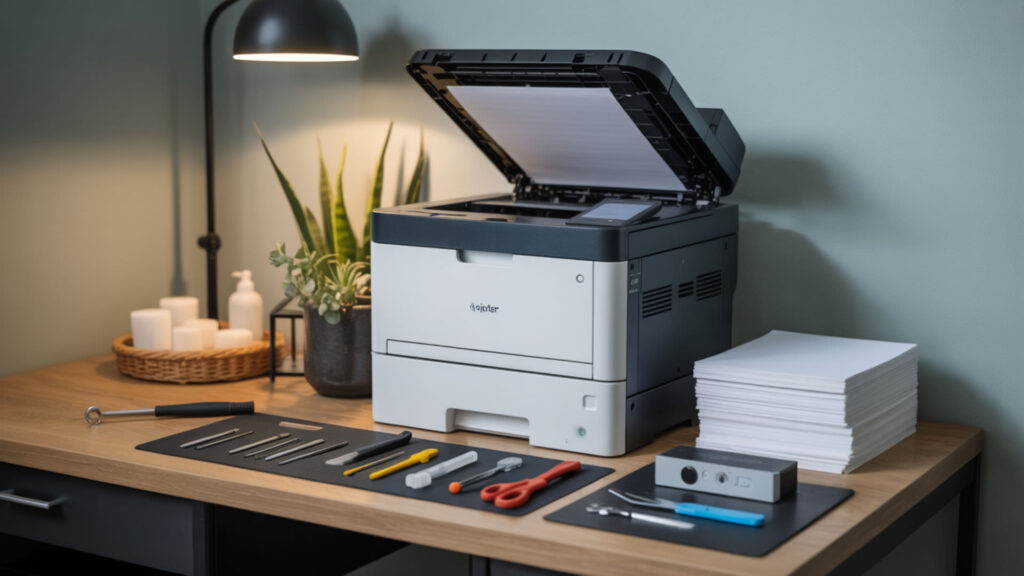
Run maintenance cycles through the printer software weekly—this automated routine keeps nozzles clear with minimal ink consumption. Clean the wiper blade monthly using a lint-free cloth dampened with distilled water to remove dried ink buildup that transfers back onto the print head. Monitor the waste ink reservoir level through printer diagnostics or visual inspection to prevent overflow that damages internal components. Professional maintenance kits include wiper blade cleaning tools, syringes, and cleaning solutions—see our best sublimation printer maintenance kit guide for recommended products.
How do different printer sizes affect maintenance needs?
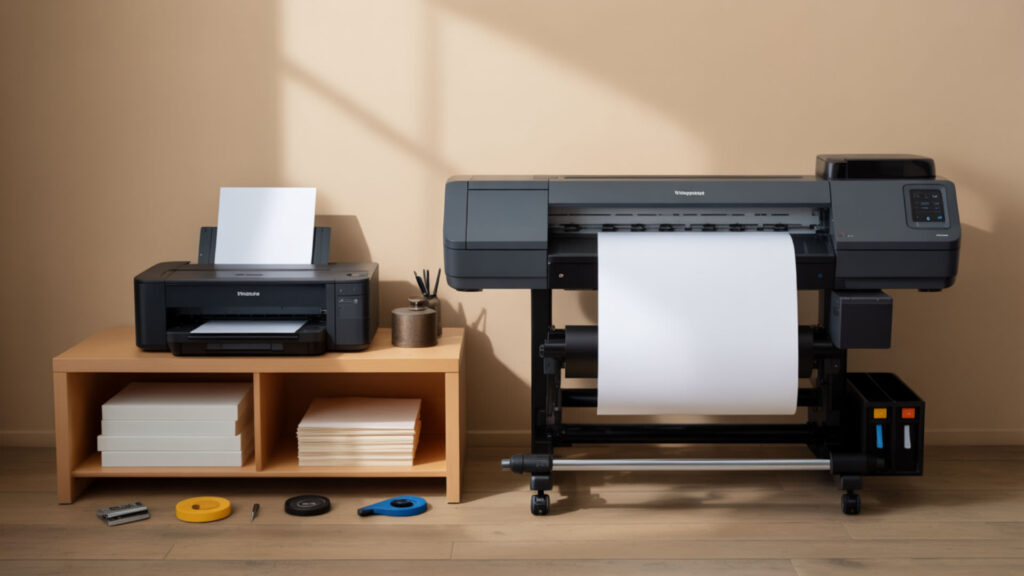
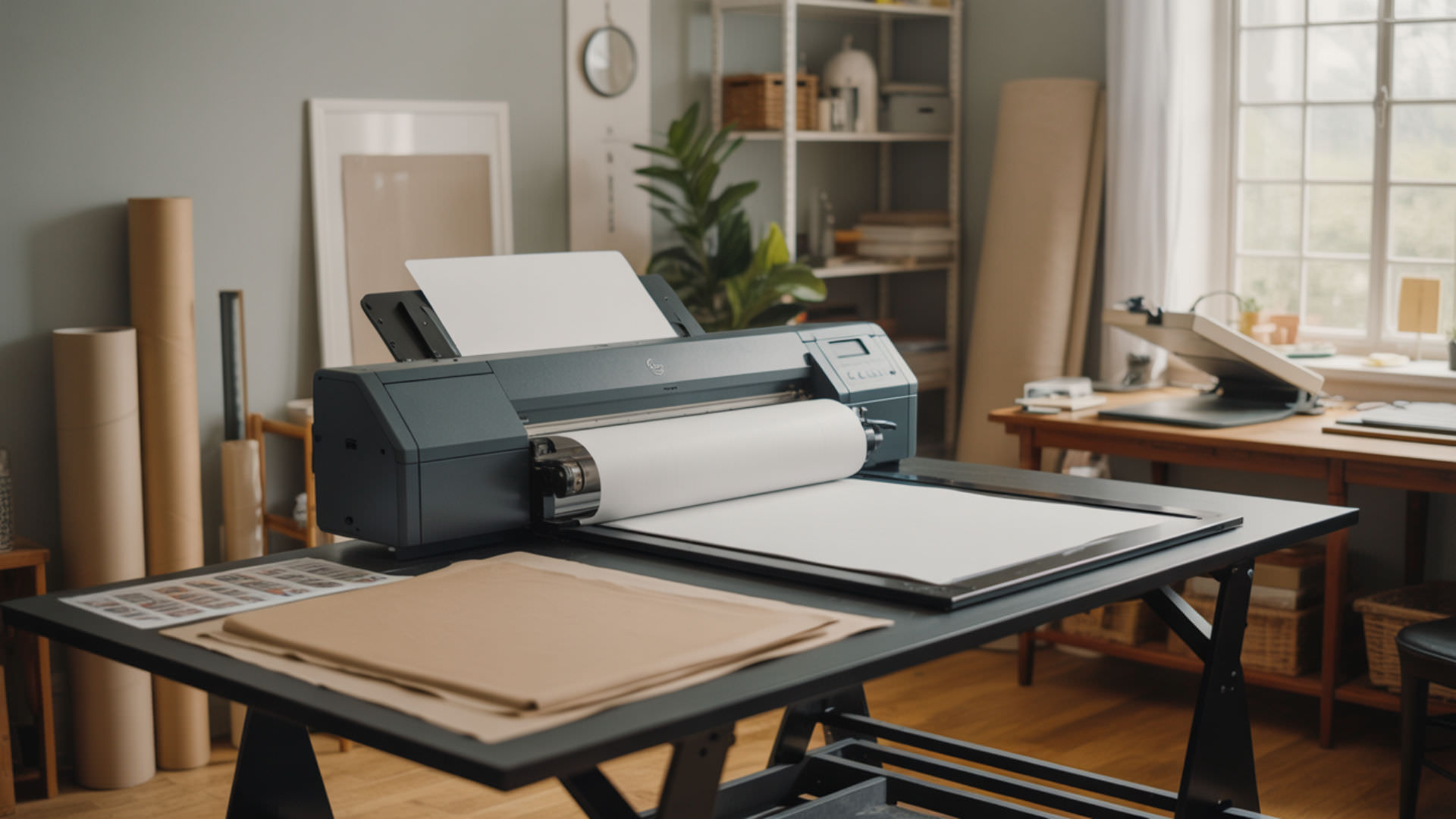
Paper feed mechanism complexity increases with printer width—larger wide-format printers require more precise alignment calibration and extended cleaning procedures. More rollers in large-format systems demand more frequent cleaning to prevent ink and dust accumulation that causes feed errors and banding. Temperature dependence becomes more pronounced in larger printers because they generate more internal heat during extended print runs, affecting ink viscosity and drying rates.
Do compact printers clog faster than larger wide-format printers?
Nozzles in smaller desktop print heads may dry faster because compact heads have less thermal mass to retain moisture during idle periods. Idle time affects compact printers more severely because hobbyist users typically print less frequently than commercial wide-format operators. Desktop sublimation printers require weekly printing to maintain nozzle health, while high-volume wide-format systems often stay primed through daily production use.
How do you maintain larger printers without causing damage?
Rollers must remain lint-free to prevent feed errors—clean all paper transport rollers monthly with isopropyl alcohol on a soft cloth, rotating them manually to access the full surface. The pump mechanism is essential for suction during cleaning cycles and requires periodic inspection for wear or ink contamination that reduces vacuum pressure. Avoid aggressive manual cleaning on wide-format heads and rely on built-in maintenance functions designed for the specific carriage system.
How do you clean and maintain a printer safely?
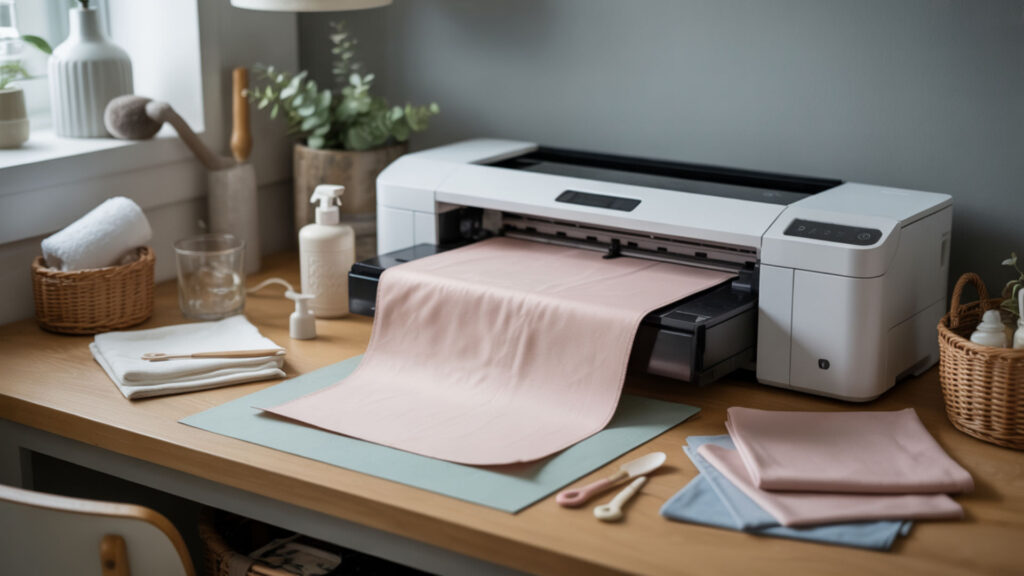
Isopropyl alcohol at 90% or higher concentration works for external surfaces like encoder strips, housing, and roller cleaning but should never contact internal print head components directly. Purified water is safe for roller cleaning and creating diluted cleaning solutions that won’t leave mineral deposits inside precision mechanisms. Any cleaning agent used near the print head must match printhead-safe formulations—piezo elements and nozzle coatings are sensitive to harsh chemicals.
Can you wash sublimation shirts right away after pressing?
Dye-sublimation ink is fully cured immediately after pressing at proper temperature (385–400°F), but waiting 24–72 hours before washing allows the polymer bond to stabilize completely. Washfastness depends on allowing adequate cooling and bond maturation—washing too soon can cause minor color bleeding or reduced vibrancy. After the waiting period, wash inside-out in cold water using mild detergent without bleach or fabric softener.
What is the safest way to care for sublimated apparel?
Dye in sublimated garments is sensitive to harsh detergents, bleach, and high heat that can break the polymer-dye bond and cause premature fading. Lightfastness affects long-term brightness—store printed apparel away from direct sunlight and avoid prolonged UV exposure that degrades disperse dyes over time. Air drying or tumble drying on low heat preserves color vibrancy and prevents the heat damage that occurs at high dryer temperatures.
Ready to Keep Your Sublimation Printer in Perfect Condition?
Environmental control through proper humidity (40–60%) and temperature (65–80°F) management forms the foundation of long-term sublimation printer reliability. Establishing consistent maintenance cycles—including weekly test prints, monthly component cleaning, and regular waste reservoir monitoring—prevents the clogging and component wear that cause costly repairs. Your investment in preventive care pays dividends through years of consistent, vibrant output.
Frequently Asked Questions
Does sublimation ink expire or degrade when stored too long?
Dye-sublimation ink maintains quality for 6–12 months after opening when stored properly in sealed containers away from heat and light. Unopened cartridges last 12–18 months under proper storage conditions. After expiration, ink may thicken, separate, or produce inconsistent colors due to dye degradation and particle aggregation that clogs nozzles and affects output quality.
Does repeated cleaning shorten printer lifespan?
Excessive cleaning cycles accelerate waste ink pad saturation and increase pump mechanism wear, but regular light maintenance extends overall printer life. Limit deep cleaning to 2–4 consecutive cycles with 6–12 hour rest periods between sessions. Nozzle checks and standard cleaning cycles consume far less ink and component wear than aggressive deep cleaning routines.
What are early warning signs of sublimation clogs?
Missing colors or faded output in nozzle check patterns indicate early-stage clogging before visible print quality degradation appears. Banding—horizontal lines across prints—suggests partial nozzle blockages restricting ink flow in specific channels. Address these symptoms immediately with standard cleaning cycles to prevent soft clogs from hardening into permanent obstructions.
Can sublimated apparel fade if washed incorrectly?
Improper washing with hot water, bleach, or harsh detergents breaks the dye-polymer bond that keeps sublimation colors vibrant and permanent. High dryer heat above 140°F can also cause fading by re-activating the dye transfer process. Washing inside-out in cold water with mild detergent and air drying or tumble drying on low preserves color integrity for years.
Does storage humidity impact sublimation durability?
Humidity affects both printed transfers and finished products—high moisture above 60% causes paper curl and can introduce water spots during pressing. Stored sublimated items absorb ambient moisture that may affect long-term color stability in extreme conditions. Maintain storage humidity between 40–50% and use airtight containers with silica gel packets for archival preservation of transfers.
References
- Discussion on humidity. (n.d.). National Weather Service. https://www.weather.gov/lmk/humidity
- Particulates not otherwise regulated. (n.d.). Centers for Disease Control and Prevention | CDC. https://www.cdc.gov/niosh/npg/npgd0480.html