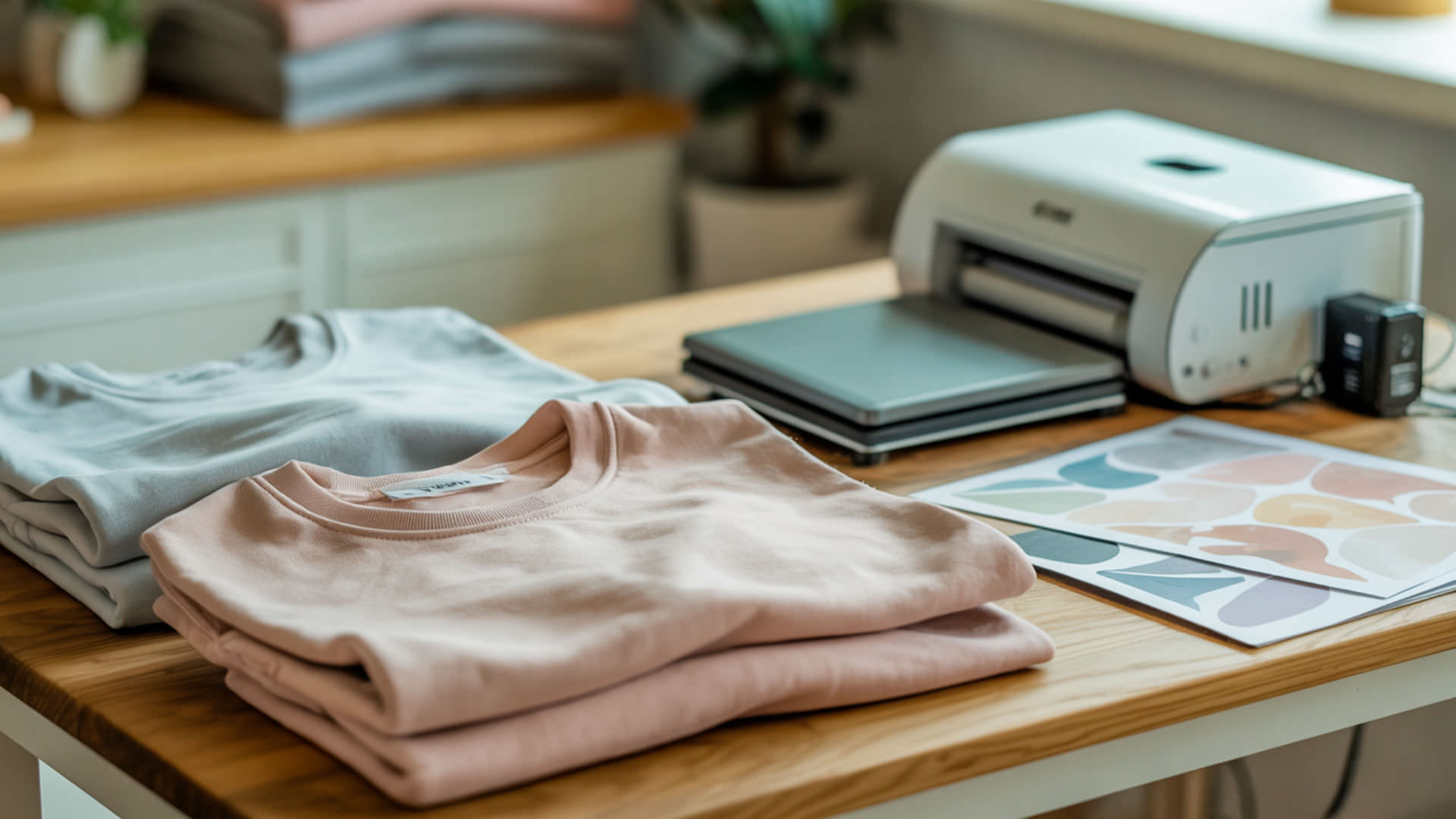
Sweatshirts present unique sublimation challenges due to their thick fleece construction and varied fiber compositions. Polyester fibers bond permanently with disperse dyes during the heat transfer process, creating prints that become part of the fabric structure. Cotton sweatshirts cannot bond with sublimation dyes without specialized coating, producing severely faded results that wash out quickly when attempted on untreated cotton-rich garments. Understanding how polyester content determines sublimation success helps you select the right blanks for vibrant, durable prints. Polyester is a synthetic polymer whose molecular structure responds predictably to heat, enabling permanent material-level changes under controlled thermal conditions. [1]
Key Takeaways
- Polyester blends with 65% or higher polyester content produce vibrant sublimation results, while 50/50 blends create a softer vintage aesthetic.
- Moisture absorption in thick sweatshirt fabrics requires thorough pre-pressing to prevent ghosting and ensure consistent dye transfer.
- Heavier fabric weights (280-350 GSM) need extended press times of 55-75 seconds compared to 45 seconds for lightweight garments.
Can you sublimate on a sweatshirt?
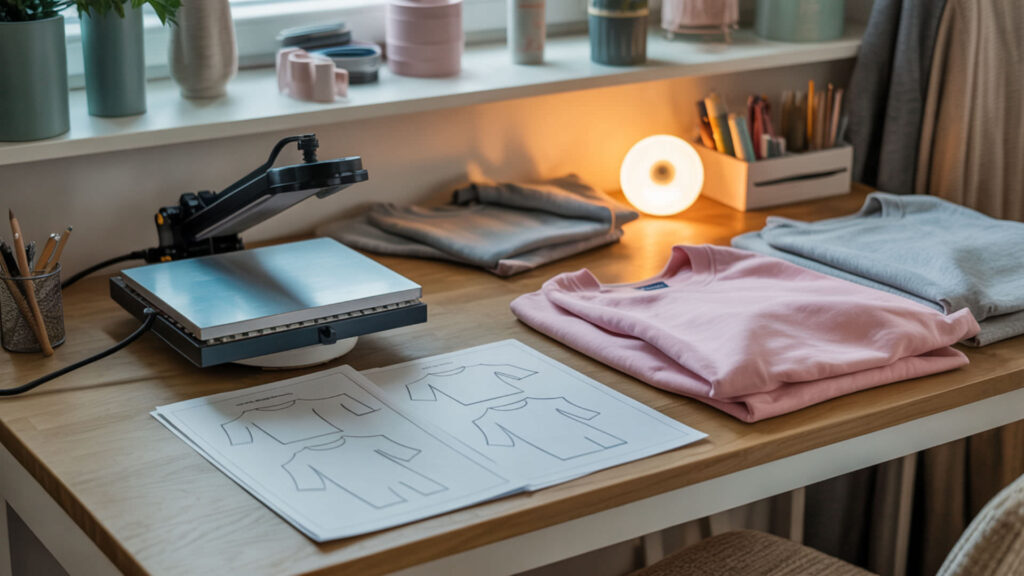
Sweatshirts sublimate successfully when constructed from polyester or high-polyester blends that allow disperse dyes to bond at the molecular level. Higher polyester percentages produce more vibrant sublimation results because more fibers accept the dye transfer, while cotton content creates progressively muted colors as its percentage increases. A 100% polyester sweatshirt delivers full-vibrancy prints, a 65/35 polyester-cotton blend produces slightly softened colors, and a 50/50 blend creates the vintage faded aesthetic popular for certain design styles.
What does sublimation on a sweatshirt mean?
Sublimation on sweatshirts refers to the heat-activated process where disperse dyes convert from solid to gas state and penetrate polyester fibers permanently. Unlike screen printing or vinyl transfers that sit on the fabric surface, sublimation dye becomes part of the fiber itself at the molecular level. This integration means the printed design cannot crack, peel, or feel raised—the sweatshirt maintains its original texture and hand feel while displaying vibrant, permanent graphics.
What does it mean when a hoodie is sublimated?
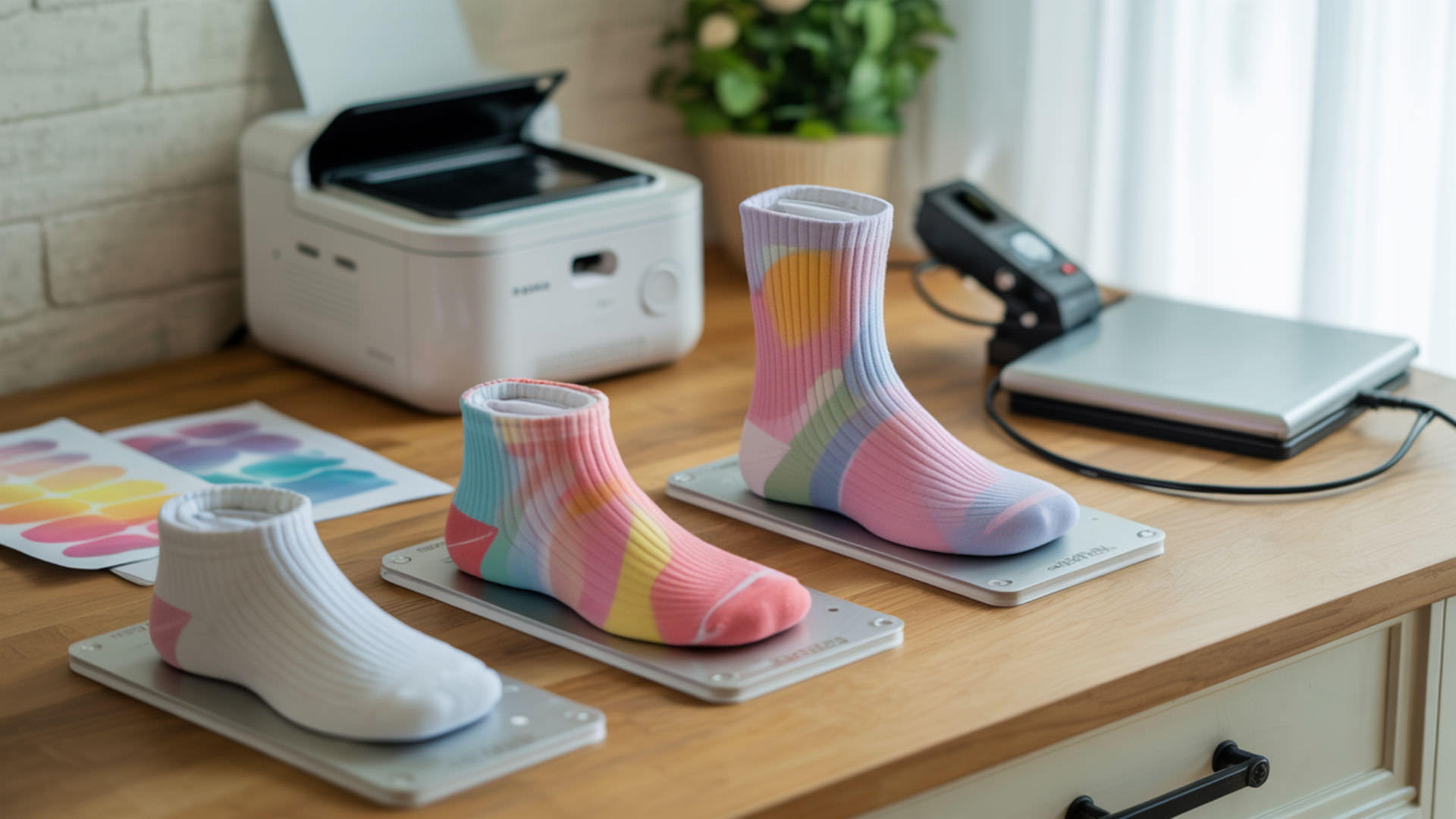
A sublimated hoodie features graphics permanently bonded into the polyester blend fabric rather than applied to the surface. Knit surface characteristics affect dye penetration and clarity because the looped fiber structure creates varying contact points during pressing. Fleece-backed hoodies require careful temperature management to ensure dye reaches the polyester fibers through the insulating fleece layer without scorching the surface. The knit fabric construction of hoodies and sweatshirts creates similar heat contact considerations as other knit apparel like socks.
How to sublimate onto clothing in general?
Sublimating clothing requires a heat press capable of reaching 380-400°F, sublimation transfers printed on coated paper, and garments containing sufficient polyester for dye bonding. Pre-pressing removes moisture and smooths fibers for clean sublimation results, while proper pressure ensures complete contact between transfer and fabric. Disperse dyes activate when heat converts them to gas state, allowing penetration into open polymer chains before cooling traps the color permanently within the fiber structure.
What temperature is needed for sublimation on sweatshirts?
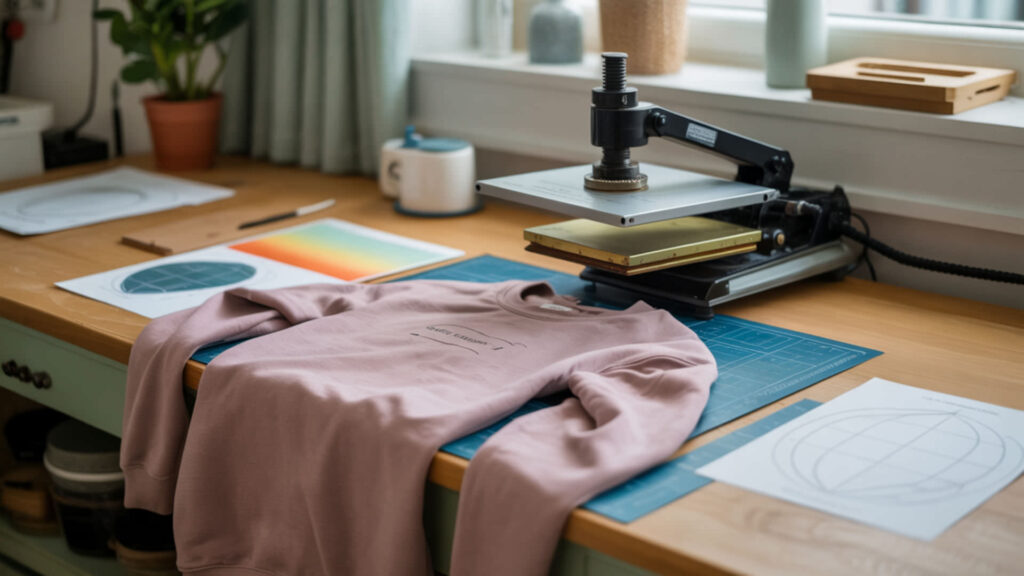
Sweatshirt sublimation typically requires press temperature between 380-400°F depending on fabric composition and thickness. The thermal insulation properties of thick fleece fabrics cause them to retain heat differently than thin materials, often requiring slight temperature increases or extended press times to ensure complete dye activation throughout the fabric layers. Standard polyester fleece performs well at 385°F for 55-65 seconds, while heavier weights may need 400°F or longer dwell times.
⫸ Click Here For Best Selling Sublimation Printers And Products ⫷What temperature do you sublimate on 50 cotton 50 polyester?
Polyester blends at 50/50 composition sublimate at 375-385°F for 45-55 seconds, slightly lower than pure polyester to protect the cotton fibers from scorching. The lower polyester percentage means only half the fibers accept dye bonding, producing a naturally faded vintage appearance rather than full vibrancy. Careful press temperature control prevents the cotton portion from yellowing or developing scorch marks while still activating dye transfer to the polyester fibers present in the blend.
What temperature should a heat press be on for cotton shirts?
Cotton fabrics cannot accept sublimation dyes regardless of press temperature because cellulose fibers lack the polymer structure for dye bonding. Standard sublimation temperatures of 380-400°F risk scorching pure cotton without achieving meaningful color transfer. For cotton sweatshirts, sublimation coating provides the polymer surface layer needed for dye bonding, applied before pressing at reduced temperatures around 330-380°F to protect the natural fibers.Understanding cotton’s fundamental incompatibility with sublimation explains why coating or blending becomes necessary. Cotton’s cellulose-based fiber structure behaves very differently under heat than synthetic polymers, limiting its ability to permanently bond with sublimation dyes. [2]
How long does it take to sublimate a sweatshirt?
Press time for sweatshirt sublimation varies significantly based on fabric weight measured in GSM (grams per square meter). Lightweight performance sweatshirts around 180-220 GSM need 45-55 seconds at standard temperature, while heavyweight fleece at 280-350 GSM requires 60-75 seconds for heat to penetrate through the insulating layers and fully activate dye transfer. Insufficient press time produces faded, incomplete prints, while excessive time risks scorching or over-saturating the fibers.
Can you sublimate on cotton or cotton-blend sweatshirts?
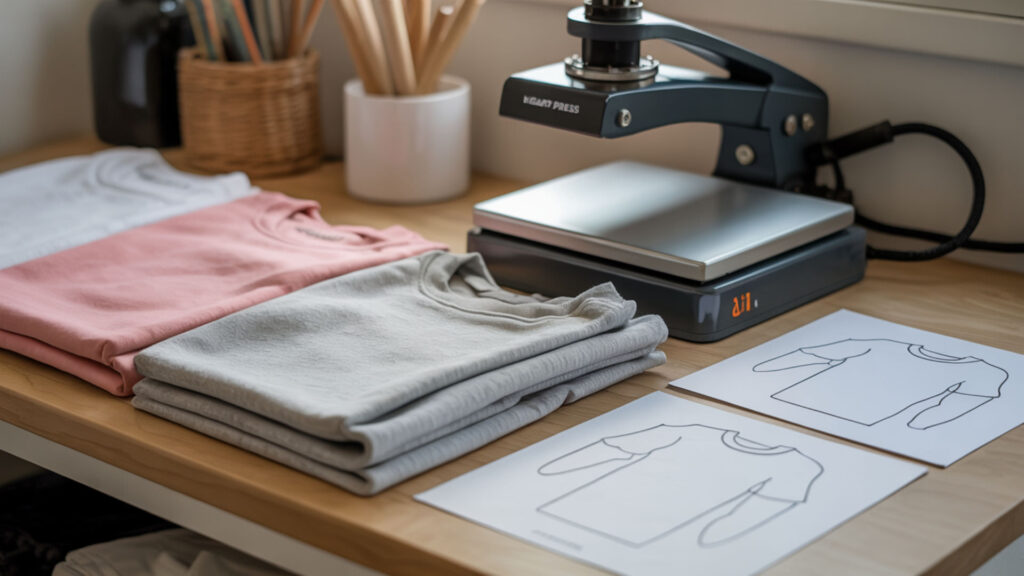
Cotton sweatshirts require polymer coating for any meaningful sublimation results because the natural cellulose fibers reject disperse dye penetration. Polyester blends perform proportionally to their polyester percentage—65% polyester produces acceptable vibrancy while 50% creates vintage faded effects and anything below 50% yields increasingly washed-out results. For cotton-dominant sweatshirts, applying sublimation coating spray creates an artificial polymer layer that accepts dye transfer, though durability remains lower than true polyester bonding.
Can sublimation be done on cotton?
Direct sublimation on uncoated cotton produces severely faded, temporary results because cotton’s cellulose fiber structure cannot bond with disperse dyes at the molecular level. The dye sits on the fiber surface rather than penetrating, washing out within one to three cycles. Sublimation coating creates a polymer barrier that accepts dye transfer, enabling visible prints on cotton sweatshirts, though wash durability typically reaches only 15-25 cycles compared to 50+ on polyester.
How to shrink a 50% cotton 50% polyester t-shirt?
Shrinkage in polyester blends affects primarily the cotton portion because polyester resists heat-induced dimensional change. Hot water washing and high-heat drying can shrink a 50/50 blend by 3-5%, mostly from cotton fiber contraction. For sublimated garments, this shrinkage consideration matters during design sizing—printing before intentional shrinking may distort graphics, while printing after shrinking ensures proper proportions on the final garment size.
What are the best shirts to do sublimation on?
The best sweatshirts for sublimation contain 100% polyester or polyester blends with 65% or higher polyester content. Higher polymer content produces brighter, more durable prints because more fibers participate in dye bonding. Fabric weight affects technique rather than quality—lightweight fabrics around 180-220 GSM allow faster heat penetration and shorter press times, while heavyweight fleece at 280-350 GSM produces the same quality with extended pressing. White or light-colored blanks show the truest color reproduction since sublimation dyes are translucent.
Can you wash a sublimated shirt?
Sublimated polyester sweatshirts withstand repeated washing because disperse dyes bond chemically within the fiber structure rather than coating the surface. The dye becomes part of the polyester fiber itself, making it impossible to wash away through normal laundering. Cold water gentle cycles extend garment life, but even regular machine washing does not significantly degrade properly sublimated prints—most outlast the sweatshirt fabric itself through 50 or more wash cycles.
How do you sublimate sweatshirts step-by-step?
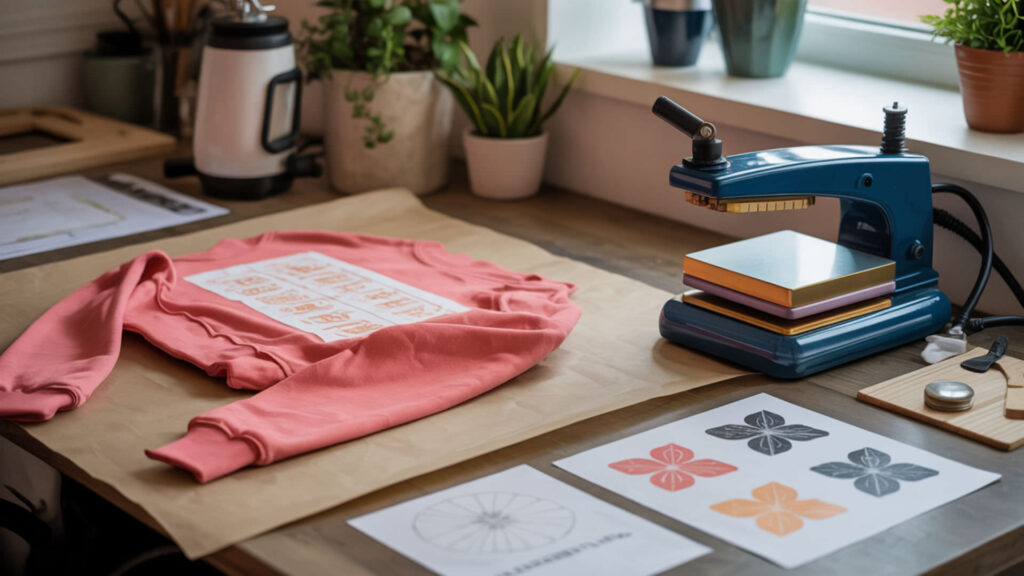
Sublimating thick sweatshirts requires modified technique to ensure heat penetrates through insulating fleece layers. Set your heat press to 385-400°F and allow it to reach full operating temperature with consistent heat distribution. A quality heat press with accurate temperature control makes the difference between professional results and inconsistent output.
- Pre-press the sweatshirt for 10-15 seconds to remove moisture trapped in the thick fleece layers.
- Use a lint roller across the print area to remove loose fibers that can interfere with dye transfer.
- Place butcher paper inside the sweatshirt to prevent dye bleed-through to the back panel.
- Position the sublimation transfer face-down on the sweatshirt and secure edges with heat-resistant tape.
- Cover the transfer with protective paper or a Teflon sheet to prevent dye contamination of the press platen.
- Press for 55-75 seconds at medium-firm pressure, adjusting time based on fabric weight and thickness.
- Remove the sweatshirt carefully and peel the transfer while still warm, checking for complete coverage.
- Allow complete cooling before folding or packaging to prevent ghosting from residual dye migration.
- Wait 24 hours before first wash to ensure complete dye curing within the polyester fibers.
Ready to create custom sublimation sweatshirts?
Success with sweatshirt sublimation depends on selecting appropriate polyester-content blanks and adjusting technique for thicker fabrics. A reliable heat press with accurate temperature control prevents the inconsistencies that cause professional-quality failures, while proper pre-pressing eliminates the moisture issues common in fleece construction. Starting with 65%+ polyester blanks delivers vibrant, durable results suitable for commercial production or custom one-off projects.
Frequently Asked Questions
Does sublimation on sweatshirts fade over time with washing?
Properly sublimated polyester sweatshirts resist fading because disperse dyes bond within the fiber structure rather than sitting on the surface. Unlike screen printing that can crack or vinyl that peels, sublimation becomes part of the fabric itself. Moisture absorption during washing does not disrupt this bond, allowing prints to maintain vibrancy through 50+ wash cycles when using appropriate polyester-content blanks and correct pressing technique.
Can you sublimate on dark or black sweatshirts?
Sublimation cannot override dark fabric colors because the dyes are translucent rather than opaque—they add color to the existing fiber rather than covering it. Black sweatshirts show virtually no visible sublimation results, while dark colors severely mute any transferred design. White or light-colored blanks are mandatory for vibrant sublimation, though some specialty light-colored transfer papers can create visible designs on medium tones.
Will a sublimated sweatshirt feel stiff or heavy after pressing?
Sublimated sweatshirts maintain their original soft hand feel because the dye integrates within the fiber structure rather than adding a surface layer. Unlike vinyl or thick screen printing that sits on top of the fabric, sublimation adds no weight or texture. The fleece backing remains just as soft after sublimation, and the printed surface feels identical to unprinted areas—a key advantage for comfort-focused apparel production.
Can you iron a sublimated sweatshirt after it’s been printed?
Ironing sublimated sweatshirts requires caution because high heat can cause ghosting where existing dye migrates to new positions. Using a pressing cloth and low-to-medium heat settings prevents this migration, while avoiding direct iron contact with printed areas eliminates most risk. Steam ironing is particularly problematic since moisture combined with heat accelerates dye movement—dry ironing on low settings works safely for wrinkle removal.
Is it normal to see a press mark or box outline around the design?
Visible press marks or pilling around the design edges indicate excessive pressure or temperature creating fabric texture changes outside the printed area. This issue occurs more commonly on fleece sweatshirts where the plush surface compresses under pressure. Reducing pressure settings, using larger protective paper coverage, and ensuring even platen contact across the entire garment surface prevents the outlined box effect that marks amateur sublimation work.
References
- Polymers in particulate systems: Properties and applications. (2017, February 19). NIST. https://www.nist.gov/publications/polymers-particulate-systems-properties-and-applications
- Chavez, D. (2026, January 5). Preparing the Packinghouse for peach season. CAES Field Report. https://fieldreport.caes.uga.edu/publications/C880/preparing-the-packinghouse-for-peach-season/