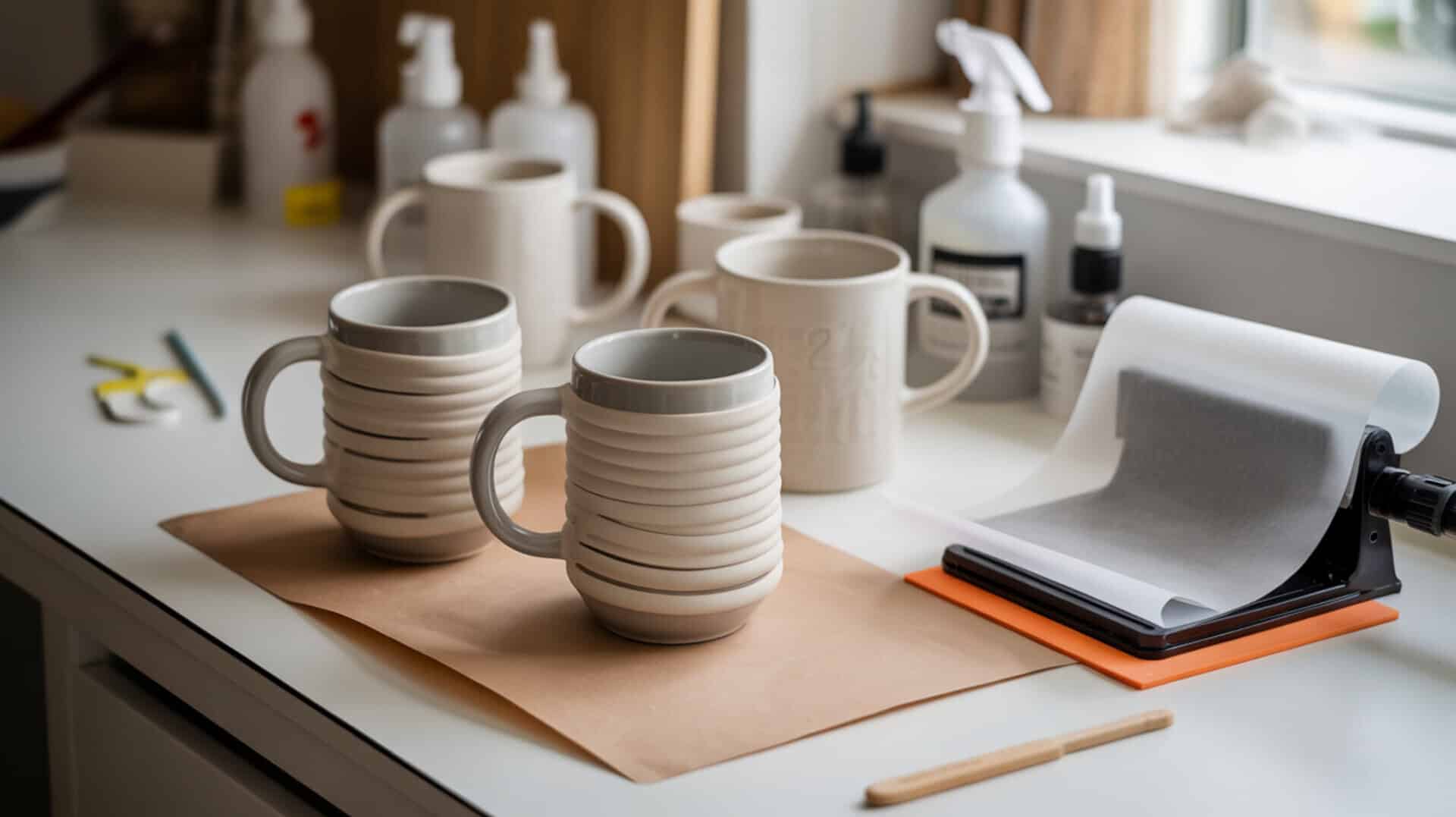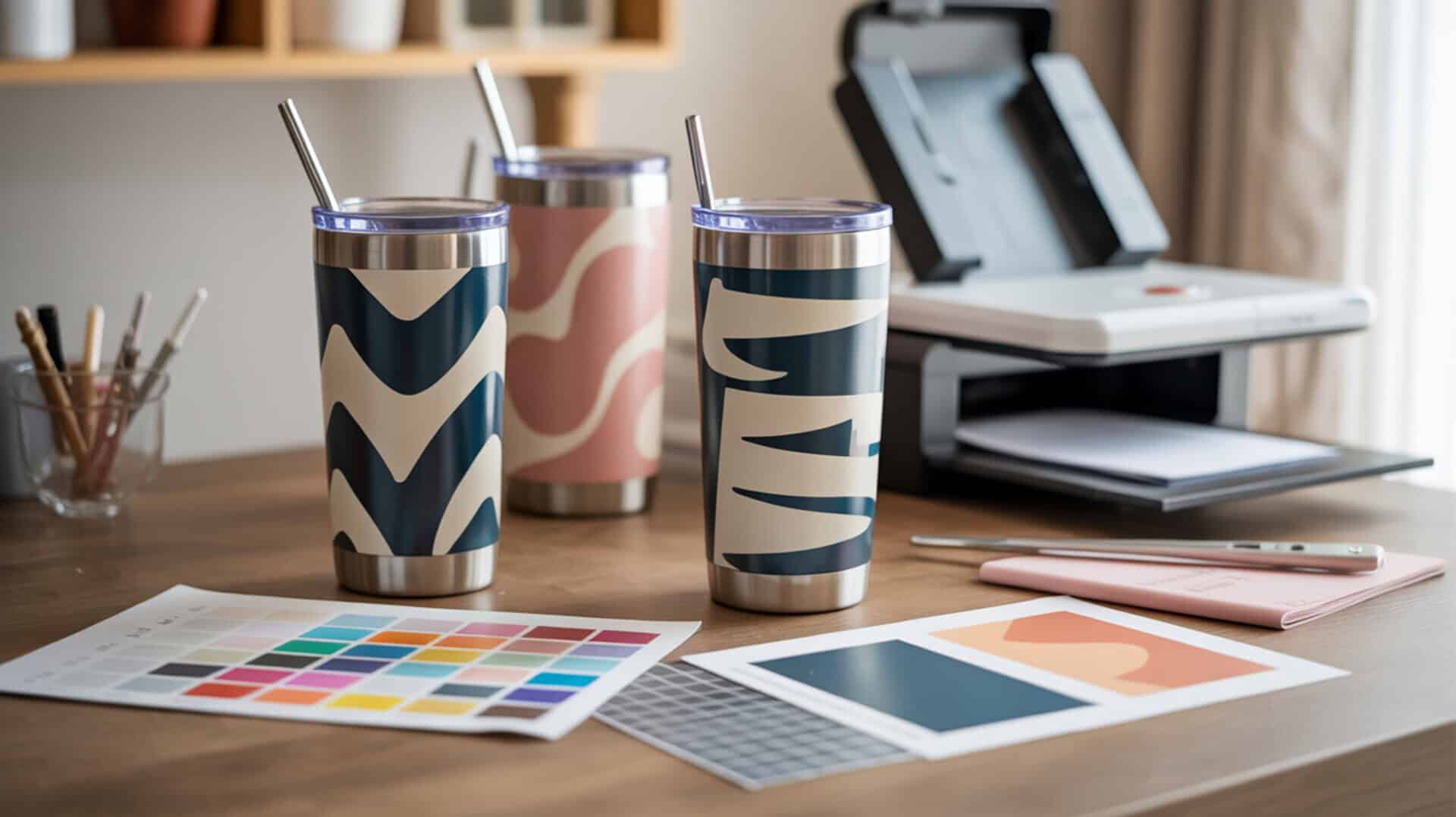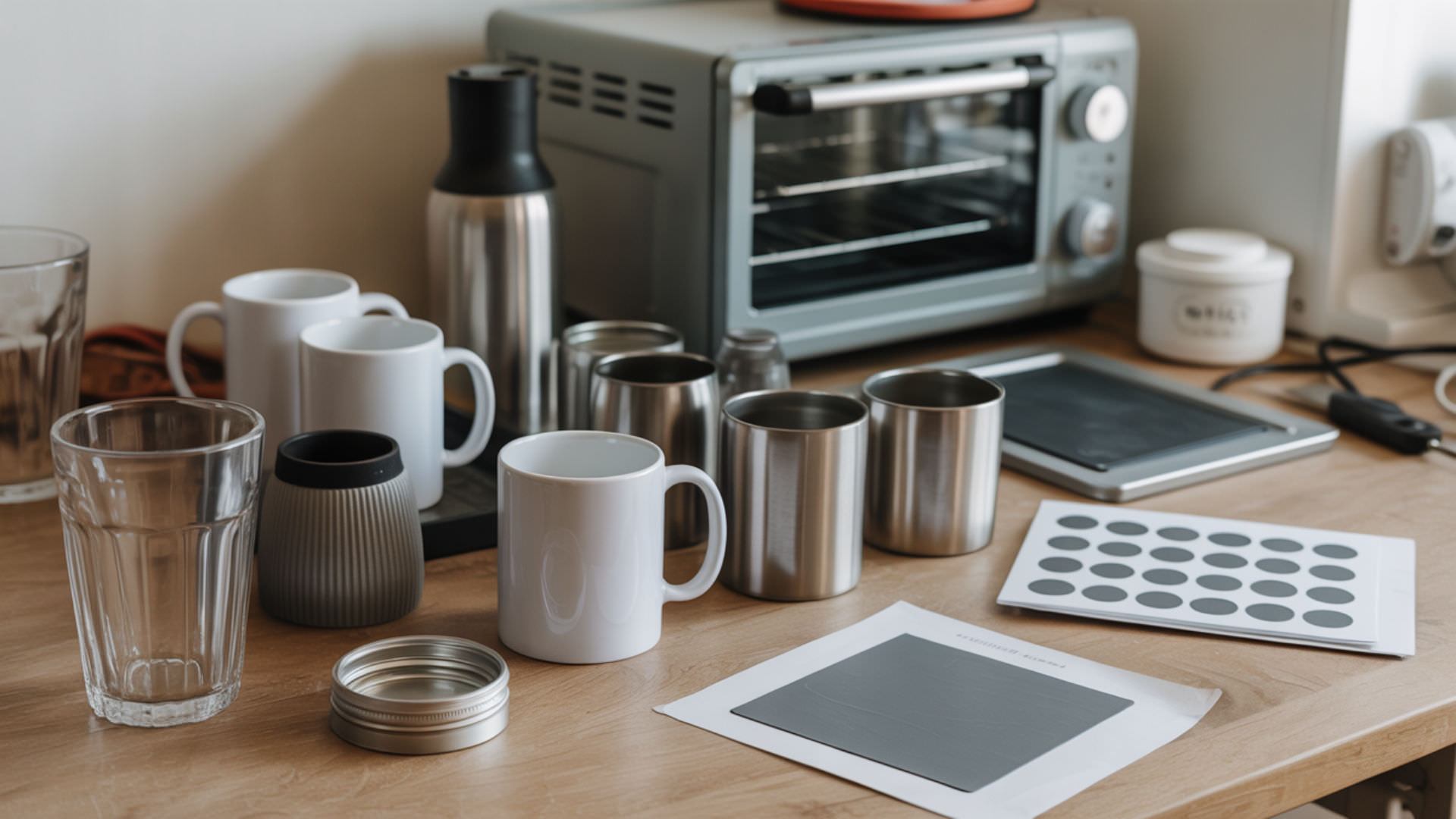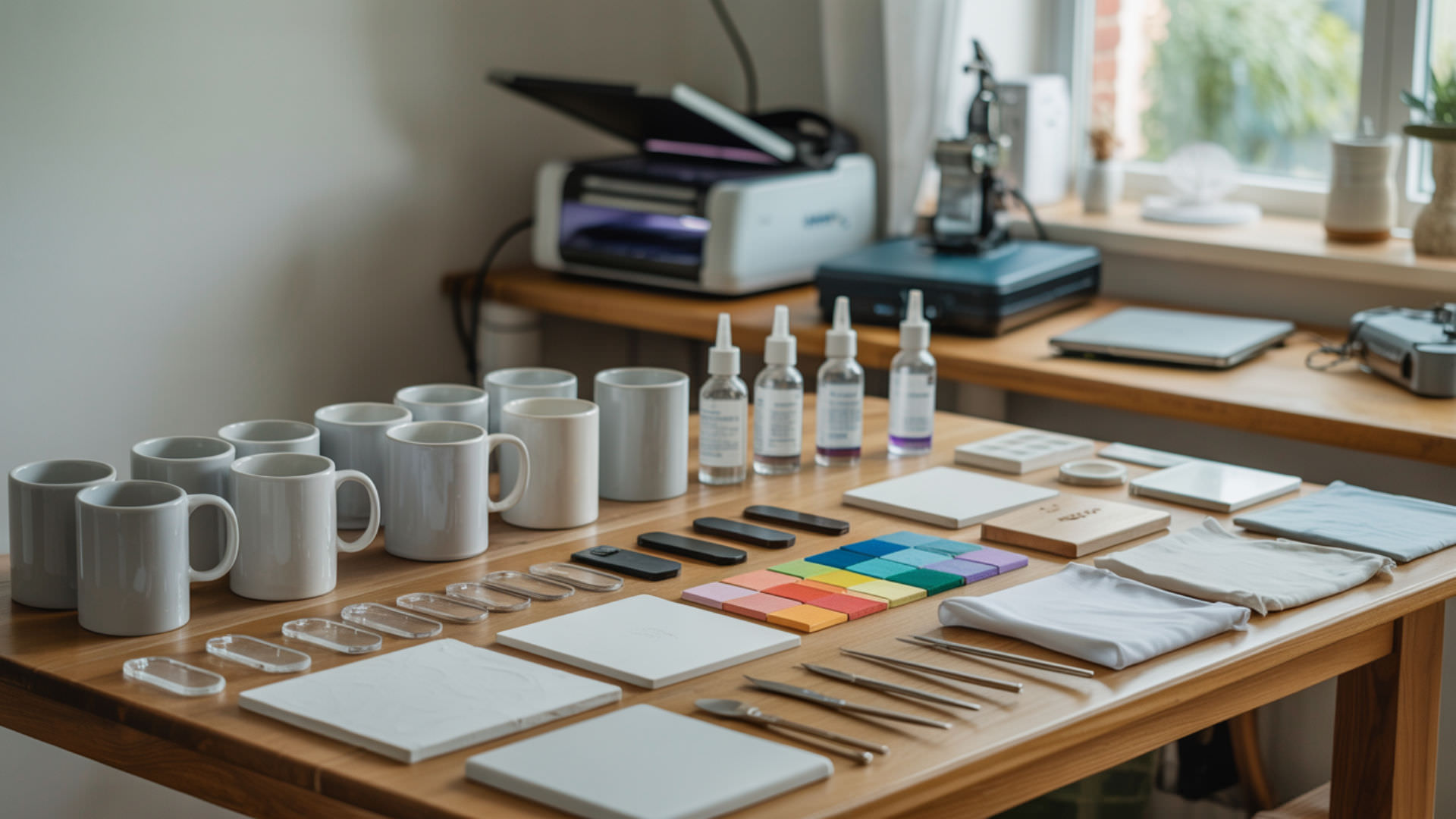
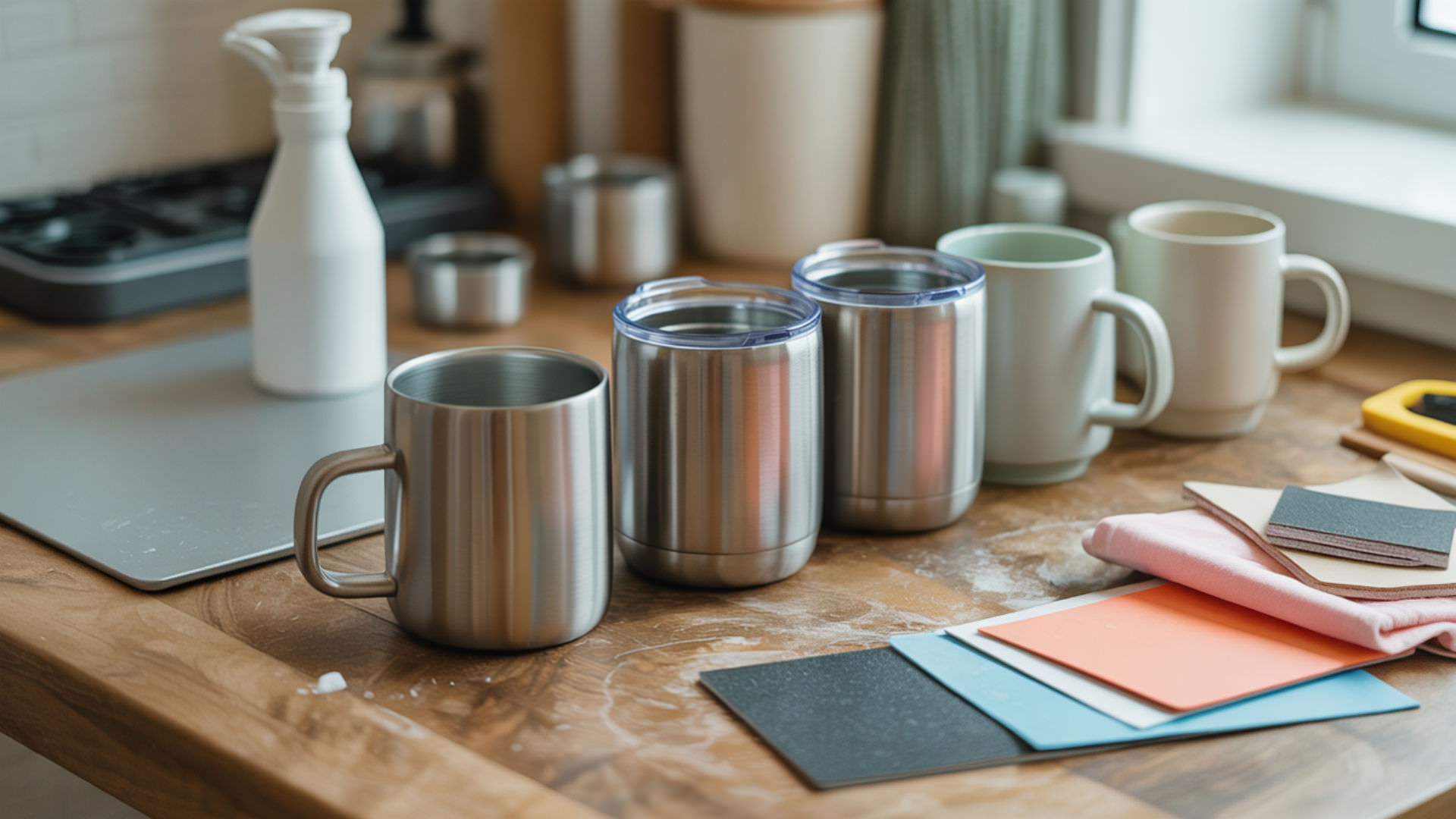
Sublimation dye bonds permanently with the polymer coating on tumblers through dye-sublimation printing, making complete removal difficult but not impossible with the right techniques. Chemical solvents weaken the dye-polymer interaction while mechanical abrasion physically strips the coating layer containing the embedded ink. Our guide to polymer coating bonding explains why these removal methods target different aspects of the sublimation bond.
Key Takeaways
- Chemical degradation using acetone or rubbing alcohol breaks down the dye-polymer bond on coated tumbler surfaces.
- Abrasion with fine-grit sandpaper removes ink by physically stripping the polymer coating layer from the metal.
- Always work in ventilated areas with protective gloves when using solvents to prevent respiratory and skin exposure.
How do you remove sublimation ink from a tumbler?
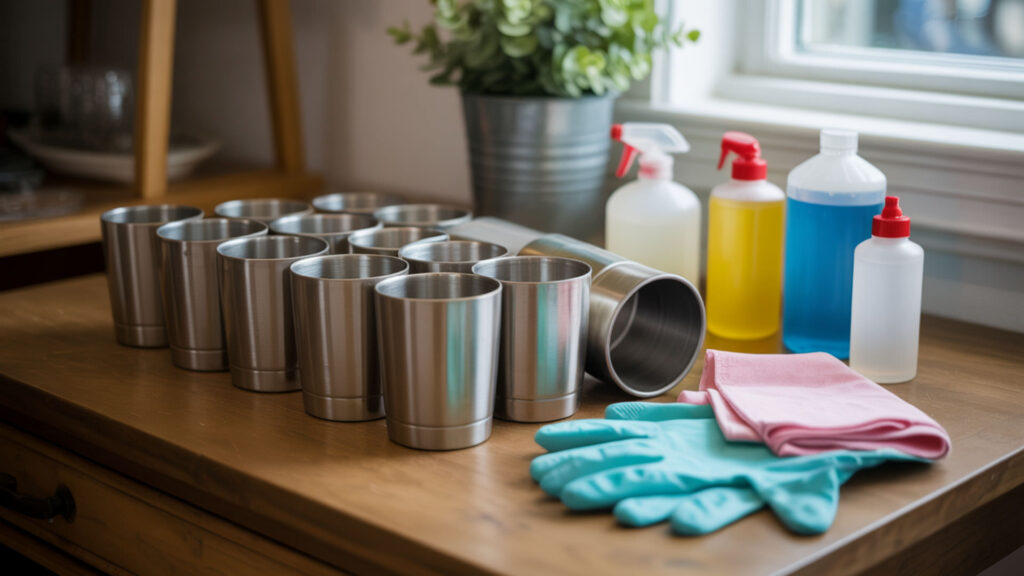
Removal requires disrupting either the polymer coating or the dye-polymer bond using solvent application, heat treatment, or mechanical abrasion depending on the tumbler material and desired outcome. Acetone softens the polymer surface and loosens the embedded dye, while sanding physically removes the coating layer entirely. Our guide to polymer coating behavior on store-bought blanks explains why different substrates respond differently to removal methods.
What chemical removes sublimation ink from metal?
Acetone and paint thinner act as non-polar solvents that break down sublimation dyes on coated metal surfaces by disrupting the polymer layer. The polarity of these solvents allows them to penetrate and weaken the dye-coating bond more effectively than water-based cleaners. Apply sparingly with a cloth and test on a small area first to avoid damaging the protective finish. Acetone is an effective solvent because it penetrates and weakens polymer coatings, allowing embedded sublimation dye to loosen from the surface. [1]
Can you use acetone to remove sublimation ink from tumblers?
Acetone causes chemical degradation of the polyester-based polymer coating, effectively loosening sublimation dye from stainless steel tumbler surfaces. Multiple applications may be necessary because the dye penetrates deeply into the coating during the original heat transfer process. Use sparingly to avoid completely stripping the protective top finish that gives the tumbler its glossy appearance.
Can sublimation ink be sanded off a tumbler?
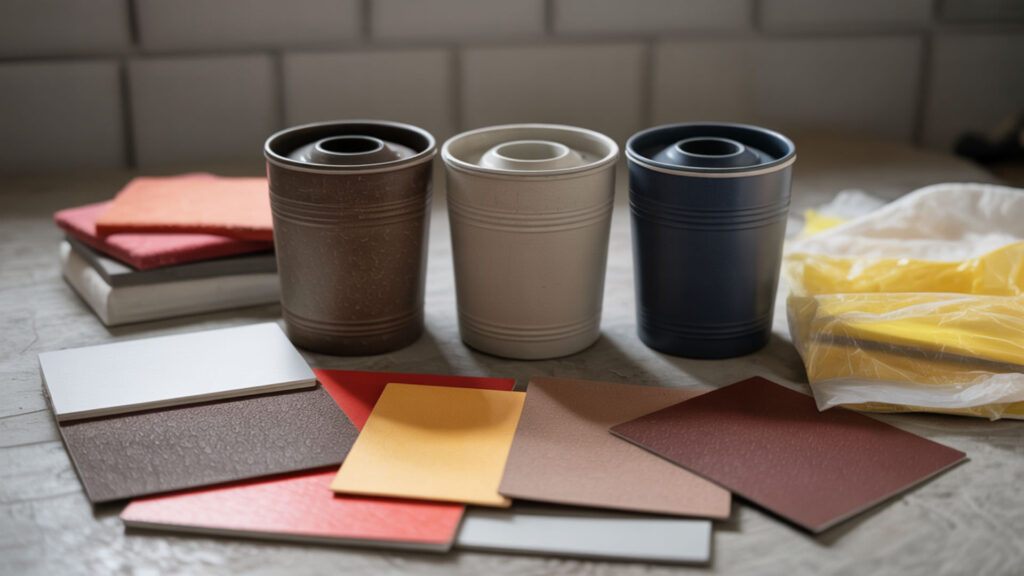
Fine-grit sandpaper provides an abrasive method that mechanically removes both the sublimation ink and the polymer coating layer containing it. The abrasive action strips material from the surface, increasing surface roughness and removing the glossy finish along with the embedded dye. Start with 400-grit sandpaper and progress to finer grits to minimize scratching while achieving complete ink removal.
How do you strip epoxy from a tumbler?
Aluminum oxide sandpaper or abrasive pads break through cured epoxy coatings when chemical strippers prove insufficient for aged finishes. Larger grit sizes between 80 and 120 speed initial material removal, while finer grits smooth the exposed metal surface afterward. Heat application at 375–400°F can soften newer epoxy, allowing it to peel away in sheets similar to removing an orange rind.
⫸ Click Here For Best Selling Sublimation Printers And Products ⫷Can you repaint or recoat a tumbler after removing sublimation?
Tumblers accept new paint or sublimation coating once the old design and damaged surface layer have been completely removed through sanding or chemical stripping. Proper surface roughness from fine-grit sanding improves coating adhesion by creating microscopic texture for the new finish to grip. Clean all residue with rubbing alcohol before applying primer or sublimation-ready coating.
How do you remove sublimation ink from ceramic mugs?
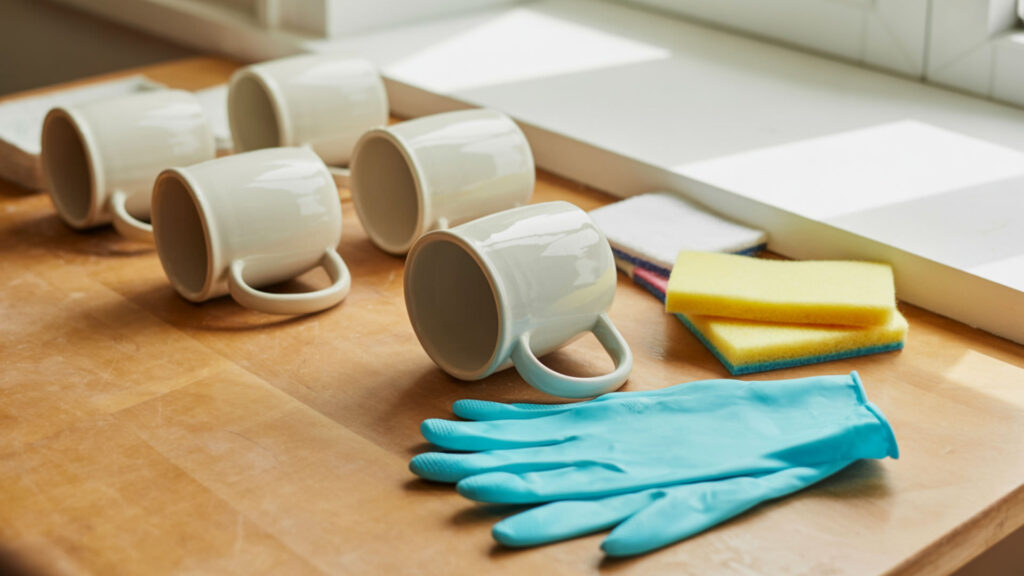
Ceramic mug removal requires harsh chemical methods including acetone, bleach as an oxidizing agent, or prolonged high-temperature dishwasher cycles that gradually fade the design. Bleach produces free radicals that attack dye molecules, but excessive oxidation damages the polymer coating and mug glaze. Oven baking at 400–450°F for one hour can lighten designs, though this may damage the mug coating permanently.
How do you remove sublimation ink from polyester?
Boiling water or rubbing alcohol causes chemical degradation that loosens sublimation dye from polyester fabric fibers without melting the material. Heat accelerates the polymer response, allowing the dye to release from the fiber structure during 5–10 minutes of submersion. Hydrogen peroxide works as a mild oxidizer for surface stains but has limited effectiveness on deeply infused dyes that have bonded at the molecular level.
How do you lift sublimation ink from different surfaces?
Solubility determines which removal method works best for each material, with alcohol-based solvents effective on hard surfaces and heat methods better for fabrics. Vinegar soaking for 30 minutes loosens ink on ceramics and glass, while citric acid paste applied before scrubbing removes stubborn stains. Abrasion serves as the backup method when solvents fail to penetrate deeply embedded dye.
How do you remove sublimation ink step-by-step?
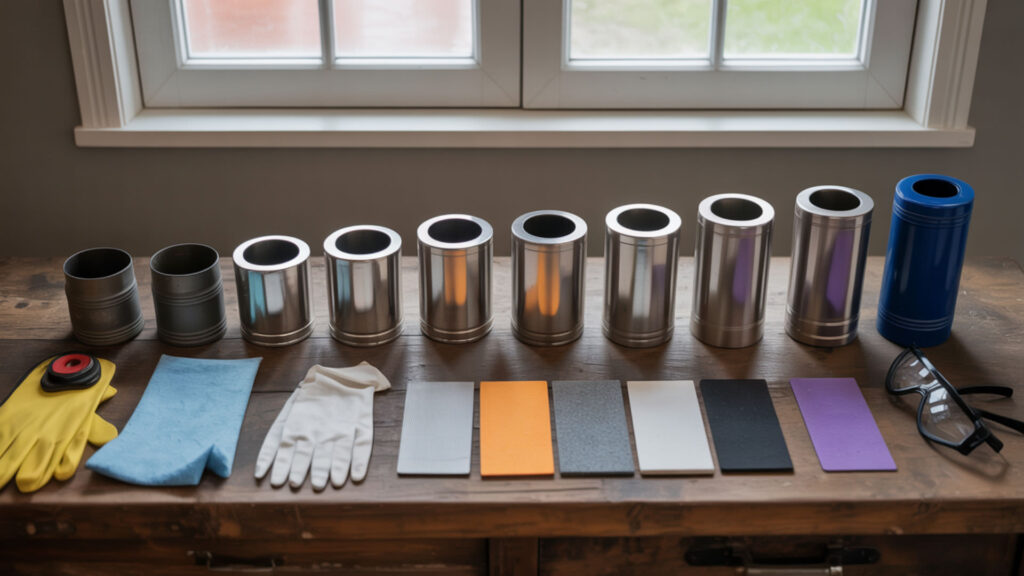
- Prepare the surface. Clean the tumbler with soap and water to remove dirt, oils, and debris that could interfere with solvent penetration.
- Apply solvent to the design. Soak a cloth with acetone or rubbing alcohol and hold it against the printed area for 2–3 minutes to soften the polymer coating.
- Scrub gently with abrasive. Use a soft brush or non-scratch pad to work the loosened ink away from the surface, reapplying solvent as needed.
- Sand stubborn areas. For remaining ink, use 400-grit sandpaper with light pressure, progressing to 600-grit to smooth the surface afterward.
- Polish and finish. Clean with rubbing alcohol, then apply polishing compound to restore shine or prepare the surface for recoating.
What safety precautions should you follow when removing sublimation ink?
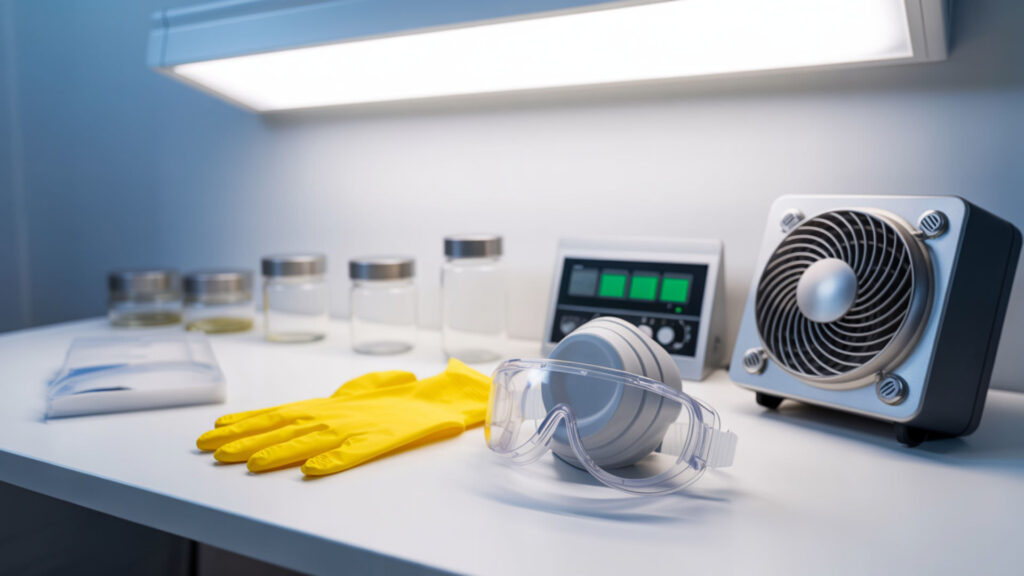
Acetone, rubbing alcohol, and paint thinner release VOCs that require adequate ventilation to prevent respiratory irritation and long-term health effects. The flammability of these solvents creates fire risk near heat sources, open flames, or sparks from electrical equipment. Toxicity concerns require wearing chemical-resistant gloves and safety glasses to protect skin and eyes from direct contact with concentrated solvents. Organic solvents release vapors that require proper ventilation and protective equipment to reduce respiratory and skin exposure risks. [2]
Can you sublimate over an already sublimated tumbler?
Sublimating over an existing design works when applying a darker image that covers the previous print, though the polymer coating may show thermal degradation from repeated heat exposure. Reheating causes yellowing or cracking of worn coatings as the temperature cycles stress the polymer structure. Our guide to temperature management explains how to minimize fading and damage during reheating.
Do sublimation tumblers require sealing?
Sublimation tumblers do not require epoxy sealing because the dye bonds permanently with the polymer coating at the molecular level, becoming part of the surface itself. However, the polymer layer experiences polymer degradation over time from repeated heat exposure during washing and daily use. Temperature fluctuations and UV light gradually weaken the coating, potentially causing fading on tumblers that receive heavy use.
How do you remove other types of ink from tumblers?
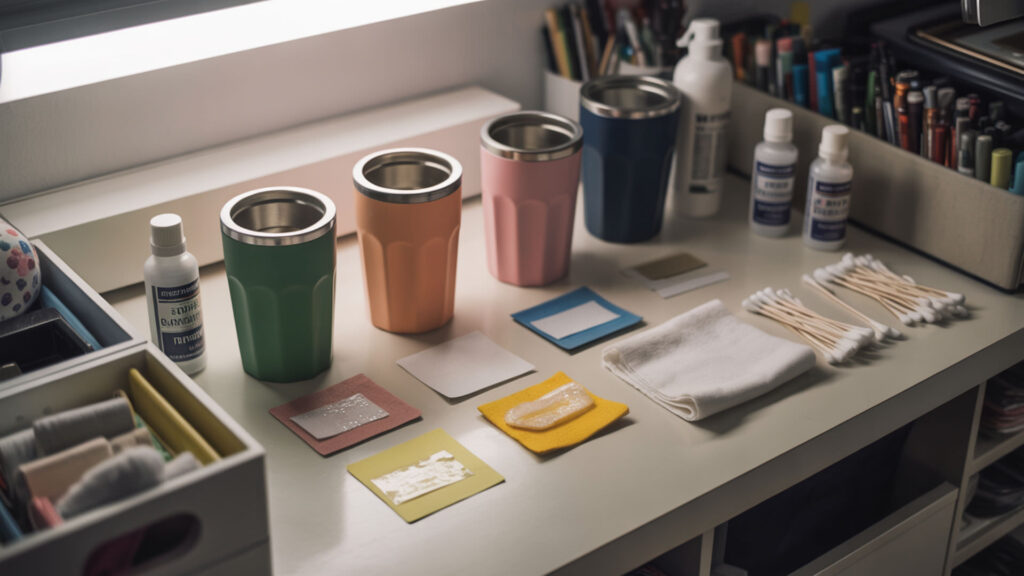
Different ink types respond to specific cleaning agents based on their solubility characteristics, with alcohol-based removers effective on permanent markers and oil-based products working on paint-based inks. Organic solvents dissolve the binding agents in most commercial inks, allowing them to wipe away cleanly without damaging the underlying tumbler surface. Test any cleaner on an inconspicuous area first to verify it will not harm the finish.
How do you remove ballpoint pen ink from a tumbler?
Rubbing alcohol or hand sanitizer acts as an organic solvent that dissolves ballpoint pen ink through rapid evaporation that lifts the stain from the surface. Apply the cleaning agent to the stain, wait 2–3 minutes, then blot with a clean cloth to absorb the dissolved ink. The fast evaporation rate of alcohol reduces residue risk compared to oil-based removers that leave film behind.
How do you remove sticky residue from a tumbler?
Hot water soaking softens adhesive residue by altering its polarity and weakening the bond between the glue and tumbler surface. Submerge the tumbler in hot soapy water for at least one hour, then peel softened labels and scrub remaining residue with a sponge. Rubbing alcohol or cooking oil works on stubborn spots, with abrasion from a plastic scraper as the final option for resistant adhesives.
How do you properly clean and maintain sublimation tumblers?
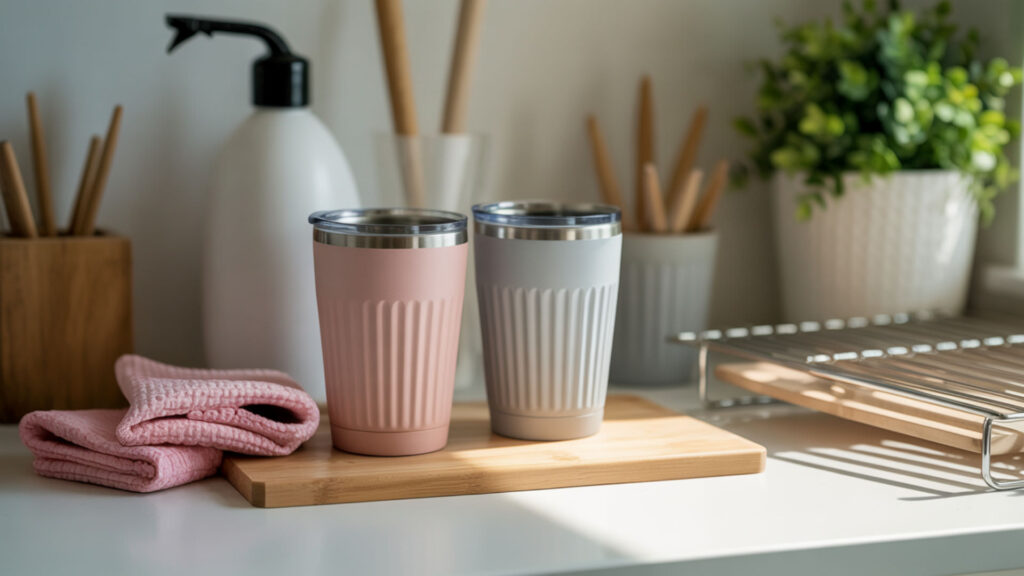
Hand washing with mild cleaning agents preserves the polymer coating and sublimation design by avoiding the harsh conditions of machine washing. Abrasive scrubbers and rough sponges scratch the surface, creating surface roughness that dulls the finish and makes the coating more susceptible to damage. Use a soft bottle brush for interior cleaning and a microfiber cloth for the exterior printed surface.
Can you put a sublimation tumbler in the dishwasher?
Dishwasher use causes polymer degradation through combined exposure to high temperature water, harsh detergent chemicals, and intense water pressure jets. Chemical degradation from dishwasher detergents weakens the coating over repeated cycles, leading to fading, peeling, or cracking of the sublimated design. Hand washing with warm water and mild soap remains the recommended method for maintaining design vibrancy and longevity.
How should you wash a tumbler to avoid damage?
Use warm soapy water with a soft bottle brush, avoiding abrasion from steel wool or scouring pads that remove polymer coating layers. Disassemble all lid components and wash separately to prevent mold growth in seals and straws. Rinse thoroughly, dry immediately with a clean towel, and avoid soaking the tumbler for extended periods that could weaken adhesive bonds on lid components.
Ready to Fix Your Sublimation Mistakes?
Removing sublimation ink requires the right combination of solvent application for initial dye breakdown and abrasion techniques for stubborn polymer coating removal. Quality acetone, fine-grit sandpaper, protective gloves, and polishing compounds give you everything needed to restore tumblers for reuse. Browse our recommended solvent products, abrasives, and safety equipment for your sublimation correction projects.
Frequently Asked Questions
Is sublimation ink transparent?
Sublimation ink is transparent, which means designs take on the color of the substrate beneath them rather than covering it completely. White and light-colored tumblers produce the most vibrant results because the sublimation dye shows its true color against pale backgrounds. Dark substrates cause the transparent ink to appear muted or invisible, which is why sublimation works best on white polymer-coated surfaces.
Is DTF ink different from sublimation ink?
DTF ink creates opaque prints with a white underbase layer that sits on top of fabric, while sublimation ink produces transparent prints that bond into the polymer coating at the molecular level. DTF works on cotton and dark materials because the white layer provides a base, but sublimation requires polyester content for the dye to penetrate. DTF prints feel slightly raised while sublimation creates a completely smooth finish.
Can you switch brands of sublimation ink?
Mixing sublimation ink brands is possible but not recommended because different manufacturers use unique chemical formulas that may cause color inconsistencies or printer clogs. Each brand calibrates its ink profiles for specific color output, and combining formulas can produce unexpected hue shifts in printed designs. Flush the printer system completely when switching brands to prevent cross-contamination between ink types.
How long should you press a sublimation tumbler?
Standard tumbler presses require 40–90 seconds per side at 365–400°F, rotating 180 degrees halfway through for even coverage across the curved surface. Convection oven methods need 5–7 minutes at 375°F with rotation at the midpoint to prevent hot spots from causing uneven color saturation. Always follow manufacturer guidelines for your specific press and tumbler blank combination.
How do you prevent ghosting on sublimation tumblers?
Ghosting occurs when the sublimation paper shifts during pressing, leaving a shadow image around the intended design. Secure the paper with heat-resistant tape along all edges, pull it as tightly as possible around the tumbler, and use shrink wrap sleeves for complete contact pressure. Open the press slowly after completion to prevent air movement from shifting the paper before the ink fully sets.
References
- PubChem. (n.d.). Acetone. https://pubchem.ncbi.nlm.nih.gov/compound/Acetone
- CDC – Organic solvents – NIOSH workplace safety and health topic. (2017, October 10). Internet in a Box. https://med.iiab.me/modules/en-cdc/www.cdc.gov/niosh/topics/organsolv/default.html