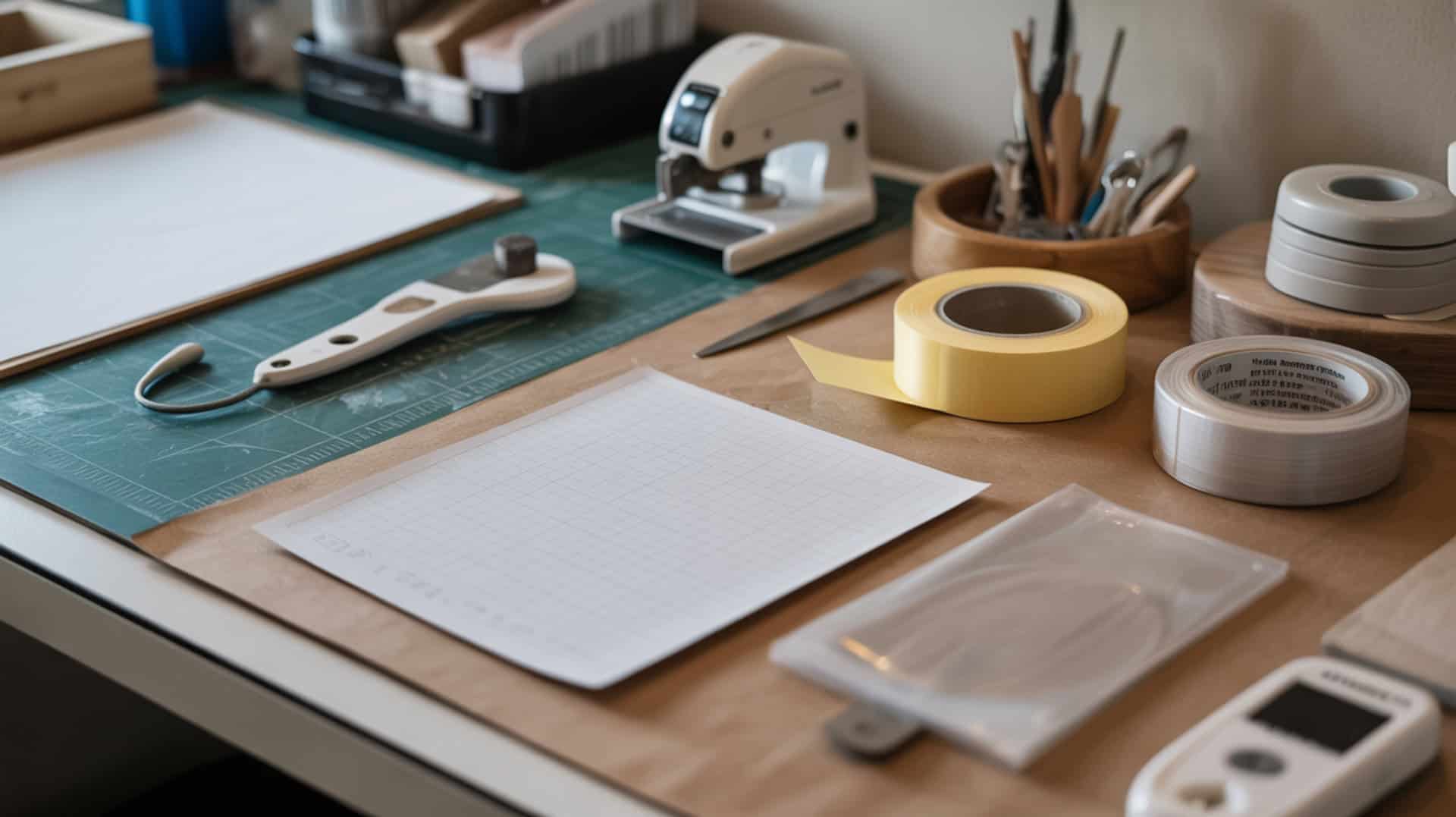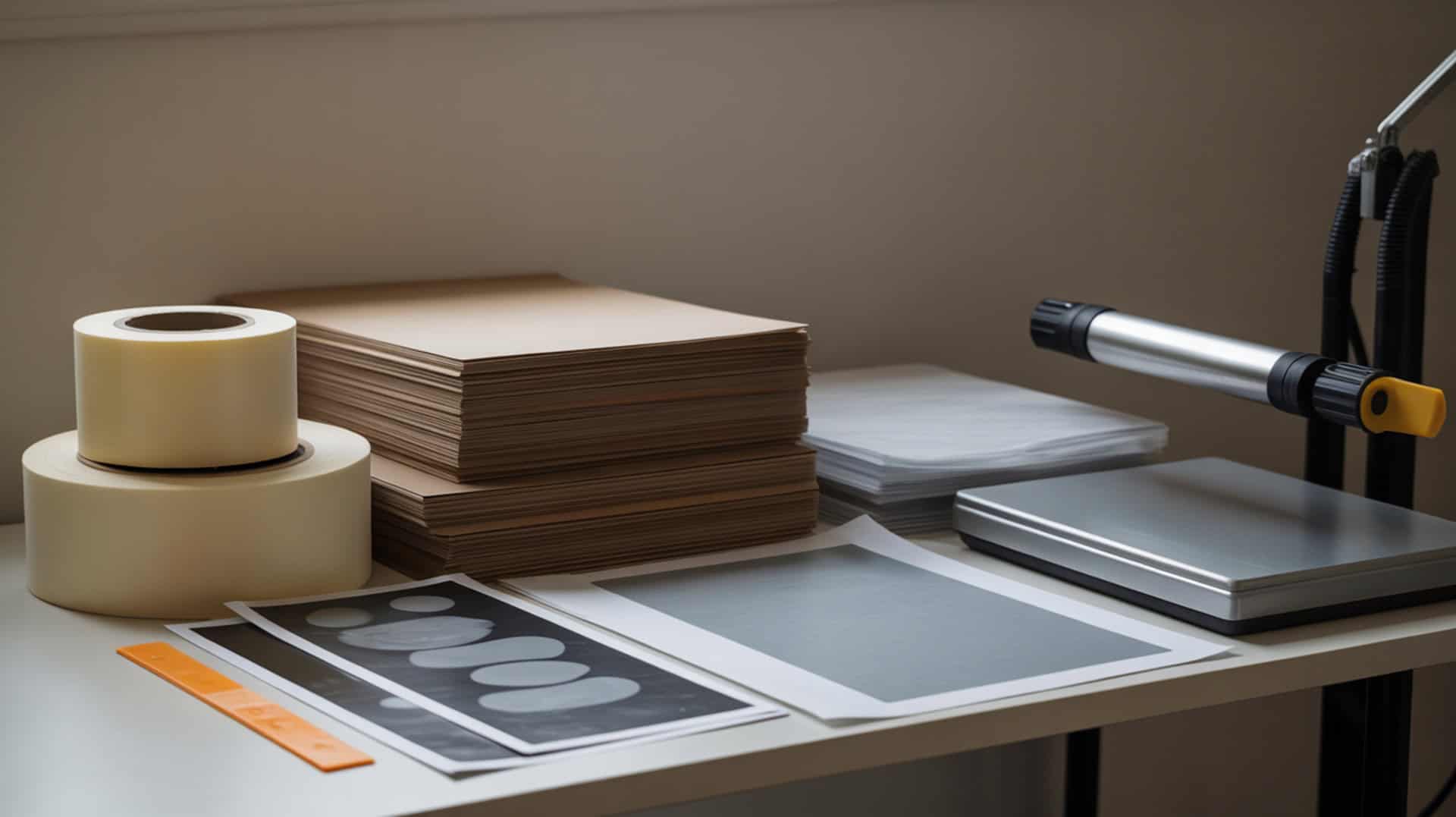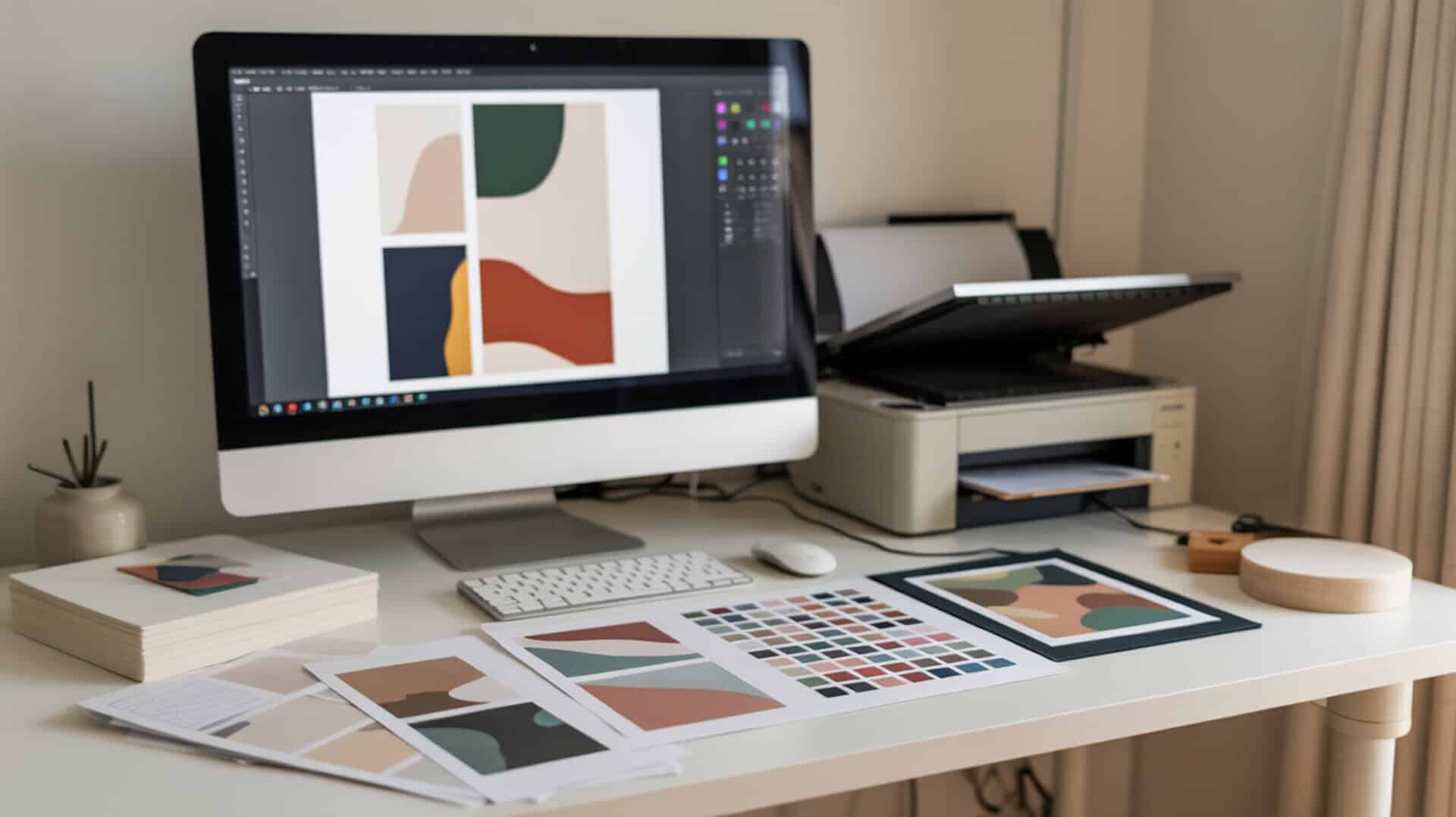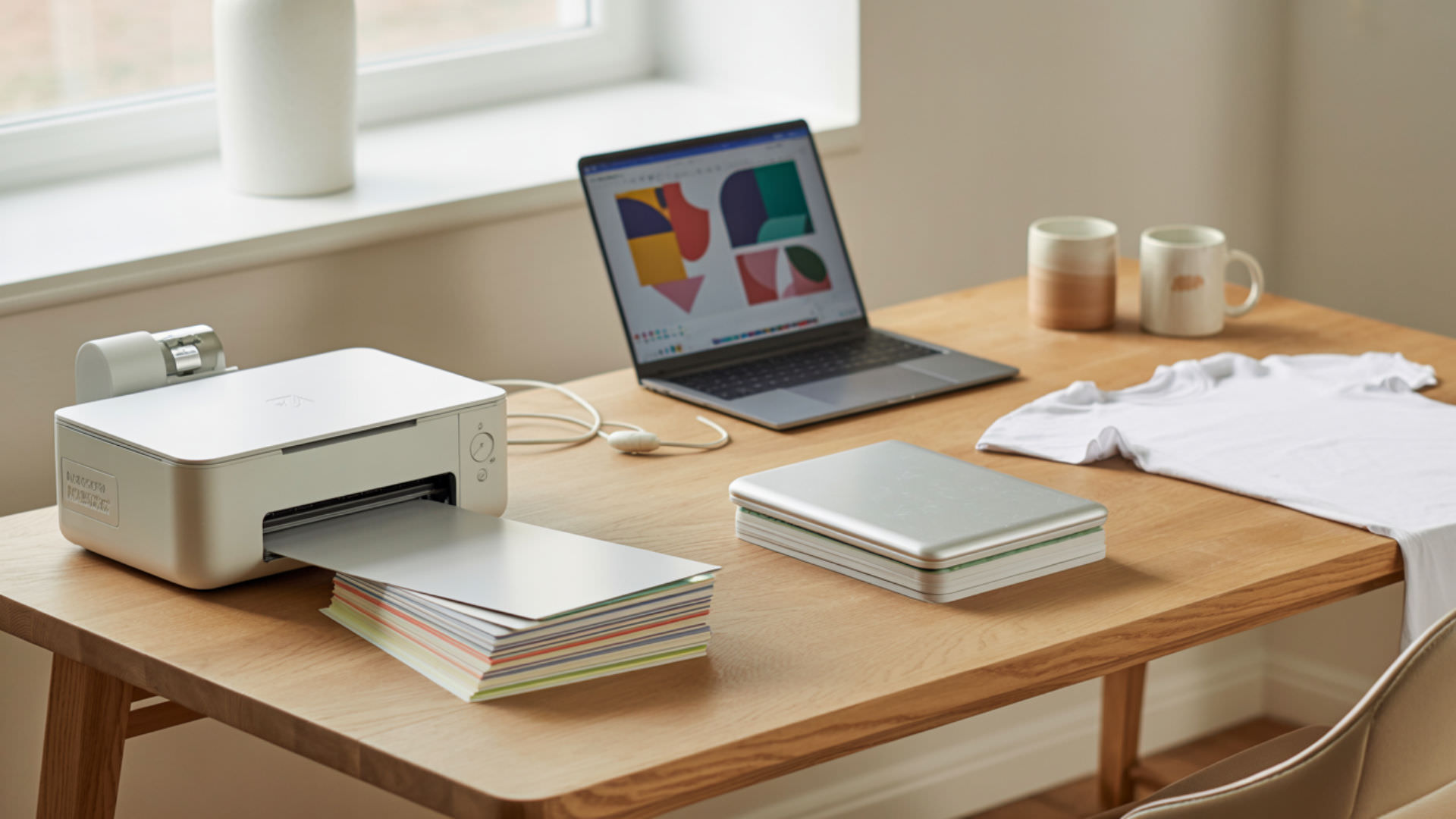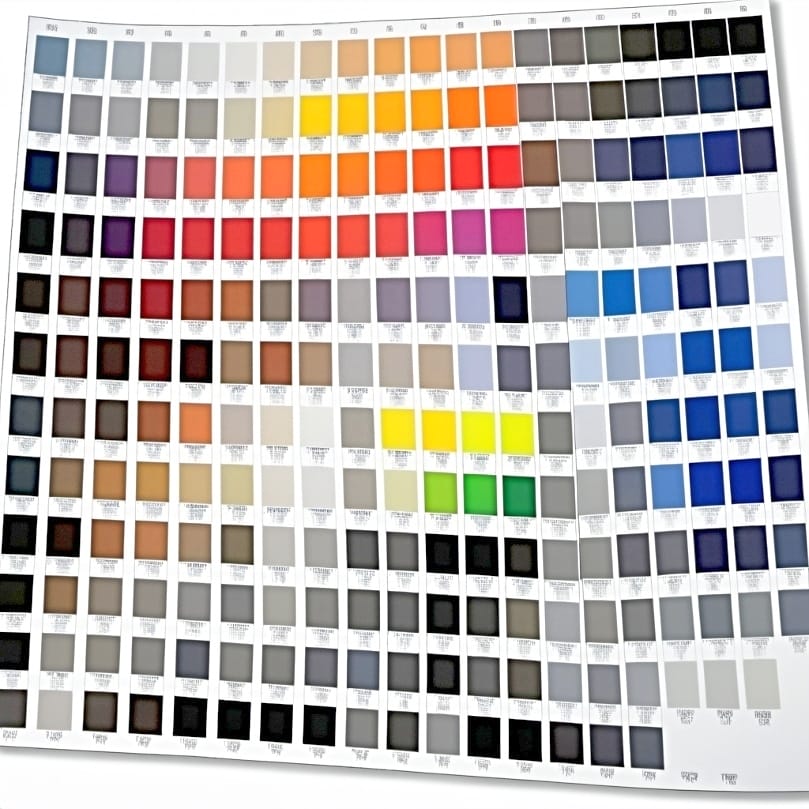
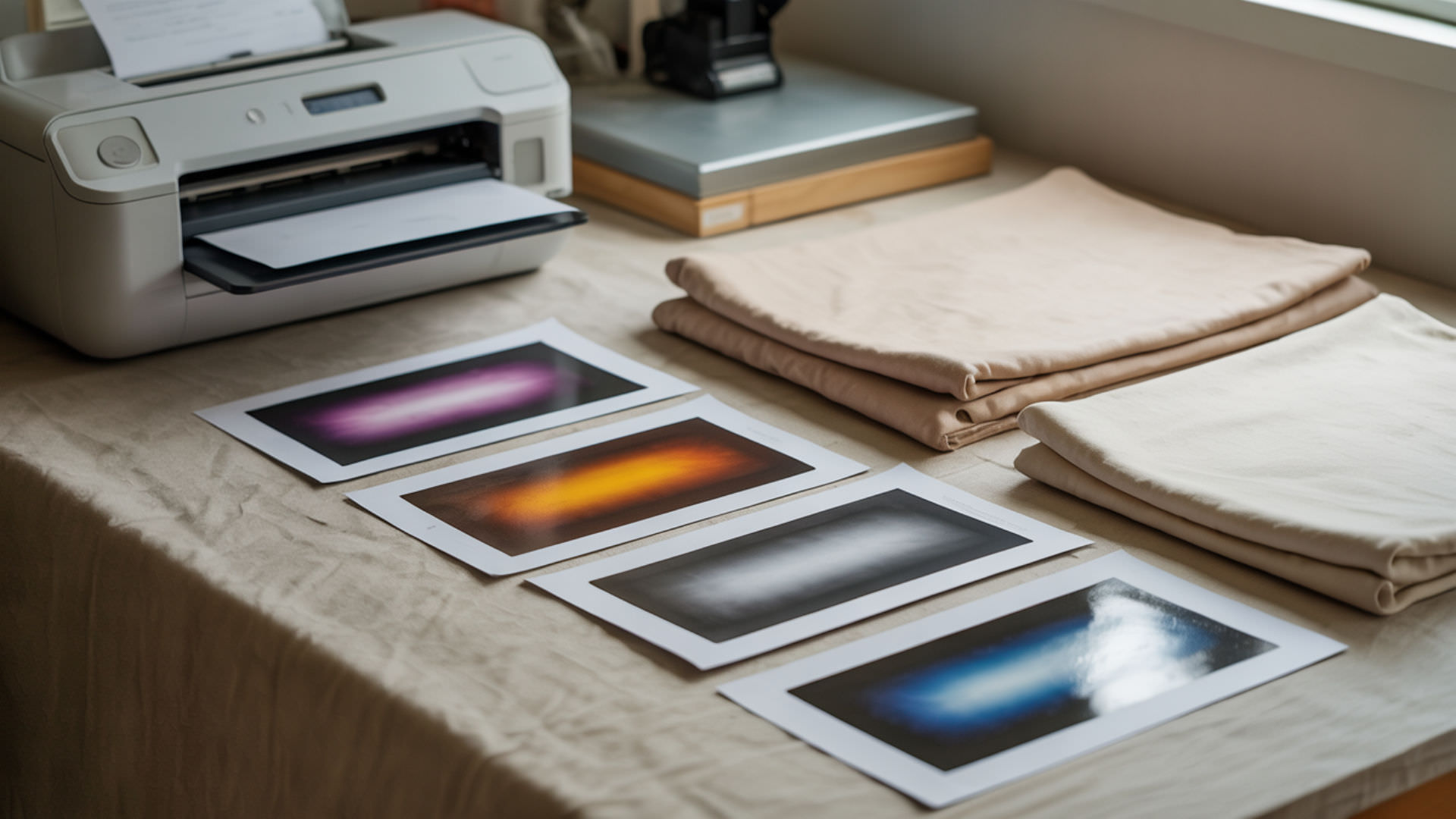
Achieving darker sublimation output requires attention to print density settings and proper color calibration throughout your workflow. Print density directly controls how much dye deposits on transfer paper, determining final darkness. Color calibration ensures darkening adjustments on screen translate accurately to printed output. Understanding how print density influences sublimation darkness connects to broader color management principles explained in our sublimation color management guide.
Key Takeaways
- Incorrect ICC profiles often cause washed-out prints by mapping colors improperly, reducing shadow density and overall darkness.
- CIELAB L* value indicates numerical darkness level—lower L* values represent darker output for objective measurement. In color science, perceived darkness is quantified using lightness values, where lower numerical values indicate darker visual output under standardized conditions. [1]
- Increasing ink load and using correct press settings produces noticeably darker, more saturated sublimation results.
Why Do Sublimation Prints Sometimes Come Out Light or Dull?
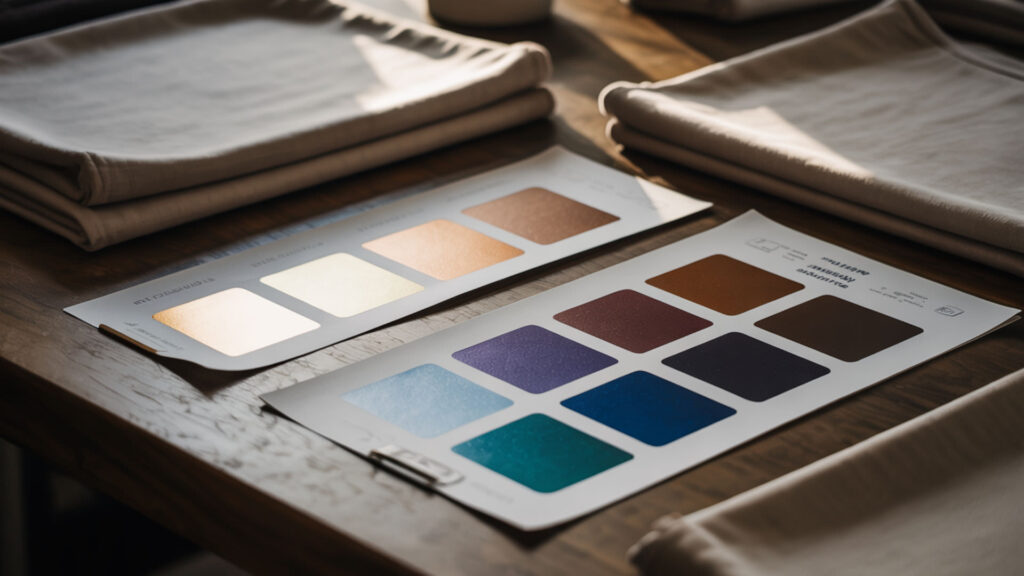
Light or dull sublimation results typically stem from incorrect ICC profile mapping that reduces shadow density during color conversion. Profiles translate screen colors to printer output—wrong profiles compress dark tones into muddy grays. Insufficient ink load also reduces overall darkness; too little dye on paper means insufficient pigment transfers to substrate regardless of press settings.
Why Isn’t My Printer Printing Dark Enough?
Print density settings determine saturation in darker regions—low density produces washed-out shadows. Print speed also affects darkness: faster speeds deposit less ink per pass, resulting in lighter output. Adjusting print density affects both darkness and perceived image quality, which our guide on best picture quality for sublimation explains in detail.
Can You Sublimate on Dark or Dark-Blend Shirts at All?
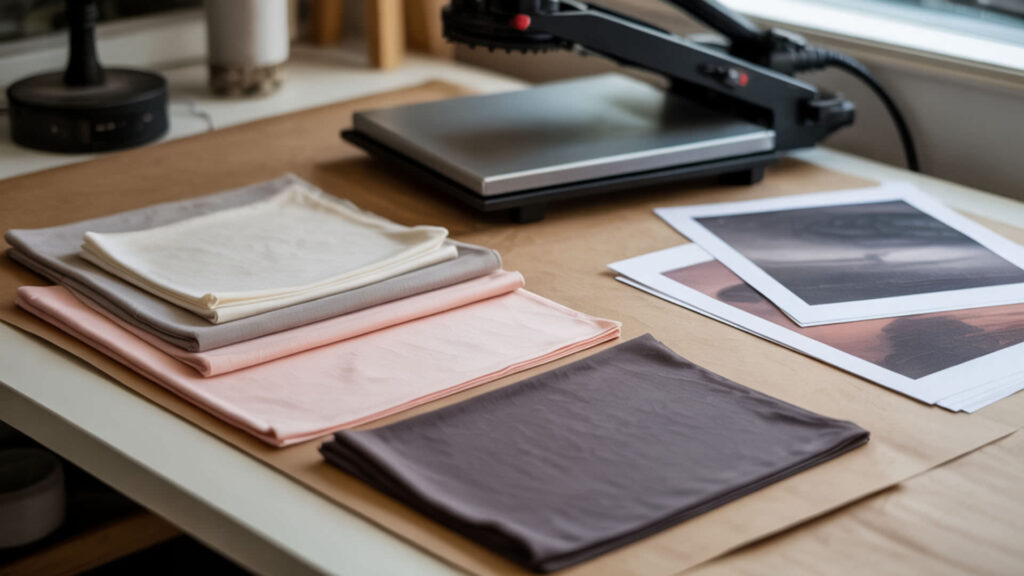
Standard sublimation cannot produce dark results on dark fabrics because sublimation inks are translucent, not opaque. The substrate’s white point determines achievable darkness—polyester base brightness limits maximum black depth. Dark blends cause hue shifts after pressing as dyes interact unpredictably with colored fibers. Special sublimation vinyl creates white underlayer for dark garments.
What Influences Print Darkness Before Transfer Happens?
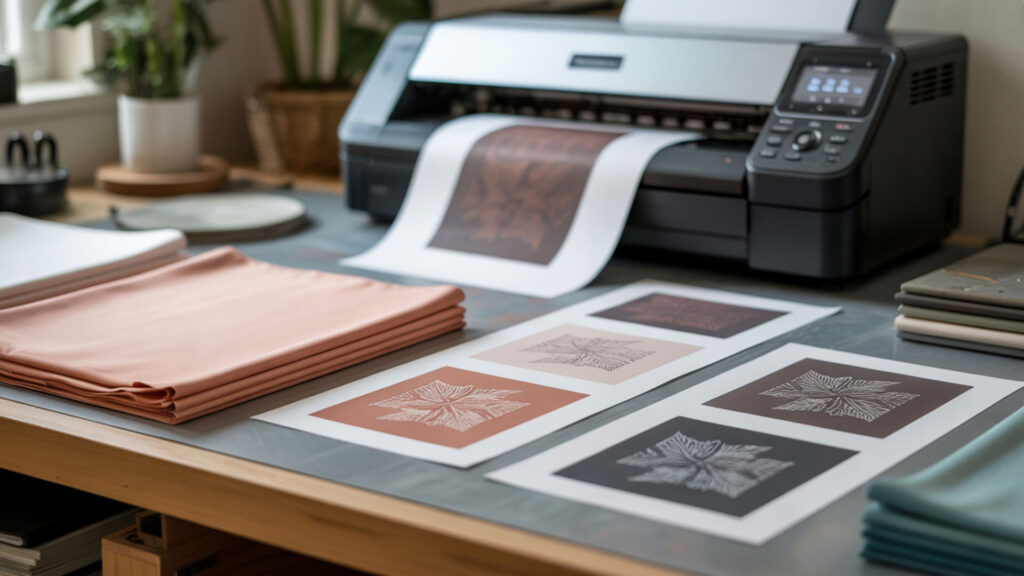
Several factors affect darkness before heat pressing occurs. Gamut mapping algorithms help preserve shadow detail when deepening tones, preventing clipping in dark regions. Gamma adjustment controls midtone and shadow response curves, creating richer darks without crushing detail. Higher print quality settings deposit more ink, while paper type selection affects absorption characteristics.
Why Does Sublimation Brightness Look Uneven After Transferring?
Uneven brightness after transfer often results from inconsistent heat application. Heat press temperature fluctuation causes uneven darkness across designs—hot spots transfer more dye while cooler areas remain lighter. Viewing conditions also affect perception; warm or dim lighting alters how we see brightness differences. Consistent heat press temperature ensures uniform results, which our sublimation test print guide addresses. Viewing conditions and light source characteristics significantly influence how dark or light printed colors appear to the human eye.[2]
⫸ Click Here For Best Selling Sublimation Printers And Products ⫷How Do You Make Sublimation Transfers Darker Step-by-Step?
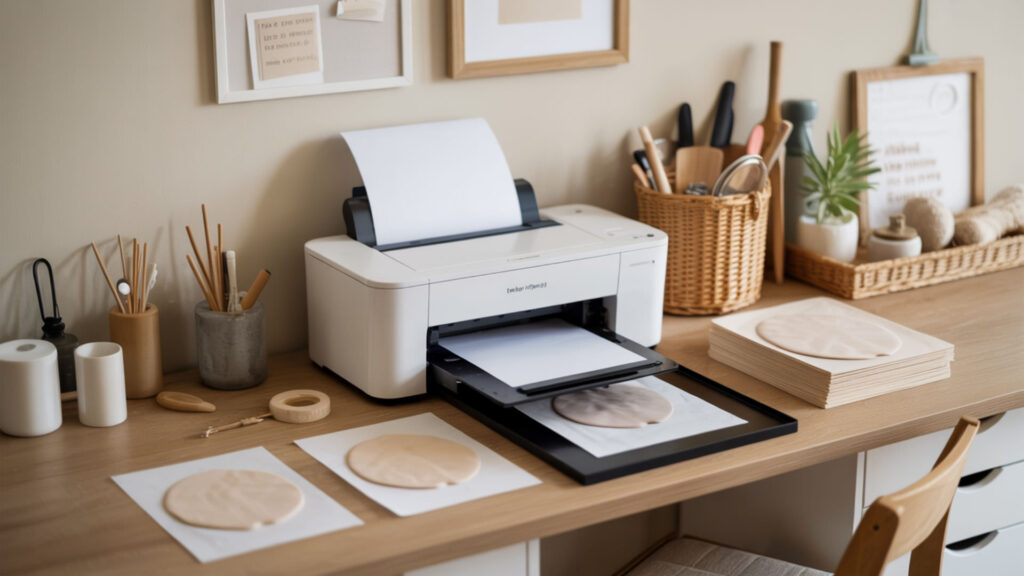
- Increase print density in printer driver settings to deposit more ink. Higher density means more dye on paper, translating to darker transferred colors.
- Select the highest quality print mode and matte paper type setting. Quality modes slow print speed and increase ink load for richer saturation.
- Apply soft proofing to preview darkening adjustments before printing. Soft proofing predicts visual impact and prevents unexpected light results.
- Adjust image brightness, contrast, and saturation in editing software. Pre-darkening source files compensate for any lightening during transfer.
- Install correct ICC profile matching your printer, ink, and paper. Proper profiles maximize shadow density without color shifts or banding.
- Pre-press substrate to remove moisture before final transfer. Moisture causes dull spots and prevents complete ink load absorption.
- Press at the correct temperature and time for your specific substrate. Under-pressing leaves ink on paper; over-pressing causes color shifts.
- Verify results and create custom profiles if defaults produce light output. Custom ICC profile creation using colorimeters maximizes dark output, which our sublimation tools guide covers.
Does Polyester Absorb Darker Sublimation Better Than Cotton Blends?

Pure polyester produces significantly darker results than cotton blends because synthetic fibers accept and retain dye molecules more completely. The bright white point of polyester enables stronger visual contrast between light and dark areas. Saturation remains higher on polyester; blends dilute color intensity as cotton fibers reject sublimation dye entirely. Insights on how polyester’s white point and its ability to retain higher saturation levels influence dark-color vibrancy appear in our How To Print Neon Colors With Dye Sublimation Printer guide.
Ready to Improve Your Sublimation Print Darkness?
Improving sublimation darkness requires systematic adjustment of printer settings, profiles, and press parameters. Delta E measurements indicate improvement in shadow accuracy after adjustments—lower values confirm closer match to targets. Understanding tone reproduction curves helps control how dark tones map from source to output for consistently rich results.
Frequently Asked Questions
Can prints look light even if the file was dark originally?
Dark source files can produce light prints when workflow elements reduce density during conversion or transfer. Incorrect ICC profiles compress shadow tones, and low print quality settings deposit insufficient ink. The transfer process itself can lighten results if press temperature, time, or pressure fall below optimal levels for complete dye sublimation.
Does sublimation ink transfer ever appear lighter once heat activated?
Sublimation prints typically appear lighter after transfer than on paper because not all ink converts to gas and penetrates the substrate. Some dye remains on paper, and substrate characteristics affect final absorption. Hue can also shift slightly during heat activation, affecting perceived darkness even when density remains consistent.
Can uneven heat distribution make prints appear lighter?
Uneven heat distribution causes inconsistent darkness across designs. Areas receiving less heat transfer less dye, appearing noticeably lighter than properly heated sections. Heat press time affects this significantly—insufficient dwell time leaves portions under-transferred. Using pressing pillows and ensuring flat contact eliminates cold spots that create uneven darkness patterns.
Can humidity affect how dark sublimation ultimately appears?
High humidity affects sublimation darkness by introducing moisture into substrates and paper. Moisture creates steam during pressing that interferes with dye transfer, causing dull spots and reduced saturation. Pre-pressing substrates removes absorbed moisture. Viewing conditions in humid environments can also alter perceived darkness through changes in surface reflection characteristics.
Is light transfer different from faded transfer over time?
Light transfer from insufficient pressing differs from gradual fading after use. Light transfer means incomplete dye penetration during initial sublimation—the colors never reached full darkness. Fading occurs when properly transferred dyes break down over time from UV exposure, washing, or abrasion. Viewing conditions affect perception of both issues.
References
- (n.d.). Rochester Institute of Technology | RIT. https://www.rit.edu/imagine/exhibits/exploring-color-through-lighting-perception
- LED lighting. (n.d.). Energy.gov. https://www.energy.gov/energysaver/led-lighting