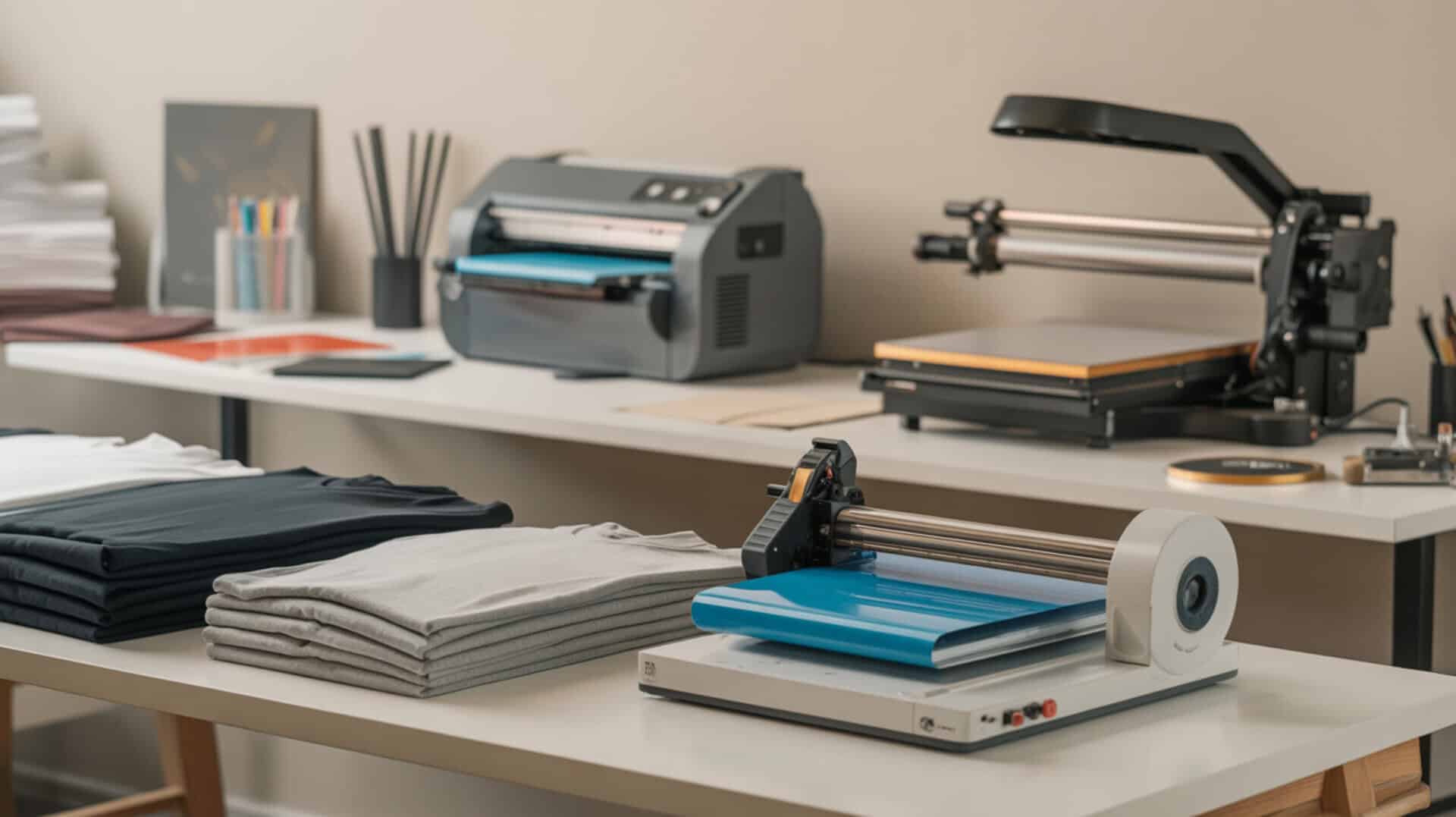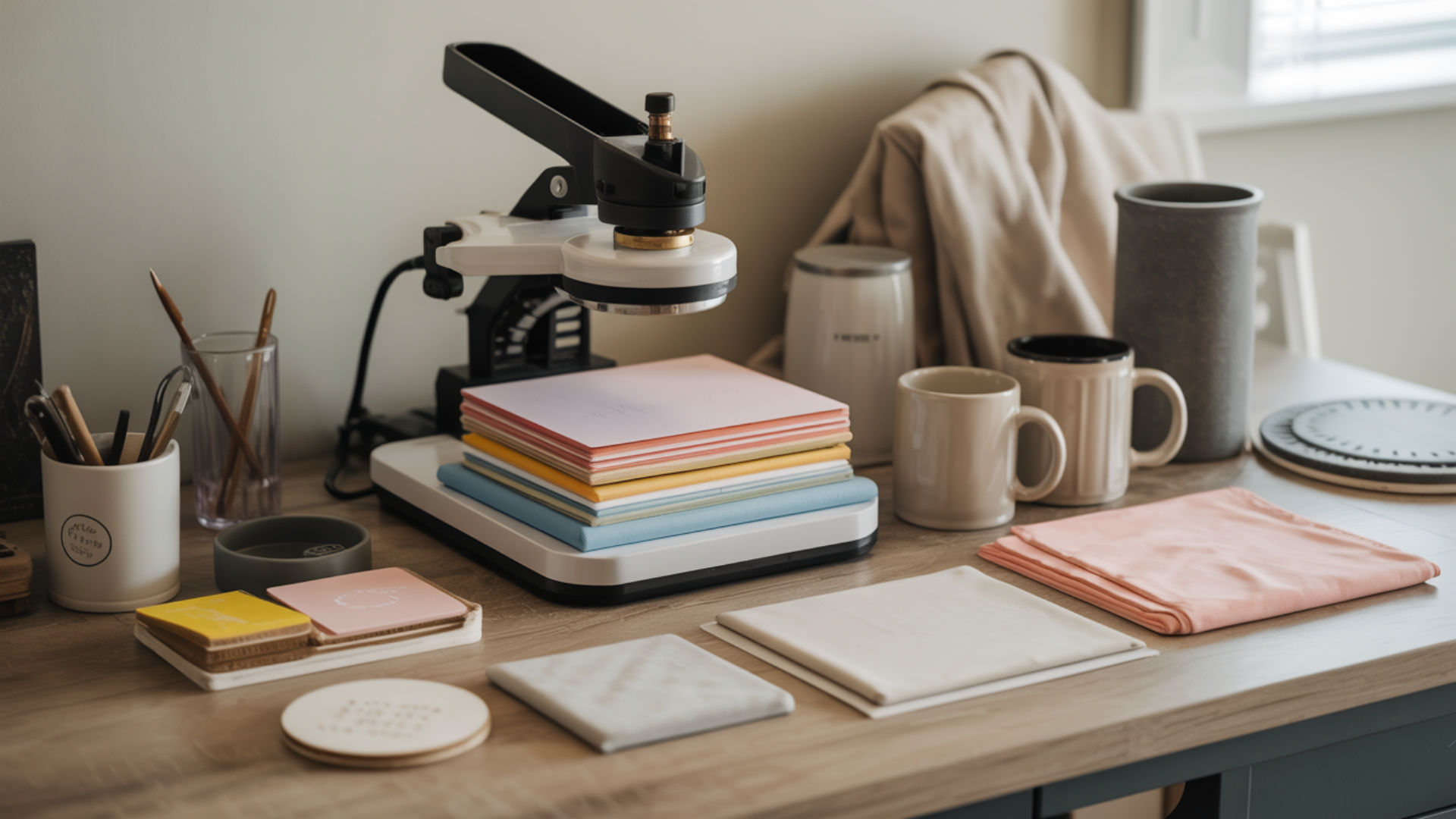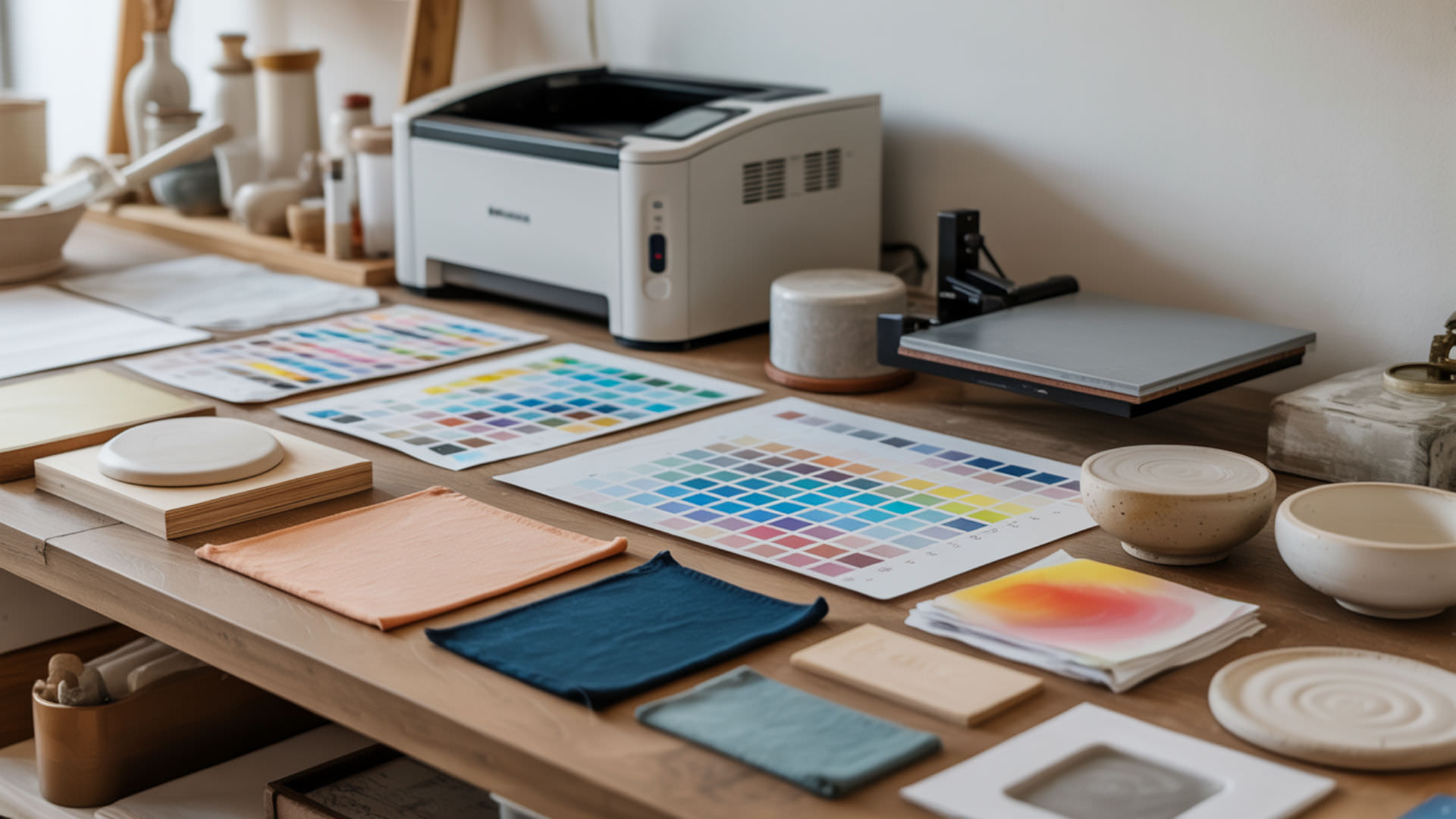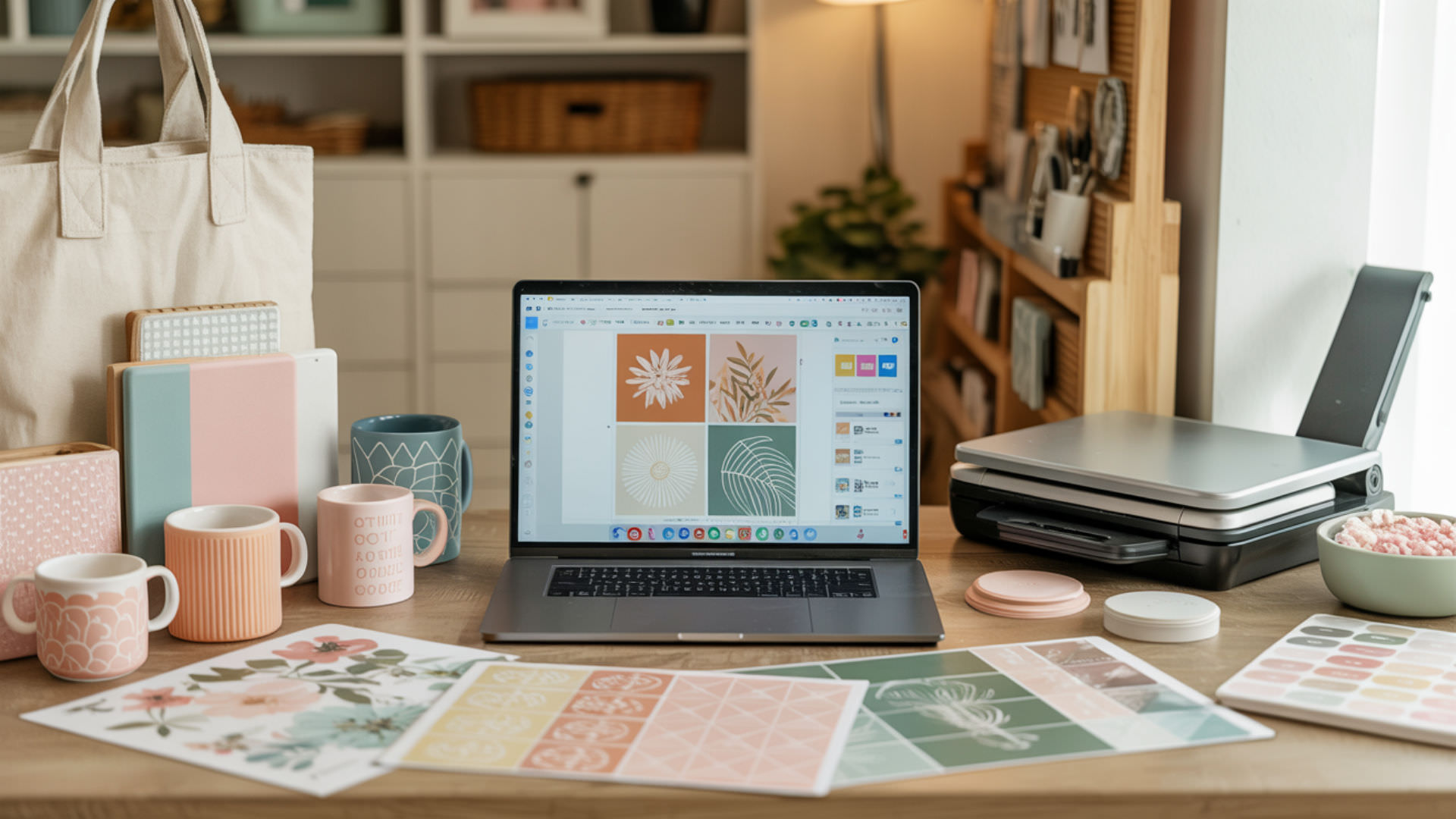
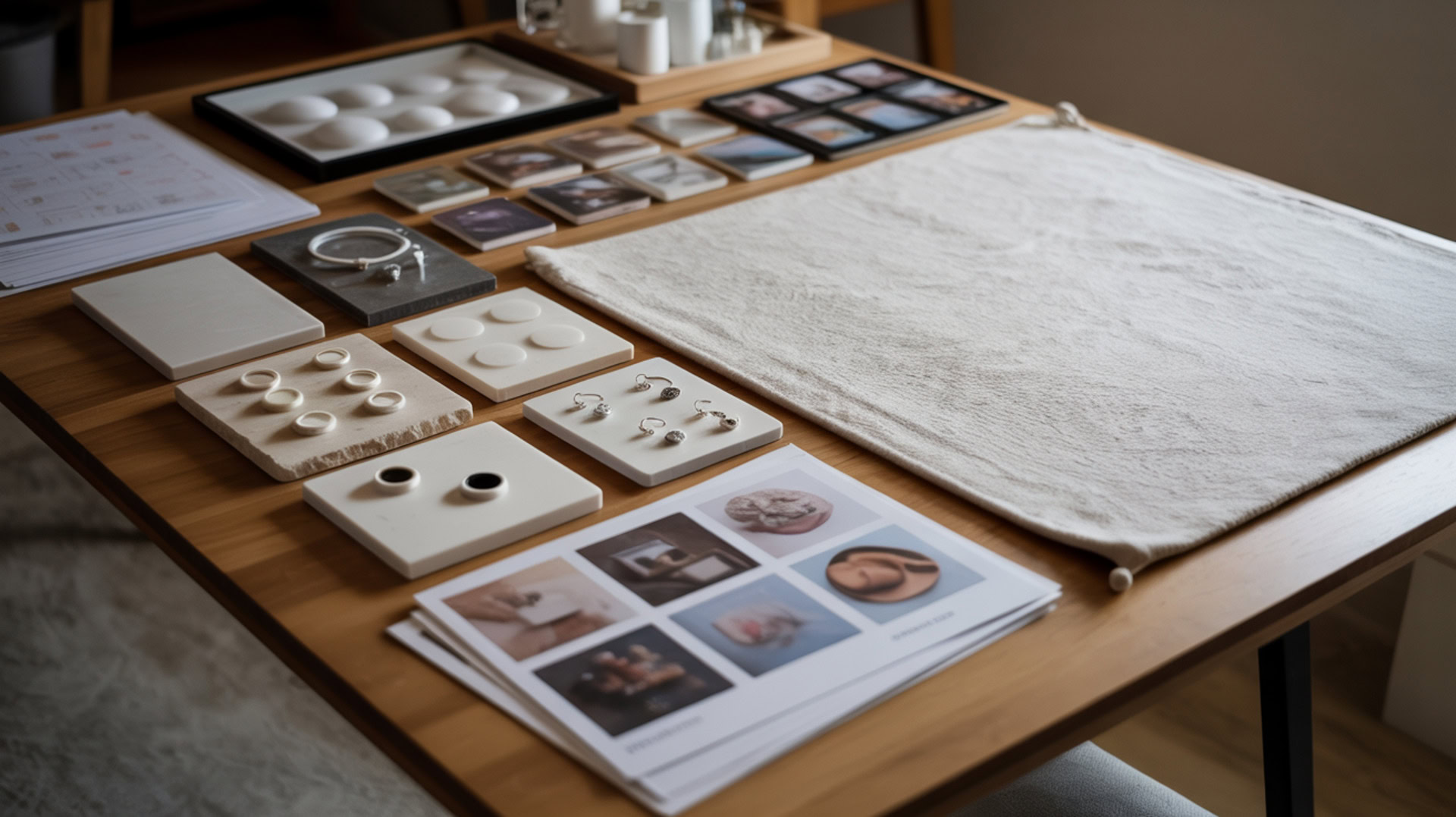
Sublimation gift products require understanding that polymer structures accept dye diffusion while non-polymer materials like wood and stone need a coating layer for compatibility. The polymer coating creates a receptive surface where sublimation dye can bond permanently, transforming natural materials into viable gift blanks with vibrant, lasting prints. Because polymer coating determines which gift materials work for sublimation, you may want to read our hub guide on Sublimation Gift Ideas to understand coating requirements for different substrates. This roundup compares three gift product categories—MDF wood earring blanks, slate products, and sublimation rugs—each tested with documented settings and real-world results. The thermal conductivity of polymer composites, which underpins many sublimation surface coatings, depends on how heat travels through the material matrix and the interfaces between components, influencing how consistently heat penetrates sublimation blanks. [1]
Key Takeaways
- Polyester provides strong dye bonding due to thermoplastic structure, while the glass transition temperature (Tg) controls the dye diffusion window during pressing—rugs pressed at 385°F for 55 seconds, MDF at 355°F for 60 seconds.
- MDF earring blanks were described as “super easy to sublimate on” with results that “turned out amazing,” while slate products are “one of the creator’s favorite sublimation blanks” producing “high-end and impressive” gifts.
- Sublimation rugs allow tiling multiple prints for large designs—palm leaf rug described as “gorgeous-looking” and the tester was “super impressed” that tiling so many pieces worked well.
Are Sublimation MDF Wood Earring Blanks a Profitable Product to Sell?
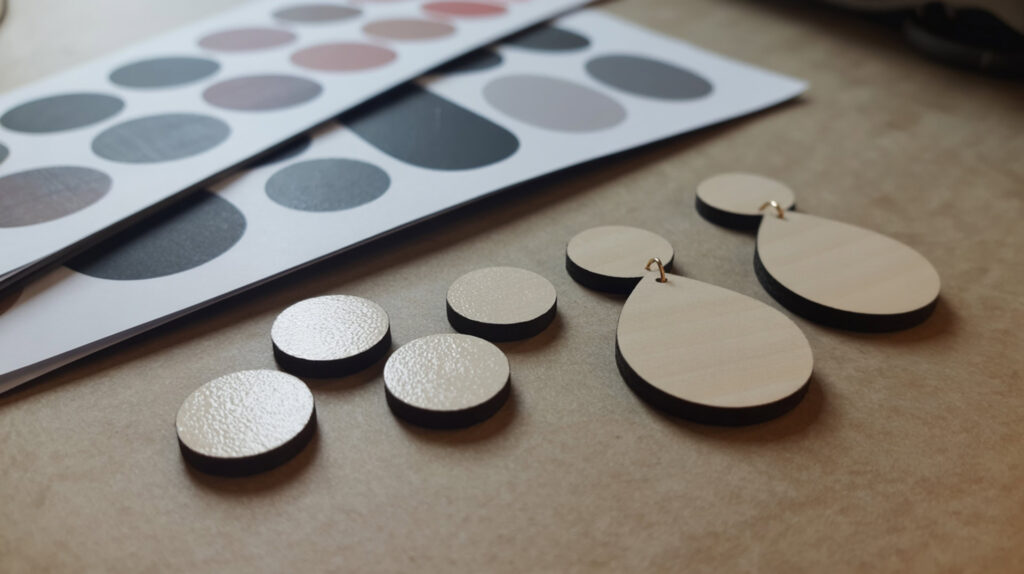
MDF wood earring blanks require polymer coating because wood fibers cannot bond with dye directly, while the resin binder in MDF creates heat sensitivity where excessive heat can cause warping or discoloration. According to reviewed test results at 355°F for 60 seconds with light to medium pressure, MDF earrings showed “clear, vibrant designs” on both sides and were described as “super easy to sublimate on” with results that “turned out amazing.” The small size makes them ideal for using scrap sublimation prints from other projects. Because Medium-density fibreboard (MDF) cores require identical coating chemistry across products, you may want to read our guide on Sublimation Wind Spinners for similar MDF-based project techniques.
What kind of sublimation print quality can you expect on MDF wood earring blanks?
MDF earring blanks produce even dye diffusion across the coating due to their smooth surface, with the thin film polymer layer providing uniform clarity for detailed designs. In reviewed testing, protective film was removed from both sides of each blank before pressing, with prints positioned and taped in place. For double-sided earrings, prints were taped to both sides forming small “packages” wrapped in butcher paper. After pressing at 355°F for 60 seconds on each side (flipping between presses), sublimation prints peeled away cleanly with “clear, vibrant designs” visible. Results were described as visually appealing and consistent.
What are the main pros and cons of sublimating on MDF wood earring blanks?
MDF earring blanks require attention to thickness affecting longer press time and moisture content that can cause warping or bubbling under heat if blanks aren’t stored properly. Based on reported test results, pros include MDF sublimation earrings that “worked extremely well,” easy sublimation process, ability to sublimate on one side or both sides, small size ideal for using scrap sublimation prints, visually appealing and consistent results, and the tester’s explicit recommendation. Cons include no performance-related issues mentioned for MDF earrings themselves, but caution is required when ordering online as “not all listings perform the same”—quality varies between suppliers.
How do MDF wood earring blanks compare to slate and other sublimation products?
MDF earring blanks as engineered wood have lower thermal conductivity than slate, resulting in slower heat penetration but more forgiving press timing at 355°F for 60 seconds versus slate’s 400°F for 4–9 minutes. The tester compared MDF against metal stud earrings with glass dome (failed due to glue causing ink to “run and blur” creating “fuzzy mess”) and faux leather sublimation earrings (did not work at all). MDF earrings were the best-performing option among the three tested and explicitly recommended. Features include various shapes available, hardware included for assembly, clear protective film on both sides, and double-sided sublimation support. You can find this product here.[3]
Is Sublimation on Slate Products Worth Adding to Your Product Line?
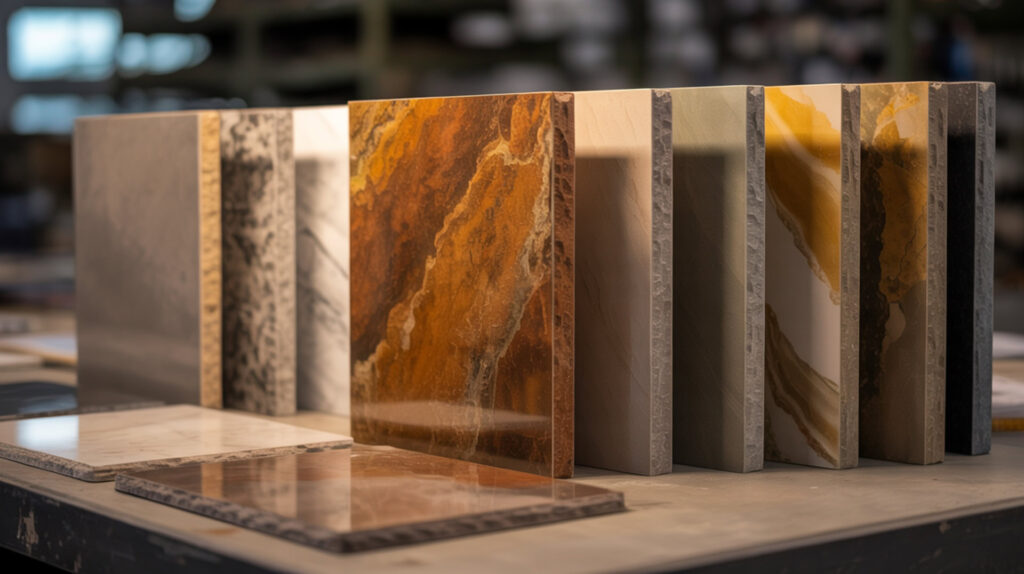
Natural slate cannot bond dye without polymer coating, but properly coated slate delivers strong wear resistance and outdoor durability making it valuable for premium gift products. According to reviewed test results at 400°F for 4–9 minutes depending on size, images transferred clearly and were described as “very impressive and gift-worthy.” The tester considers slate blanks “one of her favorite sublimation blanks” with finished products looking “high-end and impressive, especially as gifts.” Because slate and aluminum blanks both depend on polymer coating for dye bonding, you may want to read our guide on Sublimation on License Plates for similar coating-dependent techniques.
⫸ Click Here For Best Selling Sublimation Printers And Products ⫷What sublimation print quality and durability can you achieve on slate products?
Slate products enable dye penetration into the amorphous region of the coating layer, though UV degradation from outdoor exposure may fade unprotected prints over time without additional sealing. In reviewed testing using Siser Heat Press and AutoPress, large slate pressed at 400°F for 9 minutes while small slate pressed at 400°F for 4 minutes with medium pressure. A green conductive pad sized at least 1 inch larger than the slate on all sides was critical for even heat distribution on uneven surfaces. Results showed images that transferred clearly, though some shadowing around jagged edges occurred which was described as normal for slate’s natural texture.
What are the biggest pros and cons of sublimating on slate products?
Slate blanks require attention to thickness and thermal expansion creating risk of cracking under uneven heating, while the natural material’s cost makes experimentation expensive. Based on reported test results, pros include being “one of the creator’s favorite sublimation blanks,” finished products looking “high-end and impressive especially as gifts,” wide variety of sizes and shapes available, green conductive pad preventing paper sticking, compatibility with heat presses and AutoPress machines, and working well for photo-based projects. Cons include very long press times (up to 9 minutes), medium pressure for extended durations making handheld presses tiring, blanks described as “not cheap,” jagged edges causing uneven or shadowed sublimation, and press size limitations affecting very large pieces.
How do slate sublimation products compare to MDF wood and other blank options?
Slate’s higher thermal conductivity enables faster heating than MDF blanks, but the longer overall press times (4–9 minutes versus 60 seconds) reflect the material’s density and heat retention requirements. The tester explicitly states she “would not personally use an EasyPress for slate” due to long press times and physical strain of holding pressure, though it’s possible at user’s own risk. Heat press and AutoPress are recommended, with both used successfully in testing. Large slate pieces may be constrained by maximum platen size. Slate products require oversized images extending beyond edges and green conductive pad larger than the slate. Thermal conductivity refers to a material’s intrinsic ability to conduct heat, which means denser materials like slate transfer heat differently than engineered wood or porous blanks during sublimation.[2]. You can find this product here.[4]
Are Sublimation Rugs a Unique Product That Can Set Your Business Apart?
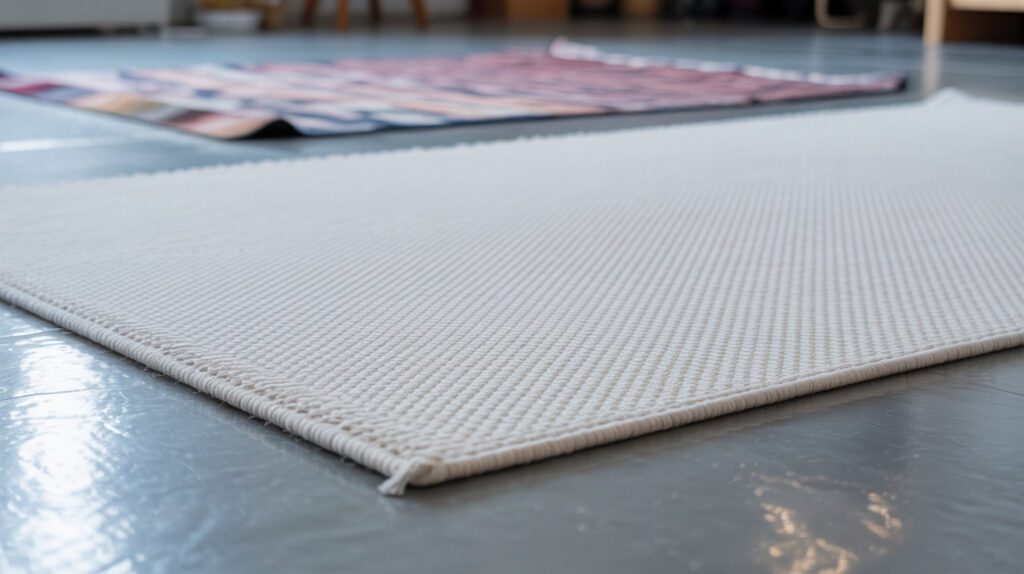
Sublimation rugs require synthetic fibers for dye bonding, with polyester construction allowing permanent color fastness that survives foot traffic and cleaning. According to reviewed test results at 385°F for 55 seconds on white sublimation doormats, results “turned out great” with “bright, vibrant” colors, while tiled palm leaf rug was described as “gorgeous-looking” and the “Plant mom” rug looked “amazing.” Because synthetic fibres determine dye bonding behavior across textile products, you may want to read our guide on Sublimation on Gift Bags for similar fiber composition considerations. The tester used Cricut AutoPress as her largest heat source, recommending using the largest press available.
What kind of sublimation results can you expect when printing on rug blanks?
Sublimation rugs achieve improved vibrancy when dye diffuses into the amorphous region of polyester fibers, though moisture causes dull or uneven transfer if not removed through pre-pressing. In reviewed testing, white sublimation doormats pressed at 385°F for 55 seconds after 10-second pre-press produced results that “turned out great” with any heat press marks removable by “fluffing/rubbing the pile back up.” Gray polyester rug (not a sublimation blank) at 385°F for 50 seconds “worked great” but visibility was much lower due to rug color—yellow sunflower was barely visible on dark gray. Pile direction should be smoothed in one direction before pressing for consistency.
What are the pros and cons of offering sublimation rugs in your product lineup?
Sublimation rugs offer higher tensile strength creating increased product durability compared to hard-surface blanks, though the tiling workflow requires practice to avoid overlap ghosting. Based on reported test results, pros include working on true sublimation doormats and regular polyester rugs, pre-pressing removing moisture for better print, lint rolling and aligning pile improving consistency, creating large rugs using tiling with smaller printers and presses, heat press marks fixable by fluffing pile, and white rug results described as “bright, vibrant, and great.” Cons include darker rug color making prints much less noticeable, tape sticking hard to rug fibers and being difficult to remove, tiling method not perfected for colored-background designs, and rug potentially falling out when press opens if not supported.
How do sublimation rugs compare to earring blanks and slate products for sales?
Sublimation rugs offer larger surface area creating higher perceived value but greater coating dependency on fiber composition, while earring blanks provide quick small-batch production and slate delivers premium gift positioning. White sublimation doormat (polyester top) produced “bright and vibrant” prints while gray polyester rug transferred but was “far less visible” due to darker background. Sourcing options include sublimation doormats on Amazon and regular polyester rugs from Lowe’s, Home Depot, Amazon, and Dollar Tree (must be 100% polyester or at least 65% polyester with recommendation to go as high as possible). Tiling allows large designs using 8.5×14 inch paper from converted Epson EcoTank or Epson F170. You can find this product here.[5]
Which Sublimation Blank Product Should You Focus on for Maximum Profit?
Choosing the right sublimation gift product depends on higher polymer stability delivering longer product lifespan and better customer retention, balanced against production complexity and material costs. For quick small-batch production using scrap prints, MDF earring blanks at 355°F for 60 seconds produced results that “turned out amazing” and were “super easy to sublimate on.” For premium gift positioning with impressive presentation, slate products at 400°F for 4–9 minutes deliver “high-end and impressive” results the tester considers “one of her favorite sublimation blanks.” For unique large-format products with high perceived value, sublimation rugs at 385°F for 55 seconds with tiling capability produced “gorgeous-looking” results. Each category serves different market segments and production workflows.
Frequently Asked Questions
What sublimation products actually sell best for small businesses?
Sublimation products that sell best for small businesses typically combine manageable production time with attractive profit margins—MDF earring blanks offer quick 60-second press times using scrap prints, while slate products command premium pricing for gift-worthy presentation. According to the testing observations, MDF earrings “worked extremely well” with consistent results ideal for craft fair inventory, and slate products look “high-end and impressive especially as gifts” justifying higher price points. Sublimation rugs provide unique differentiation since few competitors offer custom doormats. Consider your heat press capacity, target customer, and production volume when selecting product focus.
What is the most durable sublimation blank product you can offer?
Slate products offer strong wear resistance and outdoor durability among the three categories tested, with the polymer coating protecting prints on natural stone that withstands handling better than lightweight alternatives. The tester described slate as producing results that are “very impressive and gift-worthy” with finished products looking “high-end.” However, sublimation rugs with polyester construction also maintain permanent color fastness through regular use and cleaning. MDF earrings provide adequate durability for jewelry wear but lack the heavy-duty characteristics of slate or the washability of rugs.
What Dollar Tree items can you sublimate on to save money?
Dollar Tree items suitable for sublimation include polyester rugs and doormats if they meet the 65–100% polyester requirement—the tester mentioned Dollar Tree as a sourcing option alongside Lowe’s, Home Depot, and Amazon for finding polyester rugs. When sourcing budget blanks, verify polyester content on labels since sublimation only works on polymer-based materials or items with polymer coating. Non-sublimation-specific polyester items may work (the gray polyester rug “worked great”) but visibility depends heavily on base color—white or light colors produce “bright, vibrant” results while dark colors make prints “far less visible.”
Can you sublimate on wood or does it require special preparation?
Wood requires polymer coating for sublimation because natural wood fibers have no bonding sites for disperse dye—the dye converts from solid to gas during phase transition but needs polymer chains to lock into permanently. MDF (Medium-density fibreboard) sublimation blanks come pre-coated with a polymer layer that accepts dye, with the tester noting to remove the clear protective film from both sides before pressing. At 355°F for 60 seconds with light to medium pressure, coated MDF earring blanks produced “clear, vibrant designs” that “turned out amazing.” Uncoated raw wood cannot be sublimated without first applying a polymer coating product.
How long does a sublimation print typically last on different materials?
Sublimation print longevity varies by substrate—polyester maintains long-term color fastness because dye bonds permanently within fiber structure, while coated materials like slate and MDF depend on coating durability and environmental exposure. UV degradation from outdoor exposure may fade unprotected prints on slate over time. Polyester rugs maintain color through washing and foot traffic due to dye penetration into fibers rather than surface application. MDF earrings provide standard jewelry-wear durability. For maximum longevity, the tester emphasized proper press settings (temperature and time per material), pre-pressing to remove moisture, and using quality blanks—noting that “not all listings perform the same” when ordering online.
References
- Thermal conductive polymer composites: Recent progress and applications. (n.d.). PMC Home. https://pmc.ncbi.nlm.nih.gov/articles/PMC11313829/
- Thermal conductivity and resistivity. (2026, February 9). Wikipedia, the free encyclopedia. Retrieved February 11, 2026, from https://en.wikipedia.org/wiki/Thermal_conductivity_and_resistivity