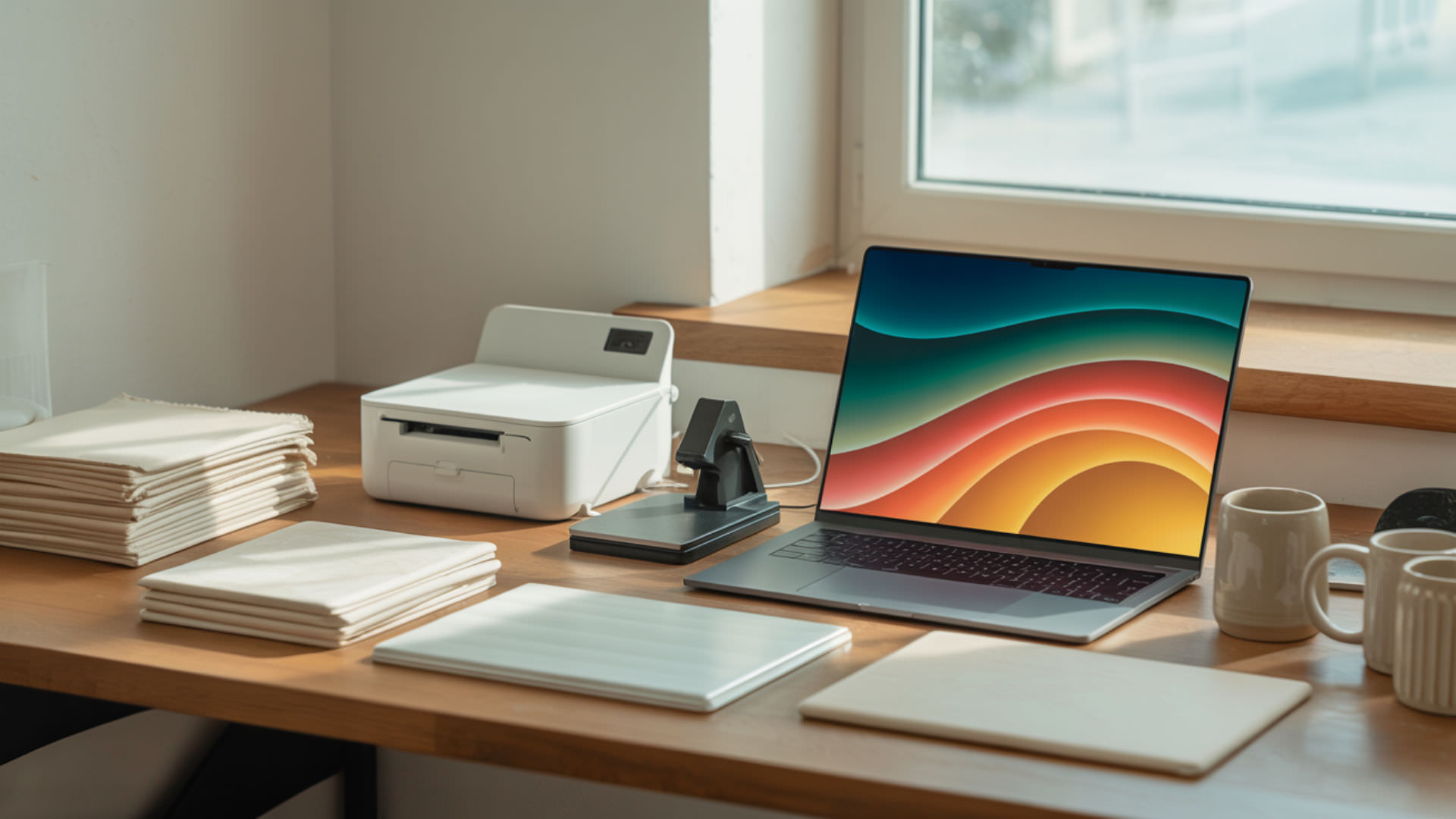
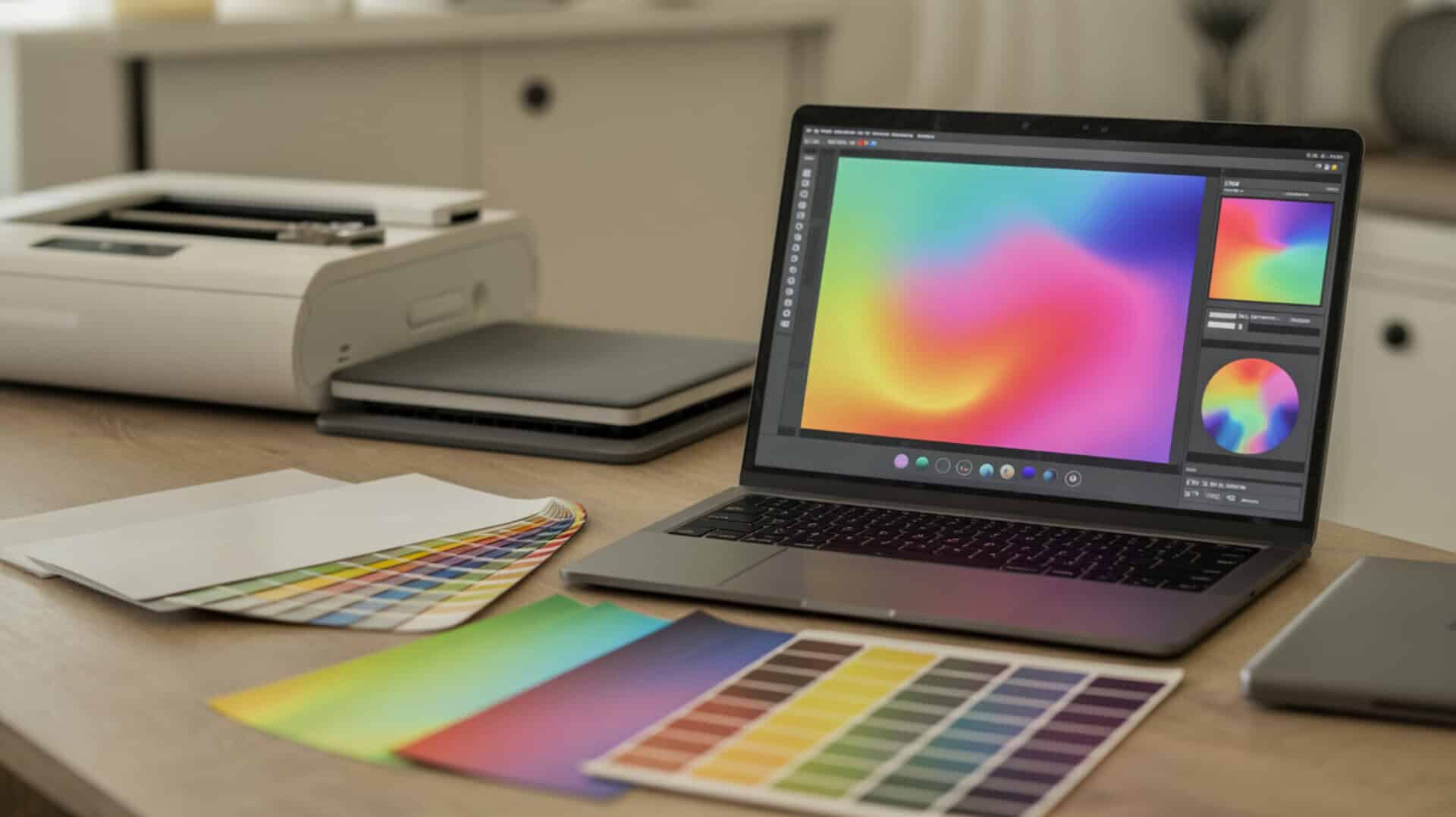
Choosing the best laptop for sublimation printing depends on how processor (CPU) capability affects computer performance when rendering and exporting design files for sublimation workflows. CPU performance determines how smoothly design files render in applications like Photoshop, Illustrator, and Silhouette Studio, directly impacting workflow efficiency by reducing lag during design-to-print preparation. Faster systems with adequate RAM and storage handle large layered files, ICC color profiles, and print queue management without slowdowns. Since computer performance affects the full sublimation design workflow, you may also want to read our hub article on sublimation designs.
Key Takeaways
• Multicore processors improve handling of large design files and background tasks through parallel processing—more cores mean faster rendering of layered sublimation designs. Parallel computing (including GPU acceleration) can significantly speed up demanding tasks like image processing and exporting large design files by distributing workloads across many cores. [1]
• Resource utilization determines stability during sublimation design work—balanced CPU and RAM usage prevents slowdowns when running design software alongside printer management.
• A laptop should have at least an Intel i5 or Ryzen 5 processor, 8GB RAM, 256GB SSD, and a Full HD color-accurate display for reliable sublimation workflows.
Is the Dell XPS 15 a Good Laptop for Sublimation Design Work?
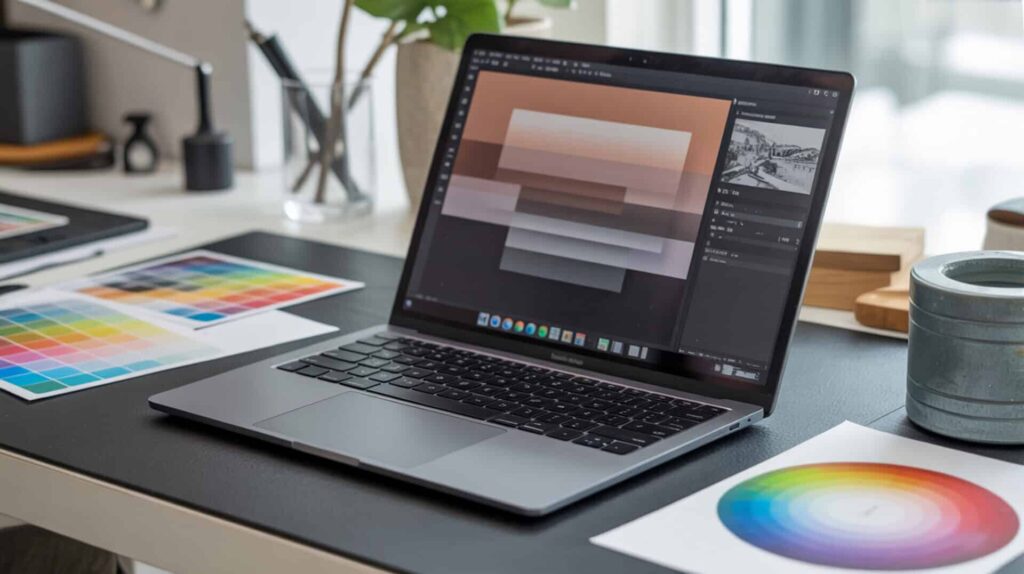
The Dell XPS 15 offers strong processor (CPU) options with Core i7 and Core i9 configurations that deliver reliable benchmark performance for design workloads. According to real-world testing, the laptop handled Premiere Pro, InDesign, and Photoshop simultaneously while uploading video with “very little performance decrease.” A 3DMark Time Spy stress test showed a 98.3% passing score, indicating no thermal throttling under heavy load. Since benchmark scores provide objective comparison across laptops used for sublimation work, you may also want to read our guide on best sublimation designs.
What kind of design performance can you expect from the Dell XPS 15?
Based on demonstrated real-world testing, the Dell XPS 15’s multicore processor handles layered design files efficiently with approximately 30% graphics performance increase and 10% CPU performance increase versus the prior model (9520). Resource utilization remained stable during multitasking tests with multiple Adobe applications running simultaneously. The RTX 4070 GPU (limited to 40–50W) provides adequate graphics acceleration for design rendering, though the reviewer notes this is not a gaming laptop and gaming-specific laptops will outperform it. Battery testing showed approximately 10 hours 17 minutes in PCMark 10 Modern Office and 10 hours 21 minutes video playback, with approximately 6–7.5 hours for graphic design use at lower brightness.
⫸ Click Here For Best Selling Sublimation Printers And Products ⫷What are the pros and cons of using the Dell XPS 15 for sublimation projects?
Computer performance during long design sessions depends on system efficiency—the XPS 15’s thermal management showed keyboard temperatures around 43°C and underside around 55°C under heavy load with fan noise reaching approximately 53 dB. Main advantages include rock-solid all-metal build quality, 4K display with Adobe RGB color space described as extremely sharp and color-accurate, upgradeable RAM (two slots) and two SSD slots, full-size SD card reader, and no thermal throttling detected in stress testing. The carbon fiber interior stays looking new and resists scratches better than aluminum in reviewer experience. Main drawbacks include no HDMI and no USB-A ports (dongle included), 720p webcam on a flagship device, trackpad described as less smooth than MacBook, and unchanged design year-over-year at flagship pricing.
How does the Dell XPS 15 compare to other laptops for sublimation designers?
In benchmark comparisons mentioned in reviewed source material, the XPS 15’s Time Spy stress test score of 98.3% demonstrates relative processing strength for sustained design workloads. Versus MacBook Pro: one reviewer said their MacBook Pro scratched and dented more easily, but noted the MacBook trackpad and spacebar feel better. The XPS 15 speakers were compared against MacBook Pro 14 and described as “holding their own” and potentially slightly better. Versus HP and Lenovo: the XPS 15’s 720p webcam was criticized compared to HP Dragonfly’s 1440p and many Lenovo models offering 1080p webcams. Pricing starts at flagship levels with configurations ranging from 16GB to 64GB RAM and up to 8TB storage. You can find the Dell XPS 15 here.[3][4]
How Well Does the ASUS ProArt StudioBook 16 OLED Perform for Sublimation Printing?
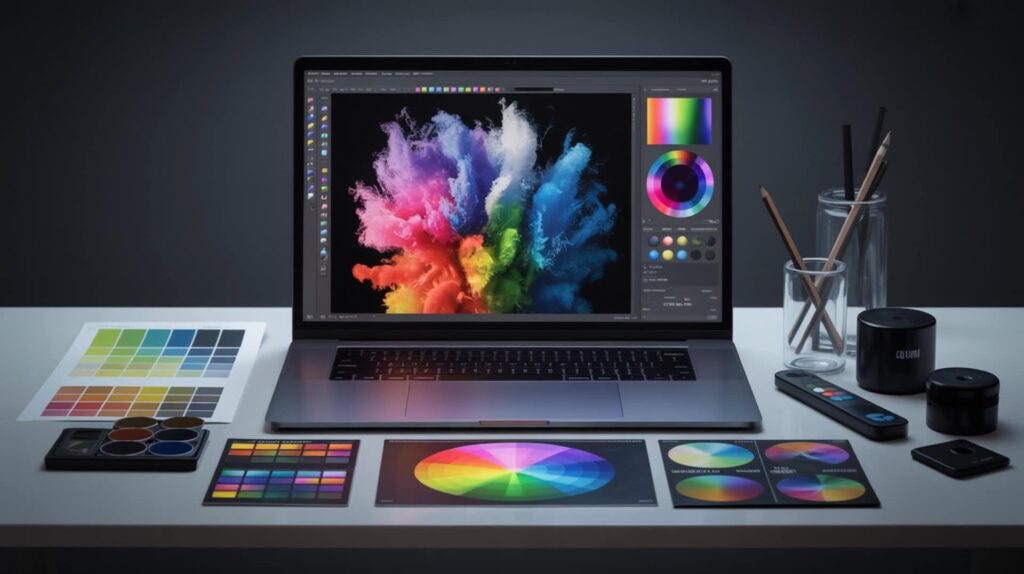
The ASUS ProArt StudioBook 16 OLED features a high-core multicore processor (Intel i9-13980HX 24-core) paired with RTX 4070 mobile GPU that handles complex design workloads with minimal lag. According to 9 months of real-world use, the reviewer describes the CPU/GPU combo as “truly powerful” with Adobe Premiere Pro workflows including Media Encoder while editing being “an absolute breeze.” Computer performance delivers professional-grade capability at approximately $2,400 pricing. Since core count directly affects professional sublimation design workflows, you may also want to read more about multicore processor impact in our 3D Sublimation Guide.
What design and color accuracy results can you achieve with the ASUS ProArt StudioBook 16?
Based on demonstrated long-term use, the ASUS ProArt delivers efficient resource utilization for consistent performance during color-sensitive design tasks. The OLED display was described as “absolutely amazing” and “best screen I have experienced on a laptop,” praised for deep blacks, vibrancy, high contrast, and being “very color accurate” for color-critical sublimation design work. The touchscreen proved unexpectedly useful for zooming, navigating, and data entry tasks. RAM is upgradeable to 64GB (the reviewer upgraded), and an empty M.2 slot allows adding secondary SSD storage. The large haptic touchpad (16:10) was described as feeling similar to MacBooks and “as good as it gets on a Windows laptop.” Color appearance depends on how humans perceive light and surface properties, which is why display calibration and consistent color handling matter when preparing designs for printing.[2]
What are the pros and cons of the ASUS ProArt StudioBook 16 OLED for sublimation?
High-performance computer hardware improves productivity but at the cost of higher power usage—the reviewer notes battery life is poor at approximately 2–3 hours maximum for editing or CPU/GPU intensive work. Main advantages include excellent upgradeability (RAM upgradeable to 64GB, spare M.2 SSD slot), OLED display with touchscreen and exceptional color accuracy, comprehensive ports without dongles (HDMI, RJ45 Ethernet, SD card, USB-A, USB-C, Thunderbolt), Windows Hello face login, powerful i9 24-core CPU, impressive value for creator-focused specifications, and Harman Kardon speakers with Dolby Atmos. Main drawbacks include a major charging heat issue (laptop gets very hot while charging even when off, causing thermal throttling when opened), poor battery life, keyboard described as too light and flimsy, heavy workstation size and weight, and inconsistent SD card reader speeds.
How does the ASUS ProArt StudioBook 16 compare to other creative laptops?
In benchmark comparisons mentioned in reviewed source material, the ProArt positions as a professional design machine with creator-focused specifications difficult to match at the approximately $2,400 price point. Versus MacBook Pro M3 Max: the reviewer claims the ProArt’s OLED touchscreen display is better, though the MacBook felt less bulky and more portable. Versus ASUS Zenbook Duo 24: the Zenbook Duo’s keyboard feels much better despite costing approximately $1,000 less. The reviewer notes it’s hard to find another laptop with the same combination of OLED display, upgradeability, port selection, and creator-grade CPU/GPU at this price. GPU limitation noted: maximum RTX 4070 with 8GB VRAM may limit users wanting higher-tier options. You can find the ASUS ProArt StudioBook 16 OLED here.[5]
Is the Apple 2024 MacBook Pro Worth It for Sublimation Design and Printing?
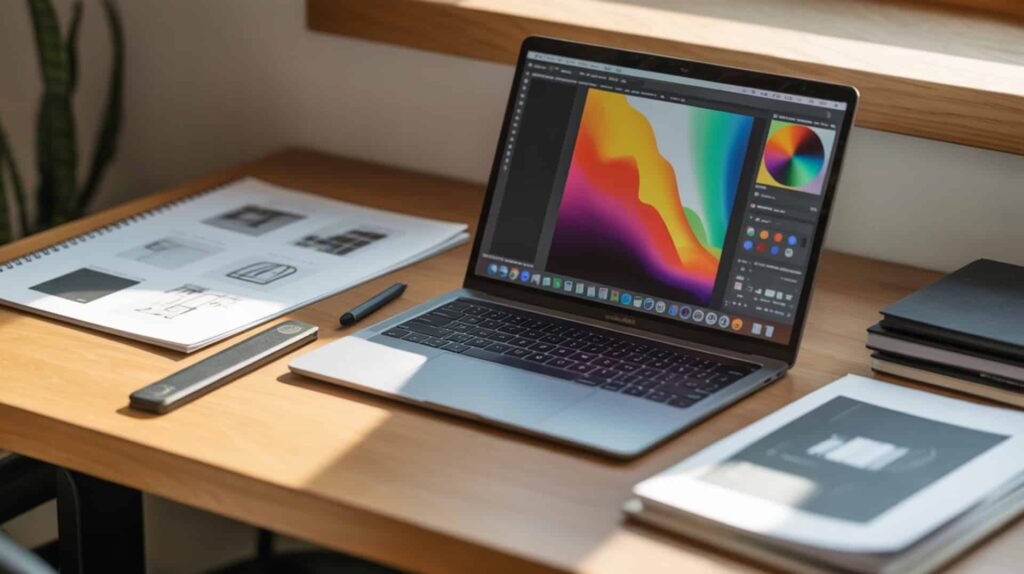
The Apple 2024 MacBook Pro features the M4 processor (CPU) with architecture that delivers speed and efficiency for design software workflows, configurable up to M4 Max for demanding production needs. According to demonstrated sublimation workflow testing with an Epson EcoTank 2760 converted for sublimation, the MacBook handles ICC color profiles via ColorSync and supports full Epson sublimation settings once the correct driver (version 10 or higher) is installed. Computer performance handles RAW photo editing and 4K video editing simultaneously with smooth results.
What sublimation design performance can you expect from the 2024 MacBook Pro?
Based on demonstrated testing, the MacBook Pro’s optimized resource utilization delivers smooth multitasking during design and export stages. The multicore processor handled RAW photo editing in Lightroom and 4K video editing in Final Cut Pro simultaneously with browsers and other apps running, showing smooth performance except when editing four simultaneous 4K 120fps videos where frame drops occurred. Sublimation-specific workflow demonstrated: printer settings include Media Type (Premium Presentation Paper Matte), Print Quality (High), Mirror Image ON, and ColorSync with Cosmo Ink ICC color profile (or Adobe RGB if no ICC available). The reviewer used Silhouette Studio (free version) and recommends “Last Used Settings” preset to maintain consistency across prints.
What are the pros and cons of using the MacBook Pro for sublimation work?
Computer performance benefits from high system optimization but with limited hardware customization—no user-upgradeable RAM or storage. Main advantages include excellent battery life (approximately 18–18.5 hours in real-world testing versus Apple’s 24-hour claim), strong performance for photo and video editing, base model starting at 16GB RAM, Liquid Retina XDR display with up to 120Hz ProMotion, optional nano-texture display that significantly reduces reflections, Magic Keyboard praised for key travel, Force Touch trackpad described as extremely responsive, Spatial Audio speakers, and sublimation usability once correct drivers are installed. Main drawbacks include sublimation setup friction (driver detection bug required manual fix to access full printer settings), nano-texture display costs extra ($150), performance ceiling with multiple 4K 120fps timelines, and Mac sublimation settings are harder to find compared to Windows.
How does the Apple 2024 MacBook Pro compare to Windows laptops for sublimation?
In cross-platform benchmark comparisons mentioned in reviewed source material, the M4 MacBook Pro easily surpasses MacBook Air M3 in performance, with noticeable but not dramatic improvement over M2 Max. Versus Windows sublimation compatibility: Mac sublimation settings are harder to configure than Windows, and driver issues required manual intervention (ensuring Epson driver version 10+ and manually deleting/reinstalling files). The reviewer offers Windows tutorials separately, implying Windows offers simpler sublimation printer setup. Build quality features 100% recycled aluminum at approximately 3.4 lb weight. Ports include three Thunderbolt 4 ports (Thunderbolt 5 on M4 Pro models), SD card slot, HDMI, and 3.5mm headphone jack. The 16-inch MacBook Pro offers more power but significantly higher cost. You can find the Apple 2024 MacBook Pro here.[6]
Which Laptop Is the Best Fit for Your Sublimation Printing Workflow?
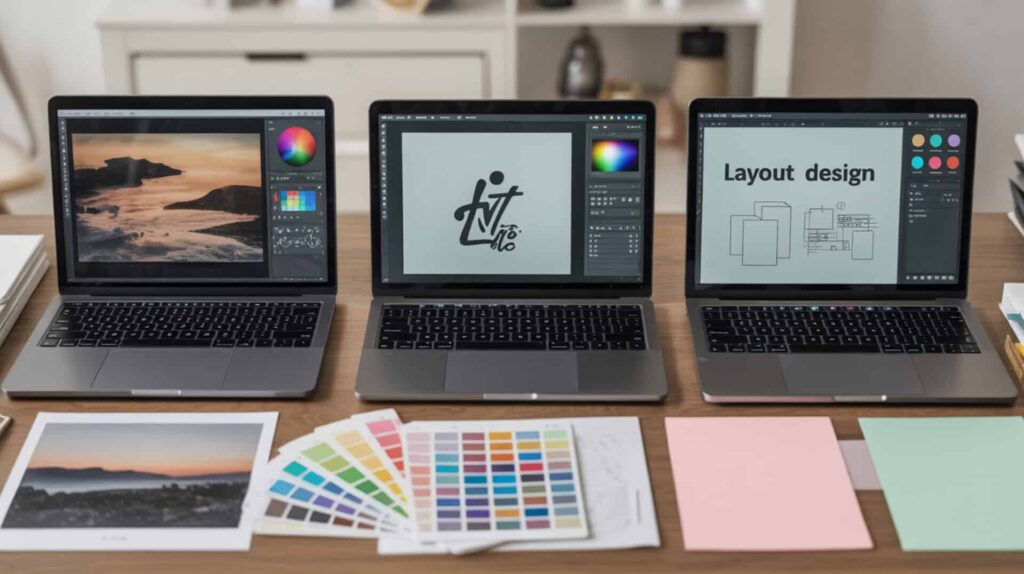
Computer performance requirements and resource utilization needs determine which laptop fits your sublimation workflow demands. Workflow complexity dictates required performance level and hardware balance: basic sublimation design needs modest specifications (Intel i5, 8GB RAM, 256GB SSD), while professional production workflows benefit from multicore processors, dedicated GPUs, and color-accurate displays. The Dell XPS 15 suits users wanting a balanced mid-premium Windows option with upgradeable RAM/storage, excellent build quality, and reliable thermal management at flagship pricing. The ASUS ProArt StudioBook 16 OLED suits professional designers prioritizing the best display color accuracy, maximum upgradeability (64GB RAM, dual SSD), and comprehensive ports—if battery life and heat management concerns are acceptable tradeoffs. The MacBook Pro suits users in the Apple ecosystem wanting exceptional battery life and build quality, accepting sublimation driver setup friction. Overall, I recommend the ASUS ProArt StudioBook 16 OLED for sublimation work because display color accuracy is critical when designing for dye transfer—the OLED panel described as “best screen experienced on a laptop” ensures colors match final pressed products, and 64GB RAM upgradeability handles complex layered designs.
Frequently Asked Questions
What is the best laptop for art, design, and sublimation printing work?
For art, design, and sublimation work, laptops need color-accurate displays, adequate processor (CPU) performance, and sufficient RAM for running design software alongside printer management. The ASUS ProArt StudioBook 16 OLED offers the best display color accuracy for matching sublimation output. The Dell XPS 15 with 4K Adobe RGB display provides excellent color at mid-premium pricing. The MacBook Pro suits Apple ecosystem users. All three handle professional design software and ICC color profile workflows effectively.
Is Mac or Windows better for graphic design and sublimation software?
Both Windows and Mac work well for graphic design and sublimation, but Windows laptops are more compatible with sublimation printer drivers and ICC profile software. Mac sublimation settings are harder to find and configure compared to Windows—one reviewer experienced driver detection bugs requiring manual intervention to access full Epson printer settings. Windows offers simpler sublimation printer setup, while Mac provides excellent system optimization and battery life once properly configured.
Does sublimation design work require a high-end laptop?
No, most laptops can run sublimation programs, but slower or low-storage models may lag with image editing tools. Resource load determines whether high-end hardware is necessary—basic sublimation workflows need at least Intel i5 or Ryzen 5 processor, 8GB RAM, 256GB SSD, and Full HD color-accurate display. Professional workflows with large layered files, multiple applications, and ICC profile management benefit from multicore processors, 16GB+ RAM, and color-calibrated displays.
Which laptop brand is best for graphic designers doing sublimation?
For graphic designers doing sublimation, ASUS ProArt offers the best display color accuracy at creator-focused pricing, Dell XPS provides reliable build quality with upgradeable components, and Apple MacBook Pro delivers exceptional battery life with system optimization. Core count affects design speed and multitasking ability—the ASUS i9-13980HX 24-core handles complex workloads, Dell offers i7/i9 options, and MacBook’s M4 chip provides efficient performance.
How much RAM do you need for graphic design and sublimation projects?
Minimum 8GB RAM handles basic sublimation design work, but 16GB provides better multitasking capability when running design software, browser, and printer management simultaneously. For professional workflows with large layered files and complex designs, 32GB or 64GB RAM prevents slowdowns. The ASUS ProArt allows upgrading to 64GB, Dell XPS 15 supports up to 64GB with two RAM slots, while MacBook Pro configurations are fixed at purchase with no user upgrades available.
References
- High-performance and parallel computing with GPUs. (n.d.). ARCTiC Labs. https://arctic.umn.edu/high-performance-and-parallel-computing-gpus
- Chapter 10: Color and appearance. (2017, March 27). NIST. https://www.nist.gov/publications/chapter-10-color-and-appearance