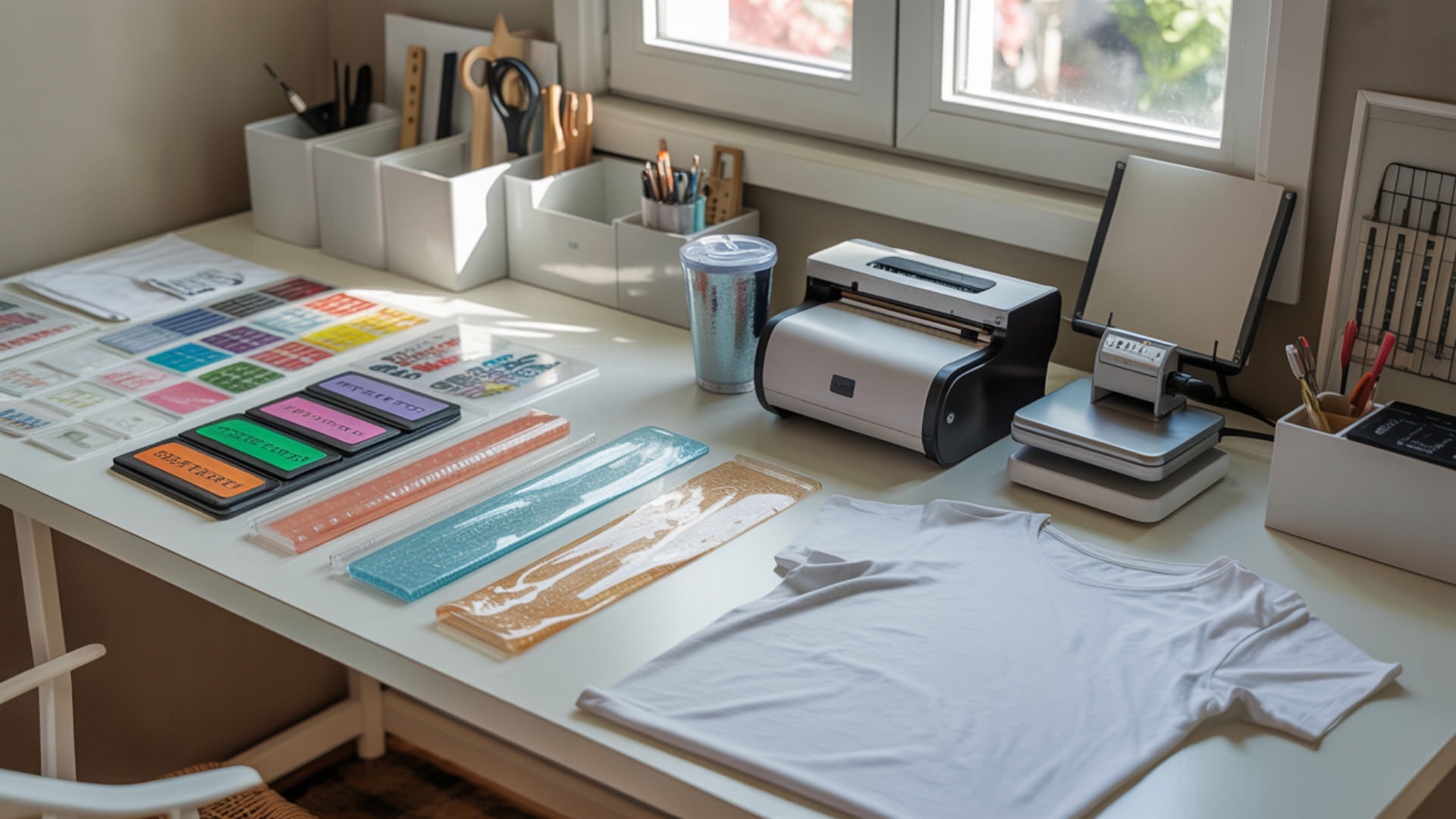

Sublimation requires polymer content for disperse dyes to bond at the molecular level, which means materials lacking polyester or a polymer coating cannot accept the ink transfer. Cotton, uncoated wood, untreated metal, glass, and most plastics reject sublimation dye because their molecular structure offers nothing for the gaseous ink to penetrate. Our guide to polymer chemistry requirements explains the fundamental bonding mechanisms that determine sublimation compatibility.
Key Takeaways
- Materials must contain polymer chains or a polymer coating to accept sublimation dye and create permanent bonds.
- Heat resistance determines whether substrates survive the 350–400°F temperatures required for dye transfer without degrading.
- Sublimating on incompatible materials produces dull, patchy prints that fade or disappear after washing or cooling.
What materials cannot be sublimated?
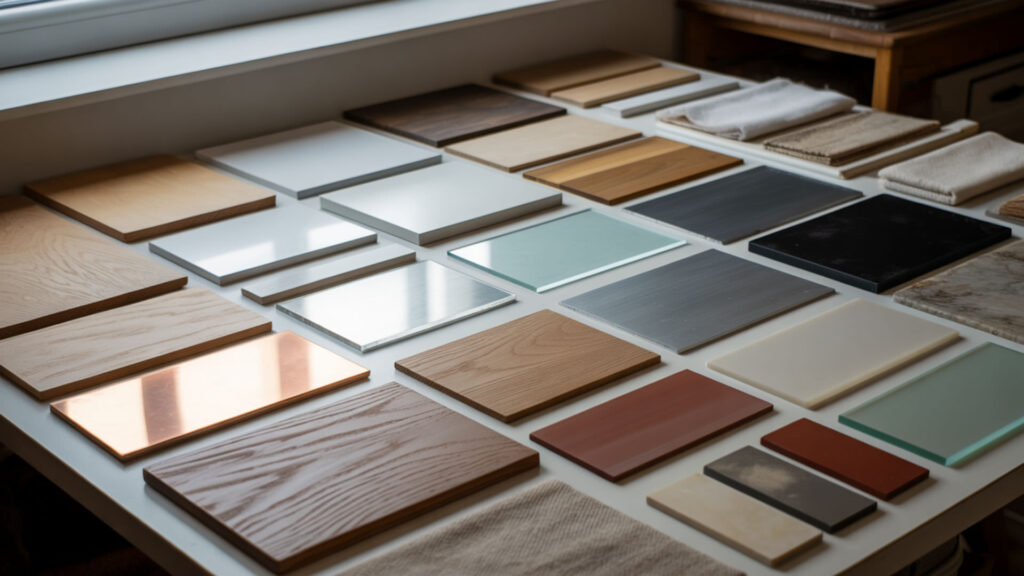
Materials lacking a polymer base or sublimation coating cannot accept dye transfer, including cotton, uncoated wood, untreated metal, bare glass, and most standard plastics. Without polymer chains present in the substrate, disperse dyes have no molecular structure to penetrate and bond with during heat activation. Thermal degradation also eliminates materials with low melting points that warp or burn before reaching sublimation temperatures. Our guide to polymer coating application explains how coatings enable sublimation on otherwise incompatible surfaces. Sublimation relies on synthetic polymers like polyester because their molecular structure allows disperse dyes to bond permanently under heat. [1]
Why can’t certain materials accept sublimation ink?
Disperse dyes require polymer chains to bond with at the molecular level, and materials without polyester content lack the necessary receptive structure. The polymer must reach its glass transition temperature (Tg) during heating for molecular mobility to allow dye diffusion into the substrate. Natural materials like cotton, wood, and untreated metals contain no polymer chains, so gaseous dye simply dissipates without creating any permanent bond. Sublimation only works when the polymer reaches its glass transition temperature (Tg), because that’s when the material becomes mobile enough for dye to diffuse and bond. [2]
What surfaces require a polyester coating for sublimation?
Wood, metal, ceramics, glass, and concrete all require polymer coating application before sublimation because their natural composition lacks dye-receptive properties. The coating must have sufficient heat resistance to survive transfer temperatures of 350–400°F without melting, bubbling, or degrading. Commercial sublimation blanks come pre-coated, but DIY projects require applying polycrylic, polyester spray, or specialized sublimation coating to create the receptive layer.
Can you sublimate on metal or wood without coating?

Metal and wood cannot accept sublimation dye directly because neither material contains polymer chains for the ink to bond with during heat transfer. Metal conducts heat efficiently but without a polymer coating, the dye simply evaporates without leaving any permanent image on the surface. Wood requires sealing with polyurethane followed by polymer coating application, as raw wood chars at sublimation temperatures before any dye transfer can occur.
Can I sublimate on stainless steel?
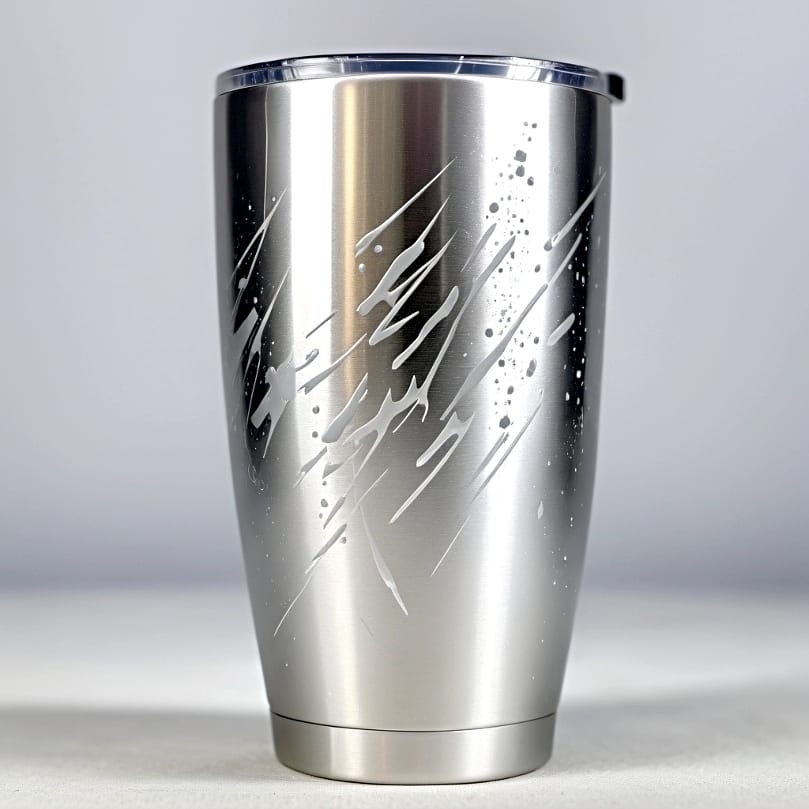
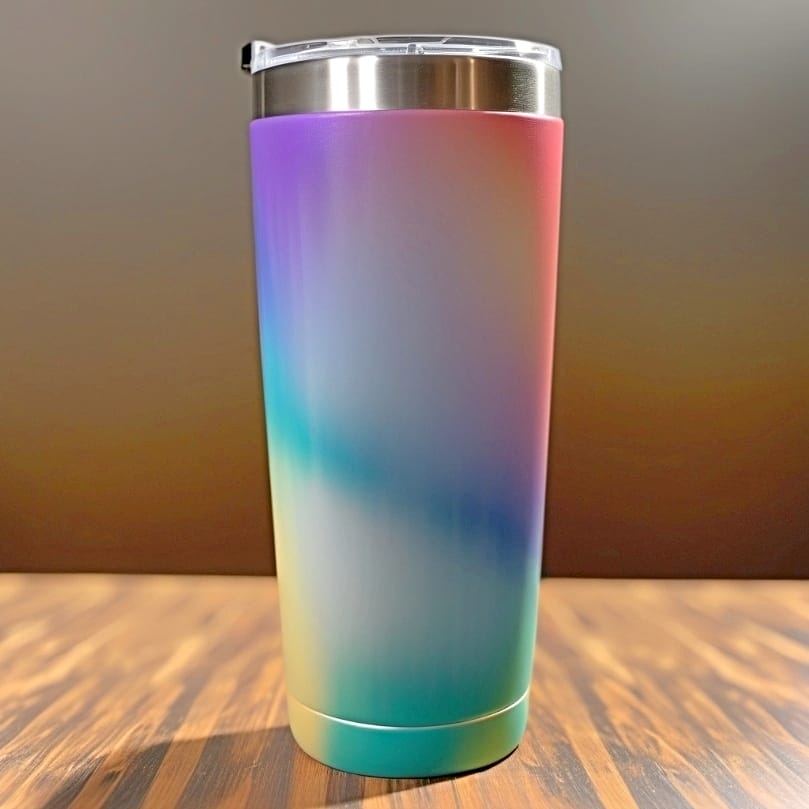
Stainless steel accepts sublimation only when coated with a special polymer or polyester layer designed specifically for dye transfer at high temperatures. The polymer coating must remain stable at 350–380°F without exceeding its melting point or degrading during the 35–75 second press time. Sublimation-coated stainless steel tumblers and sheets are available commercially, but uncoated stainless steel rejects all sublimation attempts completely.
⫸ Click Here For Best Selling Sublimation Printers And Products ⫷Can you sublimate on aluminum foil?
Standard aluminum foil lacks polymer content and cannot bond with sublimation dye regardless of temperature or pressure settings applied during transfer. Foil adhesive products used for craft applications press at 285°F for 8–10 seconds but serve decorative purposes rather than true sublimation bonding. Any coating applied to thin foil risks thermal degradation from the extreme heat transfer required for dye sublimation.
Can you sublimate on glass without a polyester coating?
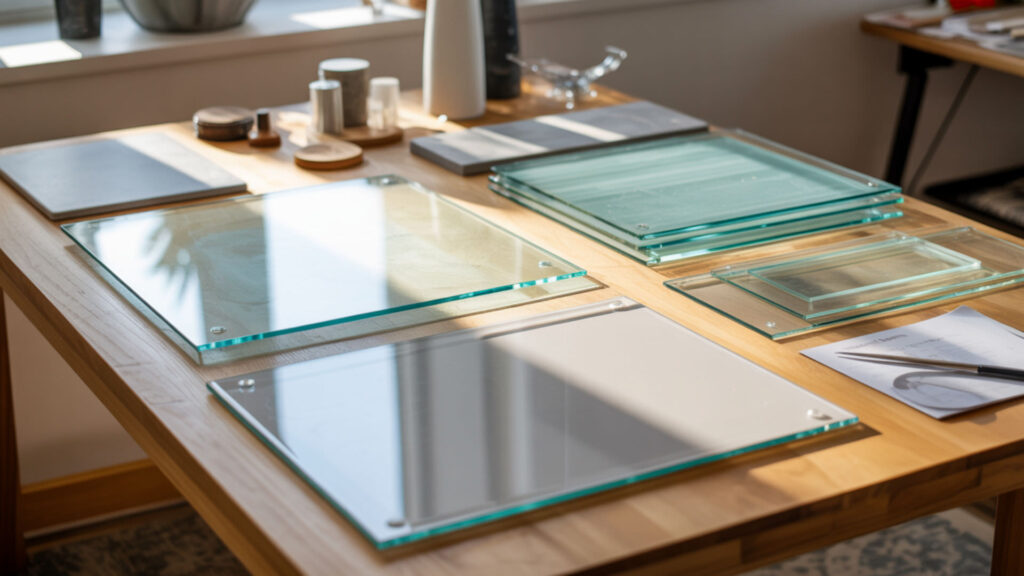
Glass must be coated with a special sublimation layer before dye transfer because the transparent surface contains no polymer content for ink bonding. Uncoated glass produces no transfer at all since disperse dyes require polymer chains to penetrate during the gaseous phase. Sublimation-ready glass blanks include frosted or clear items with pre-applied polymer coating, while plain glass requires vinyl, spray coating, or laminate application first.
Can you sublimate on glass cutting boards from discount stores?
Dollar store glass cutting boards work for sublimation when first treated with clear vinyl or sublimation-compatible coating to create a polymer layer. Trapped moisture inside cheap glass can cause steam issues under heat, leading to bubbling or incomplete transfers that ruin the finished product. The polymer coating requirement remains essential regardless of glass source, as the substrate itself offers no heat resistance advantages over uncoated alternatives.
Can you sublimate on plywood sheets?
Plywood accepts sublimation after treating the surface with thermal laminating film, polycrylic coating, or sanding sealer to create a polymer-receptive layer. Raw wood contains no polymer chains and will char from thermal degradation at sublimation temperatures before any dye transfer occurs. Light-colored plywood like basswood produces better results than darker varieties because sublimation ink is transparent and shows the substrate color beneath.
How do you sublimate on materials step-by-step?
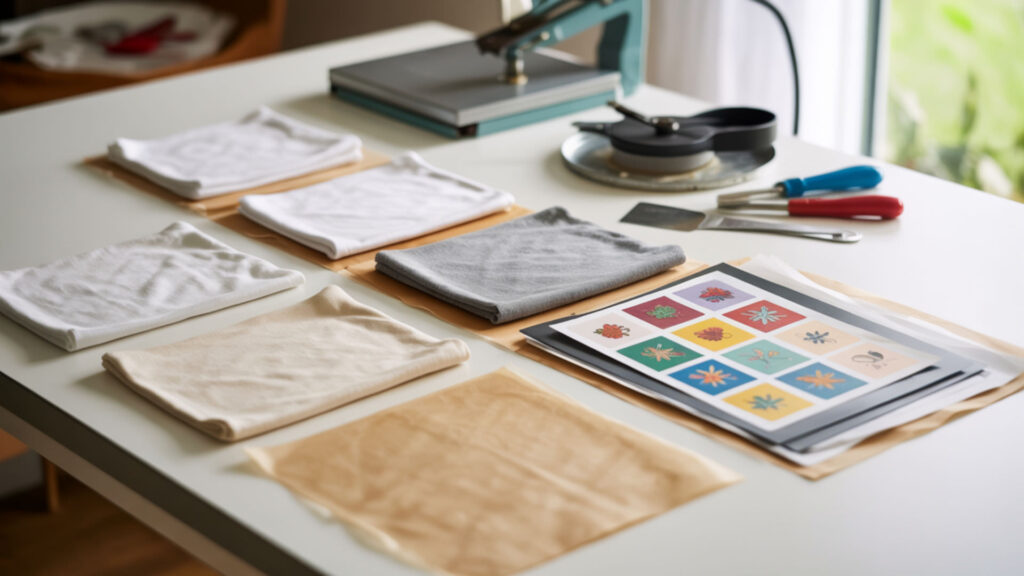
- Verify material compatibility. Check whether the substrate contains polyester or has a polymer coating applied, as materials without polymer content cannot accept sublimation dye.
- Apply coating if needed. Uncoated materials require 2–4 thin coats of sublimation spray or polycrylic with full curing time between each application layer.
- Allow complete curing. Coatings must fully harden before any heat application, typically requiring 24 hours minimum to achieve proper dye receptivity.
- Print and position the design. Mirror the image, print on sublimation paper, secure to the coated surface with heat-resistant tape, and protect with butcher paper.
- Apply heat using convection. Press at 380–400°F for the time specified for your substrate type, allowing even heat distribution through convection for complete dye transfer.
Can you sublimate on ceramics without coating?
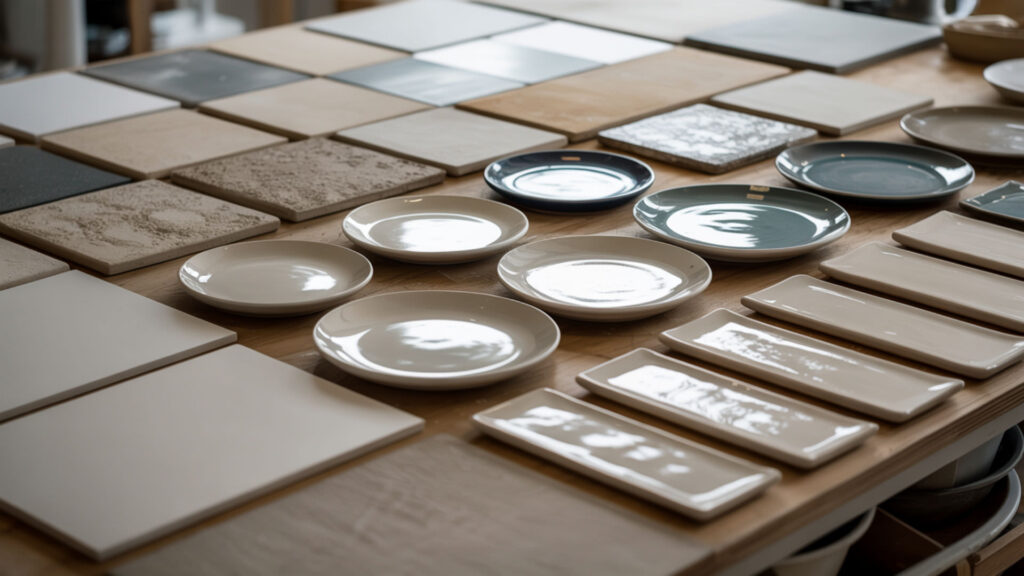
Ceramics require a polymer coating to hold sublimation ink because the clay-based material contains no polymer chains for dye bonding. Plain ceramics produce faded or incomplete transfers since the dye cannot penetrate the surface without a receptive coating layer. Sublimation-ready ceramic mugs, tiles, and plates come with pre-applied coatings that withstand heat resistance requirements for the 385–400°F transfer temperatures.
Can you sublimate ceramic plates?
Ceramic plates sublimate successfully when manufactured with a polymer coating designed to accept disperse dyes at elevated temperatures. The coating must reach its glass transition temperature (Tg) during pressing to allow dye diffusion into the polymer layer. Press at 190°C (374°F) for 4 minutes with the print facing the coated plate surface, securing the transfer paper with heat tape to prevent shifting.
Can I sublimate on ceramic tile?
Ceramic tiles work for sublimation only when specifically coated with polymer products like polyacrylic or PolyGloss that create a dye-receptive surface. Uncoated tiles produce faded, ghosted results where the ink scratches off easily because no coating exists for molecular bonding. Thermal oxidation risks increase with overheating, so maintain temperatures at 385–400°F with medium pressure for 45–70 seconds to prevent coating damage.
What fabrics and textiles are not suitable for sublimation?
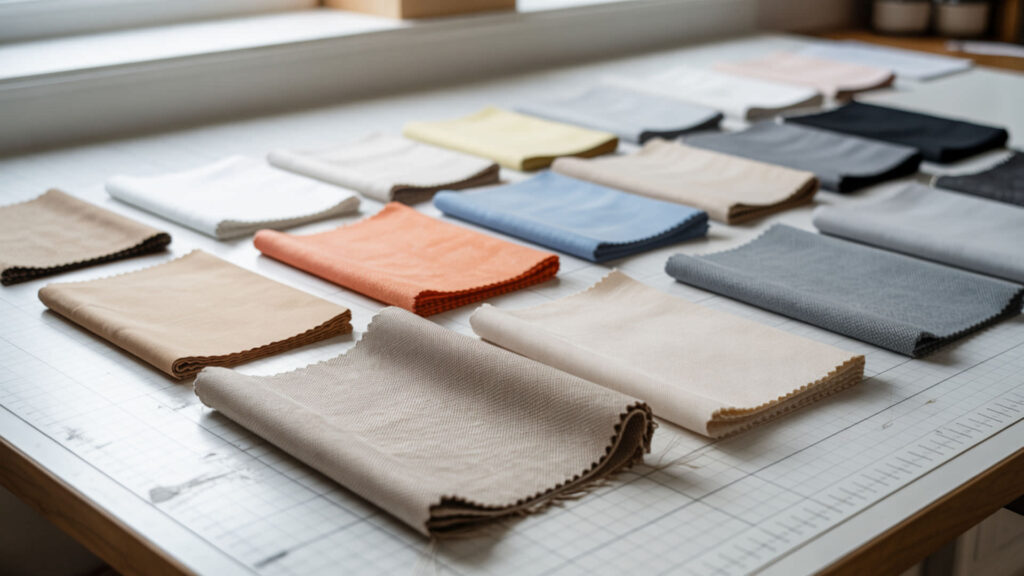
Natural fibers including cotton, linen, silk, and wool cannot accept sublimation dye because they contain no polymer chains for the ink to bond with molecularly. These fabrics experience thermal degradation at sublimation temperatures, scorching before any dye transfer can occur. Polyester fabric with less than 65% content produces increasingly faded results as the cotton or natural fiber percentage rises, with 50/50 blends showing noticeably washed-out colors.
Can you sublimate on a 50% polyester shirt?
Shirts with 50% polyester content produce faded, vintage-looking results because disperse dyes bond only to the polymer-containing fibers while cotton areas reject the ink completely. Lower polyester percentages translate directly to lower color vibrancy since half the fabric surface cannot accept any dye transfer. The resulting print appears washed out compared to 100% polyester, with the cotton fibers creating visible lightness throughout the design.
Can I sublimate on linen?
Standard 100% linen contains no polymer chains and cannot bond with disperse dyes during sublimation heat transfer. Linen absorbs moisture readily, causing press issues like fading and ghosting when trapped water turns to steam under the heat source. Polyester-coated linen or high-polyester blend products specifically designed for sublimation work at 385–400°F for 60–80 seconds, but natural linen requires coating application first.
Can you sublimate on plastic or other synthetic surfaces?
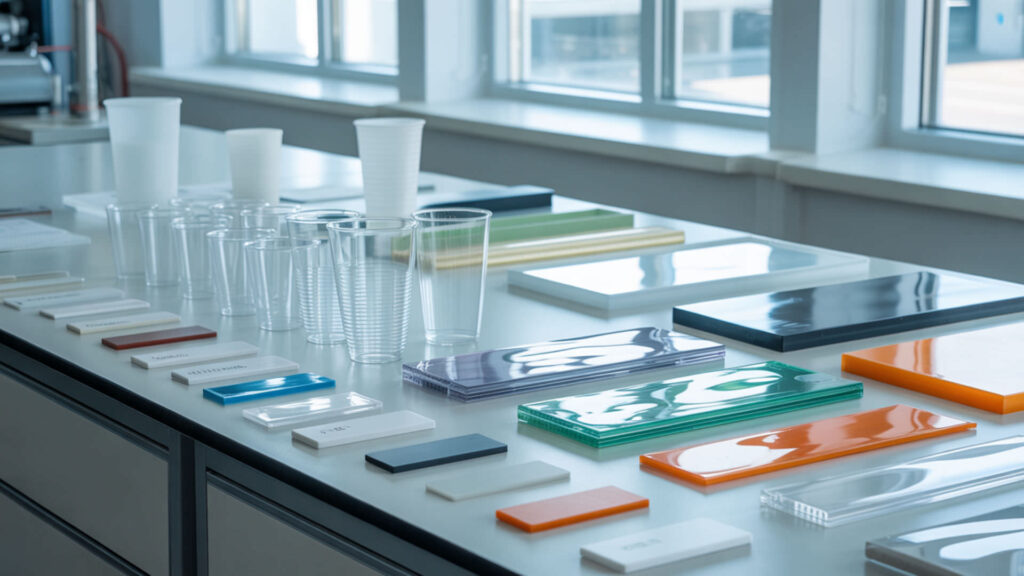
Many plastics have low melting points that cause warping, bubbling, or complete deformation before reaching the 350–400°F temperatures required for sublimation dye transfer. Polymer degradation occurs when synthetic materials burn or discolor rather than accepting the ink, destroying both the substrate and the design attempt. Acrylic, certain PVC products with coatings, and polycarbonate withstand sublimation heat, but standard consumer plastics generally fail.
Can I sublimate plastic cups?
Plastic cups require sublimation-ready polymer coating or special heat-resistant construction to survive transfer temperatures without melting or warping. Standard plastic cups lack sufficient heat resistance and deform during thermal degradation before any dye bonding can occur. Sublimation-ready plastic travel mugs press at 330–365°F for 60–120 seconds, while adding vinyl or laminate creates a receptive layer on otherwise incompatible cups.
Can you sublimate on laminate sheets?
Thermal laminate sheets create a polyester-like surface that accepts sublimation dye when adhered to substrates like wood or canvas before pressing. The polymer coating in the laminate provides the adhesion layer necessary for dye bonding at sublimation temperatures around 380–400°F for 60 seconds. This technique transforms otherwise incompatible materials into sublimation-ready surfaces by adding the required polymer content through the laminate layer.
Ready to Know Your Sublimation Limits?
Understanding which materials accept sublimation prevents wasted supplies and disappointing results from attempting transfers on incompatible surfaces. Polymer content defines the boundary between success and failure, while heat resistance determines whether substrates survive the process without polymer degradation or permanent damage. Browse our recommended polymer coatings, pre-treated blanks, and compatible materials to ensure every sublimation project succeeds.
Frequently Asked Questions
Can I sublimate on dark colors?
Dark-colored substrates prevent sublimation ink from showing because disperse dyes are transparent and take on the color of the surface beneath them. Black shirts require white heat transfer vinyl (HTV) or EasySubli material applied first to create a light base for the design to transfer onto visibly. The substrate color shows through any design, so dark backgrounds effectively hide the transferred image completely.
Can you sublimate on wax paper?
Wax paper melts under sublimation heat, creating a sticky mess that ruins projects and contaminates heat press surfaces with burned coating residue. The low heat resistance of wax makes it completely unsuitable for the 350–400°F temperatures required for dye transfer activation. Butcher paper, parchment paper, or Teflon sheets serve as proper protective layers that withstand sublimation temperatures without thermal degradation.
Can you sublimate on cork?
Cork accepts sublimation on products with polyester coating, such as hardboard coasters with cork backing, but raw cork produces muted colors due to its brown base showing through transparent ink. Pre-press items for 20 seconds to remove moisture, then sublimate at 385–400°F with medium pressure for 45–70 seconds on coated products. Darker design colors work better than light colors on natural cork because they contrast more visibly against the tan background.
Can you sublimate on concrete?
Concrete lacks the polymer coating required for sublimation dye bonding, so direct transfers produce no usable image on the porous surface. Applying a clear polymer-based sublimation coating designed for hard surfaces creates the receptive layer needed before attempting any dye transfer. Alternative methods for concrete decoration include UV printing, laser etching, or specialized vinyl decals designed for outdoor porous surfaces.
Can melamine be sublimated?
Standard melamine resin requires chemical modification to accept sublimation dye by altering the formaldehyde-to-melamine ratio to create additional hydroxyl endgroups or crystallinity. Modified melamine products designed for sublimation include some dishware and decorative panels with adjusted polymer structures for dye receptivity. Unmodified melamine surfaces reject sublimation attempts because the standard resin composition lacks the molecular properties for dye penetration.
References
- Diffuse toxic goiter – StatPearls – NCBI bookshelf. (2023, February 27). National Center for Biotechnology Information. https://www.ncbi.nlm.nih.gov/books/NBK557859/
- Diffuse toxic goiter – StatPearls – NCBI bookshelf. (2023, February 27). National Center for Biotechnology Information. https://www.ncbi.nlm.nih.gov/books/NBK557859/